You’ve probably experienced it yourself. You spend money on an expensive cat bed or elaborate cat furniture, only to watch your feline friend completely ignore it. Instead, they head straight for the dusty cardboard box that’s been sitting in your living room for weeks. It’s baffling, right? Maybe even a little bit frustrating.
What seems like a simple quirk is actually rooted in thousands of years of evolution and complex feline psychology. Your cat’s obsession with that worn-out box isn’t random at all. There’s genuine science behind why your furry companion would rather curl up in cardboard than sink into the plush cushion you carefully selected. Let’s dive in and uncover what’s really going on in your cat’s mind when they choose that humble box over everything else.
It’s Their Personal Fortress of Safety
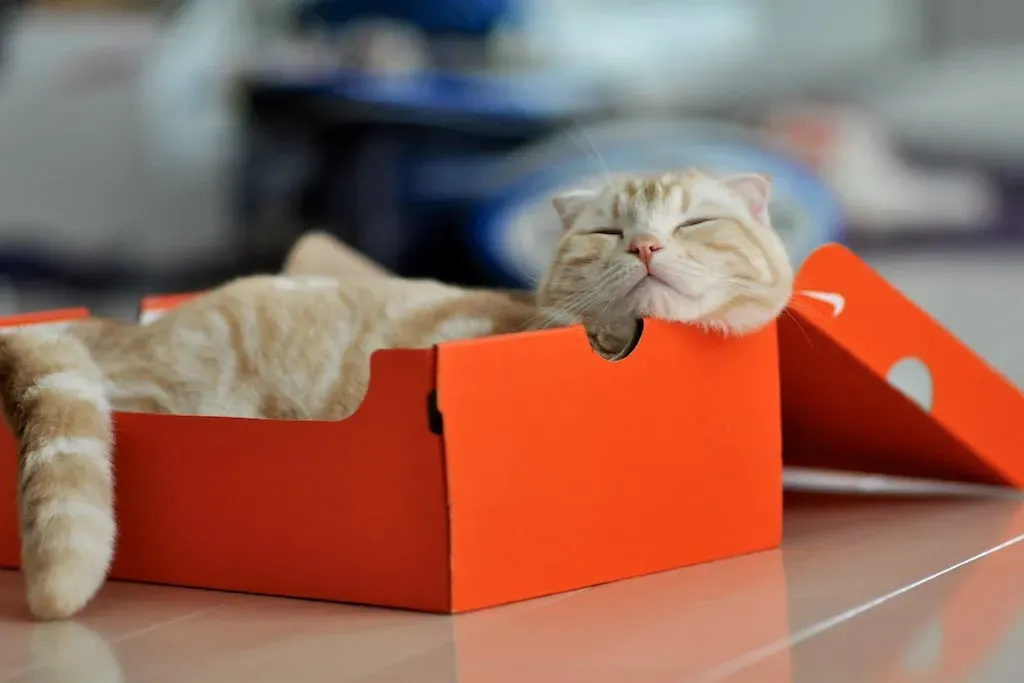
Here’s the thing: your cat isn’t just lounging in that box for fun. They occupy a delicate midpoint in the food chain, where they are both predator and prey, and boxes give cats control, comfort, and prime ambush angles. Even though your pampered house cat has never faced a real predator, those instincts run deep.
In the wild, small, hidden spaces protect cats from predators, and a box is a secure, enclosed environment that triggers a cat’s natural instinct to find a safe den. When your cat squeezes into that box, they’re activating ancient survival mechanisms. The walls provide protection from all sides, allowing them to observe their surroundings while feeling completely shielded from potential threats.
Stress Relief in Cardboard Form
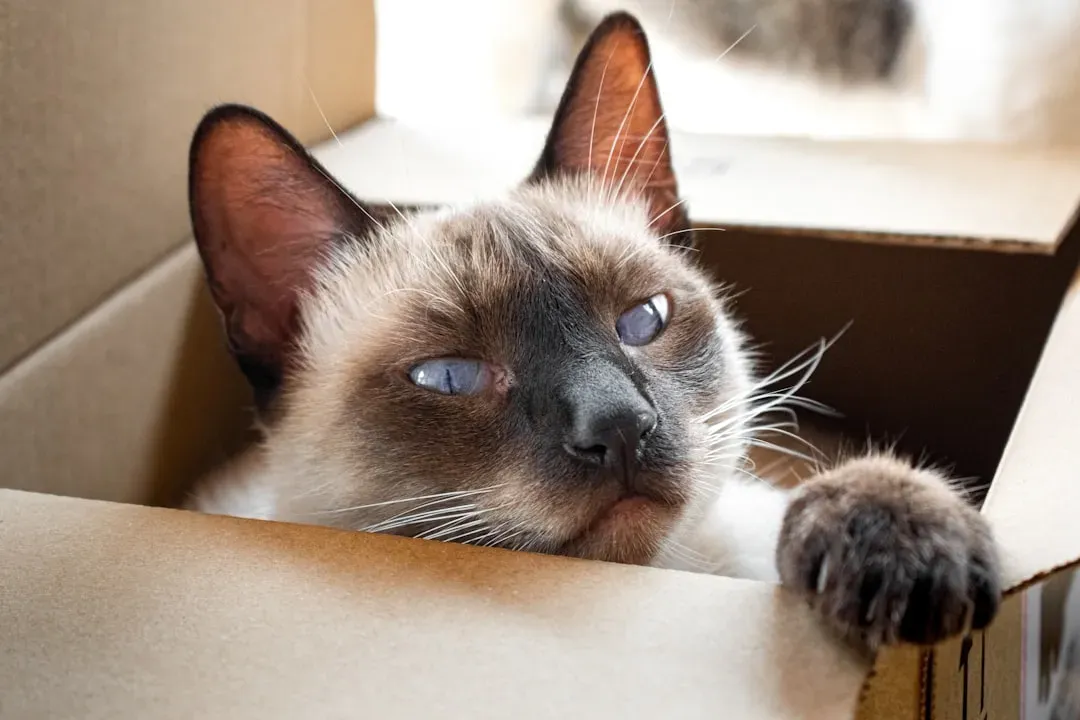
Life can be stressful, even for indoor cats. Multiple studies have shown that stress hormones like cortisol are reduced in newly rescued cats when they are given access to a box. This isn’t just about new environments either. Your cat might retreat to their cardboard sanctuary when there’s too much noise, unfamiliar visitors, or even just a particularly chaotic Tuesday afternoon.
The application of hiding boxes decreases stress in shelter cats, at least on the short term. Think of it this way: when you’re overwhelmed, you might want to retreat to your bedroom with the door closed. Your cat does the exact same thing, except their bedroom happens to be an Amazon delivery box. It’s their way of hitting the reset button and regaining emotional balance.
The Temperature Control Factor
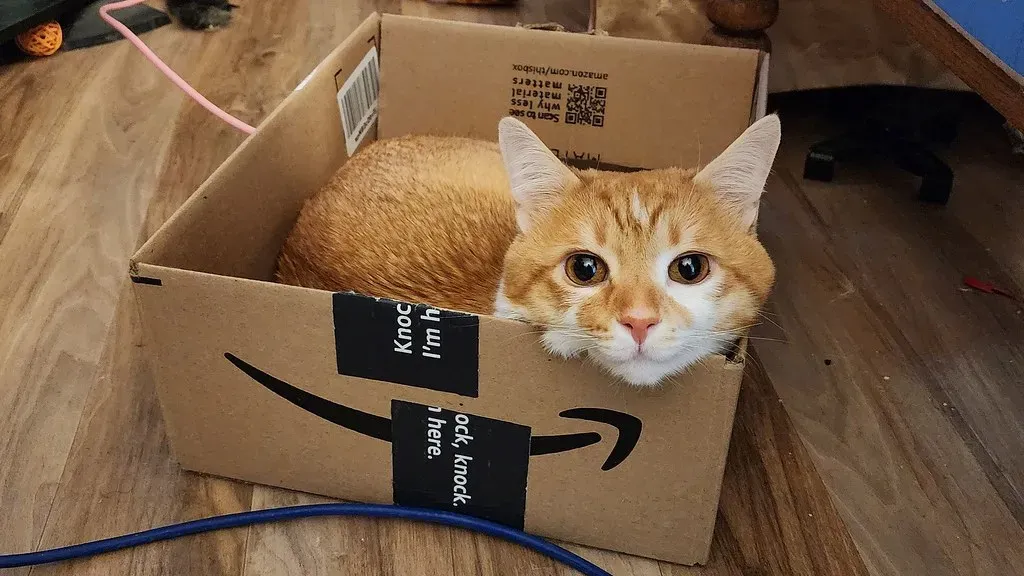
According to a 2006 study by the National Research Council, cats are most comfortable in temperatures between 86–97 F. Most of us keep our homes around 72 degrees, which is actually pretty chilly for your feline friend. That cardboard box solves this problem beautifully.
The cardboard acts like a cozy blanket, trapping the cat’s body heat and acting as an insulator, while the confined space forces a cat to curl up into a ball, which also helps to preserve body heat. Cardboard is surprisingly effective at creating a warm microclimate. Your cat isn’t being weird – they’re being smart about staying toasty without running up your heating bill.
Perfect Texture for Scratching and Chewing
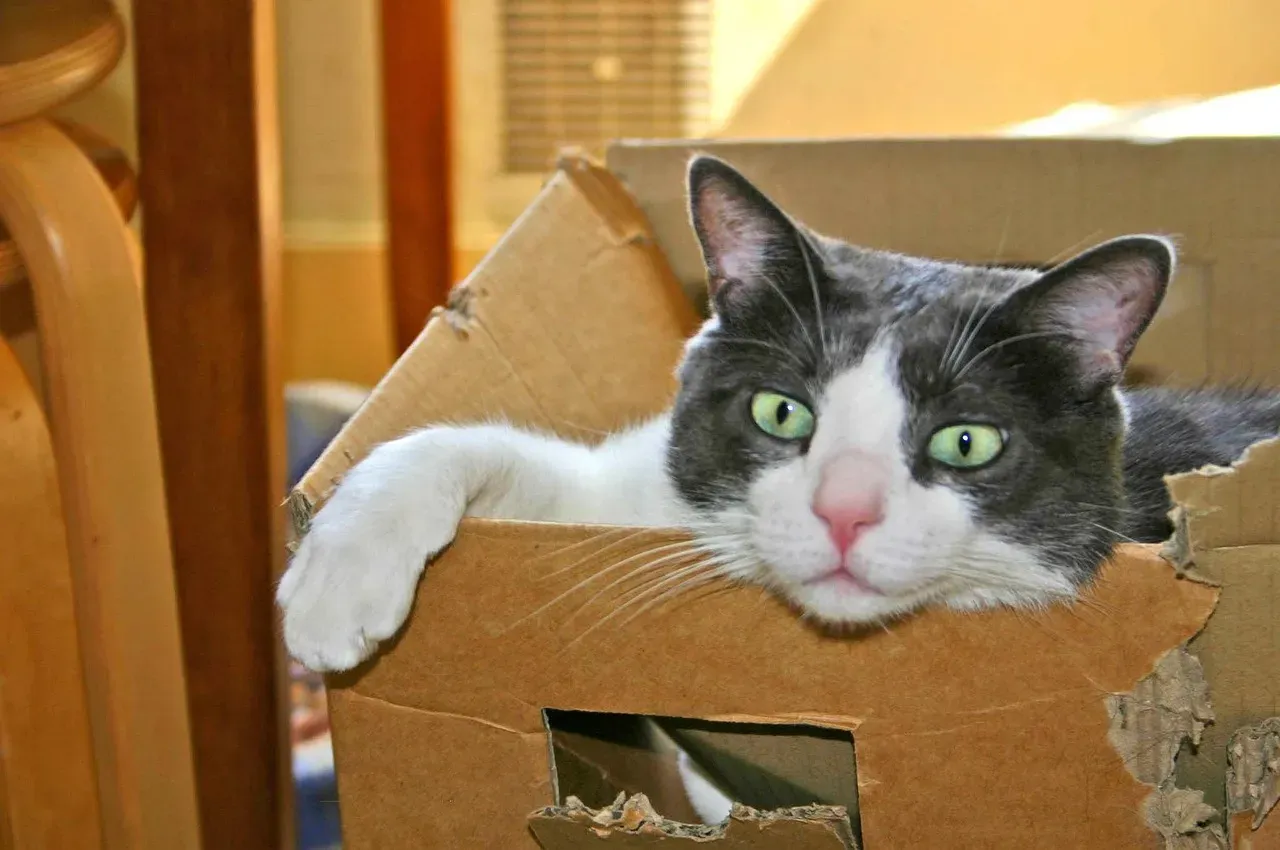
Your cat’s attraction to cardboard goes beyond just hiding inside it. The texture is soft and may be easier for cats to puncture than other objects, giving them easy satisfaction for both chewing and clawing. There’s something deeply satisfying about the way cardboard shreds and tears under their claws.
Cats love the feel of the box, giving them a great place to chew and claw, and when a cat chews on the flaps or the side of the box, it is their way of scent-marking the box with their pheromones. So that beat-up box isn’t just a toy – it’s also a way for your cat to claim ownership and make it truly theirs. Honestly, it makes sense when you think about it.
It Feeds Their Curiosity
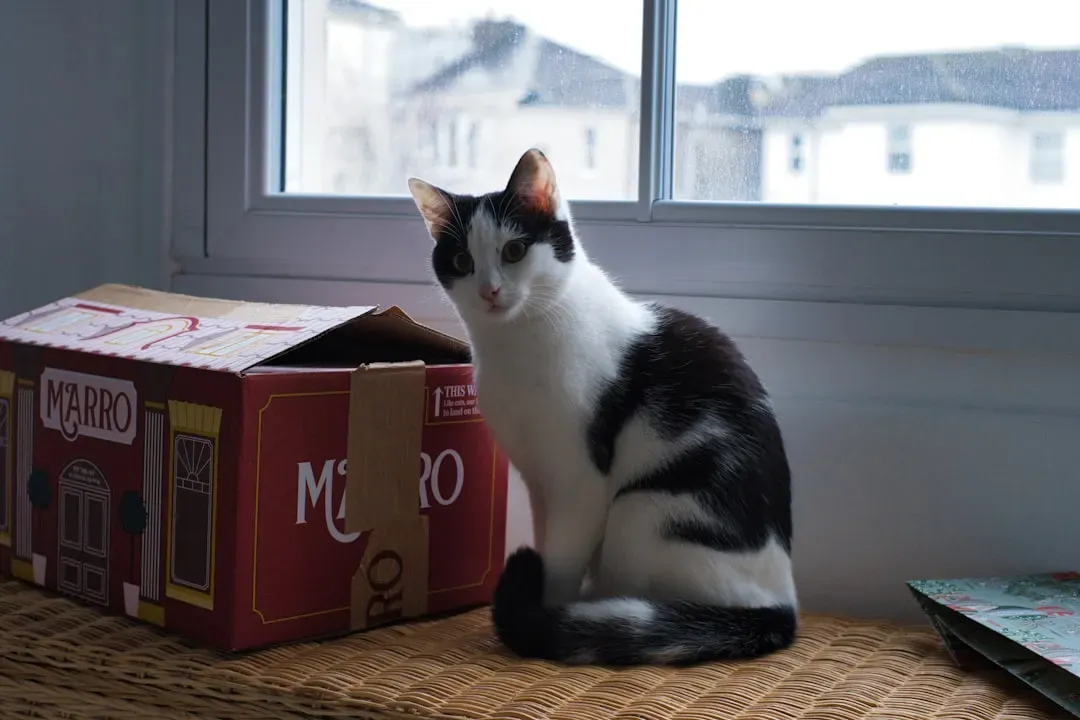
A newly arrived box is also a change to a cat’s environment; cats that live indoors know every inch of their kingdom and immediately notice any changes, making the box something fun and novel to investigate. Your cat is essentially a tiny detective, and that box represents a mystery waiting to be solved.
The scent, the texture, the shape – everything about a new box demands investigation. Cats are curious creatures, and boxes present an exciting world of exploration; cats love investigating new things, and a new box, with its smells and textures, represents a new puzzle that must be unraveled. It’s mental stimulation disguised as a simple container. For a creature that can spend up to eighteen hours sleeping, a box offers a welcome break from routine.
A Private Space in a Busy World
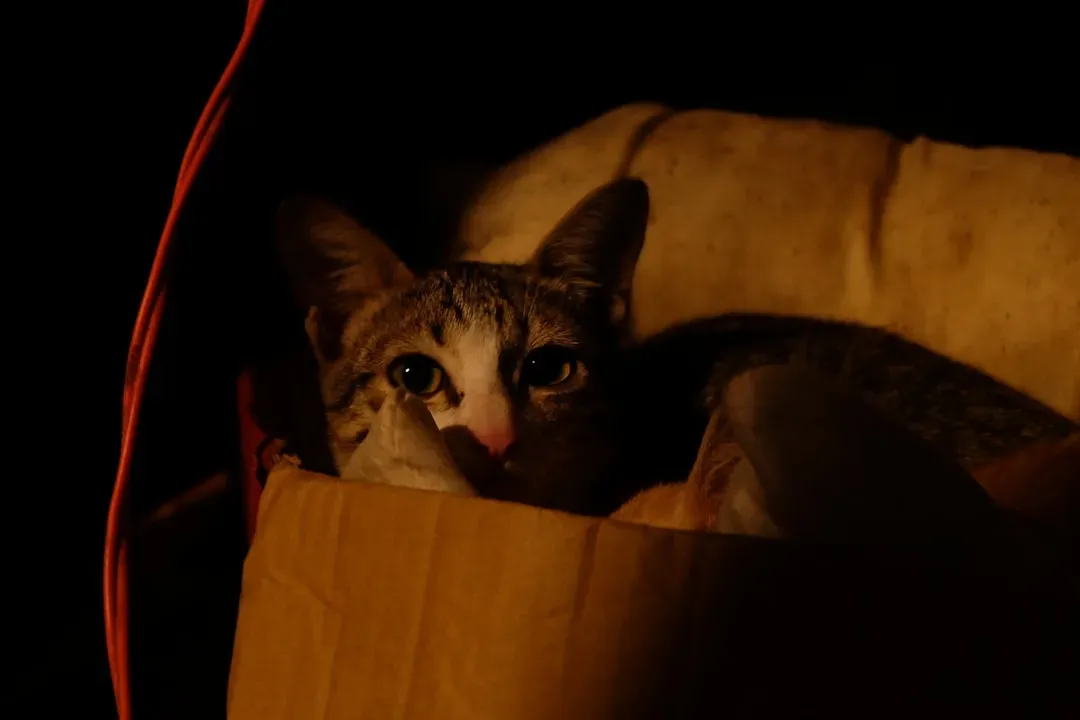
Some cats do not want to be bothered; maybe you have company in the home your cat does not know, making them uncomfortable, so instead of trying to get to know your guests, they hide in a box, or they want to get away from other pets in the home. Your cat values their alone time just as much as you do.
Cats lack refined conflict resolution skills, so they prefer to avoid negative interactions by avoiding others or hiding away; when tensions arise with family members, the refuge of a box offers the cat a chance to recalibrate and de-stress before resorting to confrontation. That cardboard box becomes their personal sanctuary where they can decompress without judgment or interruption. It’s not antisocial – it’s self-care, feline style.
The Perfect Hunting Hideout
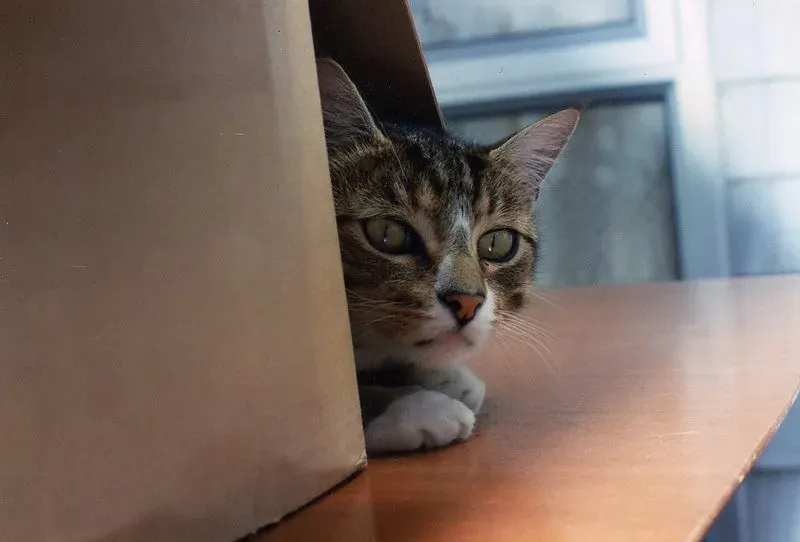
In the wild, cats are predators who have to be stealthy to catch their next meal, which often involves hiding in small spaces where they can’t be seen, crucial for survival because it helps them sneak up on unsuspecting prey. Even though your cat’s “prey” might just be a toy mouse or your unsuspecting ankle, those hunting instincts remain razor-sharp.
A cardboard box allows them to perform a sneak attack on their unsuspecting prey and then rush into the box to hide from eager predators, providing domestic cats with mental enrichment. That box transforms into a strategic command center where your cat can plan their next pounce. Whether they’re stalking a bug or preparing to ambush you as you walk past, that cardboard fortress gives them the tactical advantage they crave.
Conclusion
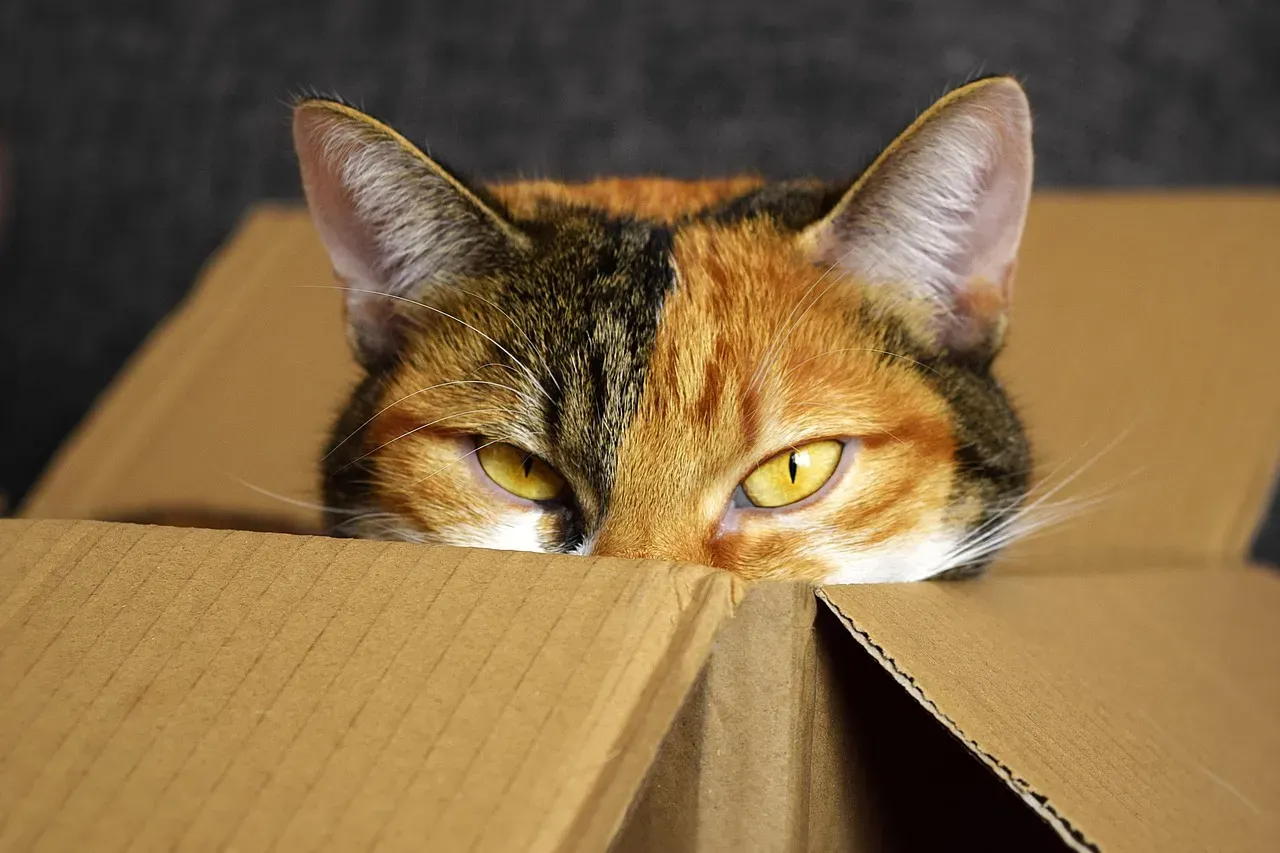
Your cat’s preference for that old cardboard box over their expensive bed isn’t a personal insult to your shopping choices. It’s actually a fascinating window into their complex instincts, psychological needs, and evolutionary history. From stress reduction to temperature regulation, from hunting practice to simple curiosity, that humble box serves more purposes than most fancy pet products ever could.
The next time you catch your cat squeezed into what seems like an uncomfortably small box, remember that they’re engaging in behaviors that have kept their ancestors alive for millennia. Maybe instead of trying to convince them to use that pricey cat furniture, just save yourself some money and keep a few good cardboard boxes around. What’s your cat’s favorite box hiding spot? You might be surprised at just how picky they can be about their cardboard real estate.