You think you know your cat, right? You’ve mastered the art of deciphering meows at mealtime and learned to recognize that rumbling purr when they settle into your lap. Yet those vocalizations barely scratch the surface of what your feline companion is actually telling you every single day.
Cats are incredibly talkative creatures, honestly. They just don’t rely on sound the way you might expect. Instead, they’re broadcasting messages through a complex, layered system of signals that most people completely miss. Once you start noticing these subtle cues, you’ll realize your cat has been having full conversations with you all along, and you’ve been only half listening. So let’s get started.
The Slow Blink Speaks Volumes About Trust
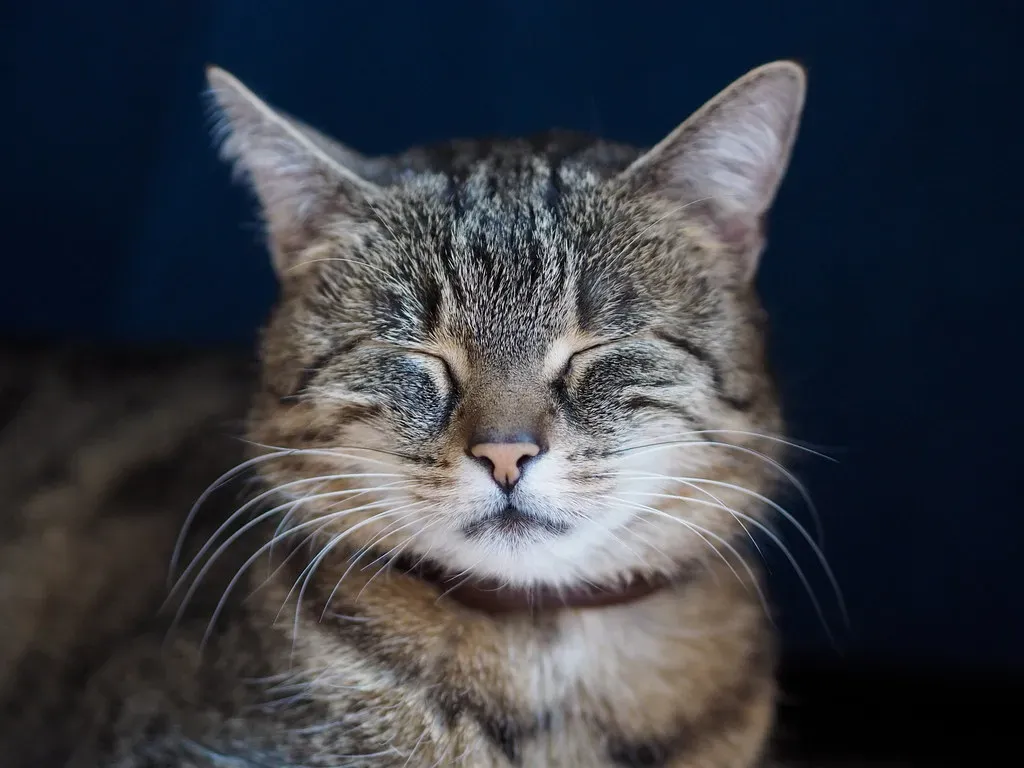
When your cat gives you a slow blink, they’re expressing trust, contentment, and affection by making themselves vulnerable since closing their eyes prevents them from detecting potential threats. Think about it for a moment. In the wild, a cat closing its eyes even briefly could mean missing a predator. Scientific research has confirmed that this gesture makes cats more likely to approach and engage with humans, both familiar ones and strangers.
Here’s the thing. You can slow blink back at your cat to solidify your bond, creating a kind of conversation between the two of you. Simply narrow your eyes as if in a relaxed smile, then close them for a couple of seconds. Studies show cats are more likely to slow blink at their humans after their humans have slow blinked at them. Not every cat will rush over for cuddles afterward, though some will take it as an invitation. Others might just look away, which is still a sign they trust you.
Tail Quivers Signal Pure Excitement
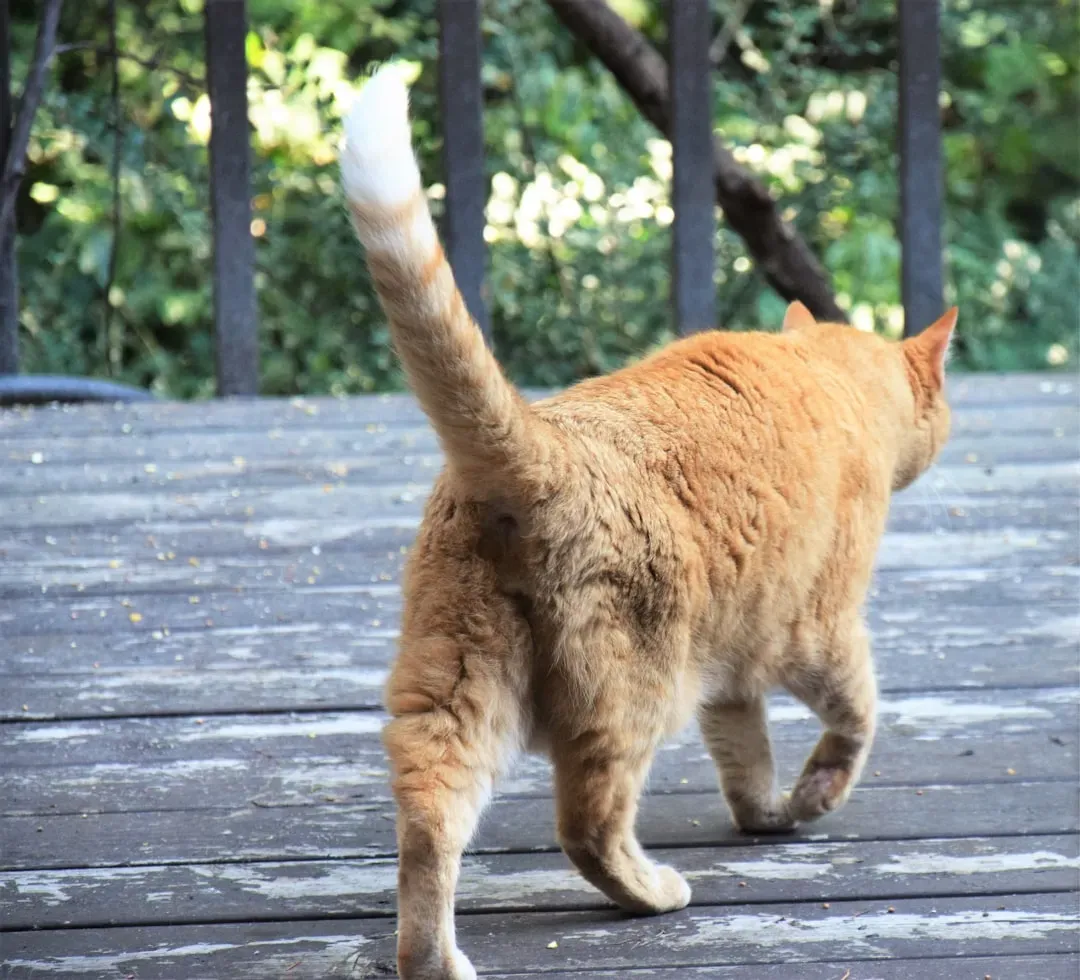
When greeting their owners, cats often hold their tails straight up with a quivering motion that indicates extreme happiness. This isn’t the same as the typical upright tail you see when your cat walks around confidently. The quiver is different, almost like a little vibration running through the entire tail.
You’ll usually spot this when you first come home or right before feeding time. A quivering upright tail usually signals excitement or marking behavior, so context matters here. If your cat approaches you with that trembling tail held high, they’re essentially saying they’re thrilled to see you. It’s one of the most genuine displays of feline joy you can witness, far more specific than a simple purr.
Whisker Position Reveals Hidden Emotions
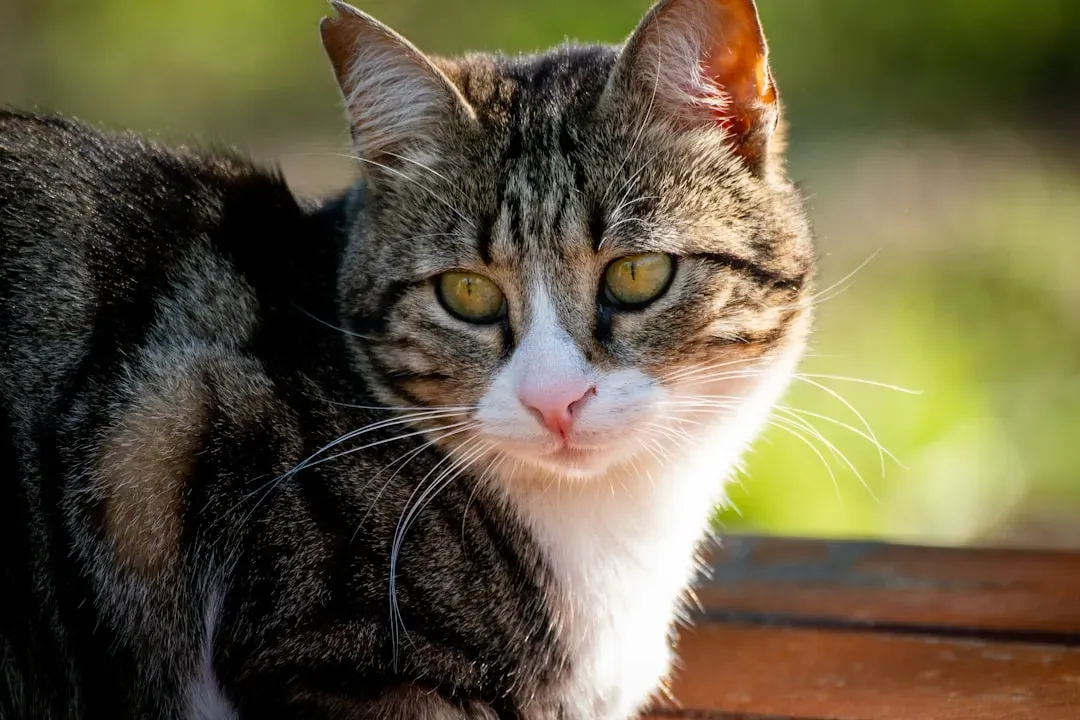
Cats use their whiskers to judge proximity and express their mood, with whiskers off to the sides and slightly lowered indicating a relaxed state. Most people never think to look at whiskers when trying to understand their cat. Yet these sensitive facial hairs are constantly broadcasting emotional updates.
Whiskers pointing forward indicate interest and curiosity, like when your cat spots something intriguing across the room. If your cat’s whiskers are forward and fanned out, they’re interested in something, but if whiskers are pressed tight to their face, the cat is afraid and attempting to make itself look smaller. Confident cats might push their whiskers forward, while fearful ones pull them back. Pay attention next time you interact with your cat. Those whiskers are telling a story all on their own.
The Head Bump Marks You as Family
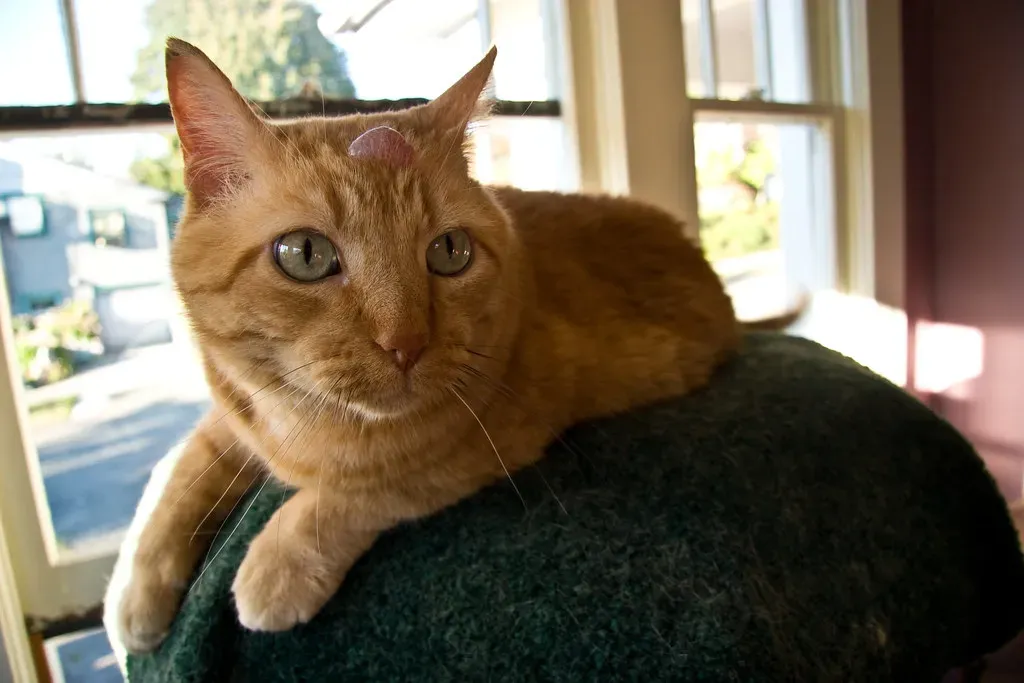
Cats sometimes head bump humans or other cats with the front part of the head in a behavior called bunting, which has an olfactory component since there are scent glands in this area and is possibly for seeking attention. When your cat bonks their head against your leg, hand, or face, they’re not just being affectionate. They’re actually claiming you.
Headbutting and rubbing are forms of cat communication that allow cats to mark their territory by transferring scent from glands around their cheeks and jaw, signaling comfort, affection, and familiarity. This behavior goes beyond simple friendliness. Your cat is literally labeling you as part of their trusted social group. When your cat rubs their chin and body against you, they’re marking their territory and telling everyone that this is their stuff, including you. It’s possessive, sure, but in the most endearing way possible.
Paw Taps Demand Your Attention
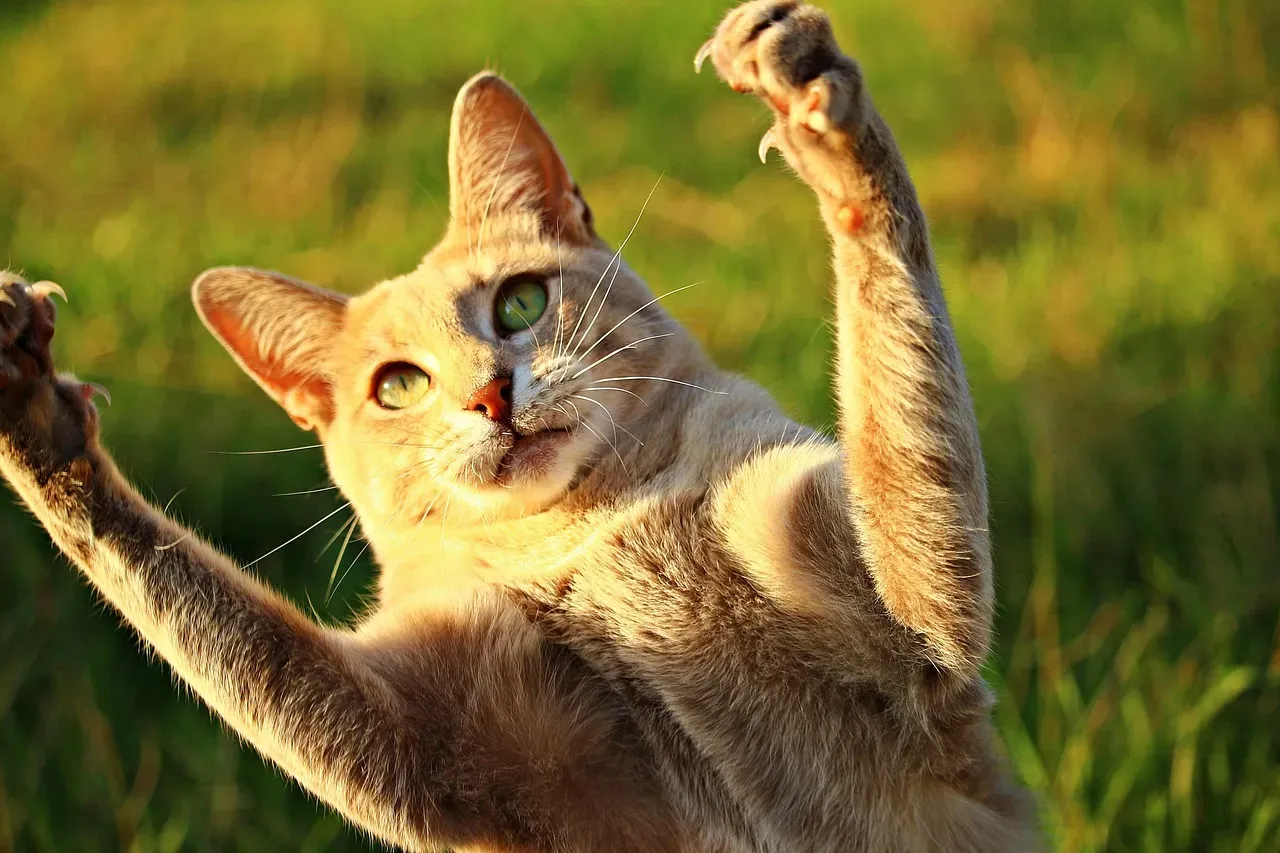
Gentle paw taps are a way of getting your attention without meowing. You’re sitting on the couch, absorbed in your phone, and suddenly you feel a soft tap on your arm. No claws, no urgency, just a polite little pat. Your cat has mastered the art of the gentle reminder.
This is deliberate communication, not accidental contact. Cats learn quickly which behaviors get results, and paw tapping is remarkably effective at breaking through human distraction. It’s less demanding than meowing but more direct than simply staring at you. Some cats will escalate from one tap to several if you ignore them. Others will combine it with that intense stare that seems to bore straight into your soul. Either way, they’re initiating conversation, and ignoring them is basically hanging up mid call.
Ear Swiveling Shows Active Listening
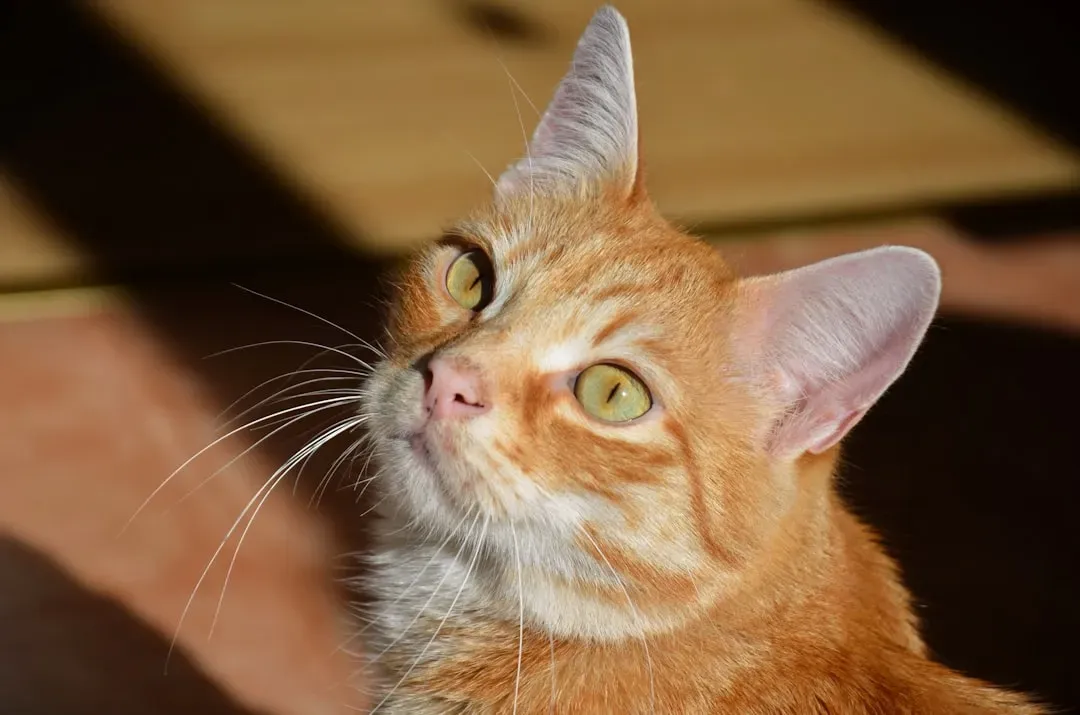
Ears swiveling means a cat is actively listening and gathering information. Unlike dogs, whose ears might have limited mobility depending on breed, cats have incredible ear control. Cats use more than 20 different ear muscles to fine tune ear movement, which allows for incredibly precise adjustments.
Ears forward mean the cat is alert, curious, and interested in what’s happening, while ears slightly relaxed show they’re comfortable and content. Watch your cat’s ears during dinner preparation or when a strange noise occurs outside. They’ll swivel independently, like tiny satellite dishes scanning for signals. A quick twitch or turn can signal shifting emotions in seconds. This constant adjustment isn’t random. Your cat is actively processing their environment and responding to it in real time.
Belly Displays Signal Complex Trust
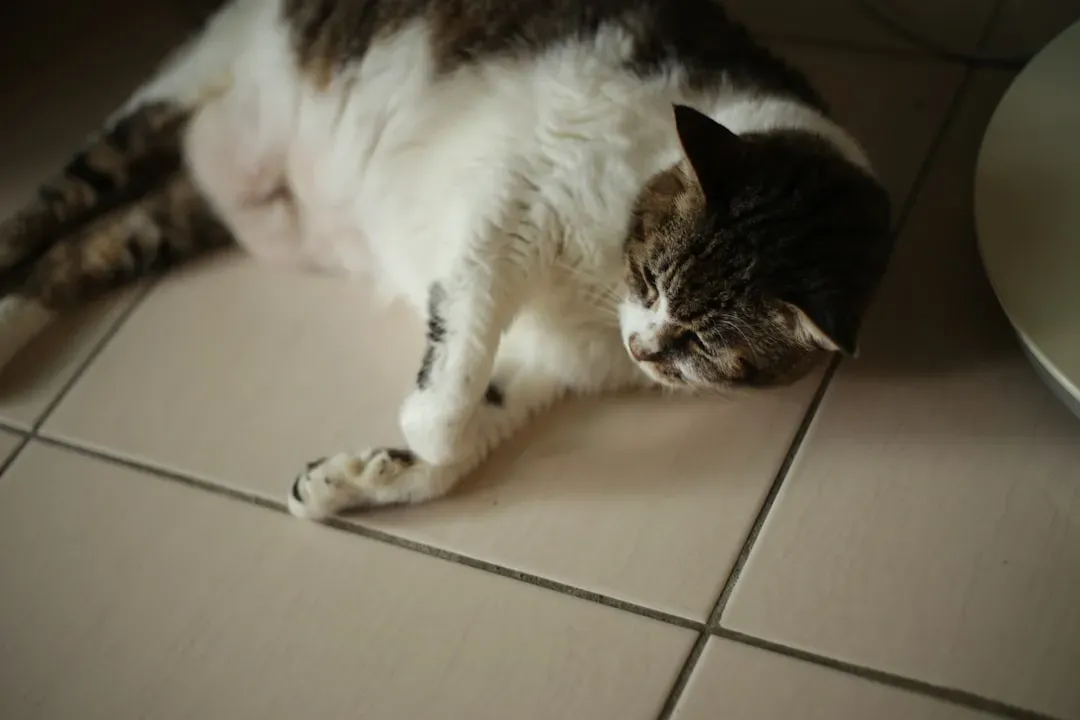
Rolling onto their back is a sign of trust but not always an invitation for belly rubs. This might be the most misunderstood signal in all of cat communication. Your cat flops over, exposing their soft underbelly, and you naturally reach out to pet that fluffy tummy. Next thing you know, you’re nursing scratches.
A relaxed cat will be loose, sprawling with belly up and paws in the air, though this is not always an invitation for a belly rub, while a nervous cat will hold itself tight with paws and tail tucked close to the body. When your cat slow blinks while looking at you, they’re making themselves vulnerable just like when they roll onto their backs and show their bellies in your presence, knowing they are safe with you. The belly display itself means they trust you enough to show vulnerability. Actually touching that belly? That’s a separate question entirely, and many cats have strong opinions about it.
Conclusion
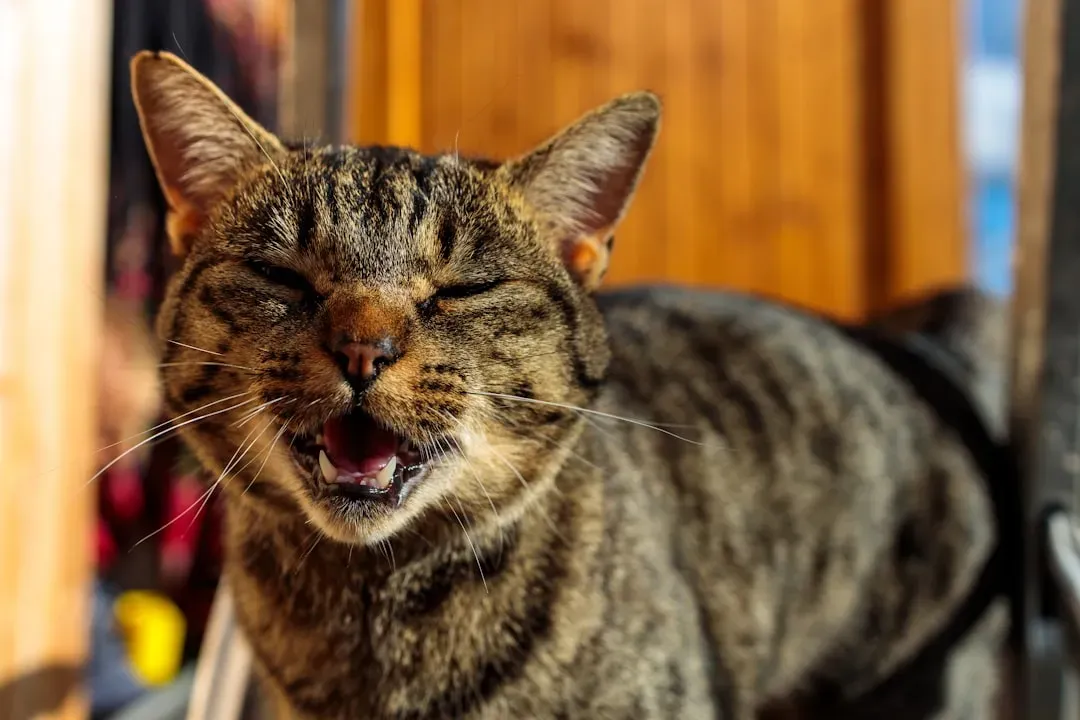
Your cat has been speaking to you this entire time, using a sophisticated language that evolved over thousands of years. Research shows cats adjust their body language and vocalizations when interacting with humans, using more eye contact and meows than they do with other cats. They’ve adapted their communication style specifically for us, developing signals that bridge the gap between species.
The more you tune into these subtle cues, the more your relationship with your cat will deepen. You’ll catch signs of stress before they escalate, recognize contentment in its quietest forms, and respond to requests you didn’t even know were being made. When you learn to read cat signals accurately, you can respond in ways that build trust, whether that’s respecting boundaries when your cat is anxious or engaging playfully when they’re in the mood.
What surprised you most about cat communication? Have you noticed any of these behaviors in your own feline companion?