Cats have long carried an undeserved reputation as cold, indifferent creatures who merely tolerate the humans they live with. That narrative, while persistent, is quietly being dismantled by science. The reality is that your cat’s loyalty is very real. It just speaks a different language than you might expect.
Recent scientific research reveals that cats do form deep, meaningful bonds with their human companions. They just express their loyalty differently than their canine counterparts. Once you learn to read those signals, you start to realize that your cat has been devoted to you all along, in ways that are surprisingly moving.
They Use You as Their Safe Anchor in an Uncertain World
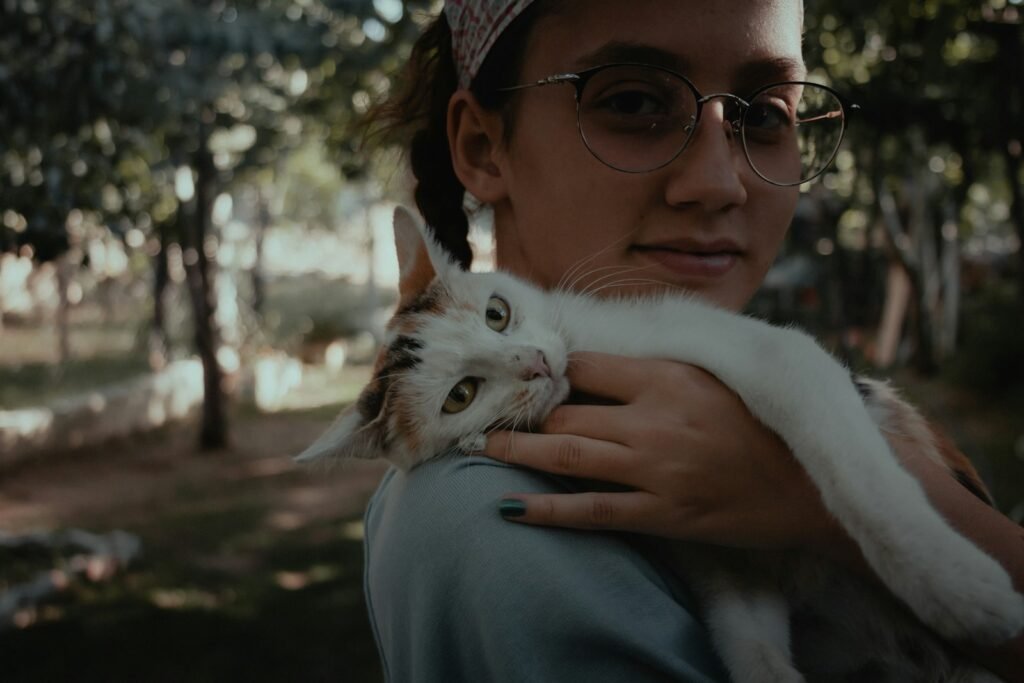
When the world feels unfamiliar or stressful, your cat doesn’t panic alone. Researchers at Oregon State University found that, just like children, primates, and dogs in similar studies, cats form emotional attachments to their caregivers. This includes what is called “secure attachment,” which is when the presence of a caregiver helps the cat feel calm and secure.
About 64% of the cats tested showed signs of “secure attachment,” meaning they trusted their owners and felt safe in their presence. That’s actually a higher percentage than dogs, who scored 58% in similar studies. Think about that for a moment. Your cat is statistically more likely to be securely bonded to you than a dog is to its owner.
Even if your cat gives you the cold shoulder at times, deep down they truly need you and crave your presence. The lead author of the study, Dr. Kristyn Vitale, emphasized that the majority of cats are looking to their owners to be a source of safety and security. That quiet calm your cat shows when you’re nearby isn’t coincidence. It’s trust.
They Slow Blink at You, and It Means Everything
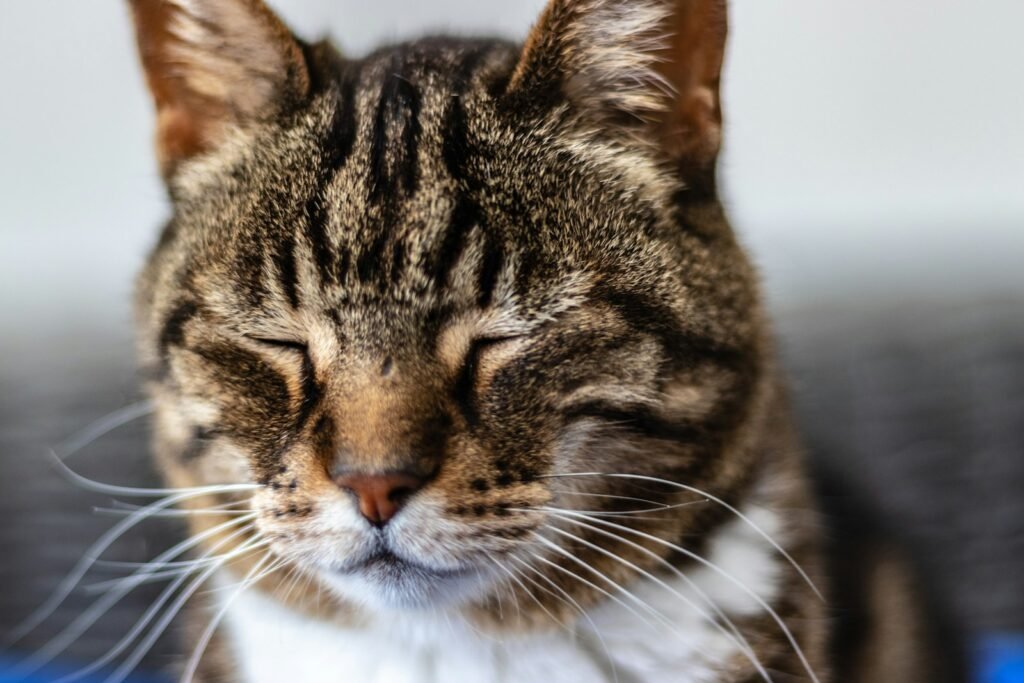
A slow blink, sometimes called a “cat kiss,” is when your cat looks at you through half-opened eyelids and slowly blinks again and again. This gentle gesture is a sign of trust and affection in cats. It may look like drowsiness, but it’s actually one of the most deliberate expressions of love in a cat’s vocabulary.
When cats feel secure with their owner or caregiver, they perform these slow, deliberate blinks, signaling deep comfort and trust. Pet behaviorists say that returning a slow blink to your cat can strengthen the cat-owner bond and reinforce this attachment. So next time your cat half-closes their eyes at you from across the room, try blinking back slowly. You’re having a genuine conversation.
Slow blinking, along with head-butting and kneading, are all behaviors that indicate trust and affection. Research has shown that cats use these subtle gestures to communicate their feelings and strengthen their bond with their owners. None of these gestures are accidental. Your cat is choosing to speak to you.
They Follow You Around the House With Purpose
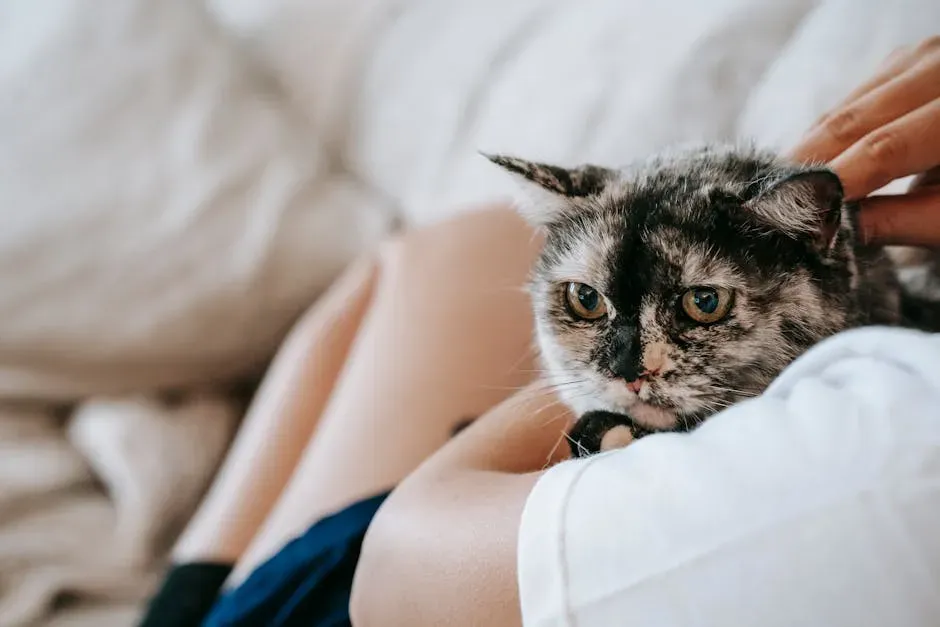
If your cat trails you from room to room, it’s a clear sign of attachment and curiosity about your daily activities. It also means your cat enjoys your company and loves being near you. You might chalk it up to boredom or habit, but the behavior runs much deeper than that.
Cats who follow you constantly, vocalize when you leave, and seek constant contact have formed a strong emotional connection. This is normal and healthy feline affection. It reflects a bond that isn’t passive. Your cat is actively choosing proximity to you as a preferred state of being.
A cat that shadows you through the house isn’t being needy but is actually showing social attachment. This behavior reflects a strong bond and a desire to stay connected to their chosen person. You are, in the clearest possible terms, your cat’s chosen person.
They Knead You Like Dough, and It’s Deeply Sentimental
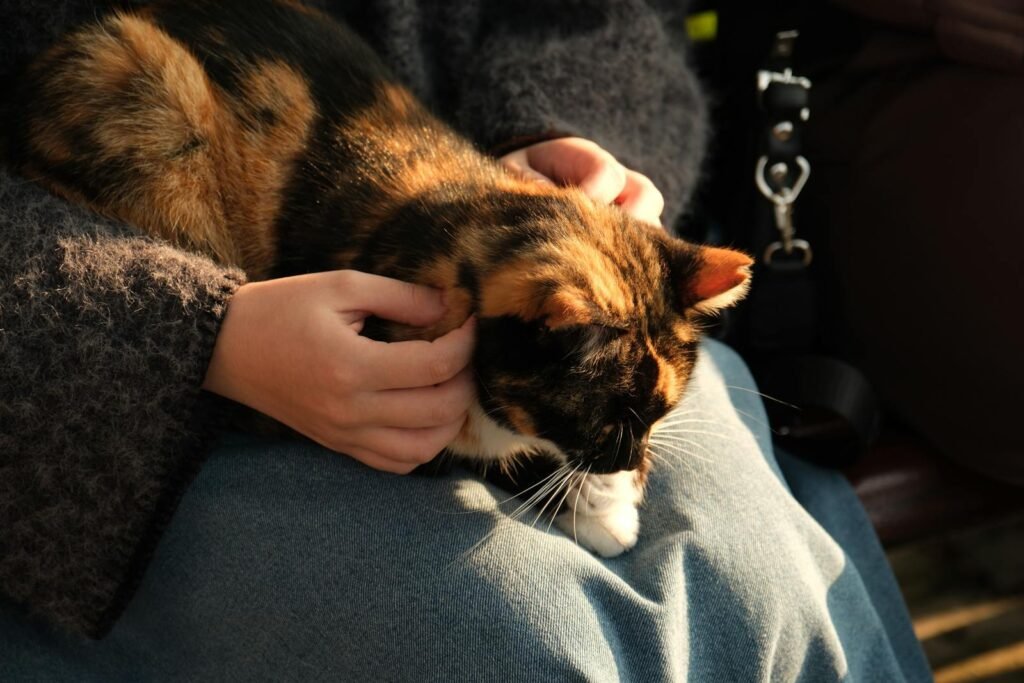
Kneading, often called “making biscuits,” happens when a cat rhythmically flexes and relaxes their front paws against a soft surface, or even their cat owner. This adorable behavior is more than just cute. It’s a sign your cat feels safe and bonded with you.
Cats learn this behavior as kittens to stimulate milk flow from their mothers. When an adult cat kneads on you, it shows they trust you and feel secure in your presence. In other words, your cat is reaching back to the most foundational feeling of comfort they know, and they’re associating it with you.
Cats knead to show that they’re content and feel relaxed. It’s a behavioral holdover from when they were kittens. When your cat settles onto your lap and starts that slow, rhythmic push of their paws, they’re not just comfortable. They’re at home.
They Groom You to Welcome You Into Their Circle
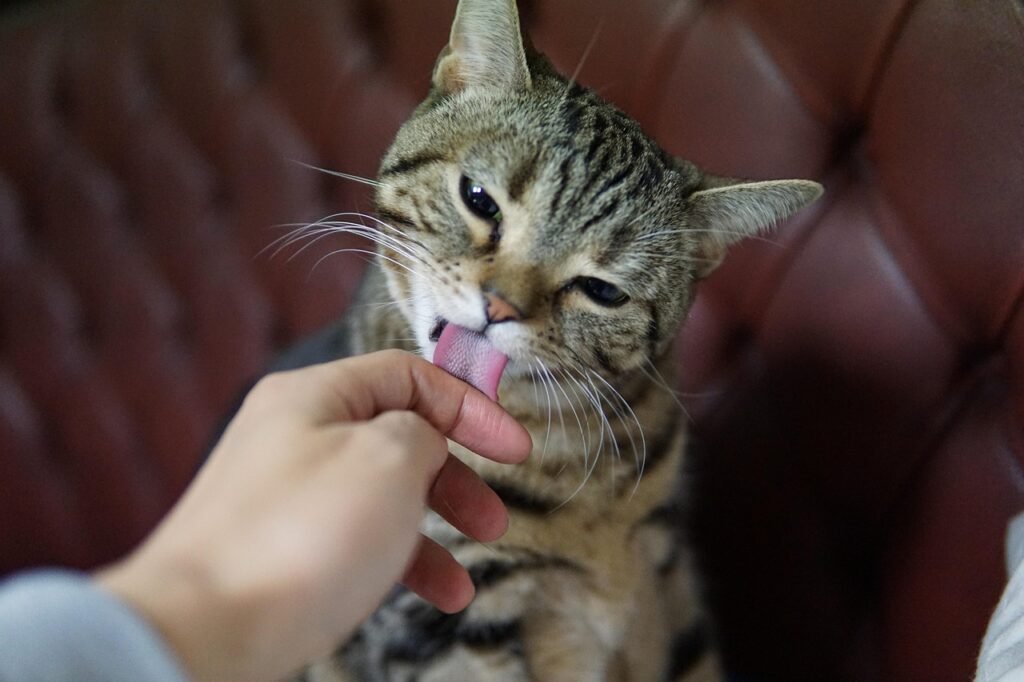
Cats groom each other as a bonding ritual, so when they lick your hair, hands, or face, it means your cat considers you part of its tribe. It’s a way cats show attachment to their owner. That sandpaper-tongue sensation, as unpleasant as it can sometimes feel, carries real social weight in the feline world.
Cats groom each other to combine their individual scents and demonstrate trust. The same is true for their human companions, so as uncomfortable as that sandpaper tongue can feel, your cat grooming you is definitely intended as a compliment. You’re being marked, merged into the group, accepted as family.
Research suggests cats may view humans as large, clumsy, non-threatening cats rather than a different species. They use the same social behaviors with humans, including rubbing, kneading, and grooming, that they’d use with feline companions, treating people as fellow cats. That realization alone changes how you see every lick your cat has ever given you.
They Choose to Sleep Near You When They’re Most Vulnerable
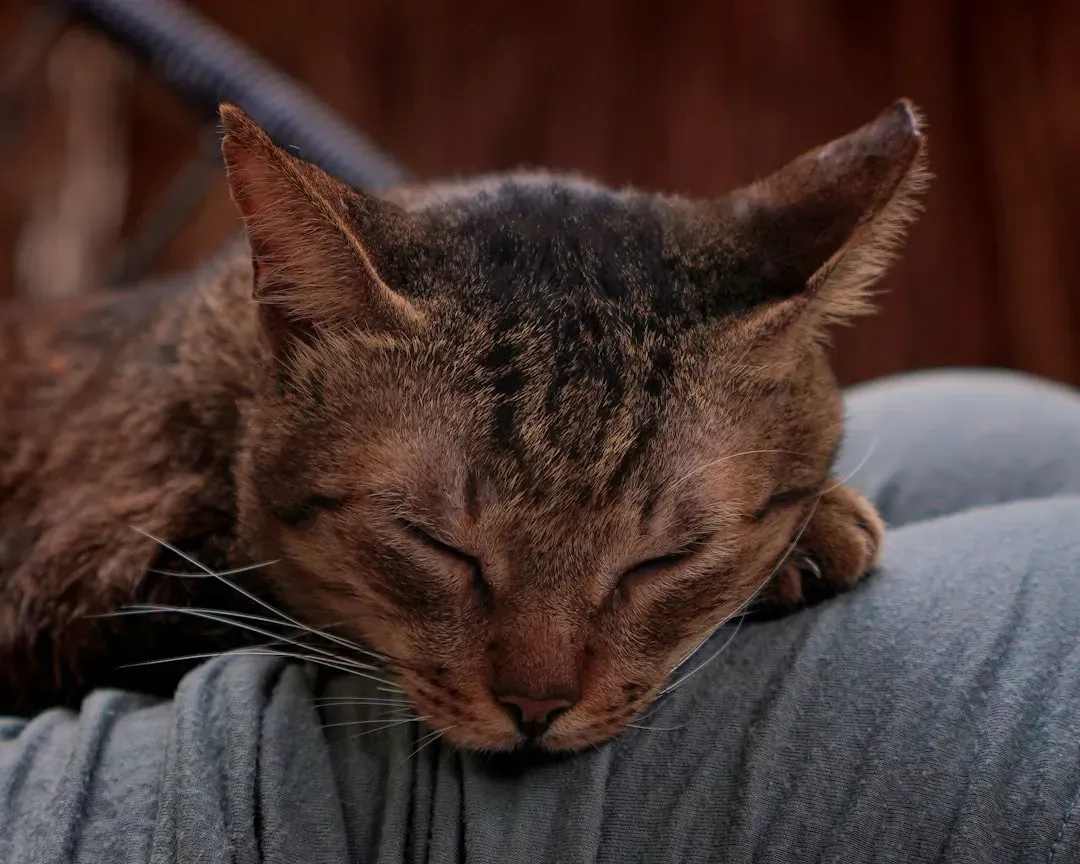
Cats are most vulnerable when they’re asleep, so choosing to sleep near you is a sign of trust and loyalty. If your cat curls up next to you or on your lap, it means they feel safe and secure in your presence. Sleep, for a cat, is an exposure. Choosing to be exposed near you is a statement of complete faith.
A cat who trusts you will let down their guard, showing vulnerable behaviors like exposing their belly or sleeping deeply in your presence. This trust isn’t given lightly. Cats remember both kindness and cruelty, and once trust is broken, it can be hard to regain.
If your cat sits on you or near you, it can be a sign that they love you and find comfort in your presence. Some cats lie on top of their human parents to feel more secure or to express ownership of you. There’s something quietly wonderful about that last detail. Your cat may very well think of you as theirs.
They Bring You Gifts, However Unsettling They May Be
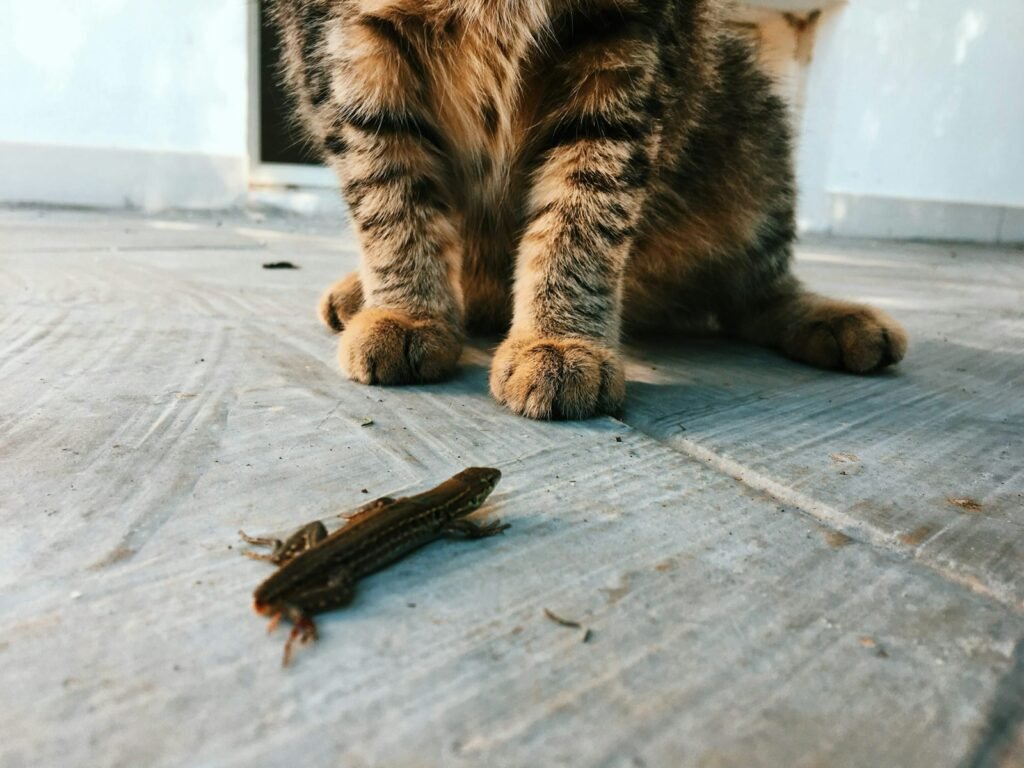
While it may not be pleasant to find a dead mouse or bird on your doorstep, this behavior is actually a sign of loyalty. In the wild, cats bring food to their kittens or other members of their group. By bringing you a “gift,” your cat is showing that they care for you and want to provide for you.
You might be surprised by how many ways cats demonstrate their loyalty. Some will bring you “gifts” (even if it’s a dead mouse on your pillow), while others will knead your lap or follow you from room to room. The intent behind the gesture matters more than the object itself. Your cat isn’t being strange. Your cat is feeding you.
The key is to notice these small, everyday gestures. They may not be as obvious as a tail-wagging dog, but they’re just as heartfelt. A cat’s loyalty rarely announces itself loudly. It shows up in the small, repeated, deeply intentional acts that most people walk right past.
Conclusion: Loyalty That Speaks Quietly but Runs Deep
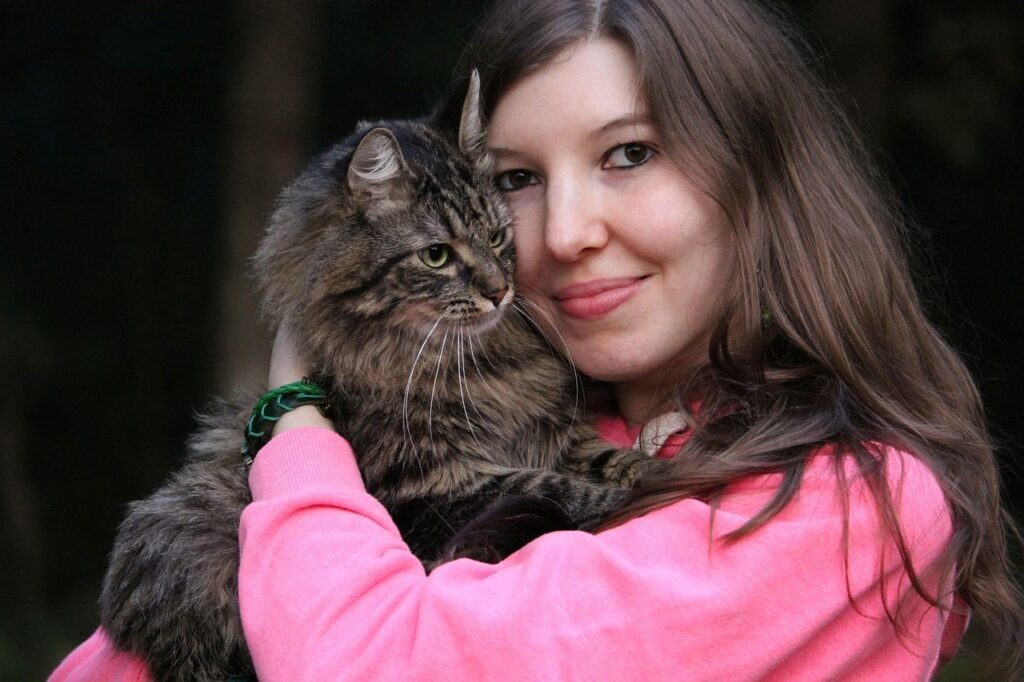
Cats don’t perform loyalty. They practice it. Every slow blink, every choice to sleep at your feet, every insistent kneading session and unsolicited grooming moment is your cat communicating something genuine in the only way they know how.
Everything your cat does, they do because they want to. Cats can be truly loyal, but unlike dogs, that loyalty comes out of their desire to be loyal to you. That distinction matters. A cat’s devotion is a choice, freely made, not a behavioral default wired by thousands of years of pack instinct.
Cat bonding isn’t one-directional. Research shows that the human-cat bond benefits both parties, with lower blood pressure for owners and reduced stress behaviors for cats. The relationship, when working well, is genuinely symbiotic. Once you start paying attention to the quiet language your cat has been speaking all along, it’s hard not to feel a little moved by it.