You’ve probably heard whispers about these majestic felines. Maybe you’ve seen photos online or spotted one at a friend’s house and thought, wait, is that a cat or a small lynx? Let’s be real, Maine Coons are unlike anything else in the domestic cat world. Their size alone makes heads turn.
There’s something almost mystical about them, honestly. Their bushy tails, tufted ears, and wild appearance give them a look straight out of the New England forests. These gentle giants have captured hearts worldwide, becoming one of the most beloved breeds. Yet beneath those fierce good looks lies a personality that might surprise you.
If you think you know cats, prepare to have some assumptions challenged. Maine Coons aren’t your typical aloof feline, and their communication style reveals layers most people completely miss. So let’s dive in and discover what makes these magnificent creatures so extraordinary.
They’re True Gentle Giants of the Cat World
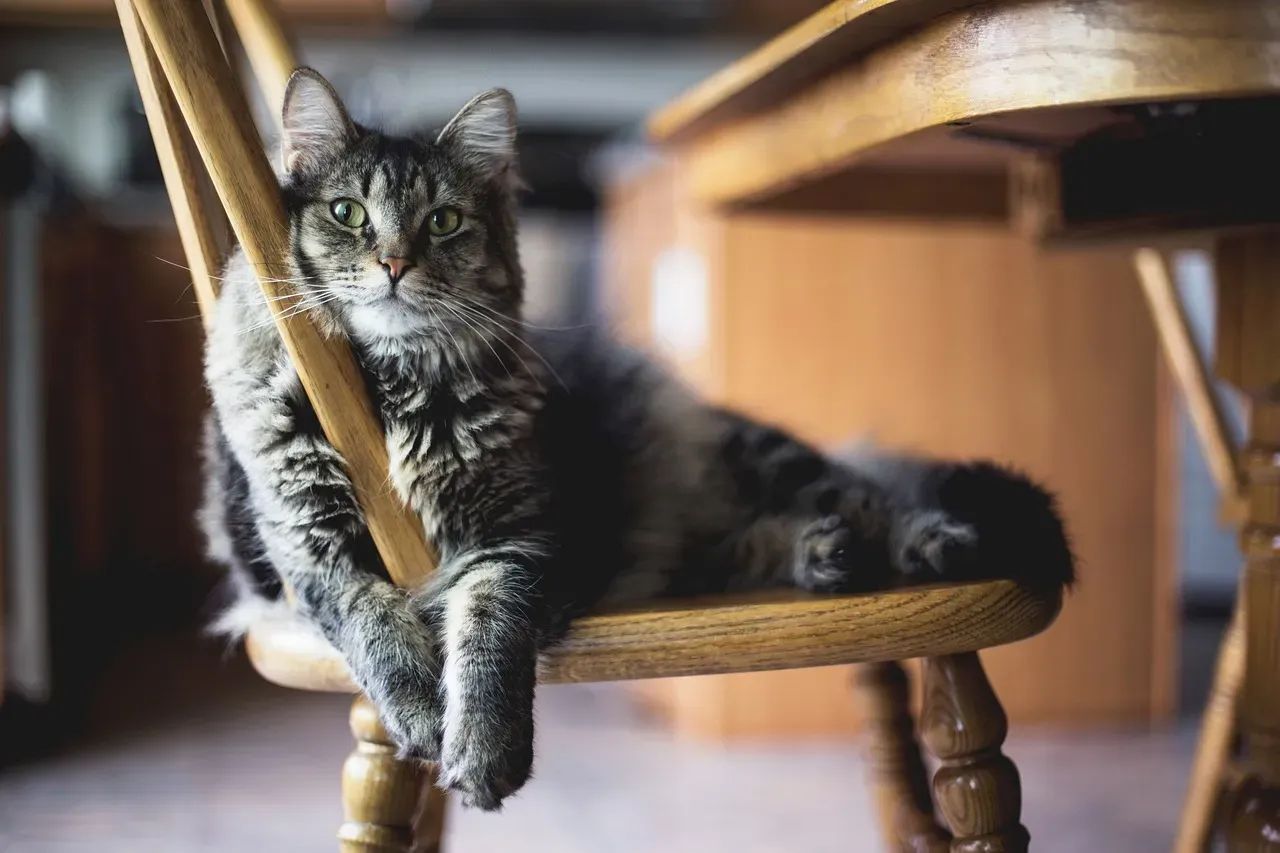
Maine Coon males can weigh anywhere from eighteen to twenty-two pounds, while females typically range between twelve and fifteen pounds. That’s nearly double the weight of most domestic cats, who usually tip the scales at under ten pounds. Standing up to sixteen inches tall and stretching out to nearly forty inches in length including their tail, these cats command attention the moment they enter a room.
The Maine Coon is one of the most popular registered cat breeds, which speaks volumes about their popularity. Their impressive stature isn’t just for show. These cats are slow to physically mature, not reaching their full size until they’re three to five years old, unlike other breeds that max out around their first birthday. Watching a Maine Coon grow is like witnessing a small kitten transform into a magnificent beast over several years.
Despite their imposing appearance, the Maine Coon is commonly referred to as “the gentle giant”. That nickname fits perfectly.
Their Tails Are Nature’s Perfect Engineering
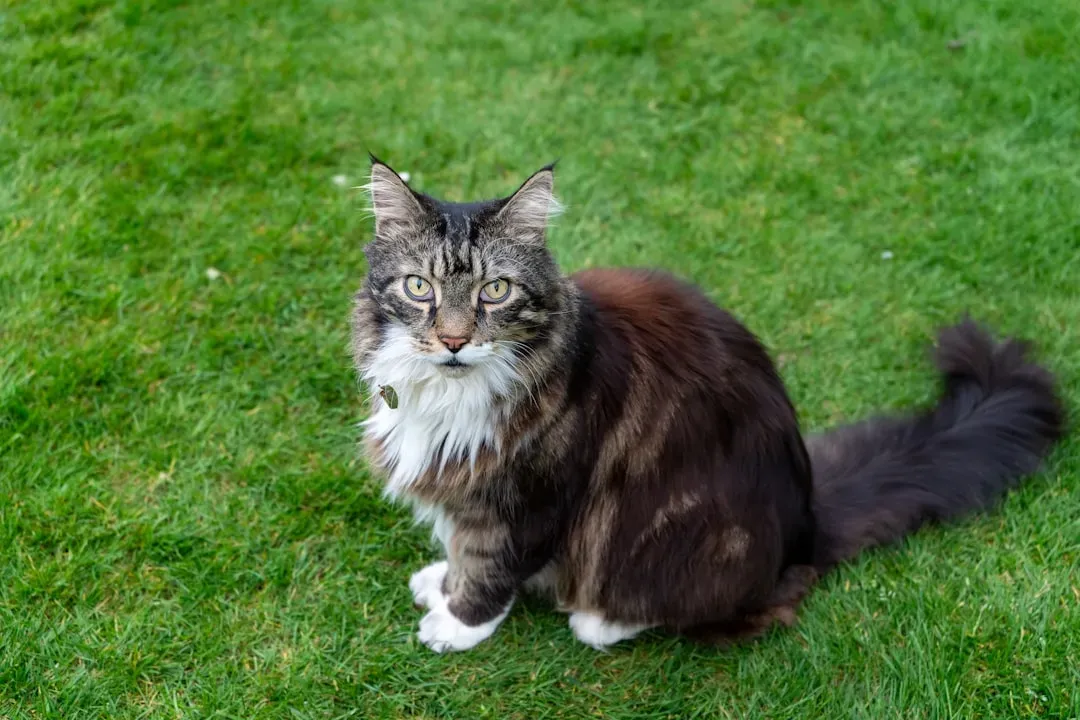
The Maine Coon’s tail is notably long, often almost as long as its body, measuring up to twelve inches or more in length. The tail isn’t just beautiful to look at. It serves multiple crucial functions that help these cats thrive. Think of it as a multi-tool designed by evolution itself.
Their thick, bushy tail covered in long, flowing fur helps keep the cat warm in cold climates, as they originated in the chilly northeastern United States. They can wrap their signature long, bushy tail around their body for extra warmth, essentially carrying a built-in blanket wherever they go. Pretty clever, right?
The tail plays a crucial role in maintaining balance and agility, helping them when climbing, jumping, or maneuvering in tight spaces. The plume at the end adds to their majestic appearance, making them look like they walked straight out of a fairy tale. That magnificent appendage is far more than decoration.
Tail Communication Isn’t What You Think
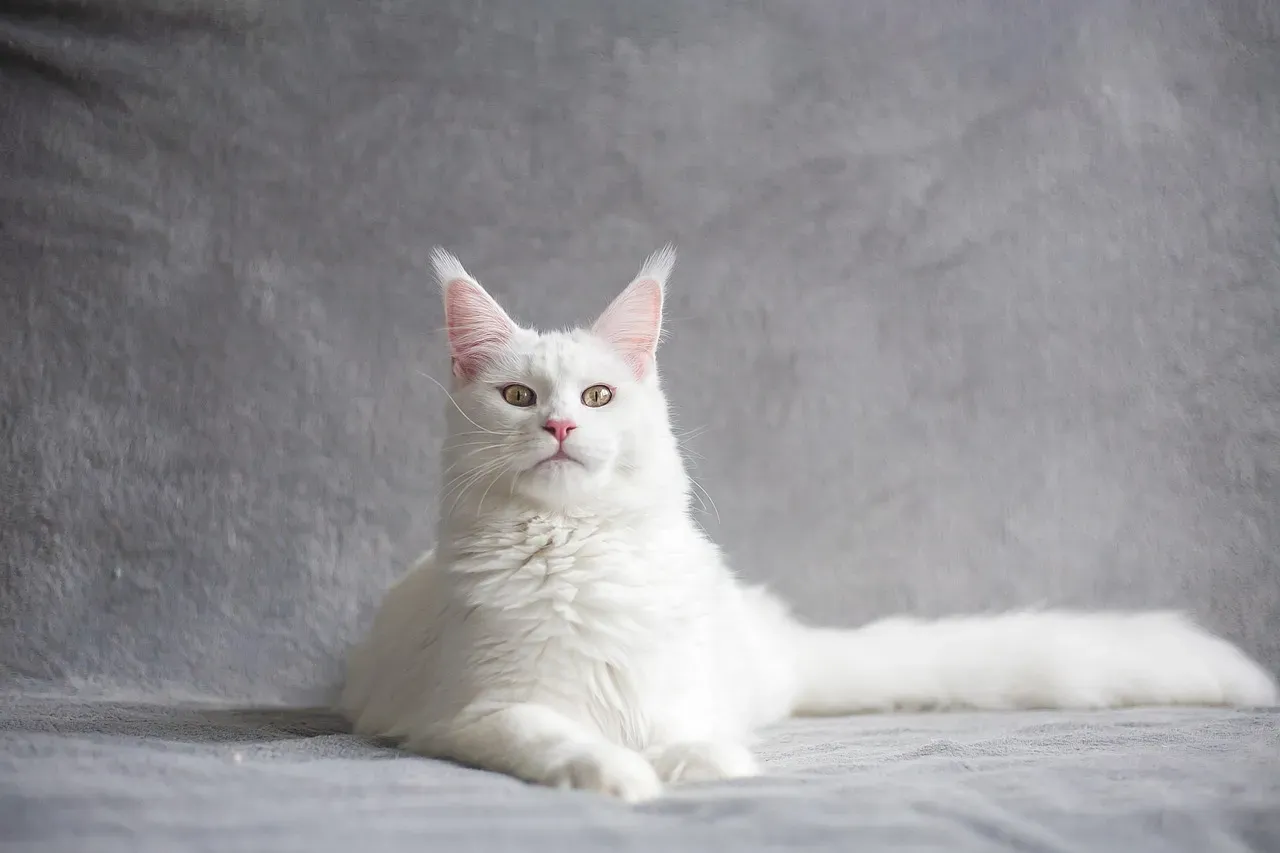
Here’s where things get interesting, and a common misconception needs clearing up. Many people assume that cat tail movements work exactly like dog tail wags. Cats don’t typically wag their tails in the same way dogs do; instead, they may twitch or flick them to convey various emotions or intentions. This difference is critical to understanding your Maine Coon.
A tail twitch can indicate excitement, curiosity, or anticipation, but conversely, it may also signal agitation, annoyance, or warning. The context matters enormously. Noting the context and other body language can help interpret the meaning behind the twitching motion; for instance, a rapid twitch accompanied by flattened ears and dilated pupils may signify aggression or fear, while a slow, deliberate twitch might indicate focus or interest.
Maine Coon tail communication represents excitement, curiosity, fear or happiness; a gently waving tail means the animal is relaxed, while a puffed-up tail means the animal is scared or angry. You absolutely need to read the whole picture, not just one signal in isolation.
They Actually Have Dog-Like Personalities
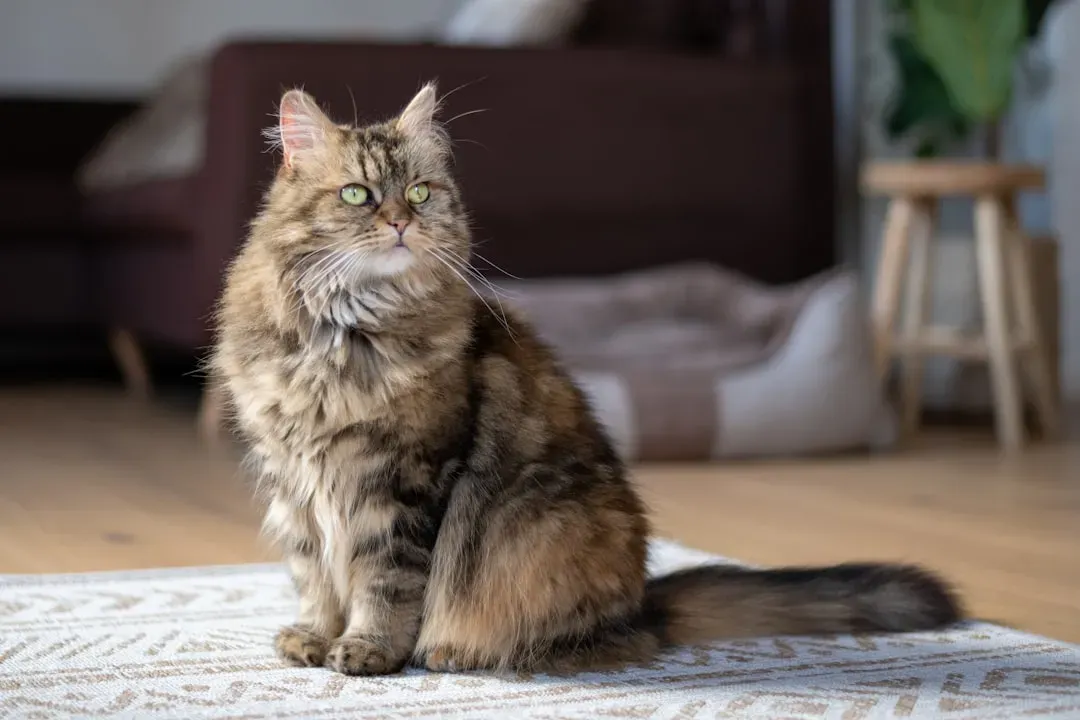
The Maine Coon is often cited as having “dog-like” characteristics, and this isn’t just marketing hype. They are referred to as the dogs of the cat world because their size is that of a dog AND because they display dog-like traits when it comes to loyalty to their family. I know it sounds crazy, but these cats will follow you around the house like devoted puppies.
That’s one of the Maine Coon’s unique traits: this breed is trainable; much like dogs, Maine Coons are creatures of habit, and by linking expected behaviors to pleasant things, like treats, you can train your cat to do a variety of things, including wearing a harness and leash. They can even learn to play fetch, which blows most people’s minds. Maine Coons tend to think of themselves as pack animals, which makes you and your family their pack mates.
Their sociability extends beyond just humans. These large-sized cats are outgoing and socialize well with both people and other animals, and they are curious and love to interact with people and other pets. If you’re looking for a cat that acts more like a companion animal than an independent loner, this might be your breed.
Their Vocal Repertoire Is Surprisingly Unique
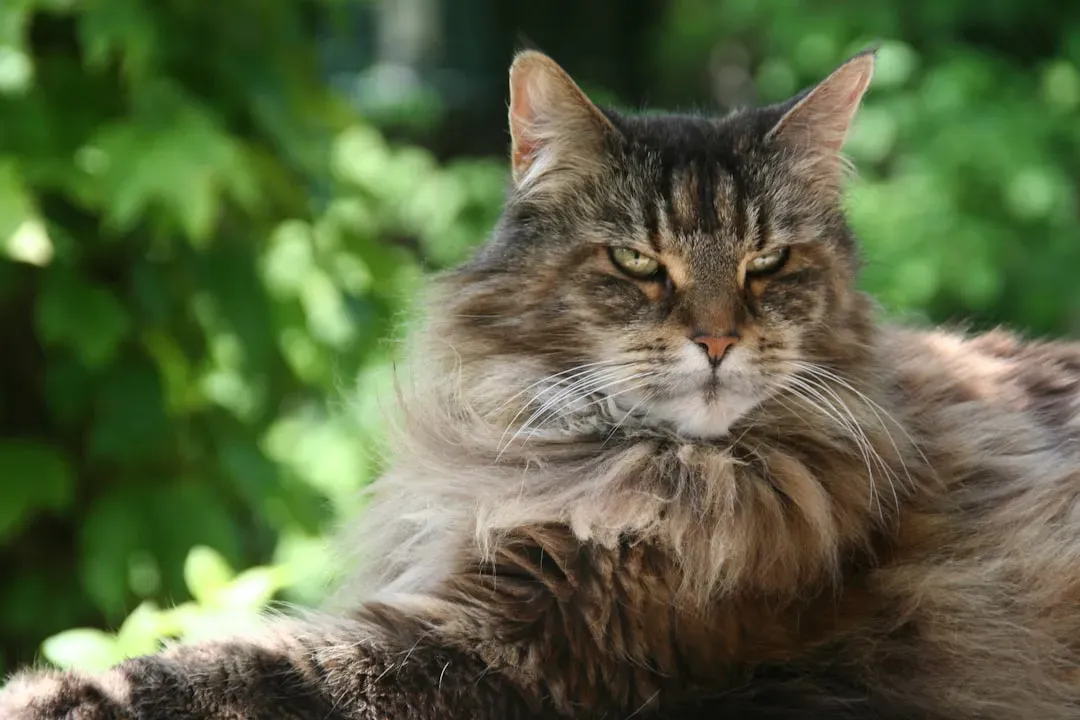
Maine Coons are known for their vocalizations; they purr like other cats, but they also make a chirping sound instead of a typical meow. That distinctive chirp is unmistakable once you hear it. Your Maine Coon will chirp to get your attention and alert you of their needs, whether they’re happy, hungry, excited, or distressed.
Their communication style goes beyond just one sound. They have a variety of friendly chirps, which they are known for, along with a particular “trill” sound. Some owners describe it as their cat talking to them, and honestly, it feels that way. The range of sounds they produce far exceeds what you’d expect from a standard housecat.
When she runs, she can be quite loud but her soft, quiet voice reassures you that this lion is truly a lamb. The contrast between their intimidating size and gentle vocalizations never stops being charming.
They Need More Than Your Average Cat
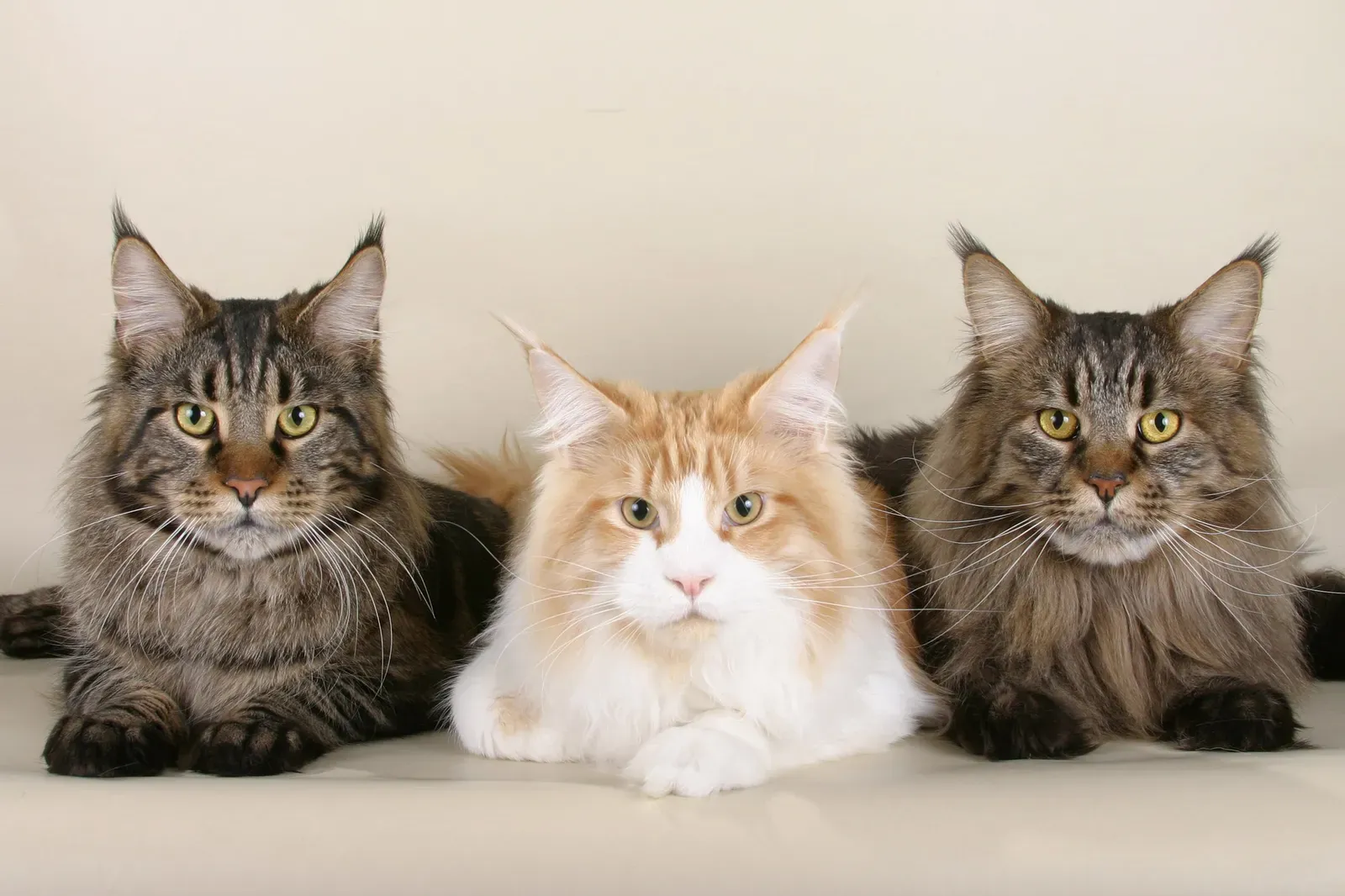
Unlike most cats, this breed tends to be a little more dependent; if you think you’ll be gone a lot throughout the day or are traveling frequently, consider getting your Maine Coon a friend to keep them company. These aren’t cats that thrive on neglect. They genuinely crave interaction and companionship.
Another unique trait is their love and need for daily play sessions; because they are large, intelligent animals, they crave the activity. A bored Maine Coon can become destructive or depressed. Maine Coons are a naturally curious breed, so by providing your Maine Coon with plenty of interactive toys, scratching posts, and perches to explore, you’ll be able to accommodate their natural curiosity and need for physical and mental stimulation.
Their size also means they require more space than typical cats. Being a larger and heavier cat, she can knock things over without meaning to do so. You need to cat-proof your space accordingly, securing anything fragile or valuable.
They’re Built for Harsh Climates
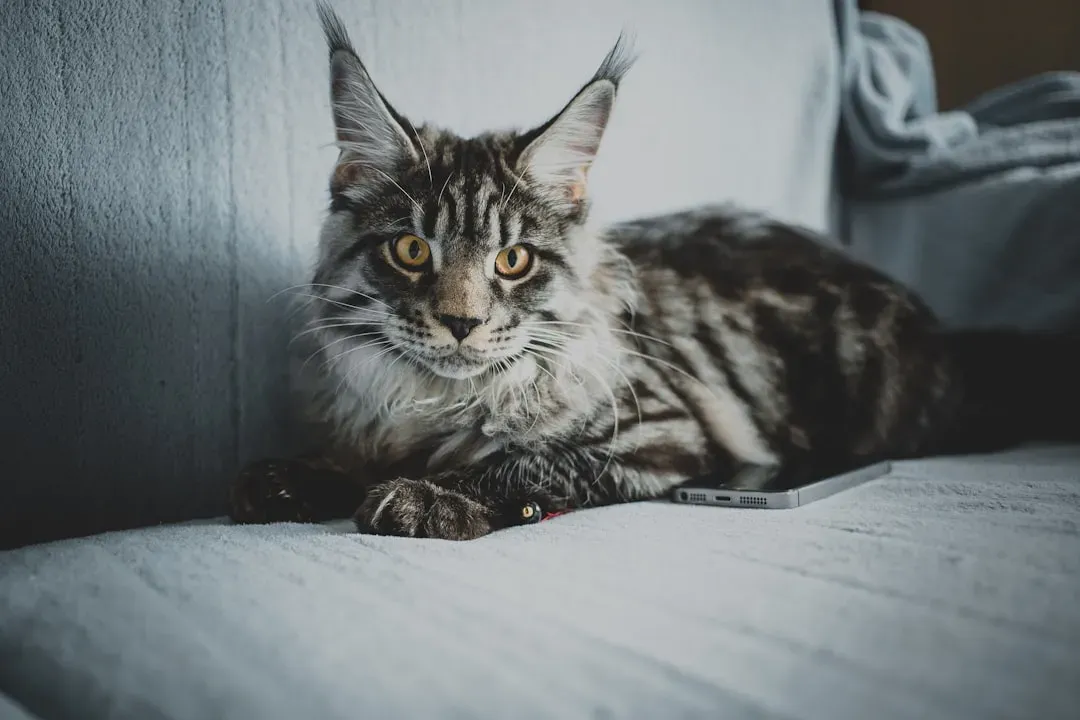
The Maine Coon is predominantly known for its size and dense coat of fur which helps it survive in the harsh climate of Maine. Large paws facilitate walking on snow and are often compared to snowshoes, with long tufts of fur growing between their toes helping keep the toes warm and further aiding walking on snow by giving the paws additional structure without significant extra weight. Evolution designed them perfectly for New England winters.
Heavily furred ears with extra long tufts of fur growing from inside can keep warm more easily. Every aspect of their physical appearance serves a purpose beyond just looking magnificent. The tufted ears that give them that lynx-like appearance? Those are functional adaptations to cold weather.
An interesting characteristic is that the coat is shaggy and drapes longer on the stomach and behind the legs, but is shorter over the shoulders. This varied coat length helps with mobility while still providing maximum insulation where it matters most.
Conclusion
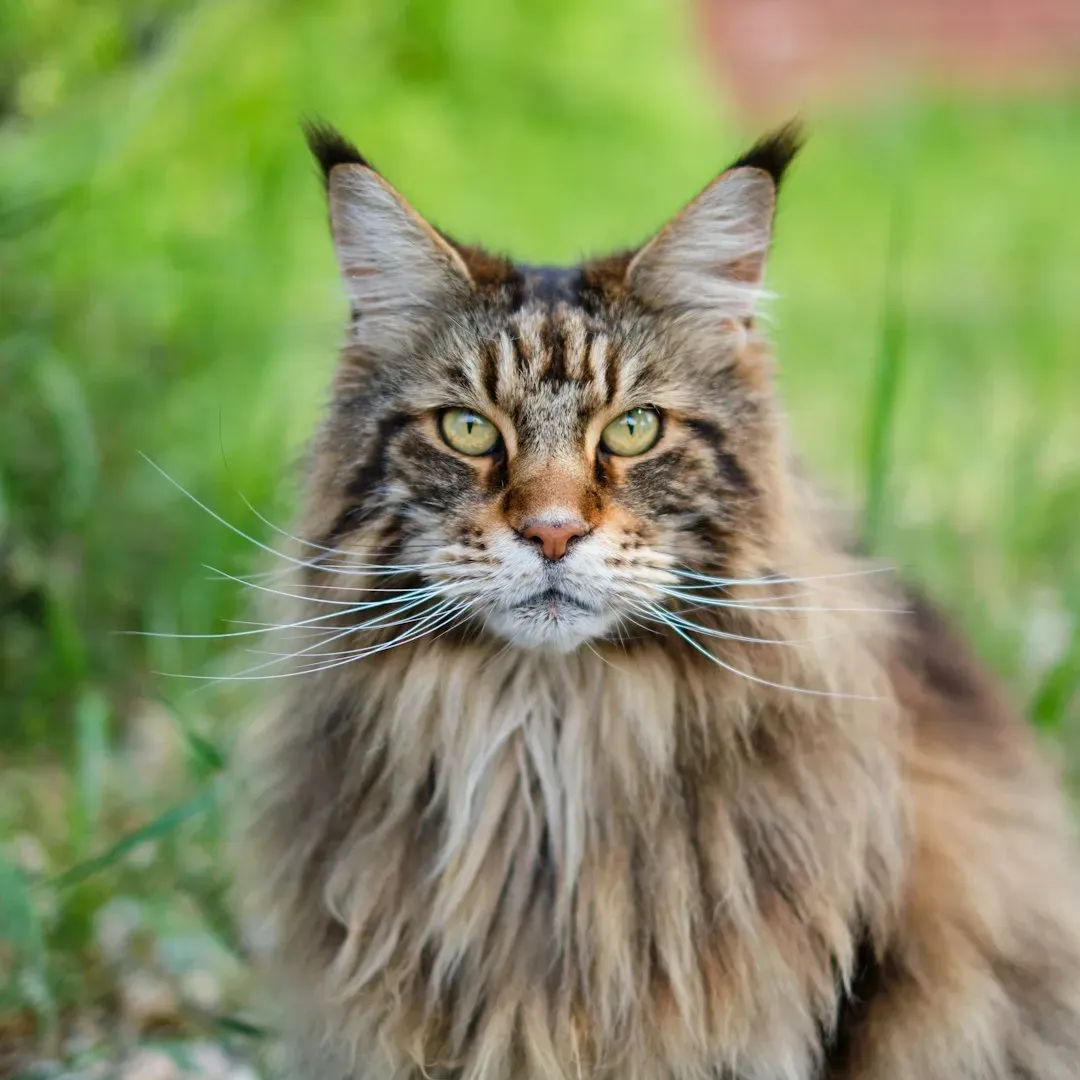
Maine Coons stand apart from other cats in ways that go far beyond their impressive size. From their communication through tail movements that differ fundamentally from what many people assume, to their surprisingly dog-like personalities and unique vocalizations, these gentle giants offer something truly special. Their physical adaptations for harsh climates and their need for companionship make them fascinating creatures that challenge what we think we know about cats. Understanding these distinctive traits helps you appreciate why Maine Coons have captured so many hearts. They’re not just oversized house cats. They’re intelligent, communicative companions with complex personalities and specific needs. What surprised you most about these remarkable felines? Share your thoughts in the comments below.