Cats have a reputation. Aloof. Indifferent. Occasionally plotting your downfall. If you’ve ever been ignored after a long day, tripped over a furry body at 6 AM, or woken up to a dead toy mouse placed reverently on your pillow, you might have wondered whether your cat truly cares – or is simply tolerating your presence in their kingdom.
Here’s the thing, though. Cats show love differently than humans do, often expressing affection through subtle behaviors. Slow blinking, headbutting, and following you around are all signs a cat loves you. The behaviors you’ve been misreading as annoying, territorial, or downright strange? They might actually be the feline version of “I love you.” So before you take it personally, let’s decode what your cat has been trying to tell you all along. Be surprised by what you discover.
1. Kneading You Like a Batch of Fresh Bread Dough
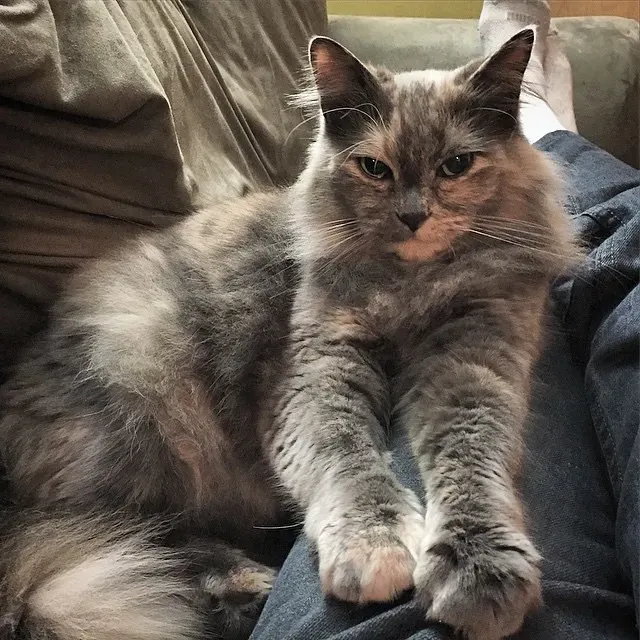
You know the feeling – you’re finally relaxed on the couch, and your cat climbs onto your lap and starts rhythmically pushing their paws into your thighs like a tiny, insistent baker. It can be uncomfortable. Sometimes those little claws are not retracted. You shift. They continue, unbothered and completely in their element.
This behavior is a remnant of kittenhood, when cats would knead their mother’s belly to stimulate milk flow. When your cat kneads you, it is a sign of comfort and contentment, as they associate this action with feelings of safety and nourishment. Think of it like a human reaching for a comfort blanket – the urge doesn’t disappear with age. It just finds a new, warmer, more loving target.
By kneading on your lap, cats also spread their scent on you. Cats have scent glands in their paws, and when they pass that scent to you, it marks you as their territory. Honestly, I find that weirdly flattering. Your cat is essentially announcing to the world, “This human? Mine.” If you’d prefer a scratch-free experience, try placing a soft blanket over your lap next time they settle in.
2. Headbutting You Out of Nowhere
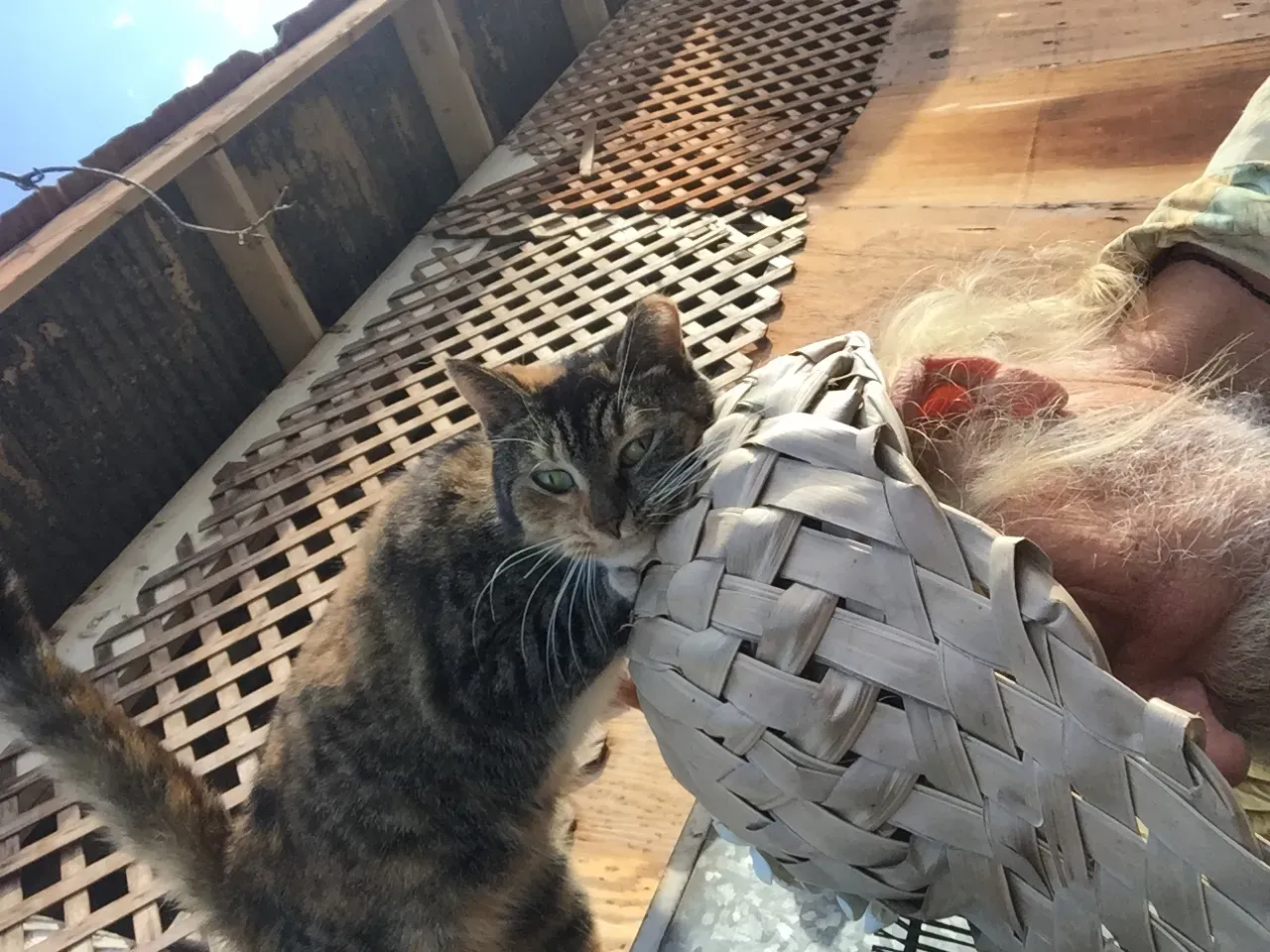
You’re minding your business, maybe reading or watching something on your laptop, and your cat walks up and just… clonks their forehead against you. No buildup, no warning. Just a solid thump of a head. It seems bizarre. In the human world, a surprise headbutt is rarely a sign of warmth. In the cat world, it’s practically a love letter.
Cat headbutting, also called bunting, is usually a friendly behavior where cats mark you with their scent to show bonding, comfort, and familiarity. Cats have glands on their cheeks, forehead, and chin that contain pheromones – substances produced by animals as a type of scent communication. When your cat headbutts you, they’re essentially writing their name on you in a language only other cats can read.
Some cats will even give a little nuzzle or a slow blink along with the headbutt, which is their way of saying they trust you completely. If your cat headbutts you frequently, consider yourself part of their inner circle. Lions do something similar when they greet their friends in the wild – whether it’s a house cat or a big cat like a lion, they’ll headbutt or nuzzle each other to show affection and mark each other as family. So really, your cat is treating you like pride family. You should be honored.
3. Bringing You “Gifts” You Absolutely Did Not Ask For
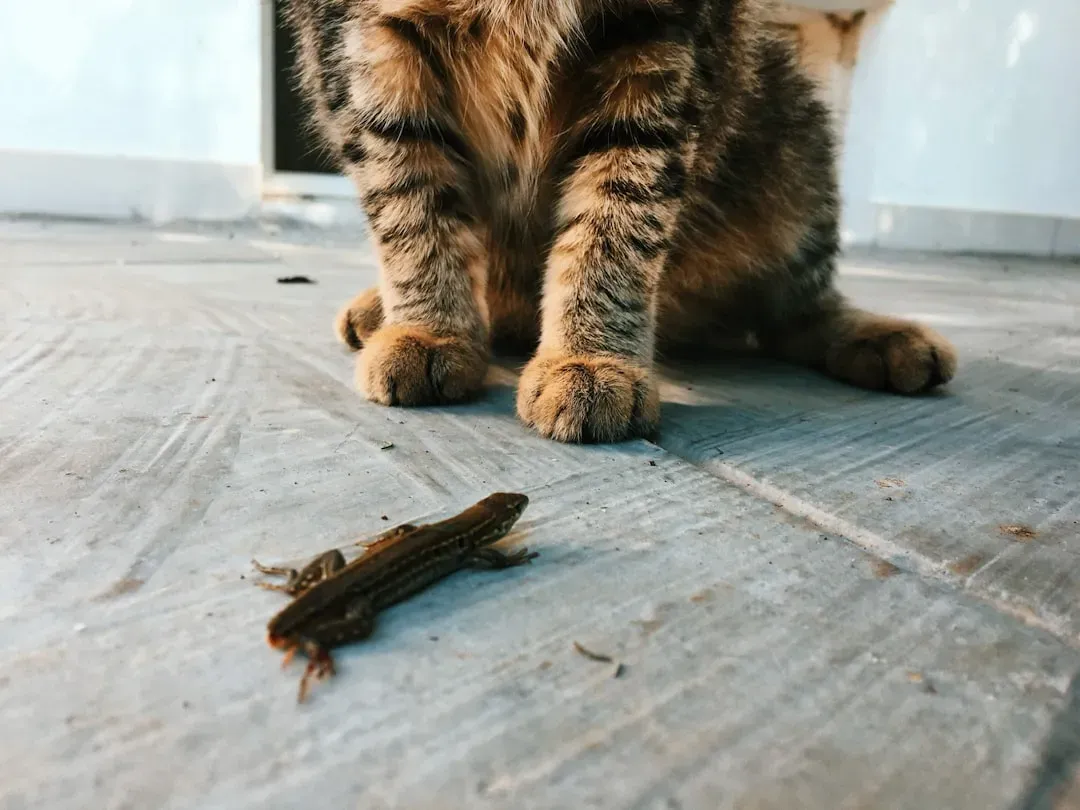
Few experiences are quite as jarring as walking into your kitchen at 7 AM to find a toy mouse – or something considerably more real – sitting ceremonially in the middle of the floor. Your cat is sitting nearby, looking proud. You feel many things, and gratitude is probably not the first of them.
In the wild, a mother cat brings prey to her kittens to teach them how to hunt. That behavior doesn’t vanish when cats become domesticated – it evolves. Domestic cats may bring toys, insects, or small objects to the humans they bond with, treating them as “kin.” You are, in your cat’s mind, a beloved but clearly underprepared family member who needs feeding and educating.
Bringing you a favorite toy or something they’ve discovered is a nod to your hard work as a pet parent. They’re letting you know you are part of their inner circle and want to share resources. This behavior reveals fascinating aspects of feline psychology and demonstrates that cats form much deeper bonds with their human families than their reputation for aloofness might suggest. Next time it happens, try to muster a gracious “thank you.” Your cat genuinely means well.
4. Following You From Room to Room Like a Fluffy Shadow
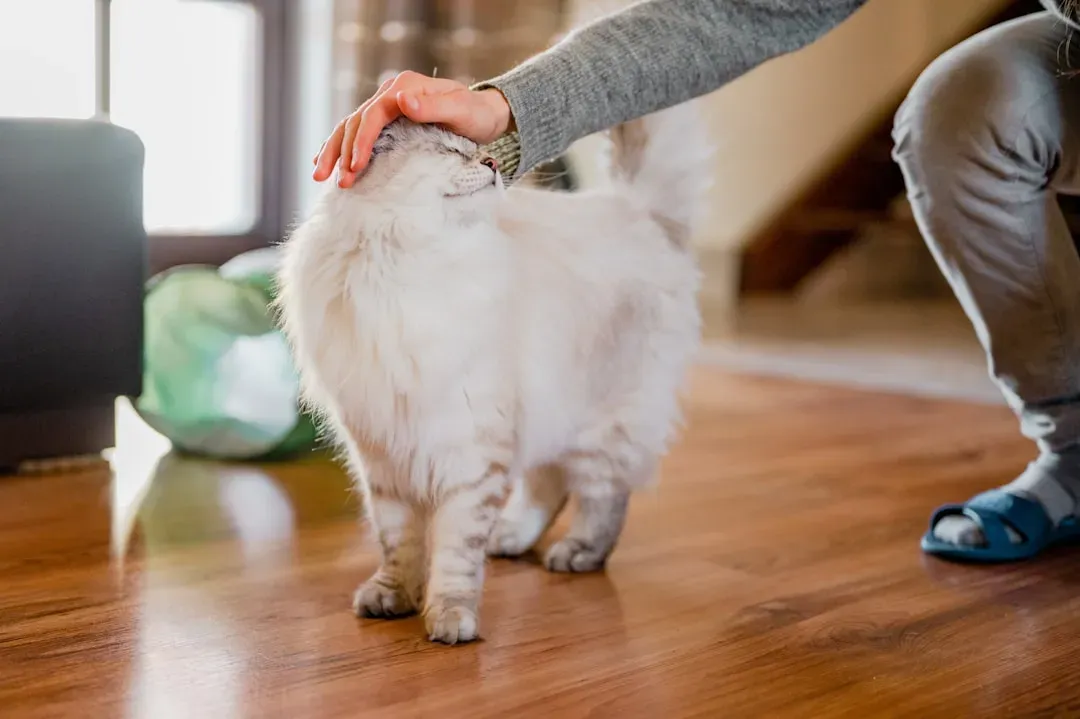
You get up to get a glass of water. Your cat follows. You go to the bathroom. Your cat is there, studying you with unsettling focus. You move to the bedroom. Tiny paws pad behind you on the hardwood floor. It can feel intrusive, a little clingy, maybe even a touch obsessive. What you’re probably not realizing is that this is devotion in motion.
According to a study from Oregon State University’s Human-Animal Interaction Lab, cats display attachment behaviors similar to human infants – seeking proximity for security and reassurance. Your cat is following you not because they’re needy, but because you’re part of their social circle – their “safe person.” That’s worth pausing on. You are someone’s safe place.
A love-motivated cat typically won’t bother you. These cats may quietly accompany you from room to room, sitting nearby rather than on you – marked by calmness and a lack of distress. When your cat chooses to follow you, they’re prioritizing you in that social network. That silent following is one of the highest compliments your cat can offer. It’s less surveillance, more admiration.
5. Slow Blinking at You Across the Room
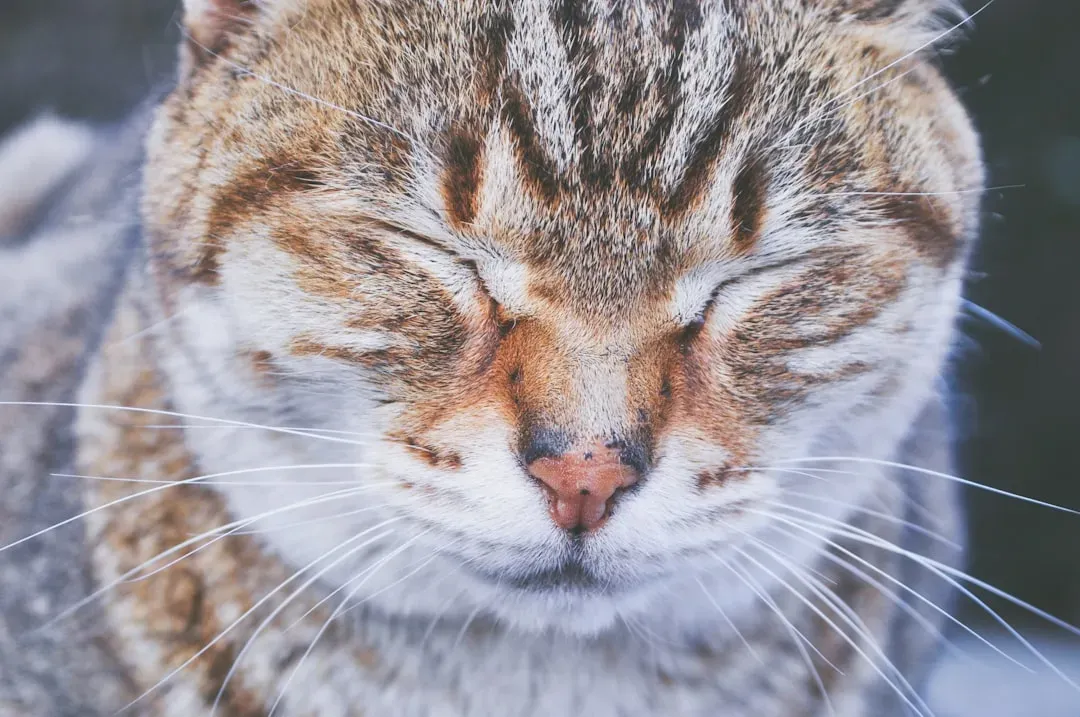
Your cat is just sitting there. Staring at you. Then, slowly, like someone falling asleep mid-thought, their eyes close and reopen in a long, lazy blink. It might look like boredom. It might even look slightly judgmental, because cats have a gift for that. In reality, you just received a kiss.
Slow blinking is one of the clearest signs your cat feels relaxed and safe around you. When a cat slowly closes and opens their eyes in your presence, it’s a signal of trust. A cat’s slow blink is often referred to as a “kitty kiss.” When your cat looks at you and slowly closes and opens its eyes, it’s a sign of trust and affection. This gesture indicates that your cat feels safe and secure with you. You can return the gesture by slow blinking back at your cat, strengthening the bond between you.
It’s one of the simplest and most underrated moments of genuine connection you can share with a cat. Try it yourself. Sit quietly near your cat, make soft eye contact, and slowly close and reopen your eyes. If your cat holds eye contact with you when relaxed, and gives a slow blink every now and again, this is a definite sign of affection and trust – known as the “love blink,” a sleepy sign that’s very subtle, but once you know, you know.
6. Showing You Their Belly (Even If You’re Not Allowed to Touch It)
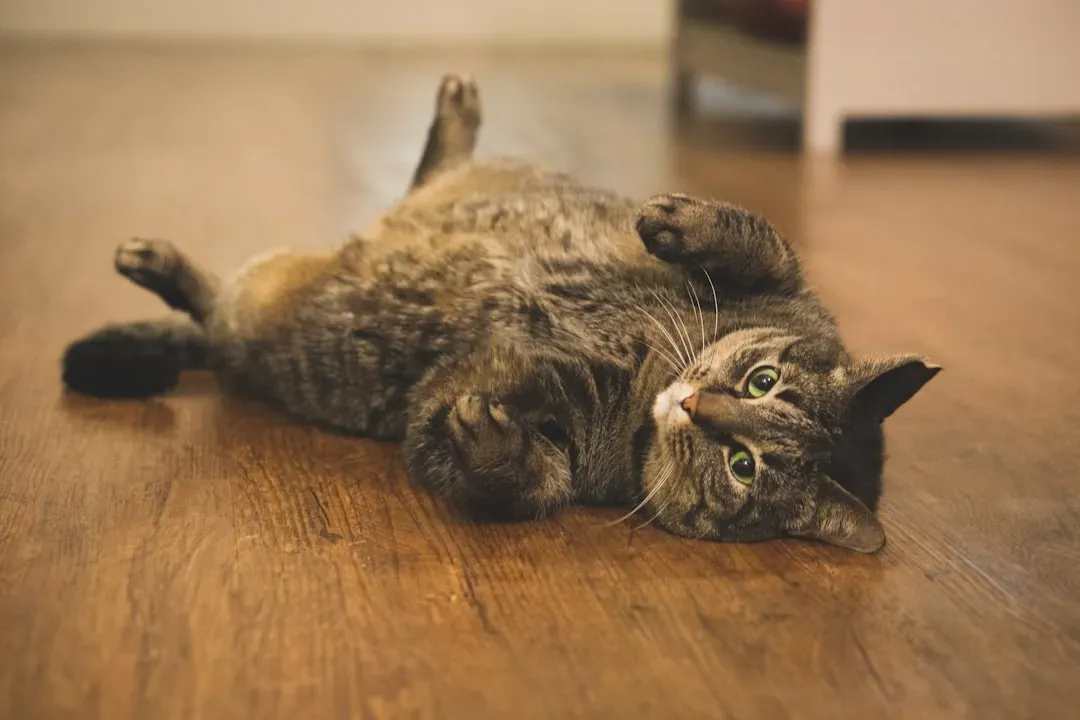
There is something deeply confusing about a cat rolling dramatically onto their back, exposing that soft, irresistible belly, and then scratching the living daylights out of you the moment you reach for it. It feels like a trap. And technically, it sort of is – but the display itself? Pure love and vulnerability.
A cat’s warm, soft belly area is not a part of the body many people get to see. It’s a vulnerable area, filled with many vital organs, so cats instinctively cover it to protect themselves. It’s thought that domestic cats only show their bellies to people they trust. Think of it this way: it’s like someone handing you a crystal vase worth a fortune and saying, “I trust you not to drop this.”
Rolling over to expose their belly is a sign of ultimate trust, as this position exposes vital organs to a predator. So if your feline does this around you, it’s a major sign of love and comfort. The lesson here is to appreciate the gesture without necessarily acting on it. The showing of the belly is the love. The touching of the belly is a completely separate negotiation.
7. Meowing at You – and Only at You
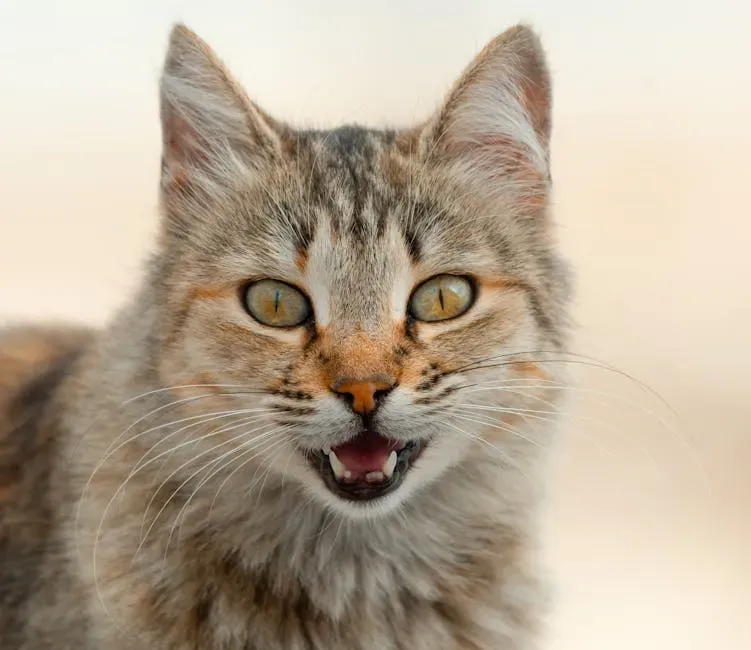
Your cat meows when they want food. They meow when they want you to move. They meow when something is deeply, urgently wrong – like their water bowl being in a slightly different spot. It can feel like noise, like demands, like a tiny furry manager who never clocks out. It is actually something far more special than that.
Normally, cats do not communicate with each other through meowing. Primarily, they save this vocal behavior for their interactions with humans. Whether your cat just gives you a meow here or there or meows nonstop, consider this to be their way of communicating with you and showing their love. Your cat invented an entirely unique language, just for you. That’s not annoying. That’s actually remarkable.
Meowing offers some proof that cats come to view their human caregivers as surrogate parents – in the feline world, meowing is almost exclusively a way for kittens to communicate with their mothers. Adult cats who solicit their humans’ attention through behaviors like meowing and shadowing may express that they see you as a safe, reliable companion. In other words, when your cat meows at you, they’re not bossing you around. They’re reaching out, the only way they know how, to the person they feel safest with in the world.
The Love Was There All Along
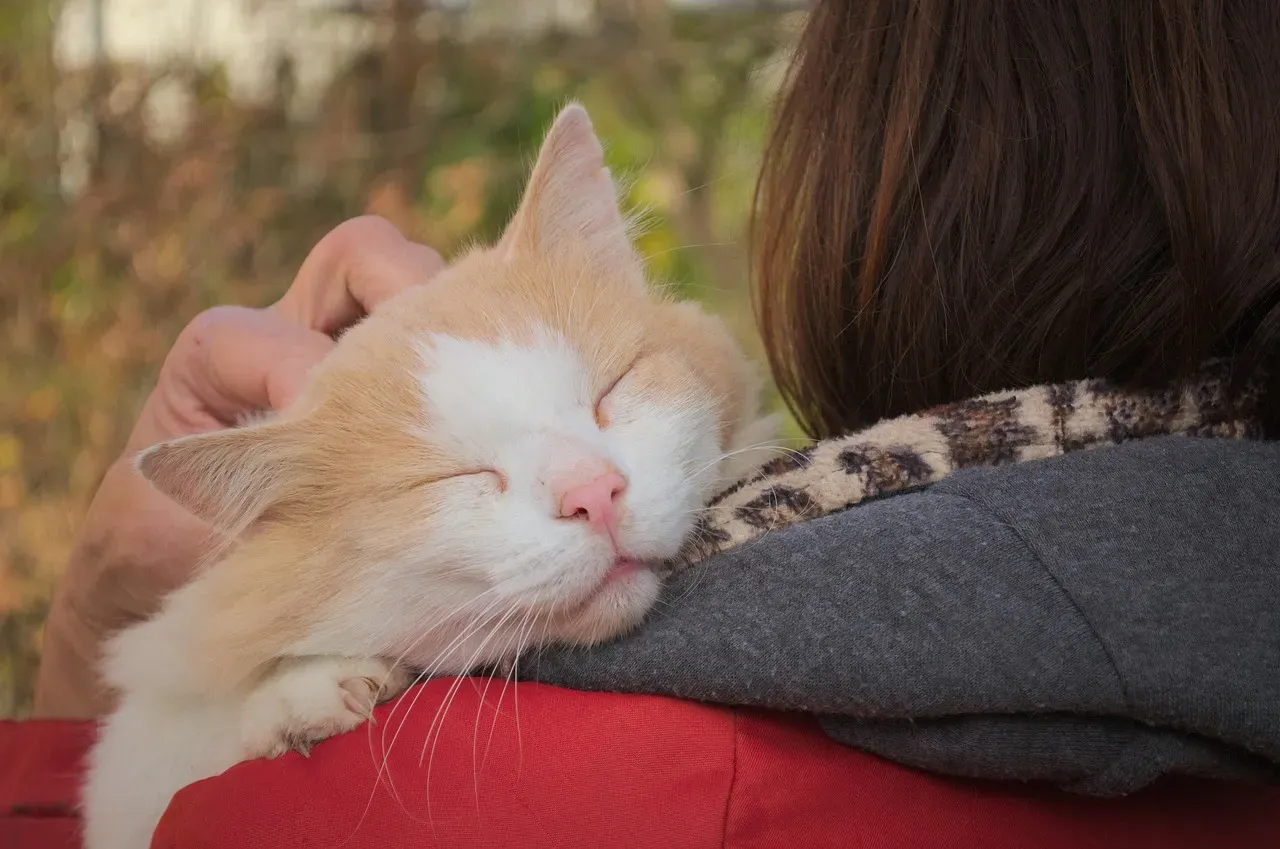
It turns out your cat has been speaking to you fluently for years. You just didn’t have the translation guide. Every headbutt, every slow blink, every questionable “gift” left on your doorstep – it’s all been part of a rich, layered language of trust, belonging, and genuine affection. Cats are much more subtle in showing their love, though that doesn’t mean that the shared bond between cats and humans is any less than with dogs. It just means that you’ll need to work harder to understand your cat’s love language and boundaries to build trust.
A study published in Current Biology found that cats form attachment bonds to their human caretakers in very much the same way that dogs and human children do. After observing key secure attachment behaviors in over 65% of cats and kittens involved in the study, researchers from Oregon State University concluded that we may be underestimating cats’ socio-cognitive abilities. The science backs up what cat lovers have always suspected: these creatures feel deeply, bond genuinely, and love in a language all their own.
So the next time your cat wakes you up at an unreasonable hour, drapes themselves across your laptop keyboard, or drops something unspeakable at your feet with an air of total pride – try to see it for what it really is. A declaration. Now that you know the secret language your cat has been using, how many of these signs have you been missing all along?