You like to think your relationship with your cat is built on mutual affection and trust. Maybe you’re the one who fills their food bowl, buys the fancy toys, and tolerates their 3 a.m. zoomies through the hallway. Yet there’s something about the way your feline friend watches you that feels less like adoration and more like silent evaluation.
Whether they’re perched on the kitchen counter or sitting motionless at the foot of your bed, cats have a way of making you feel like you’re under constant surveillance. It’s not paranoia. That penetrating stare, the slow blink that could mean love or disdain, the abrupt turn of the head when you call their name – these aren’t random quirks. They’re calculated moves in your cat’s ongoing assessment of your performance as their human servant.
Let’s be real, cats are judging us. Science might frame it as observation or communication, but anyone who’s lived with a cat knows the truth. So, buckle up as we explore the telltale signs that your cat is absolutely, positively keeping score.
That Unblinking Stare From Across the Room
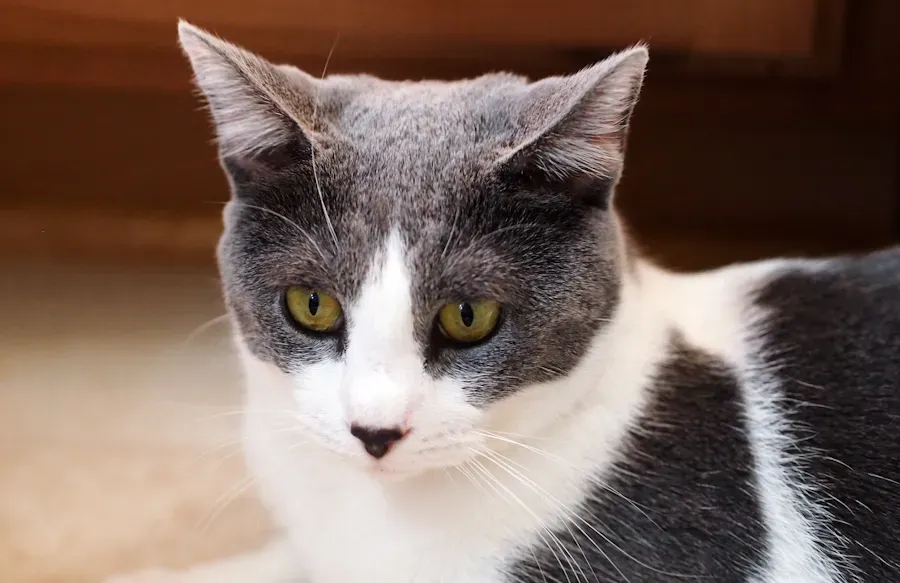
You’re making dinner, scrolling through your phone, or maybe just sitting on the couch minding your own business when you feel it. That prickly sensation of being watched. You glance up and there they are, eyes locked on you like a tiny furry surveillance camera. The cat is staring to keep his eyes on the stimulus he’s worried about, but honestly, it feels more like they’re mentally filing away every mistake you’ve made today.
If your cat is staring at you, it might not just be affection or curiosity – it could be its way of keeping tabs on its domain. In your cat’s eyes, you’re a key fixture in its environment, and it’s just making sure you’re not about to mess anything up. Maybe you fed them ten minutes late this morning. Maybe you sat in their favorite spot on the sofa. Whatever the reason, that stare is loaded with judgment, and you both know it. The fact that the vast majority of people scored very poorly in the test, with most getting just under 60 percent correct when trying to identify cat emotions proves that while we’re clueless about what they’re thinking, they’ve probably figured us out completely.
The Slow Blink That Feels Like a Performance Review
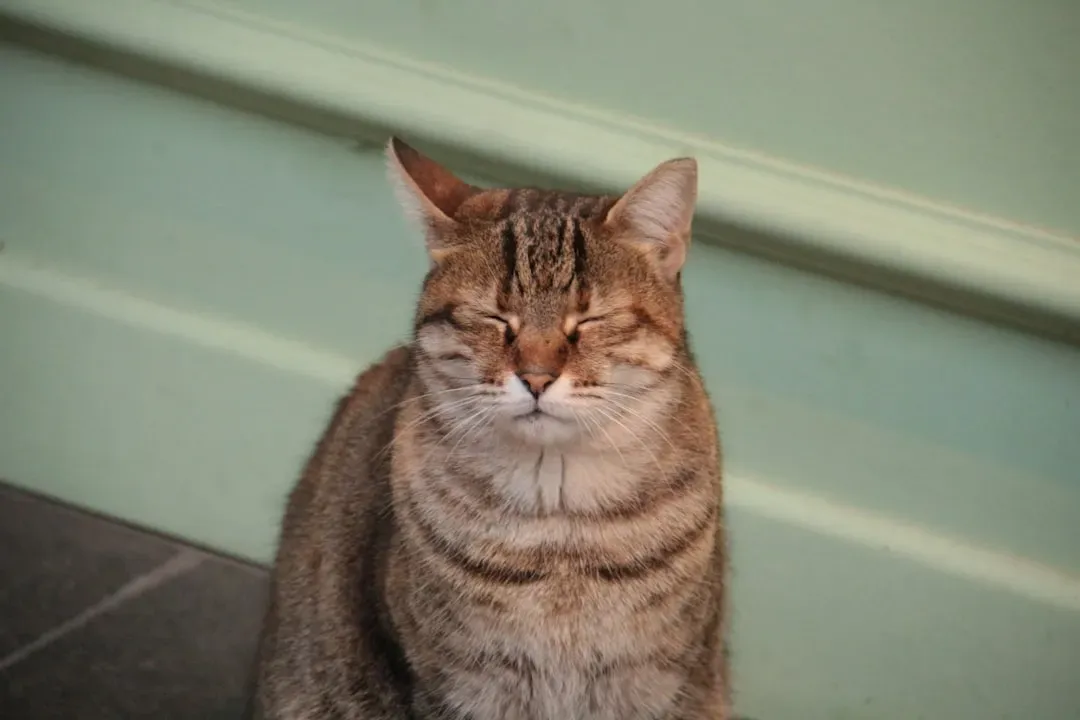
People love to say that when a cat slowly blinks at you, it’s a sign of love and trust. Cats slow blink at you to express that they trust you. A feline slow blinking means that they are happy and feel loved. That’s the official story, anyway. Yet there’s something about the timing that makes it feel less like “I love you” and more like “I suppose you’ll do.”
Cats are more likely to slow-blink at their humans after their humans have slow-blinked at them, which sounds sweet until you realize they’re basically reciprocating the bare minimum of social courtesy. It’s like when your boss tells you “good job” in that flat tone that suggests they’re just checking a box on their feedback form. In the wild, cats are both predators and prey. Anytime the animal’s eyes are closed, it can’t spot potential threats nearby. It’s at risk. Vulnerable. When you’re present, and your cat makes himself vulnerable by closing his eyes – even for a half-second – you have officially made it inside your pet’s circle of trust. Still, you can’t shake the feeling that they’re simultaneously grading your performance. Did you earn that slow blink, or are they just being polite?
Turning Their Back on You Mid-Conversation
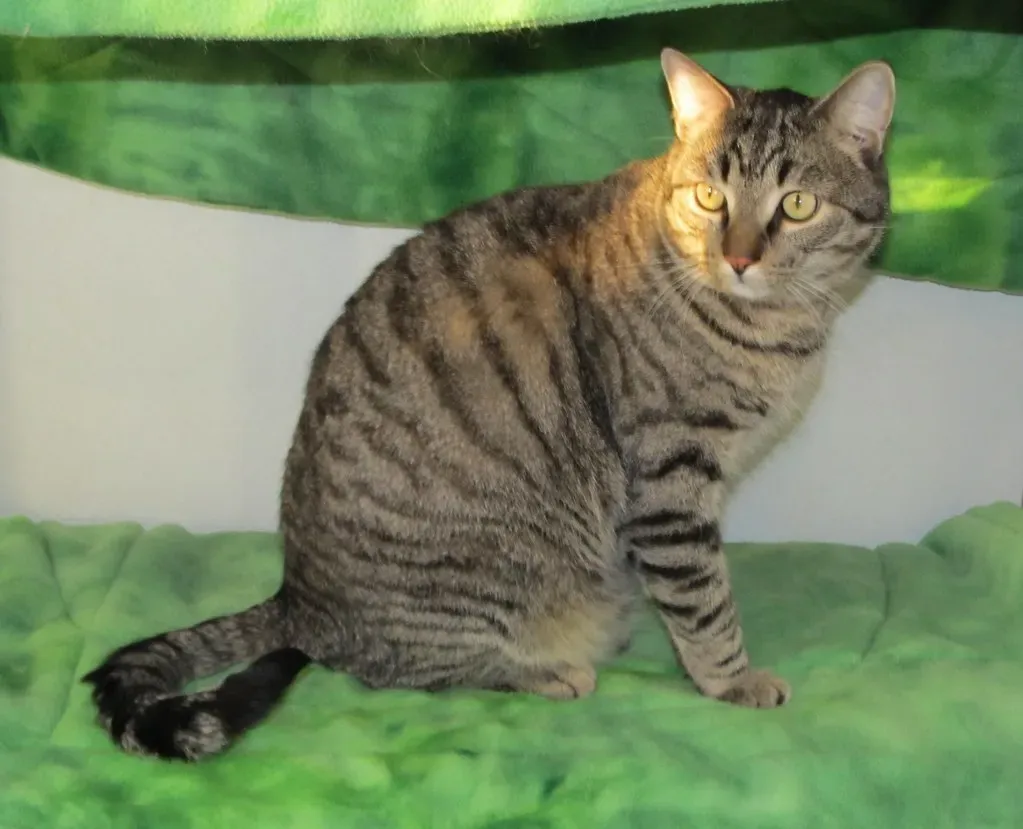
You’re talking to your cat. Maybe you’re explaining why you had to leave for work today or apologizing for accidentally stepping on their tail last week. They’re sitting right there, seemingly listening, and then – without warning – they turn around and present you with their backside. It’s the feline equivalent of hanging up mid-sentence.
This move is pure power play. They heard you. They just decided your explanation wasn’t worth their continued attention. Cats can recognize familiar humans, read emotional cues, and remember which people are worth approaching, so when they turn their back on you, it’s a deliberate choice. It’s not that they don’t understand what you’re saying. They understand perfectly well. They’ve simply decided you’re not interesting enough right now, and they’re letting you know in the most dismissive way possible. Honestly, it’s the kind of passive-aggressive move that would make even the pettiest human jealous.
Sitting Just Out of Reach When You Want to Pet Them
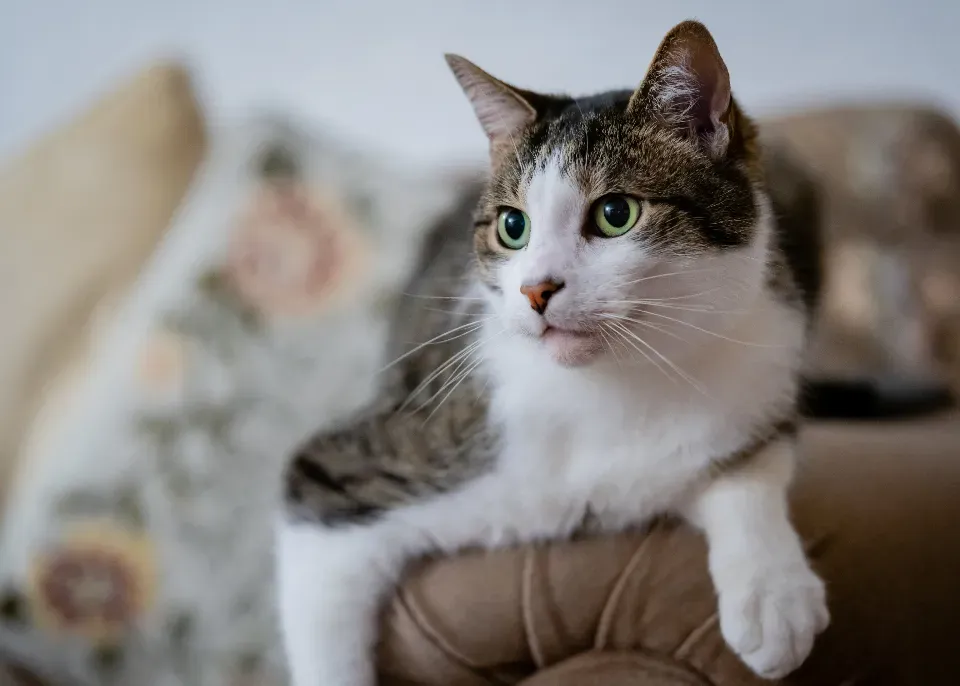
You extend your hand, making those little kissing noises that supposedly attract cats. They look at you. They see your hand. They calculate the distance. Then they settle down exactly six inches beyond your reach, curl into a perfect loaf, and close their eyes. Message received: you’re not worthy of their physical affection right now.
The initiation, and the initiator of social interactions between cats and humans have been shown to influence both the duration of the interaction bout and total interaction time in the relationship. Compliance with the interactional “wishes” of the partner is positively correlated between the cats and the humans. Translation? Your cat knows exactly what you want, and they’re choosing not to give it to you. This isn’t about comfort or preference. It’s about control. They’re reminding you that affection happens on their terms, not yours, and your desperate attempts to close that six-inch gap only prove their point. They’re in charge here, and the spatial distance is just a visual reminder of the power dynamic.
The Side-Eye When You’re Eating Something They Want
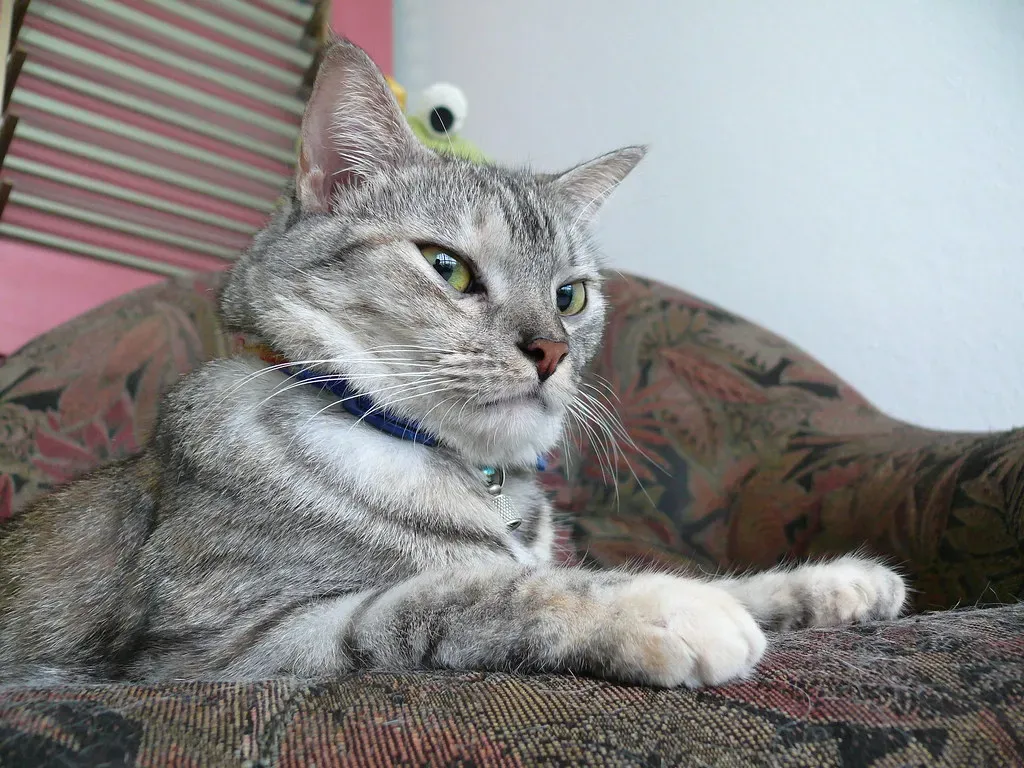
You’re having a snack. Maybe it’s tuna. Maybe it’s chicken. Heck, maybe it’s just a sad desk salad, but your cat has decided it looks appealing. They don’t meow or rub against your leg like a normal pet. No, they sit at a strategic distance and hit you with the side-eye. That sideways glance that says, “I see you over there, enjoying that food, being selfish.”
Some cats will learn that staring at their owners gets them the attention that they desire. Cats that do this may block their owner’s path or meow loudly when staring at their owners as well. This could also be a sign that your cat needs something from you as well such as food or water. Yet the side-eye is different from a direct stare. It’s more subtle, more pointed. It’s judgment wrapped in restraint. They’re not demanding your food outright because they’re too dignified for that. Instead, they’re letting you know that they’ve noticed your failure to share, and they’re mentally docking points from your overall owner performance rating.
Ignoring You Completely After You’ve Been Gone All Day
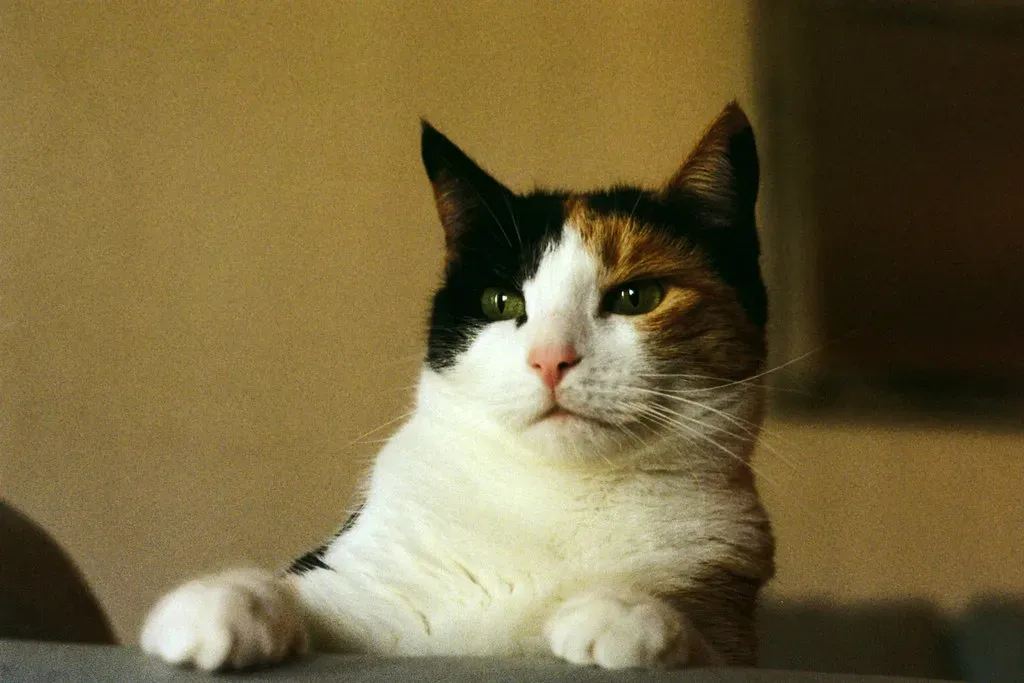
You walk through the door after a long day at work, excited to see your beloved cat. Surely they missed you, right? You call their name. Nothing. You spot them lounging on the back of the couch, fully aware of your presence, yet they don’t even lift their head. This is the cold shoulder in its purest form.
They often gravitate toward calm, predictable humans, even curling up with people who are sad. Not because they’re feline empaths, but because sadness usually comes with stillness, quiet voices, and fewer sudden movements. So when you come home all excited and noisy, you’re failing the test. Your cat has decided that your energy is too much, your absence was unforgivable, and they’re making you work for forgiveness. You left them for eight hours. The least you could do is sit quietly and wait for them to acknowledge you on their own schedule. The silent treatment is judgment and punishment rolled into one elegant feline package.
Knocking Things Off Tables While Making Eye Contact
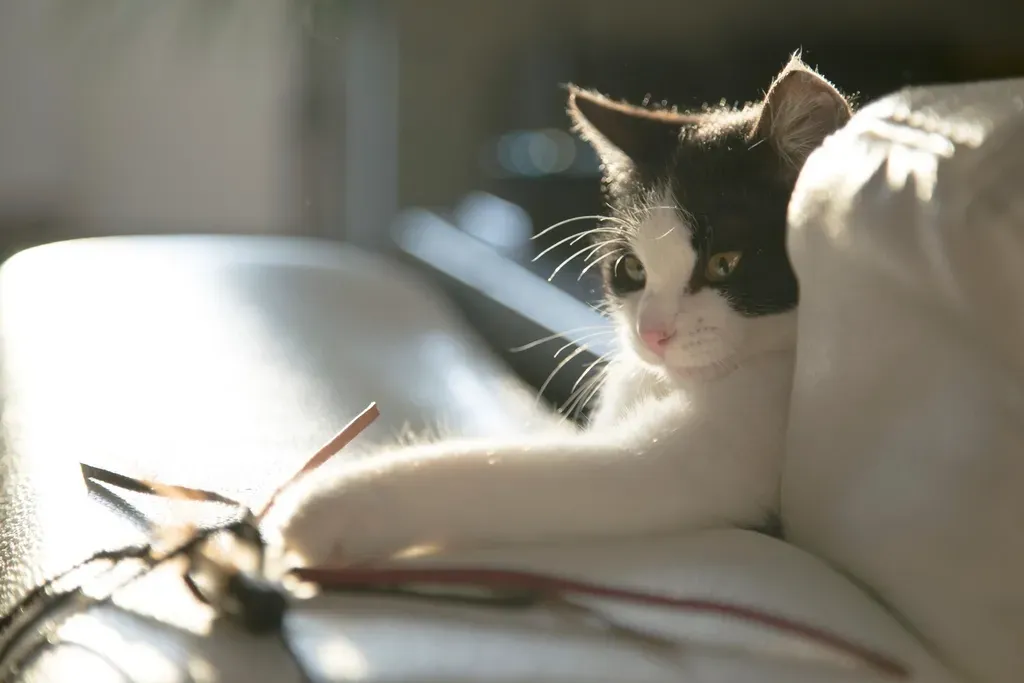
Your cat is sitting on the kitchen counter. Next to them is your phone, your keys, maybe a glass of water. They look at the object. Then they look at you. Then, with one deliberate paw, they push the item toward the edge. You say their name. They pause. Then they push it over the edge anyway, maintaining eye contact the entire time.
This isn’t clumsiness. This is a calculated act of rebellion. Eighty-three percent of owners noted their cats’ curiosity towards new stimuli, but this isn’t curiosity. This is a statement. Maybe you didn’t refill their water bowl fast enough. Maybe you ignored them earlier. Whatever the reason, they’ve decided you need a reminder of who really runs the house, and they’re willing to sacrifice your belongings to make that point. The eye contact is the key. They want you to know this is intentional. It’s not an accident. It’s a performance, and you’re the audience. They’re judging you, and the verdict is guilty.
Conclusion: Embrace the Judgment
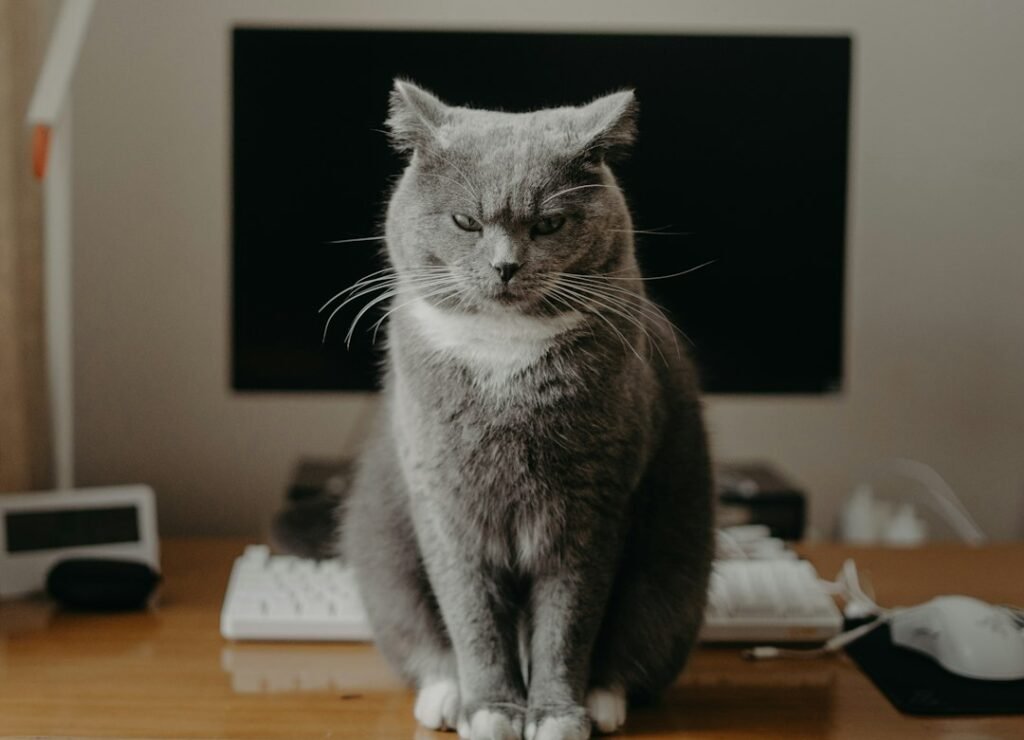
Let’s be honest, you were never going to win this. Your cat has been evaluating you since the day you brought them home, and they’ll continue doing so until one of you shuffles off this mortal coil. Owners with a more accurate understanding of cat behavior, and stronger reported bond with their cats, reported fewer behavior problems, so maybe understanding that you’re being judged is actually the first step toward a better relationship.
Your cat isn’t just a fluffy companion. They’re a tiny, furry critic with impossibly high standards and zero interest in sugarcoating their opinions. The stares, the slow blinks, the deliberate acts of defiance – they’re all part of an ongoing performance review that you didn’t sign up for but are definitely being graded on. The good news? Even when they’re judging you harshest, they’re still choosing to stick around. That has to count for something.
So what do you think? Does your cat have their own unique ways of reminding you who’s really in charge? Share your stories of feline judgment in the comments below.