The relationship between cats and their human companions has long fascinated researchers and pet lovers alike. While dogs often steal the spotlight for their obvious emotional intelligence, cats possess a more subtle but equally remarkable ability to read and respond to human feelings. Recent scientific studies have revealed that our feline friends are far more emotionally aware than we ever imagined, challenging the stereotype of cats as aloof and indifferent creatures. Through careful observation and groundbreaking research, scientists have uncovered compelling evidence of cats’ emotional empathy and their sophisticated understanding of human behavior.
From comforting their owners during times of grief to responding differently based on vocal tones, cats demonstrate a complex emotional intelligence that continues to surprise researchers. These discoveries are reshaping how we understand the human-cat bond and revealing the depth of connection these mysterious creatures share with us. Let’s dive into seven remarkable ways cats have proven they truly s.
When Cats Read Your Facial Expressions
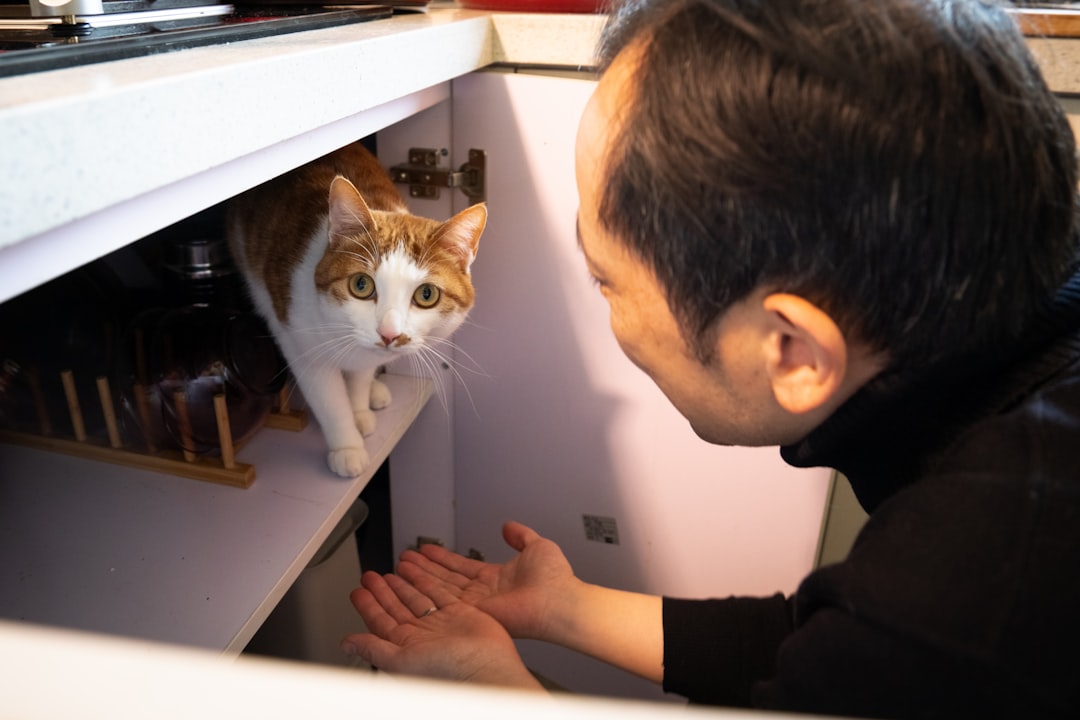
Cats looked significantly longer at faces whose facial expressions matched the voice they heard, according to groundbreaking research conducted in Italy. Scientists created an ingenious experiment where cats were shown images of both human and cat faces while listening to corresponding emotional sounds. Cats are able to interpret facial expressions and can connect the combination of human voices and facial expressions, and are even able to determine certain emotions.
This ability goes beyond simple recognition. Cats are sensitive to human communicative cues and to their emotions, particularly if expressed by their owners. Cats, indeed, discriminate their owner’s emotional reaction toward an unfamiliar object and adjust their behavior accordingly, expressing more positive behaviors and spending a longer time in contact with their owner when they appeared happy, whereas they displayed less positive behaviors in response to the owner’s angry expression.
The Power of Voice and Tone Recognition
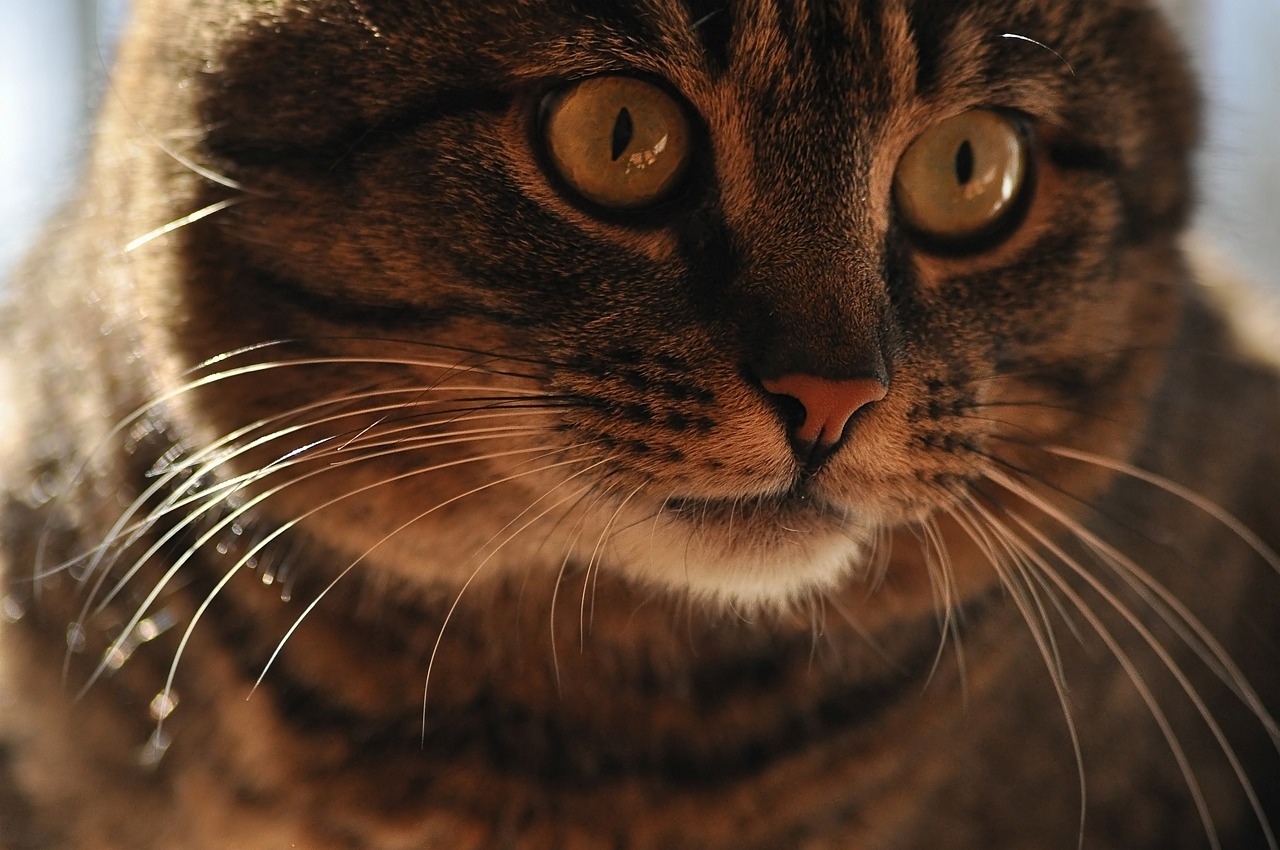
Perhaps one of the most touching examples of feline emotional intelligence lies in their response to human vocal cues. Research suggests that cats respond differently to various human vocal emotional cues. Studies indicate that cats are more likely to approach their owners and show signs of comforting behavior, such as purring and rubbing against their legs, when they detect emotional distress through vocal changes.
Cats are sensitive to tonal changes in our voice, noticing when we’re cheerful or when we’re upset. Gentle tones might comfort them, but louder, sharp tones can make them dart for a hiding spot. This sophisticated understanding of vocal nuances demonstrates that cats aren’t just hearing sounds, they’re interpreting the emotions behind them and responding accordingly.
Comfort During Times of Sadness

Many cat owners have experienced their pet’s uncanny ability to provide comfort during difficult times. Cats tend to engage and interact more with their owners if they are depressed or showing negative emotional states like sadness, grief, or loneliness. Thankfully, cats often pick up on the signs that we are feeling down, and make themselves more available. So, next time you’re sad and notice your cat lingering nearby when they’re normally out exploring, be comforted by the fact that they care and want to make you feel better.
When pet parents are depressed, cats rub against them more often. It’s likely your cat is responding to your emotional state by trying to comfort you or draw your attention. This behavior isn’t coincidental but represents a deliberate response to human emotional distress. If your cat enjoys human interaction and physical contact, they might go one step further than just hanging around nearby. You might find that they try to comfort you by laying in your lap, offering you affectionate exchanges like head-butting (bunting), kneading, and gentle nibbles.
Detecting Stress Through Scent
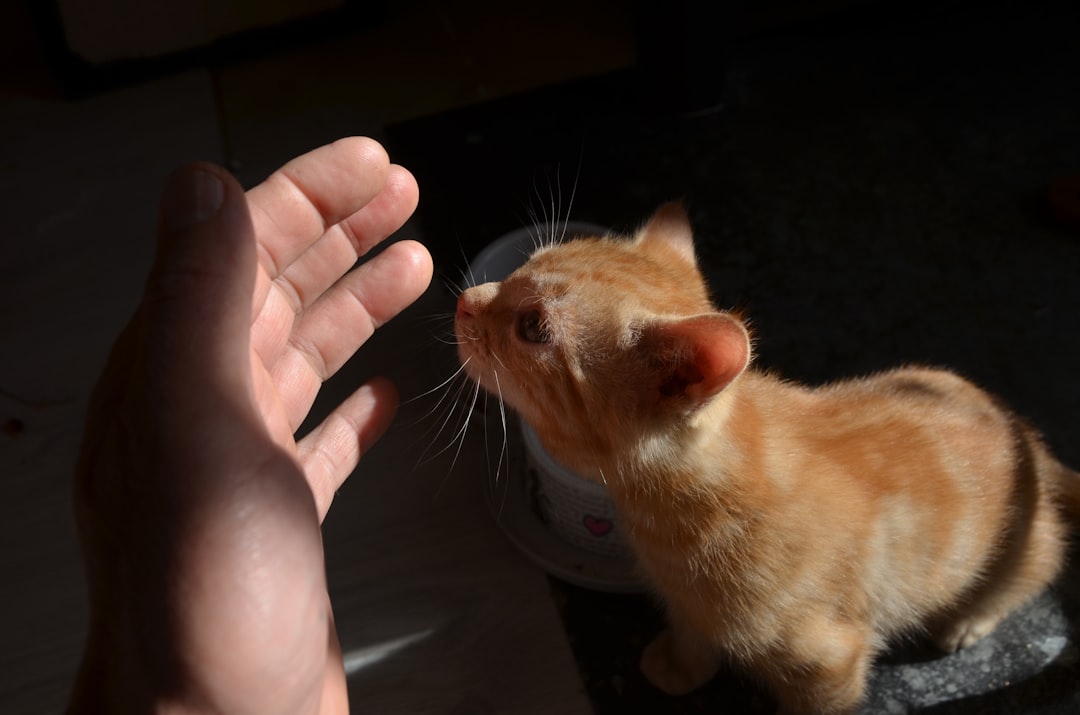
Recent breakthrough research has revealed an extraordinary ability cats possess that goes beyond visual and auditory cues. A recent study shows cats can detect human emotions through scent – especially fear – suggesting our cat friends might understand us more than we realize. To investigate whether cats can smell human emotions, d’Ingeo and her colleagues conducted an experiment using odor samples from three unfamiliar men exposed to different emotional states: fear, happiness, physical stress, and neutral.
The ability of cats to sense human emotions may be attributed to their highly developed sense of smell. Cats have a scent organ called the vomeronasal organ, which is located in the roof of their mouths. This organ allows them to detect pheromones, chemical signals that are released by humans and other animals. When a person is sad or upset, their body releases different pheromones, which cats can pick up on.
Mirroring Human Emotional States
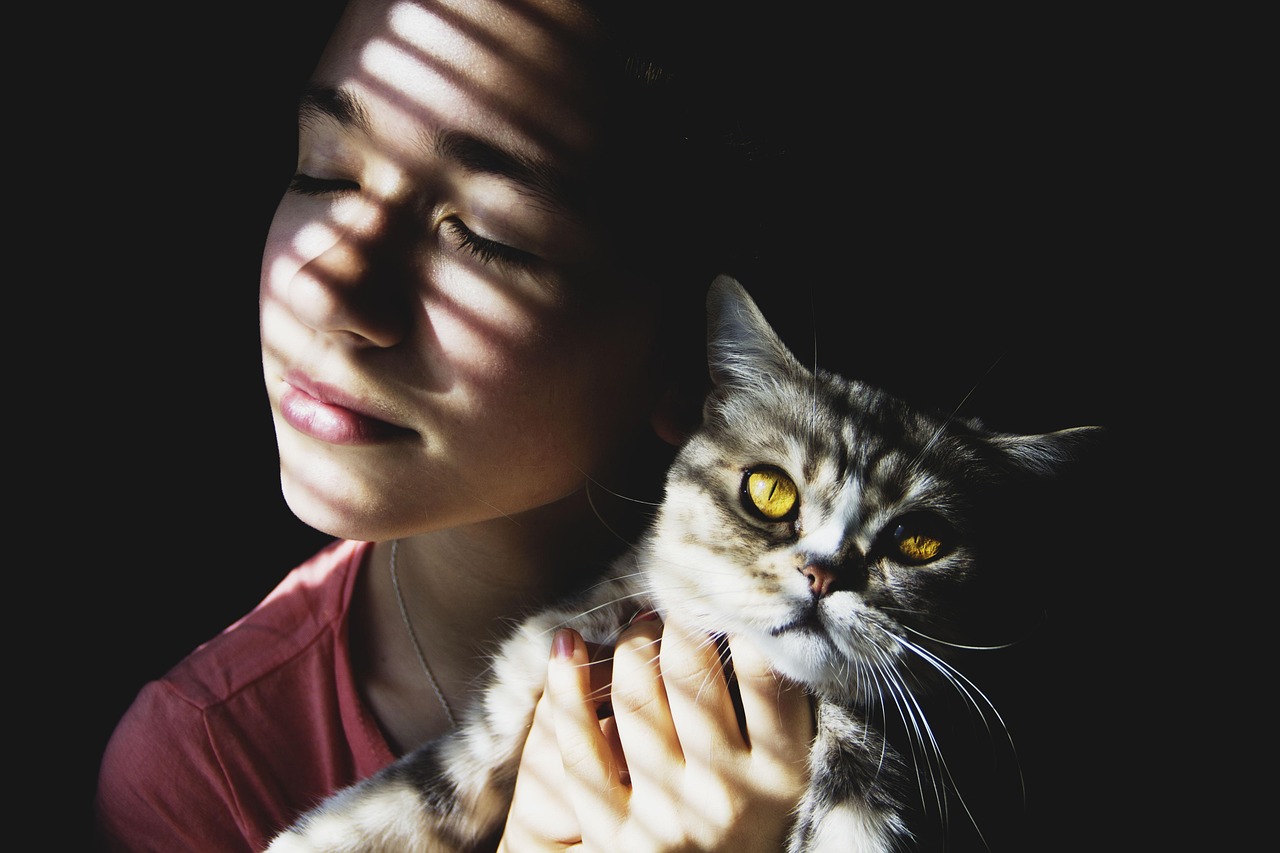
Scientists believe that cats are adept at emotional mirroring – they mirror or reflect the emotions of their human companions. If you’re feeling down, don’t be surprised if your kitty seems a bit low too. Similarly, when you’re happy and energetic, your cat may appear more playful. This phenomenon suggests a deeper emotional connection than previously understood.
Research has found that owners and their cats mirror each other’s well-being and behavior. Research indicates that many cat owners report their cats seem stressed when they themselves are stressed. Beyond identifying human emotions, cats are also able to reflect or mirror their emotions to those that they sense and perceive from their social connections – humans or cats alike. As cats absorb the energies of their closest humans, cats can also feel sad or depressed when they feel so.
Learning and Adapting to Human Routines
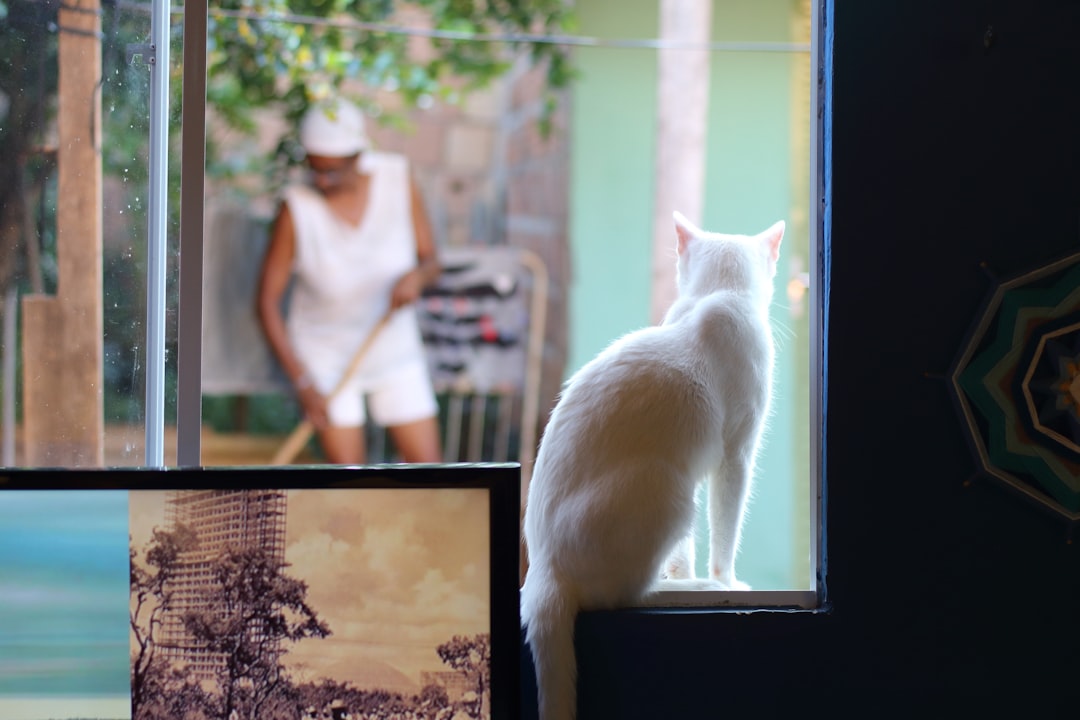
Cats demonstrate remarkable observational skills when it comes to understanding human behavioral patterns. Cats are learning all the time, so yes, they may come to learn what you do when you’re feeling different emotions. For example, if you are sad and give them extra attention, they make the association between your behavior and actions with being in an emotional state, which means you give them more attention. By creating a bond and spending more time with your cat, it will allow them to become more in tune to your behaviors and feelings. Over time, your cat will understand your routine and be able to tell how you’re feeling.
Cats get their owner’s normal behaviors and abilities which makes it easy for them to analyze and notice some unfamiliar and unconventional changes and comparisons if their owners act differently. This adaptive learning demonstrates that cats aren’t just responding instinctively but are actively processing and learning from human emotional patterns to better understand their companions.
Cross-Modal Emotional Processing
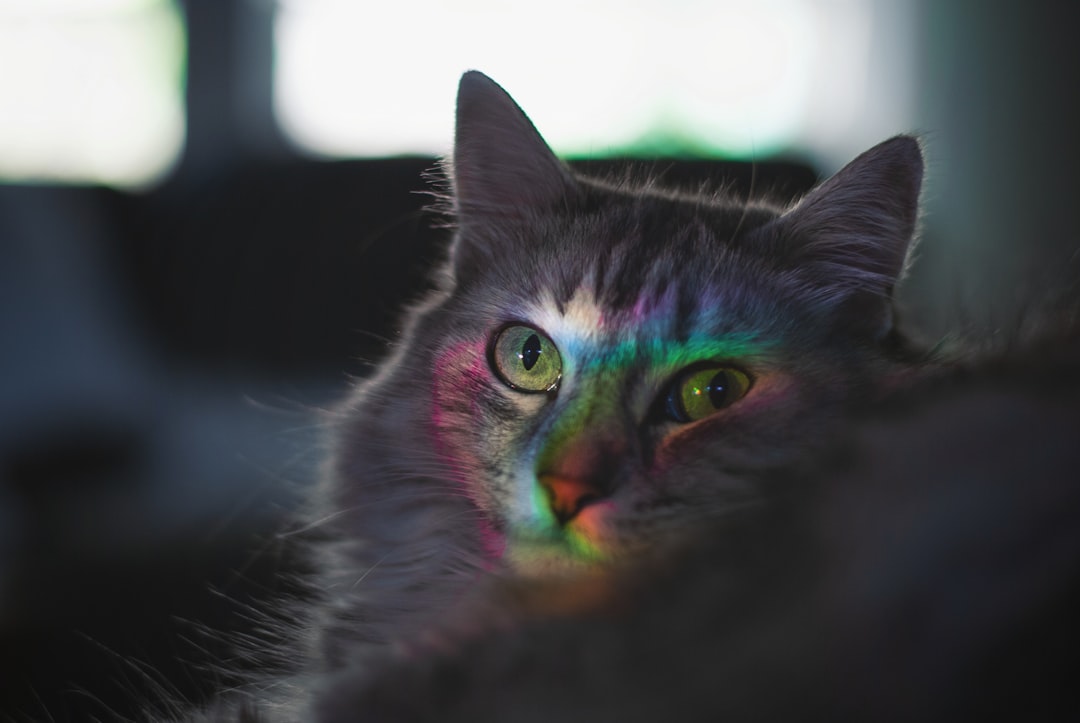
The most sophisticated evidence of feline emotional intelligence comes from their ability to integrate multiple senses to understand emotions. Our results demonstrate that cats integrate visual and auditory signals to recognize human and conspecific emotions and they appear to modulate their behavior according to the valence of the emotion perceived. Results showed that cats are able to cross-modally match pictures of emotional faces with their related vocalizations, particularly for emotions of high intensity. Overall, our findings demonstrate that cats have a general mental representation of the emotions of their social partners, both conspecifics and humans.
This cross-modal processing represents the pinnacle of emotional intelligence in cats. They are very intelligent creatures and have a basic understanding of human emotions. Some recent studies indicate that cats are capable of showing empathy and compassion toward us. The ability to combine visual facial cues with vocal tones to form a complete emotional picture demonstrates a level of cognitive sophistication that rivals other highly intelligent animals.
Conclusion
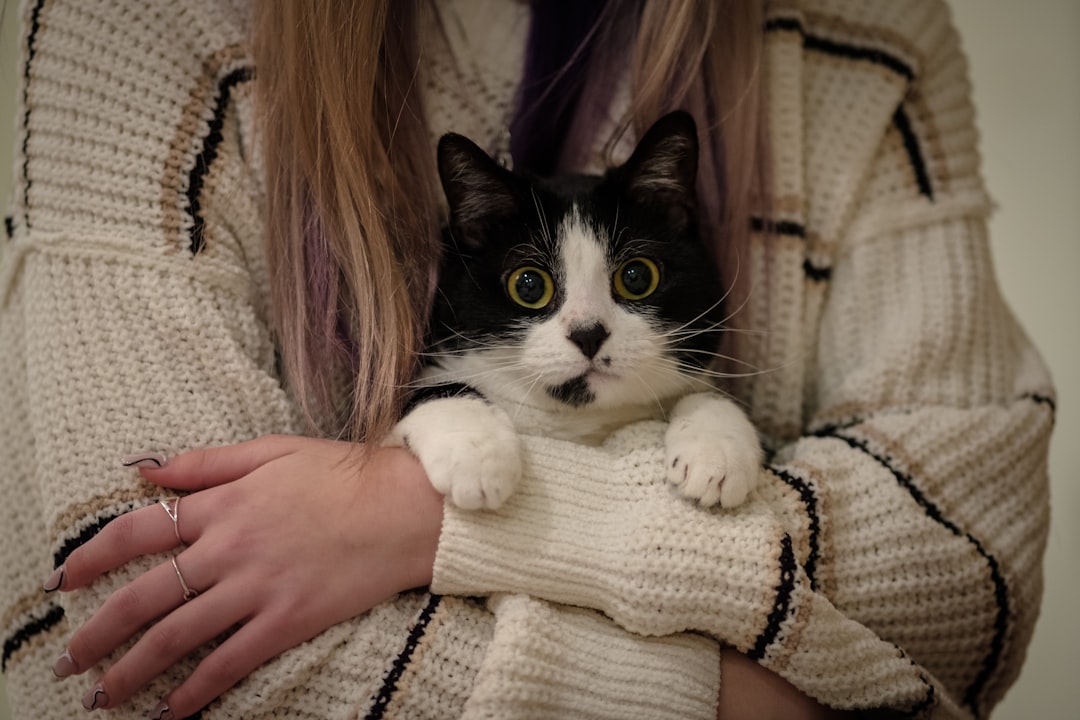
The evidence is clear: cats possess a remarkable ability to understand and respond to human emotions that goes far beyond what most people realize. From reading our facial expressions to detecting our emotional states through scent, these findings reveal that the bond between humans and cats is built on a foundation of genuine emotional understanding. These findings challenge the stereotype of cats as indifferent to human emotions. While they may not express their attachment in the same overt ways as dogs, cats are clearly tuned into the emotional states of their humans. They not only recognize human emotions but may also respond to them in ways that reflect their own emotional states. This growing body of research highlights the importance of understanding and respecting our feline companions’ sensitivity to our emotions.
The next time your cat curls up beside you during a difficult day or seems to appear just when you need comfort most, remember that this isn’t mere coincidence. Your feline friend is demonstrating a sophisticated understanding of your emotional world that science is only beginning to fully appreciate. What aspects of your cat’s behavior now make more sense to you?