Cats have been living alongside humans for thousands of years, and somehow they’ve managed to convince most of us that they’re the ones doing us a favor. Honestly, I think there’s something to that. These creatures are complex, sensitive, and far more emotionally in tune with their environment than most people give them credit for. The way your cat feels on any given day isn’t random – it’s shaped by the little things you do, or don’t do, for them.
You don’t need to spend a fortune on designer cat furniture or gourmet food subscriptions to give your cat a truly wonderful life. The magic is hiding in the tiniest daily habits. Things so small you might be overlooking them right now. Curious what they are? Let’s dive in.
1. Master the Art of the Slow Blink
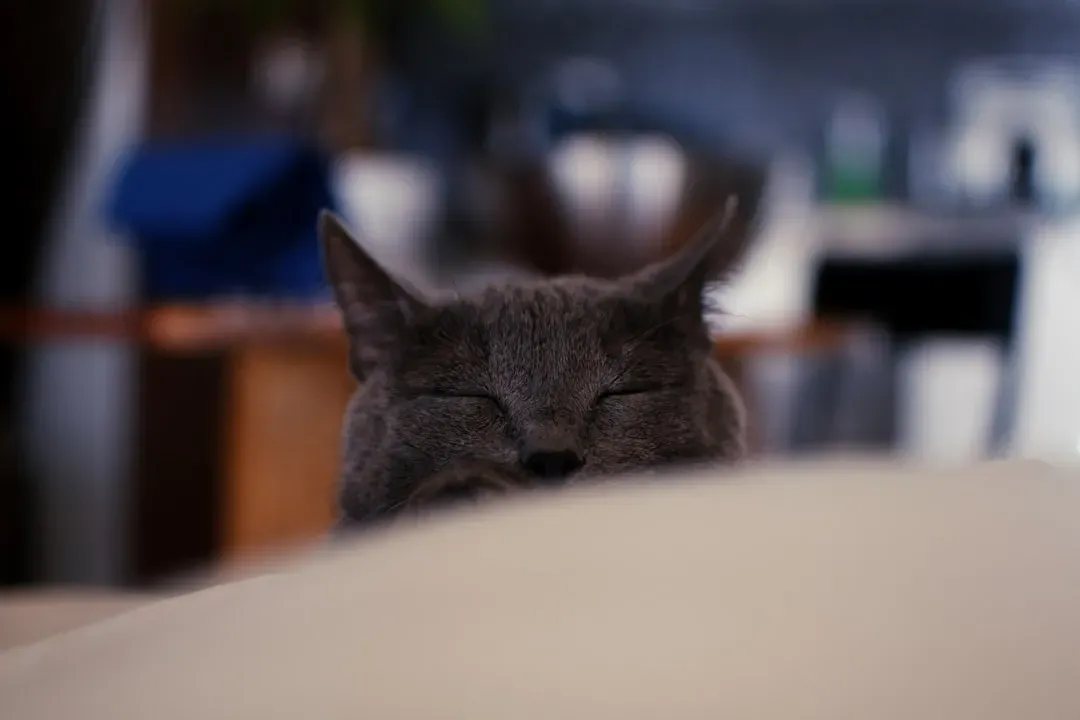
Here’s the thing – your cat already has a secret language, and most people have no idea how to speak it. When your cat slow blinks at you, it’s their way of saying “I trust you enough to close my eyes in your presence,” and that is a very big deal for a cat. That simple, sleepy gaze is loaded with meaning, and you can actually respond in kind.
That relaxed, sleepy stare with slow blinking is a top sign of affection in cats. You can up the love factor by reciprocating some slow blinks back, and your cat will feel the warm fuzzies. Think of it as a silent “I love you” exchanged across the room. No words, no drama, no effort – just two creatures choosing to trust each other. It’s honestly one of the most underrated bonding tools you have at your fingertips right now.
2. Give Them a Daily Play Session That Actually Counts
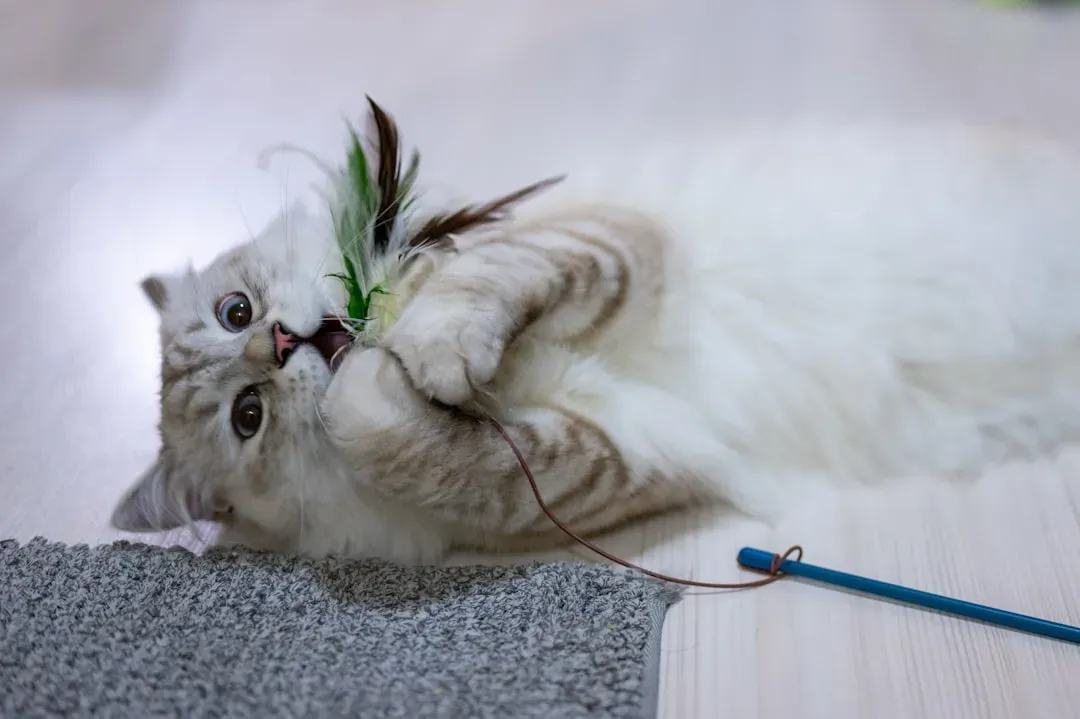
Cats are natural hunters, but their love of stalking and pouncing is driven by the thrill of the chase, not hunger. Playing with your cat will cause their brain to release feel-good hormones called endorphins – the same chemicals that make you feel great after a good workout. So when you drag that feather wand across the floor, you’re not just entertaining them. You’re giving them a dose of genuine happiness.
Have several short play sessions with your cat every day – ideally three to four play sessions of no more than five minutes each. That’s nothing in the grand scheme of your day. Less time than it takes to scroll through your phone while waiting for coffee to brew. Allow your cat to catch the toy about once every three times they pounce. This will avoid frustration and release feel-good chemicals in their brain. Always end the play session with them catching the toy.
3. Introduce Puzzle Feeders to Make Mealtime an Adventure
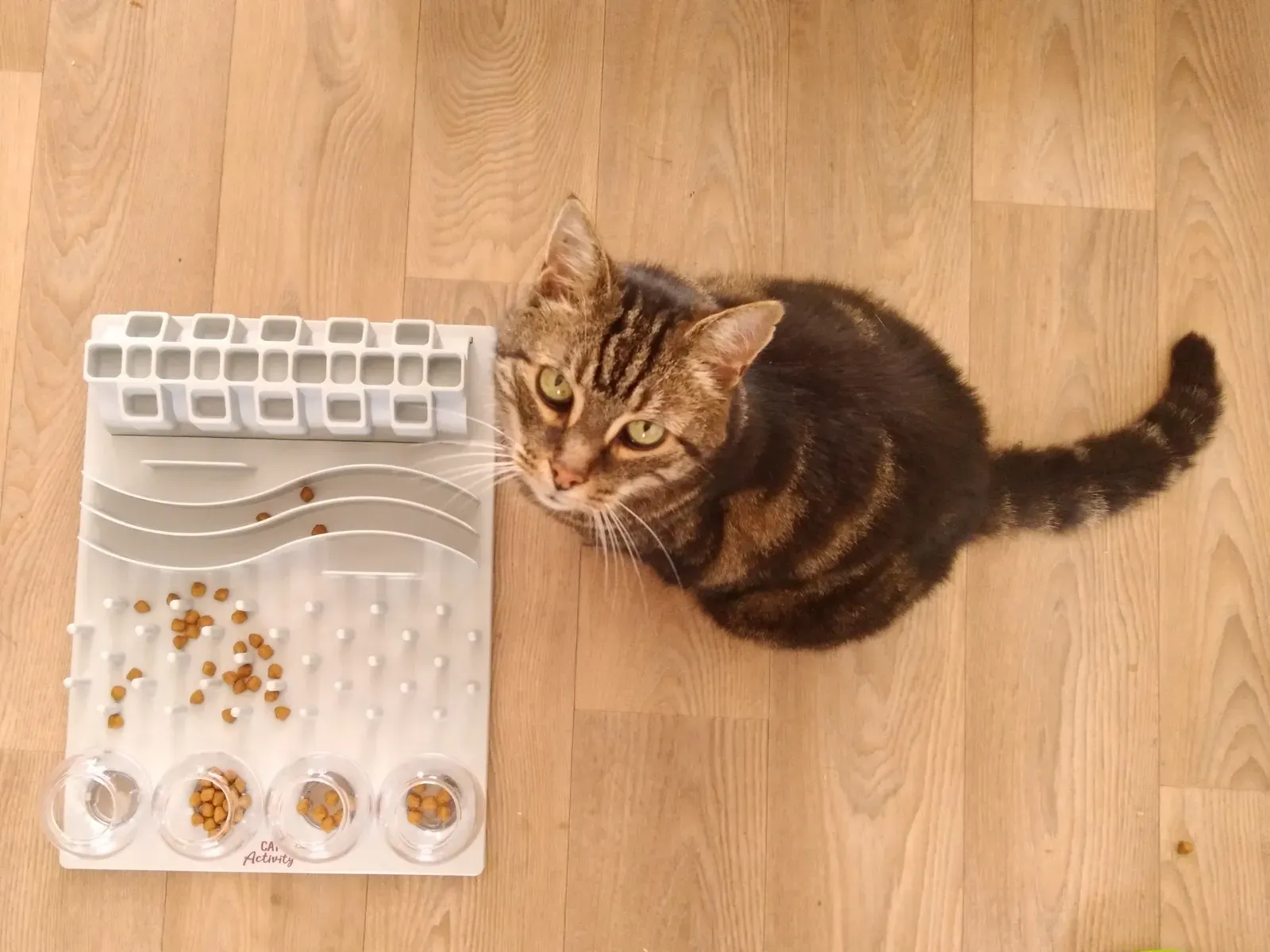
Being fed the same food at the same time has its benefits, but it is also unchallenging and boring. This is especially true for felines wired to hunt for their food and use their hunting instincts. Instead of simply feeding your cat as you always do, provide mental stimulation and encourage your cat to work for food to spice things up. It’s like replacing a vending machine with a treasure hunt – same reward, infinitely more satisfying.
Using puzzle feeders for your cat’s meals provides them with mental stimulation and releases feel-good chemicals called endorphins in their brain. Dividing your cat’s daily food allowance into smaller meals also meets their natural need to eat little and often. If your cat is a fast eater, consider using a slow feeder bowl or puzzle feeder. These devices can slow down eating, reduce gulping, and provide mental stimulation, mimicking the natural “hunt” for food. It’s a tiny swap that transforms an everyday routine into genuine enrichment.
4. Build Vertical Territory Into Your Home
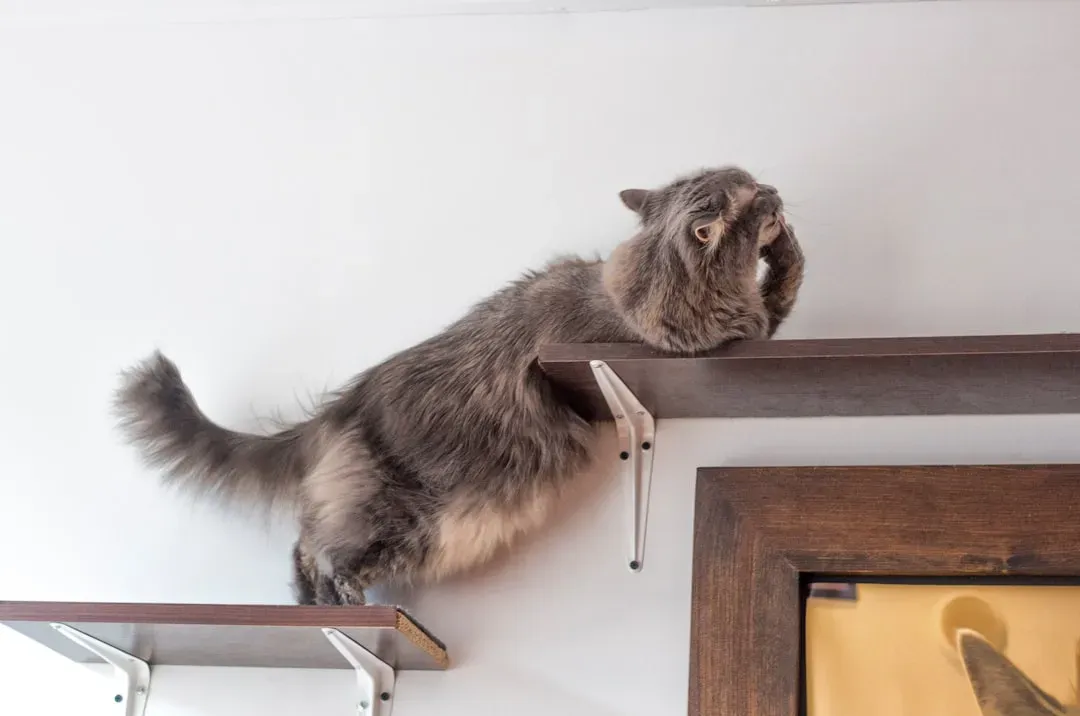
Think about this from your cat’s perspective for a moment. Imagine living in a world where everything important happens at ground level, with no way to observe, survey, or feel safe. Stressful, right? Cats love to climb and perch in high places to survey their surroundings. Installing shelves, cat trees, or window perches gives your cat vertical space – spaces that not only provide exercise but also offer a sense of security and safety.
Cats love getting up high, especially when they are stressed. Providing them with lots of places they can get off the ground will keep them happy. Vertical space can be provided by adding cat shelves to your wall, or with cat trees, radiator beds, or even cardboard boxes. Honestly, even a repurposed bookshelf cleared of clutter can become a cat’s favorite sanctuary. You don’t need a Pinterest-worthy catio to make your cat feel like the ruler of their domain – just a little elevation goes a long way.
5. Respect Their Need for a Cozy, Private Hideaway
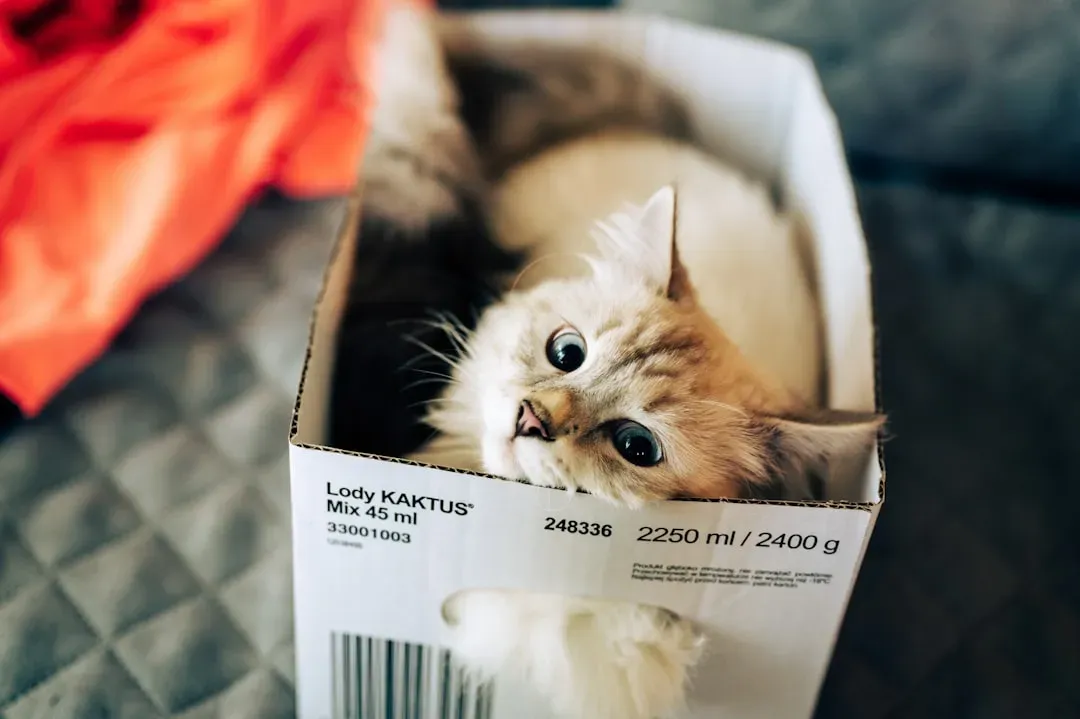
Every cat, no matter how social and cuddly, needs a place that is entirely theirs. A quiet corner. A covered bed. A cardboard box with a blanket tossed inside. Cats need privacy and time for themselves too. They love to hide in a box or other secluded place, so arranging a hideaway where they can go to rest, sleep, or hide is always a good idea. Their hideaway can be an ordinary cardboard box, a covered cat bed, a cat condo, or any place where they’ll feel safe and at peace.
Cats like to hide when they feel stressed, as it helps to calm them down. I think of it like this: humans have their bedroom door, their quiet morning coffee ritual, their favorite corner of the couch. Your cat deserves the same. Give cats the ability to approach or retreat from humans and other animals – and you’ll find they come to you far more willingly on their own terms. Choice is everything to a cat.
6. Establish a Predictable Daily Routine
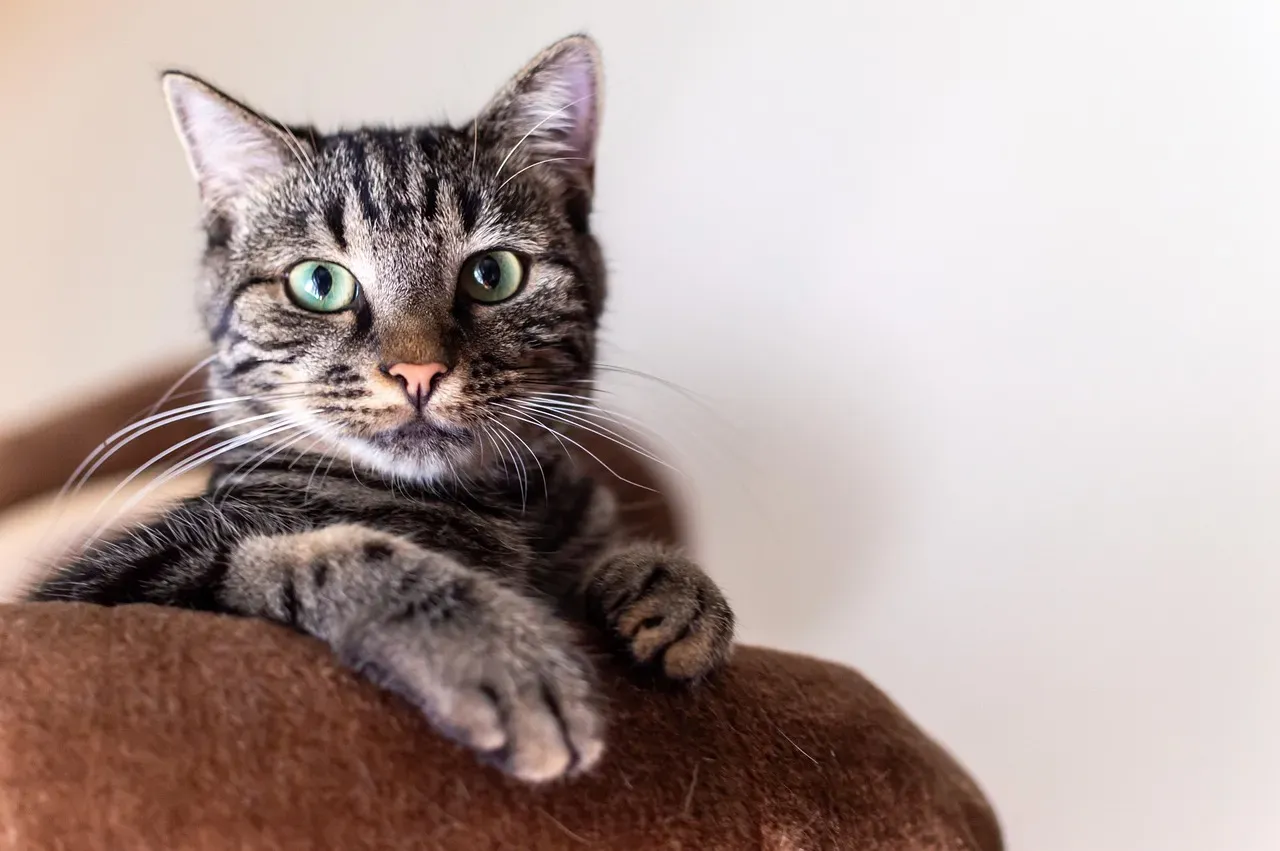
It sounds almost too simple, but the power of routine for a cat is genuinely hard to overstate. Routine isn’t boring for cats – it’s emotional safety. Consistent feeding, play, and rest patterns transform feline behavior from the inside out. Think of it less like a rigid timetable and more like a steady rhythm your cat can count on, the way we count on sunrise and sunset.
Like other pets, cats appreciate predictability and thrive when given a set routine. Keeping a consistent schedule for feeding, playtime, and other daily activities can help reduce your feline friend’s stress and make them feel secure and content. Research conducted in shelter environments demonstrated that felines exposed to a consistent daily schedule – including fixed feeding times, scheduled enrichment activities, and regular gentle human interaction – exhibited significantly lower observable stress behaviors. Your cat isn’t asking for much. Just the comfort of knowing what comes next.
7. Make Grooming a Bonding Ritual, Not a Chore
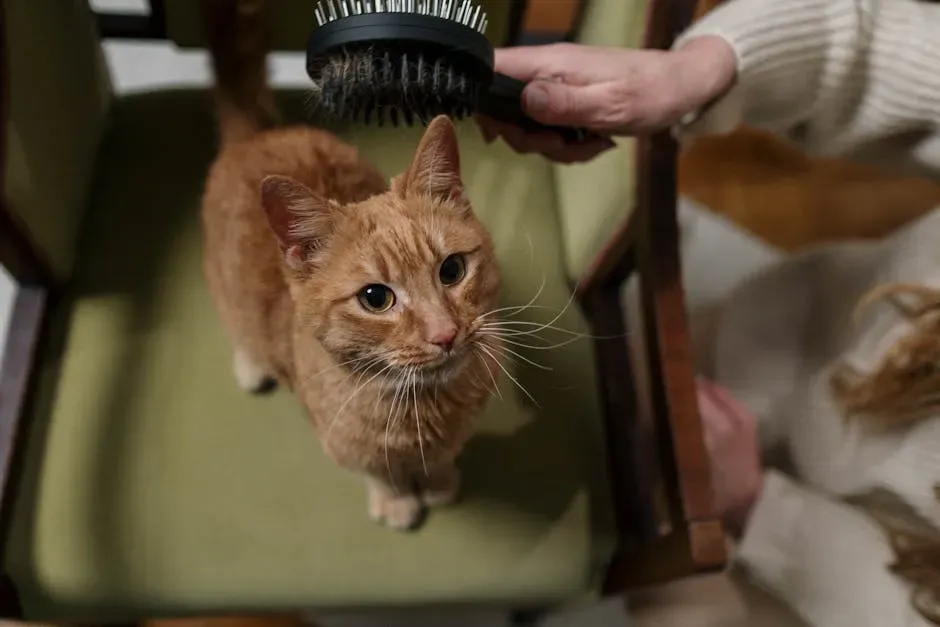
Feral cats who are bonded to each other often allogroom – spending time licking and grooming each other, often purring as they do so. When you brush your cat, you’re not just managing their coat. You’re speaking fluent cat. You’re telling them, in the most primal feline way possible, that you are their person.
Brushing your cat’s fur keeps their coat healthy and strengthens the bond you share. Regular grooming sessions can prevent matting and reduce shedding. Trimming your cat’s nails when needed and brushing their teeth can prevent dental disease. Grooming can contribute significantly to your cat’s happiness. If you’re not in the habit of grooming your cat, go gently at first and slowly build up the experience. Your cat will show you with their body language if they’re enjoying it, and once they’re accustomed to it, they will often make the first move to encourage a grooming session from you. There’s something deeply satisfying about a cat that nudges your hand with their head and asks for more.
A Royal Life Is Built in the Smallest Moments
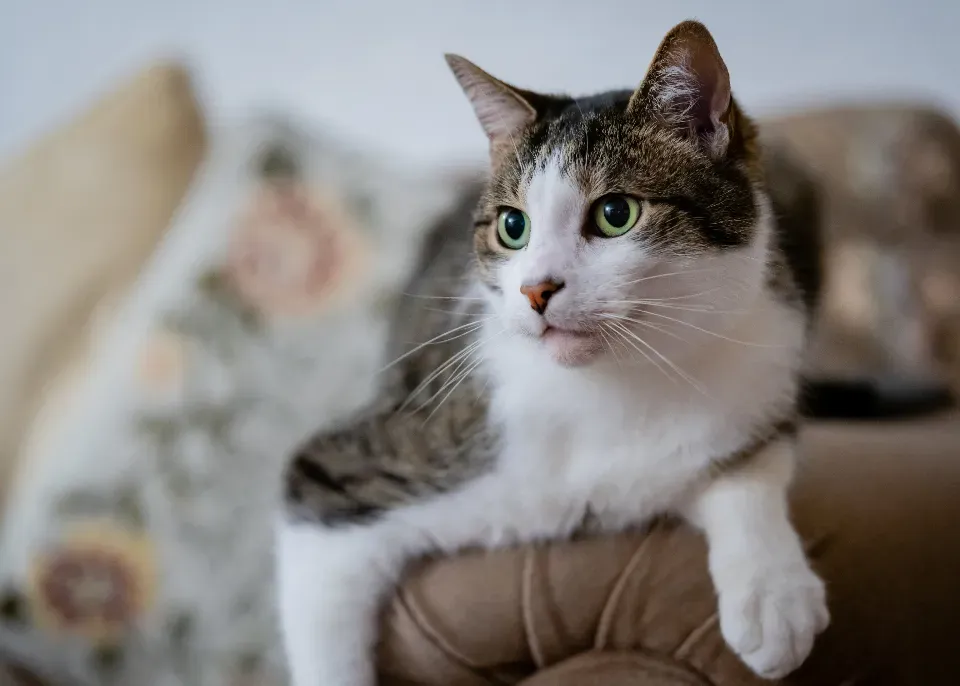
None of these habits require a big budget, a home renovation, or hours of your time. What they require is consistency, attention, and a genuine willingness to understand your cat on their own terms. A slow blink here, a five-minute play session there, a puzzle feeder swapped in at breakfast – these tiny shifts compound over days and weeks into a cat that feels deeply safe, stimulated, and loved.
Your cat may never say thank you out loud. They won’t write you a card or give you a hug. Instead, they’ll find your lap at the end of a long day, press their forehead into your hand, and purr like a tiny engine of contentment. And honestly? That’s worth more than any thank-you ever could be.
So here’s a question worth sitting with: which of these habits could you start today? Pick just one and watch what happens. Your cat will notice – even if they pretend not to.