Cats have a reputation for being cool, aloof, and totally unbothered. That mysterious independence is part of what makes them so fascinating. Honestly, most people just assume their cat is fine because they’re not whining at the door like a golden retriever. That assumption, though, can quietly chip away at your bond without you even noticing.
Here’s the thing – cats communicate in subtle, layered ways. They don’t use words. Since cats don’t understand the words “I love you,” they rely entirely on your actions to interpret whether or not you love or even like them. Missing those cues is surprisingly easy to do, especially in a busy modern life. So before you assume everything is fine, take a close look at these seven warning signs. You might be more surprised than you expect. Let’s dive in.
Your Cat Won’t Stop Meowing or Vocalizing at You
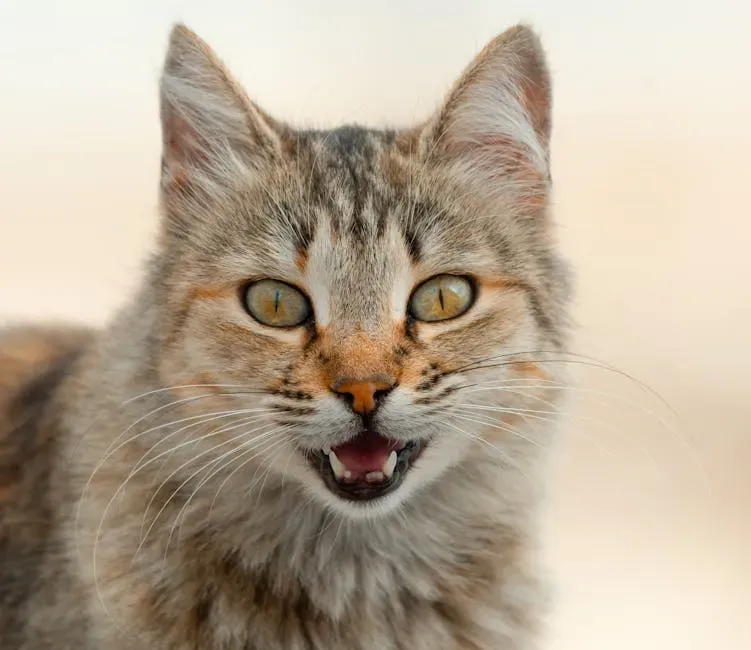
You walk through the door after a long day, and your cat launches into what can only be described as a full-on monologue. Meow, meow, meow – relentless. Most people brush this off as hunger, but there’s often something deeper happening. Whether you had a late night at the office or you haven’t had time for your daily play and cuddle session, your cat might be feeling a little neglected if you notice them meowing more than normal.
Think of it like a child tugging at your sleeve. The behavior isn’t random, it’s a direct signal. Cats will vocalize as a sign of distress, and it’s their way of telling you that they are lonely and don’t feel appreciated. If your cat is yowling, however, this is entirely different – yowling in an altered cat is a classic call for help and they should be seen by a pet health professional promptly. The fix? Carve out even ten minutes of focused, deliberate attention daily. The difference is remarkable.
Destructive Scratching and Acting Out
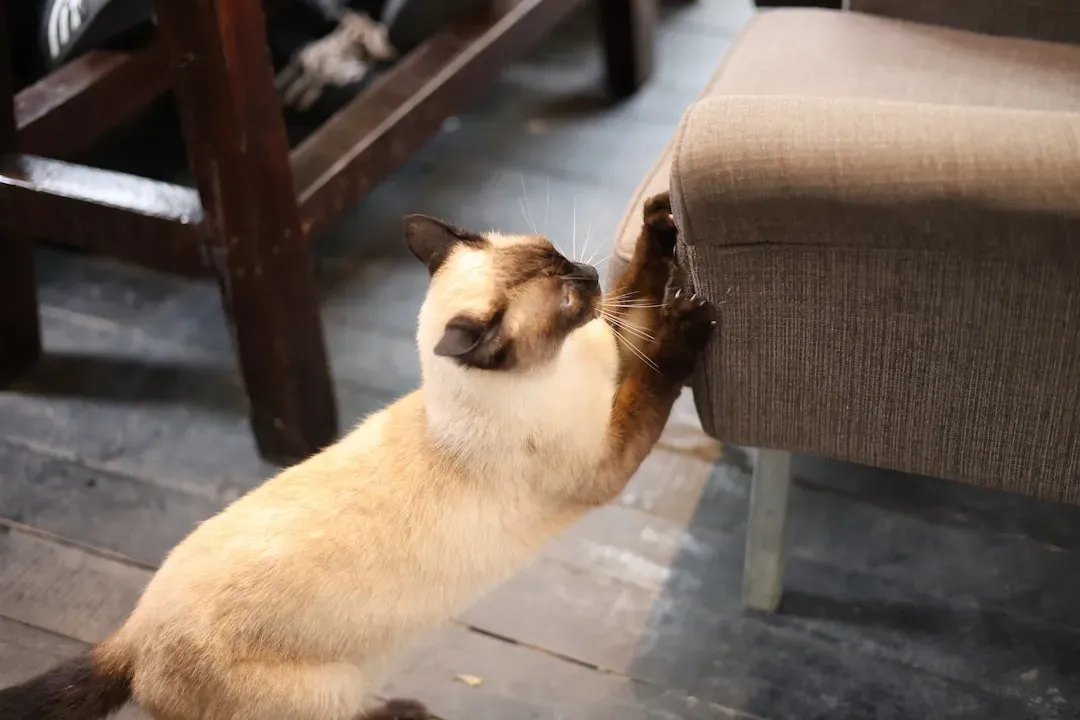
Shredded curtains. Scratched furniture. A knocked-over glass that was definitely not an accident. If your once-calm cat has suddenly become a tiny tornado of destruction, this isn’t a personality flaw – it’s a cry for connection. If you’re tied up working more or spending more time away from home, your cat takes notice and is likely exhibiting destructive behavior as a sign. Your cat requires love, affection, and attention, and if they’re falling short of what they need, they can act out because of it.
It’s easy to get frustrated in these moments. The scratched sofa is real. But the frustration misses the point entirely. Often, cats feeling lonely will act out by scratching surfaces where they aren’t supposed to or even eliminating outside of the litter box. Rather than scolding – which only increases anxiety – redirect their energy with a quality scratching post and schedule play sessions at consistent times each day. Consistency, it turns out, is one of the most loving things you can give a cat.
They’re Constantly Pawing or Nudging You for Attention
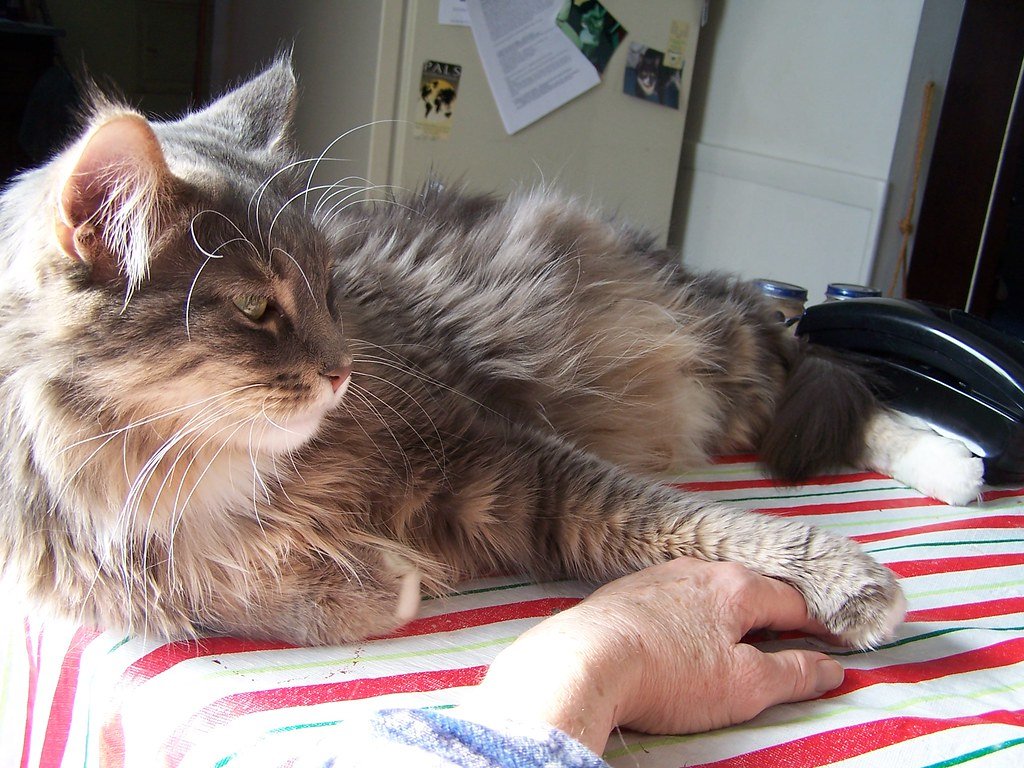
If your cat is persistently pawing at your arm while you stare at your phone, bumping their head into your hand over and over, or following you from room to room like a tiny shadow – pay attention. If you find that your cat is constantly pawing or nudging at you to get your attention, this is a clear indication that they aren’t receiving the attention that they deserve. Cats are not shy when it comes to things that they want, and your attention is no different.
There’s actually something almost poignant about it. Unlike dogs, cats don’t usually beg. When they do push for your attention this persistently, it means the emotional tank is running very low. Cats long to have their chins rubbed – it’s one spot they cannot satisfactorily reach on their own – as the ultimate sign of affection. If your welcome touch isn’t available, they’ll try to find a substitute, repeatedly rubbing the furniture while hoping you’ll take the hint. Take the hint. Put the phone down for fifteen minutes and just be present with your cat. It really is that simple.
Sudden Aggression or a Change in Attitude
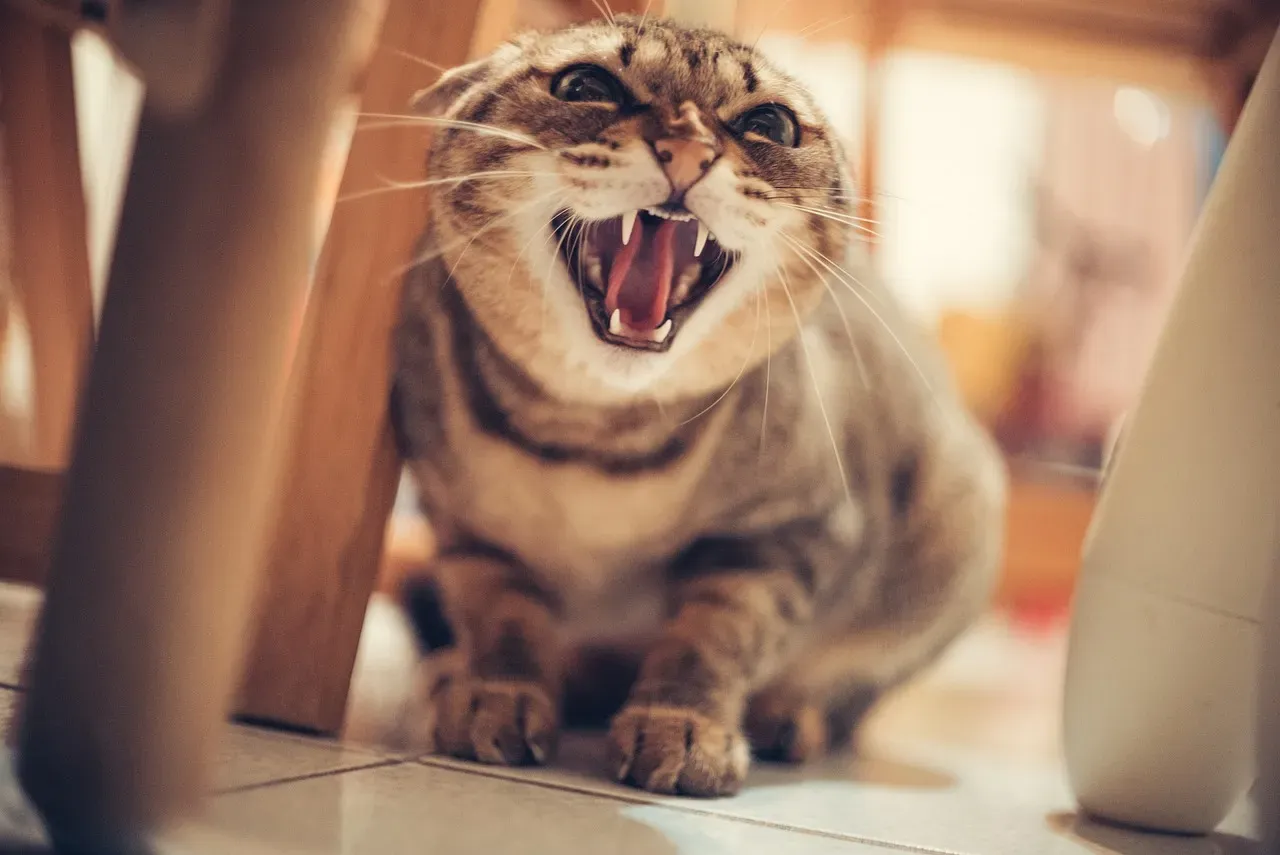
One day your cat is soft, purring, and curled up on your lap. The next they’re swatting, hissing, or giving you that cold, narrowed-eye glare that could freeze a room. It feels personal. And honestly, in a feline kind of way, it kind of is. If your once sweetheart of a cat is suddenly grouchy, mean, or even aggressive, this can be a sign your cat isn’t getting enough love. Cats take things very personally and they can have their feelings hurt. Like humans, when a cat’s feelings are hurt, they might have a change in their attitude – not out of spite, but because they do not like changes happening in their life that are beyond their control.
I know it sounds crazy, but cats do process emotional shifts. The aggression is not random. Often, a cat acts out because she has too much energy or feels intimidated. Extra play sessions that wear her out can genuinely help. Beyond play, examine what has changed recently in their environment – a new work schedule, a new person in the home, or simply less eye contact and gentleness from you. Small corrections in your daily behavior can bring your gentle, loving cat right back.
They Wait by the Door Every Time You Leave or Return
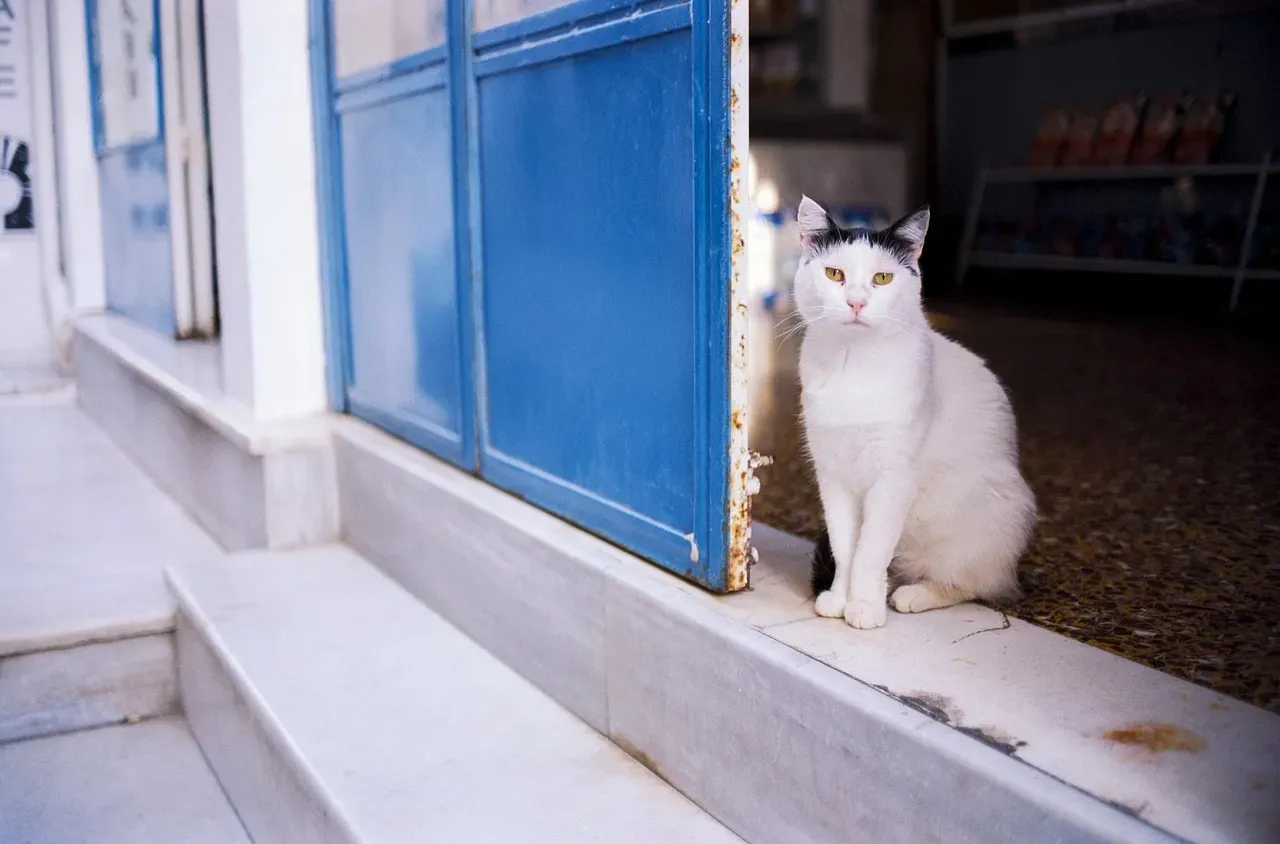
There’s something genuinely heartbreaking about arriving home to find your cat sitting right at the door, staring up at you like they’ve been counting the minutes. Most people see this as cute. It is cute. Still, it’s also a signal worth paying attention to. If you find that your cat is always waiting for you by the door when you arrive back, this is a clear sign that they missed having you around. When you leave your home, your cat is very aware that your presence is no longer there.
When you’re gone, your cat is left alone with their feelings – and cats feel separation more than people give them credit for. Your cat isn’t mad at you when they seem anxious; they’re just seeking extra comfort while you’re away. To cats, connecting with your scent while you’re gone is all about feeling secure. Try leaving something with your scent – an old worn t-shirt or your favorite blanket – in their usual resting spot. It’s a small gesture, but to a cat, it communicates volumes.
They’ve Stopped Grooming Themselves Properly or Look Unkempt
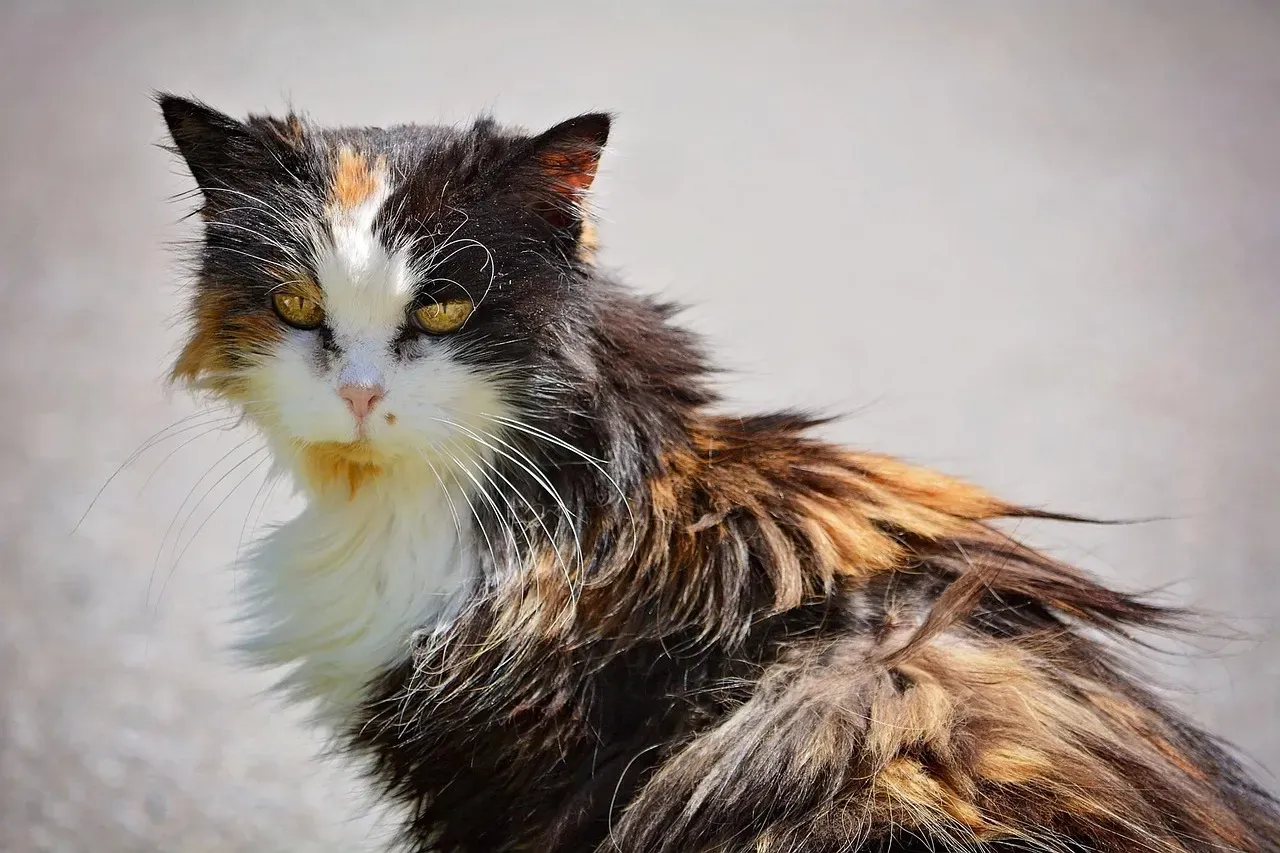
Cats are famously meticulous groomers. If your cat’s coat suddenly looks dull, matted, or greasy, and they seem to have lost interest in keeping themselves tidy, this is a genuine red flag. It often signals emotional distress or sadness as much as it might signal a physical problem. Cats can’t tell you when they are in pain and even go so far as to try to hide it. It’s your job to look for subtle changes in behavior that could indicate a health issue and promptly take them to the vet.
The connection between emotional wellbeing and physical appearance in cats is very real. A cat that feels secure, loved, and stimulated tends to look it. Grooming your cat regularly improves blood circulation, keeps their fur tangle-free, and also reduces the amount of fur they ingest while grooming. It’s also important for keeping their fur clean, distributing natural oils for a shiny coat, and keeping them looking their best. Making gentle brushing a daily ritual is not just a hygiene habit – it is one of the most direct ways to bond with your cat and restore a sense of being cared for.
They’re Bored, Inactive, and Disengaged from Play
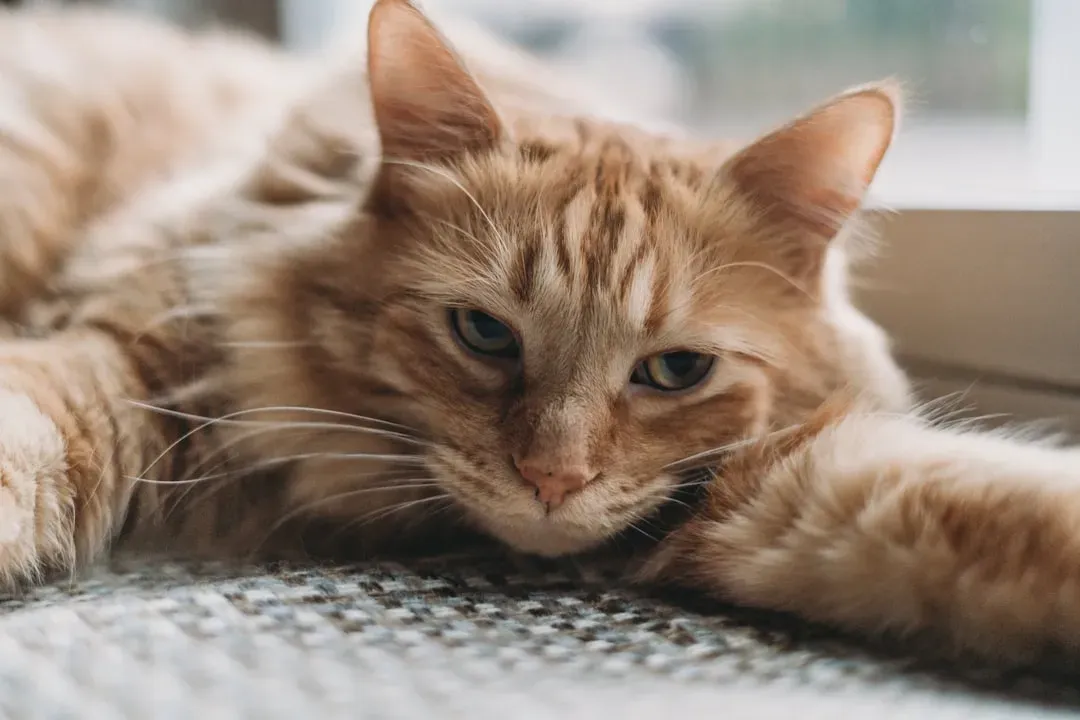
Remember when your cat used to leap at a crinkled piece of paper or go absolutely feral for a wand toy? If that spark has disappeared and your cat now just stares at the window with zero enthusiasm, something has shifted. If you never play with your cat and leave your curtains closed all day, you are telling your cat that they don’t deserve to be entertained. Sure, cats like to sleep, but that doesn’t mean they enjoy being bored all day long.
Boredom in cats is genuinely harmful. It leads to stress, weight gain, and behavioral issues that spiral quickly. The good news? The fix is deeply satisfying for both of you. Playing with your cat causes their brain to release feel-good hormones called endorphins and helps them burn off excess energy. Just ten minutes of play a day is enough to keep them happy, healthy, and your best friend. Rotate their toys to keep things fresh, invest in a wand toy you can use together, and watch that familiar gleam return to your cat’s eyes. It won’t take long.
Conclusion: Your Cat Is Speaking. Are You Listening?
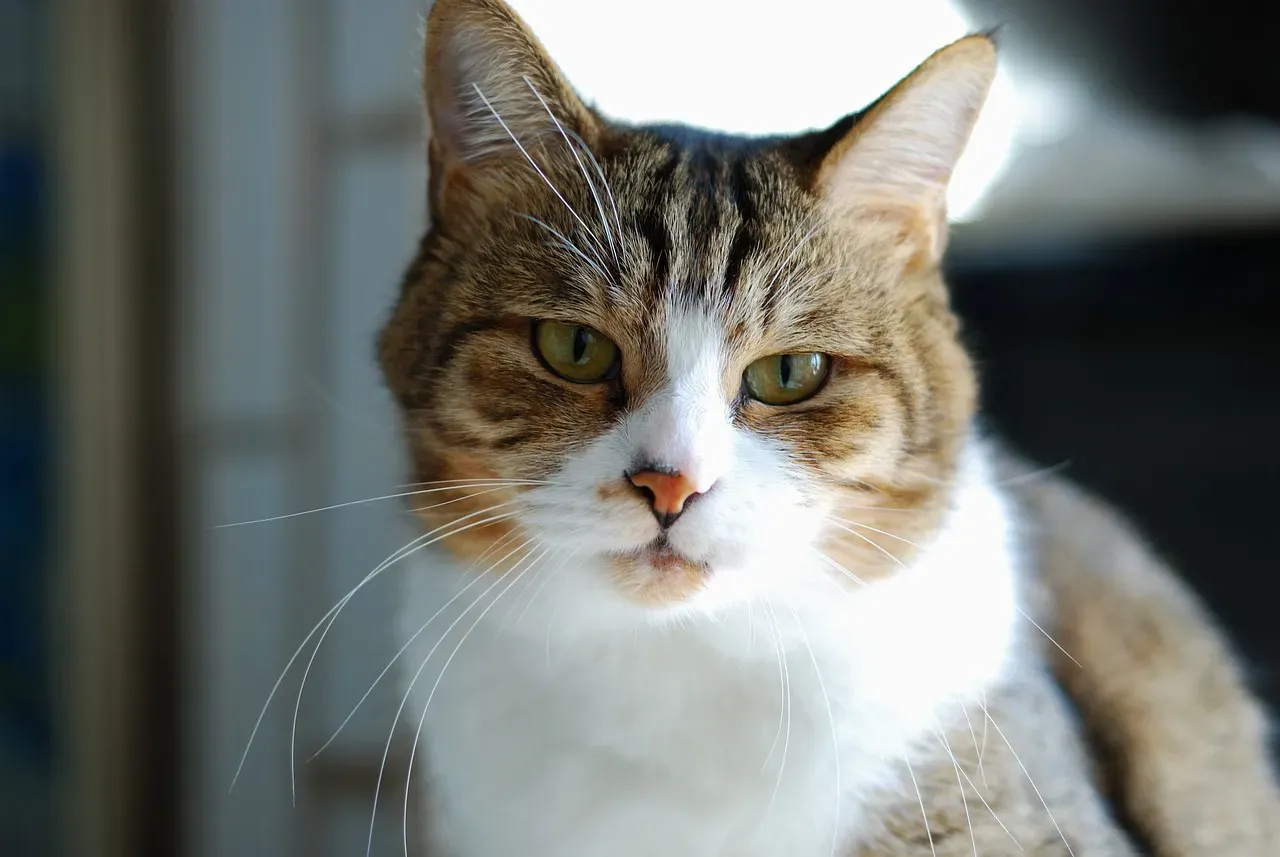
Cats don’t ask for much, which is exactly why it’s so easy to forget that they’re asking for anything at all. The signs are there – the meowing, the door-waiting, the swatting, the dull coat – but they require you to actually pay attention. When it comes to your cat’s wellbeing, you might often think of their physical health. Emotional health is just as important and can make a big difference in whether your cat feels safe and happy or nervous and skittish around you.
The good news is that none of this requires a dramatic overhaul of your lifestyle. Scheduling daily bonding time with your cat is a wonderful way to nurture your relationship and create a sense of security and routine. Just like humans, cats thrive on consistency and knowing what to expect. Setting aside time each day – whether it’s speaking gently to them, reading a book next to them, or enjoying lap time – can go a long way in helping your cat feel safe, loved, and connected to you.
Your cat chose you, in their own quiet, feline way. The least you can do is choose them back – every single day. Have you spotted any of these signs in your own cat lately? What small change are you going to make first? Tell us in the comments – we’d love to hear.