Cats have a reputation. Aloof, independent, impossible to read. People joke that cats tolerate us at best and barely notice us at worst. Honestly, that couldn’t be further from the truth. Cats are deeply emotional creatures – they just don’t speak the same love language as dogs, or humans for that matter.
The real problem isn’t that your cat doesn’t love you. It’s that you might not know what to look for. Their signals are subtle, woven into small everyday moments that are incredibly easy to overlook. Once you learn to decode them, everything changes. Let’s dive in.
1. The Slow Blink: Your Cat Is Kissing You With Their Eyes
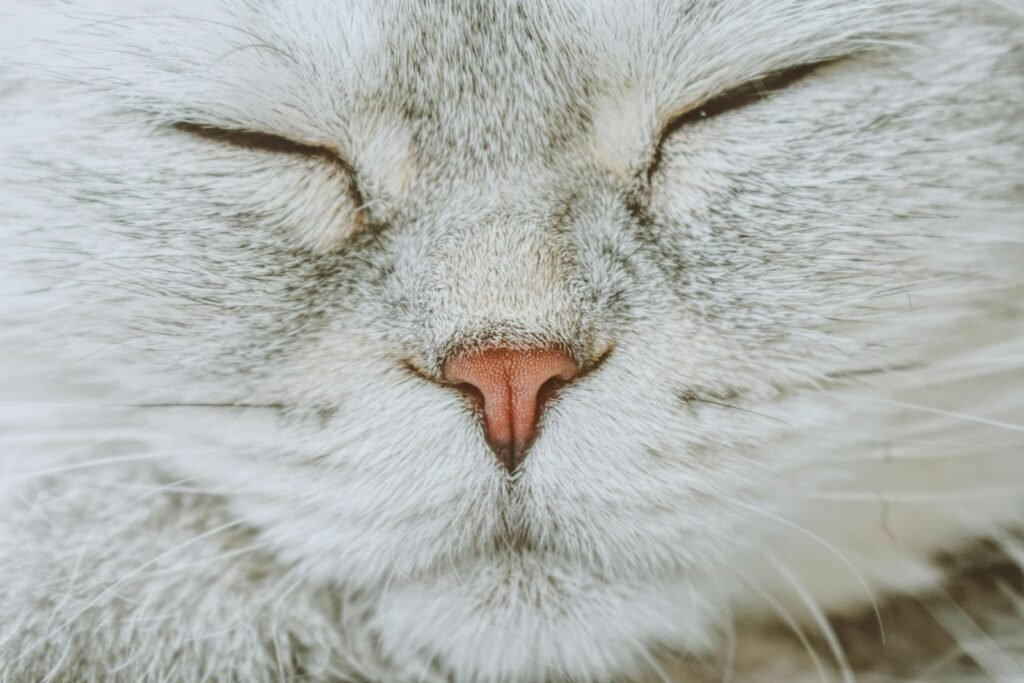
Here’s something that might genuinely surprise you. That lazy, half-lidded gaze your cat gives you from across the room? That’s not boredom. That’s love. When your cat slowly blinks with half-closed eyes, it is a gesture of affection that shows huge contentment. Think of it as the feline equivalent of a warm smile.
When your cat looks at you and slow blinks, they are relaxing their guard – a cat in the middle of a slow blink is vulnerable at that moment. In the wild, closing your eyes means lowering your defenses. For your cat to do that in your presence? That’s enormous trust. It’s not dramatic, but it’s deeply meaningful.
The best part? You can say it right back. In a 2020 study, researchers found that cats were more likely to slow blink after their owners slow blinked at them, and when a researcher slow blinked at an unfamiliar cat, the cat then approached the researcher’s outstretched hand – showing that when humans initiate the slow blink, it tells the cat we trust them. Try it tonight. You might be amazed by the response.
2. Head Bunting: They’re Claiming You as Their Own (and That’s Sweet)
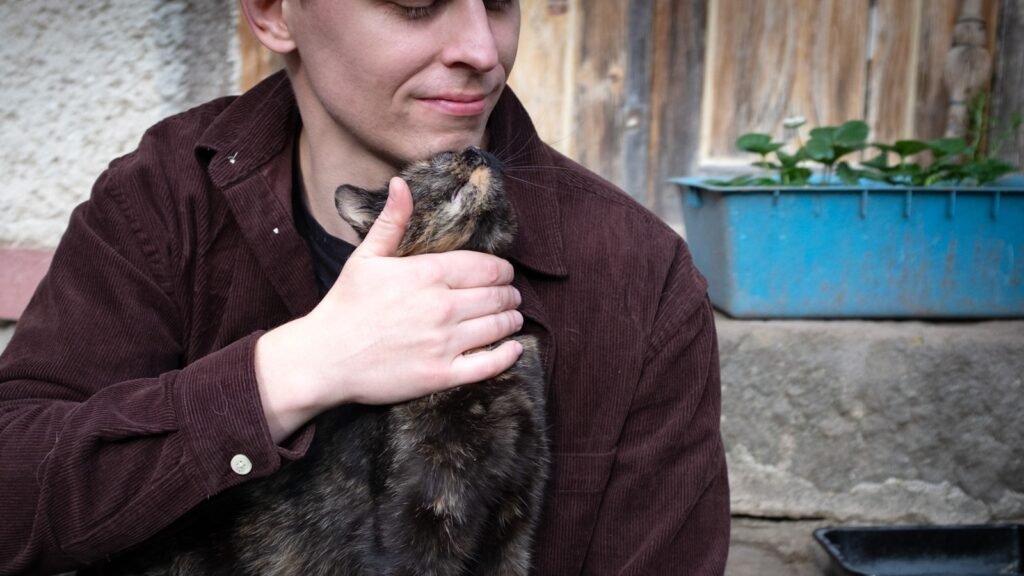
Cat headbutting, also called bunting, is usually a friendly behavior where cats mark you with their scent to show bonding, comfort, and familiarity. When your cat walks up and presses their little forehead firmly into your chin or cheek, they’re not being weird. They’re being affectionate in the most feline way possible.
Cats have glands on their cheeks, forehead, and chin that contain pheromones – a substance produced by animals as a type of scent communication. When a cat headbutts you, they are rubbing pheromones on you from glands located just in front of their ears, and while humans can’t detect these pheromones, to a cat, you are officially marked. Essentially, you’ve been claimed. Wear it with pride.
Cats bunt only with individuals they feel comfortable with. It’s a positive, non-threatening way cats say hello, a form of territory marking that means you’re safe territory – and a cat won’t rub their face against someone they don’t trust. So the next time your cat bumps you with their head, know that you’ve earned something special.
3. Kneading: “Making Biscuits” Is a Love Letter From Kittenhood
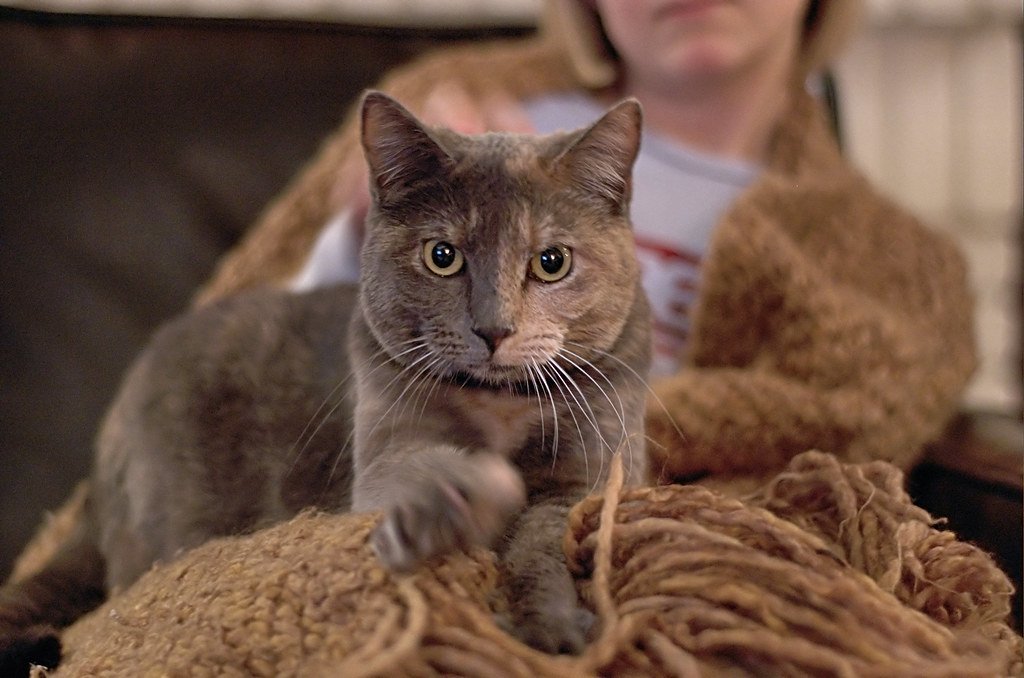
You know that rhythmic, hypnotic pushing motion your cat does on your lap, blanket, or stomach? Cat owners fondly call it “making biscuits.” It looks quirky. It can occasionally feel like tiny sharp knives, if we’re honest. Kneading is the rhythmic motion cats make by pushing their paws into a soft surface, alternating between left and right – a behavior commonly observed when a cat is relaxed. It originates from kittenhood, when kittens press their paws against their mother’s belly to stimulate milk flow, and this comforting behavior often persists into adulthood, associated with feelings of security and contentment.
Let’s be real – when your cat kneads you, they’re treating you like their mother. That’s not a small thing. When your cat kneads you, they’re being very clear that you make them feel loved and comfortable. It’s one of the most tender, primal expressions of safety a cat can offer.
Cats also have scent glands in their paw pads, so kneading leaves a subtle territorial mark while simultaneously signaling contentment and trust – it’s a sign your cat feels safe and happy around you, and kneading you is a sign of love and bonding. Next time your cat fires up the biscuit machine on your lap, take it as a genuine compliment.
4. The High Tail Greeting: A Flag of Pure Joy
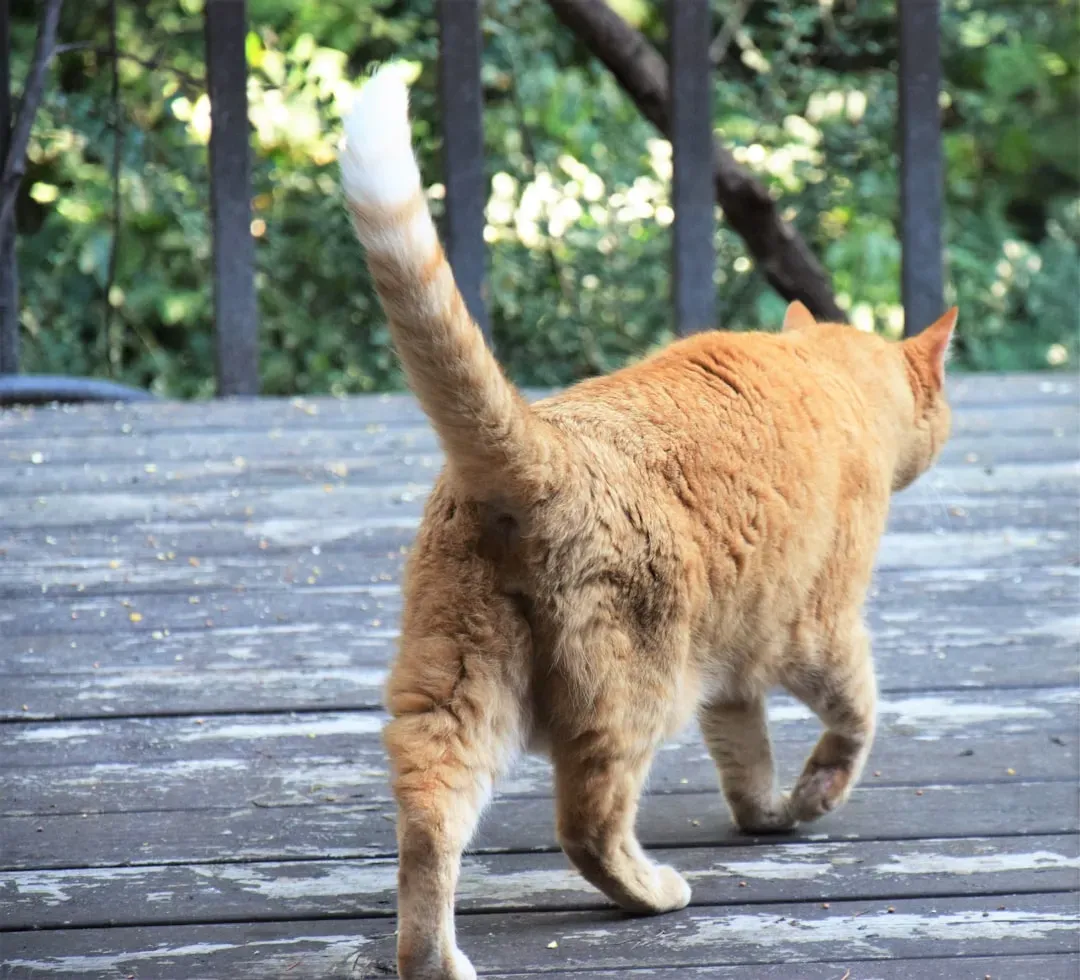
Most people notice the tail but have no idea what it’s saying. That tall, upright tail your cat carries when they trot over to greet you? That’s not neutral body language. A tail pointing straight up that isn’t bushy or bristling, and has a curled tip, signals that your cat is pleased to see you and wants connection time with the person to whom they feel closest. It’s basically a cat raising a little “I’m so happy you’re here” flag.
If your cat greets you at the door with their tail held high and the tip slightly bent, it’s a sign of them being pleased to see you – and kittens often assume this posture with their mothers, which shows your cat thinks of you as a loving, protective presence they’re happy to have around. That comparison to a kitten-mother relationship is actually incredibly touching when you think about it.
5. Following You Everywhere: Your Cat Is Not Being Nosy
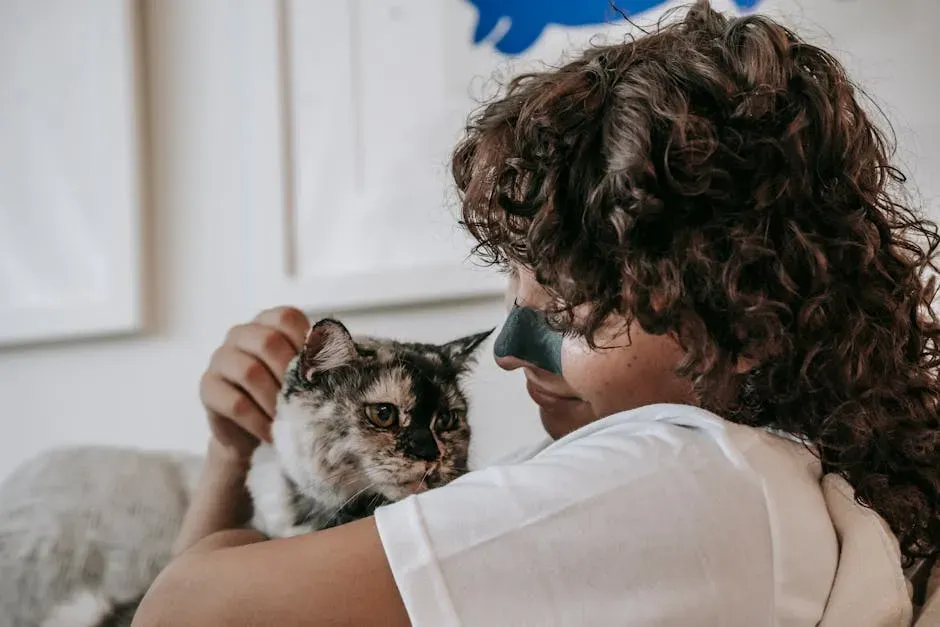
You walk to the kitchen. Your cat follows. You go to the bathroom. Your cat follows. You move to a different chair. Your cat follows. It might feel a little intrusive, but this behavior is pure affection in disguise. Some cats don’t really enjoy physical contact but that doesn’t mean they don’t want your companionship – if your cat follows you from room to room and it’s not feeding time, they want to be close to you, kind of like your own fluffy little shadow.
Cats are more likely to explore and interact with their environment when they feel relaxed and comfortable in a person’s presence – so if your pet is often on the move while you’re with them, take it as a subtle sign of how a cat shows affection. The message is that they are more comfortable in your presence. Think of it less like surveillance and more like companionship. Your cat simply wants to be wherever you are.
6. Sleeping On or Near You: The Ultimate Vote of Confidence
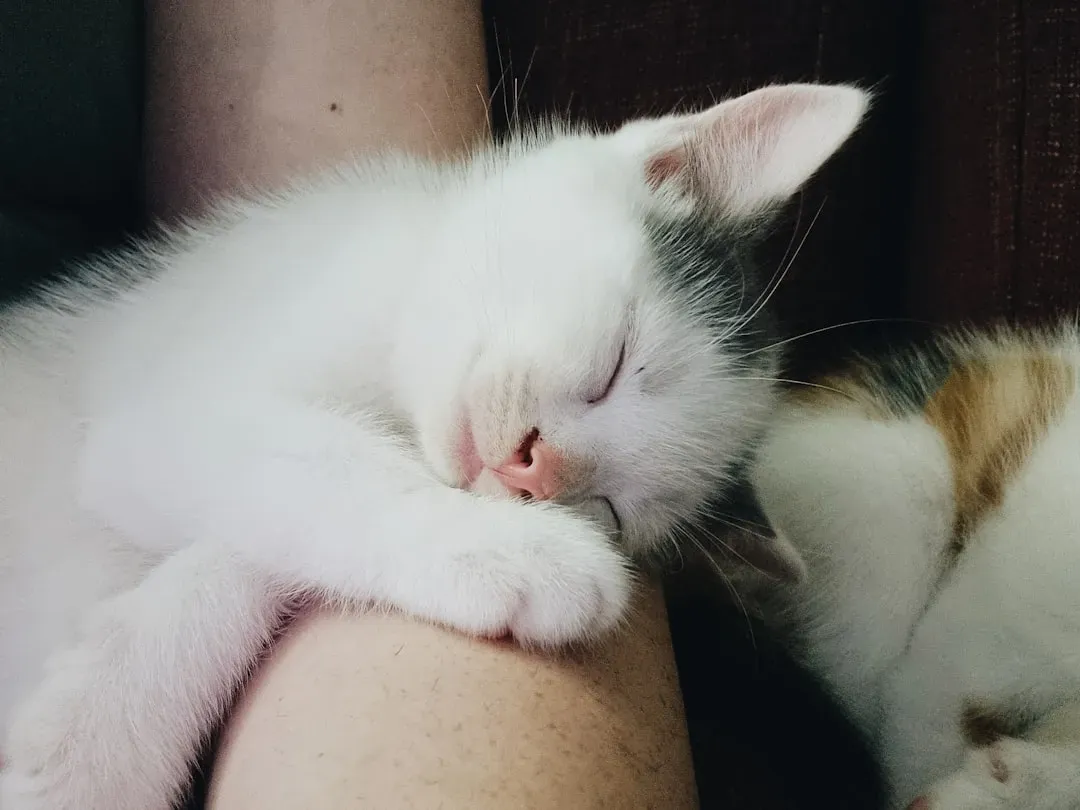
Cats are incredibly vulnerable when they sleep. Their guard is completely down, their survival instincts temporarily offline. So when your cat decides that your lap or the spot right beside your pillow is their preferred sleep zone, that choice is anything but random. When your cat chooses to sleep with you, around you, or on you, it’s a sign they trust and love you – you’re like a big security blanket for your cat.
Cats are vulnerable when sleeping, so choosing to sleep near or on you shows deep trust. It’s the feline version of someone handing you their most precious possession and saying, “Here. I trust you completely.” Meanwhile, many cats deeply bond with their human companions, often relying on them for love, friendship, comfort, and fun – and they even mourn the loss of humans they’ve spent several years with and have grown to love. That depth of feeling is real, even when expressed quietly through a warm nap on your chest.
7. Bringing You Gifts: Gross, Yes – But Also Kind of Beautiful
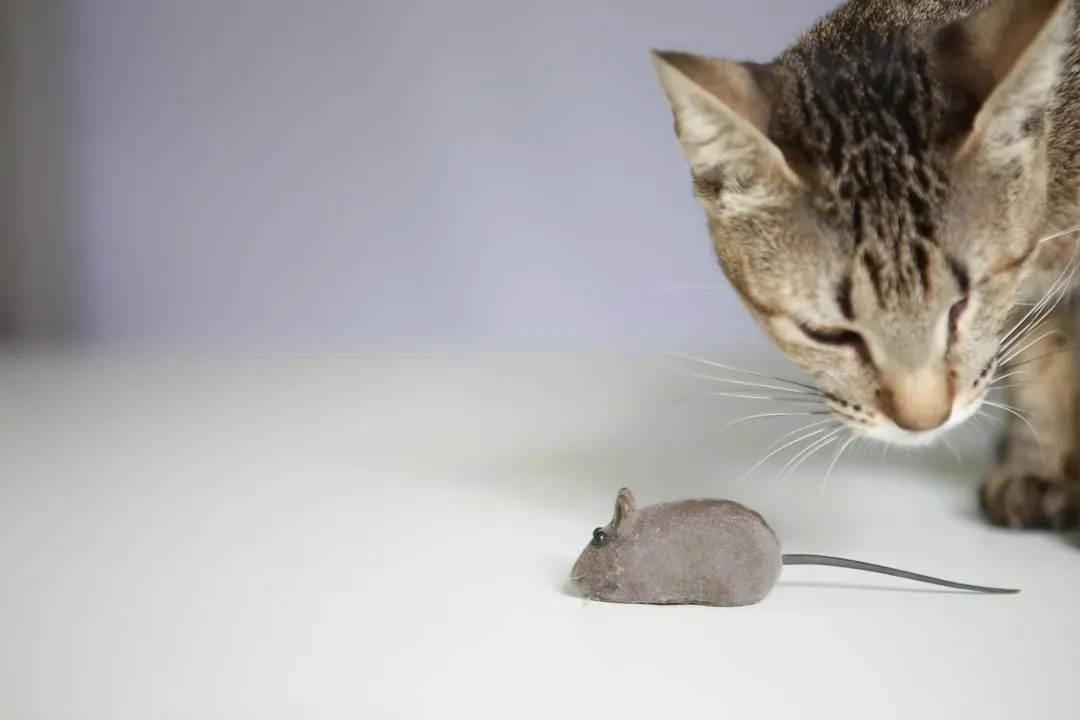
Okay, let’s address the elephant in the room. Or the dead mouse on the doormat, as the case may be. Your cat dragging a toy, a sock, or – if they’re an outdoor cat – something decidedly more gruesome to your feet is not a power move. It’s a love offering. Cats are natural hunters, and when your kitty brings you freshly caught prey, they’re actually offering you a delicious meal – you don’t want to touch it with your bare hands, but keep in mind they mean well and this behavior really is a sign that they care deeply for you.
Cats are hunters by nature, and an outdoor cat will often bring their human dead rodents as tokens of affection, while indoor cats might bring toys, pieces of string, or whatever else they find around the house – and you should accept your cat’s gift in the spirit in which it was intended. I know it sounds crazy, but that little dead bird is basically a cat’s version of cooking you dinner. It’s the thought that counts. Truly.
In cat logic, dead mice or toys reflect inclusion in the cat’s social circle – which means your cat genuinely sees you as family. That’s worth remembering the next time you’re gagging at a hairless field mouse at 6 a.m.
Conclusion: Love in a Language You Just Have to Learn
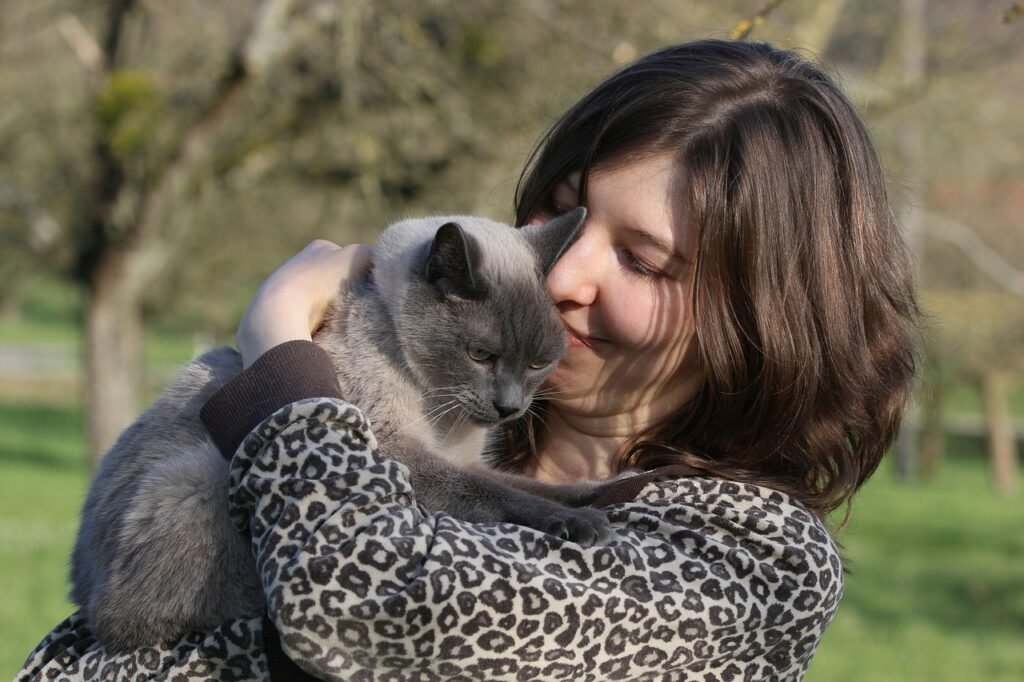
Cats are not cold. They are not indifferent. Cats are much more subtle in showing their love, though that doesn’t mean the shared bond between cats and humans is any less than with dogs. It simply means their affection asks something of you – attention, patience, and a willingness to learn a completely different emotional language.
Cats show affection in ways that often go unrecognized by their caregivers, and since cats express their affection in ways very different from people and other pets, it makes sense that we often miss these precious moments. Once you start seeing the slow blinks, the high tails, the kneading, the shadowing – you’ll realize your cat has been telling you they love you all along. You just weren’t listening in the right language.
So the next time your cat locks eyes with you from across the room and slowly, deliberately closes their eyes, close yours right back. That small, quiet exchange might just be the most meaningful conversation you’ve ever had. Have you spotted any of these signs in your own cat? Drop your story in the comments – we’d love to hear it.