You know that look. The one your cat gives you when you dare to sit in their spot, or when you come home late and they glare at you from the top of the fridge like a tiny, furry judge. It’s easy to assume that your eternally unimpressed feline simply tolerates your existence. Honestly, I used to think the same thing. Then I started paying attention to what was actually happening, and it changed everything.
Cats show affection in ways that often go unrecognized, because some people aren’t sure how cats demonstrate their love. Since cats express their affection in ways very different from people and other pets, it makes sense that we often miss these precious moments. The truth is, your grumpy cat has probably been saying “I love you” a dozen times a day. You just didn’t know the language. Get ready to see your cat in a whole new light.
The Slow Blink: Your Cat’s Version of a Love Letter
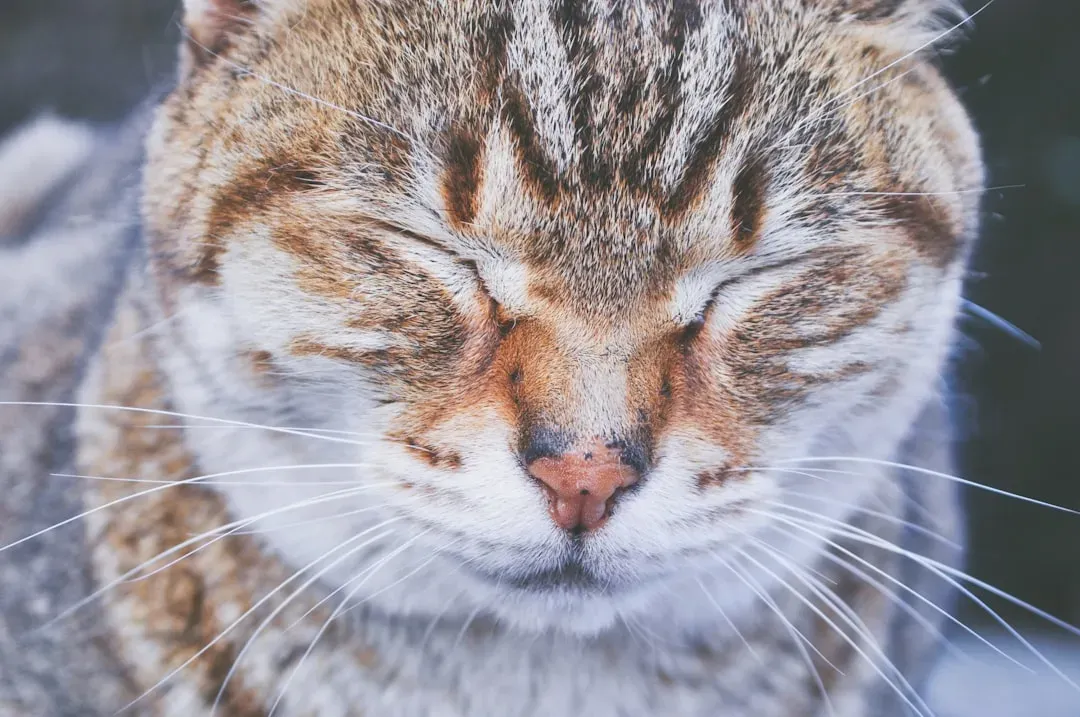
Imagine if every time you looked at someone you adored, you closed your eyes gently and opened them back up, just to say “I’m at peace with you.” That’s precisely what your cat is doing when they fix you with that half-lidded, lazy gaze across the room. It might look like boredom. It’s anything but.
Cats will often make eye contact with lowered eyelids and steady, slow blinks. This is considered a feline version of a kiss, and you can even try slow blinking to show love back to cats. Think of it as a non-verbal conversation happening right in your living room, one that requires zero words but carries all the warmth in the world.
The slow blink is a sure sign that your cat loves you; it shows your buddy feels relaxed, content, and safe. It’s an invitation to respond with similar openness and love. Think of it as a sort of gentle feline kiss. So the next time your cat stares at you and blinks slowly, blink back. You might be surprised at what happens next.
Head Butting and Cheek Rubbing: You’ve Been Claimed
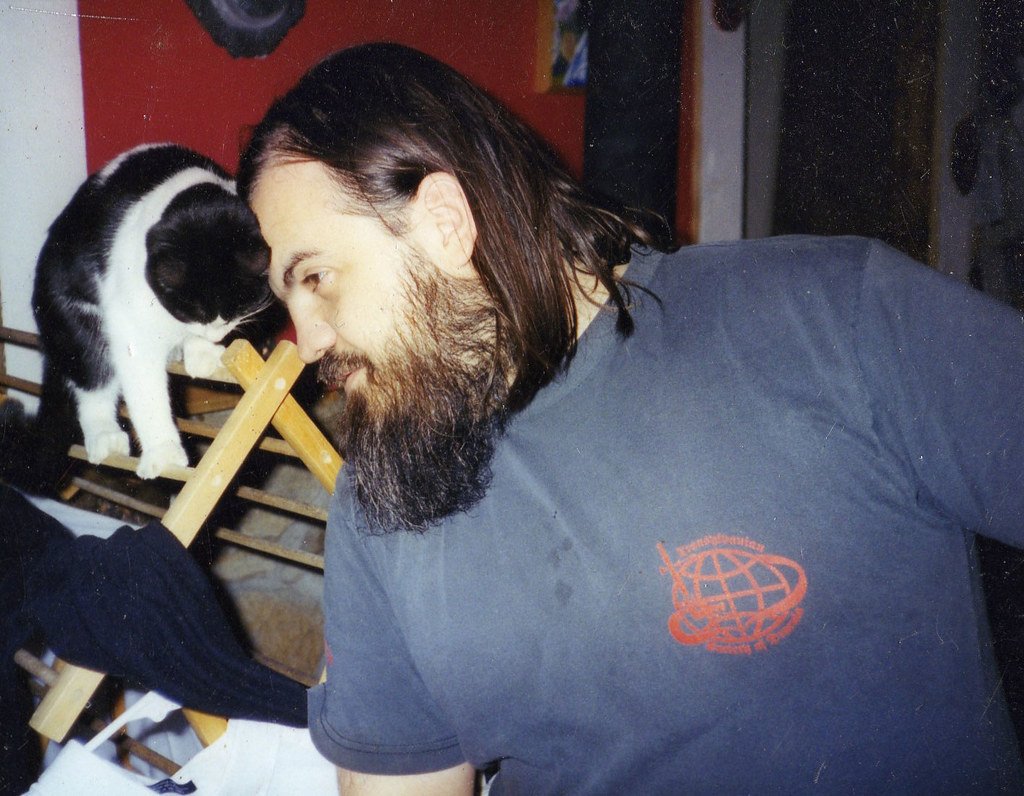
Here’s the thing about head butts. When a toddler runs up and headbutts your leg, it’s endearing. When your cat does it, some people brush it off as their pet being weird or demanding. Wrong. That little nose-to-forehead collision is one of the most sincere compliments a cat can offer.
Your cat may bump their head against you or rub their cheeks against you to show affection. This is a social behavior formed in kittenhood through headbutting other kittens and their mother. Headbutting is often an attempt to mark you with their scent to claim you as one of their own. It helps cats bond and is offered to their humans to show love.
Headbutting and cheek rubbing are both social behaviors that are learnt and expressed throughout kittenhood. Both are ways in which cats build bonds and affection with other animals, and by extension, with the humans they do it to. Cats have an incredibly sophisticated sense of smell, and when they love another creature, they attempt to both mark and mingle scents with them. In other words, when your grumpy cat head-bumps you, you’ve officially been labeled as “theirs.” That’s an honor, not an inconvenience.
Kneading: Those Tiny Paws Are Telling You Something Big
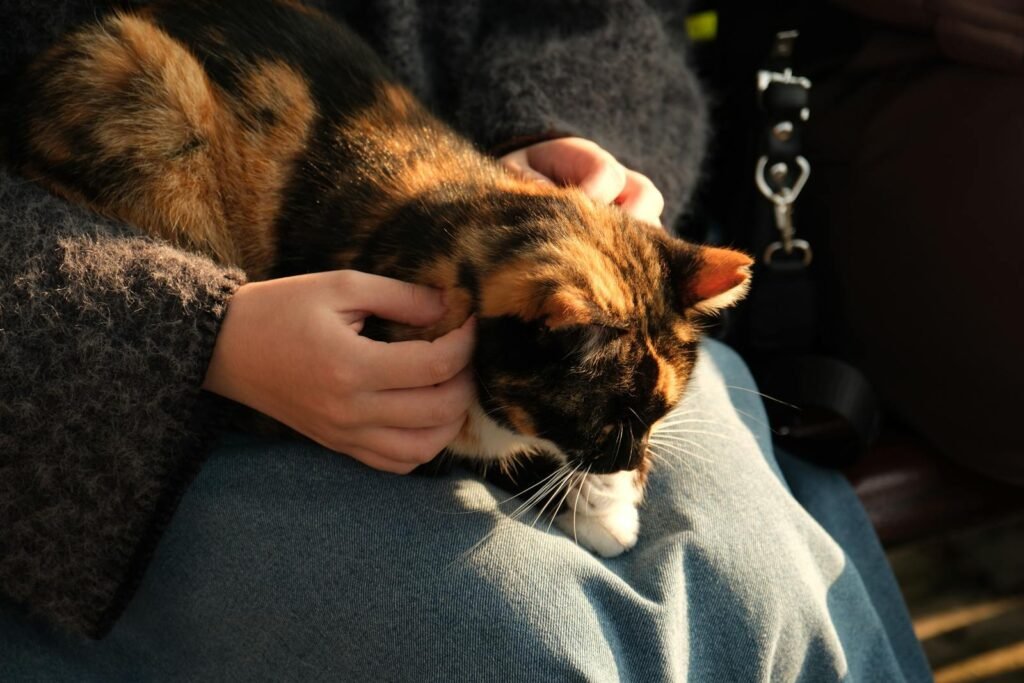
Some cat owners wince when those little paws start rhythmically pressing into their thigh. Sharp claws notwithstanding, this behavior is a deeply rooted emotional signal. It’s sometimes called “making biscuits,” and honestly, that name alone should make you smile.
It might not always be the comfiest display of affection, but it’s a declaration of love when your cat kneads you. Kneading, also called “making biscuits,” happens when a cat presses their front paws up and down on a surface. It’s an instinctive cat behavior left over from their kittenhood. Kittens knead their mother to help stimulate milk production while nursing, and so it’s an act associated with comfort.
As cat parents know all too well, the happier your cat is, the harder they’ll knead. Those sharp claws can be a bit unpleasant, so keep a blanket handy for some cushioning between your kitty’s claws and your belly. Let’s be real, if your cat is kneading you with full enthusiasm, you’ve achieved something truly special in the feline world. Keep a throw blanket nearby and enjoy the compliment.
The Gift of a Dead Mouse: Disgusting, But Deeply Meaningful
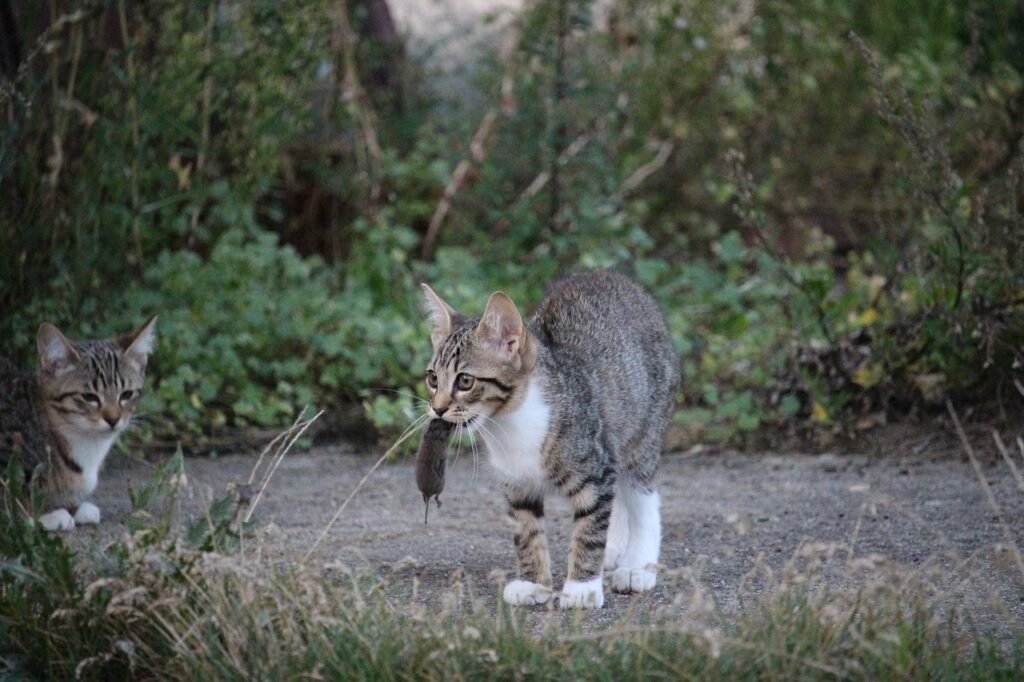
Nothing quite prepares you for the sight of a small, lifeless creature deposited at your feet at 6 a.m. Your first instinct is not gratitude. It should be. In the ancient social economy of cats, sharing food is the ultimate act of trust and affection. You are being treated like family.
While it might be unpleasant to find a dead mouse or bird at your doorstep, this behavior is a sign of love and trust from your cat. In the wild, cats bring prey to their families. By bringing you gifts, your cat is sharing its “hunt” with you, showing that they consider you part of their family.
In the wild, food is a “precious commodity,” and most of a cat’s time is spent hunting. When it comes to sharing their bounty, they do so only with those closest to them. Your grumpy, standoffish cat just ranked you among its most treasured connections. The correct response? A heartfelt thank you, and maybe some rubber gloves.
Following You Around: Yes, Even Into the Bathroom
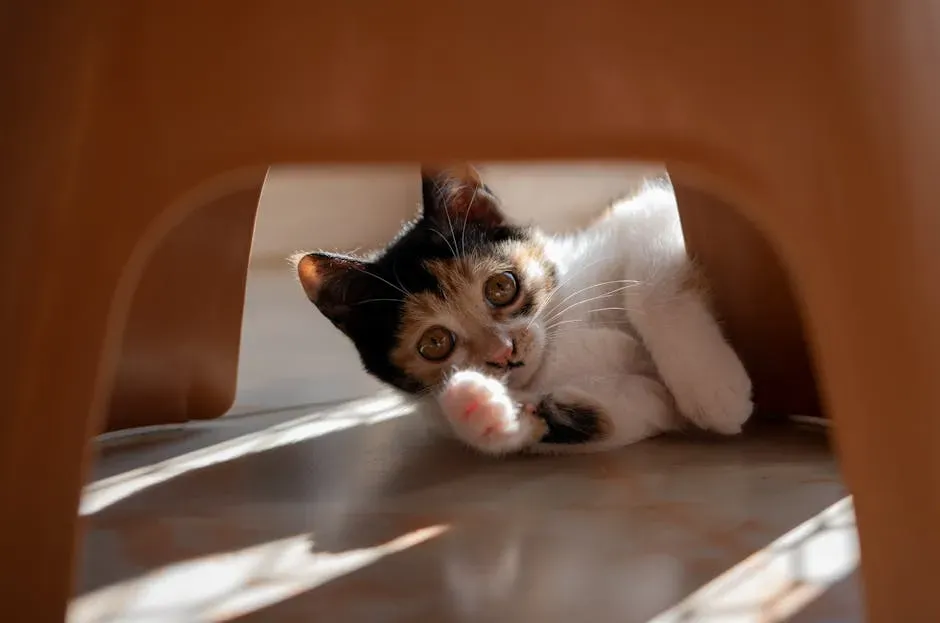
You’ve probably noticed it. You stand up from the couch, and suddenly there’s a small shadow behind you. You head to the kitchen, and a pair of ears appears around the corner. You close the bathroom door, and four little paws appear underneath it. It can feel a bit much. In reality, it’s sweet.
Since cats are masters of understated affection, their presence speaks volumes. When they choose to follow you, it means they genuinely enjoy your company and want to be near you. They see you as a source of safety and comfort, and being close to you makes them feel secure.
Many pet parents might find it odd that their cats follow them everywhere they go, even right into the bathroom. This just means that your cat wants to spend more time with you. A cat that enjoys your company and feels comfortable around you is going to follow you around the house and cling to you like glue. So the next time you nearly trip over your cat in the hallway, take a moment. They’re not being a nuisance. They’re just staying close to the person they love most.
Sleeping Near You: The Ultimate Compliment in the Feline World
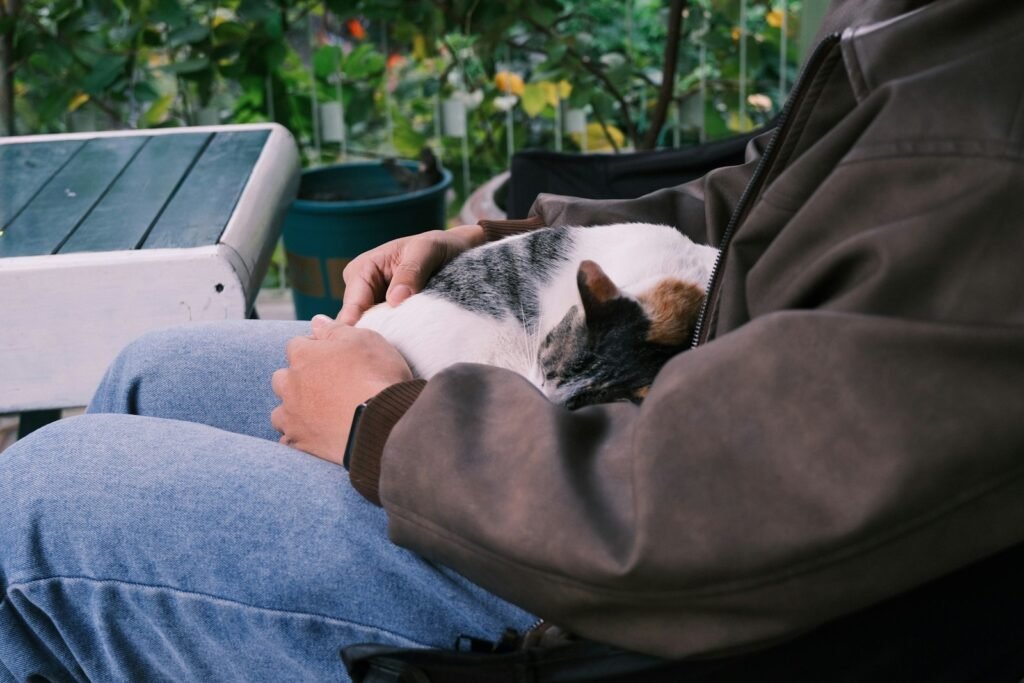
Cats sleep a lot. We’re talking roughly ten to fifteen hours a day. During all those hours of vulnerability, they’re making a conscious choice about where they feel safest. When that choice is next to you, or on you, that means something real.
Cats can sleep anywhere from 10 to 15 hours each day. They are most vulnerable while sleeping and choose places that are safe and secure. There is no better compliment to you than a cat who chooses to fall asleep on you. This means they are completely comfortable with you and trust they are in safe and loving hands.
Sleep is a vulnerable state for cats. Choosing to nap next to you, or even in the same room, is a strong indicator of trust. Some cats may sleep at your feet or nearby rather than directly on you, but that close proximity still counts as a sign of love. Even if your cat doesn’t curl up on your chest, simply choosing the foot of your bed over any other spot in the house is its own quiet declaration. Don’t overlook it.
Social Grooming: When Your Cat Licks You, It’s Not Just Weird
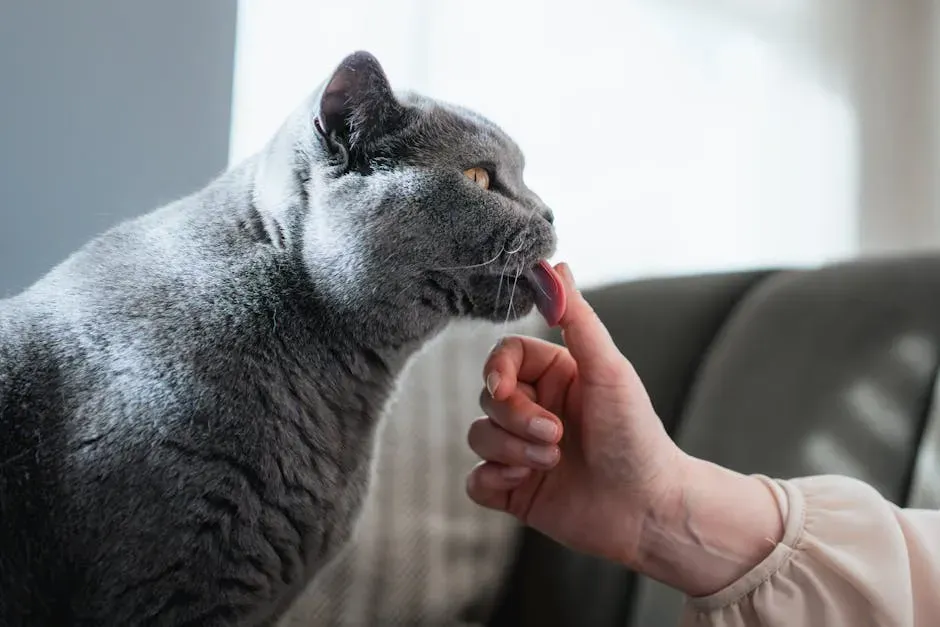
Let’s be honest, a cat tongue is not exactly a spa experience. It feels like warm sandpaper dragging across your hand. Still, if you’ve been on the receiving end of a slow, deliberate lick from your cat, you’ve received one of its most intimate gestures. This is not random. This is intentional bonding.
While the sandpapery lick of your cat’s tongue on your skin is not the best spa experience, it’s actually a sign of affection. Cats groom each other socially, a practice known as allogrooming, to express love and friendship. It’s also a way to mark their territory. Cats have scent glands around their mouth that produce pheromones, their unique scent. When they groom you, they’re marking you as their own.
Cats groom each other as a display of affection, and this behavior will extend to humans when trust is built. Cats will often lick their people or allow them to brush them. Licking is similar to the grooming cats perform on their feline friends, allowing them to mark each other and build their bond. When your grumpy, seemingly indifferent cat pauses, looks at you, and begins to groom your hand, you’ve been welcomed into their inner circle. That’s rarer and more meaningful than it looks.
Conclusion: Your Grumpy Cat Has Always Loved You
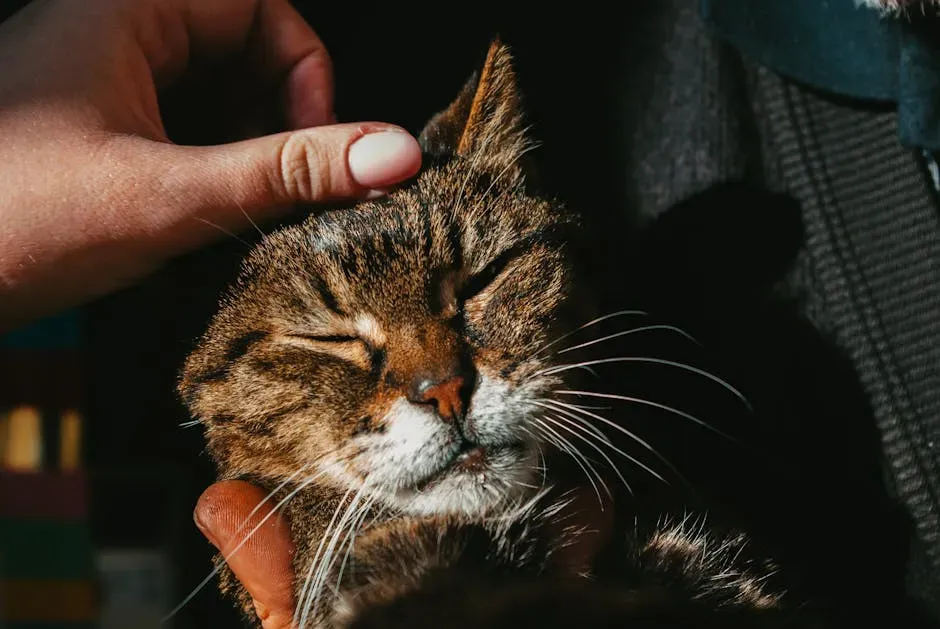
Cats evolved as solitary hunters and are not pack animals, so their social signals tend to be more subtle. Unlike dogs, cats are naturally more independent, which impacts how they bond with humans. Cats are less inclined to show universal friendliness; instead, they reserve affection for people they truly trust.
That’s actually the most beautiful part of the whole thing. Your cat is not affectionate with everyone. Cats tend to form close bonds with a small number of individuals rather than spreading affection widely. If your cat shows you specific behaviors they don’t offer to others, that’s often a sign you are one of their chosen few.
So the next time your cat strolls past you with an unimpressed expression and then casually parks itself three inches from your leg, know that it means something. The slow blink, the headbutt, the sandpaper lick, the 6 a.m. “gift,” they’re all the same message, just written in a language you had to learn. Cats have a reputation for being aloof, but they’re actually very emotional, often in a quieter, more nuanced way than dogs. Now that you know the language, what sign of love from your cat surprised you the most? Tell us in the comments.