Ever feel like your cat is speaking a different language? You’re absolutely right. They are. While we humans rely heavily on words to express ourselves, your feline friend has developed an intricate system of gestures, sounds, and behaviors that communicate everything from deep affection to mild annoyance. Here’s the thing though: most of us completely miss these signals. Your cat might be pouring their heart out to you every single day, and you’re simply not picking up what they’re putting down. So let’s dive in and decode exactly what your whiskered companion is trying to tell you.
The Slow Blink: Your Cat’s Version of “I Love You”
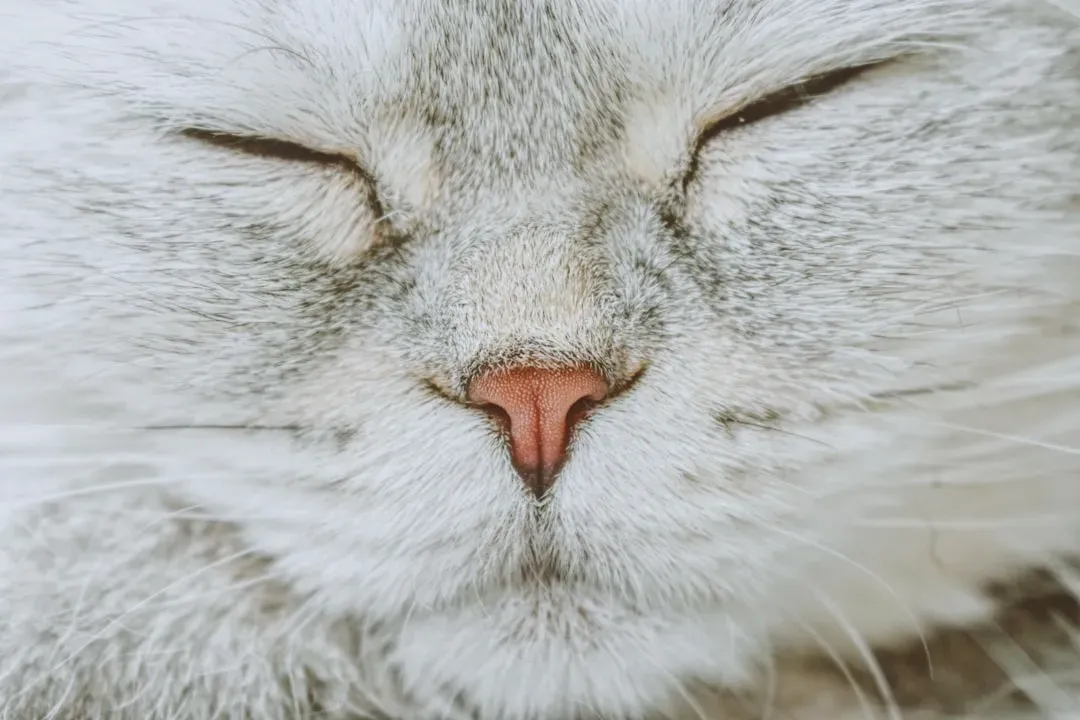
A cat who blinks slowly at you shows relaxation and contentment – many cat owners take this to mean that the cat is saying “I love you.” This gentle gesture, often called the “cat kiss,” is one of the most profound ways your feline expresses trust and affection.
Think about it from their perspective. Intense staring with wide-open eyes can sometimes be a threatening gesture in cats and staredowns among cats often turn into fights, so when your cat deliberately closes their eyes in your presence, they’re making themselves vulnerable. They’re basically saying they feel safe enough around you to let their guard down completely. Try returning the gesture by slowly closing your eyes for a couple seconds and reopening them. You might just start a love conversation.
Head Bunting and Cheek Rubbing: Claiming You as Their Own
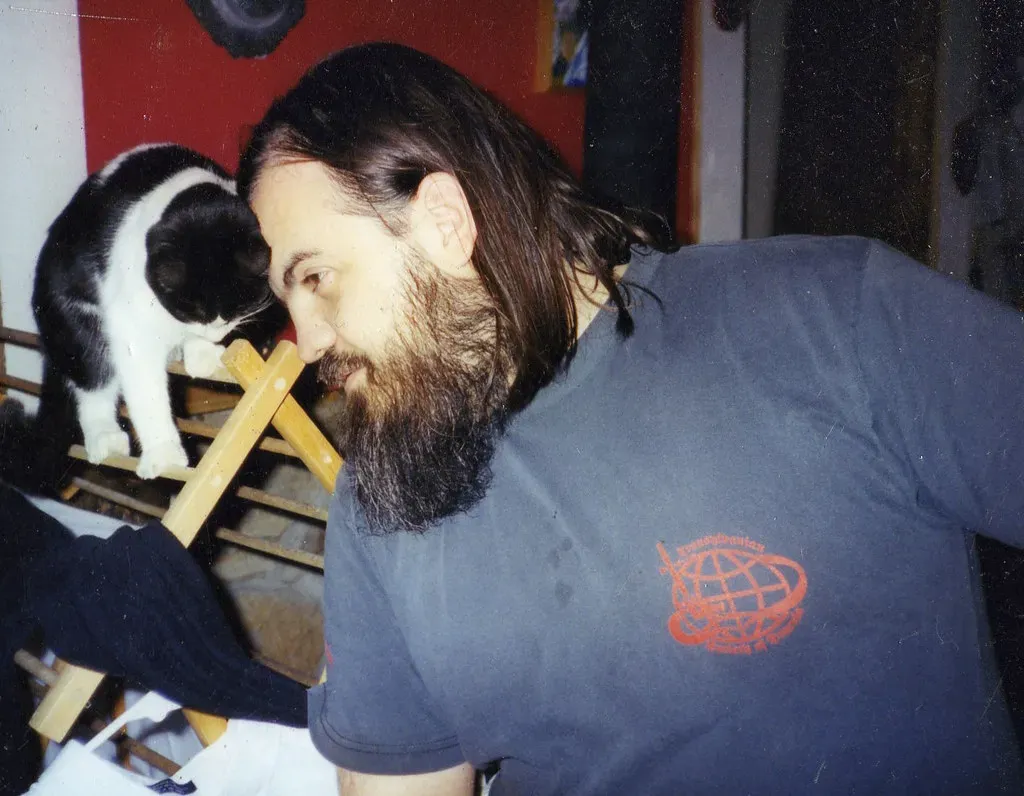
When your cat bumps their head against you or rubs their cheeks on your leg, it’s not just them being cute. Headbutting is often an attempt to mark you with their scent to claim you as one of their own. Your cat has scent glands located around their face, particularly on their cheeks and forehead.
By rubbing these areas on you, they’re essentially mixing their scent with yours. It’s their way of saying “you’re mine” to any other cats who might come sniffing around. When your cat engages in bunting, they are marking you with scent glands located on their cheeks, effectively claiming you as their own. Honestly, it’s both territorial and incredibly affectionate at the same time. Let’s be real, being claimed by a cat is quite the honor.
The Purr: More Than Just a Happy Sound
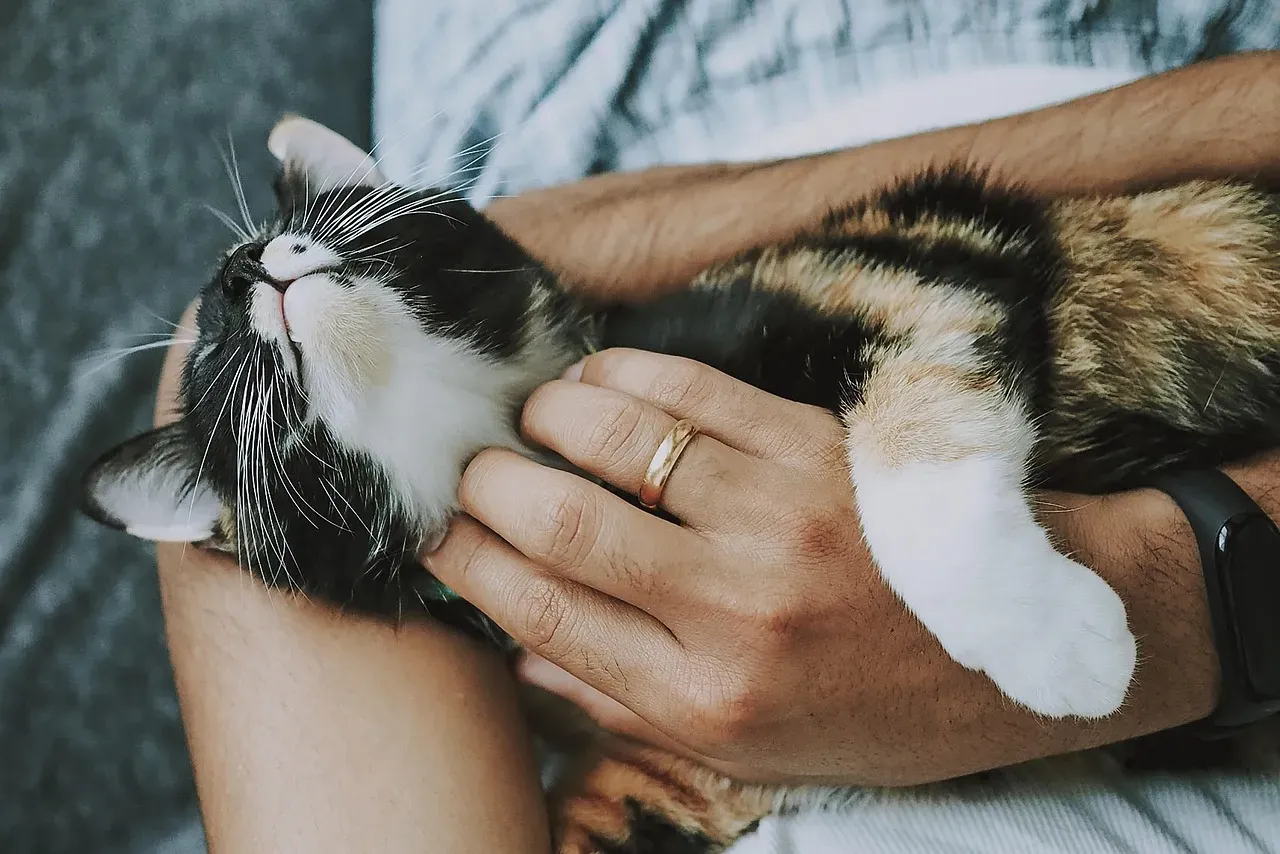
You’ve probably always associated purring with a happy cat, and you’re mostly right. Usually, the cat purrs to show that it is happy and feels safe. That gentle rumbling is their way of expressing contentment, especially when they’re snuggled up next to you or being petted in just the right spot.
Here’s where it gets interesting though. Cats also purr in stressful situations or even when they’re in pain, using the vibration to self-soothe. So context matters tremendously. If your cat is relaxed, sprawled out, and purring while you’re around, that’s a clear sign of affection. The purr combined with other positive body language signals tells you everything you need to know about how they feel in your presence.
Kneading: A Throwback to Kittenhood
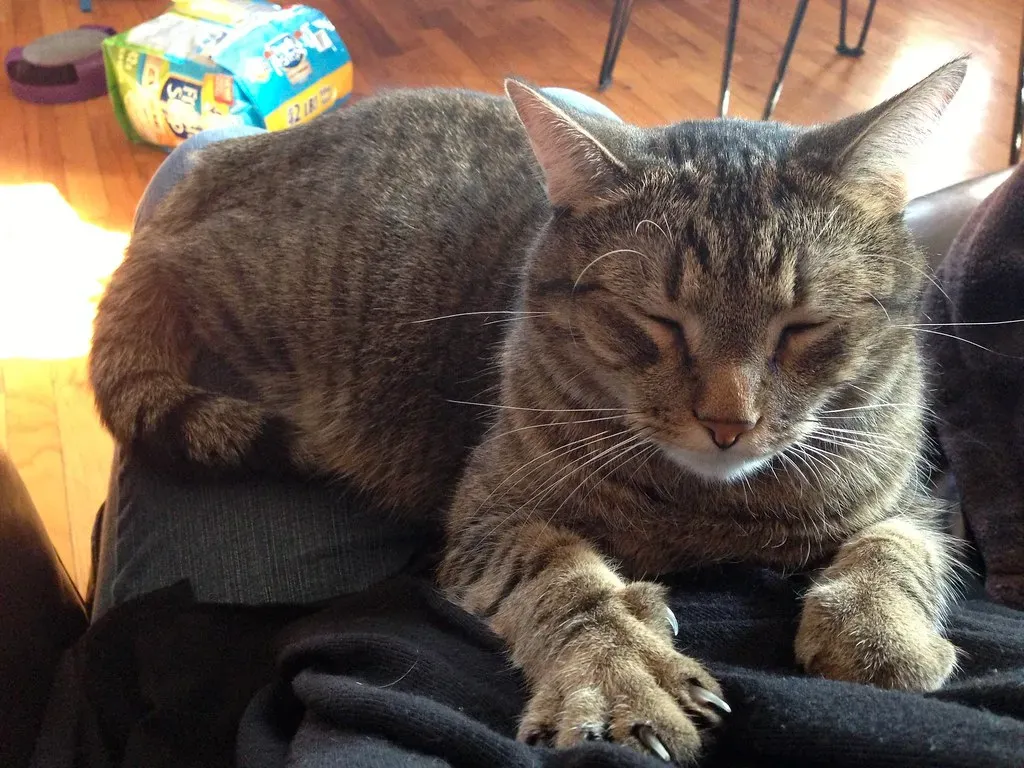
That adorable behavior where your cat rhythmically pushes their paws into you, alternating between left and right? This is a behavior kittens do with their mothers to stimulate the flow of milk, and it is strongly associated with happy times. When your adult cat kneads you, they’re essentially reverting to their most content, secure moments as a kitten.
When your cat kneads you, they’re being very clear that you make them feel loved and comfortable. Some cats get so into it that they drool a little, which might seem gross but is actually the ultimate compliment. It means they’re in absolute bliss. The fact that your cat associates you with the safety and comfort they felt with their mother is pretty much the highest form of feline flattery.
Following You Around: Quality Time, Cat Style
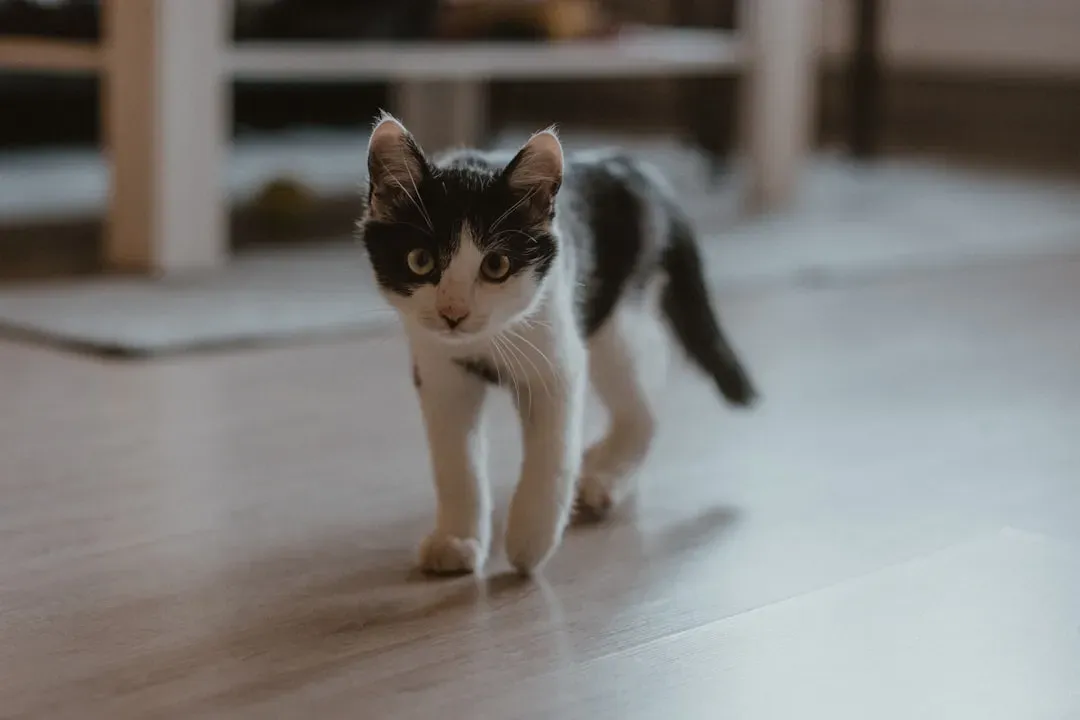
Does your cat shadow you from room to room, even following you into the bathroom? Before you label them clingy, understand that this is actually their love language. Some cats will follow their owners from room to room because they love them. They know you’re up to something interesting, and they don’t want to miss out!
Unlike dogs who crave constant interaction, cats appreciate what behaviorists call “parallel play.” They’re perfectly content just being in the same space as you, doing their own thing while you do yours. If your cat’s love language is quality time, they will spend a lot of time near you or in the same room as you. They might not be demanding pets or attention, but their presence itself is a declaration of affection. I think we underestimate how much it means to them just to be near their favorite human.
Showing You Their Belly: The Ultimate Trust Test
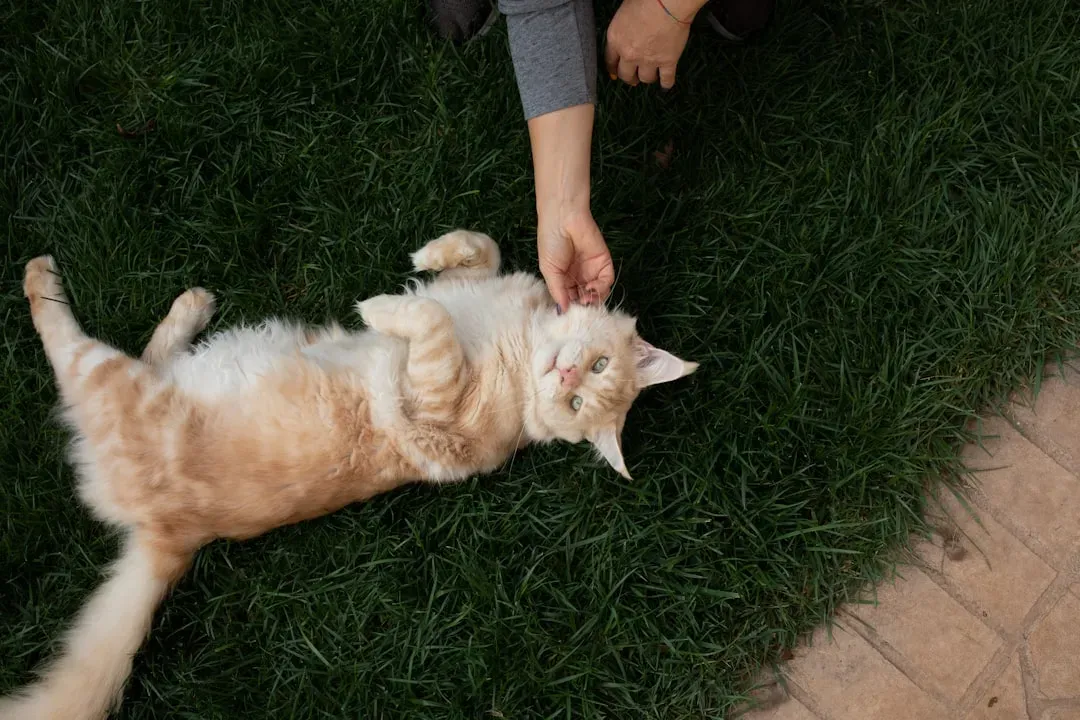
Picture this: you walk into a room and your cat immediately flops over, exposing their belly to you. Cats only lie on their backs and show their bellies when they are in their most relaxed state. They are simply communicating that they feel comfortable and safe enough to reveal one of the most vulnerable parts of their body.
Now here’s the tricky part. This is not an invitation to pet or rub your cat’s belly! Many people have learned this lesson the hard way, reaching in for a belly rub only to get ambushed by claws and teeth. The exposed belly is a sign of trust, not necessarily a request for touch. Your cat is showing you they feel completely secure in your presence, which is one of the highest compliments a cat can give.
Bringing You “Gifts”: Love in the Form of Prey
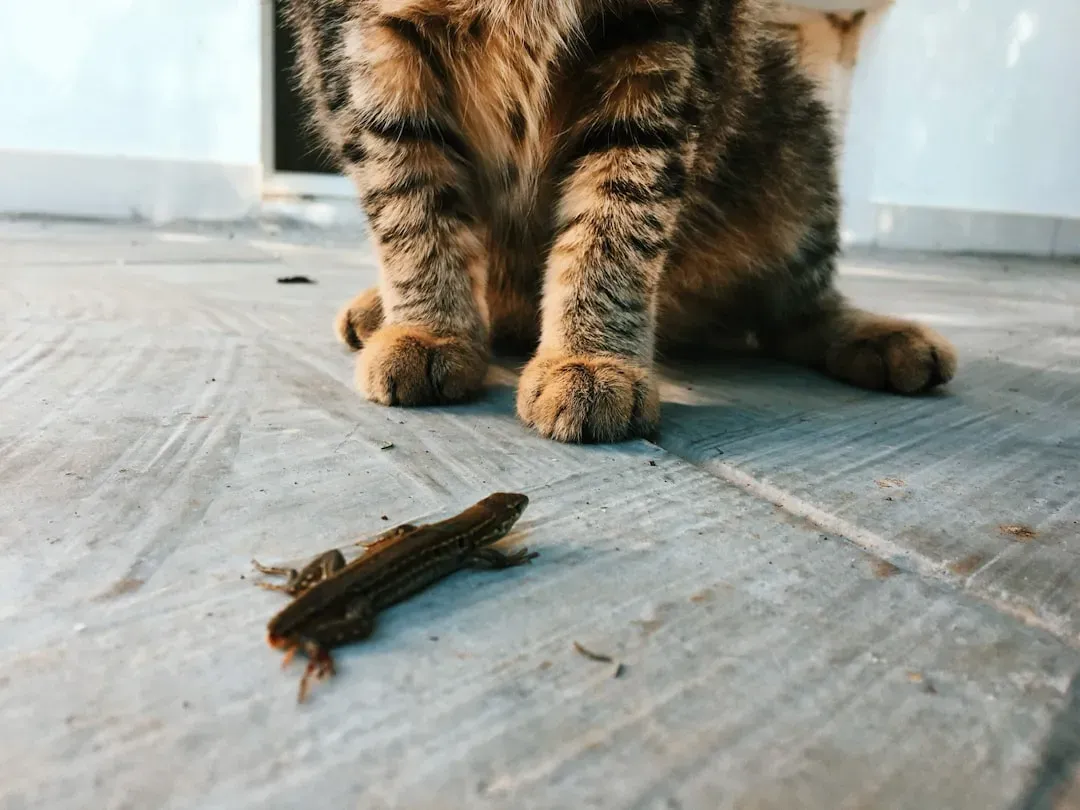
Let’s talk about the less pleasant aspect of cat affection. When your cat brings you a dead mouse, bird, or even one of their toys, your first instinct might be disgust or confusion. Take a breath and try to see it from their perspective. This behavior continues into adulthood, with cats gifting food to their human companions as a way of showing affection. When your cat presents you with their “gift,” it’s not about feeding you but sharing their success and expressing their love.
By bringing you gifts, your cat is sharing its “hunt” with you, showing that they consider you part of their family. In the wild, cats bring prey to their family members, and by extending this behavior to you, they’re acknowledging you as part of their inner circle. So while you might not appreciate the actual gift, appreciate the sentiment behind it. They’re trying to provide for you in the way that makes sense to them.
Conclusion
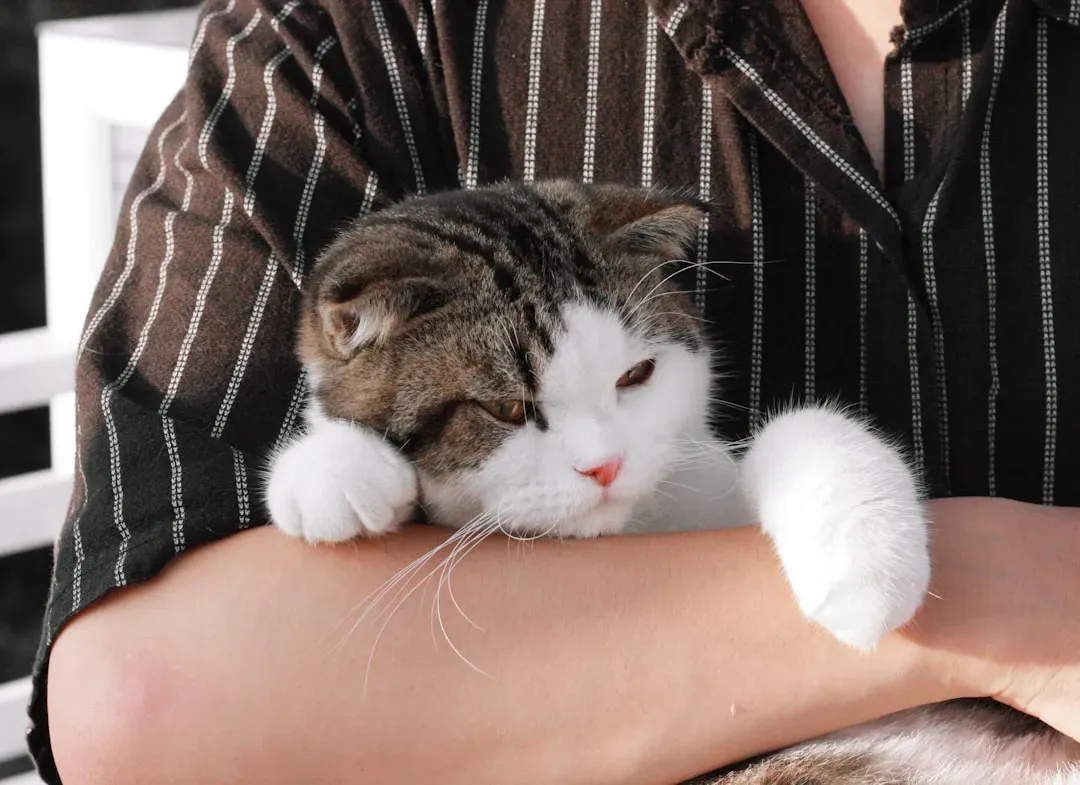
Your cat has been speaking to you all along. Every slow blink, every head bump, every time they’ve followed you to the bathroom or plopped down to show you their belly has been their way of saying they love you. The difference between understanding and missing these signals can transform your entire relationship with your feline companion.
Cats aren’t aloof or emotionally distant. They’re just speaking a language many of us haven’t taken the time to learn. Now that you know what to look for, you’ll start noticing these love signals everywhere. Return their slow blinks, appreciate their head bunts, and maybe even thank them for their hunting gifts (before discreetly disposing of them, of course).
What surprised you most about your cat’s way of showing affection? Have you been missing their love signals all this time?