Your feline companion has been trying to tell you something all along. Those mysterious feline behaviors that leave you puzzled actually serve as clear invitations for interactive fun and bonding. Cats possess their own subtle language of play invitations, and once you learn to recognize these signals, you’ll discover a whole new level of connection with your furry friend.
Understanding these cues isn’t just about entertainment. Play serves as essential exercise for both ‘s body and mind while strengthening the emotional bond between you two. So let’s dive into the fascinating world of feline communication and discover exactly how is asking you to play.
The Classic Tail Flick Signal
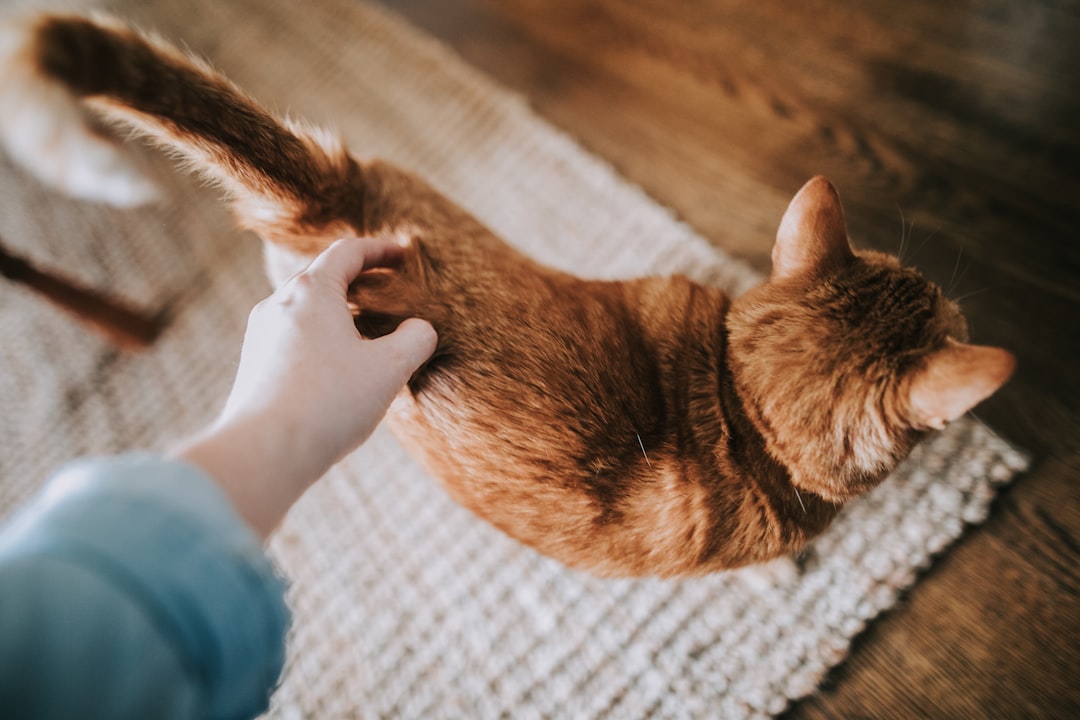
One of the most obvious signs your cat wants to play is the classic tail flick. When your cat’s tail is twitching or swishing rapidly, it’s often a signal that they’re feeling playful. This behavior is particularly common when they’re stalking a toy or preparing to pounce.
Cats who are engaged in hunting behaviors (whether real or play) will often flick their tails as they watch their prey. If you’re using an exciting cat toy and your cat is going crazy for it, chances are there’s some tail flicking going on before they pounce. In this situation, tail flicking is a sign of stimulation and alertness. This focused movement shows your cat is locked onto their target and ready to engage in some serious fun.
Pay close attention to the context surrounding the tail flick. Pay attention to the intensity of the flick – subtle movements might indicate curiosity, while vigorous swishing is a clear invitation to engage. Your cat might position themselves strategically, often crouching low with their hindquarters slightly raised, preparing for action.
The Intense Stare with Dilated Pupils
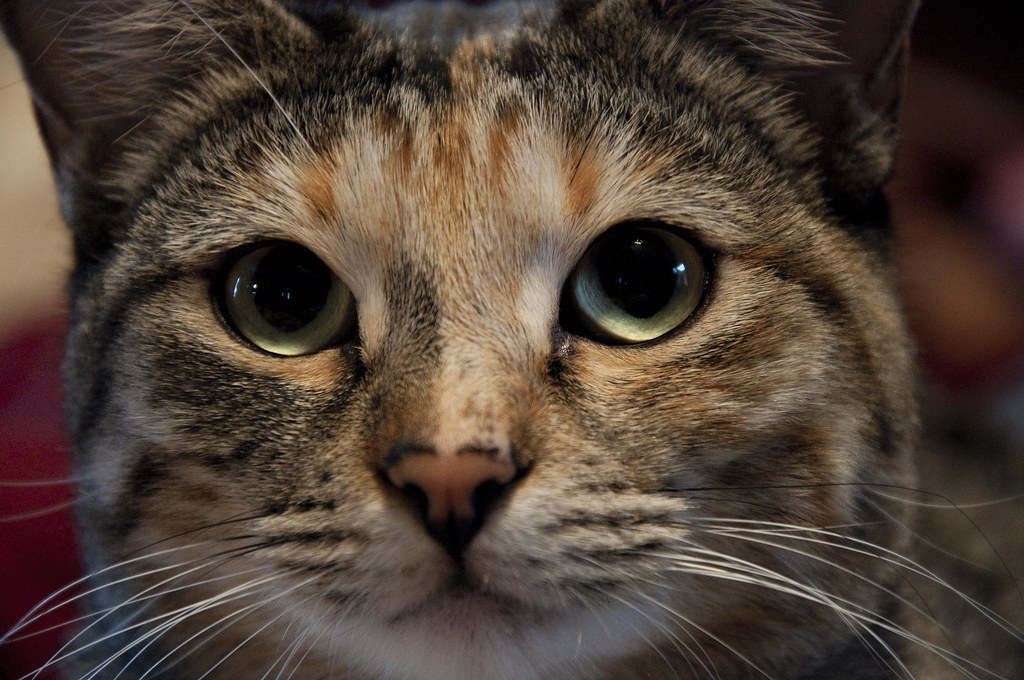
Cats are natural hunters, and their eyes play a crucial role in their play behavior. If your cat’s eyes are wide open with dilated pupils, it’s a sign they’re in hunting mode. This is often accompanied by a crouched posture and focused attention on a specific object or area. When you notice this, it’s the perfect time to introduce a toy or interactive game to satisfy their predatory instincts.
This predatory stare serves as one of the most reliable play invitations in your cat’s repertoire. Dilated pupils and focused attention on you or a toy can be a sign that they’re ready for play. Their gaze may shift rapidly from the object of their interest to you, conveying their desire for interaction. The intensity behind those enlarged pupils shows your cat’s excitement building as they prepare to spring into action.
Be on the lookout for raised ears, a lowered tail, and dilated pupils. All of these physical behaviors display their extreme focus on something, usually what they are interested in. When all these elements combine, you’re witnessing your cat’s natural hunting instincts kicking into high gear.
Playful Pouncing and Stalking Moves
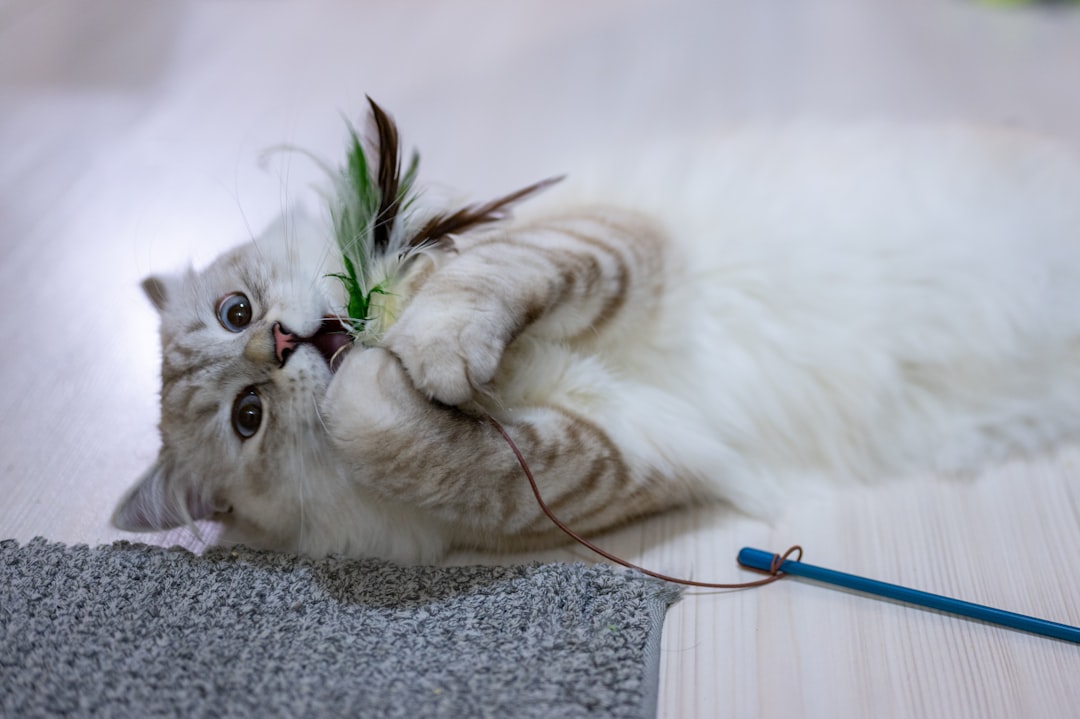
Pouncing and stalking are classic play behaviors in cats. These movements mirror your cat’s ancestral hunting techniques, but in a playful context. Pouncing is a way cats stalk their prey, but it could be a sign of wanting if they pounce on your hand or a toy.
Cats often indulge in pouncing and stalking as part of their play behaviors. If you notice your cat crouching low, wiggling their hindquarters, and then springing forward, it’s a sure sign they’re in a playful mood. They may “hunt” toys or even your fingers in a friendly, non-aggressive manner. The wiggling motion before the pounce is particularly endearing and serves as a clear signal that fun times are ahead.
When your cat is feeling playful, they may exhibit a “play bow” where their front end drops, and their hind end remains up. They may wiggle their behind or flick their tail in excitement. This is a playful invitation, and your cat is asking you to engage with them. This distinctive posture is your cat’s way of saying they’re ready for an interactive game.
The Attention-Grabbing Paw Swipes
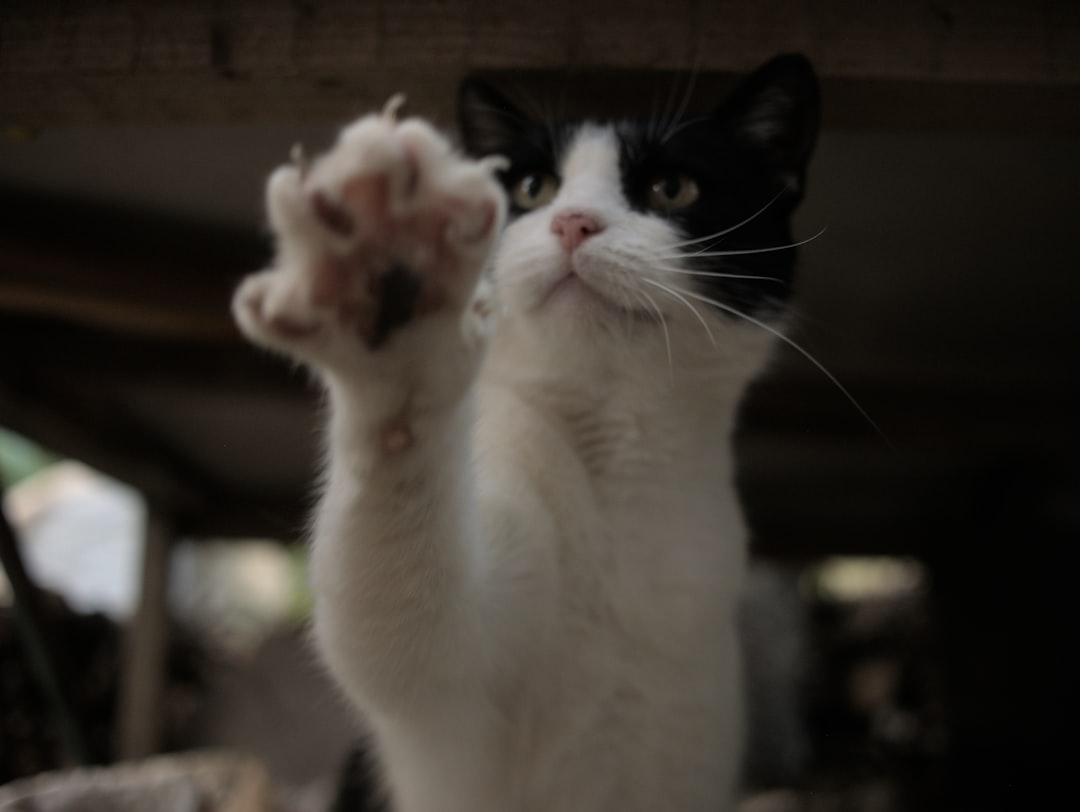
When your cat gently paws at you or objects around the house, it’s often a playful gesture. This behavior is their way of exploring their environment and inviting interaction. You can respond by offering a toy or engaging in a game of fetch. Just be sure to use toys rather than your hands to avoid encouraging unwanted scratching.
Cats like to bat at objects, especially toys if they’re in the mood to play. If your cat does this to your hand, they almost always want to play with you. These gentle batting motions serve as your cat’s way of testing the waters and seeing if you’re interested in joining their game.
The key difference between playful pawing and aggressive behavior lies in the intensity and control. Gentle Biting: Playful biting is usually soft and controlled, without causing pain. Pouncing: Cats may pounce on your feet or hands during play, but it’s typically harmless and meant to mimic hunting behavior. Swatting: Light swatting with their paws is a playful gesture, not an aggressive one.
Following You Around Like a Shadow
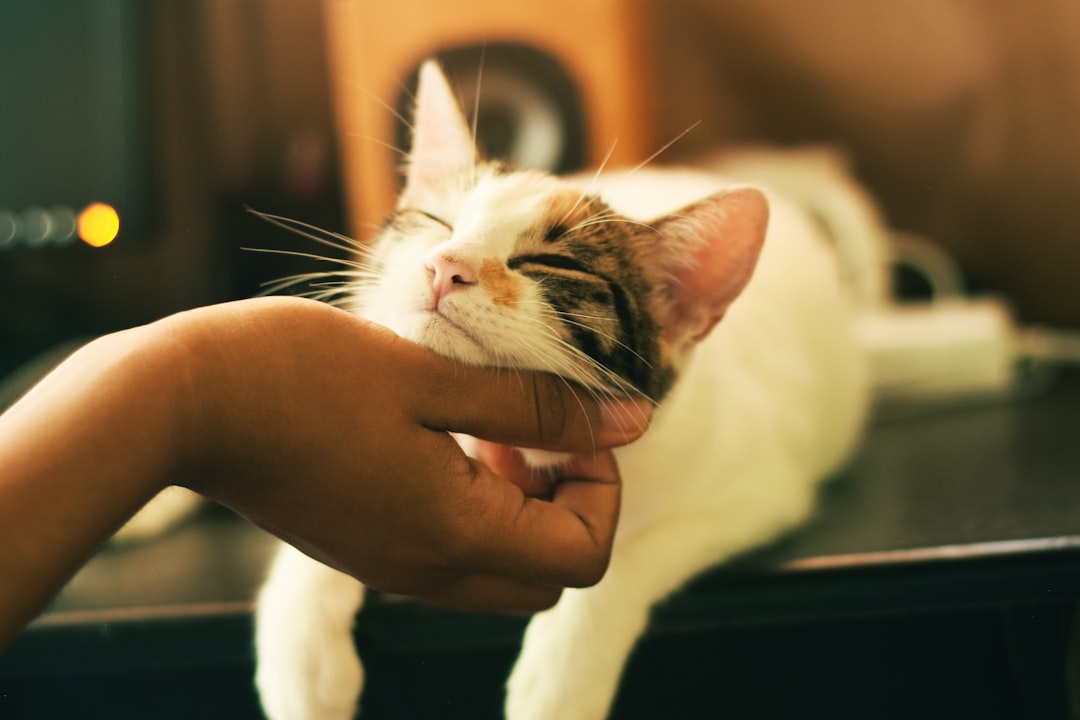
Another possible indicator of your cat wanting to play is if they are following you from room to room. Though cats may follow you for many reasons (for example, when they know it’s meal time), it may also be an indication of their willingness to play.
If your cat is following you from room to room, it’s a sign they’re seeking attention and may be in the mood to play. This behavior is particularly common in younger cats or those with high energy levels. This persistent shadowing behavior indicates your cat wants to be included in whatever you’re doing and hopes to turn it into an interactive experience.
Sometimes this following behavior comes with additional signals that confirm playful intentions. Your cat might weave between your legs, occasionally look up at you with bright eyes, or even perform little hops or sideways movements as they trail behind you. These combined behaviors create a clear message that your feline friend is ready for some quality together.
Bringing Toys as Gifts
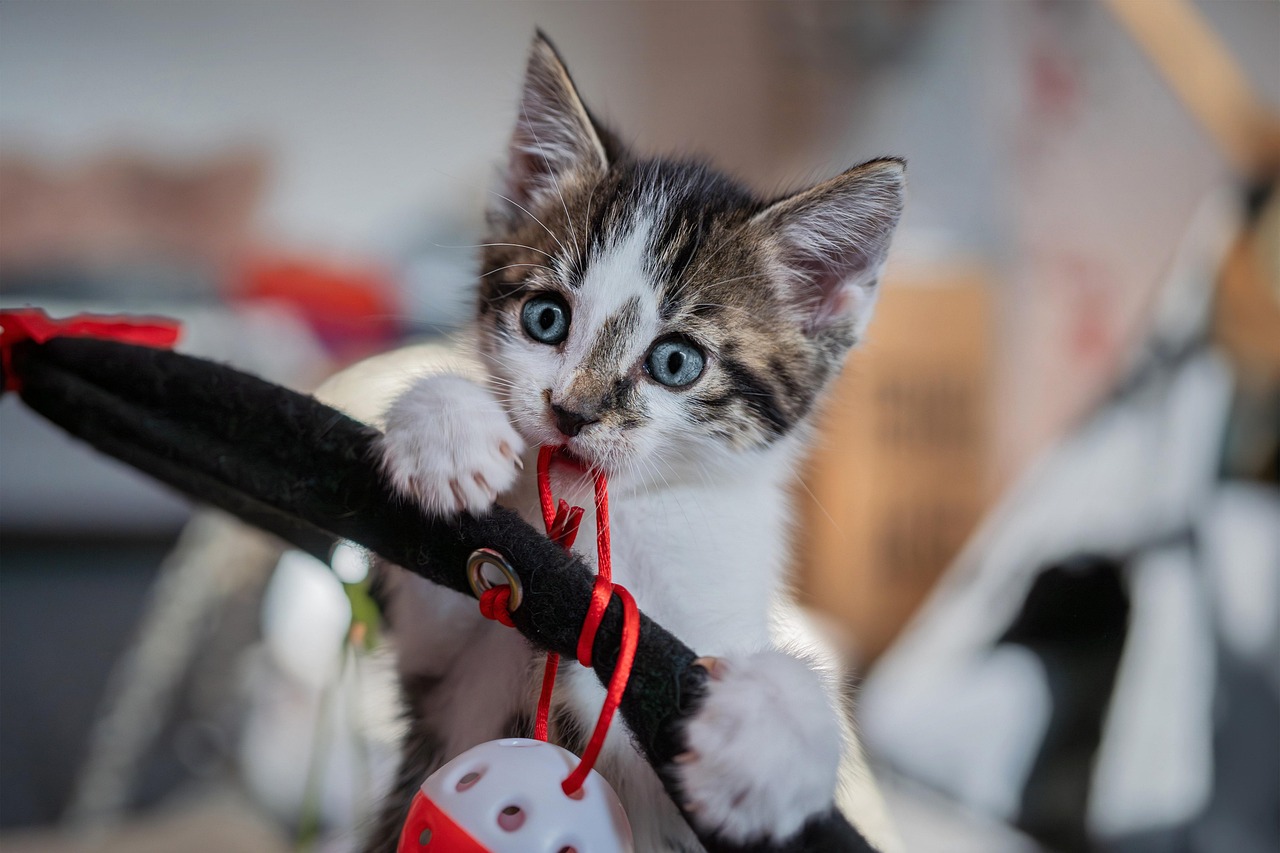
Bringing Toys: Some cats will bring their favorite toys to you as an invitation to play. This behavior represents one of the most direct ways your cat can communicate their desire for interactive fun. If your cat brings you a toy, it’s a clear sign they want to play. This behavior is their way of inviting you to join in the fun.
When your cat drops a toy at your feet or places it nearby while looking at you expectantly, they’re essentially saying, “Let’s use this together!” This gifting behavior shows remarkable intelligence and social awareness, as your cat recognizes that play is more enjoyable when shared with their favorite human.
Some cats develop specific routines around toy presentation, such as bringing their favorite feather toy at certain times of day or carrying a particular mouse toy to your location when they’re feeling energetic. Recognizing these patterns helps you understand your cat’s preferred play schedule and respond appropriately to their invitations.
Sudden Bursts of Energy and Zoomies
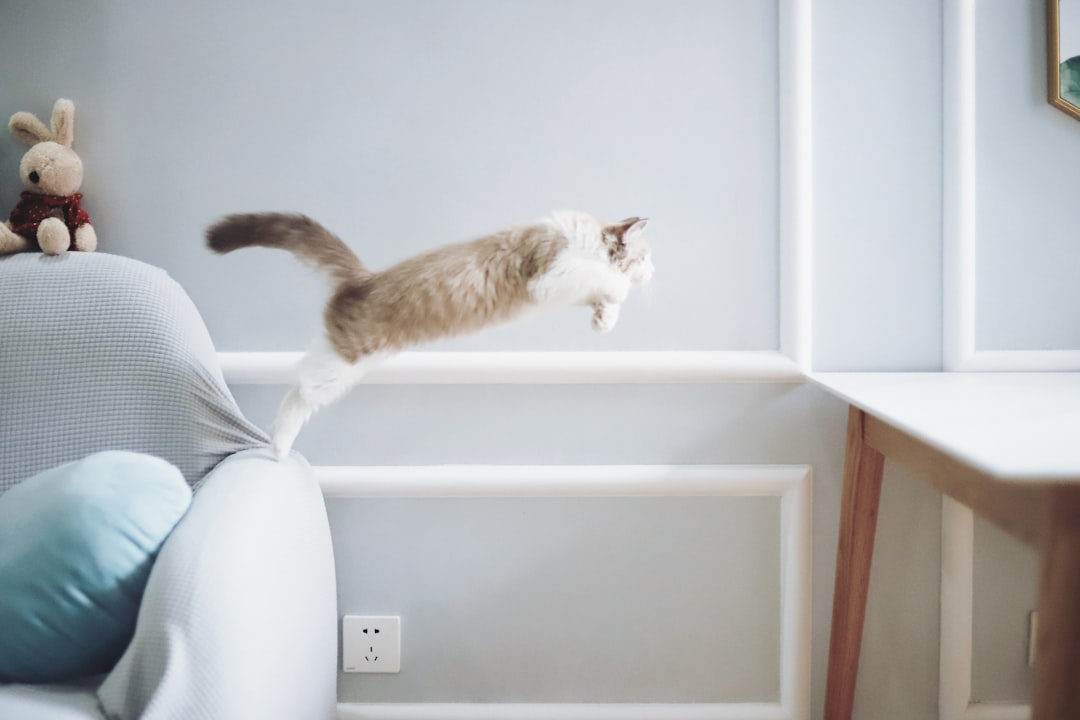
If your cat suddenly starts running around the house at full speed, they’re experiencing the infamous “zoomies.” This burst of energy is a clear sign they’re in the mood to play. While it might seem chaotic, it’s a natural way for cats to release pent-up energy. You can channel this behavior by introducing toys or creating an obstacle course for them to navigate.
The most common sign that your cat wants to play is when they show a lot of energy. That means that your cat is climbing, scratching, jumping, and sprinting around like it’s nobody’s business. This is the perfect time to catch them during their active periods so you can take full advantage of their physical wellness. You can even try to implement a game into whatever they are already doing to make it seamless!
These explosive displays of energy often occur at predictable times, such as dawn and dusk when cats naturally feel most active. A sudden burst of energy that accompanies meowing also could mean that your cat wants to play. The combination of vocalization with frenzied activity creates an unmistakable invitation for you to join in the excitement.
During these energetic episodes, your cat might race from room to room, leap onto furniture, or perform acrobatic feats that showcase their athleticism. Rather than waiting for the energy to burn out on its own, this is the perfect opportunity to redirect their enthusiasm into structured play that benefits both their physical and mental well-being.
Conclusion
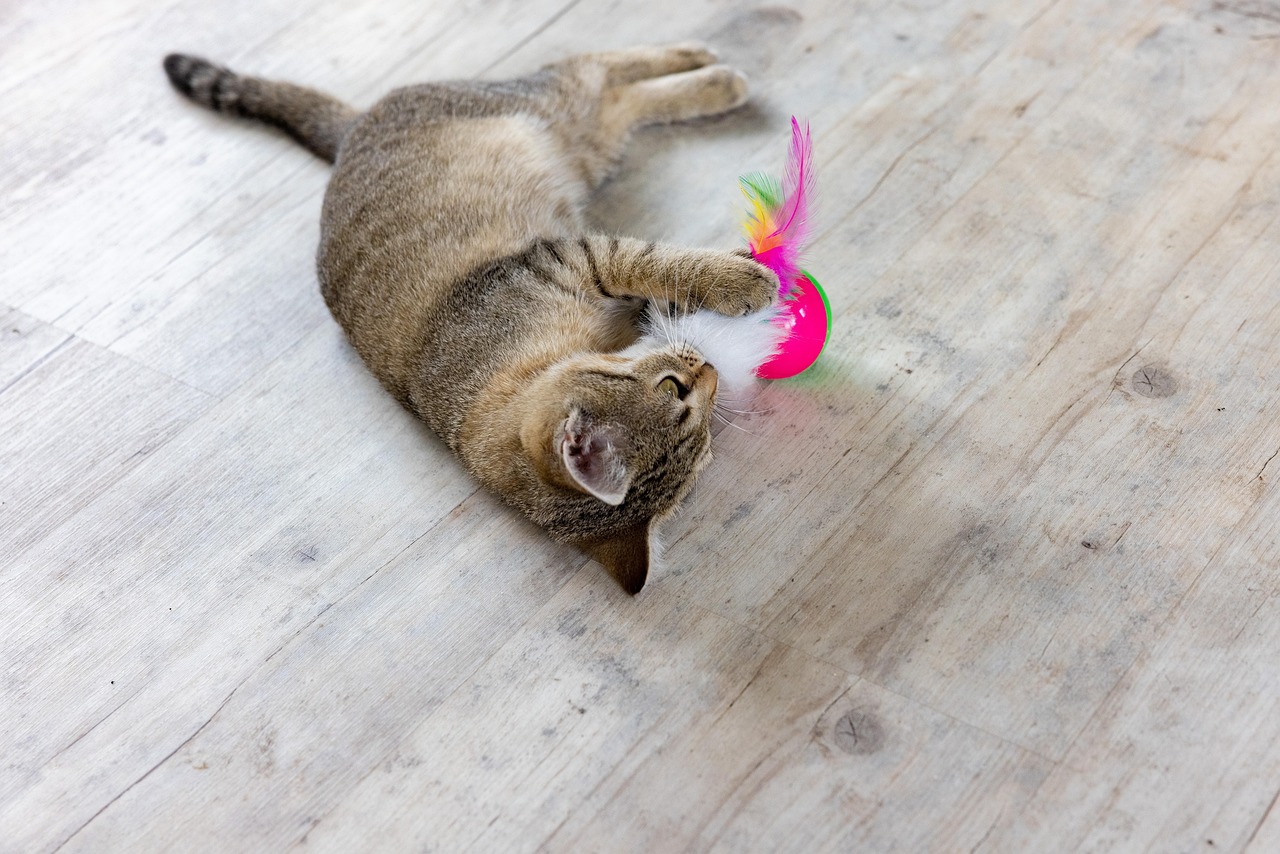
Your cat’s invitation to play goes far beyond simple entertainment. These seven distinct signals represent your feline’s attempt to strengthen your bond while meeting their natural needs for physical exercise and mental stimulation. By recognizing the tail flick, the focused stare, playful stalking, gentle pawing, shadowing behavior, toy presentations, and energy bursts, you’re equipped to respond to your cat’s communication in meaningful ways.
The beauty of understanding these play invitations lies in the deeper connection they foster between you and your cat. When you respond appropriately to their signals, you’re not just providing entertainment but demonstrating that you understand and value their unique form of communication. This mutual understanding creates trust and strengthens the special bond that makes the human-cat relationship so rewarding.
What signals has your cat been sending that you might have missed before? Tell us in the comments about your feline’s unique play invitations.