Let’s be real – most people who don’t own cats still picture them as creatures who eat, sleep, knock things off tables, and repeat. Cute? Absolutely. But deeply intelligent, emotionally aware, and socially sophisticated? That part tends to get left out of the conversation. Cats have spent thousands of years perfecting the art of being misunderstood, and it’s honestly impressive how consistently we underestimate them.
Science, however, is slowly but surely catching up. Researchers around the world are uncovering layer after layer of cognitive and emotional complexity in our feline companions – things that go far beyond a pretty face and a soft purr. So if you’ve ever looked into your cat’s eyes and felt like something genuinely knowing was looking back at you, this article is for you. Let’s dive in.
Your Cat Has a Mind That Rivals a Toddler’s
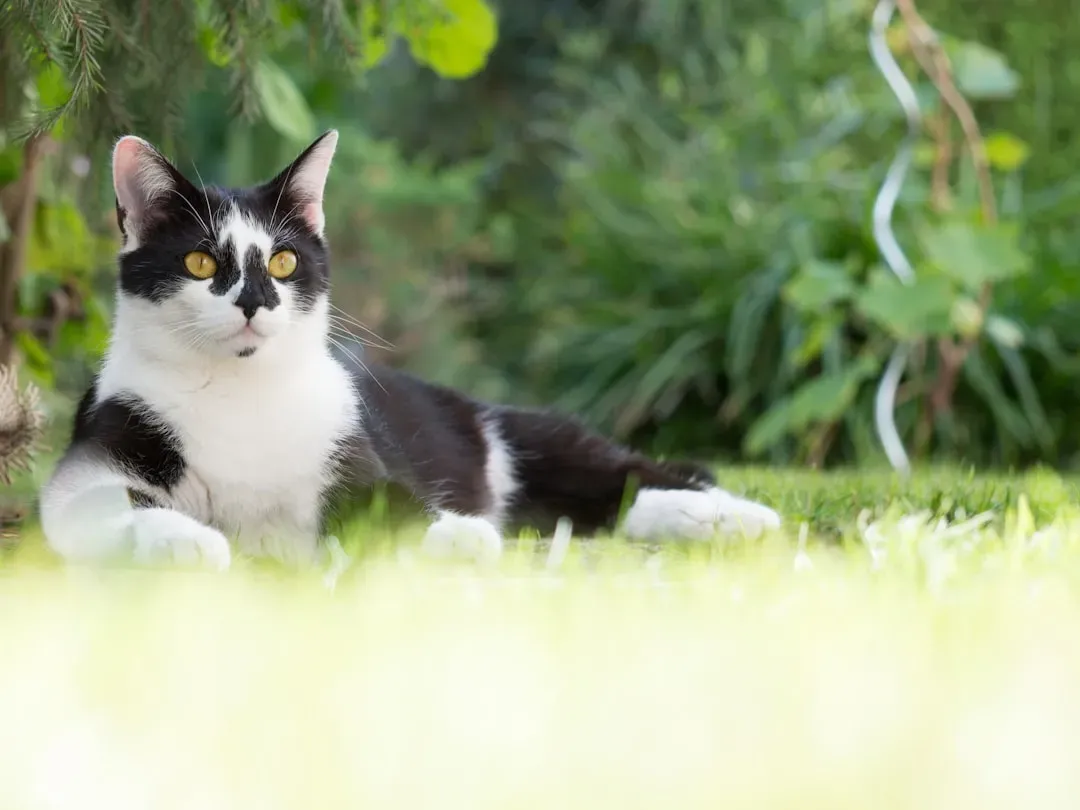
It sounds wild, but here’s the thing – according to several feline behaviorists and child psychologists, an adult cat’s intelligence is comparable to that of a two- to three-year-old child, since both species learn through imitating, observing, and experimenting. Think about that for a second. The creature sprawled across your keyboard right now is essentially operating at the cognitive level of a small child.
Simply by watching their owners and mirroring their actions, cats are capable of learning human-like behaviors like opening doors and turning off lights. Your cat isn’t just being clever in the cute, innocent way a kitten is when it bats at a string. It’s observing you with genuine intent, building a mental model of how you interact with the world, and filing it all away. That’s not instinct. That’s learning.
Your Cat’s Brain Is Surprisingly Similar to Yours
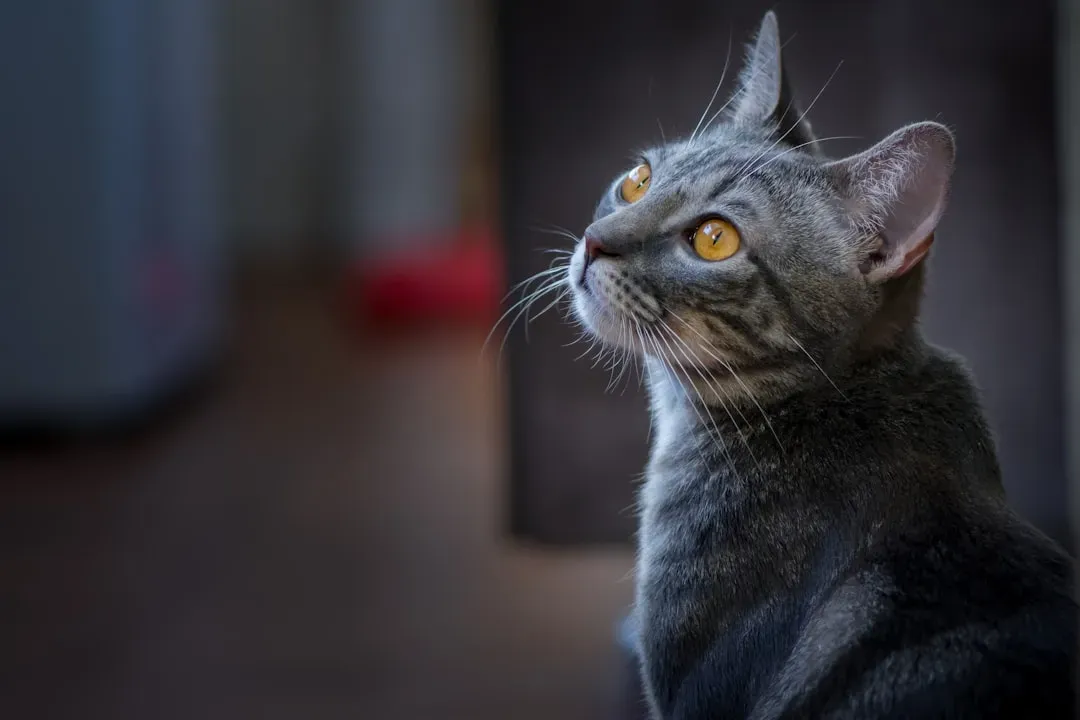
The surface area of a cat’s cerebral cortex is approximately 83 cm squared, and according to researchers at Tufts University School of Veterinary Medicine, the physical structure of the brains of humans and cats is very similar – humans and cats have similar lobes in their cerebral cortex. I know it sounds crazy, but the architecture your brain uses to process the world isn’t all that different from your cat’s.
Analyses of cat brains have shown they are divided into many areas with specialized tasks that are vastly interconnected and share sensory information in a kind of hub-and-spoke network, with a large number of specialized hubs and many alternative paths between them. That’s not a primitive brain. That’s a sophisticated, deeply networked system built to gather, process, and respond to information. Your cat isn’t just reacting – it’s computing.
Your Cat Actually Reads and Reacts to Your Emotions
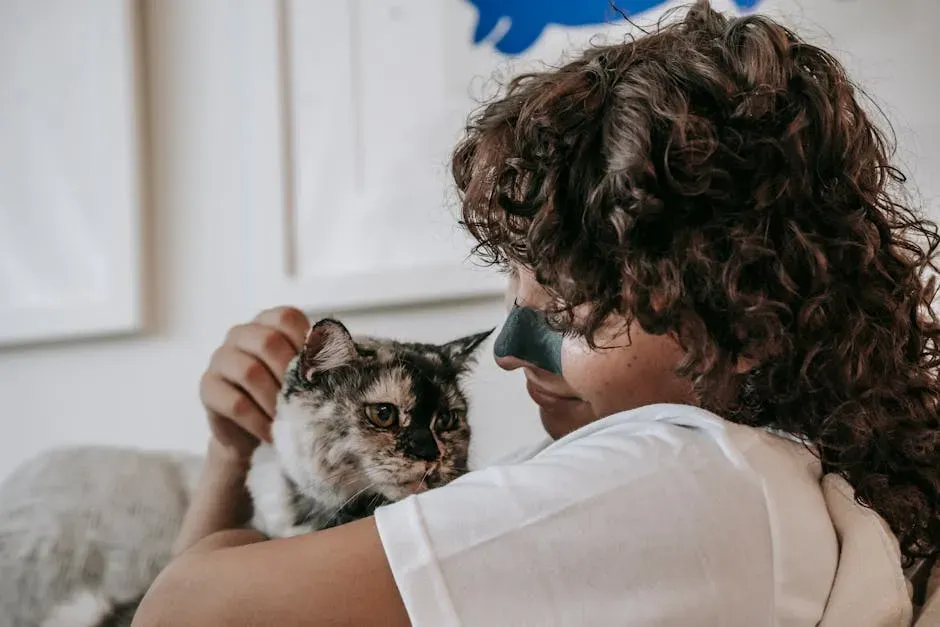
Forget the myth that cats are emotionally oblivious. Research demonstrates that cats integrate visual and auditory signals to recognize human and conspecific emotions, and they appear to modulate their behavior according to the valence of the emotion perceived. In plain terms? Your cat knows when you’re happy. It knows when you’re angry. And it adjusts its behavior accordingly.
In one study, cats were presented with human odors collected in different emotional contexts including fear, happiness, physical stress, and neutral – and “fear” odors elicited higher stress levels than “physical stress” and “neutral,” suggesting that cats perceived the valence of the information conveyed by “fear” olfactory signals and regulated their behavior accordingly. Your cat can literally smell your stress. That slow blink from across the room when you’ve had a terrible day? It might mean more than you think.
Your Cat Has Developed a Private Language Just for You
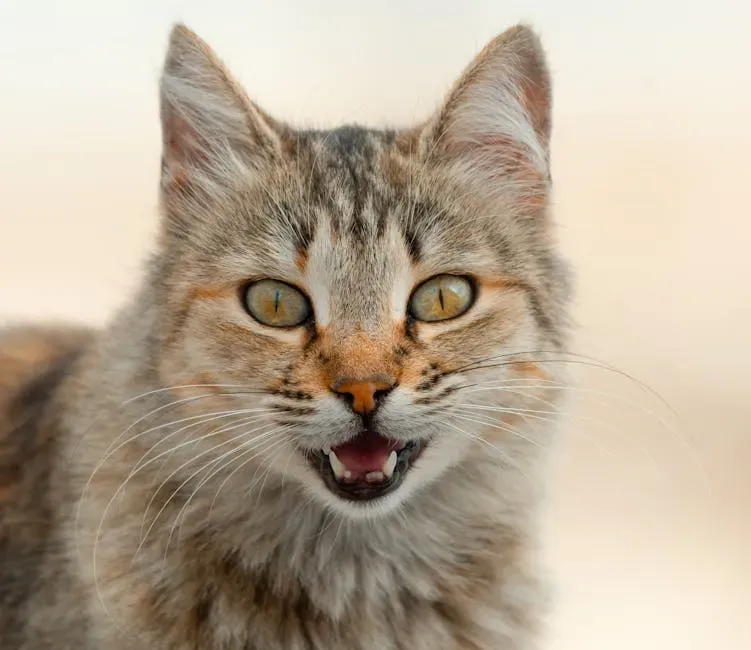
Here’s something that genuinely blew my mind when I first came across it. Adult cats rarely meow to each other, and so adult meowing to human beings is likely to be a post-domestication extension of mewing by kittens. Your cat didn’t evolve to meow at other cats. It evolved to meow specifically at you. That’s not random noise – that’s a tailored communication system built over thousands of years to reach human ears.
It turns out that humans are better at interpreting meows from a familiar cat than a random one. This suggests that cat-human pairs learn together to develop a mutual understanding of one another – your cat’s meow for “hungry” might be different than your neighbor’s cat, and you’re more likely to respond with food if your cat uses that same sound every time, thus building an association. You and your cat have literally co-created a shared language. That’s genuinely remarkable.
Your Cat Remembers More Than You Realize
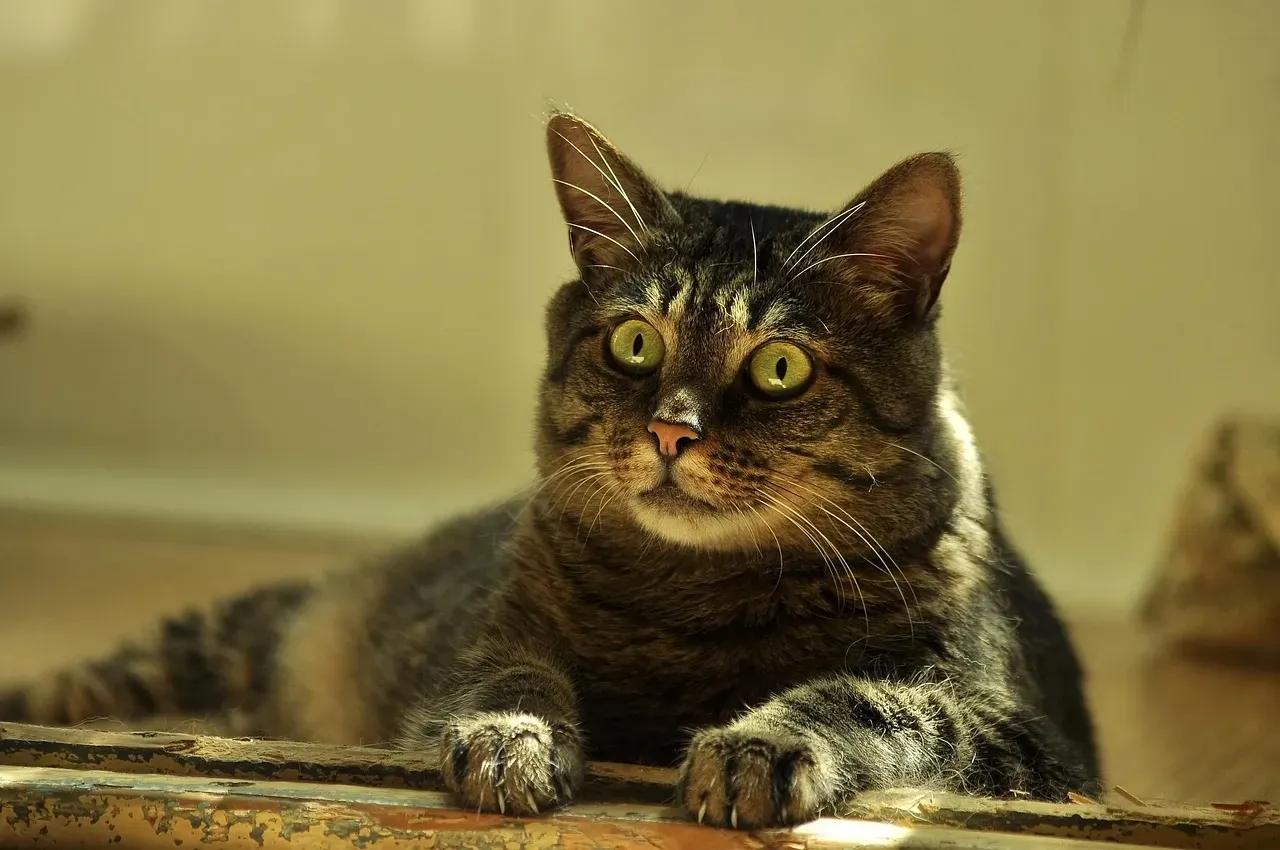
Cats possess impressive long-term memory capabilities, retaining recollections of events and locations for a decade or longer. These memories are often intertwined with emotions, allowing cats to recall both positive and negative experiences associated with specific places. If your cat has ever been spooked at the vet and suddenly starts hiding every time you pull out the carrier months later, that’s not paranoia. That’s a vivid emotional memory doing exactly what it was designed to do.
This ability to adapt their memories of past environments throughout their life enables cats to easily adjust to their current surroundings. The period during which the cat is a kitten is the time when it learns and memorizes survival skills, acquired through observation of their mothers and playing with other cats. Your cat isn’t living purely in the present. It is drawing constantly on a rich, emotionally colored archive of past experiences to navigate its world – a world that includes you.
Your Cat Forms Real, Deep Attachments to You
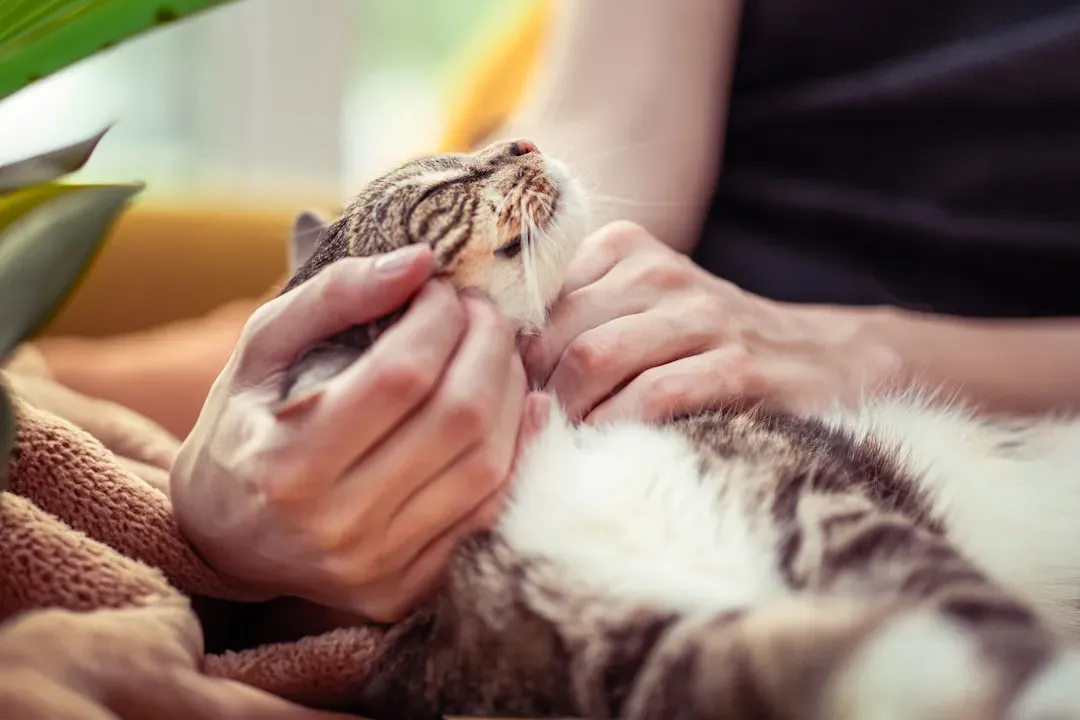
This one tends to surprise people the most. Research has shown cats can form secure attachments to their owners, like infants with caregivers, and they recognize human emotions, read tone and gesture, and exhibit behaviors linked to empathy and social awareness. The comparison to infant attachment is not exaggerated. It reflects a genuine bond with neurological roots, not just convenience or food-seeking behavior.
Research shows that pet ownership, especially for cats, can reduce anxiety and stress, improve cardiovascular health, and build emotional resilience. Conversely, a caregiver’s mental health and emotional stress can directly influence a cat’s behavior, stress levels, and overall welfare. The relationship flows in both directions. You affect your cat’s emotional state, and your cat affects yours. That’s not a pet and an owner – that’s a genuine two-way relationship.
Your Cat Is a Sophisticated Problem-Solver (When It Feels Like It)

For decades, veterinary professionals have observed the problem-solving abilities of cats in clinical settings – from the patient who learns to hide before carrier time to the one who figures out how to open cabinet doors. Honestly, the cabinet-door thing alone should give us pause. That requires understanding cause and effect, physical mechanics, and the willingness to keep experimenting until something works.
Research found that more socialized cats were more likely to solve puzzles and solve them faster. Cats who spend more time in meaningful interaction with humans develop sharper problem-solving skills. Recognition of higher-order cognitive abilities suggests cats may benefit from enrichment that challenges problem-solving and conceptual thinking – including puzzle feeders with variable solutions, rotation of novel objects and configurations, or even training exercises that encourage learning abstract rules rather than specific behaviors. For indoor cats in particular, cognitive stimulation may be as important as physical exercise for maintaining mental health. Your cat isn’t just bored when it stares at the wall. It might be under-stimulated – and craving a real mental challenge.
Conclusion

Your cat walks through life with a brain wired for emotional awareness, long-term memory, complex communication, and genuine social bonding. The “aloof and indifferent” reputation is one of the greatest pieces of misdirection in the animal kingdom – and science is finally pulling back the curtain on just how wrong it is. Every slow blink, every well-timed chirp, every inexplicable moment of comfort your cat offers when you’re having a rough day – that’s intelligence and emotion working quietly in the background.
So the next time someone dismisses your cat as “just a cat,” you’ll know better. These creatures are emotionally complex, cognitively rich, and deeply attuned to the humans they choose to share their lives with. The real question is – how well do you actually know yours? What would you discover if you started paying closer attention?