Most cat owners think they understand their cats pretty well. You know when they’re hungry, when they want cuddles, and when they absolutely do not want to be touched. Yet there’s one thing that routinely slips past even the most devoted cat parents – their cat silently begging for more playtime. Not screaming, not knocking everything off the counter (well, sometimes that too), but sending subtle, easy-to-miss signals that say, “Hey, I need you. Let’s go.”
Honestly, I think this is one of those things that catches people off guard because cats are so famously independent. We assume they’re fine on their own. Sometimes they are. Often, they’re really not. The signs are there if you know what to look for – and some of them might genuinely surprise you. Let’s dive in.
1. The Zoomies Are Not Just Comedy – They’re a Cry for Help
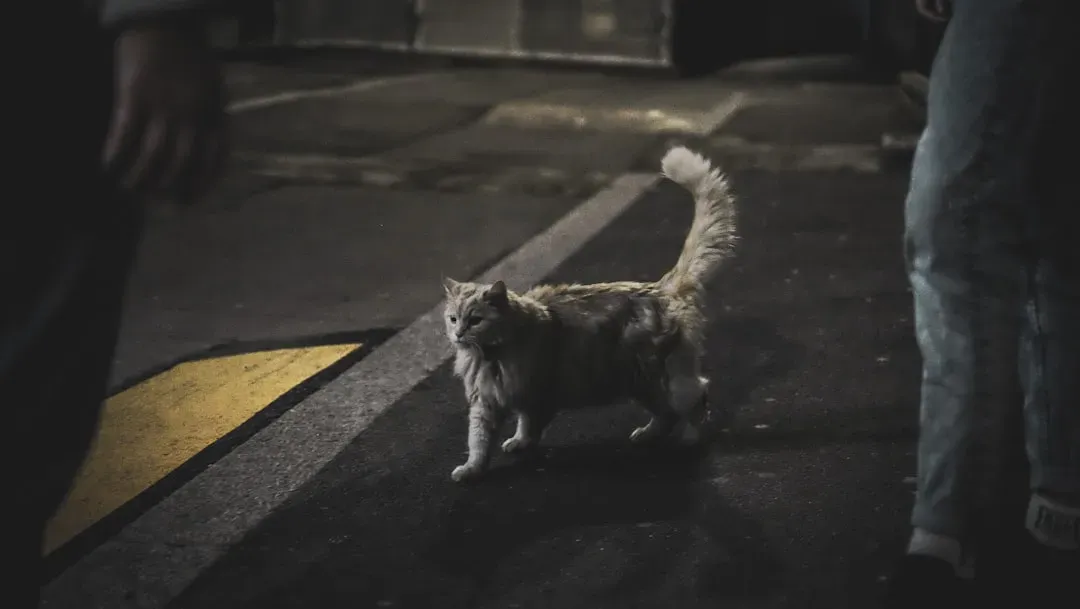
You know that moment when your cat suddenly explodes into a full sprint down the hallway at 11 PM for no apparent reason? It’s hilarious, sure – but it’s also your cat practically screaming in the only way they know how. Those moments when your cat goes crazy and starts running around the house are a clear sign that they need more play and they need it now. Think of it like a pressure valve releasing. All that pent-up energy has to go somewhere.
They’ve got so much energy that they could probably parkour off the living room walls, so whipping out a wand toy and giving them five to fifteen minutes of exercise until they get their zoomies out is the right move. The zoomies are not random – they are a direct, physical communication. Once you start seeing them that way, you’ll never laugh at a zoom session in quite the same way again.
2. They’re Following You Everywhere – And It’s Not About Food
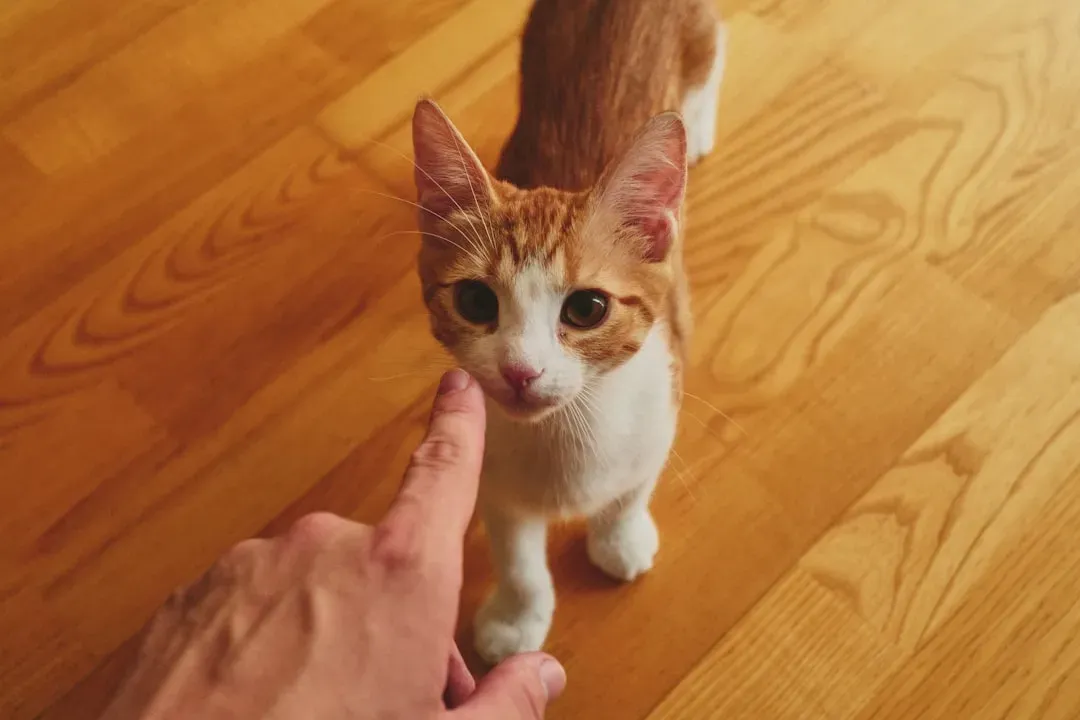
Your cat trails you from the bedroom to the kitchen to the bathroom. Every. Single. Room. Most people assume this is just affection or a food-related obsession, but there’s often a deeper layer to it. Another possible indicator of your cat wanting to play is if they are following you from room to room. Though cats may follow you for many reasons, it may also be an indication of their willingness to play. Your cat is essentially auditioning you as a playmate.
While cats can be evasive, they’ll let you know when they’re ready to play. Playful felines might appear very energetic, grab a toy, or even follow you around the house. It’s a bit like a child tugging at your sleeve at the grocery store. The message is quiet, persistent, and really easy to dismiss when you’re busy. Next time your cat shadows your every move, try grabbing a toy before they give up on you entirely.
3. Staring at You Like You Hold the Secrets of the Universe
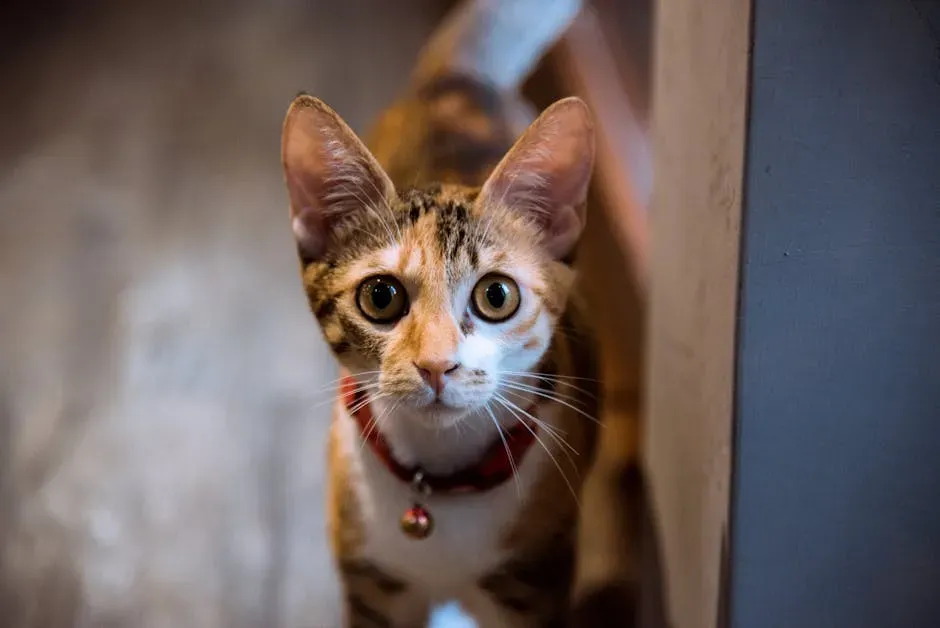
The long, unblinking stare. It can feel a little unsettling, especially at 2 AM. But here’s the thing – your cat is likely not plotting anything sinister. Staring is one of many ways cats get your attention, and staring could mean your cat wants to play. Staring may seem rude in our world, but in a cat’s world, it could mean they want your attention. They simply lack the words to say, “I’m bored. Do something with me.”
You should feel privileged that your cat is staring at you with casual blinking because that usually indicates a level of trust. It also likely means you have a bond with your cat, both of which are positive signs. So before you nervously look away from your cat’s intense gaze, consider picking up a feather wand or rustling a toy bag. You might just be the entertainment they’ve been patiently waiting for all afternoon.
4. They’re Getting Louder – and More Persistent About It
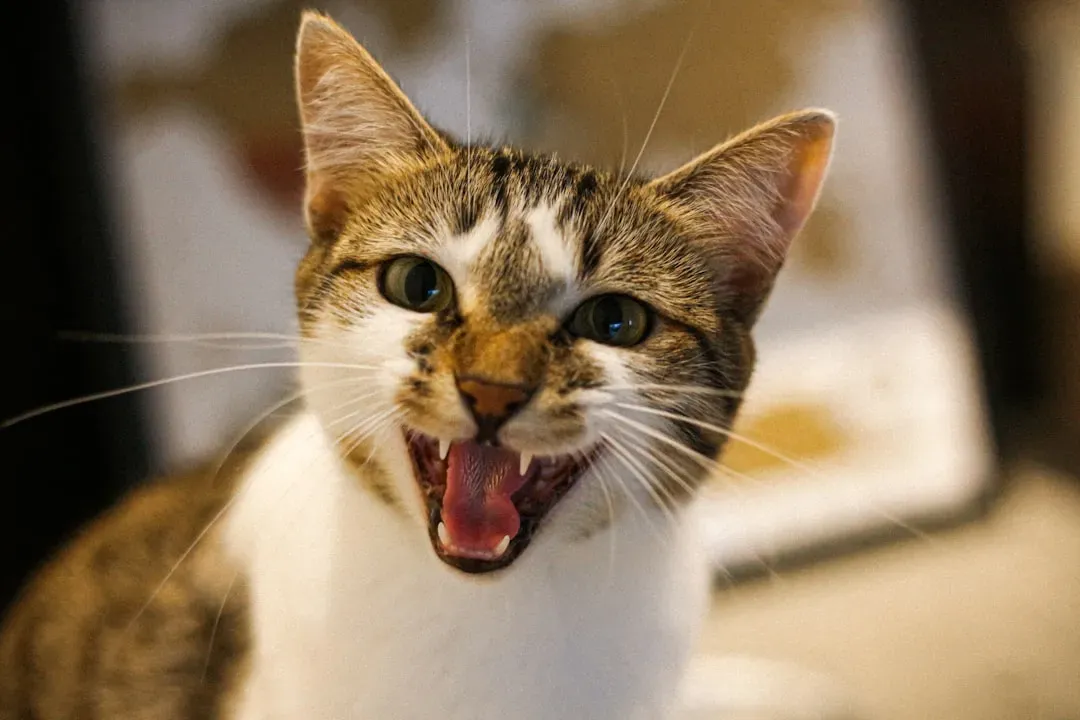
A cat who suddenly gets very chatty is not just going through a phase. Some cats may meow excessively when they want to play, which can be disruptive. Establishing a regular play schedule can help reduce this behavior and give your cat a sense of routine. It’s less about them being dramatic (though, let’s be real, cats do have a flair for the theatrical) and more about them having learned what works.
Meowing could mean many things, such as your cat being hungry or wanting the litter box cleaned. However, cats generally only meow at humans when they want just about anything – and this includes wanting to play. The persistent, repeating meow that seems to have no obvious cause is often a play request in disguise. If you want to discourage this behavior, you may not want to play with them at that exact moment, but you should make a point of playing with them soon and often. The sooner you respond to those vocal cues, the better balanced your cat will become overall.
5. Pouncing on Your Hands, Feet, and Anything That Moves
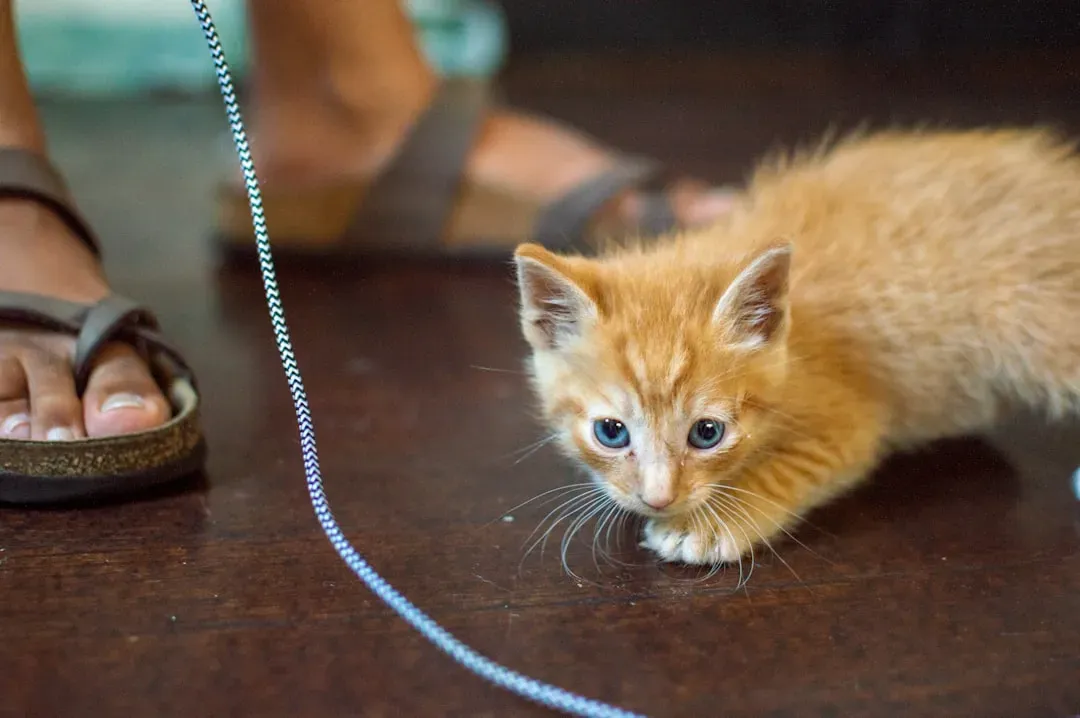
Your ankles have become prey. Your toes hanging off the bed are suddenly the most dangerous things in the house. This is not aggression – it’s a desperate invitation. If your cat has a feisty side, you might notice that they tend to attack you to get your attention. If there’s not anything to entertain your kitty’s inner predator, they’re going to attack what is available. Your feet, in this case, are standing in for a very unfortunate mouse.
Pouncing is a way cats stalk their prey, but it could be a sign of wanting playtime if they pounce on your hand or a toy. Cats like to bat at objects, especially toys if they’re in the mood to play. If your cat does this to your hand, they almost always want to play with you. The solution? Playtime like hide-and-seek with feather toys might appeal to their wild side and will also save your ankles. Never encourage them to pounce on your hands or ankles, as this can quickly become a troubling behavior. Redirect that hunter’s energy toward a toy, not your body.
6. Knocking Things Off Tables and Interrupting Your Work
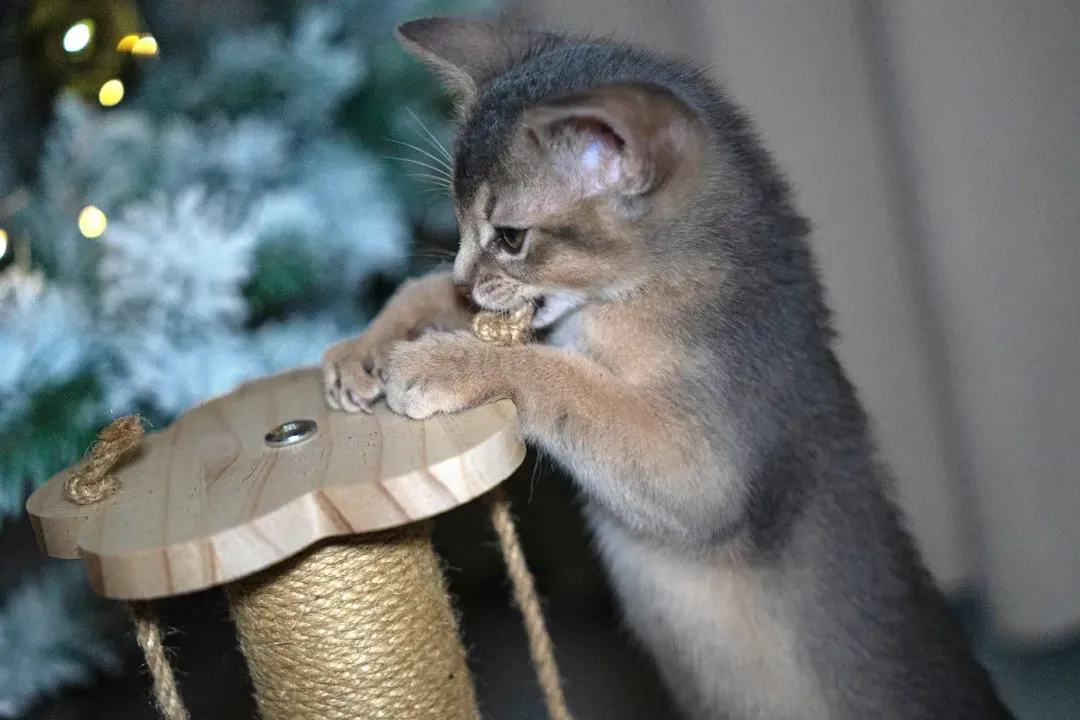
Few things are more universally recognized than the cat who systematically pushes objects off a counter while maintaining direct eye contact. It looks like pure chaos. It is, in fact, a carefully executed attention strategy. Cats have no problem getting your attention when they’re in the mood to play. Just about all cat owners can relate to their cat lying on the keyboard while trying to work or the cat knocking an object off the desk or counter to get attention. Your cat figured out what gets a reaction out of you and is using it methodically.
If you see your cat trying to distract you in this manner, go ahead and grab your cat’s favorite toy and play for a few minutes. The little break will do you good! There’s a beautiful irony here – your cat, by interrupting your productivity, might actually be doing you a favor. A short burst of interactive play breaks up the monotony of your day just as much as it satisfies their need to hunt, chase, and pounce.
7. Scratching Furniture and Acting Destructively for No Obvious Reason
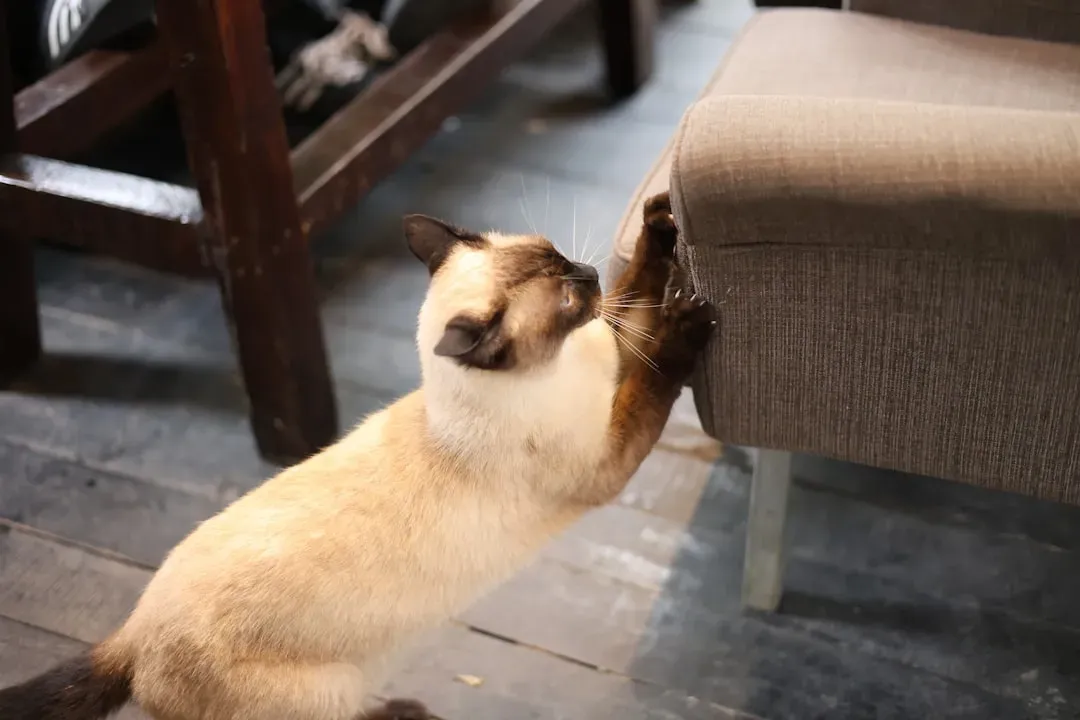
Your couch is not a scratching post. Your cat knows this. Yet there it is – shredded upholstery, clawed curtains, general household destruction. Before you lose your mind, consider what’s driving it. If your cat is not getting enough playtime, they may have excess energy and find other ways to spend this energy, such as scratching your furniture. A lack of playtime can also make them more aggressive as there is too much energy bottled up within them. It’s not personal. It’s frustration with a very clear root cause.
Destructive behaviors of any kind are worth examining in terms of whether you are really giving your cat enough playtime. All three experts confirm that a lack of adequate play is at the root of almost all the destructive and negative behaviors they see in their work. The fix is not a sterner “no” or a spray bottle – it’s a wand toy and fifteen minutes of your time. Cats can become destructive if they have too much bottled-up energy. Making time for some play will strengthen your bond and save you a lot of money on replacement furniture. That’s one of the more convincing arguments for regular playtime I’ve ever heard.
Conclusion: Your Cat Is Talking – Are You Listening?
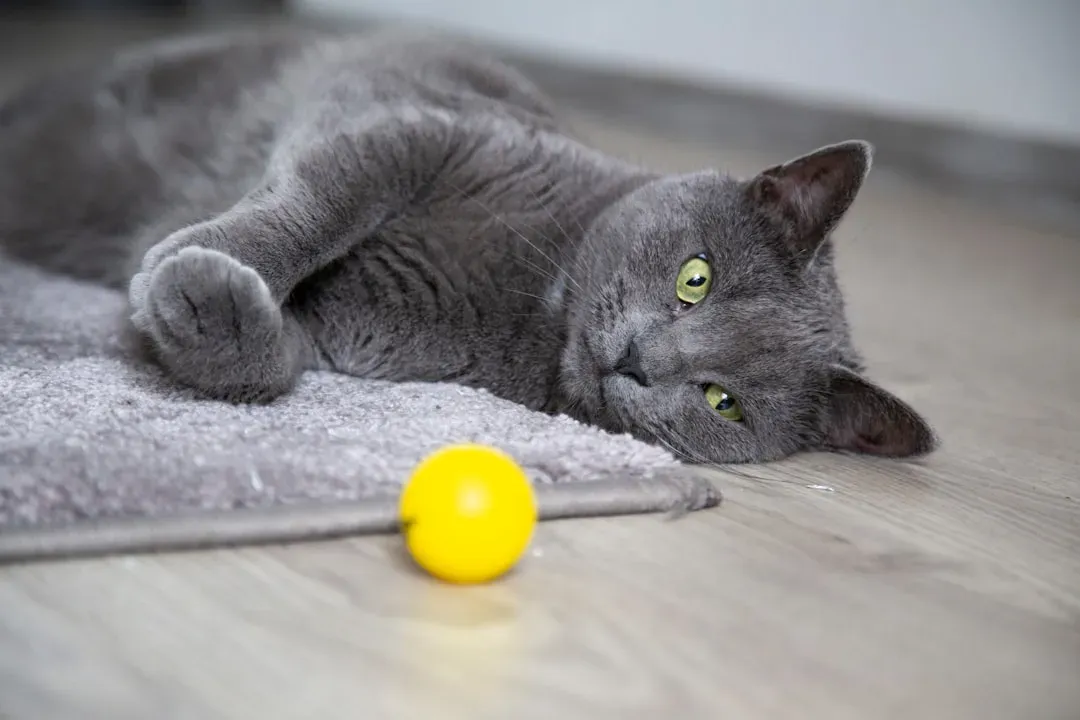
Here’s the thing about cats: they are rarely obvious. They don’t bark, jump on you, or drop a leash at your feet. Instead, they stare, they sprint, they knock your coffee mug to its doom. Every one of those moments is a quiet message. For cats, playtime is more than just a fun activity – it is an important part of their overall well-being. To stay healthy and happy, cats need regular exercise and mental stimulation. That’s not a small thing. That’s the foundation of a good life for your feline companion.
The good news? Multiple shorter play sessions are actually much more effective than one long session, even with younger, more energetic cats. If they get used to regular play sessions, they won’t be so anxious about when their next one is coming, and they may become more calm overall. You don’t need to overhaul your entire schedule. You just need to start noticing the signals. Playtime is essential for your cat’s overall health, as it engages them mentally and physically. It is an excellent form of exercise and a fantastic way for you both to bond. Your cat has been speaking this whole time. Now that you know the language, how many of these signals have you been missing? Tell us in the comments – you might be surprised by your own answer.