You feed your cat, you cuddle with them, you scoop the litter box like clockwork. Life is good, right? Yet somehow, your feline friend seems restless. Maybe they’re knocking things off counters or yowling at odd hours. Here’s the thing: your cat is probably begging for something you might be missing entirely. They’re asking, pleading even, for playtime.
Cats are masters at subtle communication. Unlike dogs that fetch and bark with obvious enthusiasm, cats speak in whispers. Their language is nuanced, layered, and honestly, pretty easy to miss if you’re not paying attention. When your cat needs more play, they won’t hand you a memo. Instead, they’ll show you in ways that might seem random or even annoying. Learning to decode these cues can transform your relationship and give your cat the mental and physical stimulation they desperately crave. Let’s dive into the secret signals your cat is sending.
They’re Following You Like a Furry Shadow
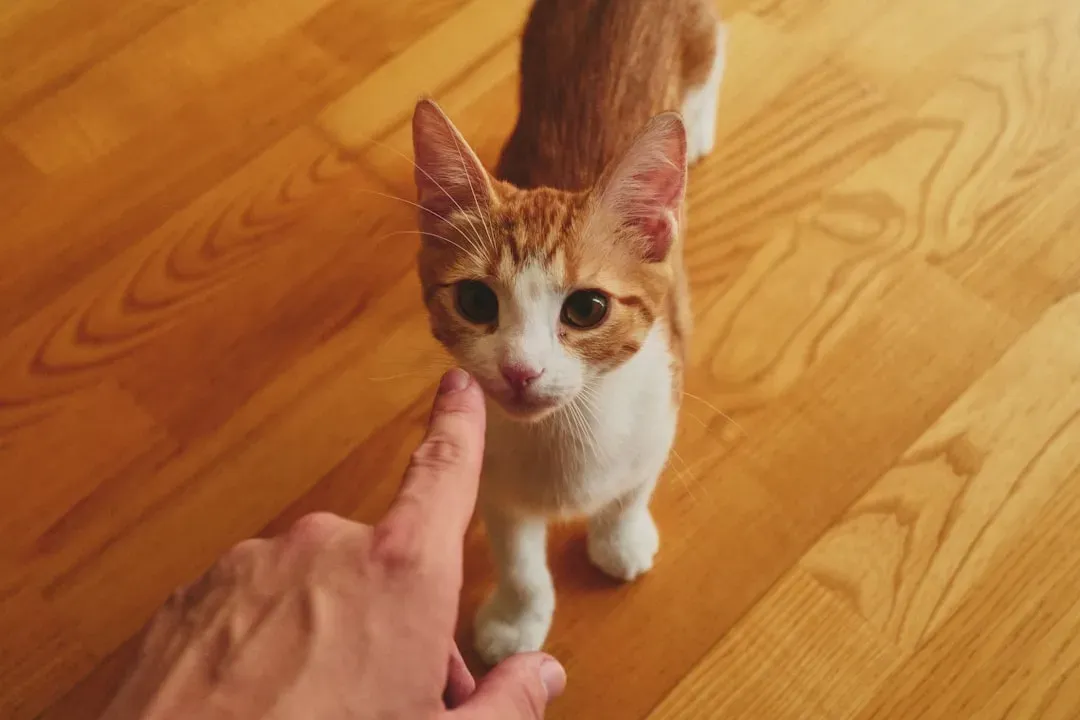
Ever notice your cat trailing behind you from room to room, weaving between your legs as you walk? This isn’t just adorable companionship. When cats follow you around, it’s often a sign they want your attention, and many do it because they crave interaction beyond feeding time. Your cat has probably figured out that sticking close to you increases the chances you’ll finally engage.
If your cat is tracking you and rubbing on your ankles, this behavior is a clear sign that they’re seeking attention and want to spend more time with you. Think about it from their perspective. You’re the most interesting thing in their world, and they’re hoping you’ll notice them long enough to pull out a feather wand or toss a toy mouse. Some cats are naturally clingier and have learned that following you around gets your attention when you’re moving through the house, and once you sit down, they may interrupt whatever you’re doing to get you engaged again.
The Sudden Burst of Wild Energy (AKA the Zoomies)
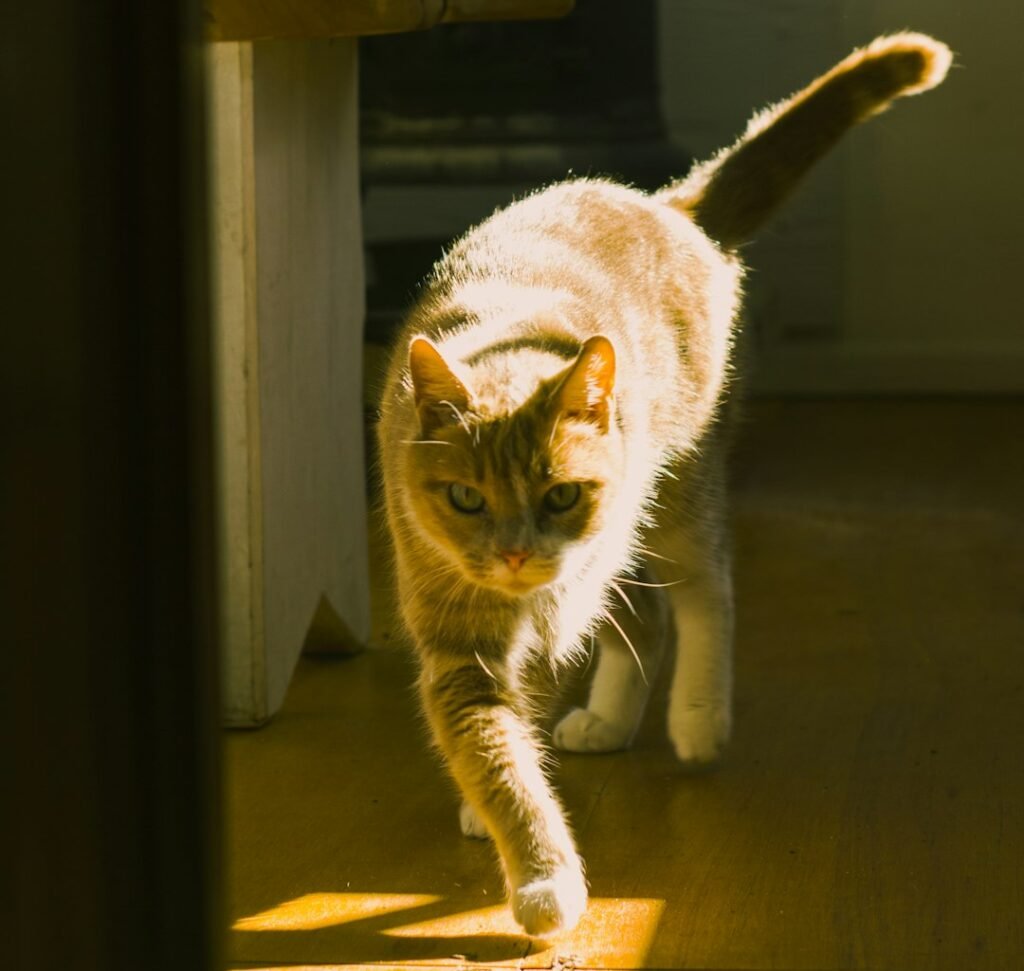
Those moments when your cat goes crazy and starts running around the house like a bat out of hell are a clear sign that they need more play and they need it now. You’ve probably seen it: your cat tears through the living room at lightning speed, scales the furniture, and acts like they’ve been possessed. It looks hilarious, sure, but it’s actually a distress signal.
They’ve got so much energy that they could probably parkour off the living room walls, and a wand toy session lasting five to 15 minutes can help them get their zoomies out. Cats are natural hunters with energy reserves built for stalking and chasing prey. When that energy has nowhere to go, it explodes in random sprints and chaotic behavior. Honestly, if you let this go unchecked, you’re likely to find your cat bouncing off the walls at three in the morning.
They’re More Vocal Than Usual
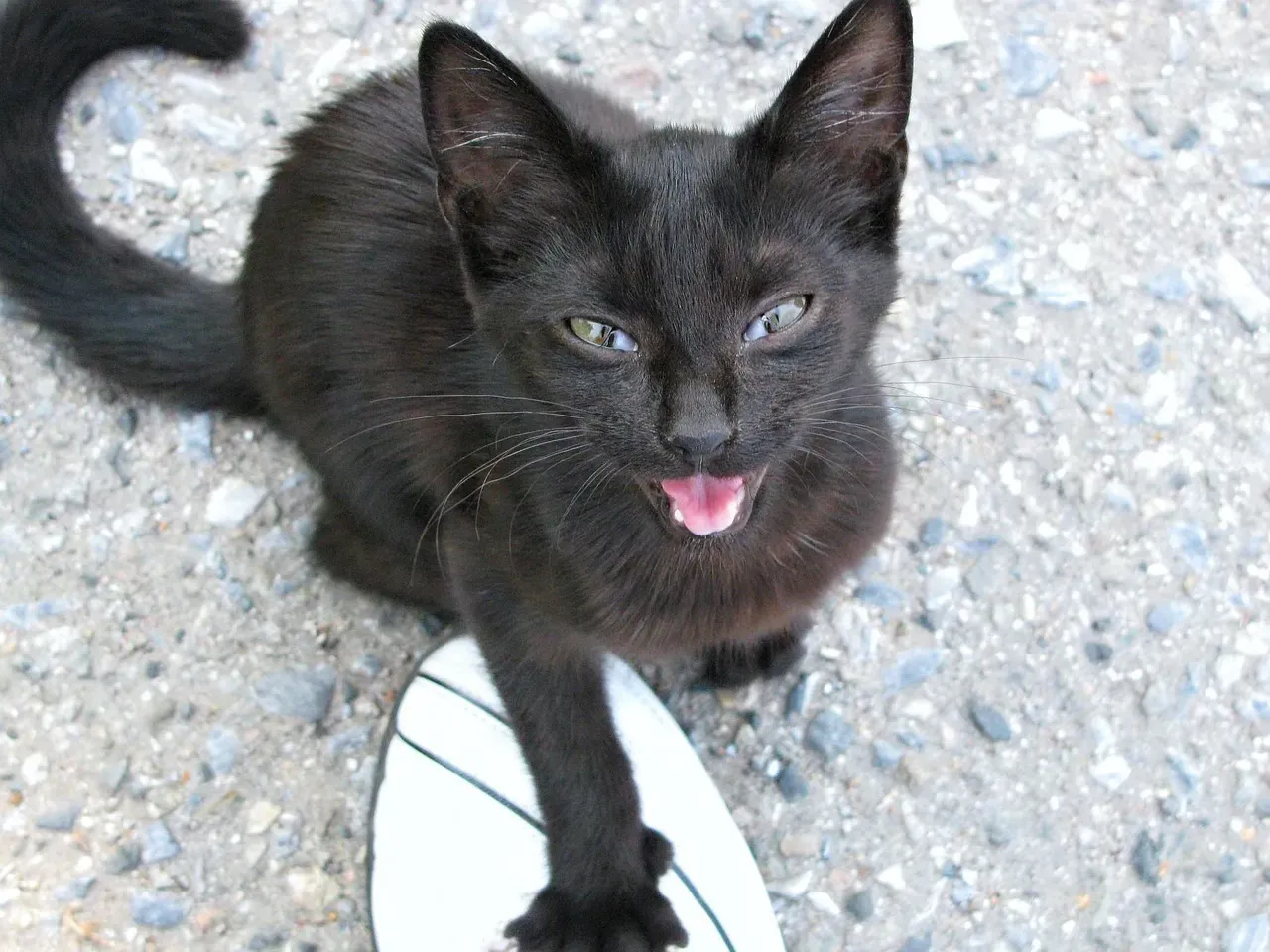
Is your cat meowing more than normal? If you notice your cat is talking more than usual, assume they’re saying “I need more playtime,” and when cats come up to you and start yowling, it’s often because they’ve learned that this gets you to take action. Cats generally reserve their meows for humans, and each pitch and tone carries a different message.
The trick is to pay attention to context. A cat meowing while pawing at you is probably trying to get your attention, while a cat meowing near their food bowl probably wants to be fed. Yet if their bowls are full and they’re still vocalizing persistently, they’re likely bored. Some cats will escalate from soft chirps to loud, demanding yowls if you continue to ignore them. It’s their version of raising their voice to be heard.
Attacking Your Feet or Hands Out of Nowhere
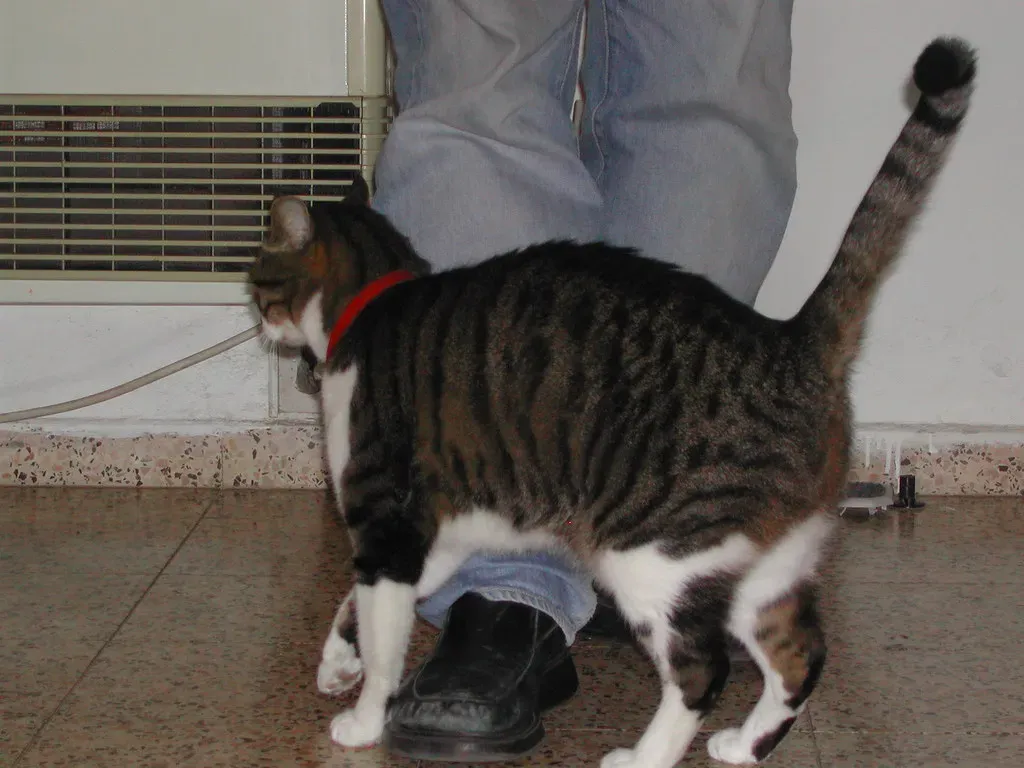
If your cat has a feisty side and tends to attack you to get your attention, it’s because there’s nothing to entertain their inner predator, so they’re going to attack what is available. This behavior can be startling and even painful. You’re walking down the hallway, minding your business, when suddenly your cat ambushes your ankle.
If your cat displays stalking behaviors, like pouncing on your feet, they are telling you they need lots of challenging activity and mental enrichment. Your cat isn’t being malicious. They’re practicing hunting skills because they have no other outlet. Playtime like hide-and-seek with feather toys might appeal to their wild side and save your ankles, though you should never encourage them to pounce on your hands or feet, as this can quickly become a troubling behavior.
Destructive Behavior Around the House
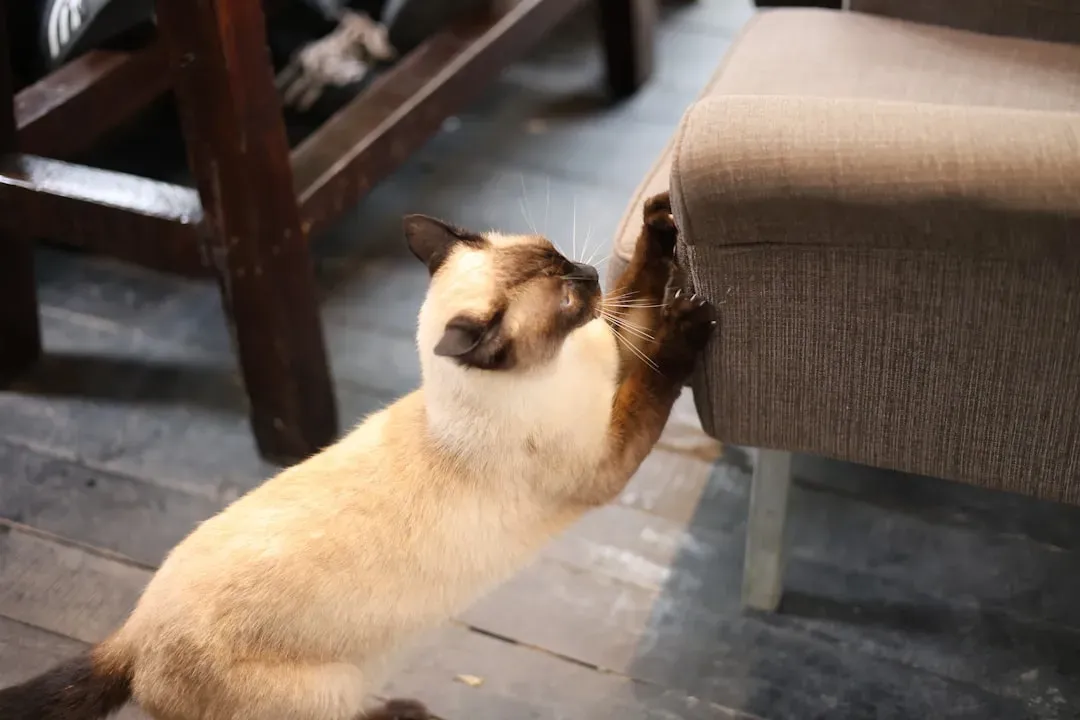
Scratched furniture, knocked-over objects, shredded curtains. Sound familiar? If your cat isn’t getting enough playtime, they may have excess energy and find other ways to spend it, such as scratching your furniture, and a lack of playtime can also make them more aggressive as there is too much energy bottled up within them. Let’s be real: repairing or replacing furniture is expensive.
If you find yourself skimping on playtimes, your furniture might suffer for it, as cats can become destructive if they have too much bottled-up energy, and making time for some play will strengthen your bond and save you a lot of money on replacement furniture. Cats aren’t destroying your stuff out of spite. They’re bored and frustrated, and clawing the couch or batting items off shelves provides stimulation their environment otherwise lacks.
They’re Sleeping Way Too Much (Even for a Cat)
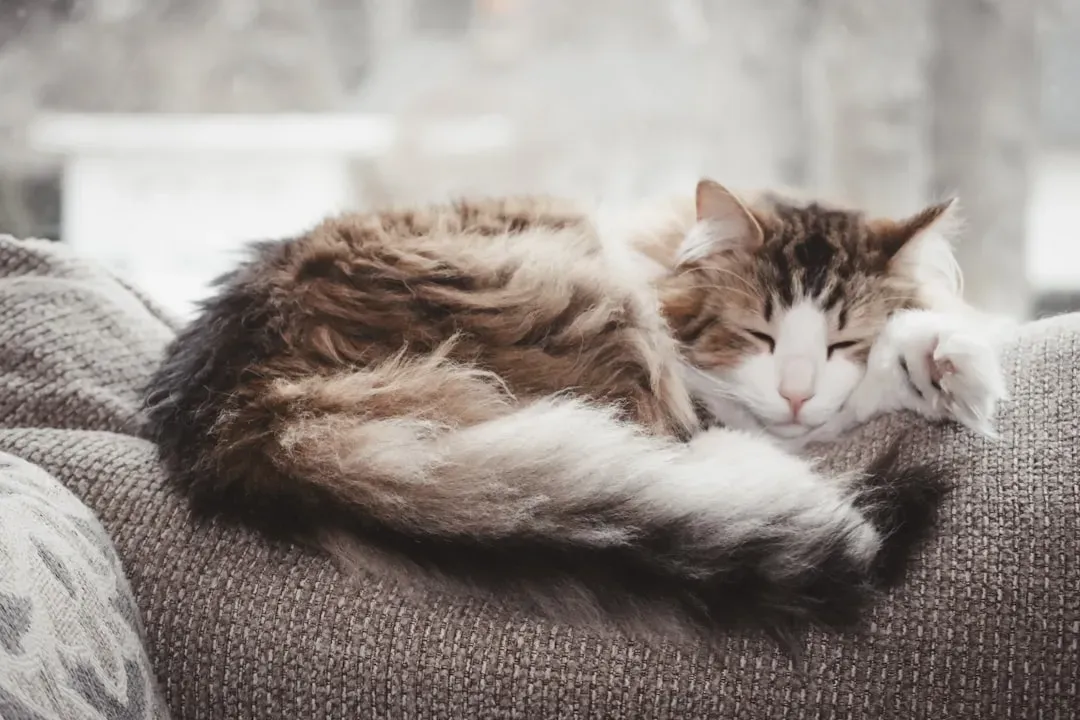
Cats are notorious nappers, sleeping roughly 12 to 16 hours a day. Yet excessive sleep beyond that can signal a problem. While it’s normal for cats to sleep for extended periods, excessive sleep can be a sign of boredom, as cats sleep to pass the time when they lack stimulation. If your cat seems lethargic and disinterested in their surroundings, they might not be lazy – they might be understimulated.
It’s important to note that by nature, cats are not lazy, and a lazy cat that sleeps all the time is either unwell or bored, so if your cat seems lazy, grab a toy and spend some quality time with them to see if they perk up. Sometimes all it takes is dangling a feather teaser in front of them to see if they spring to life. If they do, boredom was the culprit.
They’re Demanding Attention in Disruptive Ways
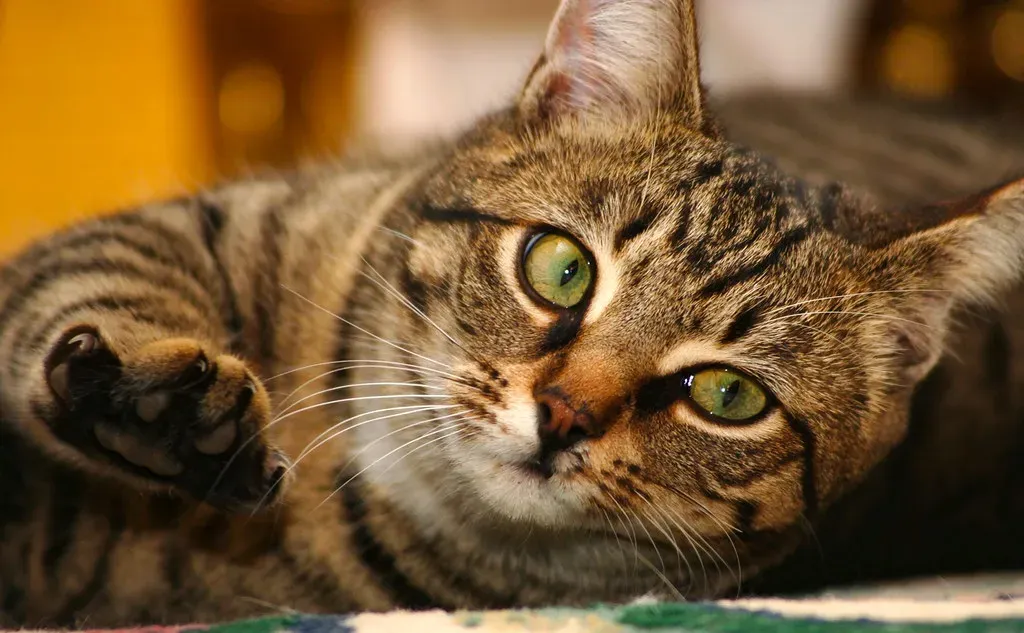
Cats may resort to attention-seeking behaviors like pawing at you, climbing on your lap incessantly, or demanding constant petting when they are bored, as they are seeking interaction and stimulation from their human companions. Maybe they sit on your laptop while you’re trying to work or knock your phone out of your hand. These aren’t just cute quirks – they’re cries for help.
If you’re working and they keep pawing at your fingers as you type, they could be understimulated and asking for some interactive play. Your cat knows that being disruptive works. You stop what you’re doing, you acknowledge them, and sometimes you even play with them to get them to stop. It’s a learned behavior, and it’ll keep happening unless you provide structured, regular playtime that satisfies their needs. Cats are smart. They’ve trained you well.
Why Playtime Matters More Than You Think
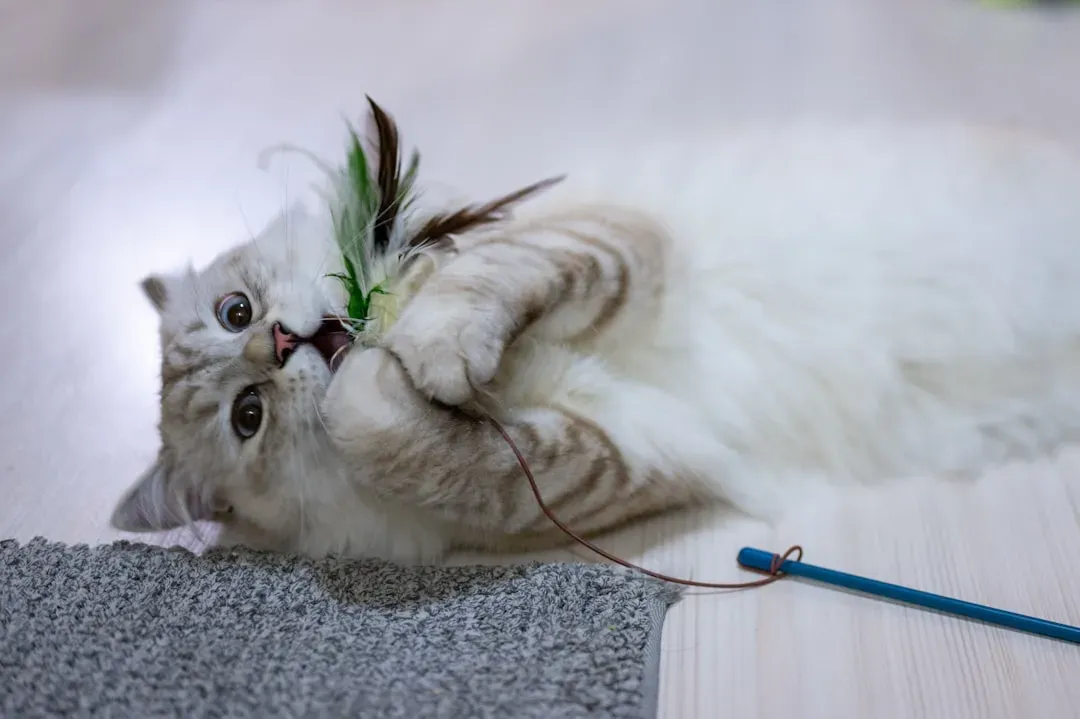
Play isn’t just fun – it’s essential, as cats play to mimic hunting behaviors, release energy, and practice the skills their ancestors needed to survive, and even your well-fed indoor kitty carries the instincts of a stealthy predator, with play providing an outlet for those natural drives. Without it, cats experience frustration, stress, and even physical health issues like obesity.
Cats need to play, and they need to play with you, as play is as much about mental stimulation as physical exercise, and they need you there to make it happen for them. Automated toys are fun, sure, but they can’t replicate the unpredictable movements of prey the way you can with a simple wand toy. Interactive play is so important because it provides exercise, prevents boredom, and helps reduce unwanted behaviors like scratching furniture or nighttime zoomies. So grab that toy. Your cat is counting on you.
What do you think about it? Are you picking up on your cat’s subtle signals now? Tell us in the comments how your feline friend asks for playtime.