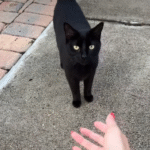
Have you ever wondered if your feline companion is doing more than just lounging around your home? While cats often get labeled as aloof or indifferent creatures, there’s actually a lot more going on beneath that furry exterior. Your cat might be silently watching over you in ways you’ve never noticed before. Think about it for a second. Those moments when your cat stares intensely at the door, or when they suddenly position themselves between you and a stranger visiting your home. These aren’t random behaviors.
Cats can be just as protective of their people as dogs are of theirs, though their methods are far more subtle. Let’s be real here, your cat isn’t going to bark at intruders or chase down threats like a guard dog would. Still, they’ve got their own unique ways of keeping you safe that you probably haven’t picked up on yet. So let’s dive into the fascinating world of feline guardianship.
They Monitor Your Environment with Laser Focus
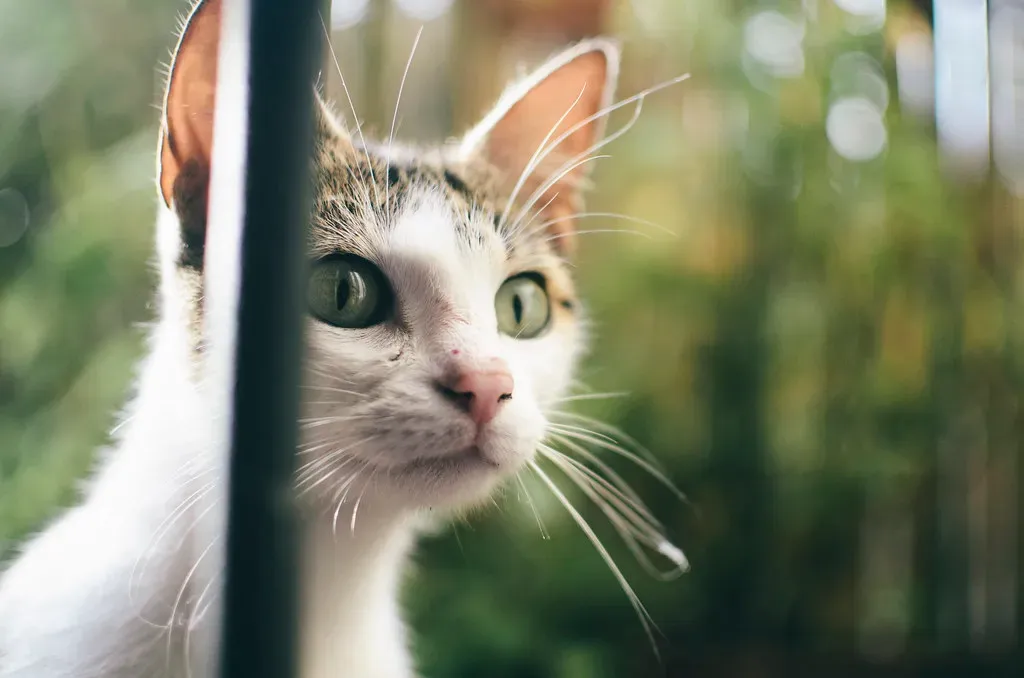
Your cat’s senses are incredibly sharp, far beyond what you might realize. Their acute senses allow them to detect environmental changes that humans might miss, making them excellent early warning systems for potential dangers. When your cat suddenly perks up their ears or fixes their gaze on something you can’t see or hear, they’re likely picking up on subtle changes in your environment.
A protective cat remains constantly aware of their environment and potential threats, maintaining heightened alertness during unusual activities. This vigilant behavior means your cat is essentially acting as a living security system, processing information about your surroundings that you might completely miss. It’s pretty remarkable when you think about it.
They Position Themselves Between You and Perceived Threats
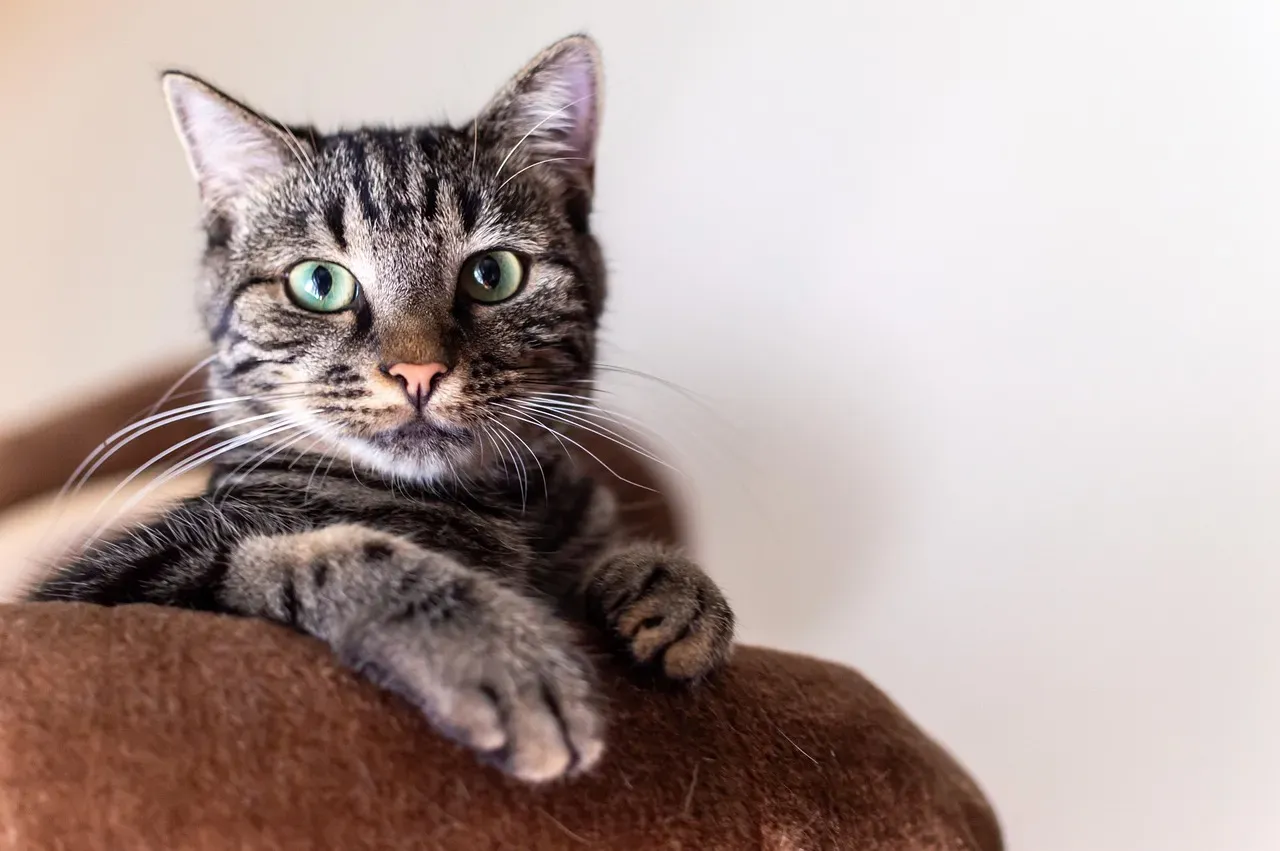
Protective cats strategically position themselves to guard their owners effectively, placing themselves between you and visitors or unknown objects. You might have noticed this behavior without really understanding what it meant. When someone new enters your home, does your cat suddenly appear in the space between you and the visitor? That’s no coincidence.
Body blocking is a subtle sign of guarding, where cats occasionally place themselves between you and another person or animal. I know it might seem like your cat is just being curious or wanting attention, but there’s often a protective instinct at play. They’re creating a physical barrier, ready to defend or alert you if necessary.
They Shadow Your Movements Throughout the Day
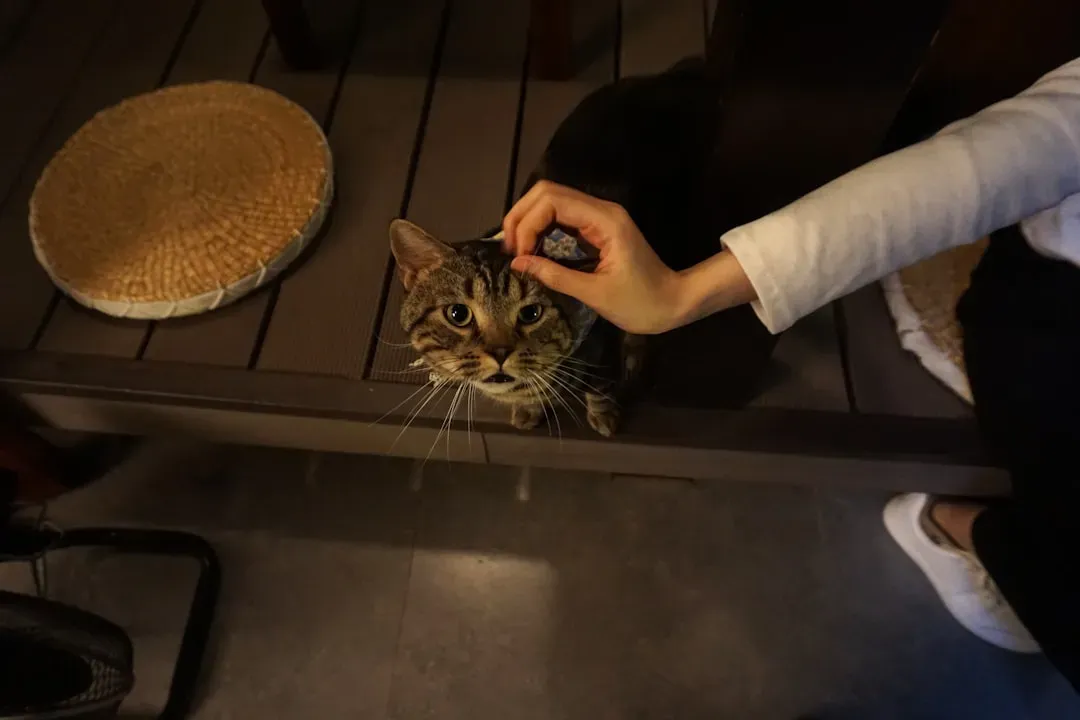
Does your cat follow you from room to room like a furry little shadow? This behavior, known as shadowing, is a clear protective instinct where your cat is monitoring your safety and positioning themselves to intercept any potential threats. Honestly, it’s kind of sweet when you understand the reasoning behind it.
If your cat suddenly turns into a Velcro cat, refusing to leave your side and following you wherever you go, it could be a sign of protection. Sure, sometimes they just want treats or attention, but often they’re keeping a watchful eye on you. This constant proximity allows them to stay ready to react should anything seem amiss in their territory, which very much includes you.
They Alert You with Specialized Vocalizations

Cats use various sounds to warn of potential dangers and protect their territory, including growling, hissing, and unusual meowing patterns. When your cat makes these sounds, they’re not just being dramatic. They’ve detected something they consider threatening and they’re communicating that danger to you.
Growling, hissing, or a low yowl can indicate they perceive a threat and are prepared to protect you. I think we often dismiss these vocalizations as typical cat behavior, but they’re actually quite specific warning signals. Your cat is using the only language they have to tell you that something doesn’t feel right to them.
They Guard Your Space While You Sleep
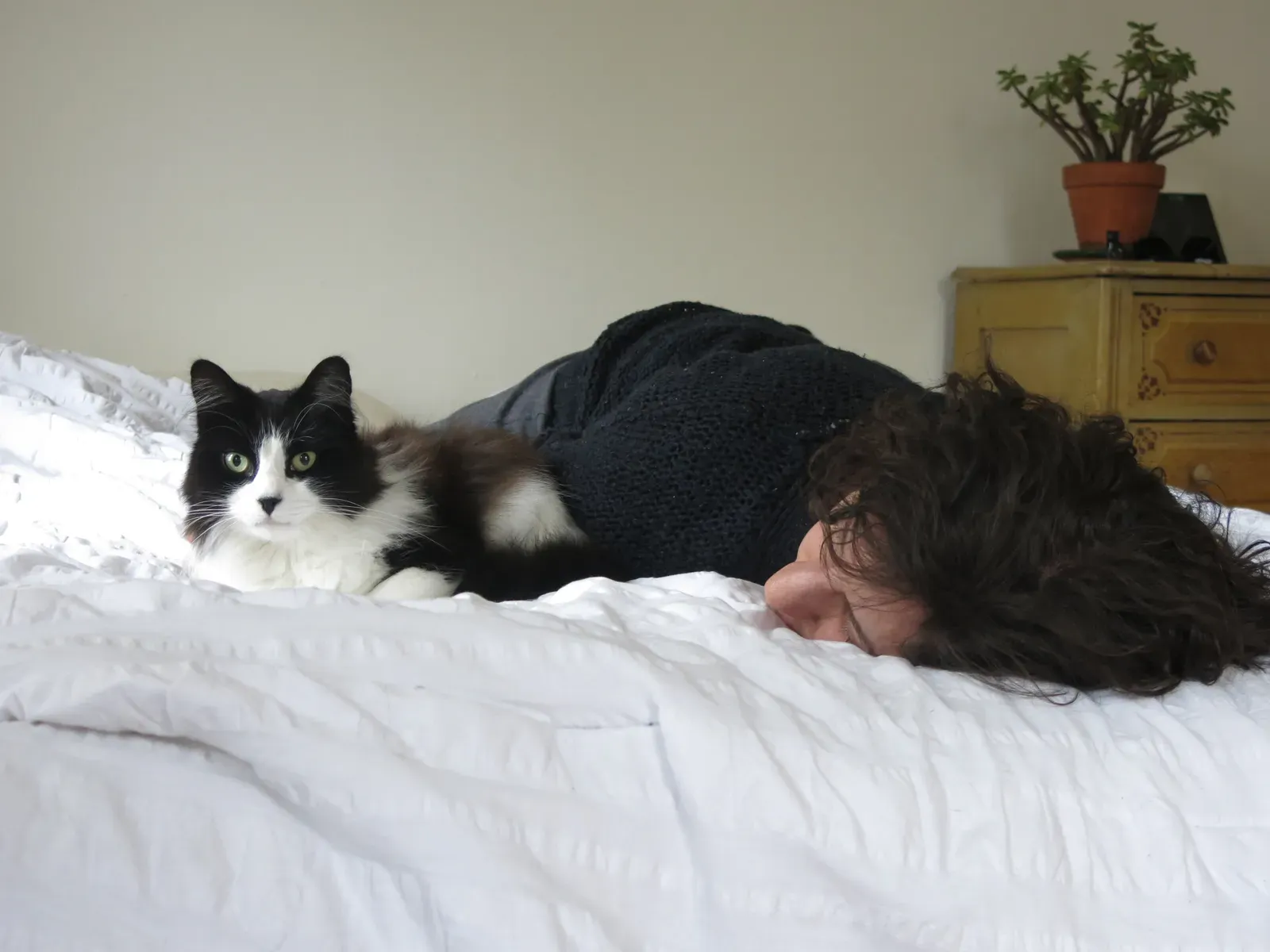
Cats sleep near their owners for multiple reasons, including protection, warmth, comfort, and emotional security, demonstrating trust and a desire to monitor their environment while staying close to their bonded human companion. That warm ball of fur curled up at the foot of your bed isn’t just seeking comfort.
While cats may not serve as sentinels in the traditional understanding of the term, their intrinsic behaviors, combined with their heightened senses and deep bond with their owners, offer an added layer of security during nocturnal hours. Cats are naturally more active at dawn and dusk, which means they’re naturally alert during times when you’re most vulnerable. Some cats have reportedly alerted families to fires by displaying atypical behavior through loud meows or persistent pawing.
They Display Defensive Body Language to Warn Off Intruders
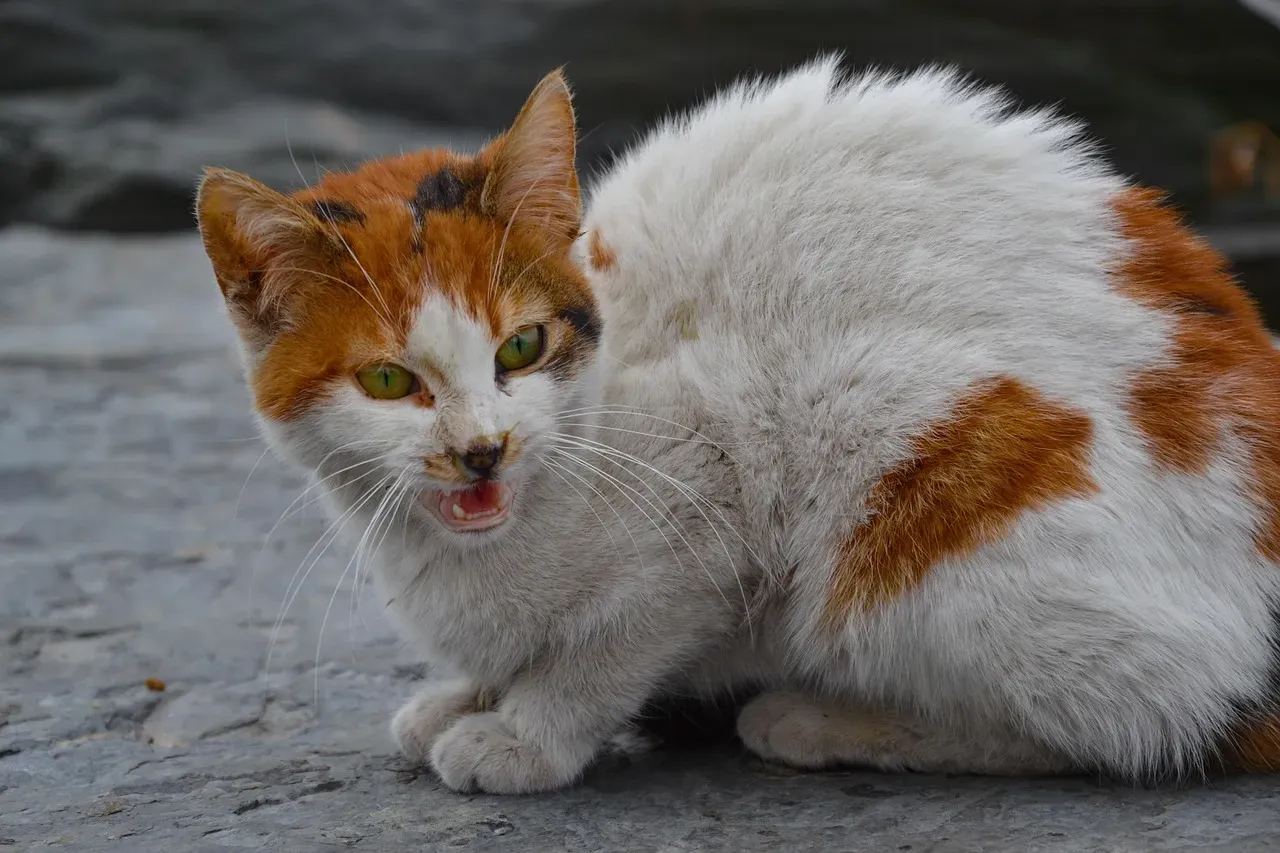
When cats feel threatened and ready to defend themselves or you, they puff out their fur and appear much bigger, with fur being particularly puffy along the spine and on the tail, which is called piloerection. This dramatic transformation makes them look more intimidating to potential threats.
Cats puff up their tails or even the fur on their whole body in response to a threat, making themselves look bigger and hopefully scarier to a potential enemy, with the goal being to prevent a fight by frightening off the threat instead. Along with the puffed fur, you might notice flattened ears, a lashing tail, and an arched back. These aren’t signs of aggression toward you, they’re defensive postures meant to protect both of you from whatever they perceive as dangerous.
They Sense Your Emotional State and Respond Protectively
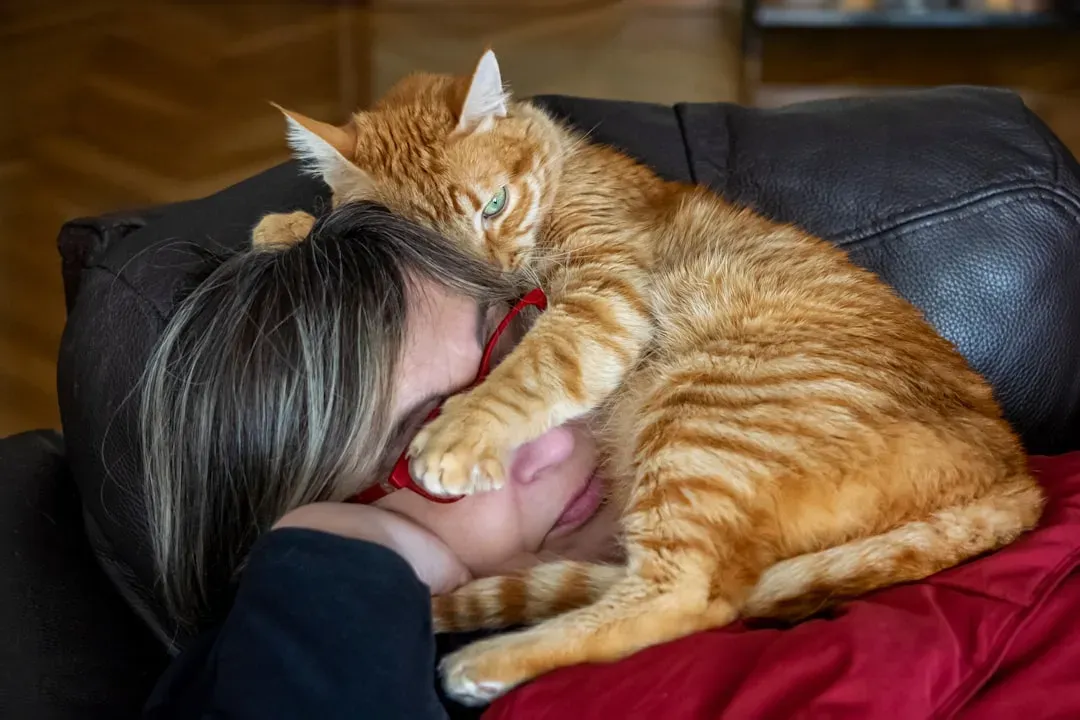
Research shows that cats can detect changes in their environment and their owner’s emotional state, leading them to respond protectively when they sense something is wrong. This ability goes beyond basic environmental awareness. Cats seem to have an almost intuitive understanding of when you’re upset, sick, or in distress.
Cats have an incredible ability to sense when their humans are unwell or distressed, staying close and offering comfort and security, and in some cases, they’ve even been known to wake their owners during emergencies. It’s hard to say for sure whether they fully understand what’s happening, but the bond between cats and their humans runs deeper than many people realize. Studies in feline behavior suggest that cats form secure attachments similar to dogs and even human children, and when a bond is strong, a cat may attempt to keep their owner safe by remaining vigilant in unfamiliar situations or reacting when they sense fear or discomfort.
Conclusion
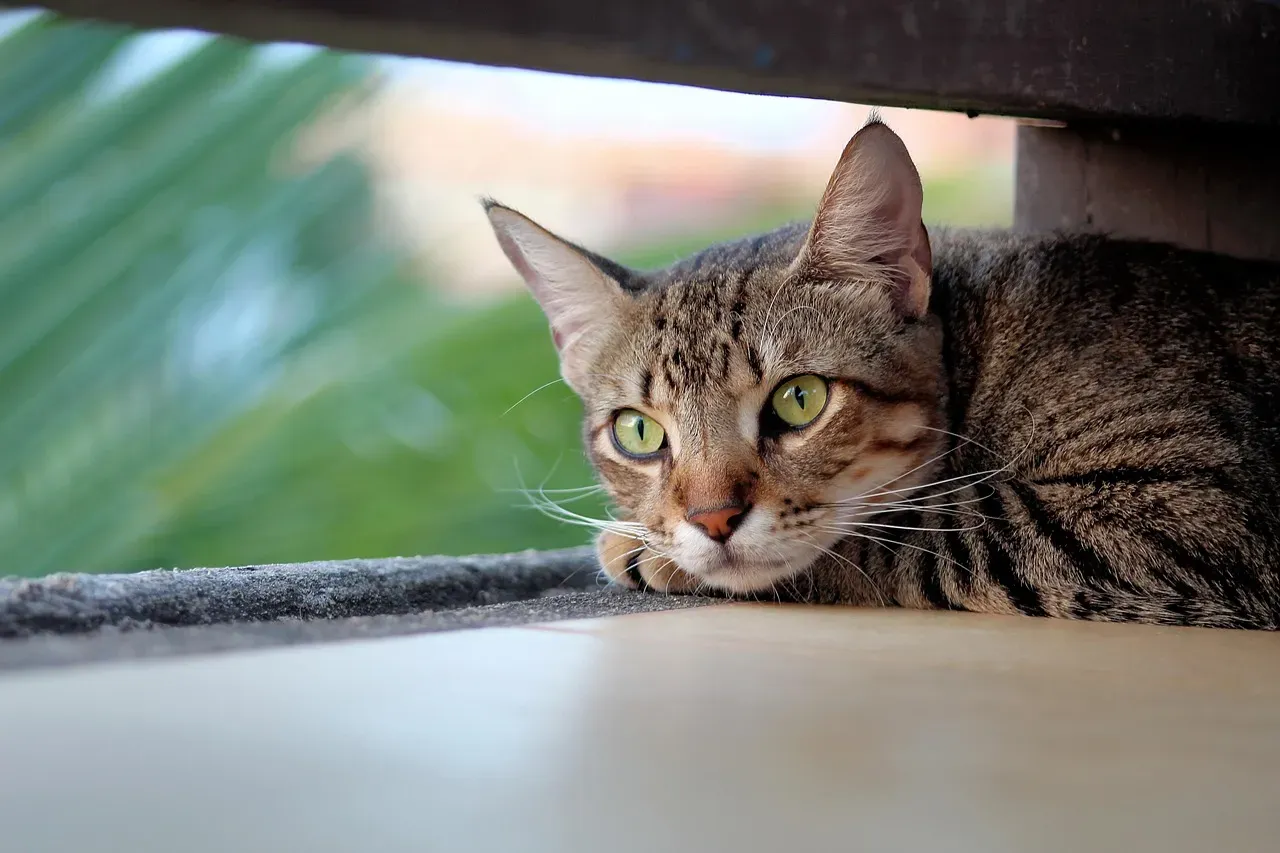
Your cat’s protective behaviors might not be as obvious as a dog’s, but they’re no less meaningful. From strategic positioning to environmental monitoring, your feline friend is quietly watching over you in ways that reflect the deep bond you share. It’s instinctual for a cat to defend their territory, and by extension, that territory very much includes you.
Next time you catch your cat staring intently at nothing, or following you to the bathroom for the hundredth time, remember that they might just be doing their job as your silent guardian. Have you noticed any of these protective behaviors in your own cat? What do you think about it? Tell us in the comments.