You might think your cat spends most of their day napping on the couch or knocking things off your desk. Let’s be real though, there’s a lot more going on behind those mysterious eyes than you’d expect. While your feline companion might seem aloof or independent, they’re actually working overtime to protect their territory and yes, that includes you. Cats have this fascinating dual nature where they’re both fierce little guardians and surprisingly dependent creatures who need you just as much as you need them.
So what exactly is your cat doing when they stare out the window for hours, follow you from room to room, or suddenly perk up at sounds you can’t even hear? The truth might surprise you. Your whiskered roommate is constantly monitoring your shared space, scanning for threats, and keeping tabs on everything that happens in their domain. Ready to discover the secret security measures your cat employs every single day?
They Monitor Your Home Like a Security System
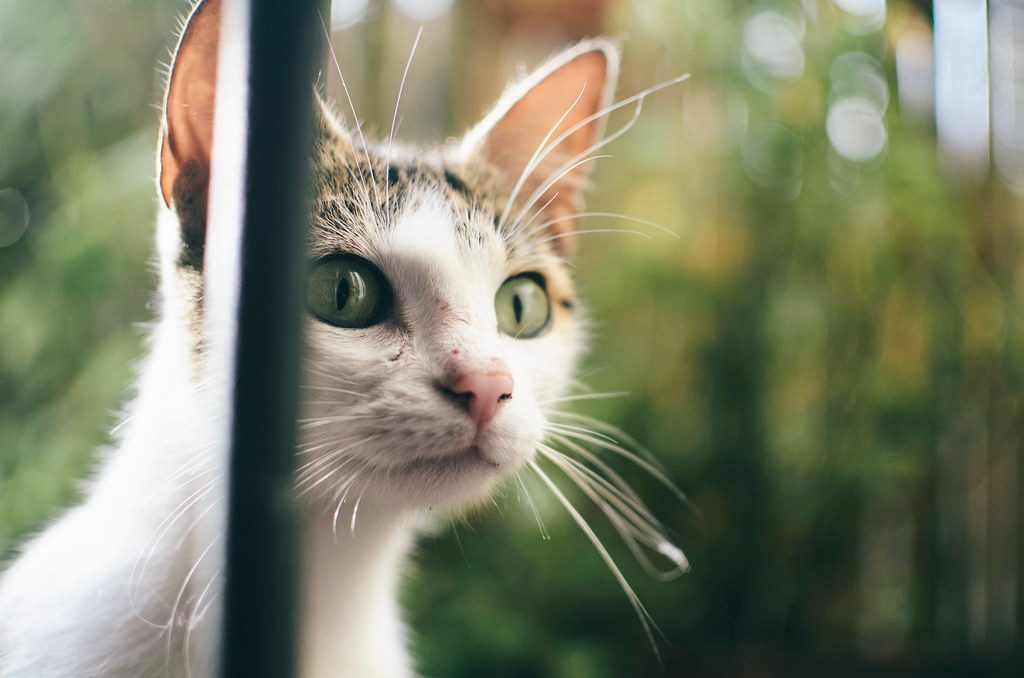
Cats display protective behaviors through strategic positioning, alertness to unusual sounds or movements, and staying close to their owners. Think about how often you find your cat perched in a high spot, staring intently at absolutely nothing. Here’s the thing: they’re not staring at nothing. A cat’s senses are more finely tuned than ours, allowing them to hear, smell, or see things we can’t.
Your cat is basically acting as a living alarm system. They can detect subtle changes in their environment that completely escape human notice. Sometimes cats alert their owners with a grunt when someone pulls into the driveway, and they usually come to their owners if someone or something approaches the house. It’s like having a tiny, furry security guard who never clocks out.
Your Cat Patrols Their Territory Constantly
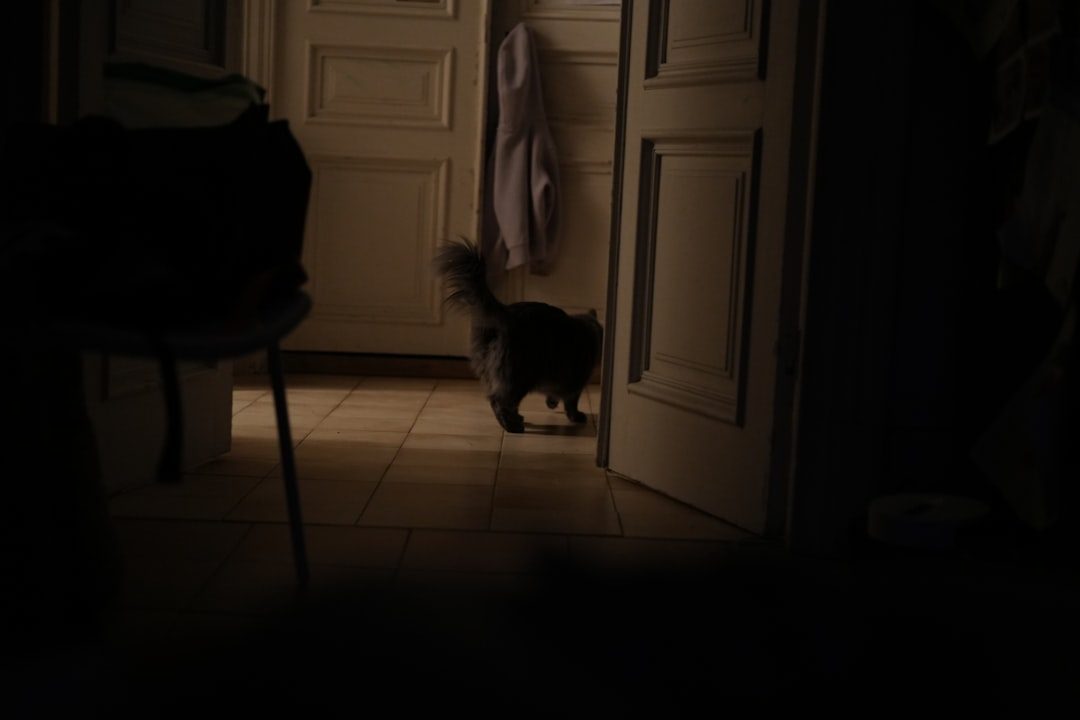
Ever notice your cat making rounds through the house at specific times? That’s not random wandering. Cats are territorial by nature, and as they stake a claim on their surroundings, they exhibit behaviors to ensure their territory remains uncompromised. Your home is their kingdom, and they take that responsibility seriously.
Cats are curious and territorial, so they like to patrol their environment and observe movements. Many cats share this instinct. When your cat walks through each room, they’re mentally cataloging everything, checking that nothing is out of place. These cats monitor their homes to make sure nothing is out of place.
They’re checking for intruders, unfamiliar scents, or anything that might threaten their safe space. Honestly, it’s kind of touching when you realize they consider keeping you safe part of that job.
They Position Themselves Between You and Perceived Threats
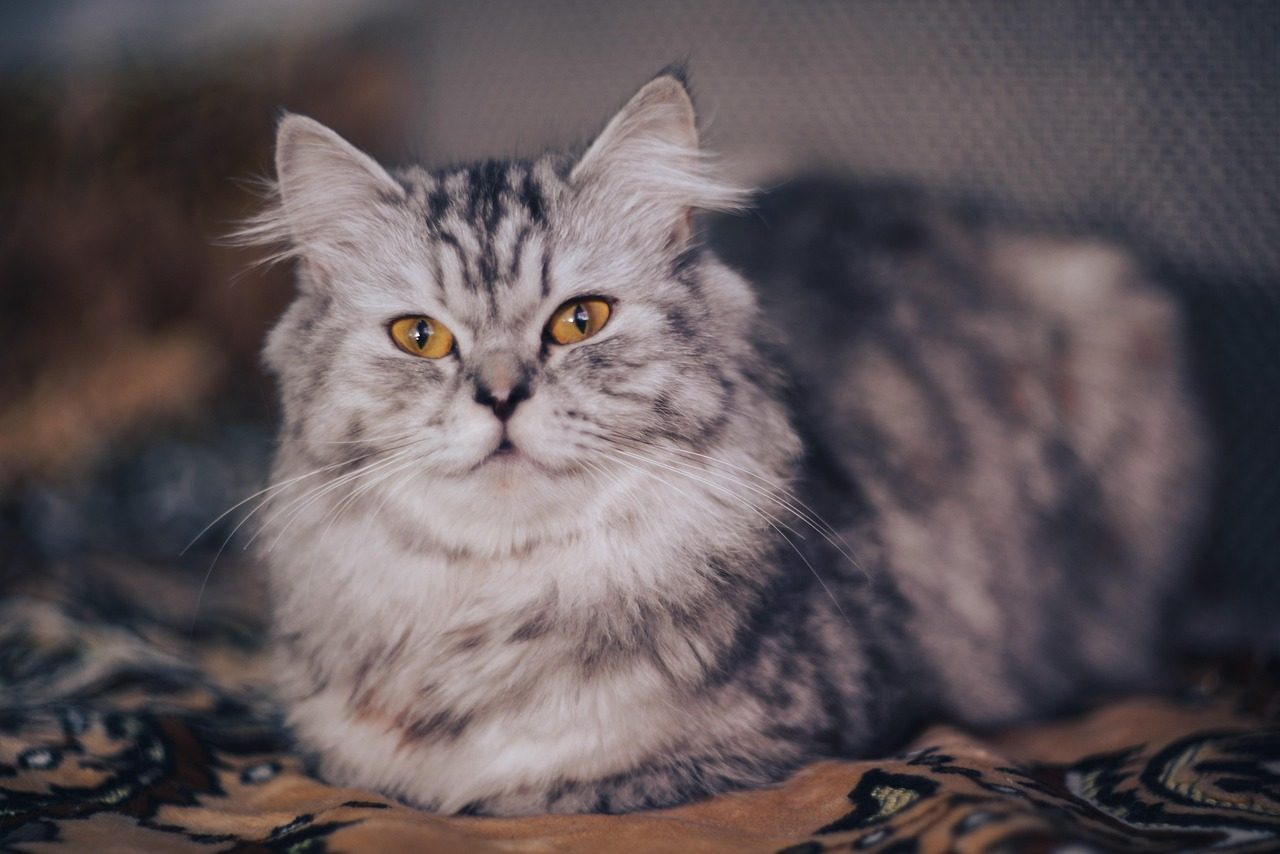
You might notice your cat placing themselves between you and visitors or unknown objects, following you from room to room through shadowing behavior. This isn’t your cat being clingy or needy. This is strategic protection at work.
If your cat suddenly turns into a “Velcro cat,” refusing to leave your side and following you wherever you go, it could be a sign of protection, as cats are good at recognizing human emotions and responding to them. When your cat senses you’re anxious or when something feels off in the environment, they stick closer to monitor the situation.
Cats try to protect their pet parents from people they consider to be dangerous. Your cat might not be able to take down a burglar like a German Shepherd would, but their presence and vigilance shouldn’t be underestimated.
They Alert You to Danger You Can’t Detect
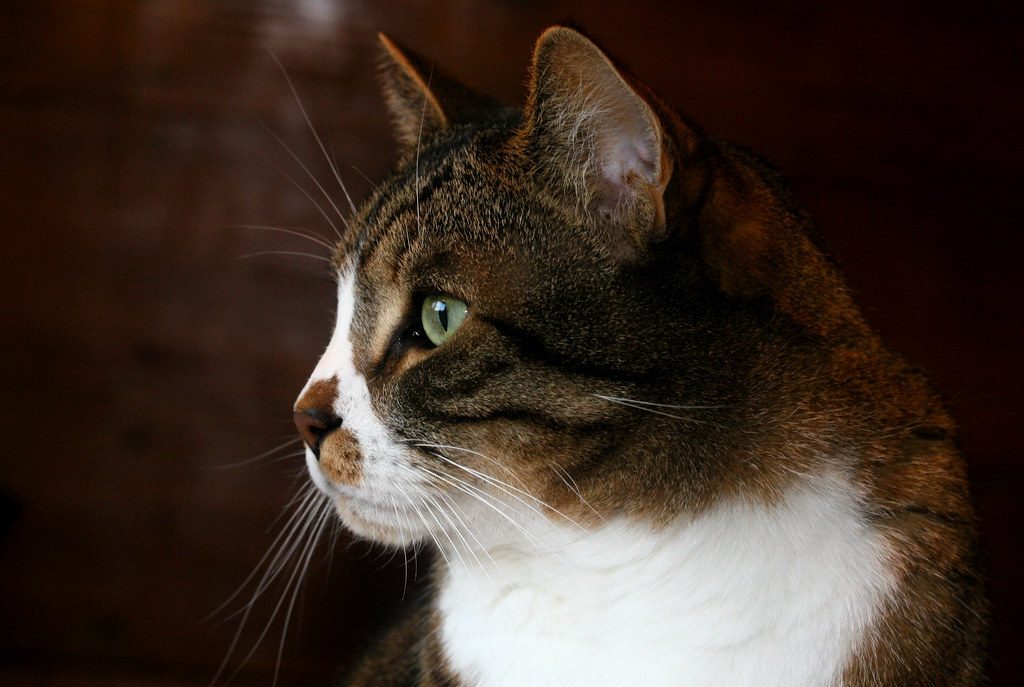
There are documented cases of cats literally saving their owners’ lives. Cats can warn their owners of dangers while sleeping, as their acute senses allow them to detect environmental threats, intruders, or emergencies before humans notice them, and many documented cases show cats alerting their owners to fires, medical emergencies, and other dangerous situations.
Some cats have woken their owners during house fires or carbon monoxide leaks. Others have alerted family members to medical emergencies happening in different rooms. Cats typically try to avoid conflict, but they can deploy their teeth and claws to protect themselves or you if needed.
Your cat’s superior hearing and sense of smell make them excellent early warning systems. They might react to smoke, gas leaks, or unusual sounds long before you’re aware there’s a problem. It’s hard to say for sure if they understand the full danger, but their instinct to alert you can be lifesaving.
They Guard Resources and Entry Points
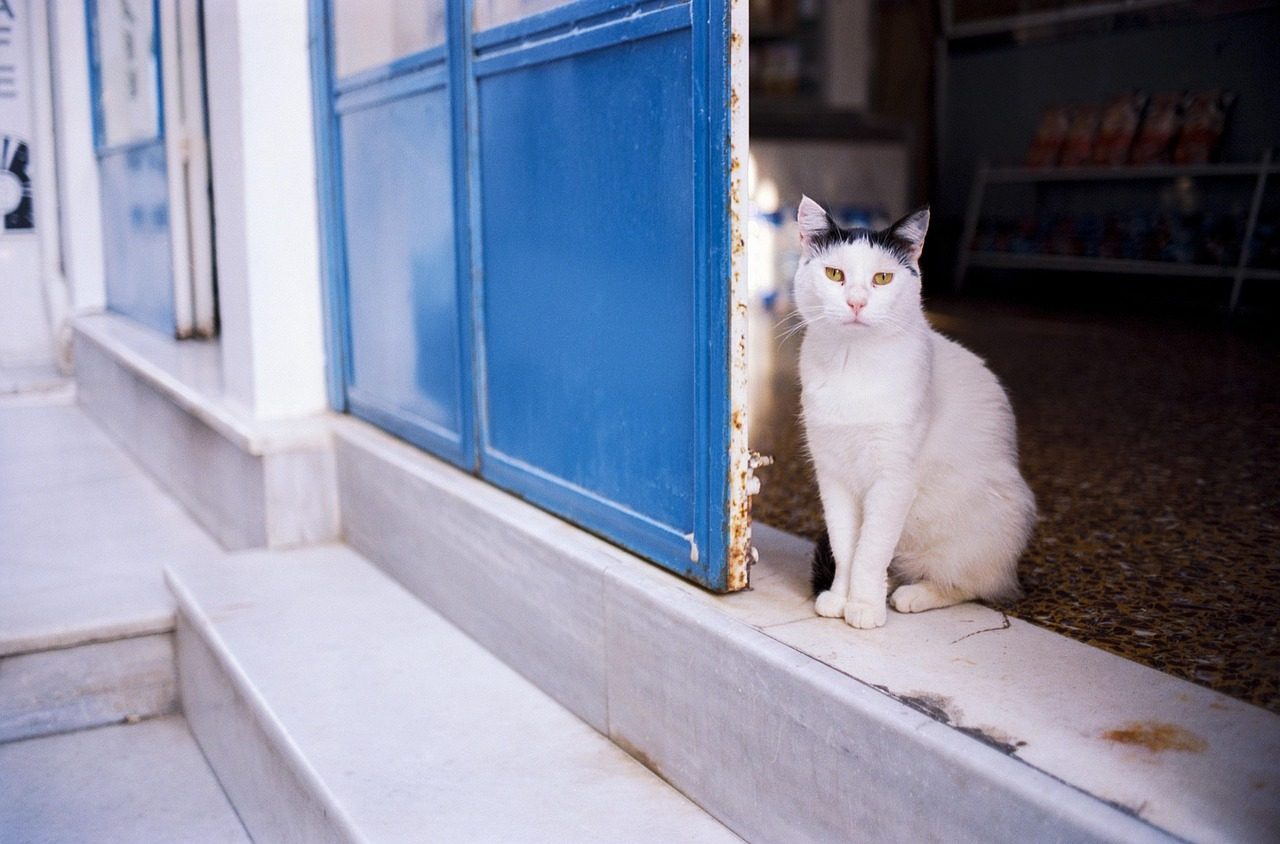
The most obvious cat territorial behavior is guarding, where one cat may spend a lot of time around a particular location or resource. Have you ever seen your cat lounging in a doorway or hallway? They might be guarding access to important areas of your home.
It’s instinctual for a cat to defend their territory and yours. Your cat sees your shared living space as something worth protecting. They’ll keep watch over doors, windows, and other potential entry points that could allow threats inside.
Cats can protect their home in the same way they might protect humans, typically sounding an audible alarm for their humans, but it can lead to cats being aggressive towards people visiting the house and potentially even intruders. While you might not want your cat attacking your dinner guests, that protective instinct comes from a good place.
They Use Their Hunting Instincts to Eliminate Household Pests
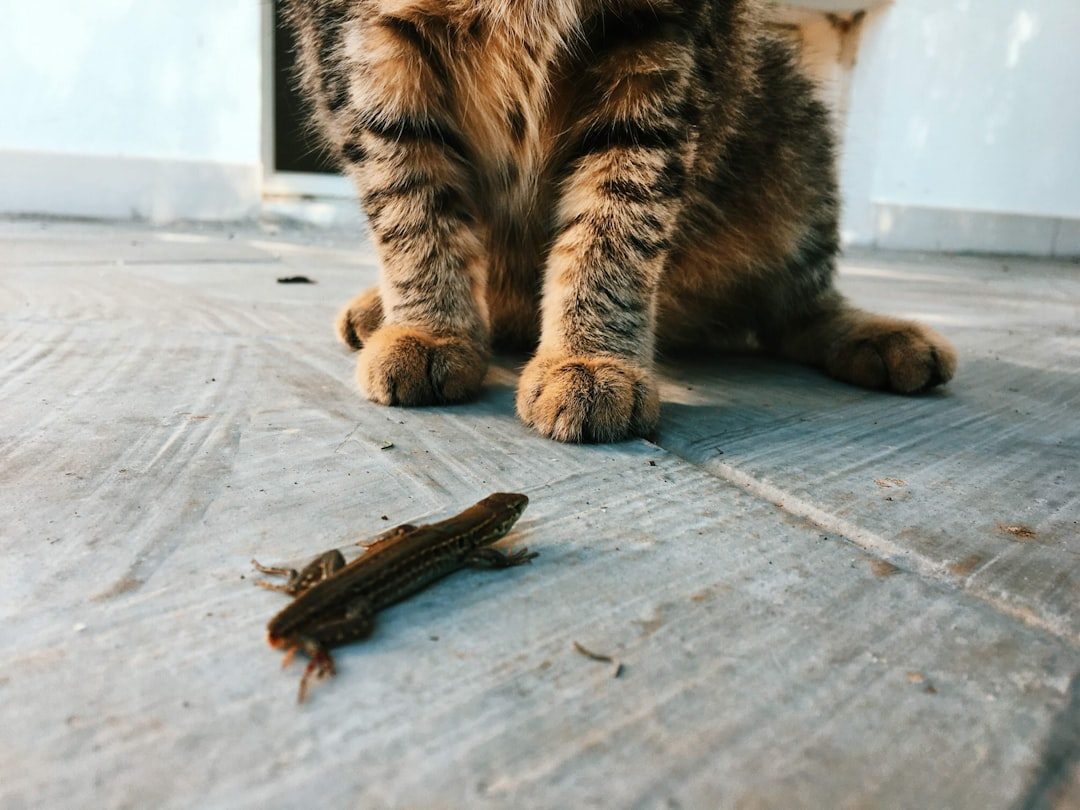
Cats protect their owners from pests, and a flying insect’s life expectancy plummets when it enters the home because of the cat prowling around. This might seem trivial, but it’s actually a significant form of household protection.
Flies and other insects carry diseases, and when fewer pests inhabit your home, you’re less likely to have an infestation or get sick. Your cat’s predatory instincts drive them to hunt anything that moves, which keeps your home cleaner and safer.
From spiders to mice to moths, your cat is constantly on pest patrol. They’re fulfilling the same role cats have played for thousands of years: keeping human living spaces free of unwanted critters. That’s pretty impressive for an animal that also spends half the day asleep.
They Bond With You as a Source of Mutual Security
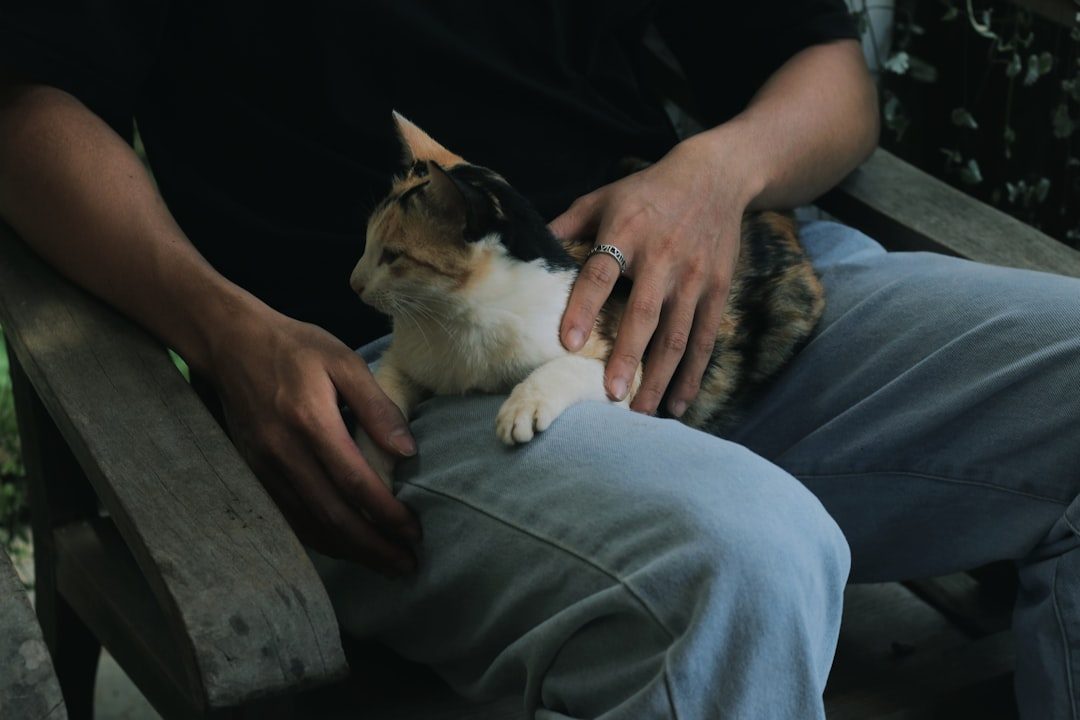
Cats can be just as protective of their people as dogs are of theirs, and cats love their family and their family loves them right back. This relationship goes both ways. Your cat protects you, and they also see you as their protector.
Cats can develop very strong bonds with their owners, and as well as being reliant on their humans for food, water, and shelter, they also rely on people for social bonds and security. The connection you share with your cat is built on mutual trust and protection.
Cats sleep near their owners for multiple reasons, including protection, warmth, comfort, and emotional security, demonstrating trust and a desire to monitor their environment while staying close to their bonded human companion. When your cat curls up next to you at night, they’re both guarding you and seeking the security your presence provides.
They Need You for Emotional Safety and Security
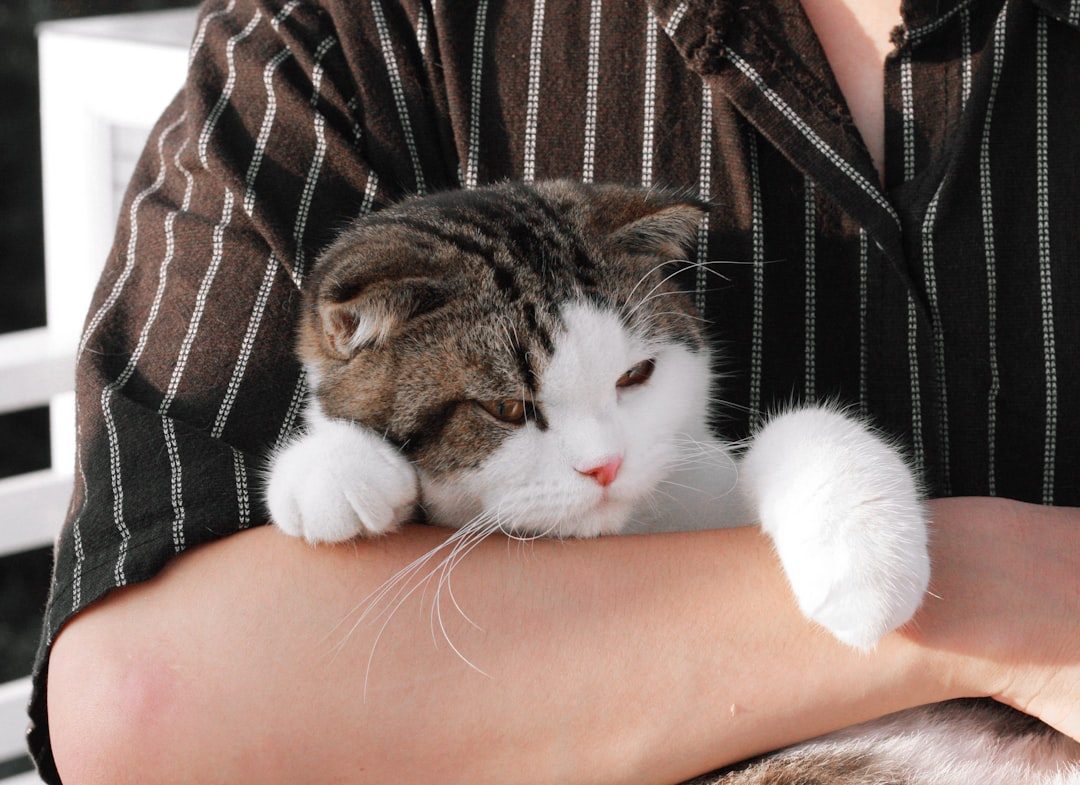
Despite their independent reputation, cats genuinely need their humans. The majority of cats are looking to their owners to be a source of safety and security. Your cat might act like they don’t care whether you’re home or not, but research shows otherwise.
Cats form attachments to their owners that are similar to those that dogs and even babies form with their caregivers. That independent facade is just that: a facade. Your presence provides emotional stability for your cat.
When owners are in a stressful situation, how they’re behaving can actually have a direct impact on their cats’ behavior. Your cat reads your emotions and responds to them. They depend on you to model calm, safe behavior so they can feel secure in their environment.
They Rely on You for All Their Physical Needs
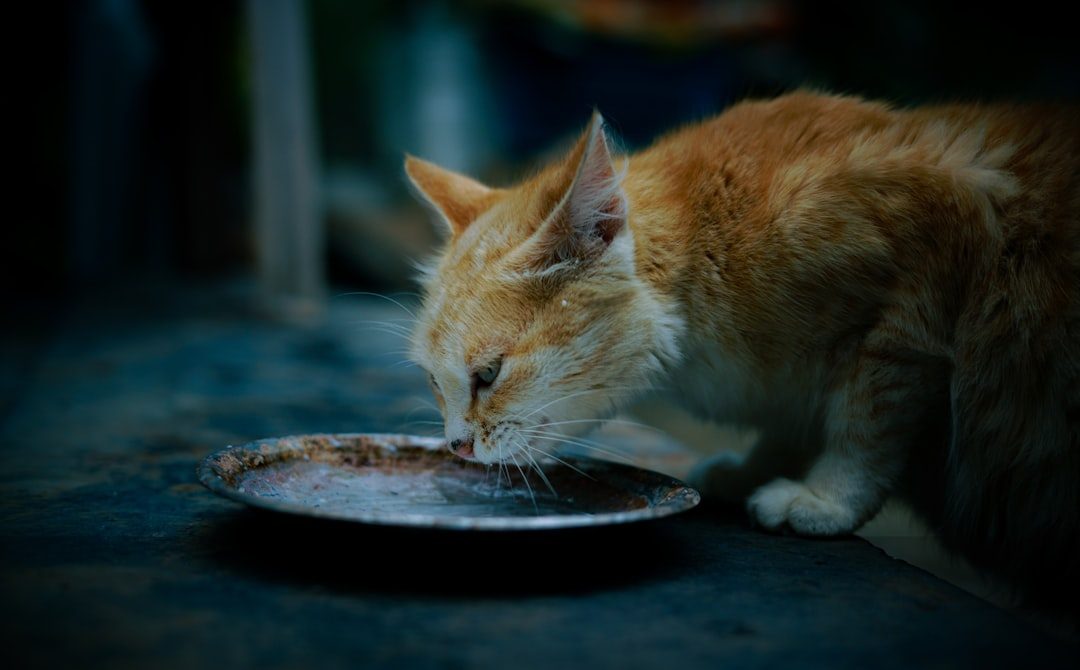
This one seems obvious, but it’s worth stating. Behavioral problems often occur in cats because their needs have not been fully met, as cats need resources to perform their natural behaviors and have control over their social interactions. Your cat depends entirely on you for food, water, shelter, and medical care.
Unlike their wild ancestors or outdoor cats who might hunt for food, your indoor cat needs you to provide everything. They can’t open the food bag themselves, no matter how much they try to convince you otherwise at four in the morning. They can’t take themselves to the vet when they’re sick.
The majority of cats do use their owners as a source of security and rely on them for comfort. You’re not just a food dispenser to your cat. You’re their entire support system, and that’s a role they couldn’t survive without.
They Need Your Help Creating a Safe Environment
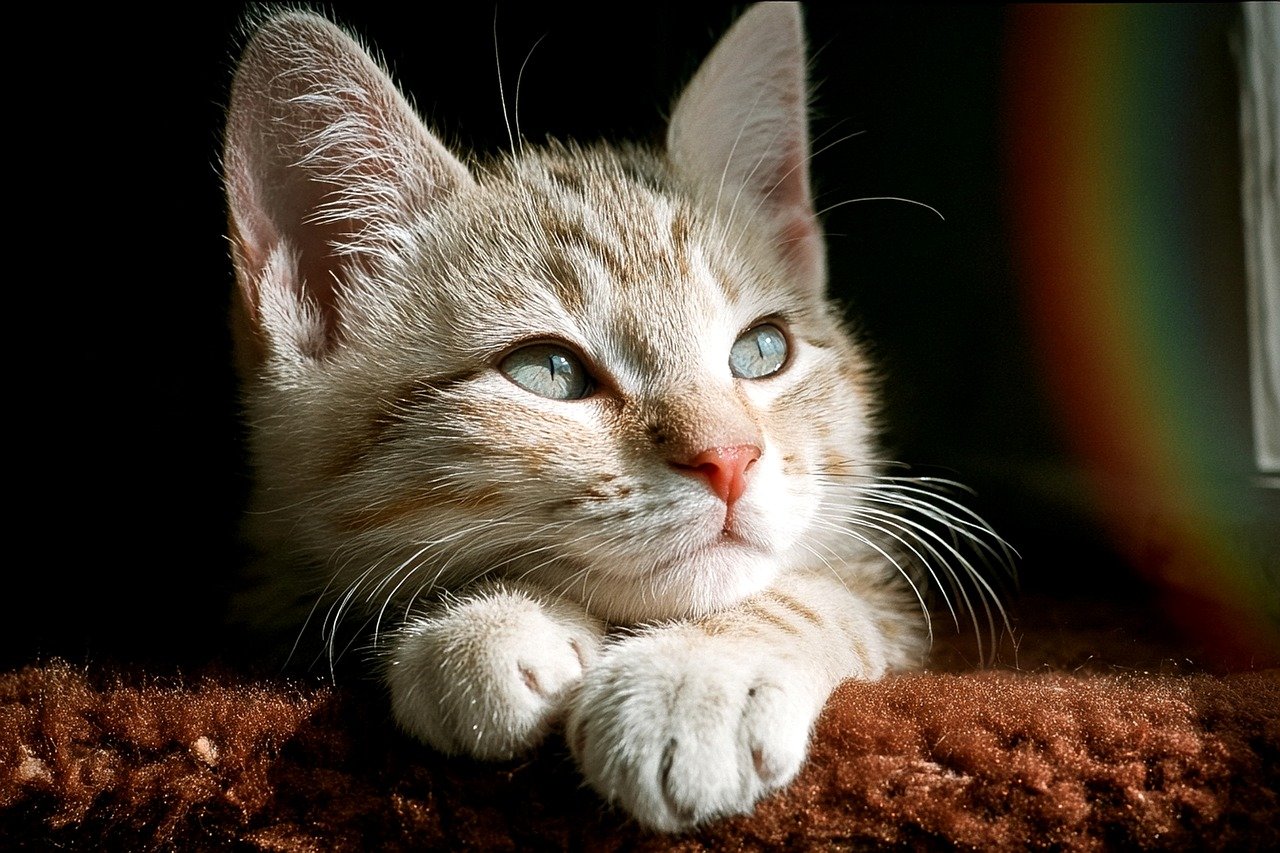
As owners, we can enhance our cats’ health and wellbeing by ensuring all their needs are met in the home environment. Your cat needs you to structure their living space in ways that make them feel secure and comfortable. They can’t rearrange furniture or buy themselves a cat tree.
Creating vertical spaces, providing hiding spots, and ensuring adequate resources are all things cats depend on humans to do. Providing cat trees, comfy beds, and other comfy places for your cat can give them the space they need to interact with you on their own terms.
Negative marking behaviors are often a sign that cats do not feel safe, so cats need an enriched environment which allows them to define and engage in the activities associated with all types of territories. When you provide scratching posts, toys, and comfortable resting places, you’re meeting essential psychological needs that your cat cannot fulfill alone.
Conclusion: A Partnership Built on Mutual Protection
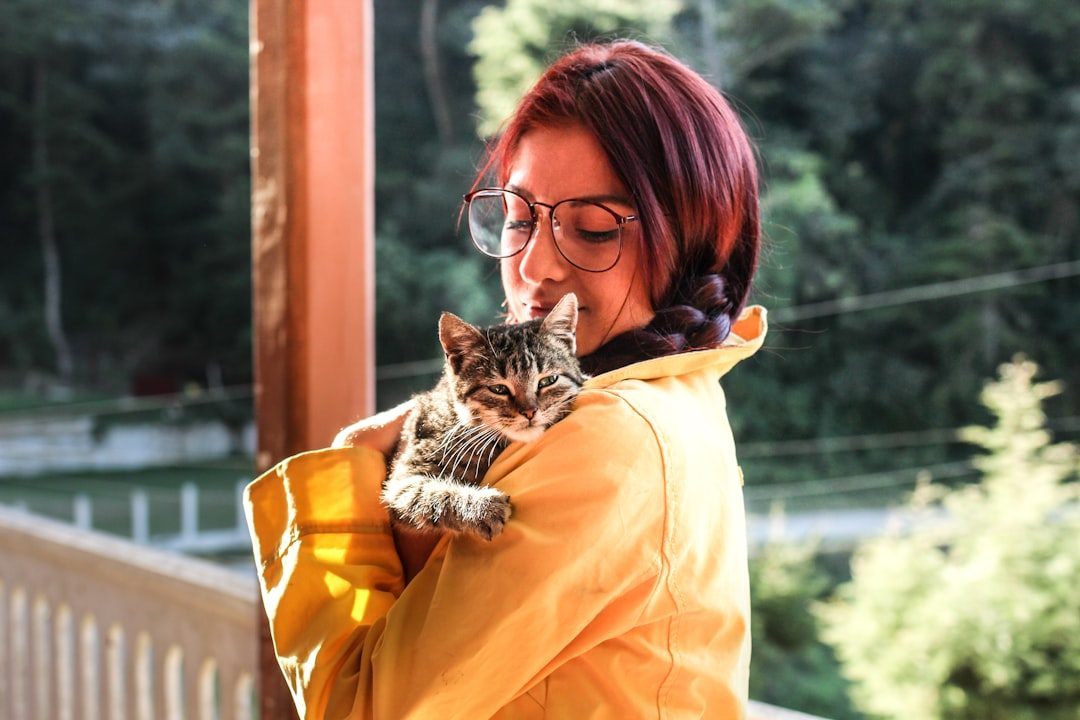
The relationship between you and your cat is far more complex than it appears on the surface. While they’re busy monitoring your home, alerting you to dangers, and keeping pests at bay, they’re simultaneously depending on you for safety, security, and all their basic needs. It’s a beautiful partnership when you think about it.
Your cat isn’t just tolerating your presence or using you for food. They’re an active participant in your household’s security, working with their natural instincts to keep their territory safe. Meanwhile, they trust you completely to provide the stable, secure environment they need to thrive.
Next time your cat follows you to the bathroom or stares intensely at the front door, remember they’re probably on guard duty. What do you think about your cat’s protective instincts now? Have you noticed any of these behaviors in your own feline friend?