You probably think your cat spends the day doing nothing but sleeping in warm patches of sunlight and judging your life choices from across the room. But behind that lazy stretch and half-closed stare, your cat is quietly running security checks on your home like a tiny, furry bodyguard. While you go about your day, your cat is listening, sniffing, and watching in ways you rarely notice.
Once you start paying attention, you’ll realize your cat is not just a pet but an early-warning system, a motion detector, and a psychological deterrent rolled into one. You may not have trained them for any of this, but their instincts have been honed over thousands of years. Your cat does not need a uniform or a badge to be on duty; to them, your home is their territory, and they’re not about to let anything or anyone slip by unnoticed.
1. Your Cat Is a Hyper-Sensitive Motion Detector

When you see your cat suddenly lift their head from a nap and stare down the hallway, they’re not being dramatic for no reason. You’re wired to tune out familiar background movements, but your cat is the opposite: any tiny shift in the environment gets logged, analyzed, and filed as safe or suspicious. They can pick up on footsteps outside the door, a small draft under a window, or the faint vibration of someone walking up the stairs long before you ever notice.
This means your cat often reacts to movement you don’t even realize is happening, especially at night. If someone were to approach your door or move around near your windows, your cat would likely be the first one to know and the first one to respond. That sudden dash to the window, the tense body posture, the tail low but flicking – all of that is your version of a silent alarm system being triggered and assessed in real time.
2. Your Cat Monitors Sounds You Cannot Hear
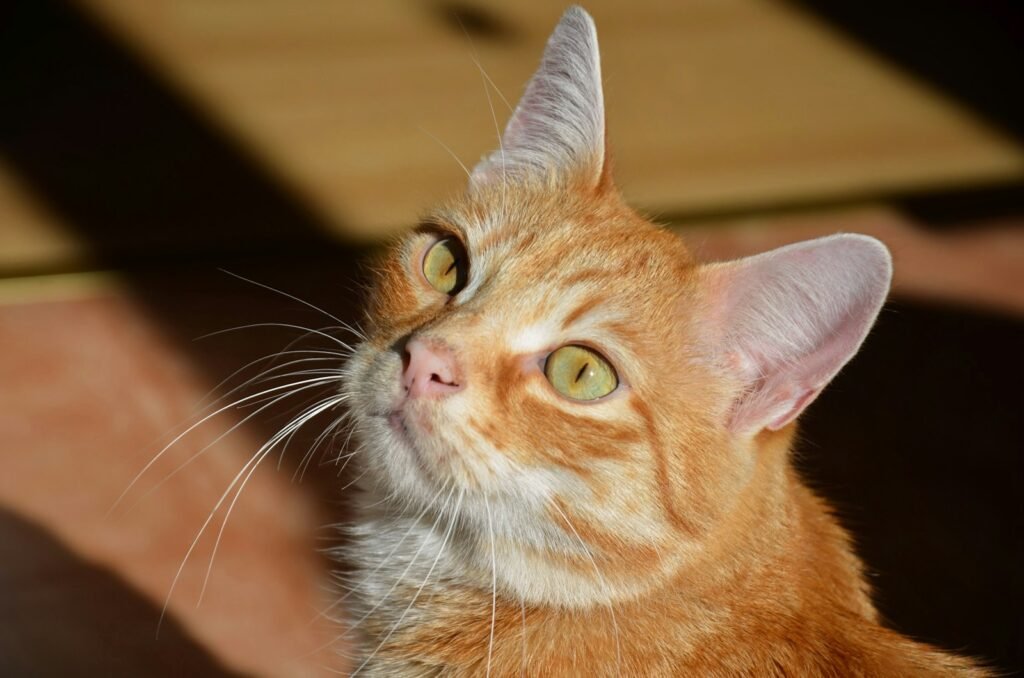
You might think your home is quiet, but to your cat, it is full of sound you will never register. A cat’s hearing range easily reaches into higher pitches your ears cannot even detect, which means your cat can hear the tiny scrape of a key outside, the faint click of a car door, or distant voices in the hallway before they ever get close to your own threshold of awareness. While you’re focused on your phone or the TV, your cat is tracking the audio landscape of your home like a living radar dish.
Pay attention the next time your cat’s ears swivel toward the door before there’s a knock or a bell. That little head tilt and stillness are not random; your cat is gathering information and deciding whether the sound signals friend, stranger, or something neutral. If someone tried to move quietly around your home from the outside, your cat’s ears would still pick them up. In a way, you’ve got a built-in noise detector that never needs to be charged or plugged in.
3. Your Cat Patrols Territory Like a Silent Security Guard
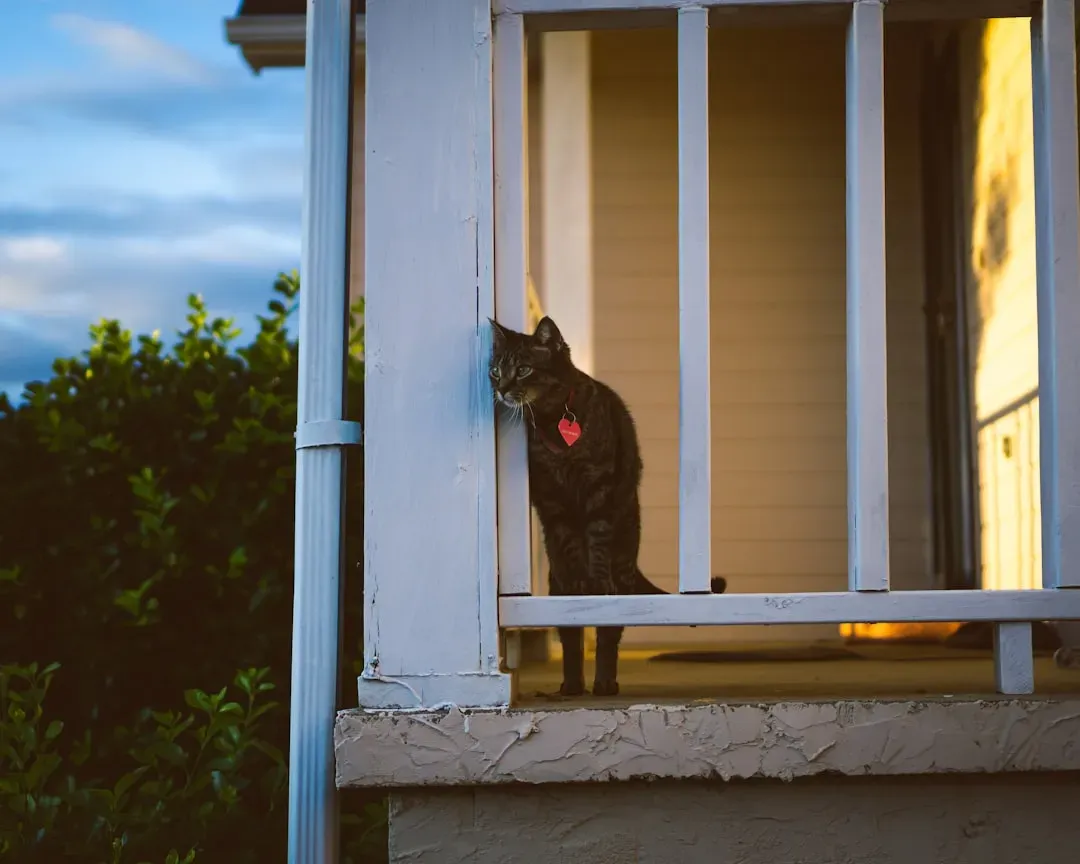
Even if it looks casual, that slow circuit your cat makes through the rooms is not just about finding the comfiest spot. In your cat’s mind, your home is divided into zones that must be checked regularly for changes: doors, windows, hallways, under beds, behind furniture. When your cat walks their usual paths, rubs corners, and pauses to sniff certain areas, they’re doing a territorial sweep, confirming that everything still smells and feels like theirs.
Territory to a cat is serious business, and guarding it is not optional. If something is out of place – a window left open, a bag near the entrance, a strange scent carried in from outside – your cat will often be the first to investigate. That may look like cautious sniffing, wide pupils, a low crouch, or even a sudden bout of zoomies if they’re amped up. It’s their way of pushing back against anything that doesn’t belong and reasserting that your shared space is claimed and monitored.
4. Your Cat Uses Scent Marking as a Security System
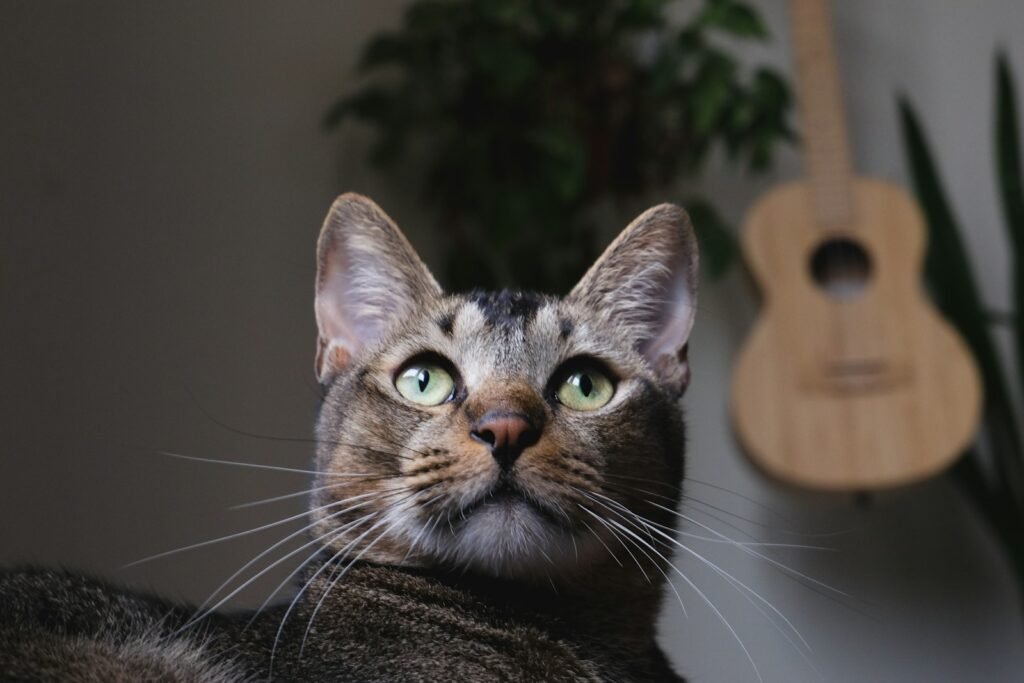
When your cat rubs their face against your legs, your furniture, or the corners of doors, they’re not just being sweet or weirdly obsessed with edges. They’re leaving behind scent markers from glands on their cheeks and body that tell other animals this space is spoken for. You may not smell any difference at all, but to another cat or potential intruder animal, it’s like walking into a building filled with signs saying this area is taken and defended.
That low-key scent network your cat maintains does more than mark territory; it also helps them detect if anything new has entered the environment. A bag set down by a stranger, a jacket that’s been somewhere unfamiliar, or the lingering scent of another animal on someone’s shoes can all trigger a thorough inspection. In this way, your cat turns your home into a layered security grid you can’t see but they constantly update, just by doing what looks like casual rubbing and nuzzling.
5. Your Cat Acts as a Visible Deterrent to Intruders
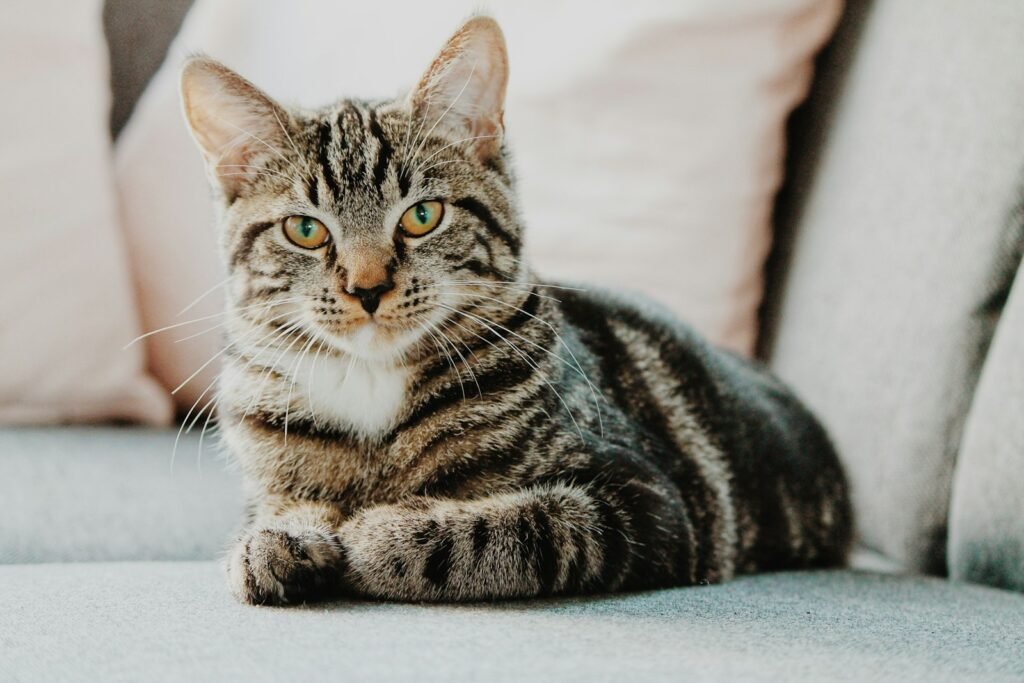
Most people think of dogs as the classic home deterrent, but a cat can send a clear message of occupancy too. If someone with bad intentions glances in a window and sees a cat suddenly appear on the sill, staring directly at them, it’s a signal that the place is lived in and watched. Even a small sign of life can make a would-be intruder think twice, because unpredictability is risky, and your cat adds exactly that element of uncertainty.
You might underestimate how much this matters, especially in apartments or houses where blinds or curtains are partly open. Your cat loves to sit where they can see outside, and in doing so they also let anyone outside know they’ve been seen. It’s a tiny psychological game: your cat is calmly observing, and the person outside suddenly has to wonder who else might be home, awake, or paying attention. That quiet presence at the window can be more powerful than you realize.
6. Your Cat Alerts You to Subtle Changes in People
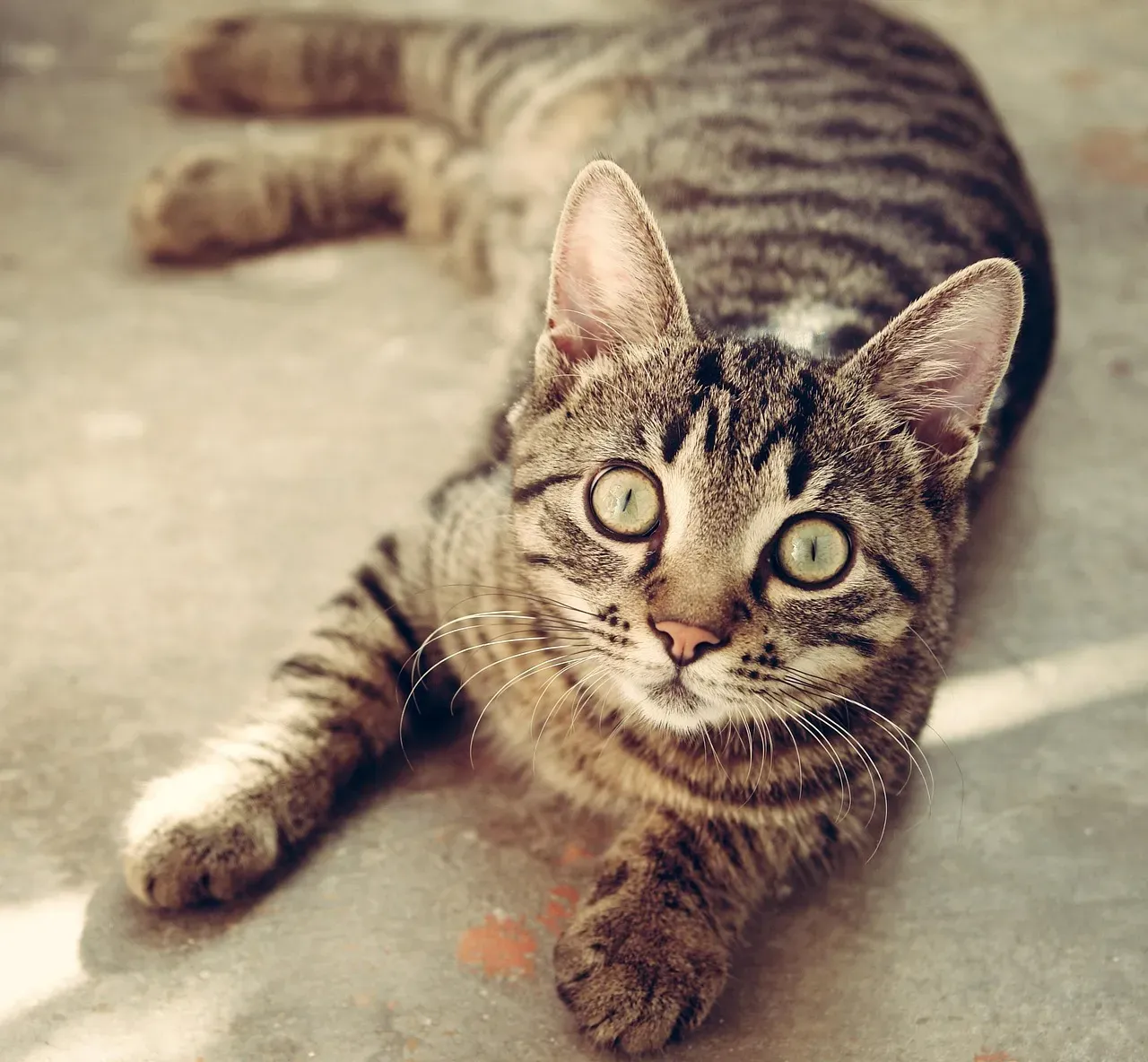
Your cat does not judge people based on their job, their clothes, or how polite they sound. Instead, they react to body language, energy, scent, and the tiny details you might ignore because you are socially trained to be polite. If your normally relaxed cat suddenly becomes tense, hides, or stares intensely at someone new in your home, that reaction is worth noticing. Your cat might be picking up on anxiety, aggression, or simply unfamiliar patterns that feel unsafe.
On the flip side, when your cat stays calm, blinks slowly, and wanders around freely while someone visits, that can give you extra peace of mind. Over time, you learn your cat’s social radar: who they warm up to, who they keep their distance from, and when they act slightly off for no clear reason. You do not have to treat your cat as an infallible judge of character, but using their reactions as one more data point can quietly improve your sense of security when interacting with strangers at your door or in your home.
7. Your Cat Stays “On Duty” Even While Apparently Asleep
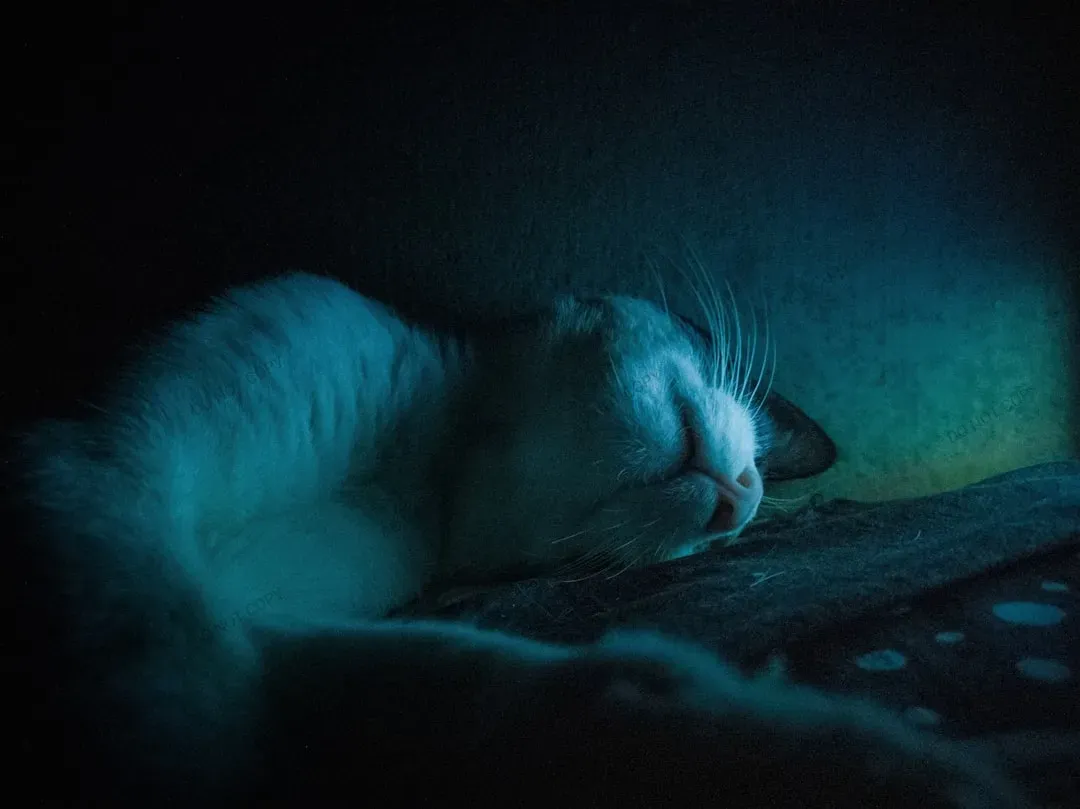
Those hours your cat spends napping might look like complete shutdown, but most of the time, they are resting in a light, ready-to-react sleep. You’ve probably seen it: one eye half open, ears still twitching toward sounds, body relaxed but not limp. If there is an unusual noise, a vibration, or a movement, your cat can flip from dreaming to fully alert in a split second. That means you basically have a security guard who works extended shifts but still stays ready to move when something feels off.
When you’re asleep at night, this becomes especially useful. Your cat often roams the house, jumps up onto furniture for vantage points, and checks windows or doors while the rest of the home is dark and quiet. If something unusual happens, they may knock something over, cry out, scratch at the door, or even jump onto your bed in a burst of energy. It might feel annoying in the moment, but often that behavior is driven by the sense that something in the environment changed, and they want you to know about it.
Conclusion: Seeing Your Cat as the Guardian They Already Are
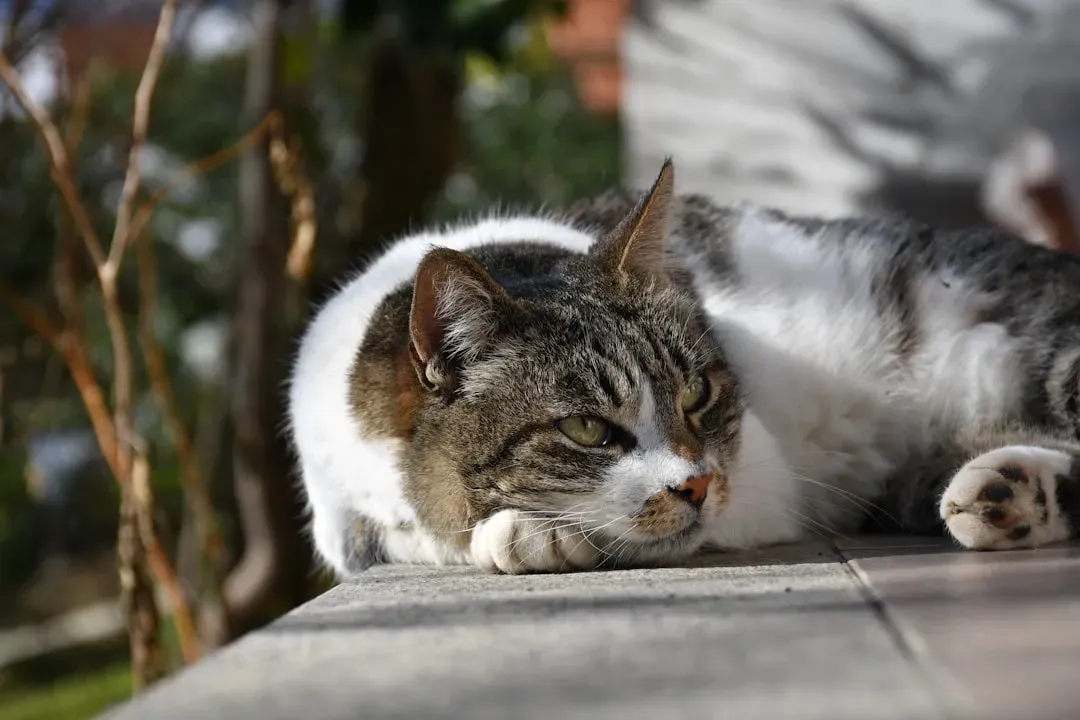
When you start to look past the naps, the goofy zoomies, and the stubborn refusal to come when called, you can see your cat’s behavior in a new light. You’re not just living with a fluffy roommate who knocks things off tables for fun; you’re sharing space with a territorial, highly tuned predator who constantly scans the environment. Every patrol through the hallway, every stare out the window, every pricked ear and sudden dash carries a quiet security function you might have overlooked.
Instead of thinking your cat does nothing all day, you can recognize how much silent work they put into watching, listening, and claiming your home as their own. You provide the walls, locks, and keys, but your cat adds instincts, senses, and subtle deterrence that no camera or alarm can fully replace. The next time your cat pauses mid-nap and seems to listen to something you cannot hear, you’ll know there is more going on than laziness or boredom. You and your cat are a security team, even if only one of you is getting paid in treats.