Ever wonder what your feline friend does when the lights go out and you drift off to sleep? While you’re counting sheep, your cat is actually on duty, performing a series of surprisingly sophisticated security measures. Most of us think of dogs as the protectors of the household, but cats have their own methods of keeping watch.
It’s actually true that cats may be protecting us when we are the most vulnerable. Though they may seem like they’re simply lounging around or chasing invisible things at 3 AM, there’s more going on than meets the eye. Your cat’s nighttime behavior is rooted in thousands of years of evolution, and those instincts don’t just disappear because they live in a cozy home. Let’s dive into the fascinating ways your whiskered companion transforms into a tiny guardian when darkness falls.
1. Their Crepuscular Nature Puts Them on High Alert

Here’s the thing: cats aren’t actually nocturnal like most people think. Despite popular belief, domestic cats are not nocturnal. They are crepuscular, meaning they’re most active at twilight (dawn and dusk). This means your cat is naturally wired to be on high alert during those twilight hours when you’re settling down for the night or just waking up in the morning.
Cats do experience both non-REM and REM sleep, but for cats, ‘asleep’ is not ‘off the clock.’ Cats are always on the alert, even when they’re dozing. If a strange noise wakes them up, they’re almost instantly aware and fully operational. This evolutionary trait served their wild ancestors well, allowing them to hunt when prey was most active while avoiding larger predators. That same instinct now means your cat is primed to detect any unusual activity in your home during the hours you’re most vulnerable.
2. They Patrol Their Territory Like Tiny Security Guards
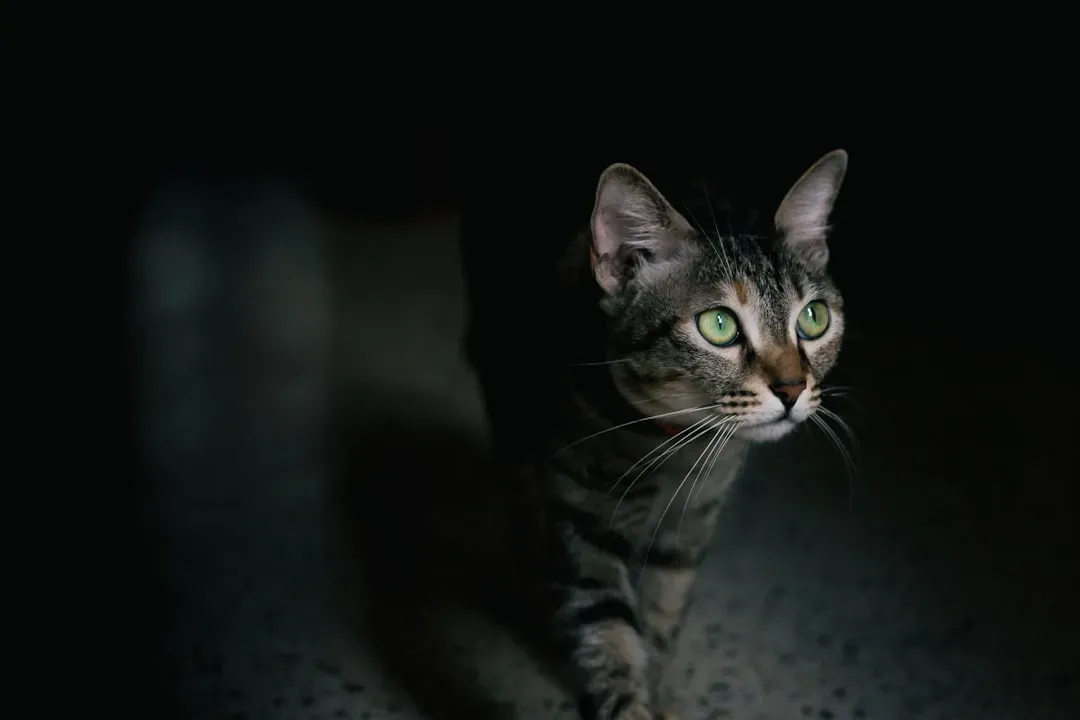
Cats are territorial by nature. As they stake a claim on their surroundings (and you), they exhibit behaviors to ensure their territory remains uncompromised. They often stay alert, especially at night, to ward off potential intruders. Your home isn’t just your space – it’s your cat’s domain, and they take that responsibility seriously.
Cats are territorial animals, and an indoor cat at night-time may be triggered to feel the need to patrol its territory – ‘ your home.’ It might be checking for any changes in its environment, ensuring everything is as it should be. If you’ve ever heard your cat wandering through the house at night, they’re not just being random. They’re performing their rounds, checking doors, windows, and various rooms to ensure everything is secure and unchanged since their last patrol.
3. Their Superior Hearing Detects Threats You’ll Never Notice
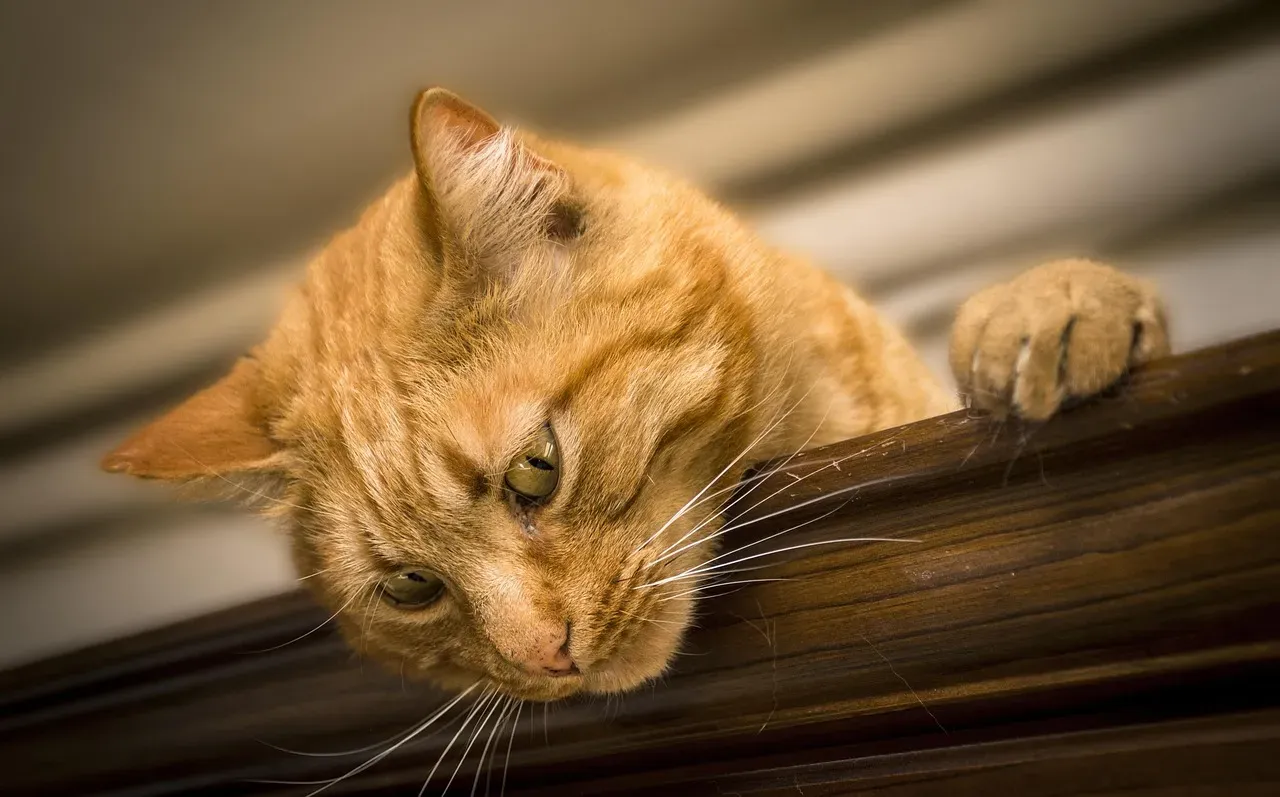
Let’s be real, your cat can hear things you have absolutely no chance of detecting. Cats detect sounds that humans cannot, and can move their ears like satellite dishes to pickup on sounds. Those adorable triangular ears aren’t just for show – they’re incredibly sophisticated detection devices.
While felines and humans have a comparable range of hearing when it comes to low frequency sounds, cats are much more talented at hearing high pitched sounds than humans. A cat can hear up to 64kHz, while humans are only able to hear up to about 20kHz. This means your cat can pick up on the scurrying of rodents in the walls, unusual sounds outside, or even someone approaching your door long before you’re aware of it. Sometimes, Olga alerts me with a grunt when someone pulls into the driveway. If she’s sleeping, she may not react until there’s a knock on the door, but she usually comes to me if someone or something approaches my house.
4. Night Vision That Would Make Special Forces Jealous

Your cat’s eyes are basically built-in night vision goggles. Cats have excellent vision, particularly in dim lighting. In fact, cats can see six times better in dim light than humans can. This gives them a massive advantage when it comes to spotting anything unusual in the darkness of your home.
Felines possess a reflective layer behind their eye’s retina called the tapetum lucidum which makes their night vision far superior to humans, as they are able to see seven times better than humans in the dark. Additionally, cats are naturally more energetic and active at night, which also adds to their ability to spot pests in your home while you sleep. That eerie glow you sometimes see when light catches your cat’s eyes at night? That’s the tapetum lucidum reflecting light back through the retina, giving them a second chance to process visual information. Honestly, it’s like having a tiny surveillance system with infrared capabilities prowling your hallways.
5. Their Sense of Smell Detects Intruders Before They Enter
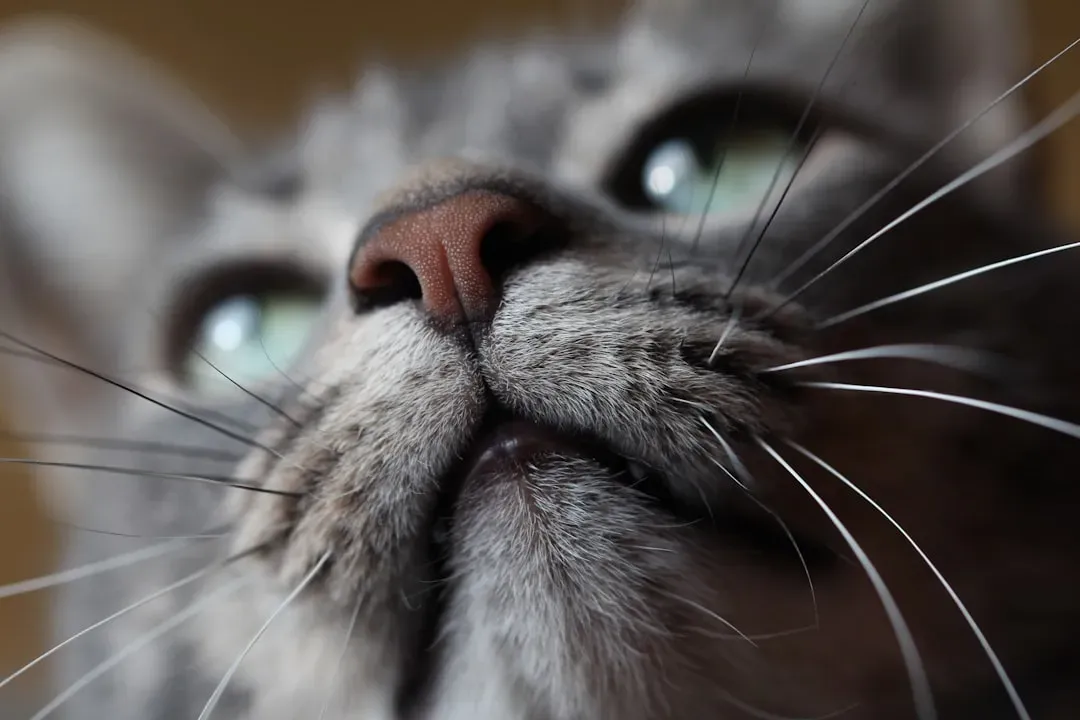
The smell comes as a cat’s second-best sense, which is inarguably better than that of people. Believe it or not, a kitty’s sense of scent is almost fourteen times stronger than a human’s because of the over 200 million smell receptors in their noses. This extraordinary olfactory ability means your cat can detect unfamiliar scents that might indicate danger.
Cats possess superior senses, namely smell, that help them to detect rats, mice and other rodents in your home. More importantly, they can sense unfamiliar human scents or the presence of other animals near your property. Cats use their excellent sense of smell to detect any approaching predators – and for sniffing out their prey! “Cats detect pheromones not only from other cats but also from other predators and prey,” says Patel. It’s hard to say for sure, but your cat might be picking up on someone lurking outside before you have any clue they’re there.
6. They Guard Strategic Points Like Bedroom Doors
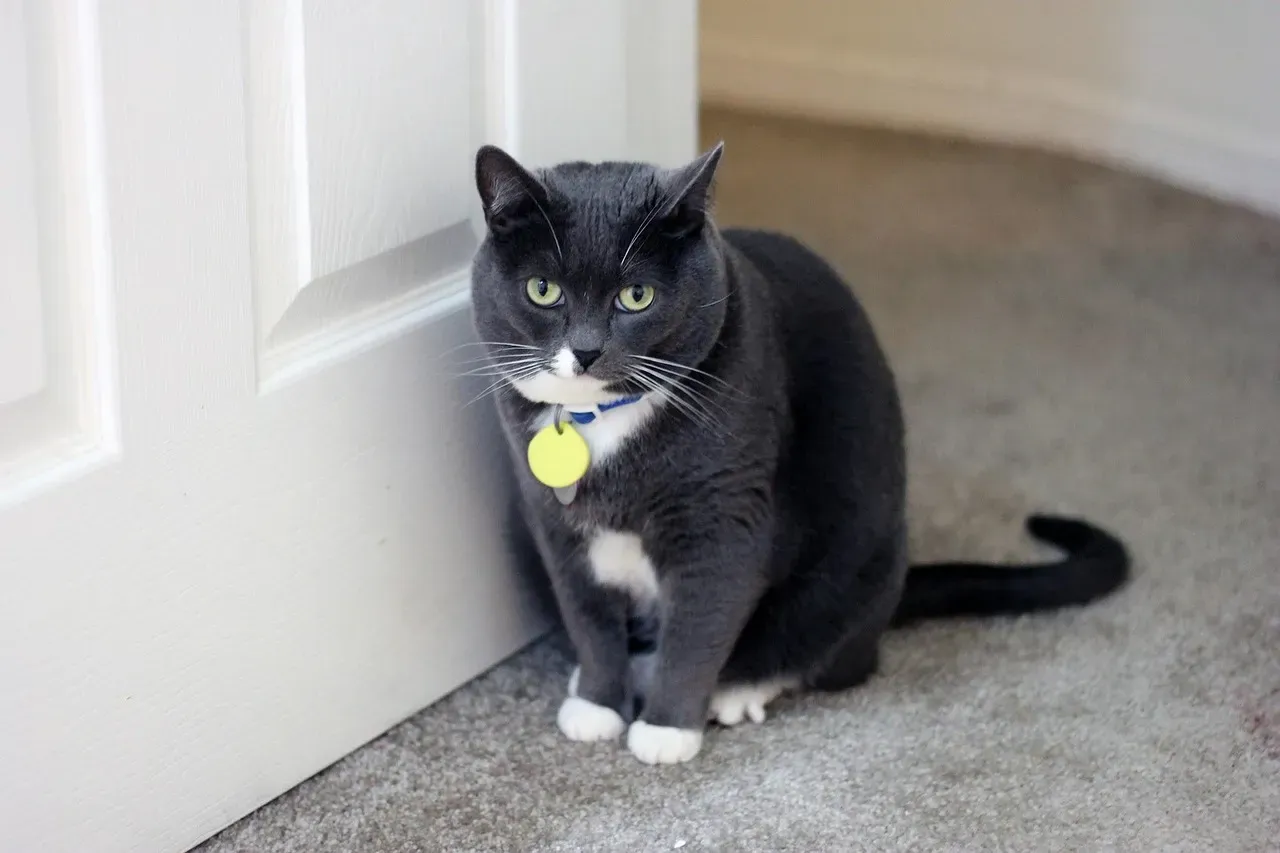
Ever notice your cat stationed outside your bedroom door at night? That’s not random behavior. When your cat stands sentinel at your bedroom door, it could be expressing protectiveness over you, territory marking, curiosity, or simply seeking attention. Many cats position themselves at doorways because these are strategic chokepoints.
Doorways, invisible boundaries in a cat’s realm, carry significance. When your cat obstructs these passages, it’s a manifestation of their territorial instincts. By doing so, they assert dominance and protect their cherished domain, conveying a silent message: “This space is under my jurisdiction.” By guarding your bedroom door, your cat is essentially creating a barrier between you and any potential threats in the rest of the house. It’s their way of keeping watch over the most vulnerable member of their territory – you, while you sleep.
7. They Alert You to Real Dangers

Cats have an impressive track record when it comes to alerting their owners to actual danger. In Florida, a family cat emerged as an unexpected hero by alerting owners about the dangerous presence of carbon monoxide. One night, as the lethal gas filled the family’s home, the cat, sensing the danger, acted urgently. Displaying atypical behavior, either through loud meows or persistent pawing, the feline managed to wake its owners.
Petful highlights a cat who protected a child from a dog attack as well as numerous cats who alerted their humans to medical emergencies, including cancer and carbon monoxide poisoning. These stories aren’t just feel-good tales – they demonstrate that cats genuinely pay attention to their environment and will sound the alarm when something’s wrong. Whether it’s an unusual smell, a fire, or even a medical emergency, your cat’s heightened senses and willingness to alert you can literally be lifesaving.
Conclusion
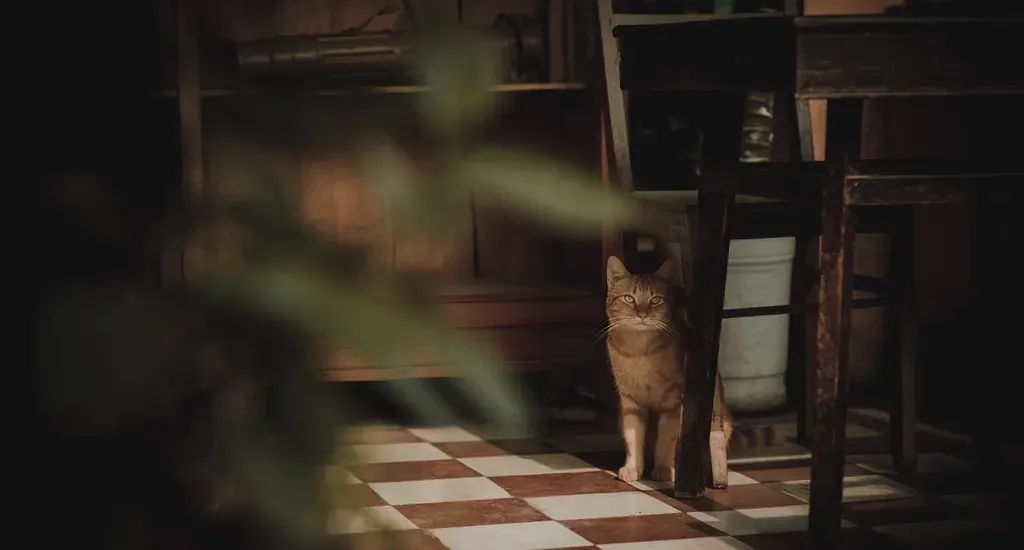
Your cat’s nighttime activities aren’t just random bursts of energy or quirky behavior. They’re performing genuine security duties, using senses and instincts honed over thousands of years of evolution. From their superior hearing and night vision to their territorial patrols and ability to detect danger, cats are far more protective than most people give them credit for.
While they might not be as obvious about their guardianship as dogs, cats offer a unique form of protection that’s perfectly suited to their nature. While cats may not be conventional guardians like dogs, they do offer a unique form of protection through their natural instincts, acute senses, and emotional bonds with their owners. Next time you hear your cat prowling around at 2 AM, remember they might just be keeping watch over you. So what do you think – has your cat ever alerted you to something unusual at night? You might be surprised at just how vigilant your little guardian really is.