Have you ever caught your cat staring at you with that signature look of disdain? Maybe they’re lounging on your brand new throw pillow with an air of complete ownership, or perhaps they’ve decided that expensive accent chair just isn’t up to their standards. Here’s the thing: your feline companion has opinions about every single design choice you make. They’re constantly evaluating your home like a furry interior design critic, and honestly, most of us are probably failing their standards.
Your cat is territorial, sensitive, and deeply attuned to environmental details we often overlook, responding to invisible cues that make certain spaces feel safe, balanced, and emotionally grounding. While you’re busy scrolling through Pinterest for the perfect living room aesthetic, your cat is conducting their own inspection of your space. Let’s dive in and discover what’s really going through that judgmental little mind.
Your Furniture Height Is All Wrong
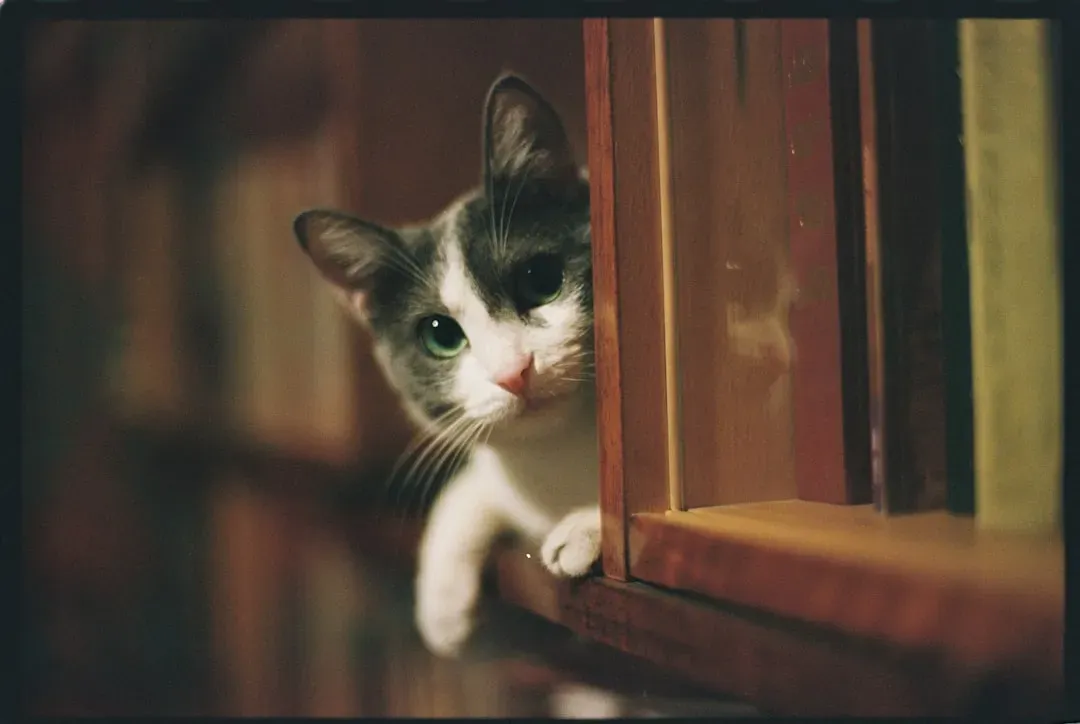
Let’s be real, your cat thinks your obsession with low, minimalist furniture is a complete disaster. Vertical territory is essential for cats’ mental and physical health, as cats in the wild climb to survey their territory, escape threats, and rest safely, with indoor cats retaining these instincts and needing appropriate outlets. When you bought that sleek, ground level media console, you might have thought it looked amazing. Your cat? They saw it as a wasted opportunity.
Cats judge from above like tiny furry overlords. That bookshelf you carefully styled with your collection of vintage finds is actually prime real estate in your cat’s eyes. They need elevation not just for aesthetic reasons but for genuine psychological comfort. Think about it: when your kitty perches on top of your wardrobe and stares down at you, they’re not just being weird. They’re assessing their kingdom from the best vantage point possible.
Your Color Palette Clashes With Their Fur
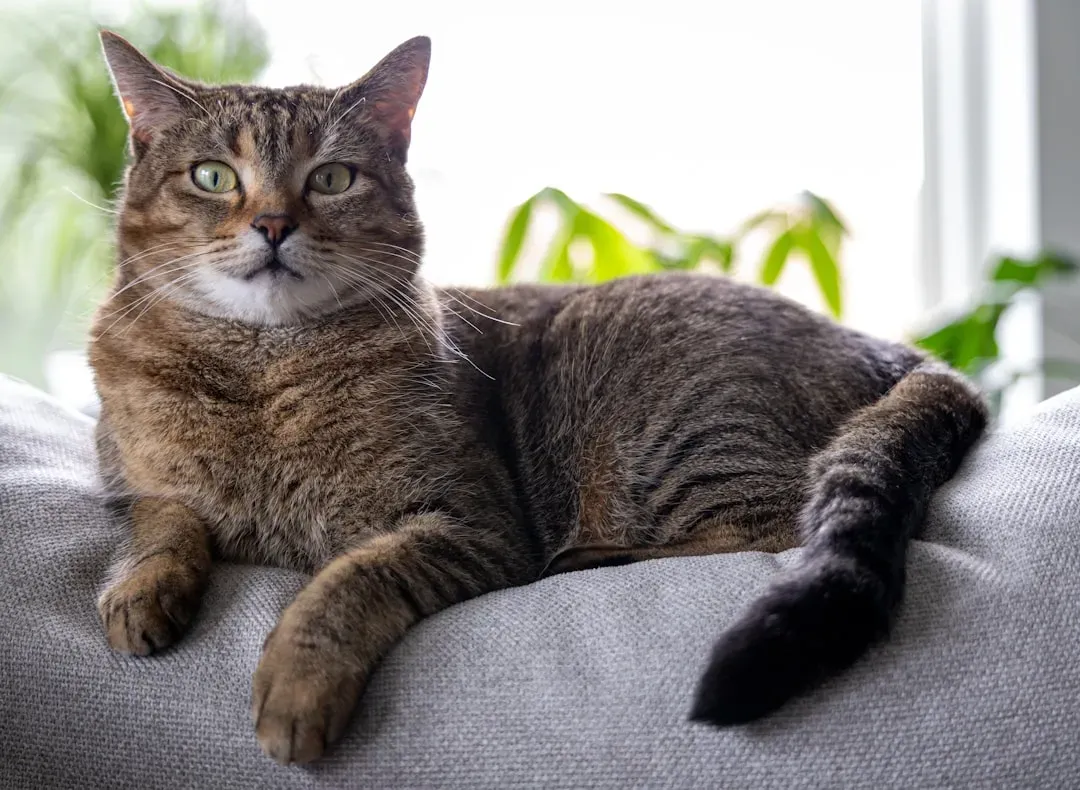
This might sound completely bonkers, but your cat is definitely judging the way their fur looks against your carefully curated color scheme. Some cat owners have noticed their cats match their home decor, but it’s actually the other way around, with home decor matching the cats because their fur will show up less. If you’ve invested in a pristine white sofa and you have a black cat, prepare for judgment every single day.
Your feline is silently critiquing every surface where their fur becomes immediately visible. That charcoal grey throw blanket you thought was so chic? Perfect camouflage for some cats, a disaster for others. I know it sounds crazy, but the most cat approved homes actually consider fur visibility when choosing fabrics and colors. Your cat knows when you’ve made their shedding more obvious, and they’re absolutely taking notes.
You’ve Completely Ignored Their Need for Secret Hiding Spots
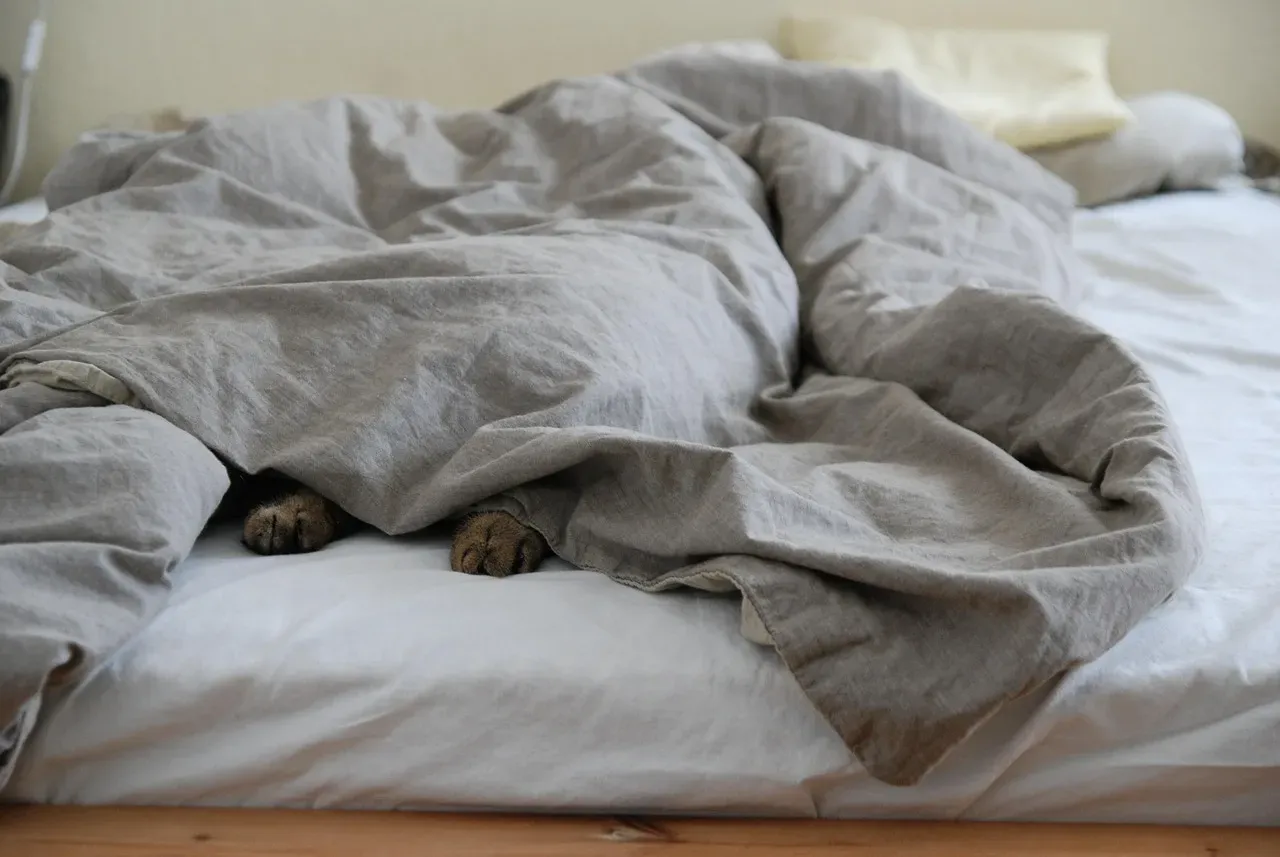
Small enclosures help cats feel safe, with studies showing new cats in shelters were less stressed when provided with boxes to hide in. Your open concept floor plan might be trendy, but your cat thinks it’s a security nightmare. They’re constantly scanning your space for cozy hideaways, and if you haven’t provided any, they’re absolutely judging your oversight.
Those adorable cat caves and enclosed beds aren’t just Instagram worthy accessories. Some cats may be shy at first and need their own space to hide and feel safe, with cats loving a nice little cocoon to hideaway in, so investing in a little bed with a small opening allows your cat to disappear while still being part of the family. When your cat squeezes behind the washing machine or under your bed, that’s not them being antisocial. That’s them compensating for your failure to provide proper retreat spaces. Honestly, they expected better from you.
Your Scratching Post Situation Is Embarrassing
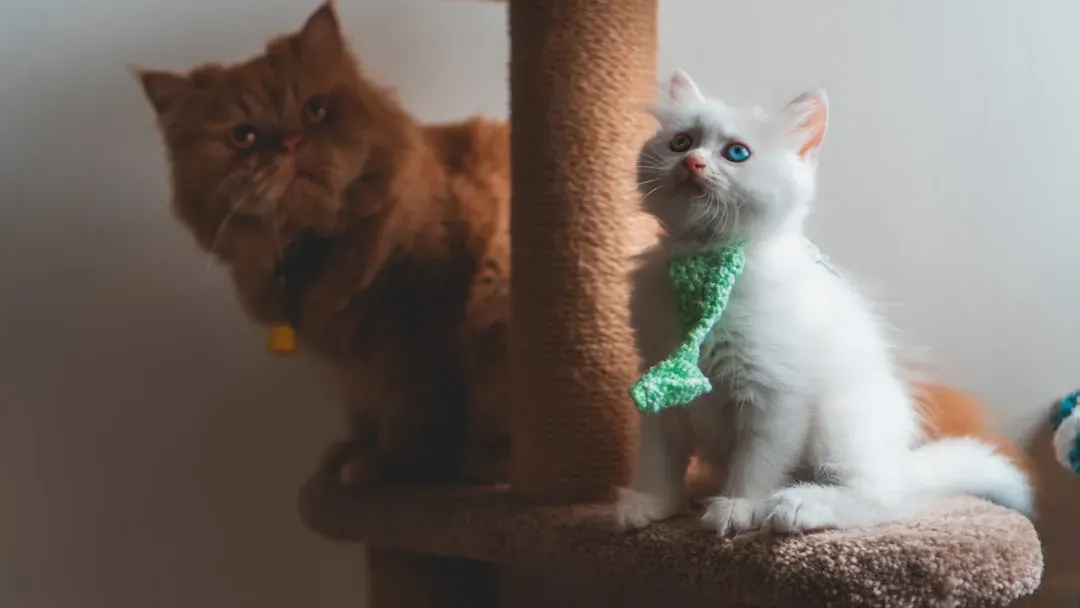
That single, carpet covered scratching post tucked in the corner of your spare room? Your cat finds it insulting. The key is to provide multiple scratching posts in high-traffic areas like near doorways and entrances, with posts made of durable materials like sisal or cardboard and scratching surfaces with various textures to cater to your cat’s preference. You thought one would suffice, but your cat knows you’ve severely underestimated their territorial marking needs.
Here’s where it gets interesting: your cat isn’t scratching your furniture because they’re destructive. They’re doing it because you’ve failed to provide adequate alternatives in the right locations. Cats like to use scratching posts to make your home theirs as well, so you want to make sure to place the posts in areas your cats want them. When they shred that corner of your velvet armchair, they’re not being malicious. They’re simply redecorating according to their own superior standards.
You Moved the Furniture Without Consultation
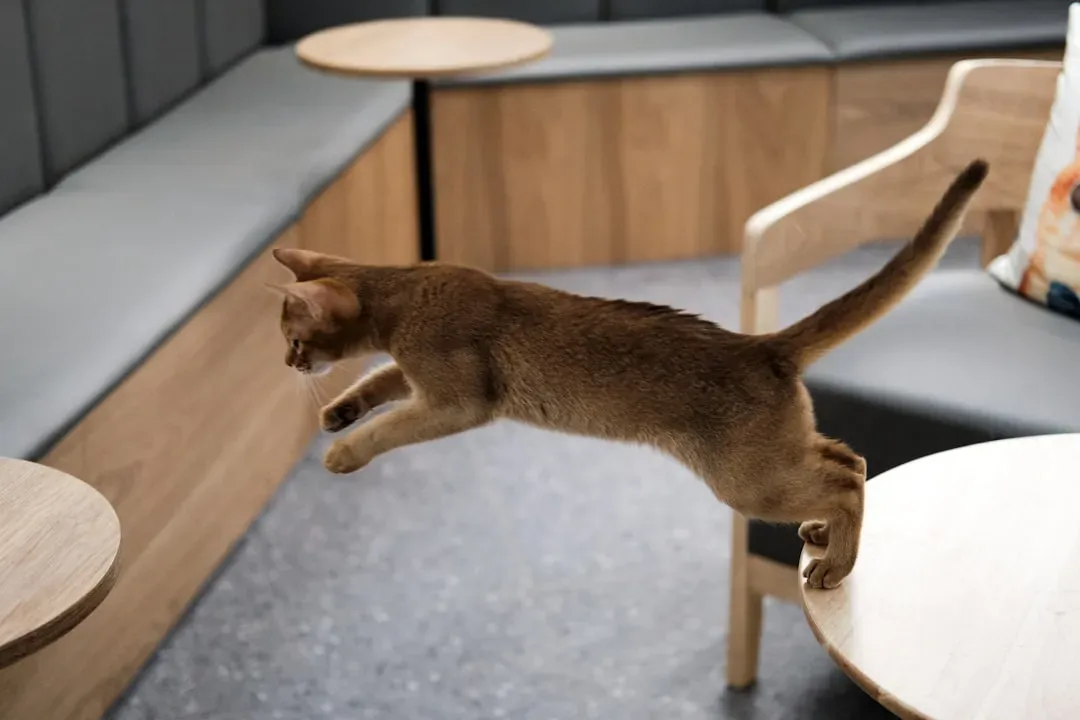
Cats love consistency, and changing things in their schedule may cause stress for them, including even moving furniture around or bringing home a new item of furnishing. Remember that time you rearranged the living room and your cat spent three days acting weird? That wasn’t a coincidence. You basically redesigned their entire mental map without so much as a courtesy heads up.
New furniture disrupts scent maps and safe pathways, with cats not rejecting you but protecting their sense of control. Your cat had established preferred pathways, favorite perching spots, and strategic observation posts. Then you went and moved everything around like some kind of interior design dictator. They had that couch positioned perfectly for afternoon sunbathing, and now it’s three feet to the left. The audacity!
Your Window Situation Is Unacceptable
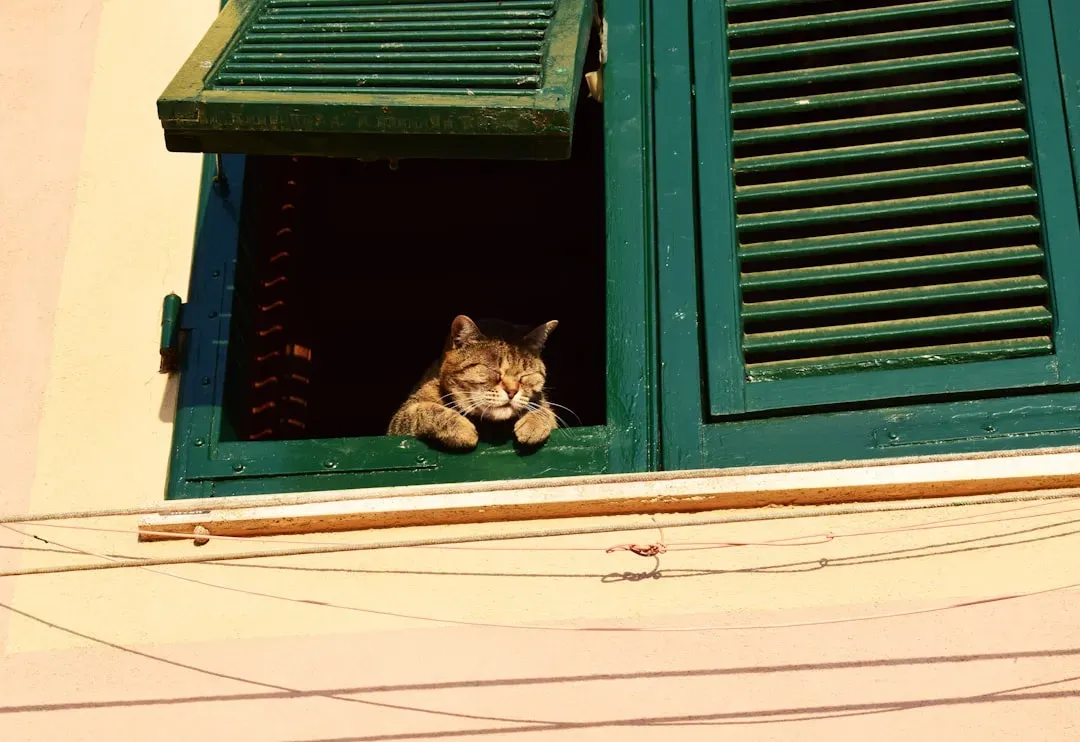
Cats love the outdoors just as much as you do, and while keeping cats as indoor pets is recommended, it’s important that your kitty receives a good amount of fresh daylight on their whiskers, with cats loving to watch everyday life from your window. If you’ve blocked your windows with heavy curtains or positioned furniture so your cat can’t comfortably survey the outside world, you’ve committed a serious decorating crime in their eyes.
Your cat views windows as their personal entertainment system. That window overlooking the backyard? That’s prime bird watching real estate. Windows are prime real estate for cats who love observing the outside world, so design window areas with both your aesthetic preferences and your cat’s enjoyment in mind. When you installed those gorgeous floor to ceiling drapes without considering window access, your cat mentally downgraded your decorating skills by several points. They need those sightlines, and they’re not afraid to knock over a plant to get them.
You Chose Style Over Texture
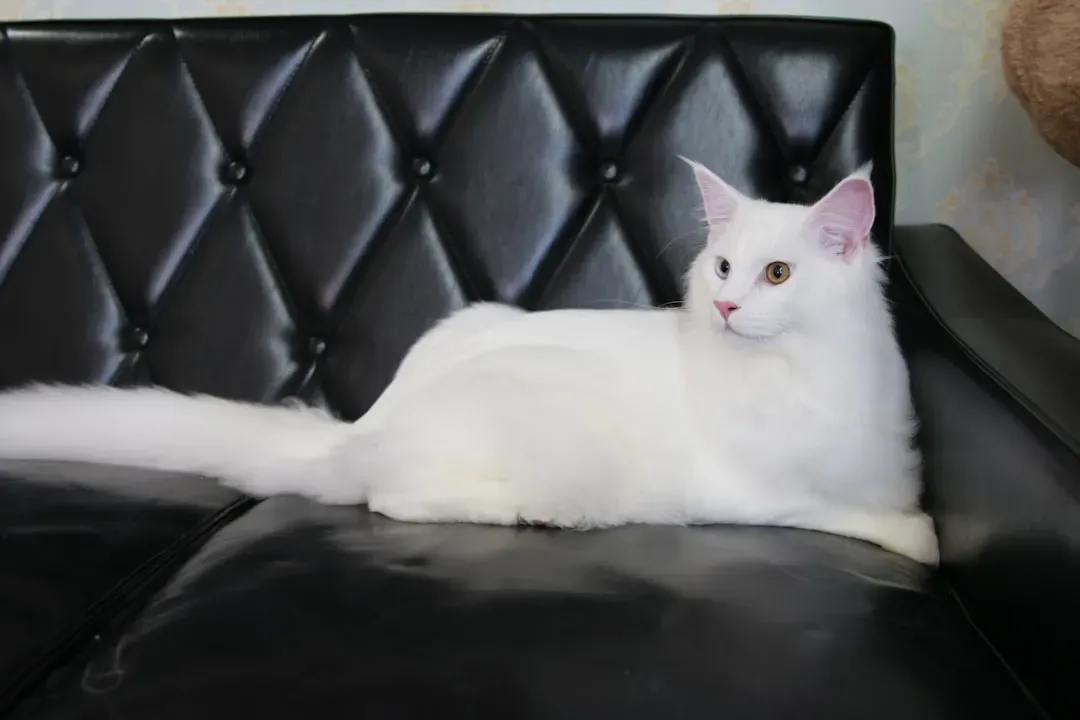
For upholstery, choose velvet, twill, or other really tightly woven fabric, as velvet can stand up to cat claws. That trendy bouclé sofa you just bought? Your cat sees it as a giant, textured scratching surface. Meanwhile, the smooth leather chair you rejected for aesthetic reasons would have been their ideal lounging spot. You prioritized human design trends over feline texture preferences, and they’re not letting you forget it.
Soft fabrics absorb body heat and smell reinforcing a cat’s sense of belonging, while smooth or cold surfaces appeal when they need cooling, so if your cat switches between your fleece blanket and a marble countertop, it’s simply balancing comfort cues. Your cat understands material science better than most interior designers. They know which surfaces hold their scent, which provide the right amount of grip for their claws, and which offer temperature regulation. That wicker basket chair you love? They think it’s a textural nightmare. Sorry, not sorry.
Conclusion: Earning Their Approval
The truth is, sharing your home with a cat means accepting that you have a very opinionated roommate who will never hesitate to express their design preferences. They’re judging everything from your furniture placement to your choice of throw pillows. The good news? Environmental enrichment including vertical spaces and scratching opportunities can significantly reduce stress levels in cats. When you design with their needs in mind, you’re not just impressing them, you’re actually improving their quality of life.
Creating a cat approved home doesn’t mean sacrificing your own style. Creating a cat-friendly home that maintains sophisticated style isn’t about compromise, it’s about thoughtful integration. It means being intentional about providing vertical spaces, considering texture and color in your material choices, and respecting their territorial instincts. Your cat will always have opinions, but when you nail the balance between human aesthetics and feline functionality, you might just catch them giving you a slow blink of approval. What do you think? Has your cat been secretly judging your decorating choices all along?