Ever feel like someone’s watching you? That quiet intensity following your every move around the house? It’s not paranoia. Your cat has been evaluating every furniture purchase you’ve made, and honestly, they have some opinions about your choices. Whether you’re lounging on that new velvet sofa or admiring your latest midcentury modern chair, your feline companion is silently compiling notes.
Here’s the thing though. Cats don’t just live in your space – they own it. Every surface, every texture, every carefully chosen fabric gets the feline stamp of approval or rejection. The good news? You can absolutely win them over with the right approach, once you understand what they’re really looking for in your home decor choices.
Your Fabric Choice Is Being Evaluated Every Single Day
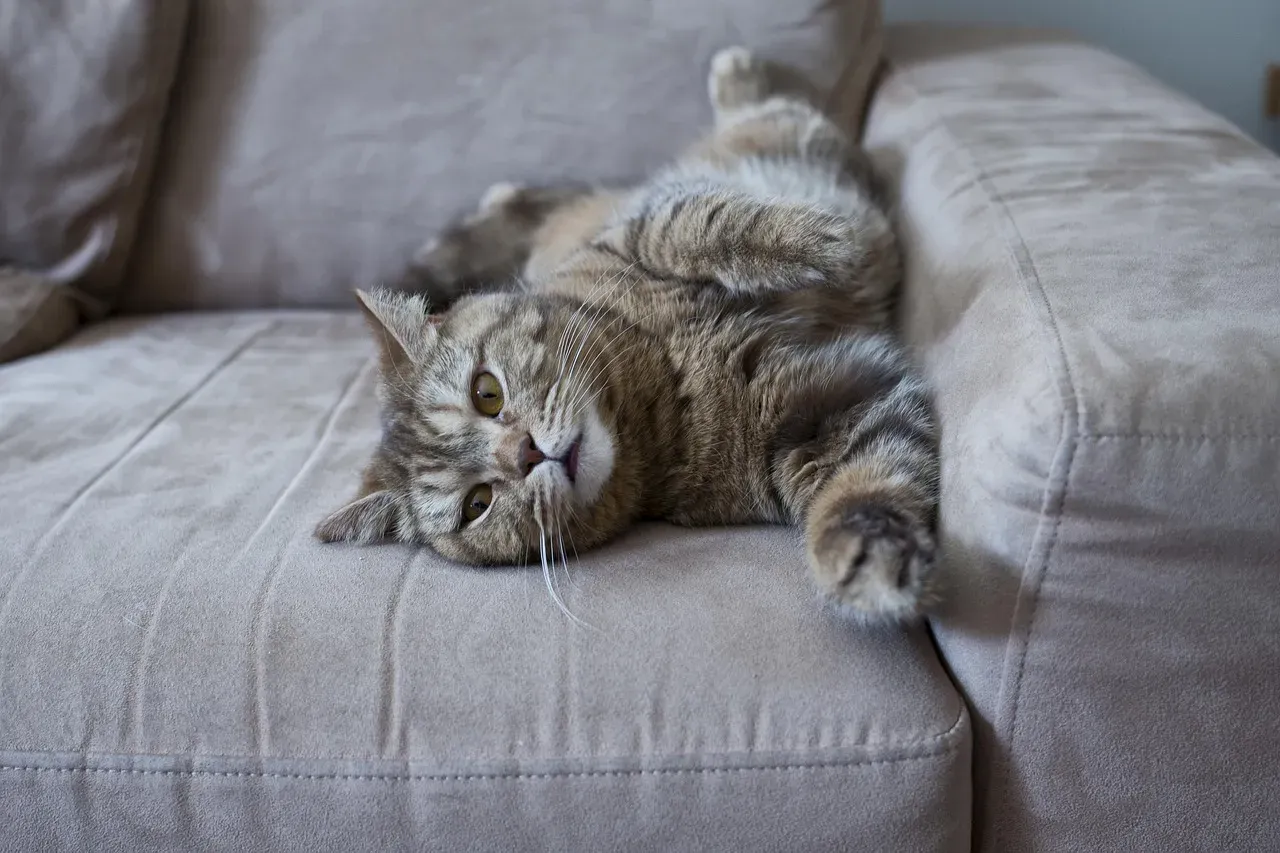
Cats naturally gravitate toward materials like unvarnished wood and fabrics that rip easily, such as couch arms. That gorgeous linen sofa you bought? Your cat probably sees it as the equivalent of an all-you-can-scratch buffet. Cats often prefer fabrics with a loose weave or looped texture because these feel more satisfying to scratch.
The texture of your furniture speaks volumes to your cat about whether you truly understand their needs. Cats claw at fabric because they can hook their claws into the loops in the weave, so fabrics with a cut pile rather than a looped pile are better options. Think velvet instead of chenille. Your cat notices the difference immediately, even if you’re oblivious to the nuances.
They’ve Decided Whether Your Furniture Is Vertically Acceptable
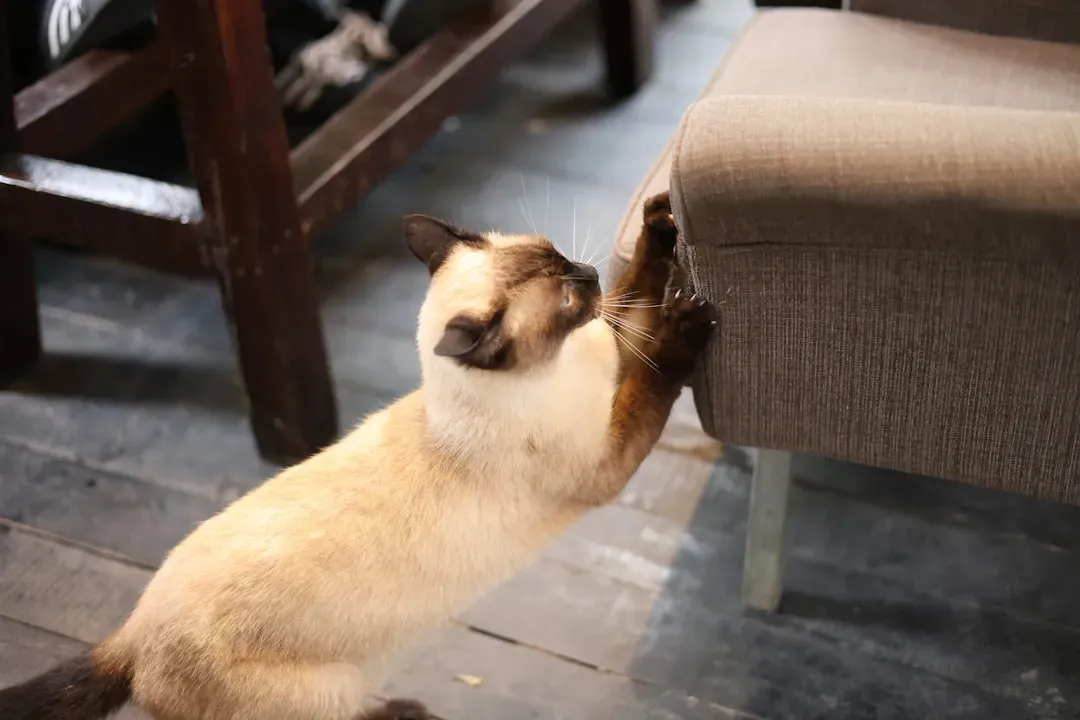
In the wild, cats scratch upright tree trunks because the visual cue of torn bark is at eye level and the chemical cue from scent glands is at nose level for other cats. Your furniture either meets this primal need or fails spectacularly. That low-slung modern couch might win design awards, but if the arms aren’t tall enough for a proper stretch, your cat is judging you hard.
The arms of couches and legs of unvarnished wooden furniture are common targets for territorial scratching because of cats’ preference for vertical surfaces. If you’ve chosen furniture with short legs or minimalist designs without prominent vertical elements, your cat has already filed a mental complaint. They need height, drama, and something substantial to sink their claws into during those crucial morning stretches.
The Strategic Placement Speaks to Your Understanding of Territory
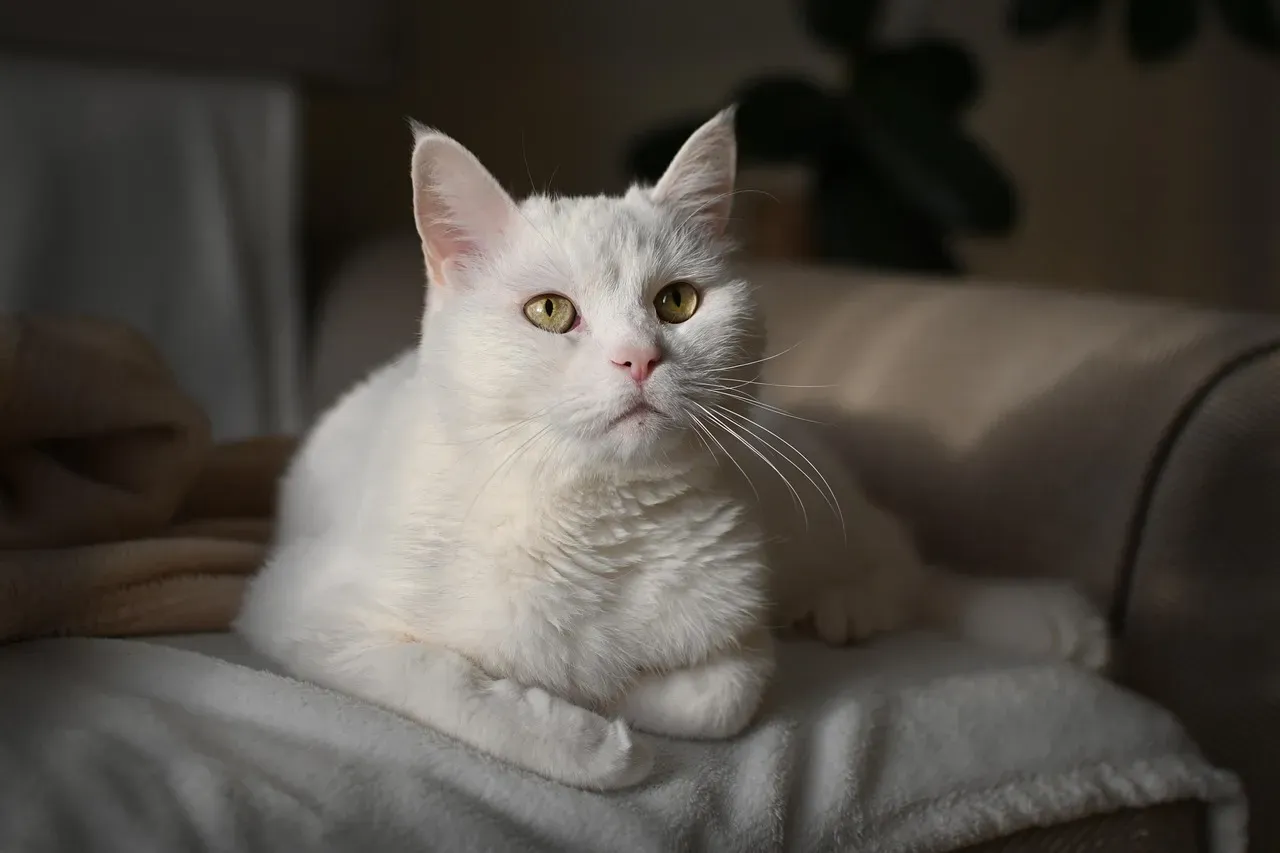
Location isn’t just about feng shui for humans. Cats are social creatures who prefer their resources like scratching posts to be placed close to where household members spend time. Your furniture placement reveals whether you understand this fundamental truth. Did you stick that expensive armchair in the corner where nobody goes? Your cat has noticed, and they’re not impressed.
Cats won’t use resources hidden in secluded areas, and placing alternatives near furniture they already scratch increases success rates. If you’ve failed to consider traffic patterns, social zones, and visibility in your furniture arrangement, your cat has mentally downgraded your interior design skills. They want to be where the action is, not banished to forgotten corners.
That Expensive Chenille Was a Rookie Mistake
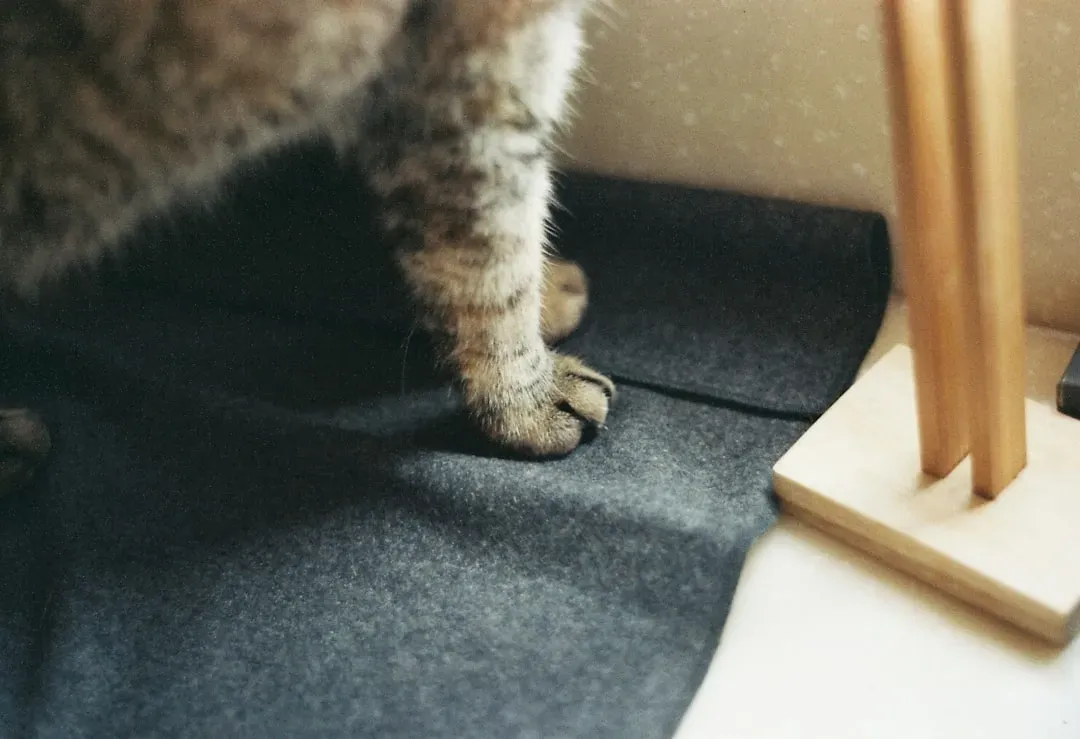
Let’s be real about this. Recent research detected a preference for chenille fabric among cats, which is exactly the problem. Fabric materials are associated with more reports of unwanted scratching behavior. You chose aesthetics over practicality, and your cat knows it.
Loose weave fabrics like linen and chenille are asking for trouble with cats. Meanwhile, options exist that could’ve saved you both frustration. Top-grain leather is resistant to claws, doesn’t snag, and can be easily wiped clean of fur and spills. Your cat would respect you more if you’d done your homework before shopping.
Your Color Choices Reveal How Much You Actually Care
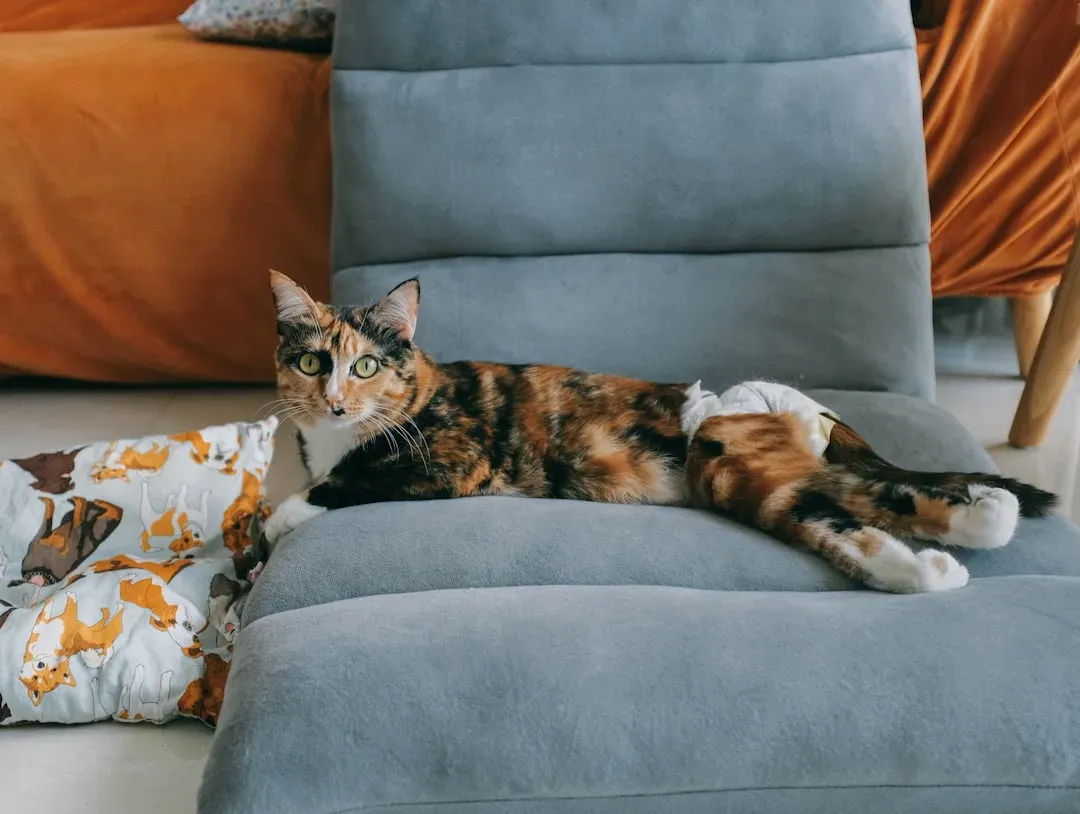
Light-colored fabrics show stains, fur, and scratches more prominently, while darker shades like deep blues, charcoal grays, or rich browns help conceal marks and are more forgiving. That pristine white sectional? Your cat sees it as a canvas for their artistic expression, and also as evidence of your naivety.
Busy patterns like florals, geometric shapes, or intricate designs can camouflage imperfections and make scratches less noticeable. If you’ve gone with solid colors in light shades, your cat has mentally categorized you as someone who either doesn’t plan ahead or secretly enjoys living in chaos. The judgement is silent but absolute.
You’re Ignoring Their Need for Proper Scratching Alternatives
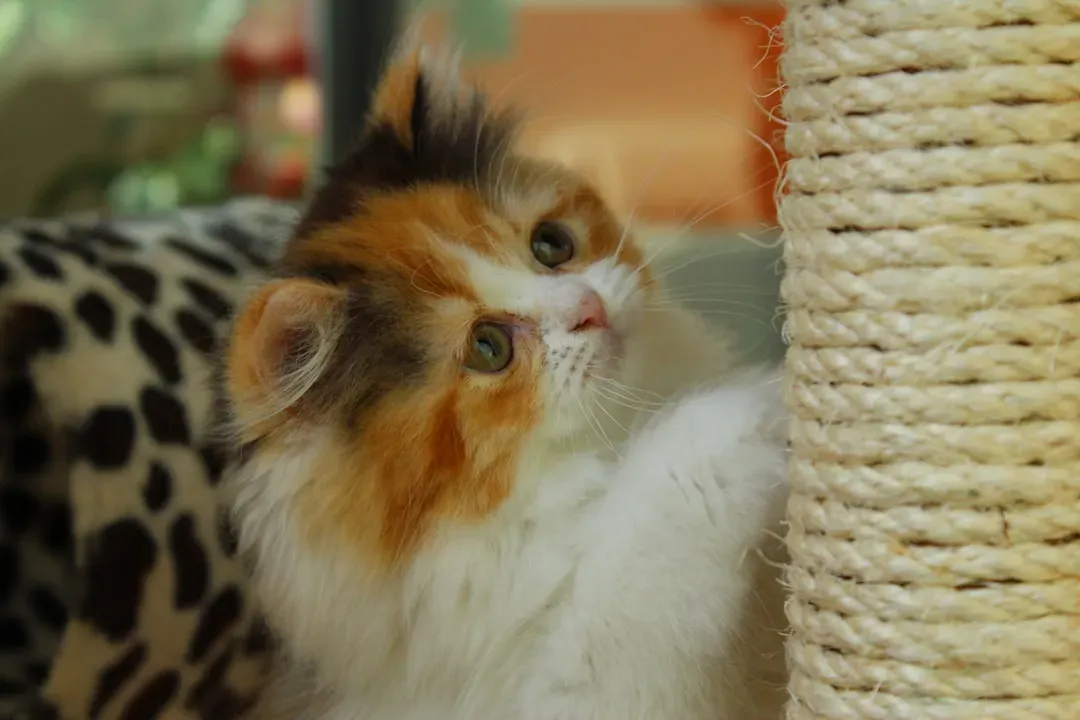
Older cats and homes that provide enrichment items like sisal rope, outdoor access, and restricted access to unwanted scratching items have fewer reports of unwanted scratching. Your failure to provide appropriate alternatives isn’t lost on your feline friend. They’ve been dropping hints with every shredded armrest.
Scratching posts should be tall enough to allow full stretching with a sturdy base, and each cat’s preference for material varies. If you bought the cheapest post at the pet store without considering your cat’s specific preferences, they’ve noticed. Multi-cat households especially need multiple scratching posts to prevent fighting over resources. Your cat is keeping score of these oversights.
Your Furniture Fails the Boredom Test
Cats may scratch furniture simply as a result of boredom, which is especially common with house cats that aren’t getting enough mental stimulation. Your furniture choices matter, but so does the overall enrichment environment you’ve created. That minimalist aesthetic might look Instagram-worthy, but your cat finds it utterly unstimulating.
Boredom may contribute to destructive behavior, so providing dedicated play time and acceptable toys is important. If your living room is a sterile showroom with nowhere interesting for your cat to explore, climb, or observe from, they’re judging not just your furniture but your entire approach to shared living. They want vertical spaces, hidey-holes, and textures that engage their senses. Plain furniture in a boring layout? That’s a failing grade.
Conclusion

Your cat has been silently assessing your furniture decisions since day one, evaluating everything from fabric texture to strategic placement. The truth is, they’re not trying to destroy your belongings out of spite – they’re simply responding to whether your choices meet their instinctual needs for territory marking, stretching, and environmental enrichment.
The best part? You can absolutely turn this around. Choose tightly woven fabrics or velvets instead of loose weaves. Consider darker colors and busy patterns that hide inevitable wear. Place furniture where your cat naturally wants to be, provide proper scratching alternatives nearby, and think about vertical elements that allow for those satisfying full-body stretches. When you start seeing your home through feline eyes, suddenly those judgmental stares might transform into slow blinks of approval. What changes will you make to your space first?