You probably look at your cat, draped across the couch in some impossible pose, dead to the world, and think: “What a life.” Honestly, same. There’s something almost enviable about a creature that sleeps up to sixteen hours a day without a single apology. But here’s the thing most people never consider – all that lounging, all those slow blinks and mid-afternoon naps, might actually be doing a whole lot more than you realize.
Your cat isn’t just being lazy. Behind those half-closed eyes and that twitching tail, something surprisingly protective is quietly happening inside your home. From pest control to sensing hidden dangers, the napping life of a domestic cat is wrapped in instinct, territory, and an almost eerie awareness of the world around them. Let’s dive in.
Your Home Gets a 24/7 Territorial Security System
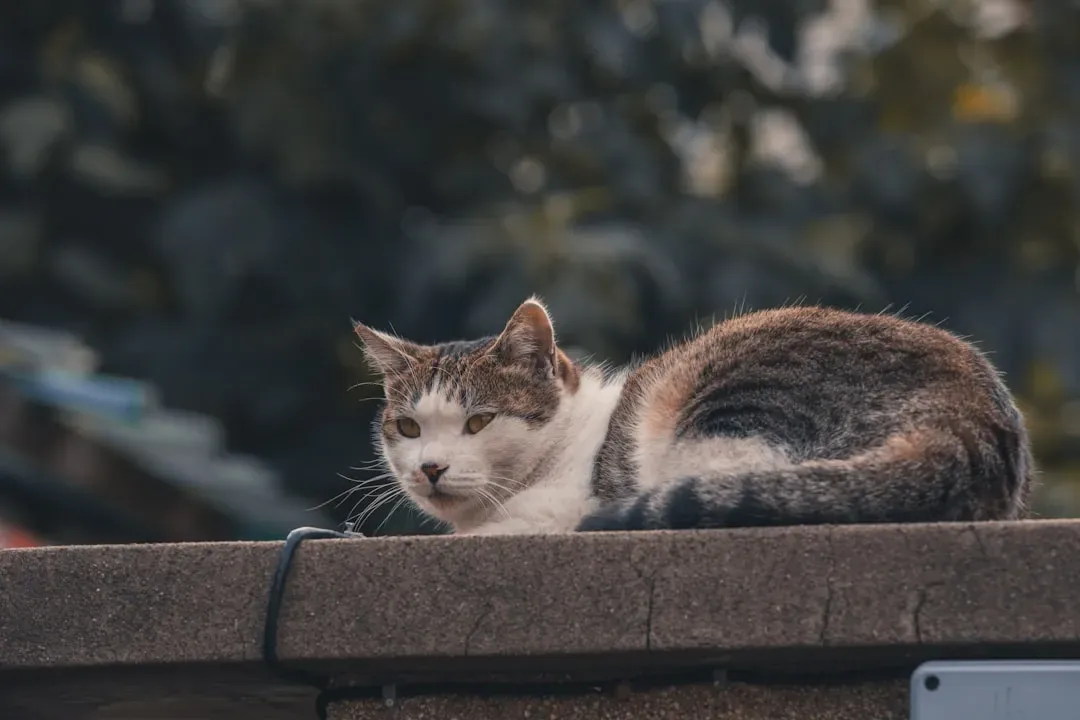
Think of your cat as a tiny, fur-covered landlord who never clocks out. Cats are territorial by nature, and as they stake a claim on their surroundings, they exhibit behaviors to ensure their territory remains uncompromised. They often stay alert, especially at night, to ward off potential intruders. Even when your cat appears to be sleeping deeply, a part of that brain is still running a background check on every sound, scent, and shadow in the room.
Cats are natural predators and are wired to protect what they perceive as theirs – and this instinct also extends to their humans. While you sleep, your cat is on high alert, monitoring any potential threats and ready to defend their domain. It’s less like having a guard dog and more like having a silent, intuitive security consultant who works purely on instinct. Not a bad deal for some kibble and belly rubs.
Rodents Think Twice Before Moving In

Cats have long been cherished not only for their companionship but also for their natural pest control abilities. With their keen hunting instincts and sensory superpowers, cats can be a valuable asset in keeping your home free from unwanted pests like rodents and insects. Even a napping cat changes the energy of a room. Rodents are clever, but they’re not reckless. The mere presence of a cat shifts the risk calculation for every mouse considering your kitchen as a new address.
The presence and scent of a cat can deter pests from entering your home. Think of it as passive pest prevention. Your cat doesn’t need to be actively hunting to make your walls feel like dangerous territory to a mouse. For over 3,000 years, cats have earned their place as trusted allies in our fight against pests, from ancient Egypt’s sacred temples to today’s barns and homes. That’s a track record worth respecting.
Their Scent Marks Warn Other Animals to Stay Away
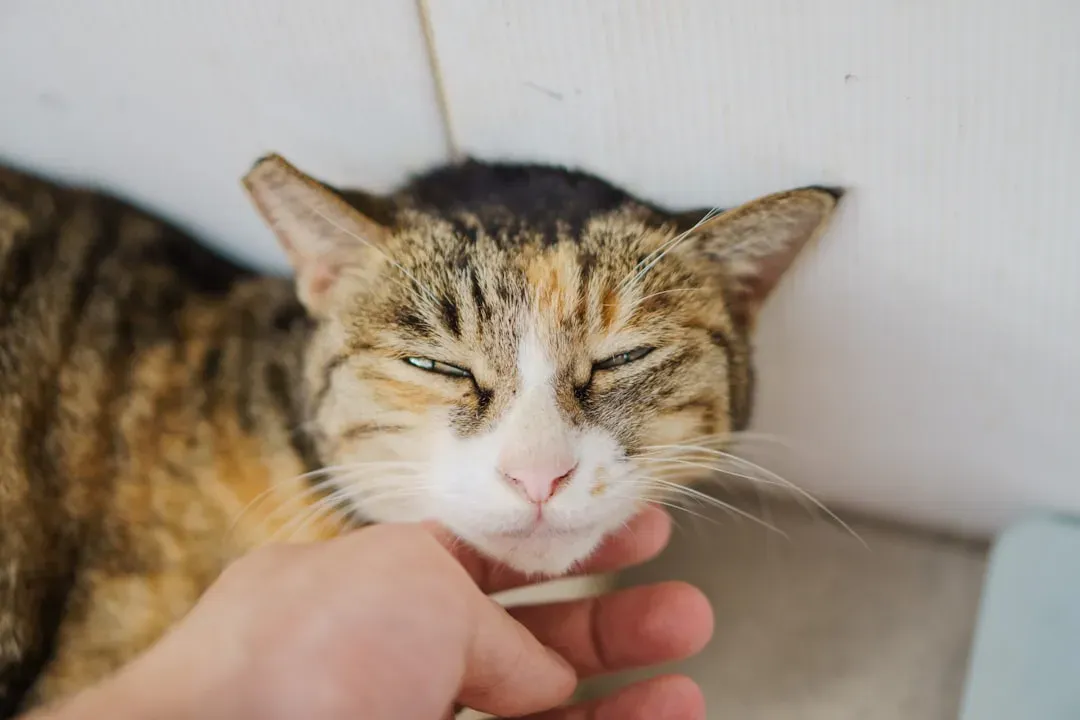
You’ve seen your cat rub its face on the doorframe, the couch, your leg, and basically everything it passes. It might look affectionate, and some of it is, but there’s also a much more strategic reason behind it. Cats possess specialized scent glands on their faces, paws, and bodies that release pheromones when they rub against objects. These chemical signals serve as territorial markers and communication tools, and when cats interact with objects throughout the home, they’re actually creating a complex network of olfactory information.
Cats mark their territory to make themselves feel more secure in their environment and also to deter other cats from entering, which may help to prevent physical fights. In practical terms, this invisible scent map your cat lays down during its lazy patrol of napping spots is like a chemical “No Trespassing” sign for other animals. I find that oddly impressive for a creature that also loses its mind over a crinkled paper ball.
Their Supersenses Detect Dangers You Can’t Even Perceive
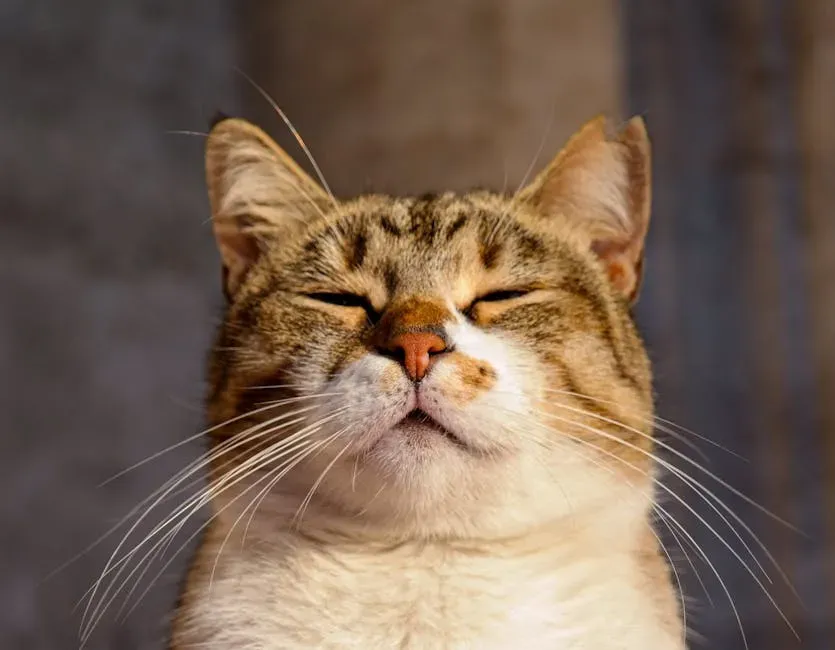
Cats have a highly specialized sense of smell, excellent vision, and very sensitive hearing, which helps them quickly detect changes in their surroundings. Cats can also sense vibrations in the ground through their paw pads and detect atmospheric pressure changes with their whiskers. This means your lounging fluffball is essentially picking up environmental signals on frequencies your best home sensors might miss entirely.
Cats can detect carbon monoxide leaks, gas leaks, house fires, and even medical issues like low blood sugar or cancer, warning their owners before these threats become serious. For example, cats can hear ultrasound, which is useful for finding prey – and it also means they can hear the kinds of high-pitched electrical sounds that accompany a failing appliance long before a human ever notices a problem. Honestly, that’s more useful than most smart home gadgets.
They Strategically Position Themselves for Maximum Home Coverage
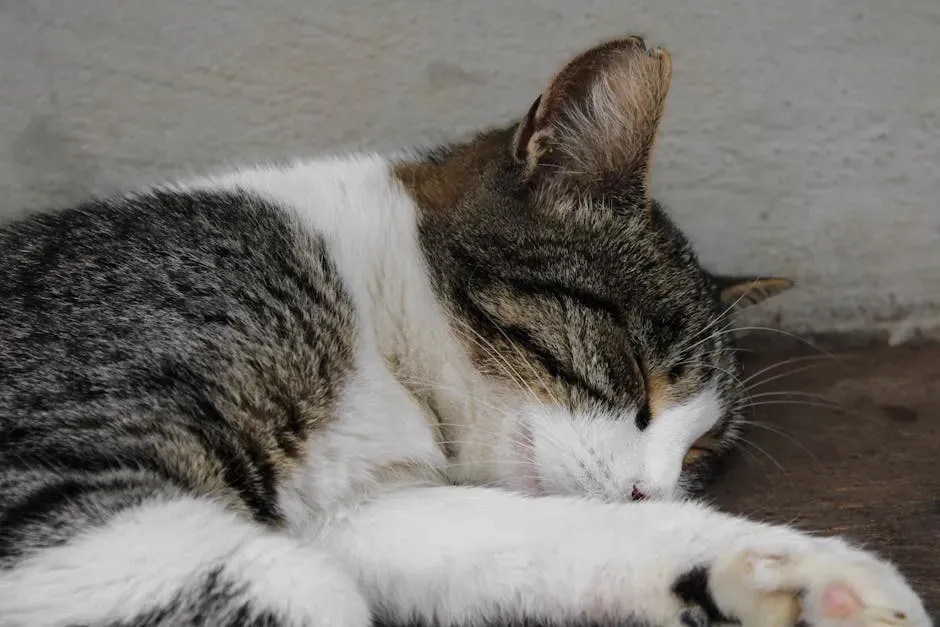
Here’s something most people overlook entirely: where your cat chooses to nap is not random. Not even a little bit. Cats are well aware that they and their humans are vulnerable when sleeping. Staying close is one way for them to protect themselves at night, and the area they choose to sleep in can offer them a good view of the room so they can be alerted at the first sign of trouble. That spot on the top of the bookshelf? A watchtower. The doorway? A checkpoint.
If your cat prefers sleeping near the door, this could indicate that they are trying to guard their territory against potential threats, and this position is the ultimate space to be protected and offer protection. If they get comfortable at the foot of the bed, cats receive an excellent vantage point to survey the area and escape quickly if needed. With an angle perfect for pouncing, a cat turned away from you could mean they are trying to protect you. So next time your cat seems to be giving you the cold shoulder, reconsider – they might just be covering your back.
Insects and Bugs Don’t Stand a Chance
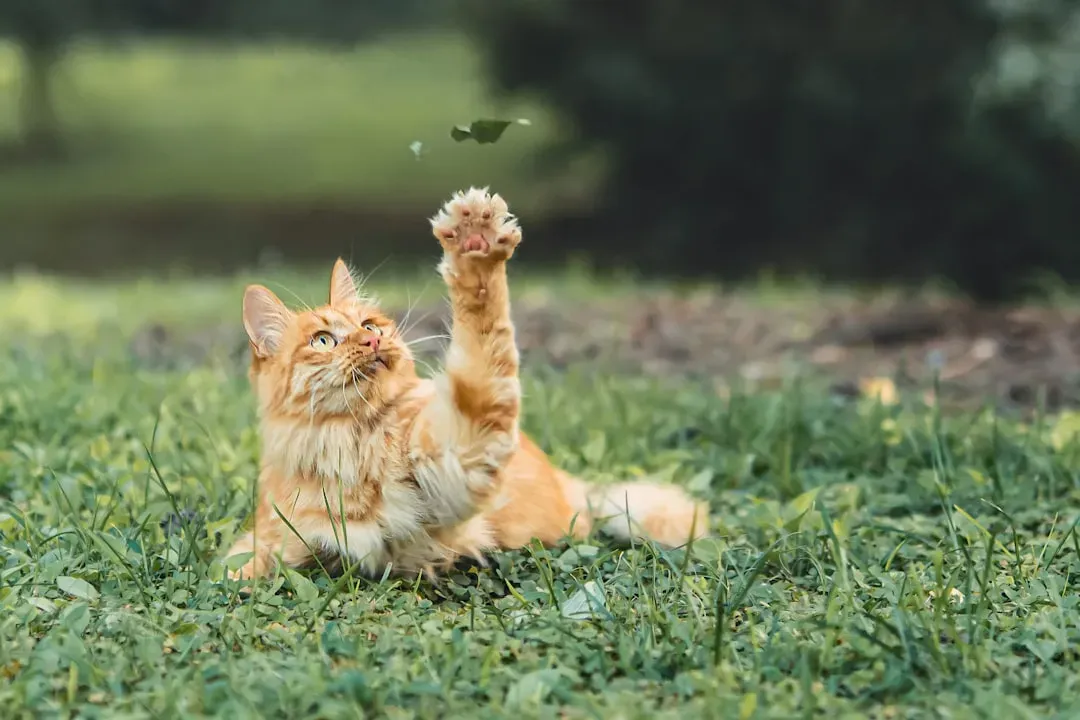
Let’s be real: nobody wants to share their home with cockroaches, moths, or that one mystery spider that appears every autumn. Good news – your cat has opinions about all of them. Cats are born with an innate hunting instinct that persists regardless of their living situation or access to food. Their keen senses, quick reflexes, and agile bodies make them naturally equipped for catching fast-moving prey, including various insects. These predatory skills are evident even in well-fed house cats.
Cats’ fascination with insects goes beyond mere play; it’s a natural pest control service. By eliminating these small intruders, they help prevent potential infestations that could lead to more significant issues down the line. While they chase and bat at bugs with enthusiasm, they’re also providing a crucial service that keeps your home comfortable and pest-free. And the best part? Your cat does this without poisonous sprays, chemicals, or a call-out fee. Just pure, unhinged feline instinct.
They Quietly Alert You to Something Being Wrong
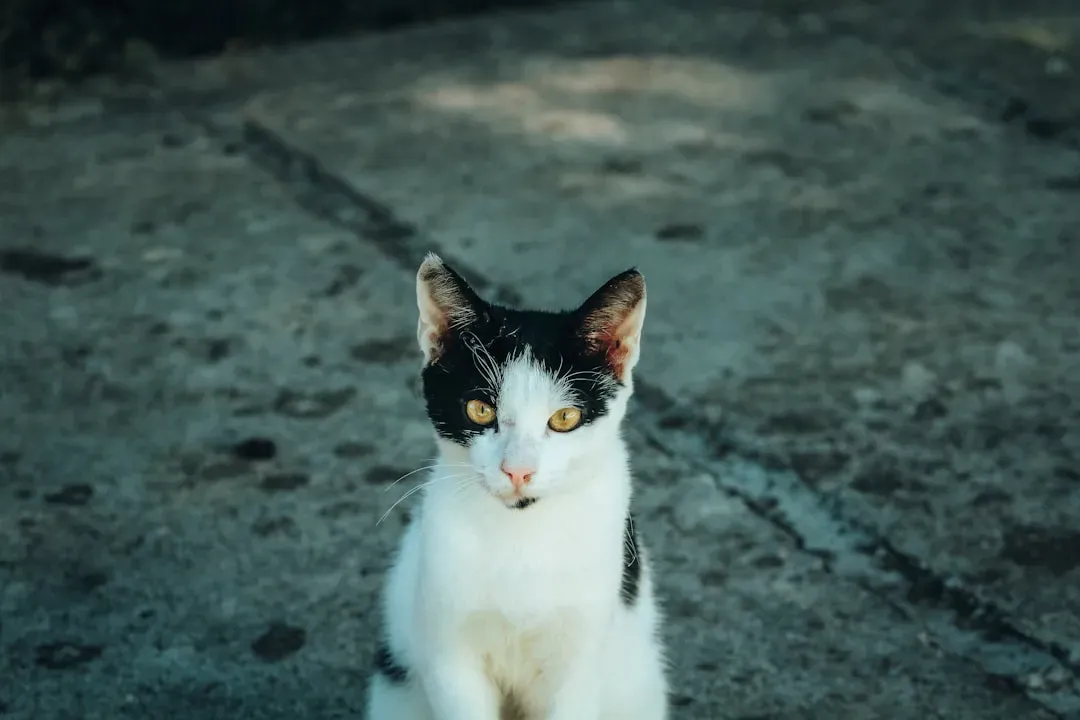
If your cat suddenly wakes from a dead sleep, stares at a wall, or starts pacing for no obvious reason, don’t dismiss it as weirdness. Cats are much better suited to warning us about things like bad weather or even diseases we have that we don’t yet know about. Cats can sense changes in atmospheric pressure around them and smell chemical changes that occur in the body when others are ill. That restless, odd behavior might actually be a message worth listening to.
Real documented cases drive this point home in striking ways. In Melbourne, Australia, a cat named Sully woke her owner Craig Jeeves by sitting on his chest and meowing in his face. Craig had been asleep on the couch and was unaware of the raging fire upstairs. Sully’s alertness helped him escape unharmed. When a cat senses danger, it may become tense and arch its back, with its ears flattening against its head while it puffs up its fur to appear larger – and it may also hiss, growl, or yowl to alert its owner of potential danger. Learning to read those signals could genuinely matter one day.
Conclusion: The Protector You Never Knew Was Napping
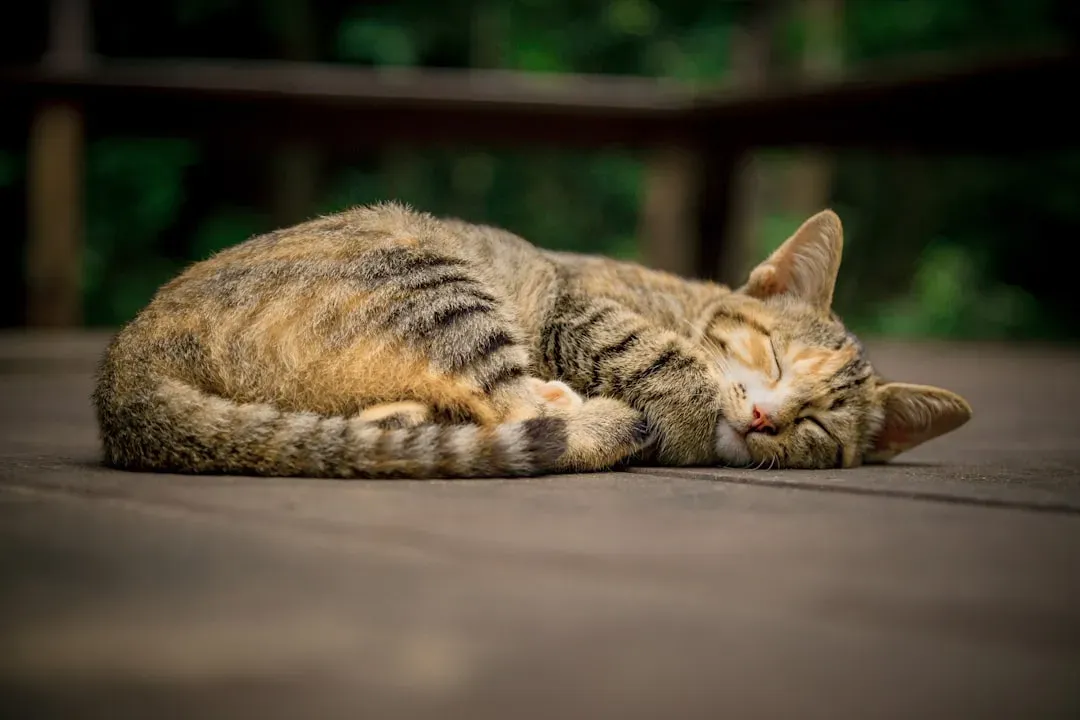
It’s easy to underestimate a cat. They’re small, they’re quiet, and they sleep like they have absolutely no responsibilities in the world. Yet underneath all of that effortless charm, your cat is running one of nature’s most sophisticated home protection systems – one built from millions of years of evolution, territorial instinct, and sensory ability that would make any high-tech gadget blush.
Your cat isn’t just occupying a warm spot on the couch. They are marking your walls with invisible signals, deterring rodents before they ever enter, detecting threats on frequencies you’ll never hear, and positioning themselves at the most strategic nap spots in the house. All of it, happening quietly, every single day.
So the next time your cat yawns, stretches, and curls back into a perfect napping spiral, maybe offer a little extra appreciation. You’re not just watching a lazy cat. You’re watching something ancient and instinctive at work – the world’s most underrated home protector. Did you ever suspect your cat was doing all of this while you thought they were just being gloriously idle? Tell us your thoughts in the comments.