Have you ever watched your cat attack a toy with laser focus, or maybe ignore every expensive toy you bought only to go wild over a crumpled receipt? Here’s the thing: how your cat plays isn’t just random entertainment. It’s actually a fascinating glimpse into who they really are underneath all that fur and mystery.
Think about it. Some cats are relentless hunters who won’t quit until they’ve conquered their prey, while others approach play with the energy of a sleepy aristocrat who can’t be bothered. These differences aren’t just quirks or mood swings. They’re windows into your cat’s true personality, shaped by instinct, experience, and something much deeper than we often give them credit for.
So let’s dive into what your feline friend’s playtime habits really mean. You might be surprised by what you discover.
The Relentless Stalker: Patience and Precision Define Them
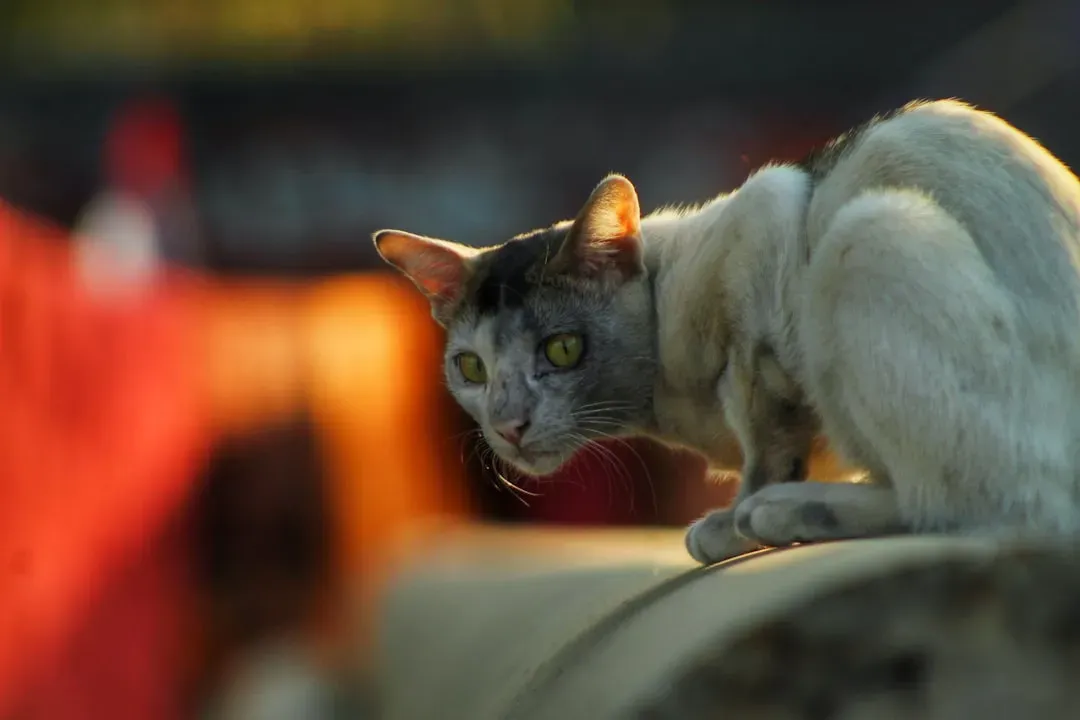
Does your cat crouch low to the ground, eyes locked, tail twitching with barely contained energy before pouncing on their target? Your cat’s preferred play style isn’t random – it’s a window into their natural hunting instincts, with each movement serving a purpose that would help them survive in the wild. These methodical stalkers showcase incredible patience and focus.
When you spot this behavior, you’re witnessing a personality trait that translates beyond playtime. Cats that love to hunt on the ground engage in chasing and stalking which stimulates natural hunting behaviours, with dragging a toy on a string at different paces working well, as do toys that resemble prey that may be scurrying on the ground. Cats who display this style tend to be observant, calculating, and remarkably self-disciplined in other aspects of their lives too.
The Aerial Acrobat: High Energy Meets Boldness
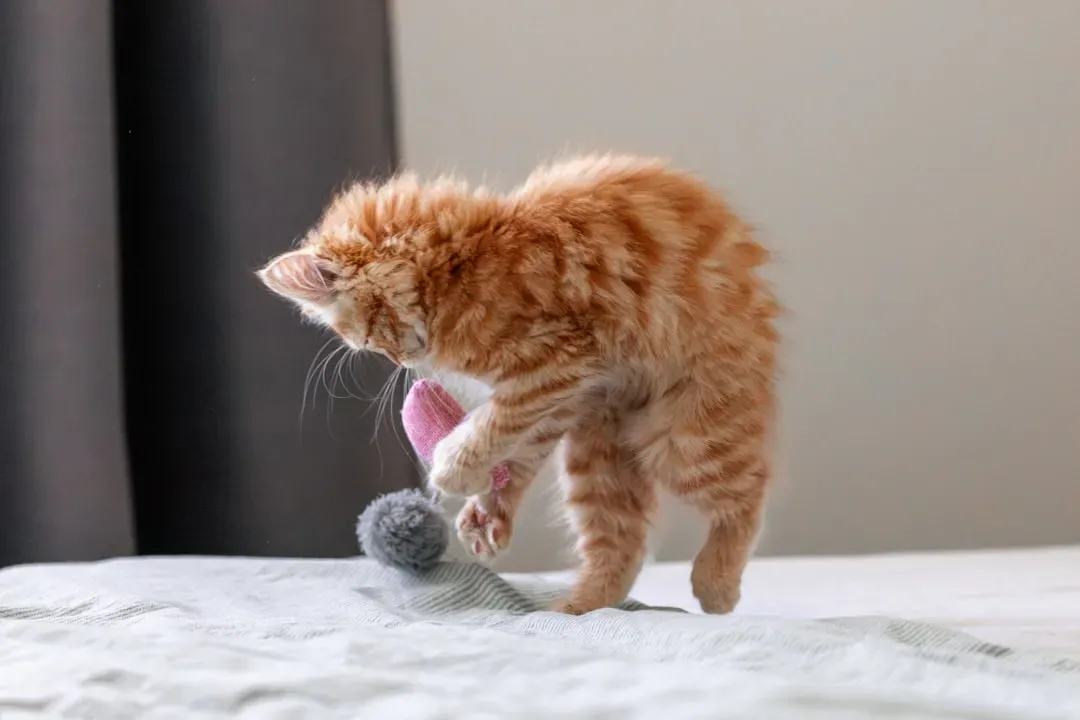
If your cat launches themselves into the air, twisting mid-flight to catch toys or swatting at anything dangling above them, you’ve got an aerial hunter on your hands. This play style correlates with hunting birds or insects, requiring split-second timing and remarkable agility, with these cats often excelling at catching toys mid-air and benefiting from wand toys that mimic flying prey. Honestly, watching them in action can be both impressive and slightly terrifying.
This type of player usually has a bold, adventurous personality. They’re the cats who aren’t afraid of heights, new experiences, or taking risks. They’re truly in it for the thrill, loving fast-paced, unpredictable play, like brightly colored wands and motorized toys that bring out their hunter instincts, and they love a good chase and relish the opportunity to pounce. Your aerial acrobat is likely confident in most situations, approaching life with enthusiasm rather than caution.
The Wrestling Champion: Intensity Reveals Their Courage
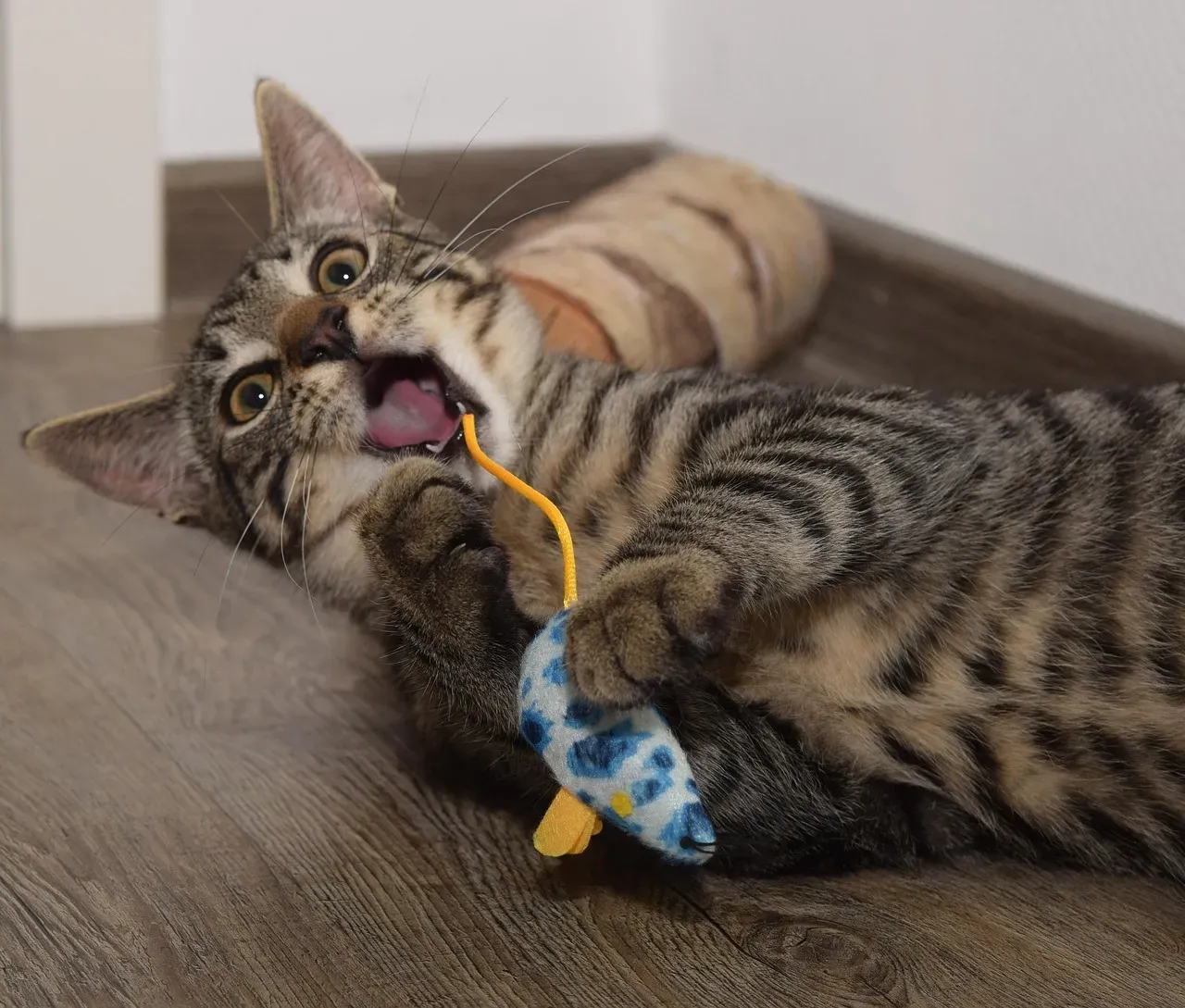
When cats grab toys with their front paws while kicking with their back legs, they’re practicing a crucial survival skill – the “rabbit kick” that would help them subdue larger prey while protecting their vulnerable belly. If your cat prefers this full-contact style of play, they’re showing you something important about their inner world.
These wrestlers tend to be brave, assertive individuals who don’t back down from a challenge. They engage deeply with whatever captures their attention and throw themselves completely into the experience. Toying with their prey is widely considered to be due to their conflicting need to kill and their fear of being injured by their capture, with studies showing that the more fearful a cat is, the more they play with their prey. Yet cats who wrestle with confidence during play often demonstrate courage and self-assurance in their overall temperament.
The Opportunistic Watcher: Intelligence Behind the Calm
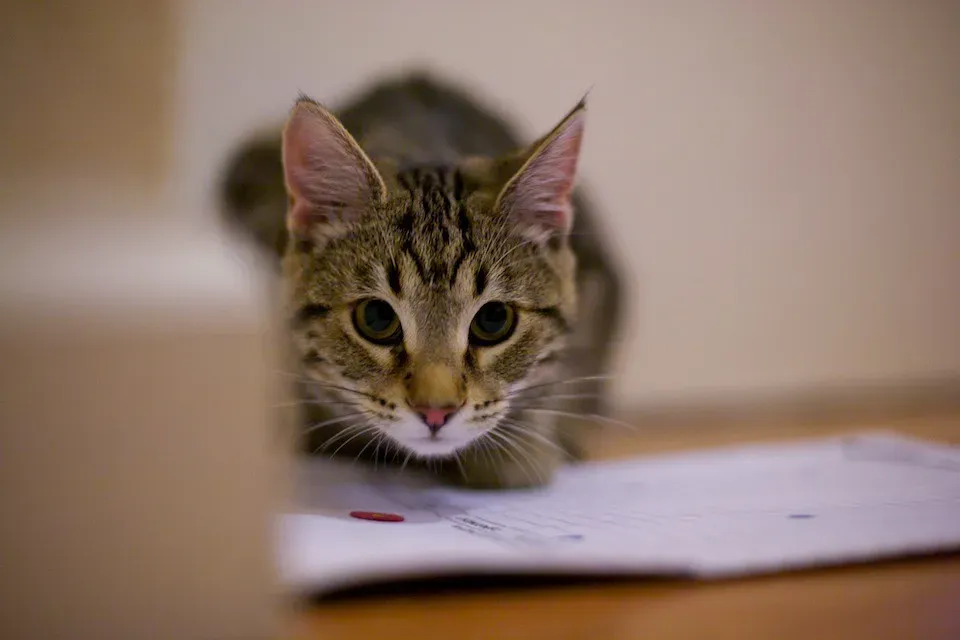
Some cats excel at the art of minimal effort for maximum reward – waiting patiently on their haunches until prey comes within perfect striking distance before making a precise, well-timed grab, which demonstrates sophisticated hunting strategy: energy conservation combined with excellent timing and spatial awareness. This isn’t laziness. It’s strategic brilliance.
Cats with this play style are often highly intelligent and observant, preferring to assess situations before acting. They watch, they wait, they calculate the perfect moment. In everyday life, these cats might seem reserved or detached, yet they’re constantly taking everything in. They choose their moments carefully and waste little energy on unnecessary actions, revealing a contemplative personality that values efficiency over showmanship.
The Social Player: Bonding Through Interactive Games
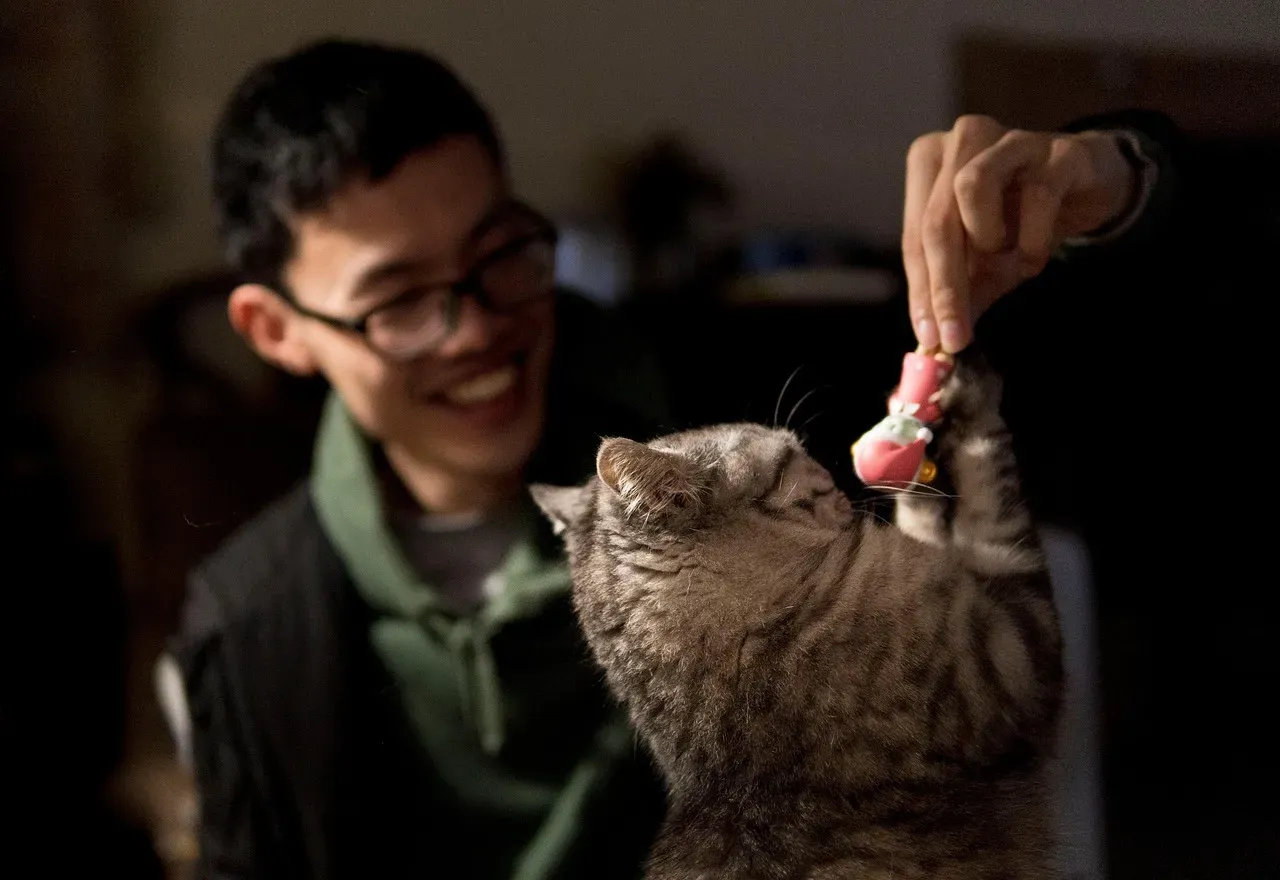
Social cats thrive on interaction, often enjoying playtime with their human companions or other pets, preferring activities that involve social engagement, which enhances bonding and ensures your cat is not just physically engaged but emotionally fulfilled as well. If your cat constantly brings toys to you, meows for your participation, or loses interest when left alone with toys, they’re revealing a deeply social personality.
These felines value relationships above all else. Play for them isn’t really about the toy itself but about the connection it creates with you or other household members. Play is good exercise for the body and mind, and also creates social bonds. Social players tend to be affectionate, emotionally expressive, and sometimes even a bit needy, seeking constant reassurance that they’re part of the family unit.
The Independent Explorer: Curiosity Drives Their Solo Adventures
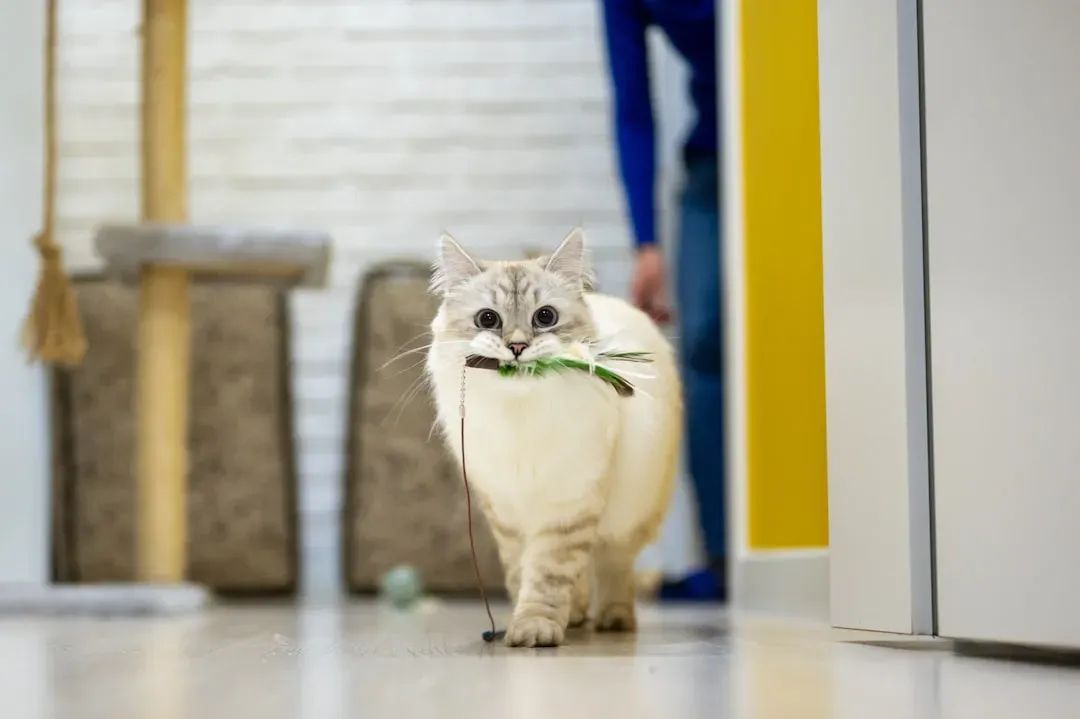
Some cats prefer playing alone, especially older or more independent felines, with toys that move or make noise keeping them engaged even when you’re not home. These solitary players aren’t antisocial necessarily. They simply possess a strong sense of independence and self-sufficiency that colors everything they do.
Cats who prefer solo play often have adventurous, curious personalities. They investigate every corner of their environment, fascinated by the world around them rather than seeking approval or companionship during exploration. No cat tree too high, no box left unexplored: Adventurers are curious by nature and love a challenge, with cardboard box mazes with treats hidden throughout or classic games of hide-and-seek working well. These cats march to the beat of their own drum, comfortable in their own company and endlessly intrigued by their surroundings.
The Laid-Back Observer: Minimal Play Signals a Calm Temperament
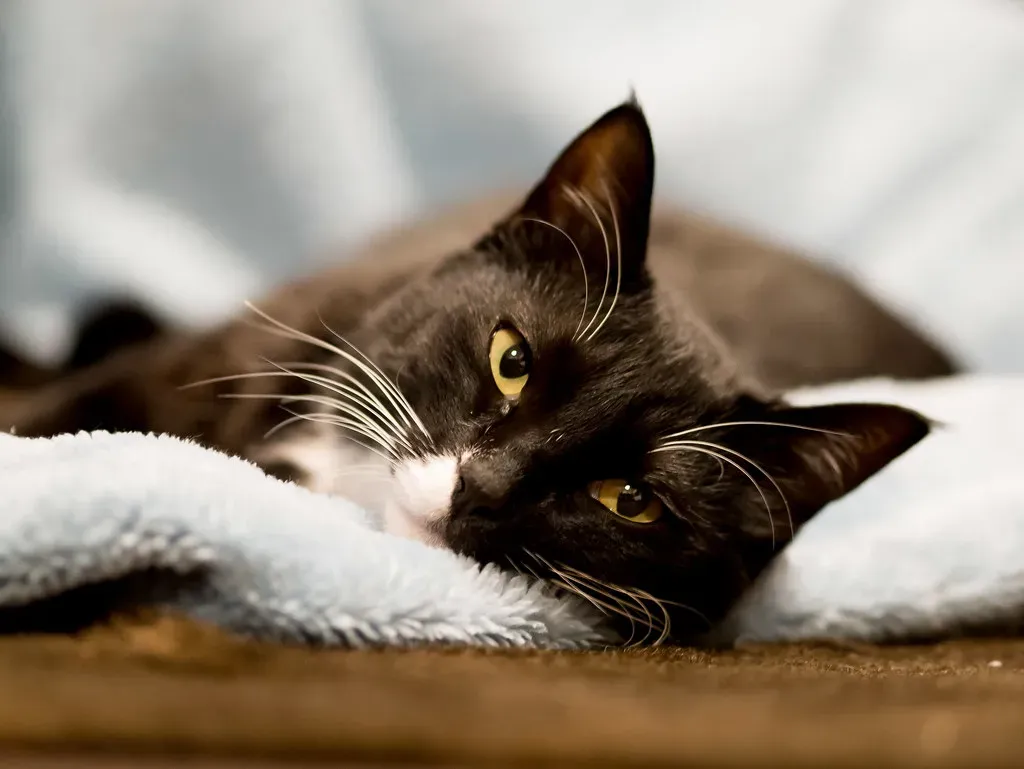
The Cool Cat is the most chill of all the cat personalities – some might even say hard to read, with these coy cats showing no interest in playing at all or batting at a toy half-heartedly just to appease you, though cat TV or interactive cat games on phones or tablets that they can paw at their leisure may work. Don’t mistake this for boredom or depression necessarily. Many cats simply have relaxed, easygoing personalities that don’t require constant stimulation.
These mellow individuals tend to be confident and content with their lives. They don’t feel the need to expend energy proving anything or seeking thrills. Adult cats may have more defined preferences, while older cats may prefer gentler play that requires less physical exertion. Whether due to age, temperament, or just general satisfaction with life, cats who play minimally often possess remarkably peaceful, zen-like personalities that value rest and observation over action.
Conclusion
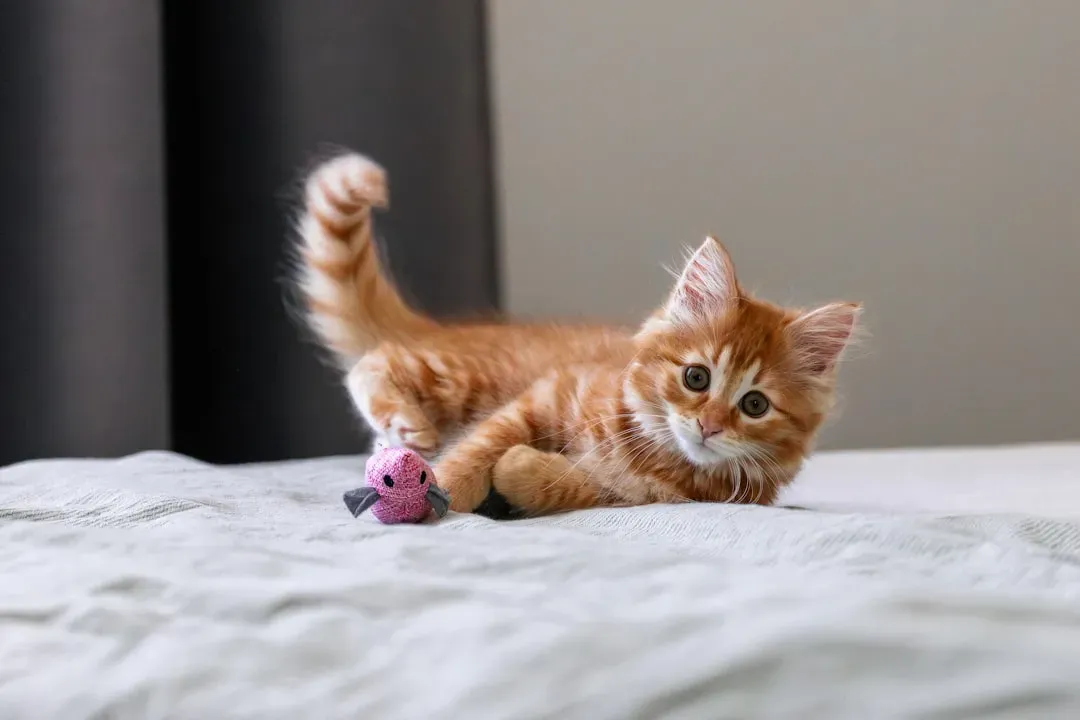
Your cat’s play style isn’t just cute entertainment for your Instagram feed. It’s a behavioral roadmap that reveals fundamental aspects of their personality, from confidence levels to social needs to problem-solving approaches. By understanding the subtle language of cat play, we can better meet our feline friends’ physical and psychological needs, whether your cat is a methodical stalker or an energetic acrobat, with their play style offering valuable insights into their personality and natural instincts.
Once you understand what drives your cat’s play preferences, you can tailor their environment, toys, and interaction style to match their true nature. This creates a happier, more fulfilled feline companion who feels genuinely understood. What does your cat’s play style reveal about them? Have you noticed any of these personality patterns in your own furry friend?