Your cat spends more time asleep than almost any other creature in your household. In fact, cats sleep between 12 and 18 hours per day. That’s a lot of napping. Yet most of us just watch them curl up and think, “Aww, cute,” without realizing there’s a whole secret language playing out right in front of us.
Sleeping positions are a form of communication. Your cat’s sleeping positions can reveal a lot about their comfort level and mood. Think of it like a daily emotional weather report, except instead of checking an app, you just need to glance at the sofa. There’s a surprising amount going on underneath all that fluff. Let’s dive in.
1. The Curled-Up Ball: Your Cat’s Armor Against the World

Picture a cinnamon roll. Nose tucked neatly to tail, paws folded under, the whole body drawn into a tight, compact circle. You’ve seen this a thousand times and probably never thought much of it. Here’s the thing though – this position is one of the oldest survival instincts your cat carries.
Cats often sleep curled up in a ball, with nose to tail. Cats like to be warm, and this shape helps them retain body heat. This position also protects vital organs in their abdomen by surrounding them with less essential and more resilient muscle and bone. It’s like your cat is wearing invisible armour, even in the comfort of your living room.
The classic curled-up position is about protection and warmth. It’s a natural instinct that cats have kept from their wild ancestors. Cats who frequently sleep this way may be more independent and cautious, taking their time to trust people or new situations. So if your cat rarely stretches out fully around you, don’t take it personally. They just have a carefully managed trust policy.
2. The Belly-Up Sprawl: The Ultimate Compliment You’re Getting
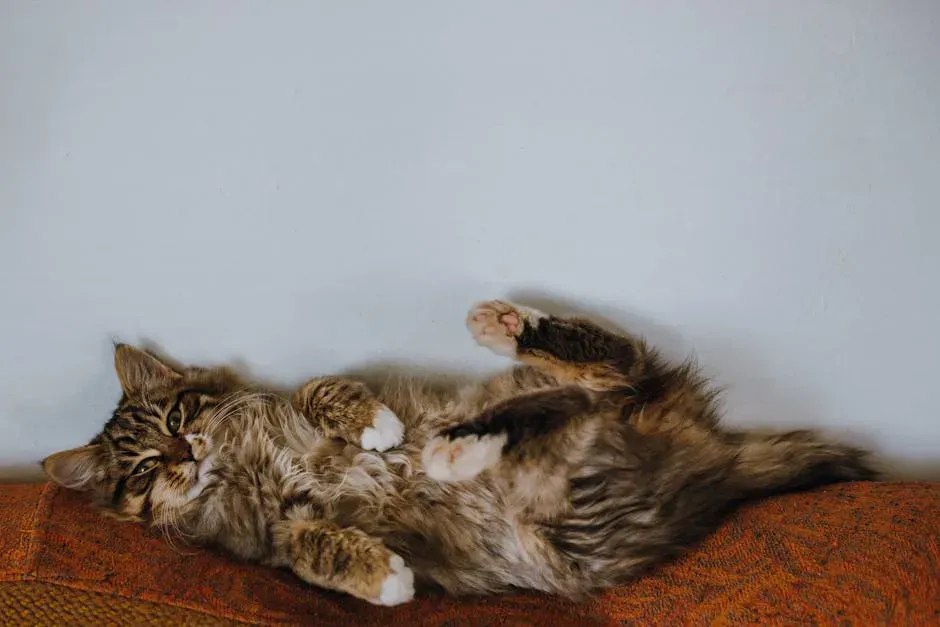
Honestly, if your cat ever flops onto their back and exposes that soft, furry belly to the ceiling, you should feel genuinely honored. This is not just adorable. It’s a profound statement of trust, and it doesn’t happen by accident.
Sleeping with the tummy facing the sky means your cat trusts you and their environment. Exposing the belly makes a cat quite vulnerable because their vital organs are unprotected. Only when a cat is completely at ease will they sleep belly up. Think of it this way: in the wild, showing your softest, most unguarded side to the world is a gamble no sane animal would take unless they were absolutely certain of safety.
This sleeping position can also help your cat cool off in warm weather, because the belly has less fur and loses heat more rapidly than the rest of the body. If your kitty sleeps in the belly up position, they are telling you that they feel relaxed and safe. So yes, your cat lying belly-up on a hot afternoon is both a trust signal and a clever little temperature regulation trick. Cats are always multitasking.
3. The Loaf Position: Calm on the Outside, Ready on the Inside
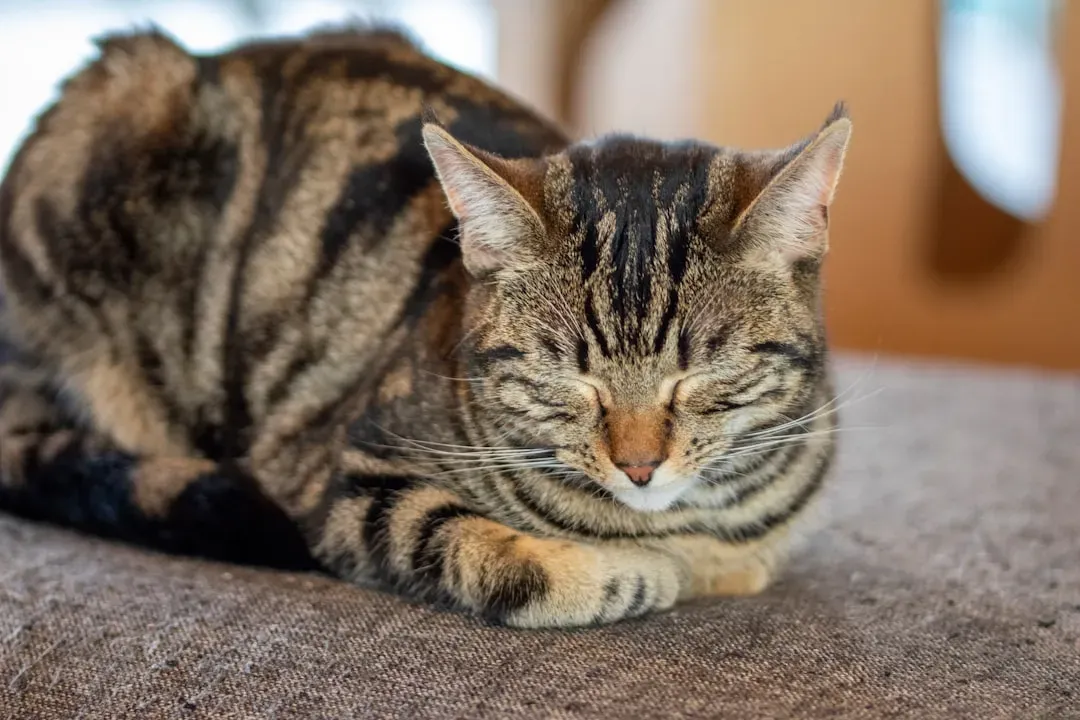
There’s something almost regal about a cat in loaf position. Paws tucked neatly underneath, head held upright, tail wrapped around the body like a well-placed accessory. It looks like they’re meditating. They kind of are, actually.
The loaf position is a classic cat posture – your cat sits upright with their front paws tucked neatly beneath their body, creating a shape that resembles a loaf of bread. Their tail is often wrapped close, and their head may rest above their paws or be upright. A loafing cat is sending a subtle message of trust. Tucking the paws and tail under the body means your cat feels safe, yet doesn’t want to be caught off guard.
There’s a gentle calmness about a loafing cat, but you may notice their ears flick or eyes track movement – evidence of a relaxed, yet watchful, state. Loafing is a sign your cat feels comfortable around you, but stays just a little bit ready for action. It’s basically your cat saying, “I trust you, but I’m keeping my running shoes on.” Totally fair, honestly.
4. The Side Sprawl: Full Trust, Deep Rest
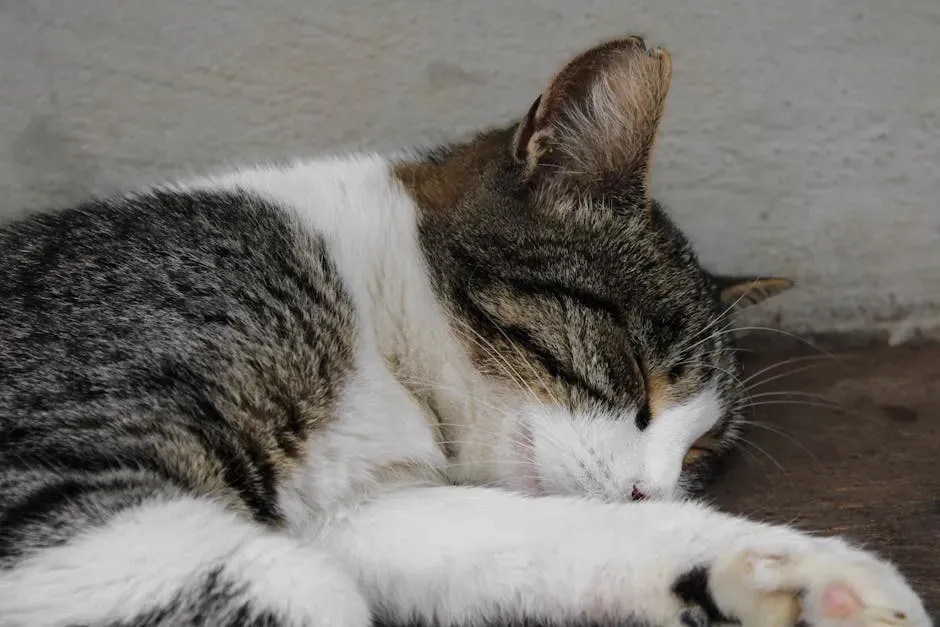
When your cat abandons all pretense of caution and stretches out fully on their side, legs extended, belly partially exposed, you’re witnessing something genuinely special. This isn’t a quick nap. This is your cat surrendering fully to rest – and that takes real confidence.
Like the belly-up pose, a sideways sleeper indicates your cat is very relaxed and in a deep sleep. Their vulnerable stomach is somewhat exposed in this position and their limbs are stretched out. They feel safe and content enough not to remain in an alert, shallow sleep. It’s the feline equivalent of kicking your shoes off and lying spread-eagle on the couch after a long week.
A side-sleeping cat feels safe, relaxed, and at ease. This position typically signals that your cat is in a deep, restful sleep. Side sleepers are often friendly, social cats who feel confident in their home and are likely to enjoy being close to their humans. So if your cat regularly side-sleeps near you, you’ve done something right in building that relationship.
5. The Face Plant: “Do Not Disturb” – and Mean It
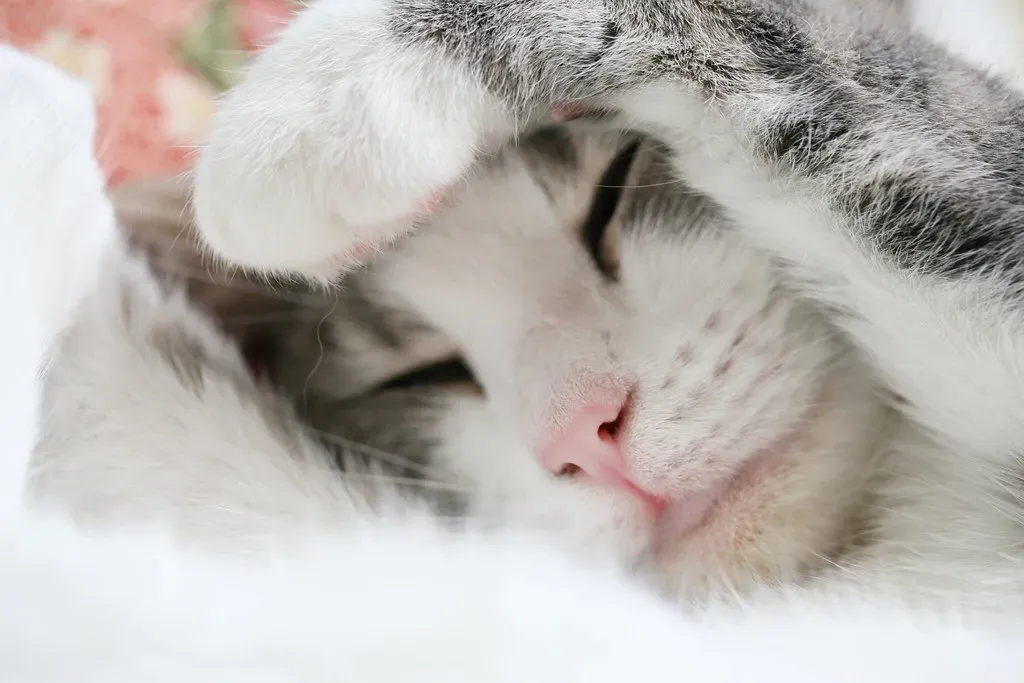
There is something absolutely hilarious about a cat sleeping with both paws firmly over their own face. It looks like they’re blocking out the world, and the truth is – they really are. This is the feline equivalent of pulling a pillow over your head on a Sunday morning.
The paws across the face position is when cats sleep with their paws covering their eyes or resting on their face. This position is often seen in cats that are seeking a sense of security and privacy. By covering their face, cats can shield themselves from light and potential disturbances, allowing for a more restful sleep. If your cat frequently sleeps with their paws across their face, it means they value their personal space and appreciate a peaceful environment.
Face-hiding is a way for cats to block out the world when they want undisturbed sleep. These cats may have more sensitive personalities, preferring calm and quiet environments. While they might seem a little shy or aloof, they are usually very affectionate with people they trust. So the next time you see that adorable face buried under tiny paws, take the hint and let them be. They’ll come to you when they’re ready.
6. The Perched High Sleeper: Watching Over Their Kingdom
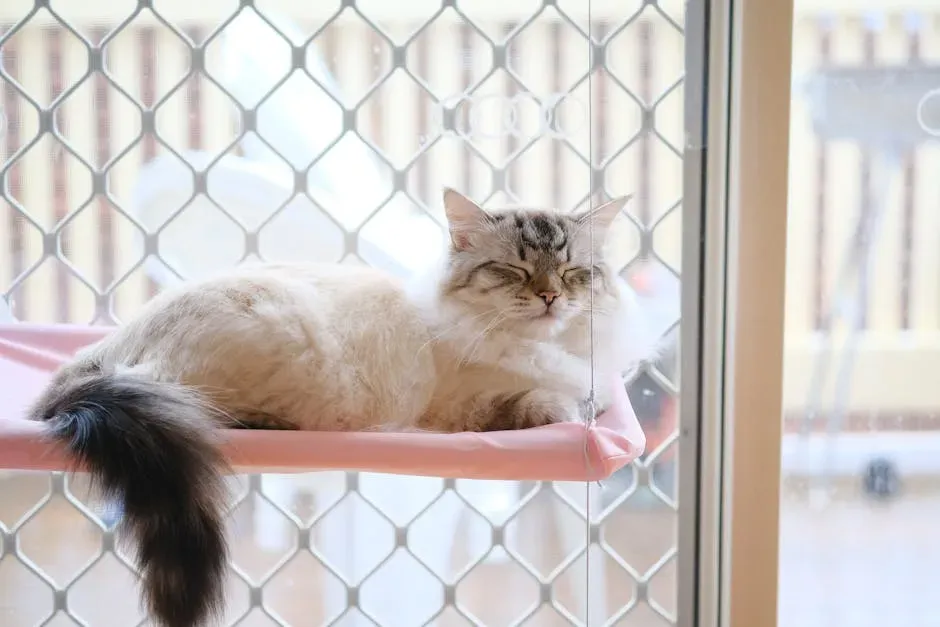
You’ve probably noticed your cat snoozing on top of the fridge, draped over the back of the sofa, or balanced improbably on a bookshelf ledge. It’s a little unsettling to watch, but there’s nothing random about this choice of altitude. Your cat is running ancient software.
It may seem precarious when a cat sleeps perched on the back of a couch, the arm of a chair, or even on top of the refrigerator. But this sleeping position has its advantages. With a high vantage point, cats are safe from potential predators while sleeping. In your home, this might mean other pets, children, or even unfamiliar visitors. Also, as a predator themselves, a perched sleeping position gives your cat a panoramic view to keep an eye on potential prey.
Cats are predators, and as such, they like to perch up high to keep an eye out for potential prey or threats. In the monorail sleeping position, cats lie lengthwise on an elevated surface such as a sofa arm, a handrail, or a windowsill. While your cat probably intends to remain alert for threats in this position, it also signals they’re sleeping lightly. Essentially, your cat is never fully off duty. Even at rest, they’re on surveillance. A little exhausting, if you ask me.
7. Hidden or Tucked-Away Sleeping: A Message Worth Listening To
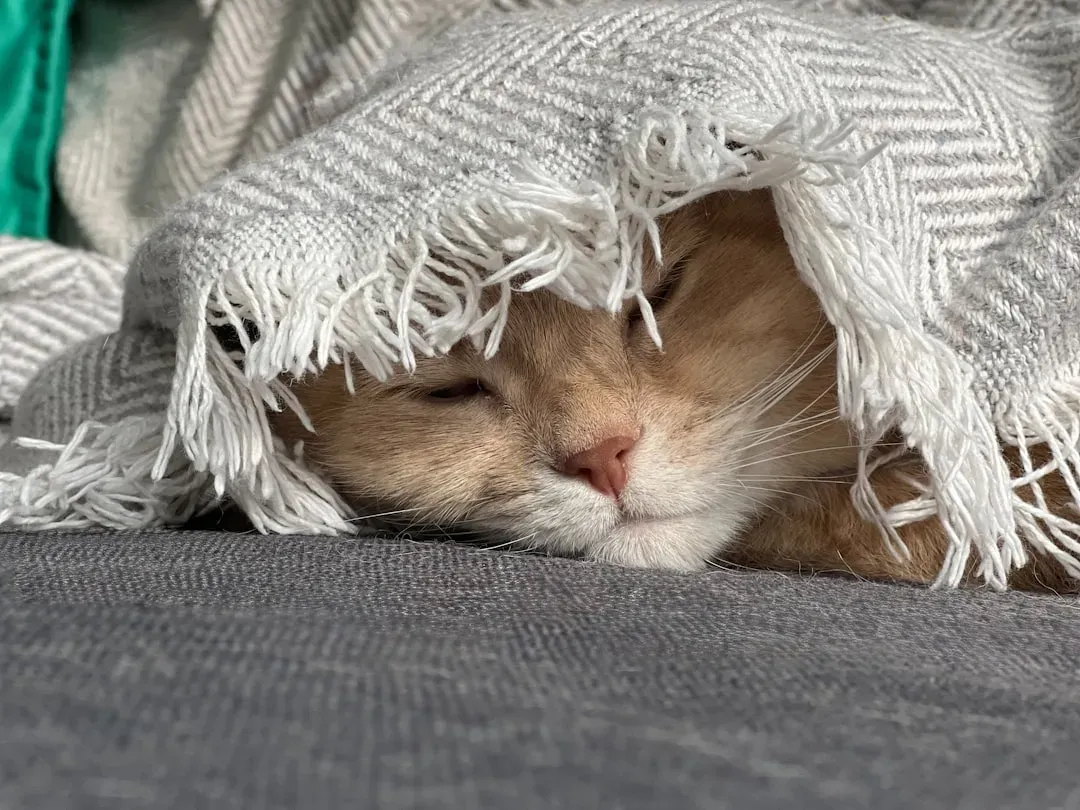
When your cat disappears under the bed, squeezes into a drawer, or burrows beneath a pile of laundry, it can look kind of funny. Sometimes it is. Other times, it’s worth paying closer attention to, because where a cat chooses to hide tells you a great deal about where they’re at emotionally and physically.
When you see your cat nestled beneath a blanket or tucked under the covers, it’s usually a sign they’re seeking warmth and safety. This position often means your cat wants to escape chilly environments or avoid disruptive household noises. A cat sleeping “tucked in” communicates a sense of trust and comfort in its surroundings. By wrapping its body in fabric, your cat is expressing a desire for calmness and stability, often choosing spots that carry your scent.
Here’s where it gets more serious, though. If your cat suddenly avoids shared spaces entirely or hides in unusual spots, it could indicate stress, illness, or a change in the household that’s making them uneasy. Cats who suddenly switch from relaxed, sprawling positions to tense curling in hidden locations could be signaling illness or stress. Excessive hiding, loss of appetite, or lethargy alongside a change in sleep posture warrants a veterinary visit. It’s always worth the extra attention.
Conclusion: Your Cat Is Talking – You Just Have to Watch
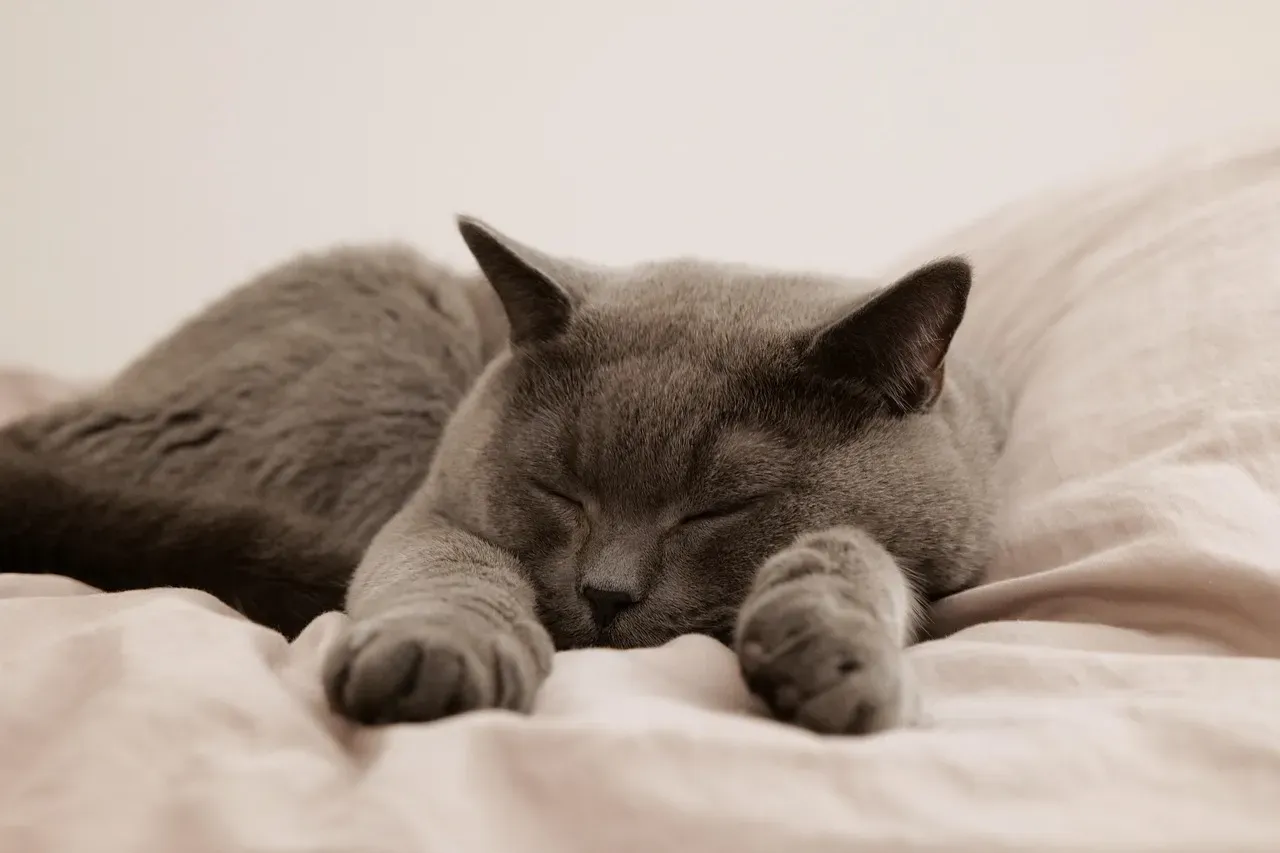
There’s something quietly beautiful about realizing that your cat has been communicating with you through their sleep this whole time. No words, no drama, just posture and position telling a whole story. Every curl, every sprawl, every paw over the face is a window into how safe, trusting, or anxious they feel in a given moment.
Cat sleeping positions are more than random habits. Every posture reflects a mix of instinct, comfort, temperature regulation, and emotional state. A cat’s wild ancestors had to protect vulnerable organs and stay ready to react to threats even while resting, and those instincts still shape how domestic cats sleep today. Paying attention to your cat’s preferred positions can give you real insight into their mood, health, and how secure they feel in your home.
Once you start reading these signals, you can’t unsee them. That belly-up sprawl hits differently when you understand what it means. That tight little loaf on the windowsill suddenly feels like a conversation. By understanding the meaning behind your cat’s sleeping postures, you gain deeper insight into their physical and emotional well-being. Each position, whether protective, affectionate, or symptomatic, communicates a unique narrative. Through attentive observation and responsive care, you can significantly enhance your cat’s quality of life while fostering a deeper and more empathetic bond.
Your cat can’t tell you how they’re feeling in words. But they’re showing you every single day. Are you paying attention?