You’ve probably stared at your cat mid-nap, tilted your head sideways, and thought: “What on earth are you doing?” We’ve all been there. Cats are mysterious little creatures, and honestly, that’s a big part of their charm. They don’t bark at you to say they love you, they don’t wag a tail when you walk in the door. Their emotional world is quieter, subtler, and – here’s the exciting part – written all over how they sleep.
It turns out that reading your cat’s sleeping position is like having a cheat code to their inner world. Cats communicate through posture long before they vocalize anything, and sleep is their most unguarded moment – their body language during rest says a lot. So before you assume your cat “just doesn’t care,” you might want to take a closer look at how they curl up at night. Be prepared to be surprised by what you find.
The Belly-Up: Your Cat Just Gave You the Highest Compliment
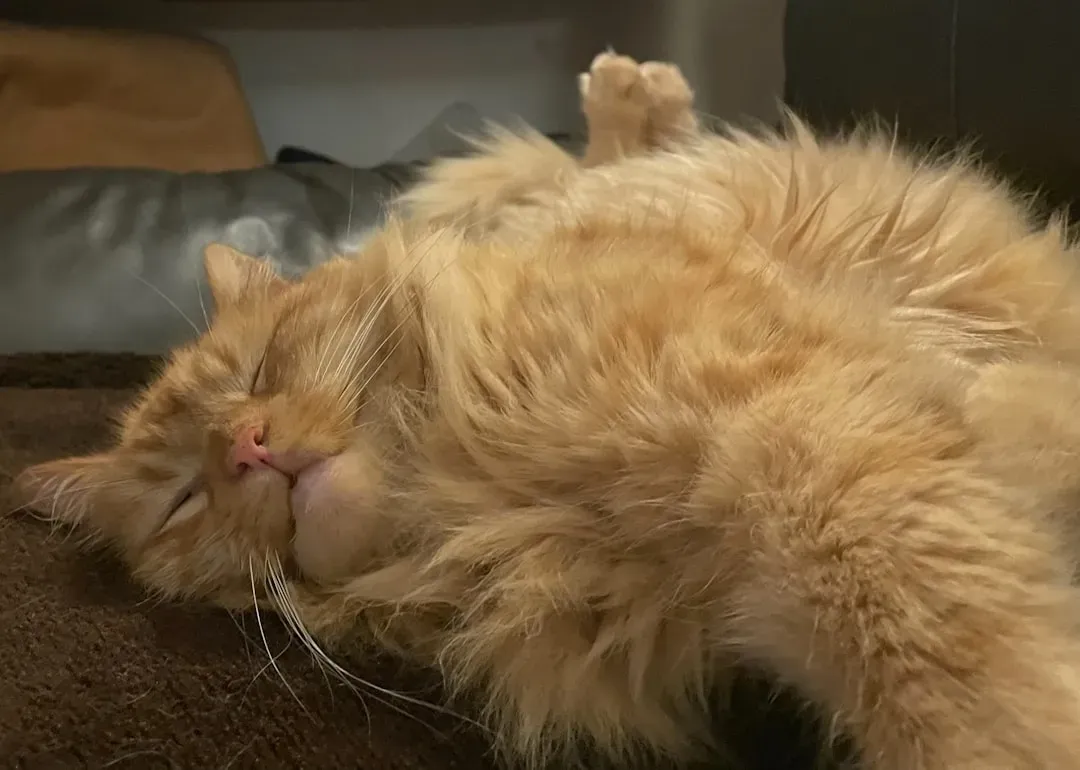
Let’s be real – not every cat owner gets to witness this one, and if yours does it regularly, you’re doing something right. A cat sleeping on their back with their belly fully exposed is showing the highest level of trust. The stomach is a cat’s most vulnerable area, so choosing to sleep belly-up means your cat feels entirely safe – and not every cat does this, so consider it a real compliment if yours does.
If your cat often sprawls on their back with their belly fully exposed, you’re witnessing a sign of strong trust and comfort. This “belly up” position is one of the most vulnerable postures a cat can adopt – in the wild, exposing the stomach could be risky as it leaves their vital organs unprotected. Think of it this way: your cat is basically saying “I trust you so completely that I’m willing to ditch every survival instinct I have, just to nap comfortably around you.”
Here’s the thing, though – just because they’re flashing that fuzzy tummy doesn’t mean you should touch it. Even though your cat feels safe, you should probably not try to rub your cat’s belly when they are in this position, as most cats will still attempt to defend themselves when touched in the belly area by biting, swatting, or scratching. Respect the display, admire it from a distance, and take it as the extraordinary act of love it truly is.
The Classic Curl: Warmth, Instinct, and a Little Bit of Caution
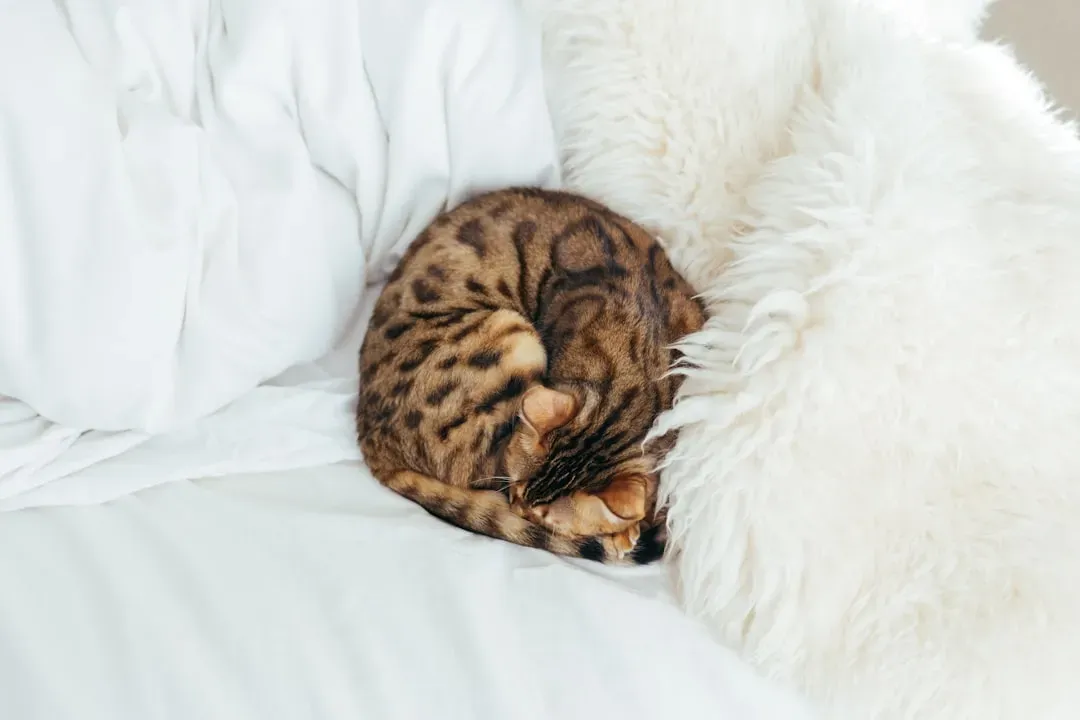
You’ve seen this one a thousand times. Your cat forms a perfect little croissant on the couch, tail wrapped neatly around their body, nose almost touching their paws. It’s adorable. It’s timeless. This cat sleeping position is the most common, and is also known as the crescent. The reason why most cats tend to sleep curled up is to protect themselves while maximizing body warmth – if you notice your feline friend sleeping in this position, they may be feeling a bit chilly, or it may be a sign that they are feeling a little vulnerable, and sleeping in such a position helps them feel more secure and safe.
When your cat curls into a tight ball with their tail wrapped around their body, they are conserving warmth and protecting vital organs. This classic position appears most often during colder weather or when cats feel the need for extra security. It’s not necessarily a sign that your cat distrusts you – it’s more of a neutral, self-protective position that any cat might adopt, regardless of the bond you share. Think of it as your cat being cozy rather than closed off.
The classic curled-up position is about protection and warmth – a natural instinct that cats have kept from their wild ancestors. Cats who frequently sleep this way may be more independent and cautious, taking their time to trust people or new situations. So if your new rescue cat curls up tightly every single night, don’t panic. They might just need a little more time to feel fully at home – and with patience, that’s very likely to change.
The Loaf Position: Calm, Content, and Casually Watching You
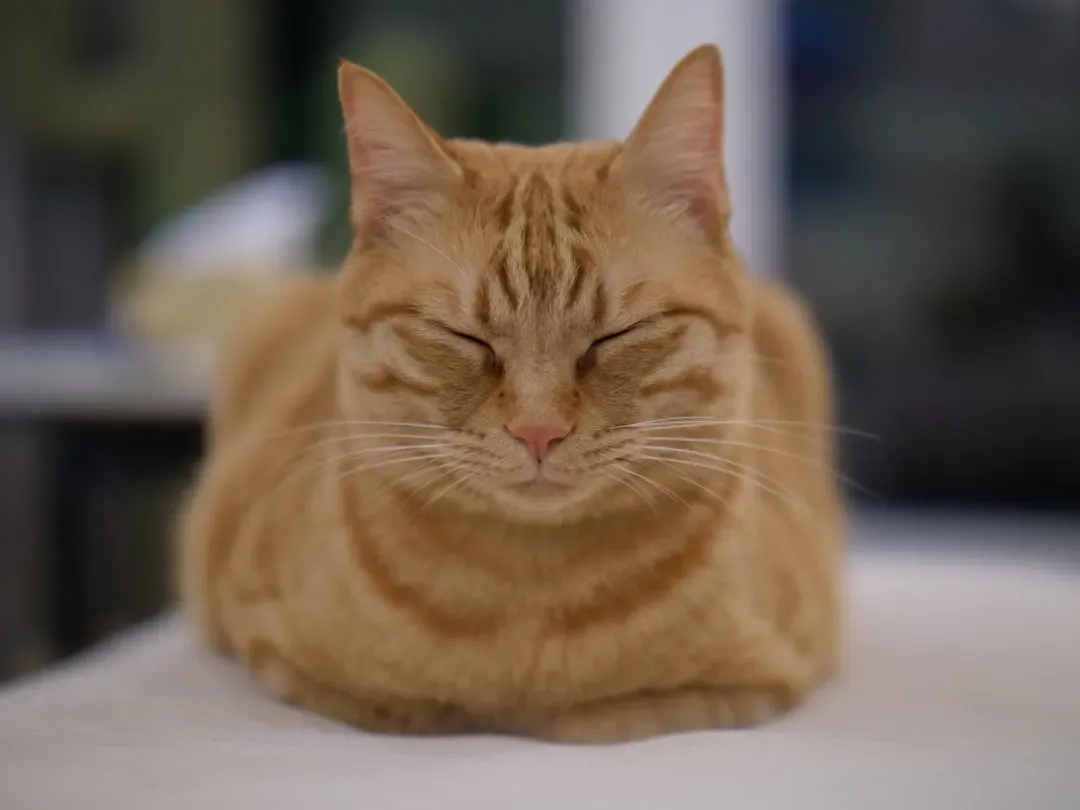
This one is arguably the funniest to look at. Your cat sits perfectly still, paws tucked completely under their body like a little bread loaf on a counter. No legs visible. Just a fluffy rectangle with a face. Paws tucked neatly under the body with head upright, the loaf position means your cat is resting but still somewhat alert – loafing cats are comfortable enough to close their eyes but ready to react if something catches their attention.
This pose suggests your cat feels secure enough to relax but is keeping watch over their surroundings. You might notice this position during the day when household activity is happening around them – the loaf is a sign of contentment mixed with mild vigilance, showing your cat trusts the environment but remains prepared. It’s the feline equivalent of sitting in a coffee shop with one eye on your laptop and one eye on the door. Relaxed, but not completely off-duty.
The loaf position, with paws tucked under and head upright, means your cat is resting while staying alert. Cats who loaf frequently are comfortable in their environment but prefer to keep their paws ready for quick action – cool temperatures can also encourage loafing since tucking the paws helps retain body heat. Honestly, I think the loaf is one of the sweetest in-between states a cat can be in. They’re not on guard, but they haven’t fully let go either. It means you’ve earned their comfort, just not every last drop of their wild instincts.
Sleeping on Your Chest: Deep Affection in Its Purest Form
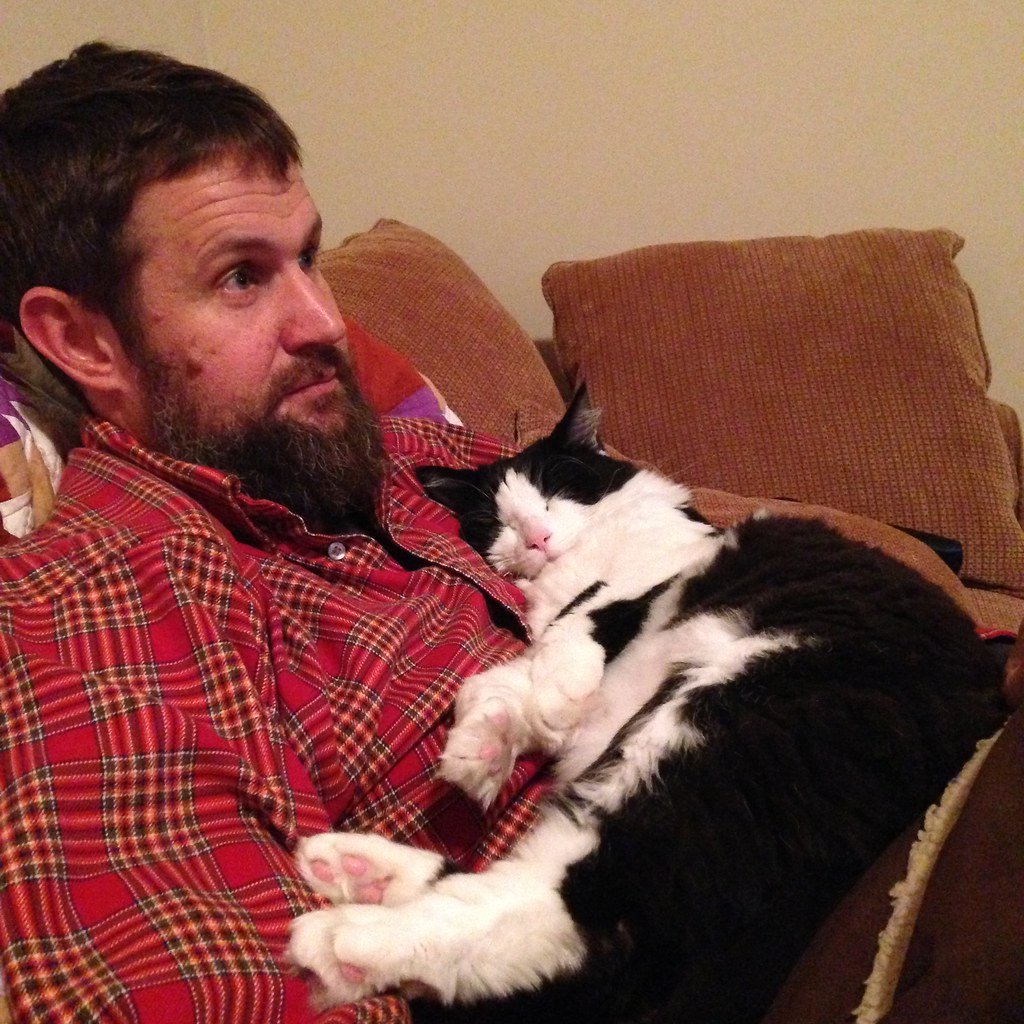
If your cat climbs onto your chest at night and settles down to sleep right there, close to your heart – literally – consider yourself in the inner circle. This is not a casual napping choice. A cat that consistently sleeps on your chest has formed a strong bond with you. Your heartbeat, breathing rhythm, and body warmth mimic the comforting sensations kittens experience with their mother – chest sleeping is one of the most affectionate cat sleeping positions and signals deep trust.
The on-your-chest position is when cats choose to sleep directly on top of their human companion’s chest. This position is often seen in cats that have a strong bond with their owners and seek close physical contact. By sleeping on your chest, cats can feel the warmth of your body and the soothing rhythm of your heartbeat – if your cat frequently sleeps on your chest, it is a clear sign of their affection and trust in you.
There’s something almost poetic about it, when you think about it. Like a heartbeat comforts a baby, the sound of your heart beating and your breathing’s rhythmic rise and fall can also soothe your cat – this position not only keeps them close to you but also taps into the warmth your body generates. So the next time you can’t move because your cat is asleep on your chest and you don’t want to disturb them – you’re basically their emotional anchor. Wear that badge proudly.
At Your Feet: Loyalty With an Escape Plan
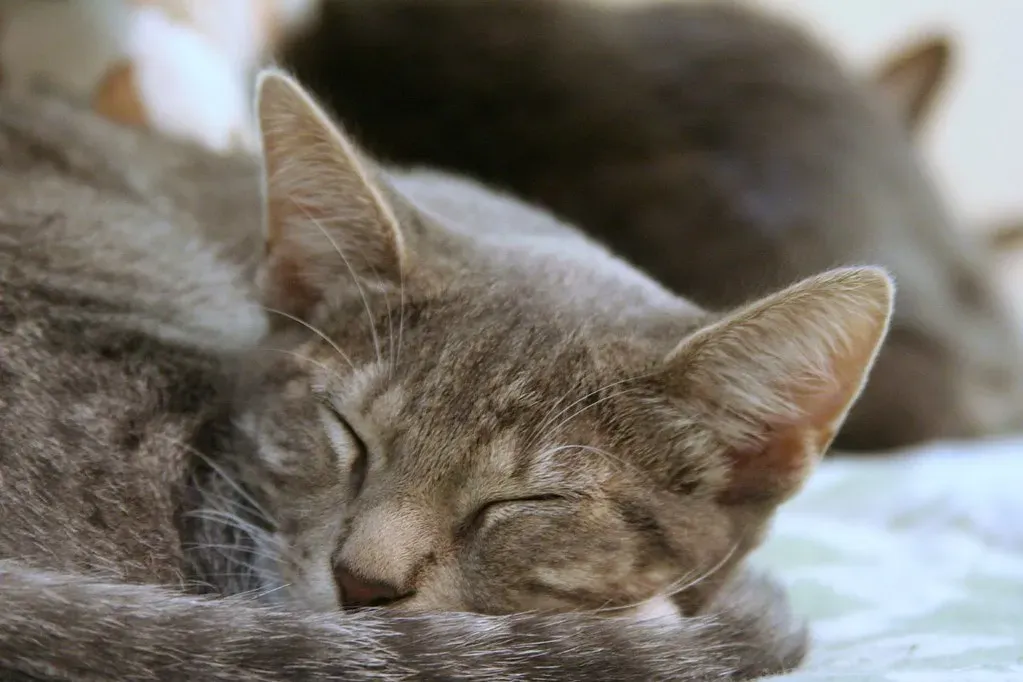
Your cat loves you. Your cat also likes knowing exactly where the nearest exit is. These two things are not mutually exclusive. This position strikes a pragmatic balance between affection and survival instinct. While your cat wants to be near you to feel the comfort of the “pack,” the foot of the bed offers the quickest escape route if a threat appears – sleeping by your feet allows your pet to monitor the door while maintaining physical contact with you.
A cat sleeping at your feet is showing affection while keeping their independence. The foot of the bed offers warmth, proximity, and a clear view of the room with an easy exit route – cats with a watchful personality often prefer this spot. Don’t interpret this as your cat being emotionally distant. It’s more like a guard dog who patrols the perimeter but still wants to be in the same room as you. The loyalty is absolutely there.
It is often the preferred spot for cats that are slightly more independent or for those who are easily startled by movement during the night – they get the emotional benefit of your presence without the risk of being rolled over. That last part? It’s honestly very reasonable. It means your cat has figured out the optimal spot to be near you without getting an elbow to the face at 3 AM. Smart, actually.
Sleeping Between Your Legs: You Are Their Safe Den
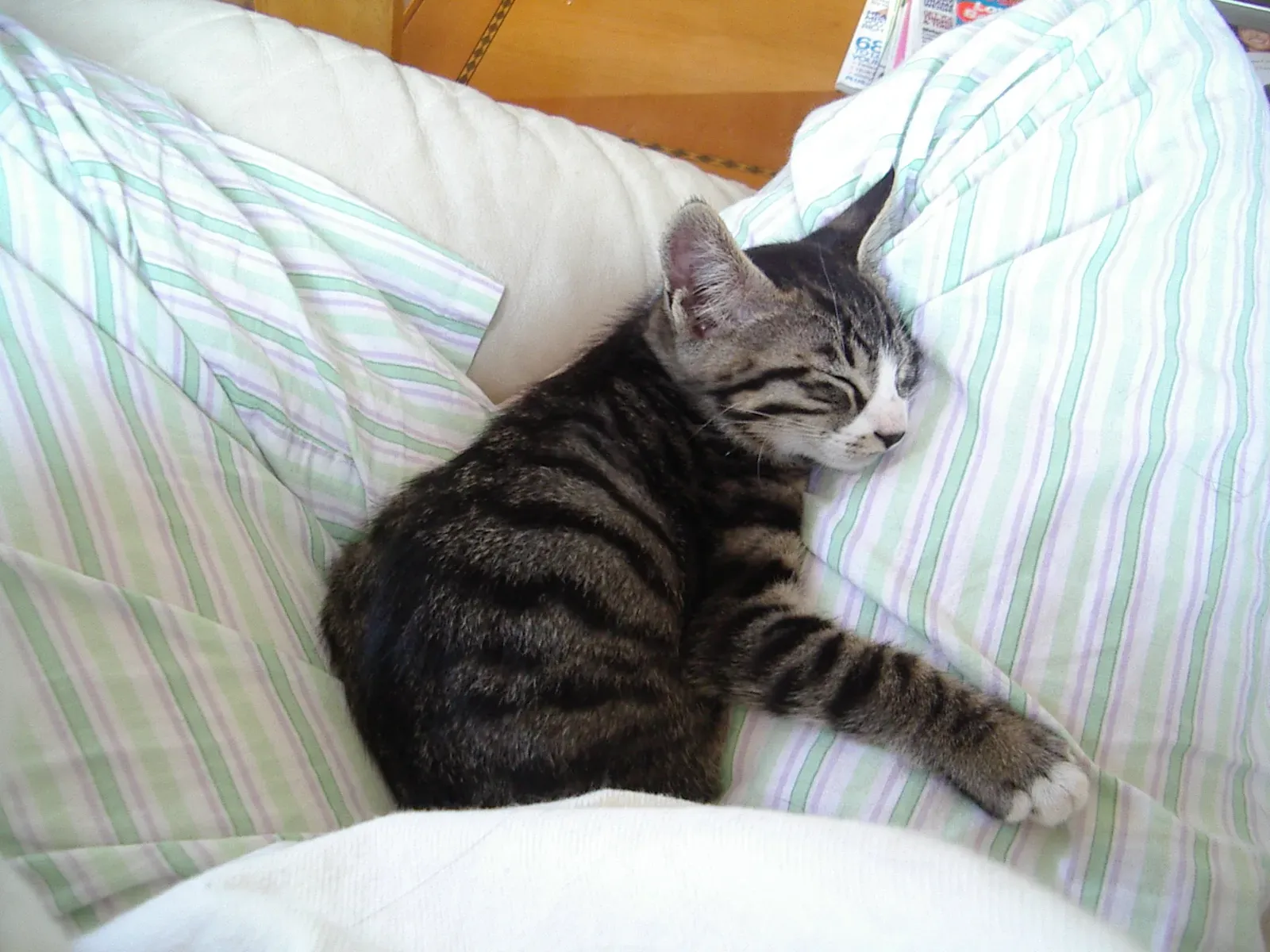
Now this one is both sweet and slightly inconvenient – because once your cat settles between your knees at bedtime, you are not moving. Not voluntarily, anyway. Your legs create natural barriers that form a warm, enclosed nest. Cats who favor sleeping between your legs are seeking the same protected feeling they’d get from a den or enclosed space – cats drawn to nested spots like this often also prefer enclosed litter box furniture and cave-style resting areas.
A cat sleeping between your legs might be slightly uncomfortable for you, but it offers several benefits for your cat. This position allows them to feel physically close to you, maximizing the warmth and shelter provided by the space between your legs – it creates a cozy, safe area, yet still offers an easy escape route if needed. It’s like being a human cat fort. An honor, truly, even if your legs go numb.
The emotional meaning behind this goes deeper than just warmth-seeking behavior. When a cat sleeps between your legs, your legs provide a warm, safe, nest-like area for your cat to sleep – and even so, your cat still has the security of an easy escape route. It’s a dual signal: your cat trusts you AND respects their own natural need for security. That’s emotional intelligence, honestly. Even if it does mean you wake up with sore hips.
Sleeping Near Your Head: Your Cat Has Claimed You as Their Person
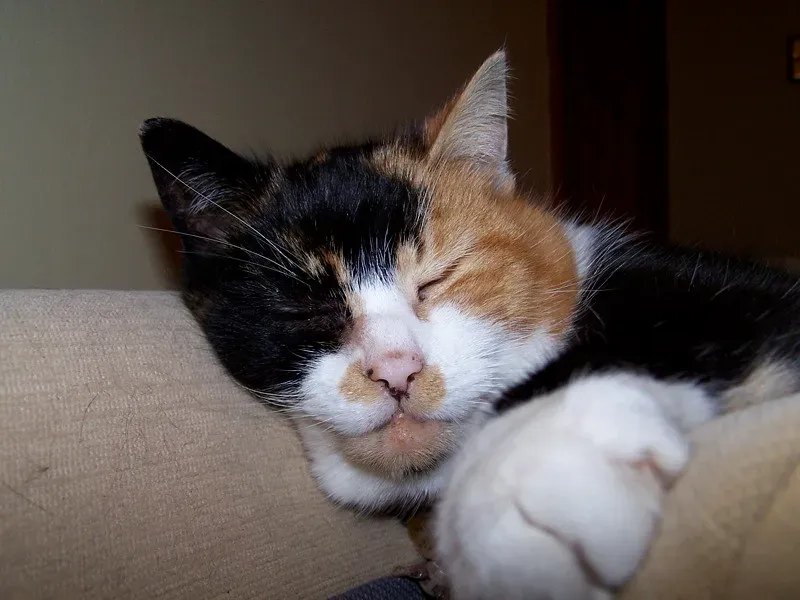
Out of all the sleeping positions on this list, this one might carry the strongest emotional weight. When your cat chooses to sleep right near your head – on your pillow, beside your face, or draped just above you – it isn’t random or accidental. Beyond practicality, sleeping near your head is a significant sign of trust and affection. Cats that form close social bonds tend to sleep in physical proximity to those they trust, whether it’s other cats or their human companions.
Another reason your cat may gravitate toward your head is the stability it provides. Research found that domestic cats prefer sleeping in quiet, undisturbed locations where they are less likely to be jostled – while your arms and legs shift throughout the night, your head remains relatively still, making it an ideal sleeping spot. Additionally, the head’s elevated position can provide a sense of security, aligning with a cat’s natural preference for higher vantage points.
Cats have an exceptionally well-developed sense of smell, which plays a crucial role in selecting safe sleeping spots – since your bed carries your scent, it becomes a comforting and familiar place for them. Near your head, that scent concentration is strongest. Sleeping near your head signals strong bonding and scent-seeking. Your cat isn’t just sleeping near you – they are wrapping themselves in the sensory equivalent of a warm hug, and you happen to be the source of it.
What Your Cat’s Sleep Is Really Telling You
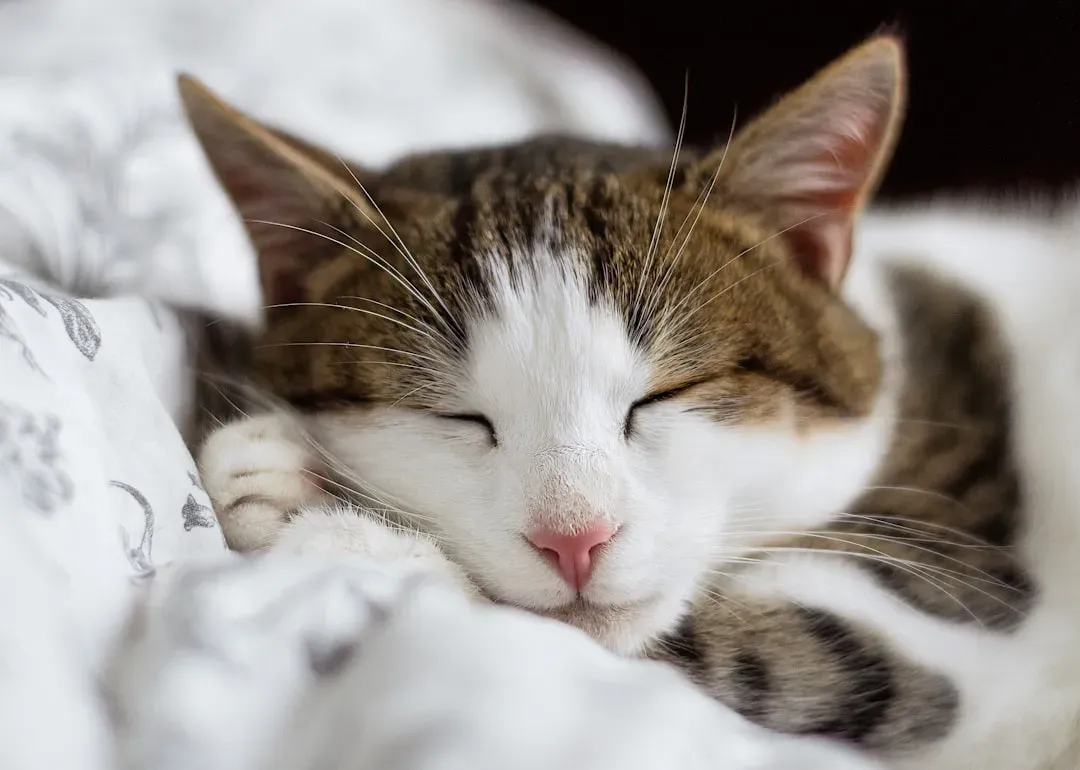
Here’s the big picture: your cat is not a mystery you’ll never crack. Their sleeping positions are one of the clearest windows into how they feel about you, their home, and their sense of safety in the world. Cat sleeping positions are more than random habits – every posture reflects a mix of instinct, comfort, temperature regulation, and emotional state. A cat’s wild ancestors had to protect vulnerable organs and stay ready to react to threats even while resting, and those instincts still shape how domestic cats sleep today. Paying attention to your cat’s preferred positions can give you real insight into their mood, health, and how secure they feel in your home.
It’s also worth noting that change matters just as much as pattern. A sudden change in sleep patterns can be a health indicator – a change in a cat’s usual sleeping habits may signal an underlying health issue, injury, or cognitive dysfunction, especially in older cats. So while decoding the cute and cozy sleeping positions is genuinely fun, staying tuned to shifts in your cat’s behavior is also a form of love and good caretaking.
The next time your cat stretches out on your pillow, wedges between your knees, or curls into a bread loaf on the couch, pause for just a second. They’re not just napping – they’re quietly telling you exactly how they feel about you. Cats sleeping near you mirror how kittens sleep piled together with their mother and littermates – choosing to rest near you is your cat’s way of saying you’re family. And that, honestly, is everything.
What do you think – did any of your cat’s sleeping habits suddenly make a lot more sense? Drop a comment and tell us which position your cat favors most!