Most people look at their cat and think those little facial hairs are just part of the charm. Adorable, sure. Functional? Absolutely. But the actual depth of what those slender strands can do would genuinely surprise you. They are not just decorative accessories perched on a fluffy face. They are precision instruments that took millions of years to perfect.
Your cat is, in a very real sense, wearing a sensory supercomputer on its face every single day. From hunting in total darkness to reading the mood of a rival cat across the room, whiskers do things that no piece of human technology has yet fully replicated. Buckle up, because what you are about to discover will change the way you look at your furry companion forever. Let’s dive in.
They Are Not Hair. They Are High-Tech Sensory Organs
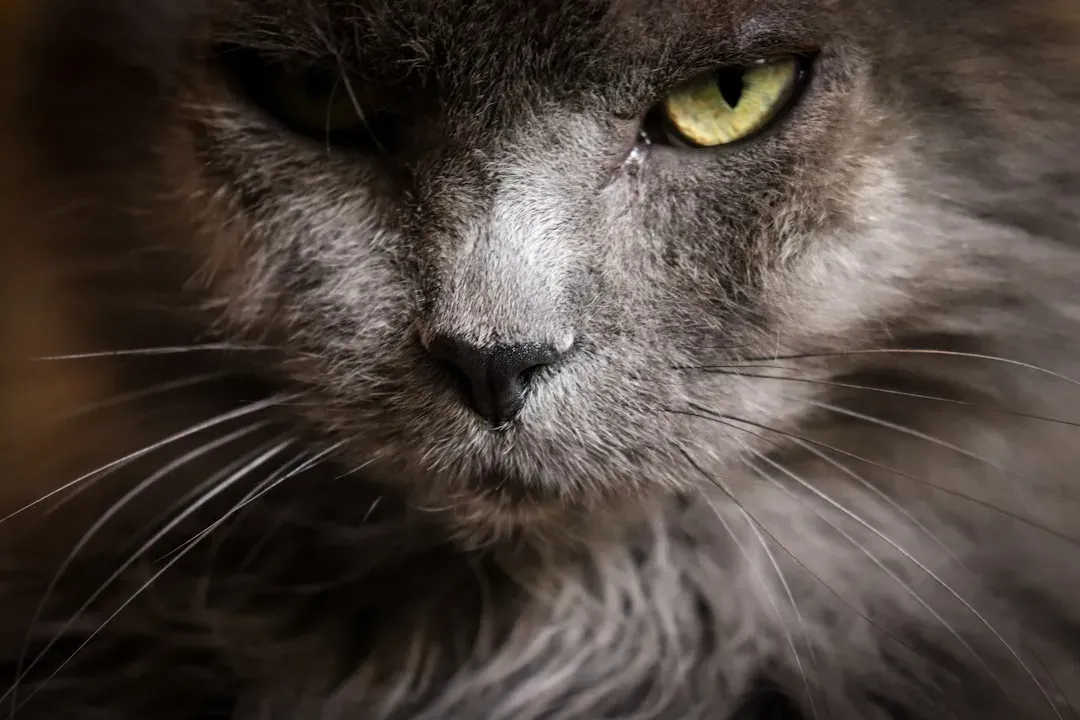
Here’s the thing: calling a cat’s whiskers “just hair” is like calling a smartphone “just a phone.” Technically accurate, completely misleading. Whiskers, also called vibrissae, are specialized tactile hairs that are thicker and stiffer than regular fur, and unlike ordinary hairs, they are rooted three times deeper into the skin and surrounded by blood-filled sacs that amplify vibrations. That depth matters enormously.
While the stiff hairs are made up of a protein called keratin that contains no nerves, the hair follicles at the base of the whisker are packed with nerve endings and blood vessels and contain sensory neurons that transmit information to the brain. Think of it like an electrical cable. The outer shell is just insulation. The real magic happens inside.
A good portion of a cat’s brain is devoted to processing data from touch sensors. Whiskers are reliable touch sensors, and almost forty percent of the brain’s sensory area aligns with body parts that have whiskers. Each individual whisker can even be traced back to a specific spot in the brain. That is extraordinary neurological real estate for something most people barely notice.
Your Cat Is Basically Running Its Own Built-In GPS
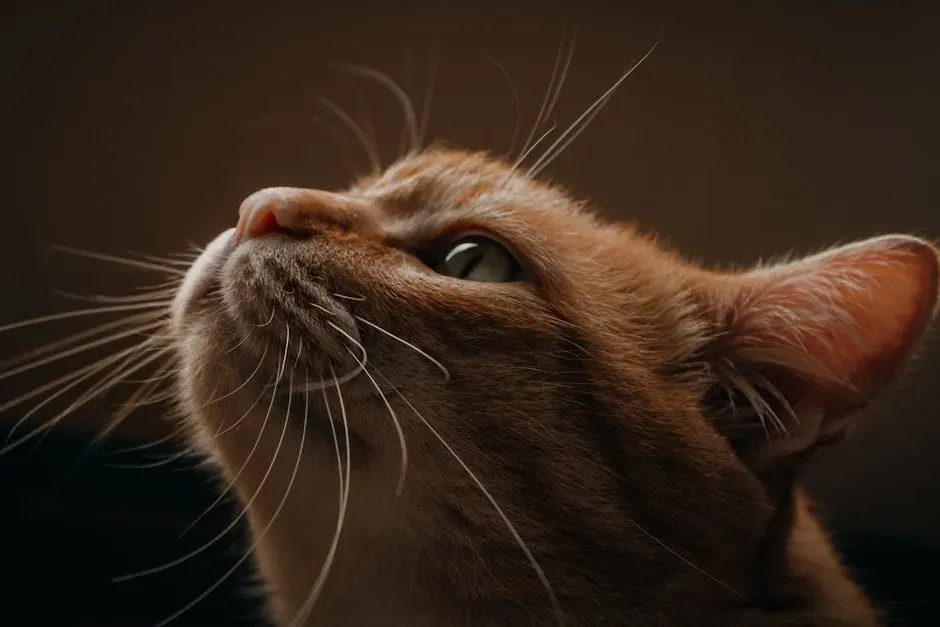
Honestly, watching a cat glide through a pitch-black room is almost unsettling. No stumbling, no hesitation. It moves like it has a map. Whiskers contribute significantly to cats’ legendary ability to navigate in complete darkness. By sensing air currents and vibrations, these sensory organs alert cats to the presence of obstacles, prey, or potential dangers before visual confirmation is even possible.
If you have ever wondered how your cat seamlessly moves around during the night without bumping into anything, it is in part because of their whiskers. The air currents in a room are different depending on where furniture is placed, and their whiskers pick up on this and tell their brain where things are. It is like a form of echolocation, but with air instead of sound.
A cat’s facial whiskers send signals directly to specialized regions of the brain, specifically the somatosensory cortex, which processes tactile input with remarkable speed and precision. Research from the University of Sheffield even suggests whiskers bend in distinct patterns inside the follicle, creating mechanical feedback loops that activate sensor cells and deliver nuanced data to the brain. That is not just impressive. That is awe-inspiring.
They Double as a Perfectly Calibrated Measuring Tape
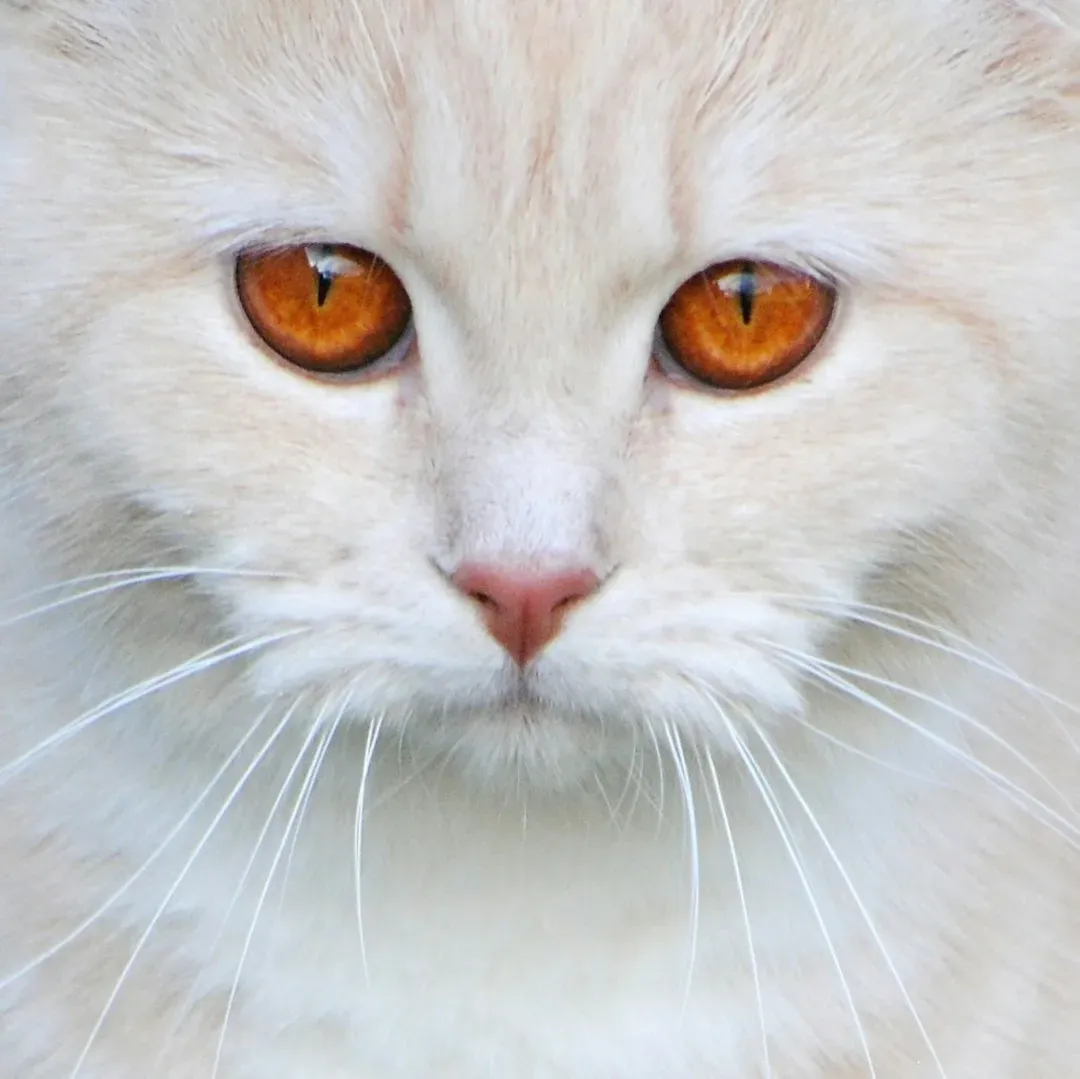
You have probably seen your cat poke its head into a tight space before the rest of its body follows. That is not curiosity gone wrong. That is precision engineering at work. The size of a cat’s whiskers is not random. They are usually about the same width as the cat’s body, which helps cats judge whether they can fit through tight spaces like under furniture or through a gap in a fence. If the whiskers touch both sides of a space, it tells the cat they may get stuck.
You may have seen your cat put their head into an opening before the rest of their body. This is because their whiskers work as a built-in ruler. Because whiskers are placed around the width of your cat’s body, it means they are excellent at helping your cat gauge how tight a space is. Imagine if humans came with a built-in door-frame sensor. We would save ourselves a lot of bumped shoulders.
Whiskers Are Secret Weapons in the Hunt
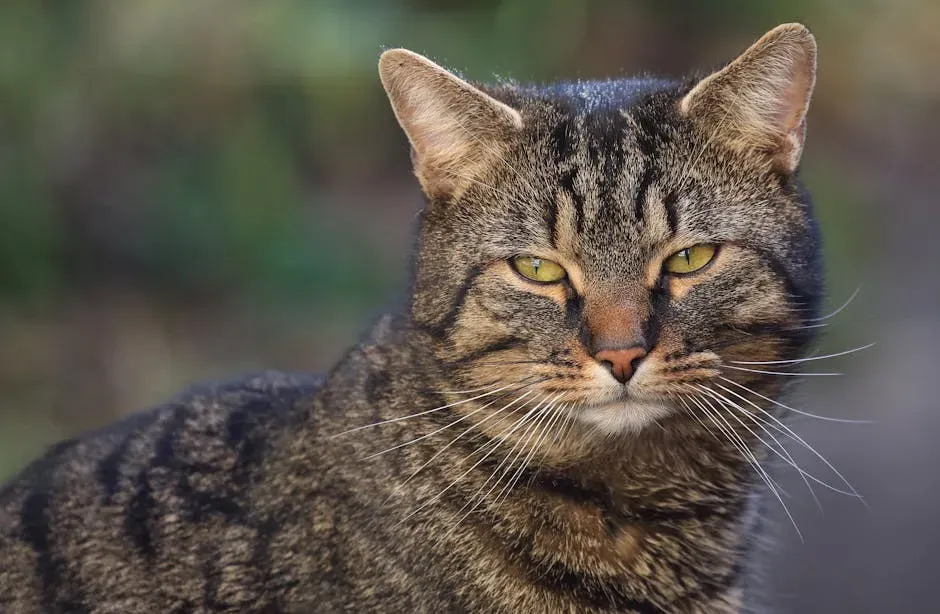
Let’s be real: your pampered indoor cat still has the instincts of a wild predator lurking just beneath the surface. And whiskers are a core part of that predatory toolkit. Cats are ambush predators, relying heavily on stealth and accuracy. Whiskers enhance their ability to detect prey movements in near darkness. When a cat captures a mouse, whiskers around the muzzle help sense even the faintest twitch, allowing the cat to deliver a precise killing bite.
What surprises most people is that the whiskers on the face are not working alone. The whiskers on the legs help a cat feel around while hunting prey. Also called carpal whiskers, they provide information to help a cat get a sense of the movement and orientation of their prey in relation to their paws. They also allow them to feel around in the dark and small spaces. It is a full-body sensory net, not just a face feature.
Cats are somewhat farsighted. Whiskers compensate for the trouble cats have focusing on objects close up. This can be particularly important for hunting. Once a cat pounces on their prey and has it in their paws, their whiskers help them “see” where to deliver the fatal bite. Cold, calculated, and brilliant. Nature does not mess around.
They Read Emotions Like a Mood Ring on Your Cat’s Face
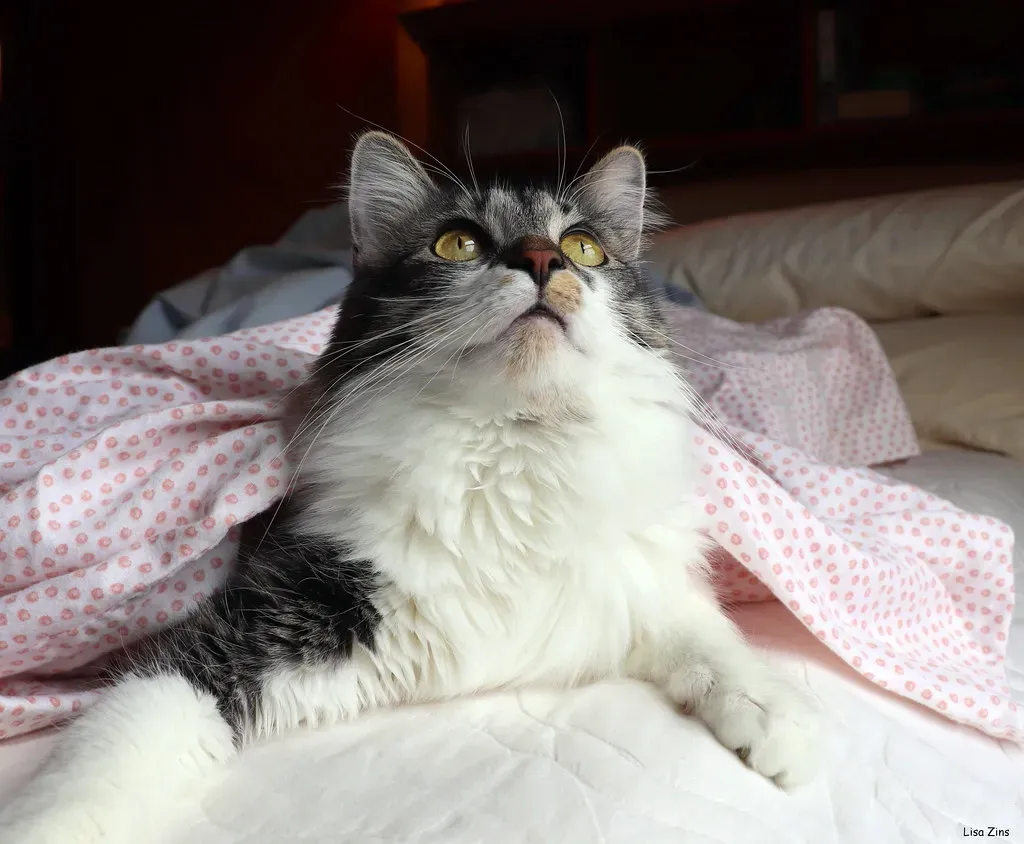
You do not need a psychology degree to understand your cat’s feelings. You just need to know where to look. When a cat is relaxed, their whiskers are loose and out to the side. If they are alert or curious, the whiskers point forward. When they are scared or angry, the whiskers pull back tightly against the face. It is practically a live weather report for your cat’s inner world.
Cats can move their face whiskers forward or backward, and this movement can indicate their mood or intentions. For example, when a cat is curious or hunting, it may push its whiskers forward. Conversely, when a cat is scared or angry, it may pull its whiskers back against its face. Once you know the code, you will never misread your cat’s mood again.
Researchers at the University of Calgary developed a feline pain scale that uses clues about how a cat holds its head, ears, muzzle, and the position of their whiskers to determine their level of pain. The tool is aimed at helping veterinarians assess how a cat is feeling to guide their treatment decisions. Whiskers are not just for the owner’s benefit. They help doctors too.
Whisker Fatigue Is Real and More Serious Than You Think
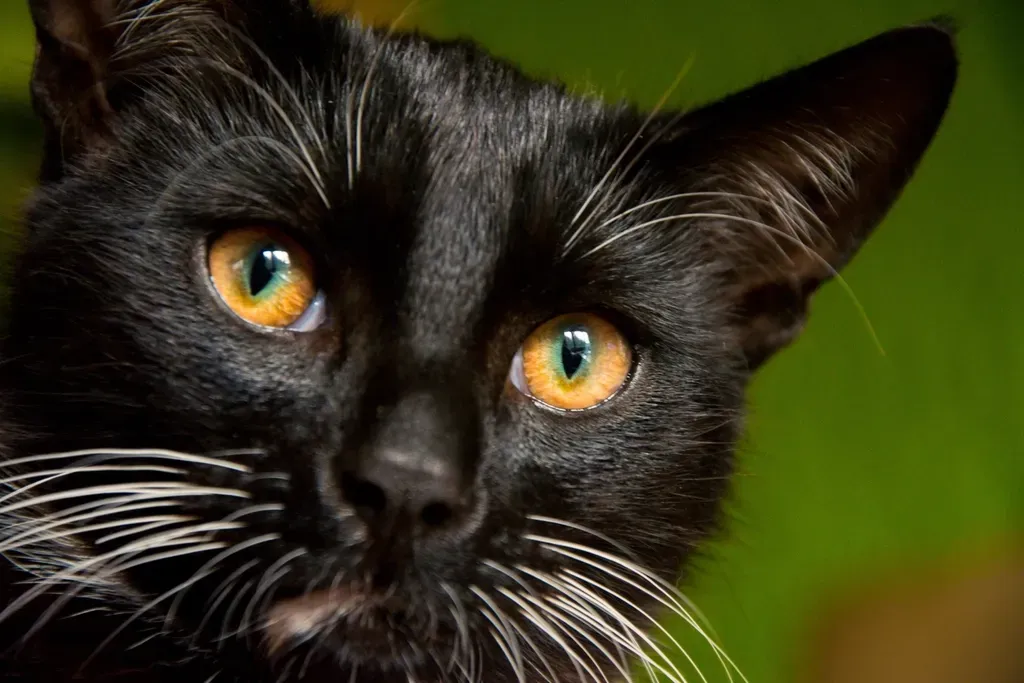
I know it sounds crazy, but your cat might be suffering every single mealtime because of its bowl. Whisker fatigue is a relatively newly recognized condition. It occurs when cats’ whiskers are over-stimulated, often by frequently touching against the sides of their food or water bowls. Because those follicles are so densely packed with nerve endings, repeated contact is not just annoying. It is genuinely uncomfortable.
Because whiskers are so sensitive, cats may show signs of whisker fatigue, which can cause stress and discomfort. Offering your cat food in a wide, shallow bowl and using a pet water fountain might help take stress off their whiskers. It is a small change with a potentially significant impact on your cat’s daily quality of life. Worth thinking about, honestly.
They Shed, Regrow, and Are Completely Unique to Each Cat
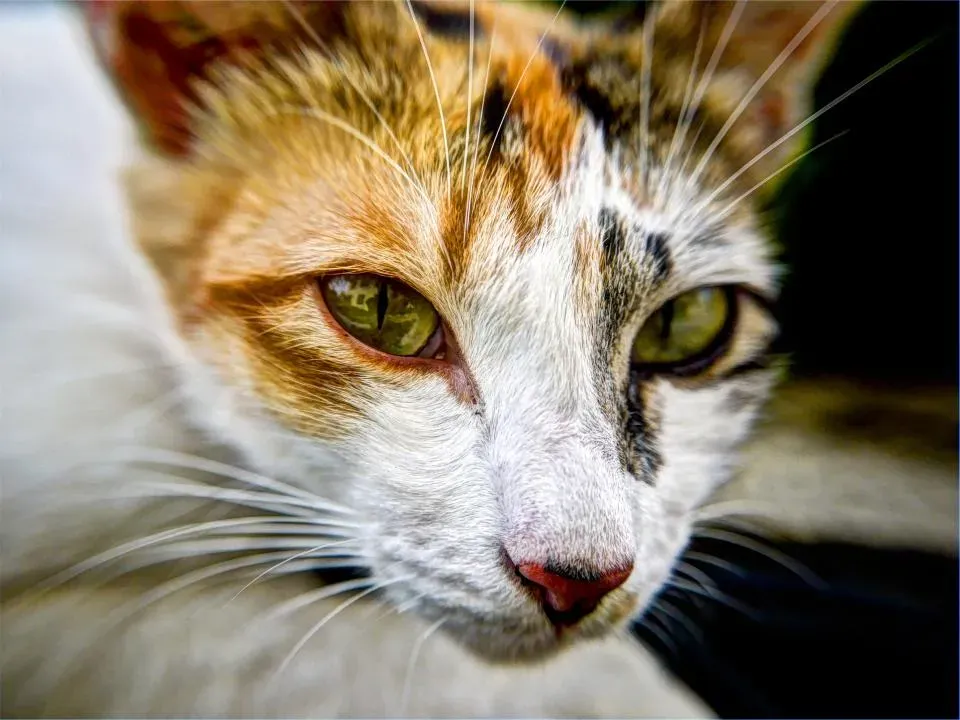
Here is something that catches most cat owners off guard: finding a lone whisker on the floor is perfectly normal. Cats shed not only their fur but also their whiskers, both on the face and the legs. As long as the whiskers shed naturally and the hair follicles are not damaged, the whiskers will grow back. Typically, no more than one or two whiskers shed naturally at a time, and it can take anywhere from six weeks to three months for the whisker to grow back and be functional.
What you should never do is try to speed things up or tidy things up by trimming them. A cat’s whiskers are proportionate to the width of the body, and cutting or trimming them is something you should never do. Even though the nerves are associated with the follicle rather than the hair itself and cutting them is not painful, it will throw off a cat’s senses, making it confusing, stressful, and more challenging to navigate their surroundings.
Perhaps the most endearing fact of all? Just like human fingerprints, a cat’s whisker pattern is unique. No two cats have exactly the same spacing or number of whiskers. Your cat is not just remarkable as a species. Your specific cat, with its own particular whisker map, is one of a kind in the entire universe. That is worth pausing on for a moment.
Conclusion
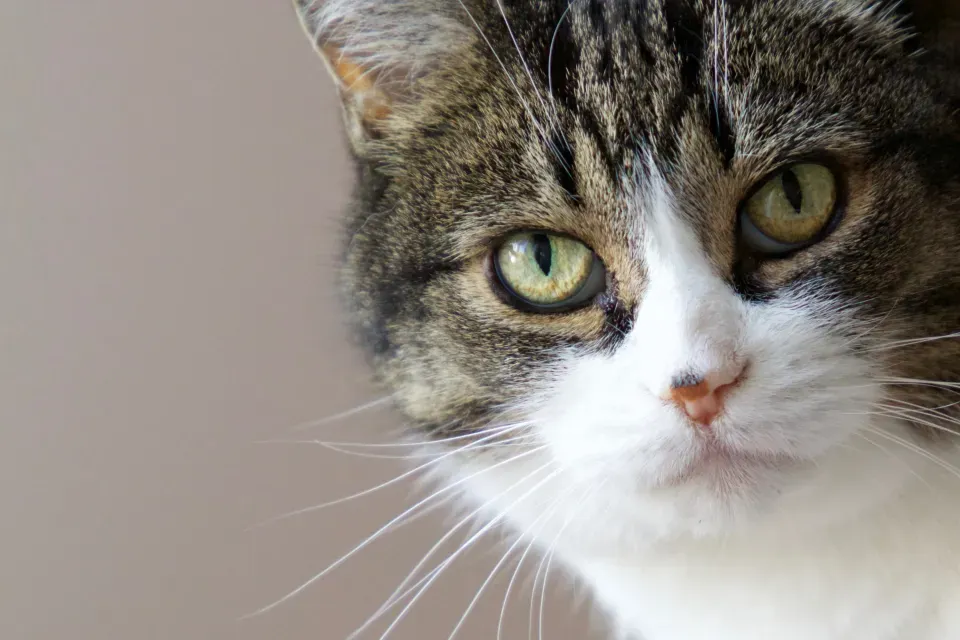
It is easy to glance at those delicate little hairs on your cat’s face and see just decoration. The reality is something far more extraordinary. Your cat is navigating its world with a sensory system so finely tuned that modern science is still working to fully understand it. Every flick, every fan-out, every subtle backward pull tells a story.
The next time your cat presses its face into a tight doorway, or tilts its head curiously at something you cannot see, remember what those whiskers are actually doing. They are mapping the world in real time, reading invisible air currents, and relaying information at a speed your cat’s brain processes effortlessly. Not bad for something most people mistake for decoration.
So, did you ever imagine that something so small could carry so much power? Take a closer look at your cat’s whiskers tonight. You might just see your feline friend in a whole new light. What surprised you most? Share your thoughts in the comments below!