In the lush highlands of northern Thailand, where misty mountains draw millions of tourists every year, something quietly catastrophic unfolded in February 2026. Tigers, some of the world’s most iconic and endangered animals, began dying at an alarming rate. Within just ten days, dozens were gone. The numbers kept climbing. By the time authorities fully grasped what was happening, the damage was already done.
This tragedy has ignited urgent conversations about captive wildlife facilities, biosecurity failures, and the uncomfortable question of what really lies behind the “touch a tiger” tourism industry. Brace yourself, because the full story is more disturbing than the headlines suggest. Let’s dive in.
A Catastrophic Death Toll That Shocked the World
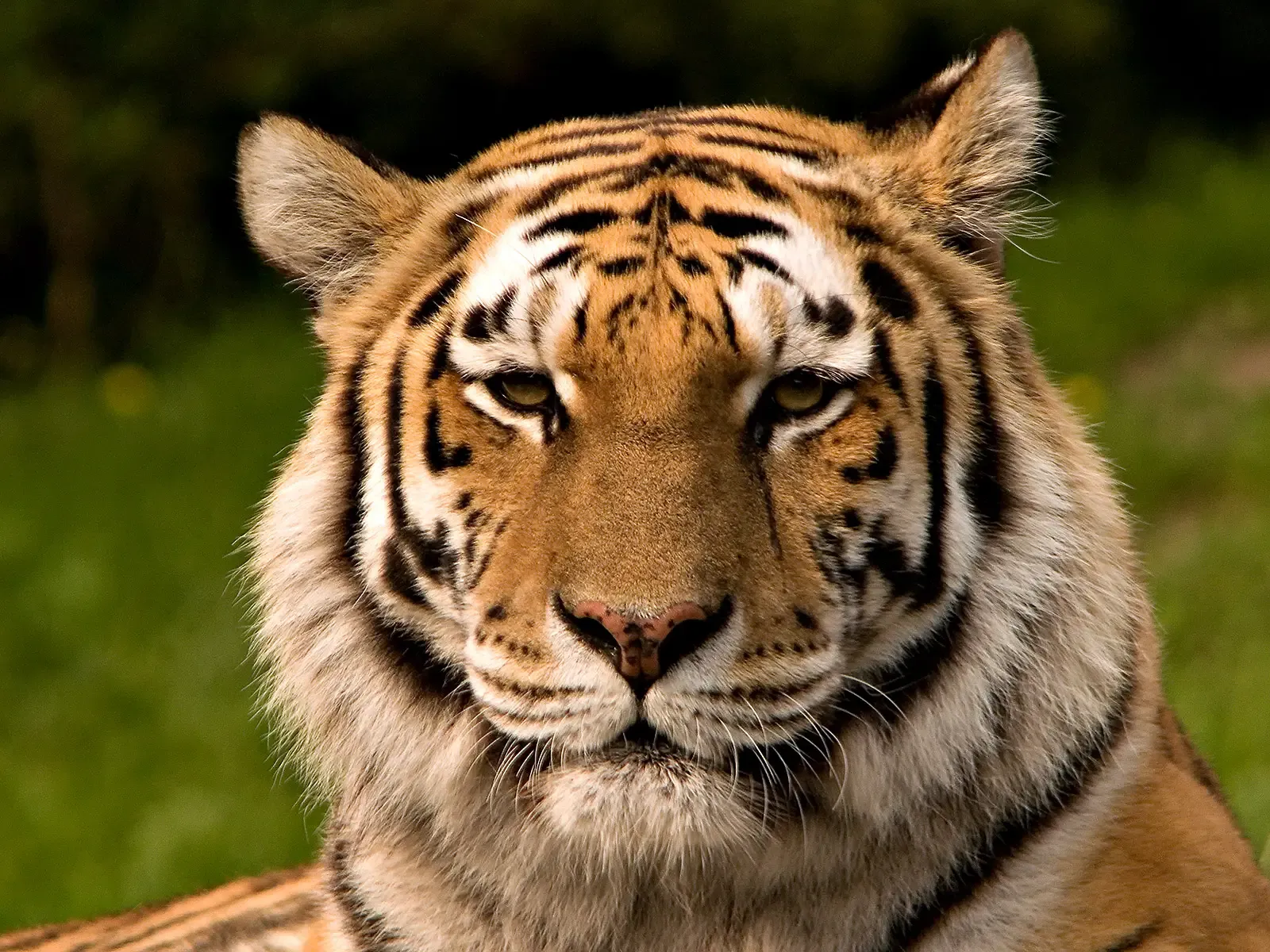
It is hard to overstate just how devastating this outbreak has been. Authorities in Thailand confirmed the deaths of 72 captive tigers at wildlife parks in the northern province of Chiang Mai, with 51 large cats dying at Tiger Kingdom Mae Taeng and 21 others at Tiger Kingdom Mae Rim between February 8 and 19. To put that in perspective, losing 72 tigers in a single outbreak is like watching an entire wildlife reserve vanish overnight.
Tiger Kingdom in Chiang Mai, which is operated by Khum Sue Trakarn Ltd, had 246 tigers before what is now being described as the largest mass death of tigers on record occurred. The death toll represents nearly 30% of the park’s total tiger population. That is not just a statistic. That is nearly a third of every tiger in these facilities, gone within less than two weeks.
According to the director of Chiang Mai’s wildlife conservation office, Kritsayarm Kongsatri, the number of tiger deaths recorded in such a short period was described as “very unusual.” Honestly, that may be the understatement of the year. Wildlife experts around the globe were stunned by both the speed and the scale of what happened here.
The Deadly Viruses Behind the Outbreak
The provincial livestock office in Chiang Mai confirmed in a statement on February 20 that testing detected the highly infectious canine distemper virus (CDV) as well as bacteria affecting the respiratory system. What makes CDV particularly alarming is its origin. This is a disease most commonly associated with dogs, not tigers.
Samples from the tigers tested positive for CDV, a virus that causes canine distemper in canids and can also affect large wild cats, along with Mycoplasma spp, bacteria associated with respiratory disease. Co-infection from both pathogens is believed to have contributed significantly to the high number of deaths. Think of it like a one-two punch to the immune system. The CDV weakens the body’s defenses, and the Mycoplasma bacteria moves in to deliver the fatal blow.
The disease can affect the respiratory and gastrointestinal systems, and in some cases may even progress to the nervous system. While early suspicions leaned toward bird flu (H5N1) found in raw chicken feed, those tests came back negative, redirecting investigators toward the confirmed viral and bacterial co-infection. The reassuring news, at least, is that CDV is not a zoonotic disease, meaning the public does not need to worry about transmission to humans.
Why Detection Came Too Late
Officials at the wildlife parks stated that the animals showed no signs of illness before their deaths. That may sound like a convenient excuse, but there is actually a biological explanation behind it. Tigers are apex predators. In the wild, showing weakness is a death sentence, so these animals are hardwired to conceal pain and illness for as long as possible.
Investigators cited contributing factors such as the potential for inbreeding in captive settings, which can weaken immunity and increase susceptibility to infection. In addition, tigers’ natural behaviour can make early symptoms difficult to detect, meaning clear signs may appear only after the disease has already become severe. It is a cruel irony. The very instinct that helps tigers survive in nature makes it nearly impossible for caretakers to catch illness in time inside a captive environment.
Surviving tigers were moved to Tiger Kingdom’s care centre in Mae Taeng district for close observation and to contain the spread of the disease. The Department of Livestock Development subsequently began a massive vaccination drive for the remaining 174 tigers, a step that many critics argue should have been taken long before any outbreak occurred.
Inbreeding and Immune Weakness: A Hidden Crisis
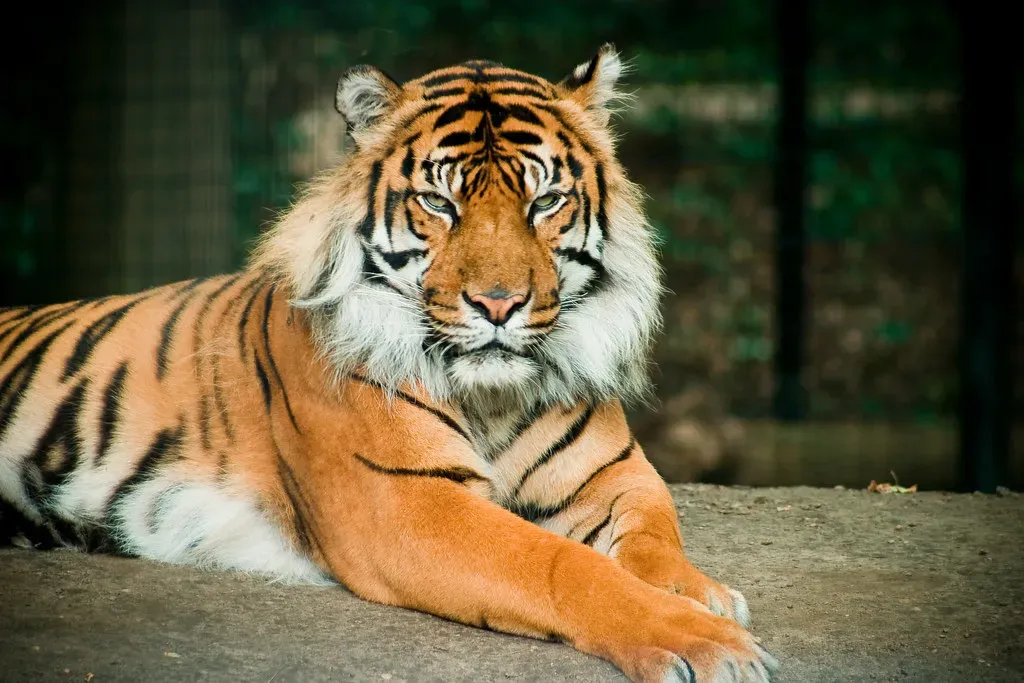
Here’s the thing that is not getting enough attention in the broader media coverage. The virus alone did not create this catastrophe. The conditions inside these facilities may have set the stage for it. The Department of Livestock Development said that inbreeding among captive tigers may have weakened the animals’ immune systems, which could have increased their susceptibility to infection and accelerated the spread of disease.
One of the most concerning revelations is the role of inbreeding. Years of captive breeding within a limited gene pool may have significantly weakened the tigers’ immune systems, making them far more susceptible to viruses that a wild tiger might otherwise survive. It is a bit like a family of plants grown from cuttings of the same single plant. Over time, the genetic resilience simply erodes.
The owner of the two affected tiger parks reportedly operates six tiger facilities in total, which together housed nearly 400 individual tigers prior to this outbreak. That scale of captive breeding, concentrated within such a narrow commercial operation, raises serious questions about long-term genetic diversity and animal welfare. This was a catastrophe quietly being built for years.
The Tourism Industry’s Uncomfortable Role
Tiger Kingdom Mae Taeng and Tiger Kingdom Mae Rim are two privately operated animal parks that allow visitors to interact closely with big cats. These are not rescue sanctuaries. They are commercial tourist attractions, and their business model depends on keeping large numbers of tigers in close proximity to paying visitors. That setup creates obvious biosecurity risks.
A canine distemper vaccine costs only a few hundred baht and requires annual administration. The facilities reportedly charge around 1,000 THB for tourists to interact with and have photos taken with a single tiger, with each animal used repeatedly throughout the day. When such substantial income is generated from each tiger, serious questions arise about why these animals were not routinely vaccinated against a well-known, preventable disease.
Captive tiger venues that allow close human interaction remain controversial worldwide. Critics argue that such operations prioritize entertainment over animal welfare and conservation, while outbreaks like this demonstrate the potentially catastrophic consequences when disease enters a confined population. It is hard to argue with that logic, especially now.
Thailand’s History of Big Cat Outbreaks and What Happens Next
Shockingly, this is not the first time Thailand has faced mass death among captive big cats. In 2004, during the spread of highly pathogenic avian influenza H5N1, at least 147 tigers at the Sriracha Tiger Zoo in Chonburi Province either died from infection or were euthanised to stop the virus spreading. That was over two decades ago. The question that demands an answer is: why were the lessons of that tragedy not applied here?
Authorities have temporarily closed Tiger Kingdom Mae Rim for 14 days, restricted access to both facilities, and deployed teams to disinfect enclosures and equipment. The Director-General of the Department of Livestock Development has ordered animal enclosures to be thoroughly cleaned and the remaining live tigers to be quarantined until they are vaccinated to reduce the risk of spreading the virus further.
Thailand still has approximately 1,500 captive tigers housed across around 60 locations. Many of these animals are kept in poor conditions, bred for tourism, and some are believed to enter the illegal wildlife trade. Until there is real, enforceable regulation around captive wildlife facilities, the conditions that created this tragedy will continue to exist across the country.
A Wake-Up Call That Cannot Be Ignored
Seventy-two tigers are dead. Gone in under two weeks, wiped out by a virus that was preventable, inside facilities that were profitable, in a country that had seen this kind of horror before. That combination is not just a tragedy. It is a systemic failure.
The grief here belongs not only to conservationists but to anyone who believes that wild animals deserve better than to spend their lives as photo props. The 2026 Chiang Mai event stands out for the sheer speed at which it claimed 72 lives, highlighting a desperate need for more stringent biosecurity and genetic diversity protocols in private wildlife parks. The survivors are still fighting for their lives, and the investigation into the exact source of the infection continues.
Thailand now stands at a crossroads. The country can either treat this as a contained incident, patch the immediate damage, and move on, or use this moment to fundamentally rethink how captive wildlife tourism is allowed to operate. The tigers cannot speak for themselves. But 72 empty enclosures speak volumes. What do you think it will take before real change finally happens?