You’ve probably seen those adorable cat videos online, where a fluffy feline cuddles with a baby or plays gently with toddlers. It’s enough to make anyone think cats are universally perfect companions for kids. Here’s the thing though – not all cats share that same patient, nurturing instinct when it comes to youngsters.
Some breeds have personalities that simply clash with the unpredictable energy of children. Whether it’s territorial tendencies, heightened sensitivity to noise, or just a generally feisty temperament, certain cats might be more inclined to swat, scratch, or bite when they feel overwhelmed. Understanding these breed-specific traits can help you make smarter decisions about which cat fits your family dynamic, especially if you have little ones running around.
Turkish Van
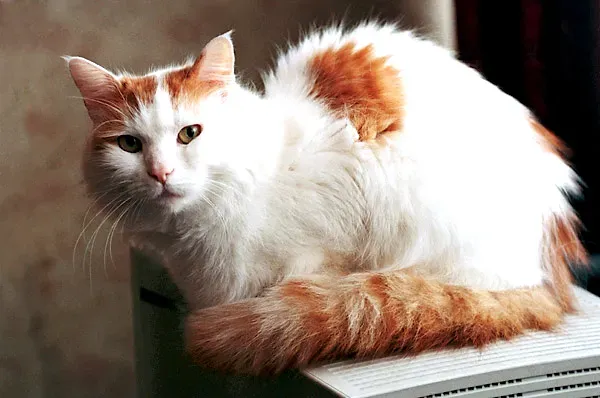
Research involving over 40 breeds found that Turkish Vans were the most likely to display aggression towards people and other cats. That’s a pretty strong indicator right there. These striking cats with their love for water and playful energy might sound like fun, but they come with a caveat.
The Turkish Van prefers to be the only cat in the household, and their territorial nature extends to how they interact with people too. Children, with their sudden movements and enthusiastic affection, can trigger defensive behaviors in these cats. Early socialization as a kitten is crucial to prevent them from becoming territorial when strangers enter the home. Without that foundation, you might find yourself dealing with a cat that sees your kids as invaders rather than family members.
Siamese
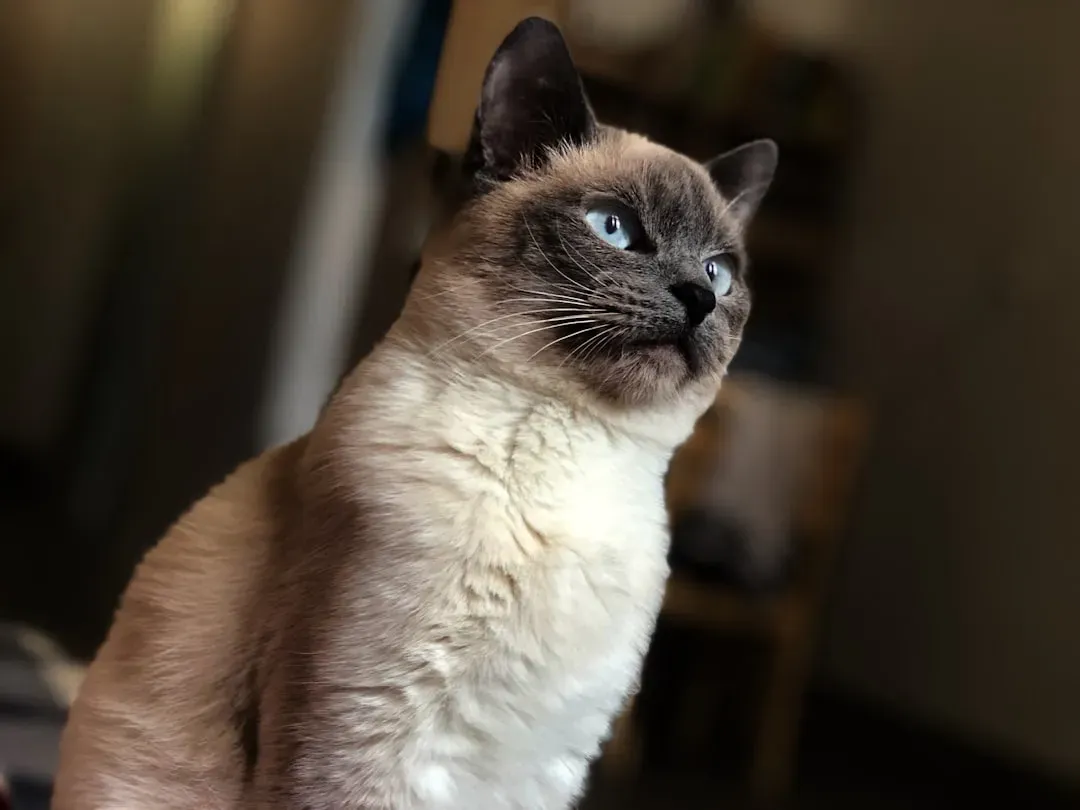
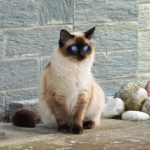
Abyssinian and Siamese cats are a couple of breeds more predisposed to aggression. Siamese cats have this fascinating duality – they’re incredibly devoted to their chosen person, yet that devotion can morph into something less pleasant for everyone else. Honestly, it’s a bit like having a jealous toddler in cat form.
Siamese cats are widely recognized as one of the most territorial and aggressive breeds. They demand attention, interaction, and stimulation constantly. If a child accidentally steps on a tail or grabs too roughly during playtime, a Siamese may not hesitate to deliver a sharp warning bite. These cats are territorial, protective, and sometimes aggressive, which means mixing them with unpredictable children requires careful supervision and management.
Singapura
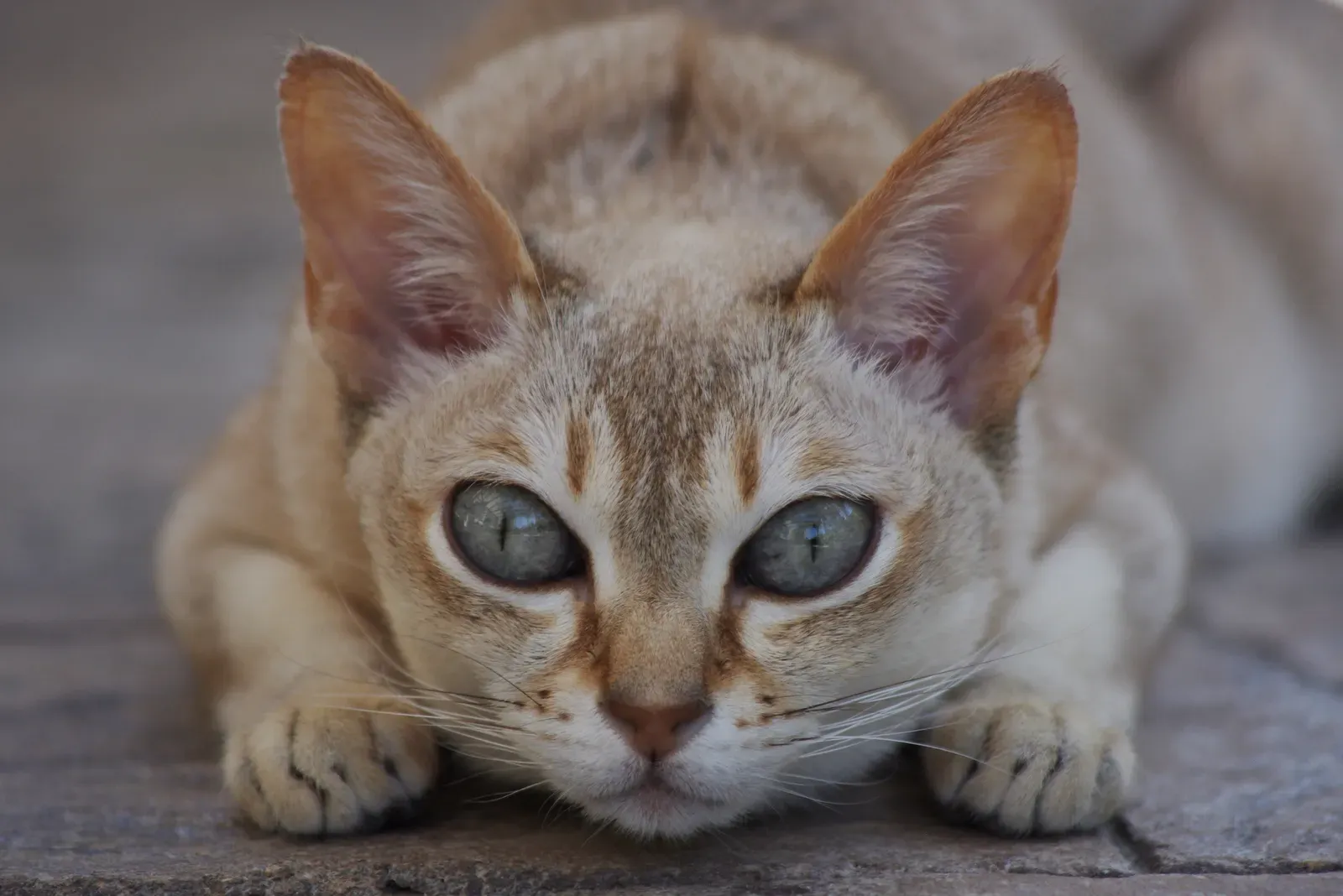
This sweet and shy kitty may become aggressive if they feel threatened. The Singapura holds the title of the smallest domestic cat breed, and perhaps that tiny stature makes them more defensive. They’re adorable but surprisingly sensitive creatures.
This breed is wary of strangers and may get easily startled. Children running through the house, shrieking with laughter or playing loudly, can be enough to send a Singapura into defense mode. It’s important to socialize your Singapura as a kitten, so they don’t take to hiding or defensively scratching. Without that early exposure, you’re setting yourself up for a cat that views children as threats rather than companions.
Bombay
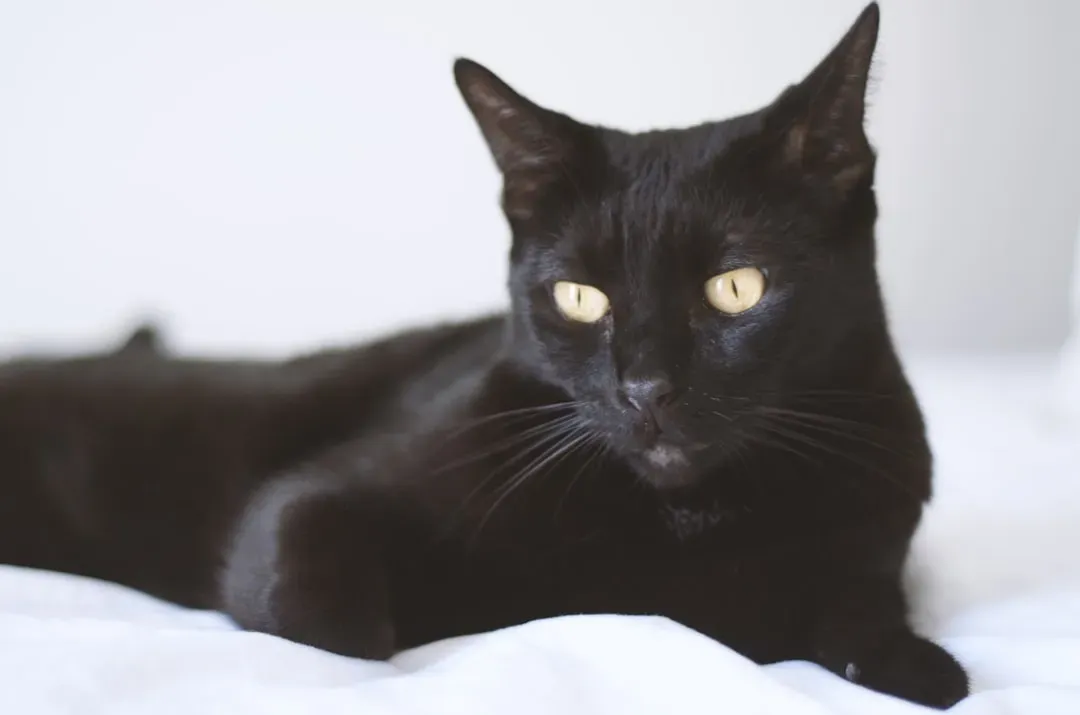
The Bombay cat looks sleek and mysterious, almost like a miniature panther prowling through your living room. That exotic appearance might draw you in, but their temperament tells another story. The Bombay is a bit sensitive, which doesn’t pair well with the chaos that children naturally bring.
They are often startled by loud noises and sudden noises in general. Think about it – kids are basically walking noise machines. Between the yelling, the toy crashes, and the general mayhem, a Bombay cat can become stressed quickly. The Bombay might lash out in fear when it hears a noise that startles them. That means your child could be the unfortunate recipient of claws or teeth simply for playing too enthusiastically nearby.
Korat
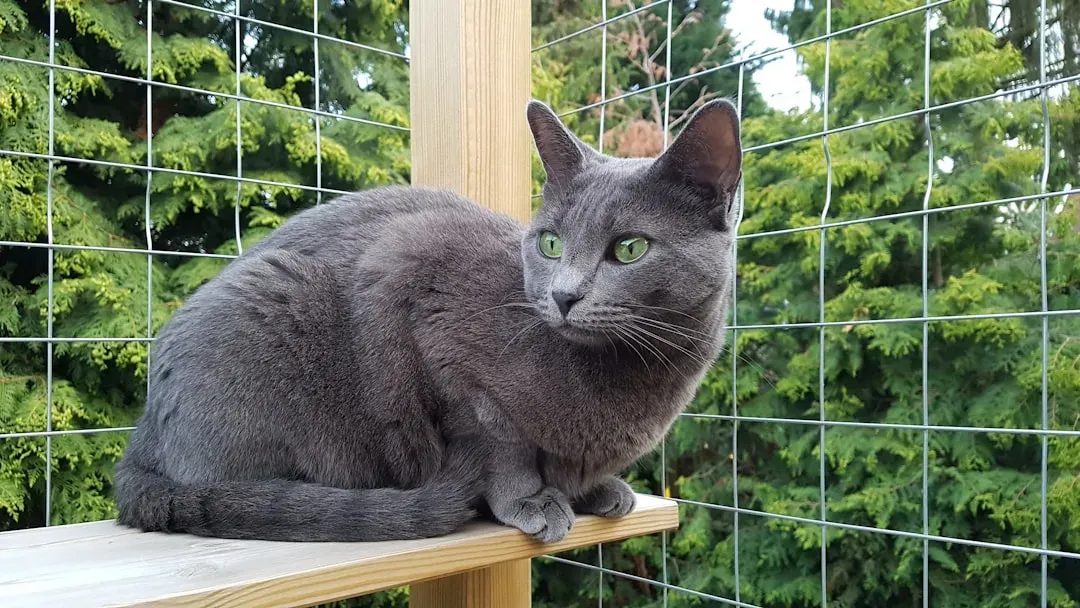
Korats aren’t recommended for homes with children, and there’s good reason for that warning. These beautiful silver-blue cats with their stunning green eyes may look gentle, but their sensitivity to stimulation makes them poor matches for households with kids. They need calm, predictable environments to thrive.
Korats are easily spooked by loud noises and fast movements. Children naturally embody both those qualities – running, shouting, sudden hugs – all the things that make childhood fun are exactly what stresses these cats out. Korats will hiss and growl around children and some strangers, especially if they are on the louder side. That defensive posture can quickly escalate to scratching or biting if the cat feels cornered or overwhelmed.
Bengal
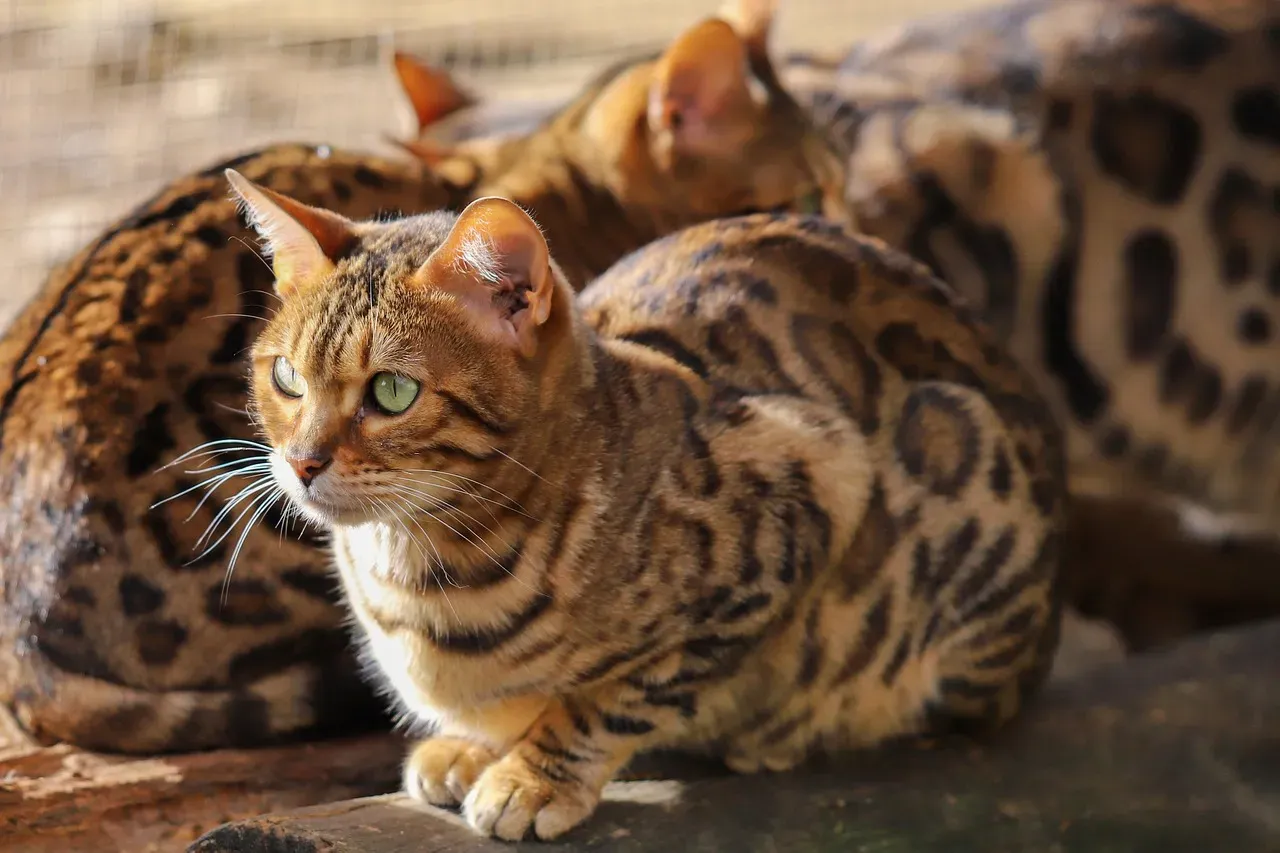
Bengal cats are absolutely stunning with their wild leopard-like markings, and their intelligence is remarkable. They’re also incredibly energetic and demanding, which creates a complicated dynamic with children. The Bengal cat can be the maddest cat ever when it doesn’t have a way to burn off excess energy, showing extreme playfighting aggression and territorial spraying.
When considering getting a Bengal, make sure you’re selecting the right cat because this breed doesn’t get on as well with smaller pets and children due to its high prey drive and energy. Their play style can be too rough for young children, and they may not distinguish between appropriate play targets and little hands or feet. Bengals need experienced handlers who understand their unique needs. Without proper outlets for their energy and hunting instincts, they can become destructive and aggressive toward anyone in their path, including kids.
Cymric
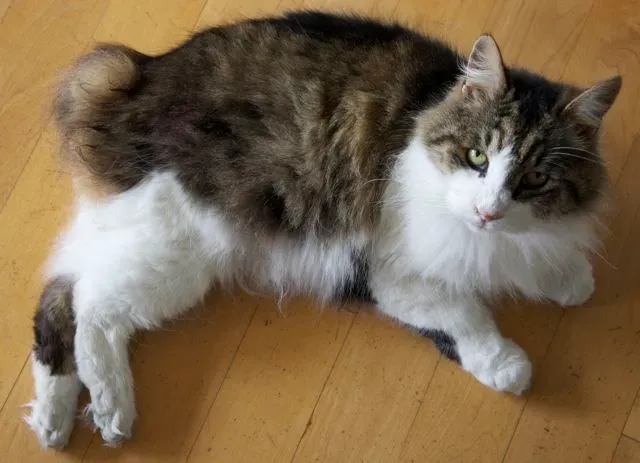
The Cymric is essentially a longhaired version of the Manx cat, and while they can be playful and intelligent, they also have a protective streak that doesn’t always work well around children. This breed is very protective of its owner and home, being likely to growl and attack at the slightest sign of trouble.
They don’t like their personal space being invaded, which can be an issue with children. Young kids don’t always understand boundaries – they want to pet, hug, and carry cats around like stuffed animals. A Cymric that values its personal bubble will make that displeasure known through hissing, swatting, or biting. An older cat becomes the maddest cat in the world with those that disrespect their personal space. That means adoptions of adult Cymrics into homes with children are particularly risky propositions.
Egyptian Mau
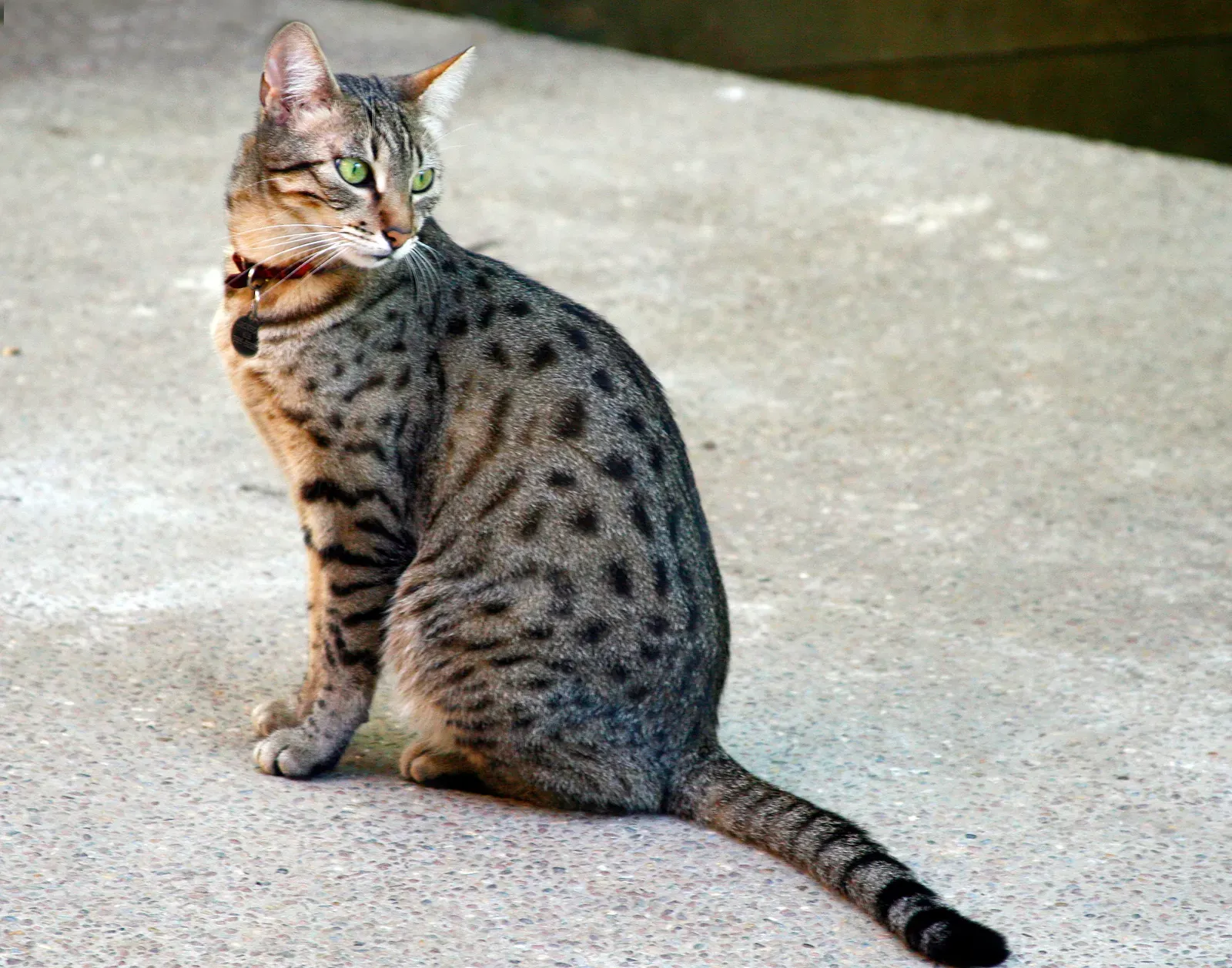
You might mistake the Egyptian Mau for a Bengal – both flaunt stunning spotted coats, but the Mau’s markings are smaller and more polka-dotty. They’re rare, elegant, and incredibly fast. They’re also known for forming very selective bonds with their humans.
They’re super affectionate with their inner circle but sometimes a bit standoffish or even feisty with strangers. Children who aren’t part of that trusted inner circle may find themselves on the receiving end of aggressive behavior. While this cat is quite loud with their family, they can be a bit wary of strangers. That wariness can manifest as defensive aggression when unfamiliar children approach or when the cat feels its territory is being invaded by visiting playmates.
Conclusion
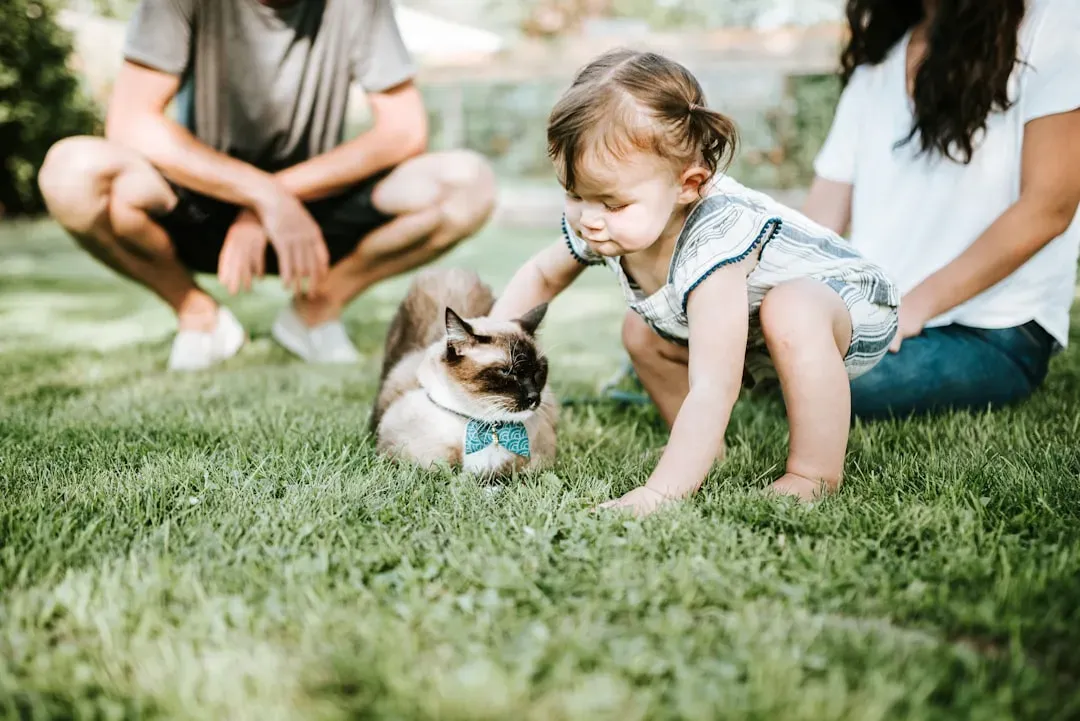
Understanding breed temperaments isn’t about labeling certain cats as “bad” – it’s about matching the right animal with the right environment. Aggression during handling is common and many cats may scratch, hiss, or bite children in this context. Families with young children need to prioritize cats with patient, easygoing temperaments rather than breeds with territorial, sensitive, or defensive tendencies.
The eight breeds we’ve covered here all have qualities that make them wonderful companions in the right situations. Yet their specific traits – whether it’s the Turkish Van’s territorial nature, the Siamese’s jealous devotion, or the Bengal’s intense energy – create potential conflicts with children. Early socialization, proper training, and realistic expectations about breed characteristics can help prevent bites and scratches. At the end of the day, creating a safe environment for both kids and cats means doing your homework before bringing a feline into your family. So what do you think – does your dream cat match your family’s reality?