You leave for work, close the door behind you, and your cat stares at the retreating sound of your footsteps. Then the house goes quiet. What happens next is something most people never get to witness, and honestly, it’s far more interesting than you’d expect.
Your cat doesn’t just sit by the door pining for your return. There’s grooming, hunting, climbing, scheming, and sleeping happening on a surprisingly purposeful schedule. Understanding what your cat actually gets up to in your absence reveals just how rich, instinct-driven, and quietly complex a cat’s inner life truly is.
Mastering the Art of the Strategic Nap
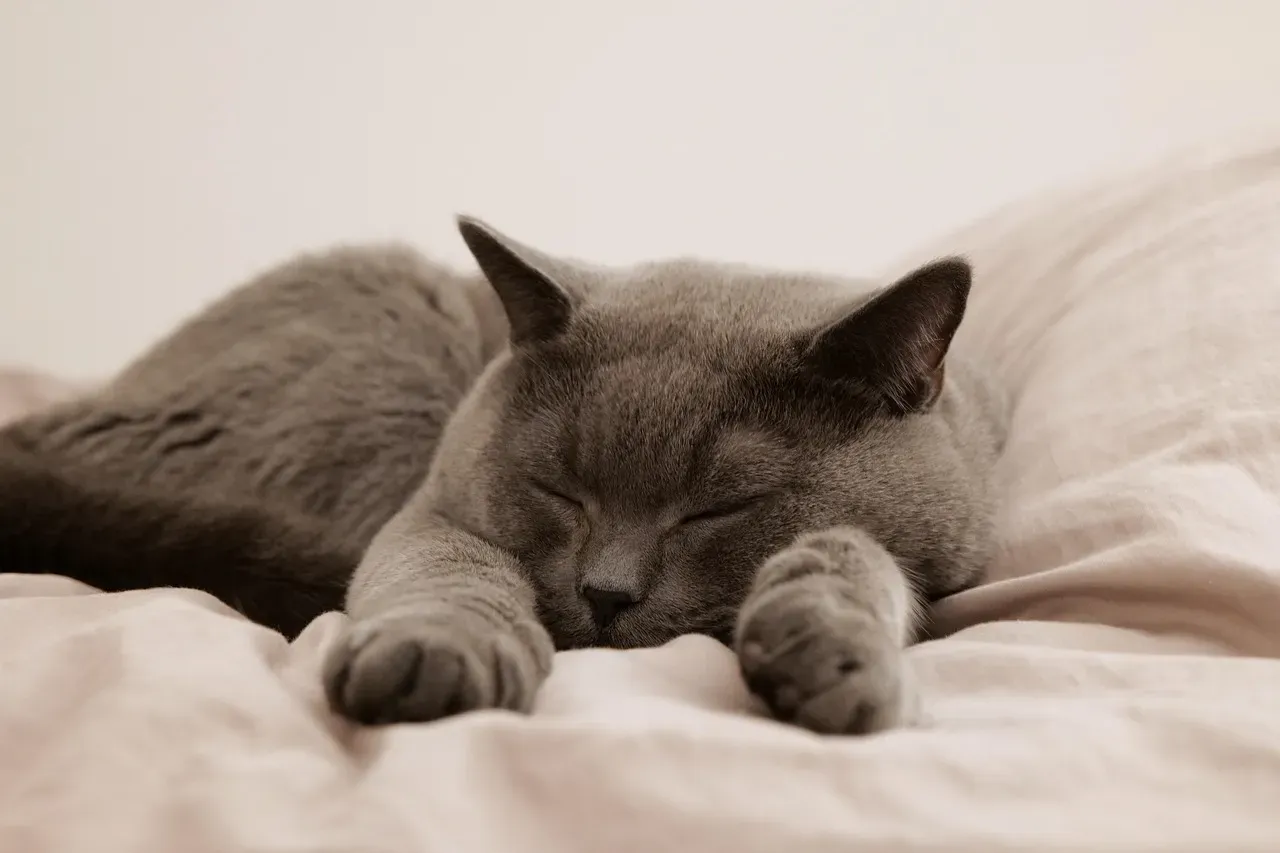
When you’re gone, your cat doesn’t fight boredom the way you might. Instead, they lean into it. Cats spend a majority of their time sleeping, roughly around 16 hours a day. That number might feel staggering, but it makes perfect biological sense for an animal built around short, explosive bursts of predatory energy.
Cats conserve energy because, in the wild, hunting takes bursts of intense effort. While your indoor cat isn’t chasing prey, those instincts remain. So those long, cozy naps aren’t laziness. They’re your cat staying biologically ready for a hunt that, inside your apartment, may never come. A sleeping cat might look peaceful, but their brain is often alert enough to respond to changes in the environment, especially during light sleep cycles.
Running Surveillance from the Window
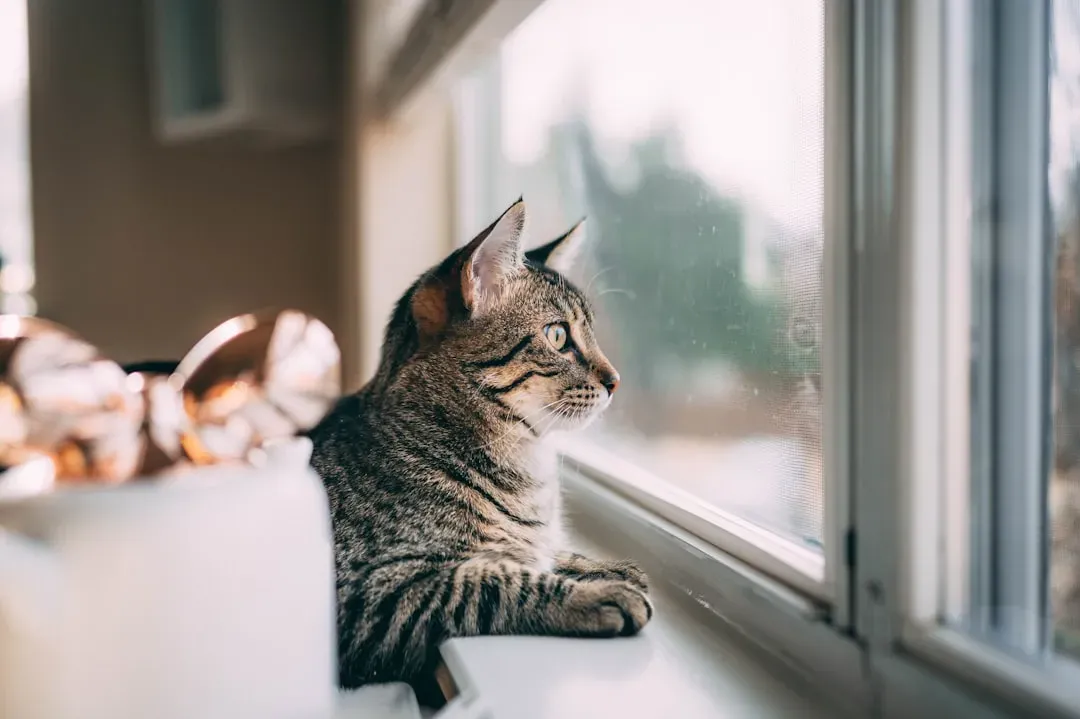
For many indoor cats, sitting by a window and watching birds flutter, leaves blow, or pedestrians pass can be just as mentally engaging as a game of chase. It offers an outlet for their natural instincts without requiring constant human interaction or physical exertion. Your cat, it turns out, is a serious observer of the world outside.
Watching birds flit from branch to branch, squirrels dart across fences, or even people walking dogs triggers a cat’s predatory drive in a healthy, non-destructive way. This kind of “visual hunting” keeps their mind engaged and mentally stimulated, helping to ward off boredom and behavioral issues. Beyond pure entertainment, exposure to daylight can help regulate their circadian cycles, improving sleep patterns and reducing restlessness at night. The change in lighting, weather patterns, and time of day provides variety to what might otherwise be a monotonous environment for indoor cats.
Conducting an Elaborate Grooming Session
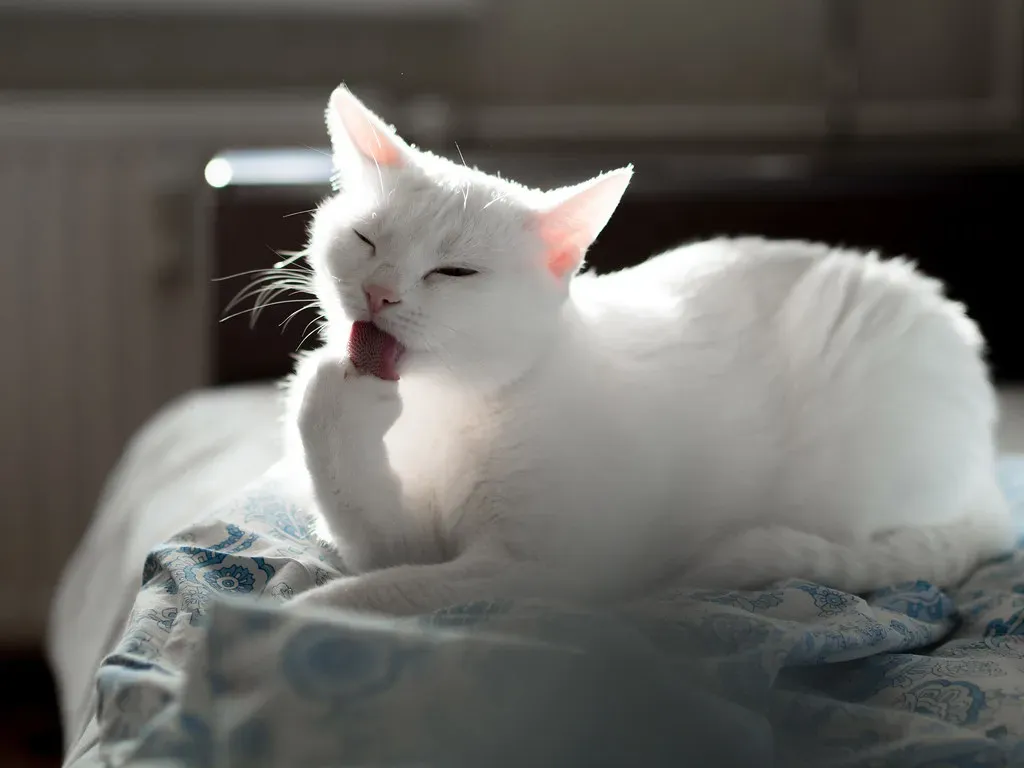
With no one watching, your cat dedicates serious time to personal hygiene. Cats may groom as a self-soothing behaviour; it can help them relax and feel calm. Grooming is also a way to regulate their body temperature. Finally, cats may groom as a way of marking their territory, by spreading their scent via their saliva, which helps them to feel more secure in their environment.
It goes deeper than simply staying clean. When cats groom themselves, they release endorphins, inducing a sense of calm and well-being. In fact, grooming can be a form of self-soothing for cats who are experiencing stress or anxiety. So that meticulous licking routine you see when you get home isn’t an encore performance. It’s been going on all day, quietly keeping your cat balanced and calm.
Activating Full Predator Mode Through Play-Hunting
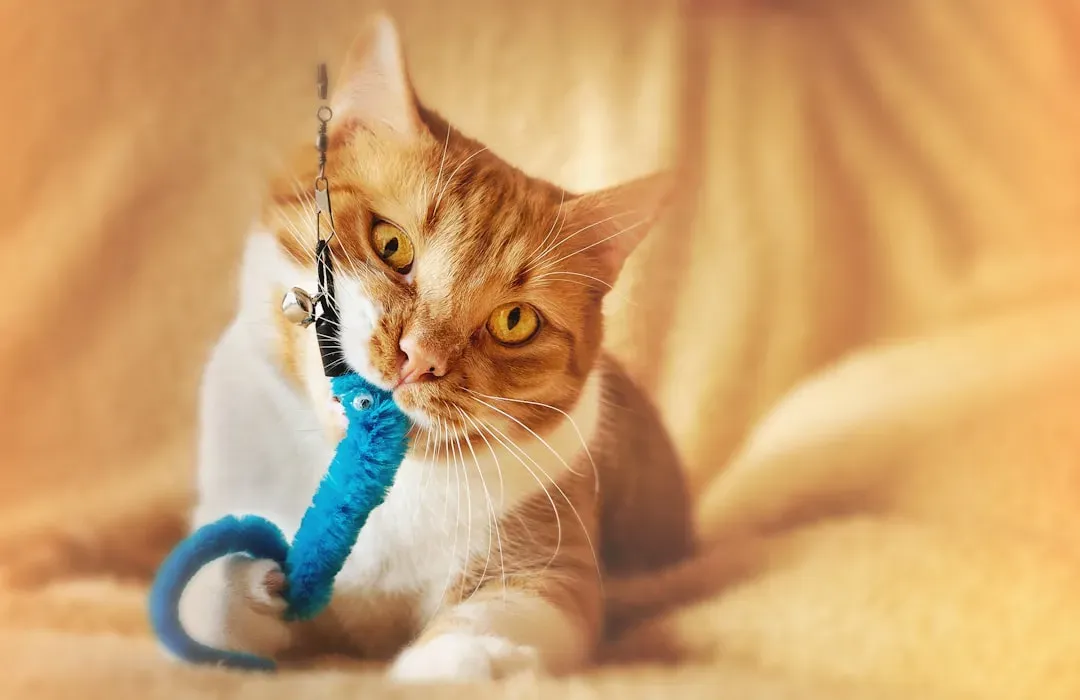
Your cat doesn’t forget it’s a hunter just because you’re not home. Cats have a natural instinct to hunt and they often engage in play-hunting behaviour to hone their skills and amuse themselves. When alone at home, they may entertain themselves by “hunting” toys that mimic prey, such as toy mice or laser pointers. The sequence they follow is surprisingly precise.
They may chase and stalk shadows and small moving objects around the house, bat around small objects like balls or feathers, and even chase their own tail. They may crouch down, wiggle their hind end, and then pounce onto their ‘prey’. Once they have caught their ‘prey’, they may simulate the killing process by biting and shaking the toy or object. Your forgotten hair tie on the bathroom floor? That’s not clutter to your cat. That’s prey.
Chattering at Birds and Channeling Ancient Instincts
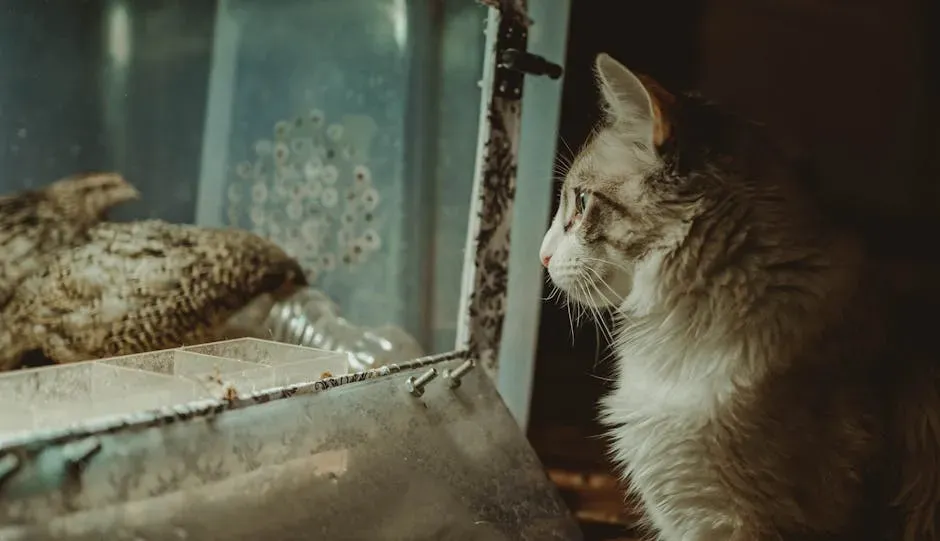
If you’ve ever caught your cat making that strange clicking, stuttering sound at a bird through the window, you’ve witnessed something genuinely fascinating. The leading theory, supported by field researchers studying wild felids in the Amazon, is that this chattering mimics the “kill bite,” a rapid, precise neck bite cats use to dispatch prey. The behavior appears to be an involuntary motor response triggered by predatory arousal when prey is visible but completely unreachable.
It’s one of those behaviors that makes you realize just how wired your domestic cat still is for the wild. Some researchers also suggest the chattering may function as a form of prey mimicry. Wild cats have been observed making similar sounds to lure curious birds or primates closer. Alone in your house, with no audience, your cat is still running through behavioral scripts millions of years in the making.
Exploring the House Like It’s New Territory
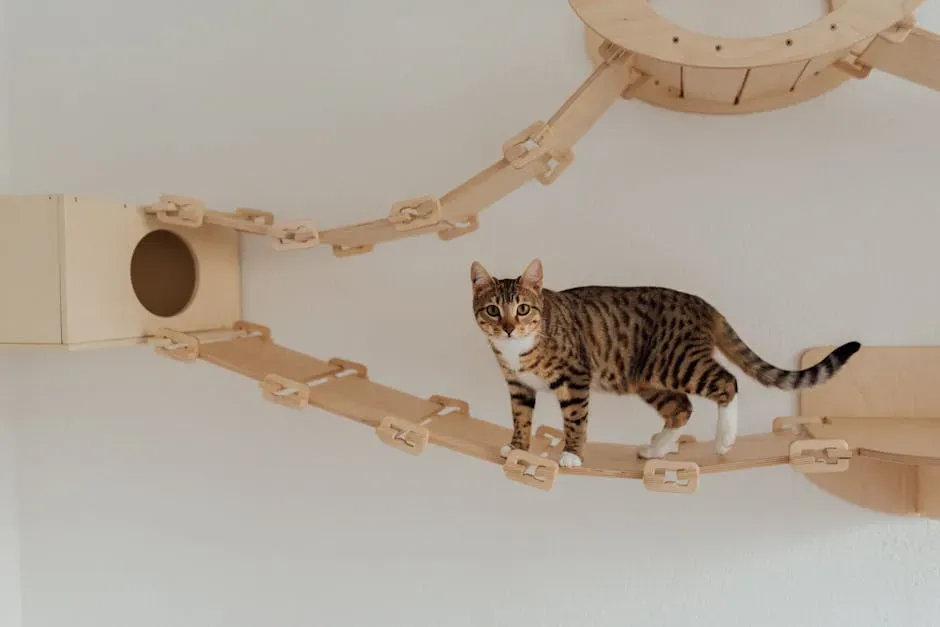
When you’re gone, the whole space belongs to your cat in a way it doesn’t when you’re around. Spatial targets can become more interesting to your cat when you’re not home. This can include high places like closets or shelves, as well as nooks and crannies like drawers or boxes. This is natural behavior for a cat that wants to explore new areas and satisfy its curiosity.
Cats love to climb. Climbing allows them to exercise and strengthen their muscles, to satisfy their curiosity, and to get a better view of their surroundings. At home alone, kitty may climb on the furniture or fixtures, including bookcases, fridges, kitchen cabinets and curtains. What you see as your kitchen counter, your cat sees as an unexplored ridge with strategic views of the whole room. The motivation is genuinely territorial, not mischievous.
Fine-Tuning Those Extraordinary Senses
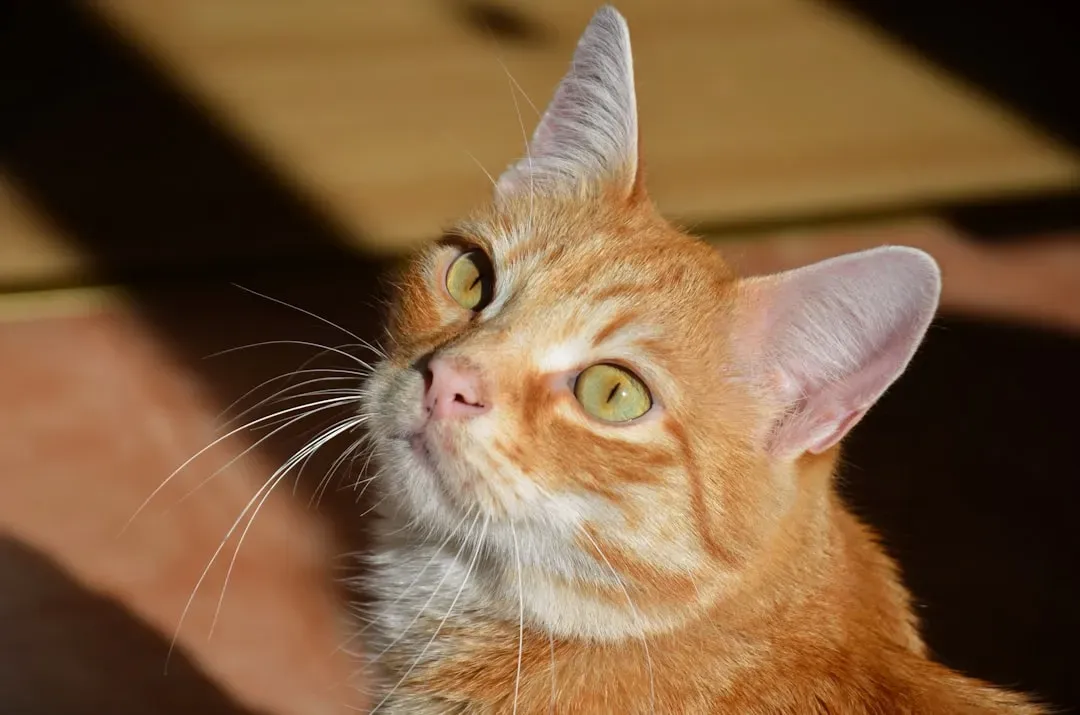
Your cat doesn’t stop perceiving the world in extraordinary detail just because you stepped out. Cats can hear much higher-pitched sounds, up to 64 kHz, which is 1.6 octaves above the range of a human, and 1 octave above the range of a dog. When listening for something, a cat’s ears will swivel in that direction; a cat’s ear flaps can independently point backwards as well as forwards and sideways to pinpoint the source of the sound. Every creak in the building, every distant car door, your cat registers all of it.
Smell is just as powerful a tool. A cat’s sense of smell is the primary way they identify people and objects. Cats have more than 200 million odor sensors in their noses; humans have just 5 million. Their sense of smell is 14 times better than that of humans. When you’re away, your cat uses that extraordinary nose to map the entire home environment, tracking changes and reading scent information left behind by you, by outside air coming under the door, and by the textures and fabrics that carry your smell.
Carrying Out Territorial Rituals and Claiming Comfort Spaces
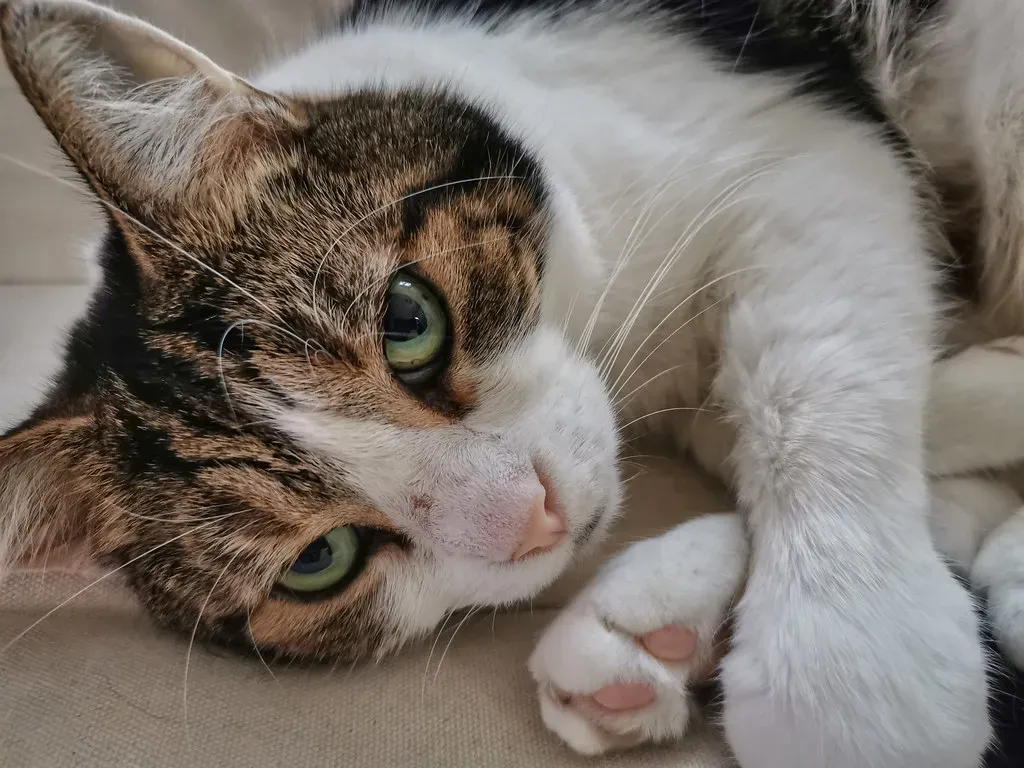
Your absence doesn’t put your cat’s territorial behavior on hold. Cats have scent glands on their paw pads, their cheeks, lips, forehead, flanks and tail, as well as their two anal glands. Not only do cats have a super sense of smell; they also leave their own smell behind for other cats to detect. When your cat rubs against the couch leg, presses its face into a cushion, or sprawls across your favorite chair, it’s actively marking what’s theirs.
Hiding provides a sense of security and privacy in a quiet and secluded place where they can be alone and where they have a sense of control over their environment. Cats often hide to sleep, but they may also hide when they are frightened or stressed. Finding your cat tucked inside the wardrobe or wedged behind the couch when you return isn’t a mystery. It’s your cat having identified the safest, most scent-familiar corner of its domain and claimed it completely.
Conclusion
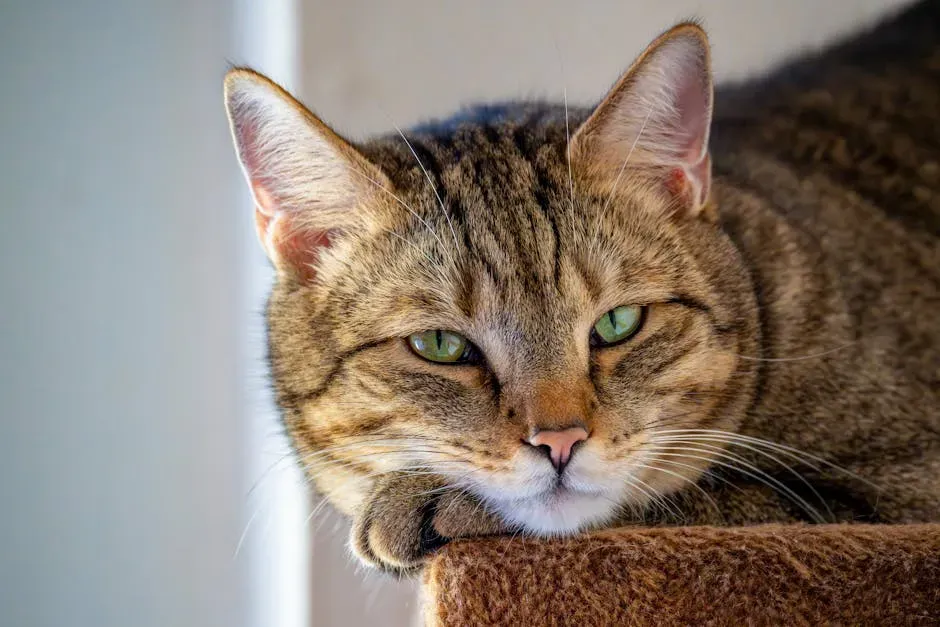
The next time you walk out the door, your cat isn’t simply waiting. They’re sleeping with precision, hunting imaginary prey, monitoring the neighborhood through the glass, grooming with purpose, and patrolling a territory they’ve claimed through scent and instinct. Every single behavior is rooted in biology that predates your home by millions of years.
What’s worth appreciating is that your cat doesn’t need to perform these things for an audience. They happen whether you’re watching or not, which makes them more genuine than almost anything else in the animal world. Your cat’s solo hours are, in their own quiet way, a masterclass in self-sufficiency.