Have you ever caught your cat staring at you from across the room, studying your every move with those intense, knowing eyes? You might think they’re just being curious or judging your life choices. Here’s the thing though, your feline friend is doing something far more interesting. They’re learning. Honestly, it’s a bit unnerving when you realize just how much information your cat absorbs simply by observing you go about your day. From the way you navigate your morning routine to how you unwind at night, your cat is taking mental notes and adapting their own behavior accordingly. Let’s dive in and discover what your furry shadow is really picking up from watching you live your life.
Your Eating Schedule Becomes Their Feeding Clock
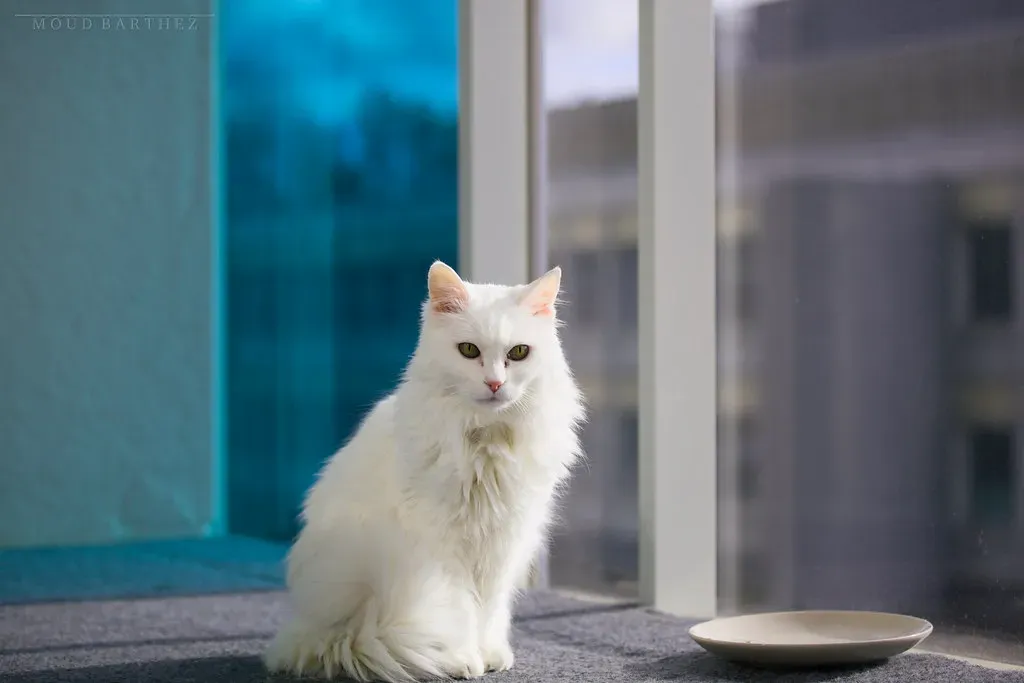
Your cat learns that you engage in certain activities at specific times of the day, associating those actions with the passing of time. Think about it, you probably notice your cat hovering around their food bowl right around the same time you sit down for your own meals. This isn’t coincidence.
Cats who live in close proximity to their owners adapt eating and sleeping patterns similar to those of their owners, and their activity levels mirror those of the humans around them. So when you grab breakfast at seven in the morning, your cat quickly figures out that this is feeding time for everyone in the household. Cats seem to mimic the dietary habits of their owners, with food intake often associated with that of their owners. They’ve essentially synced their internal dinner bell to yours.
Bathroom Routines Get Synchronized
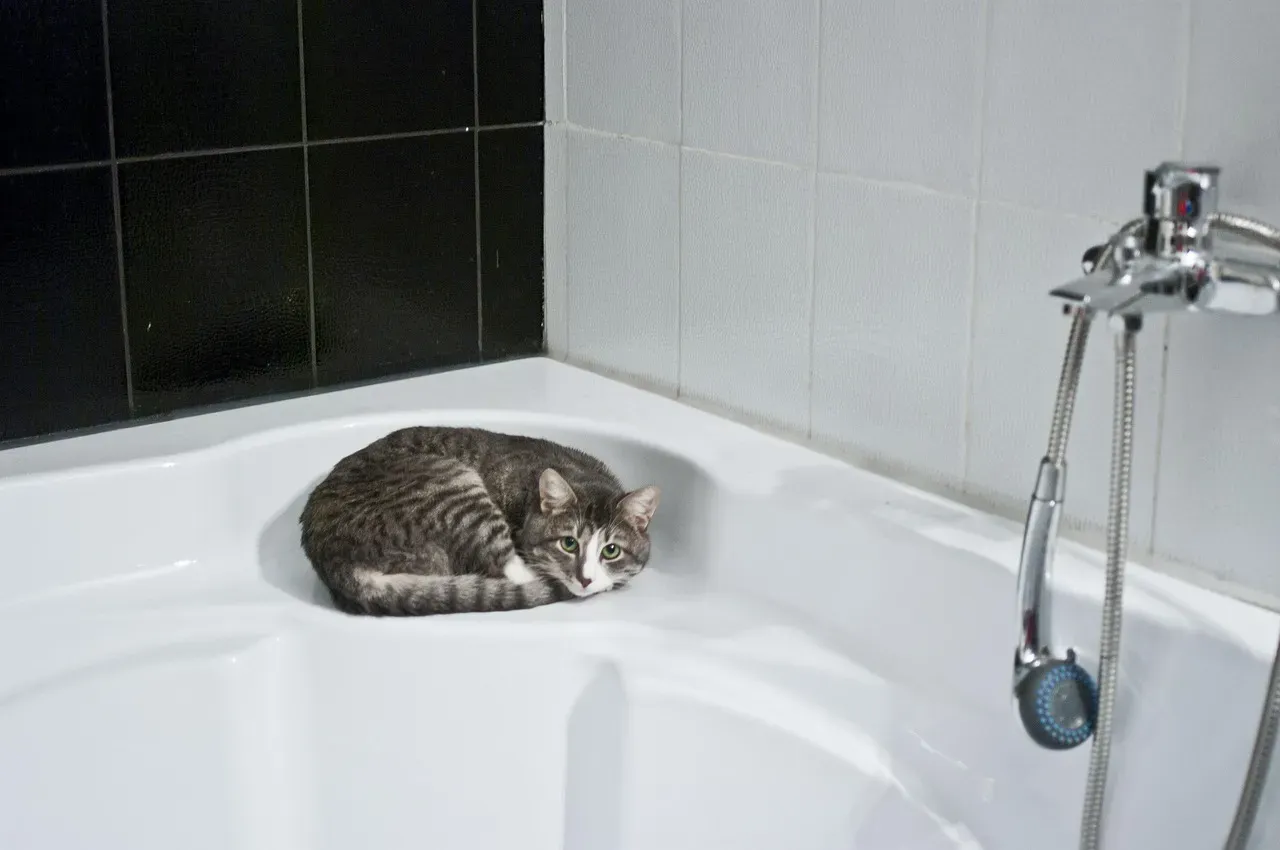
Let’s be real, many cat owners have experienced this peculiar phenomenon. If you keep the litter box in your bathroom, when you are in there taking care of your business, your cat might come in at the same time to do the same. It sounds bizarre, yet it happens more often than you’d think.
Adult cats appear to learn household routines by watching humans, including bathroom habits. Your cat observes that you disappear into a particular room at certain times, spend a few minutes there, and then emerge. They connect these dots and decide that this must be the designated time and place for everyone to handle their business. Some cats take this routine so seriously that they’ll wait by the bathroom door if you’re running late.
Sleep Patterns Mirror Yours More Than You Realize
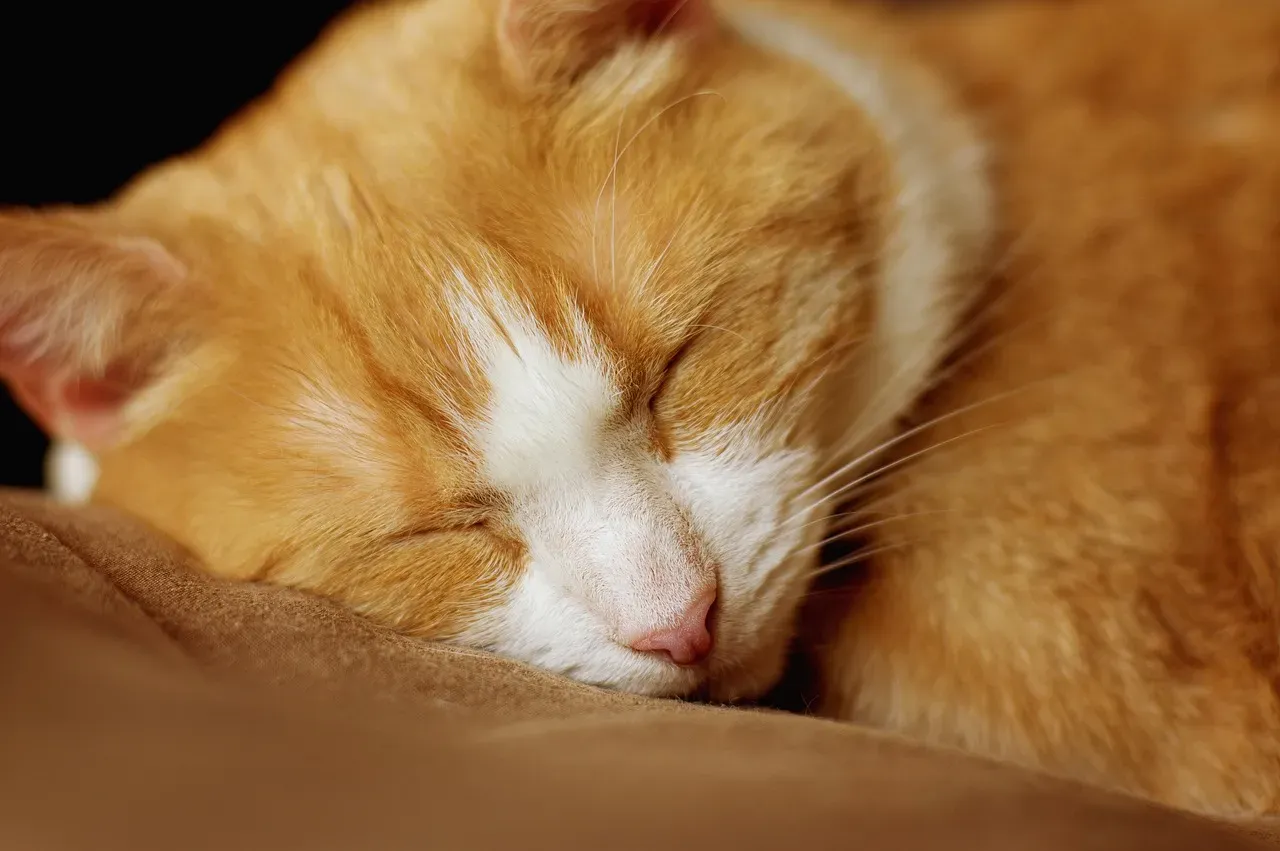
Indoor cats who stayed close to their owners adapted eating and sleeping patterns similar to those of their owners. If you’re a night owl who stays up late scrolling through your phone, your cat likely adjusts their sleep schedule to match. Conversely, early risers often find their cats are morning enthusiasts too.
Your cats will work their schedules in tandem with certain behaviours or triggers, such as the sound of an alarm, their human companion leaving for work, or returning later in the day. Wild cats and outdoor cats tend to be more crepuscular (active primarily at dawn and dusk) by nature. However, domestic cats living closely with humans show remarkable flexibility in their circadian rhythms, often abandoning their natural tendencies to sync up with your schedule instead.
Emotional States Get Absorbed Like Sponges
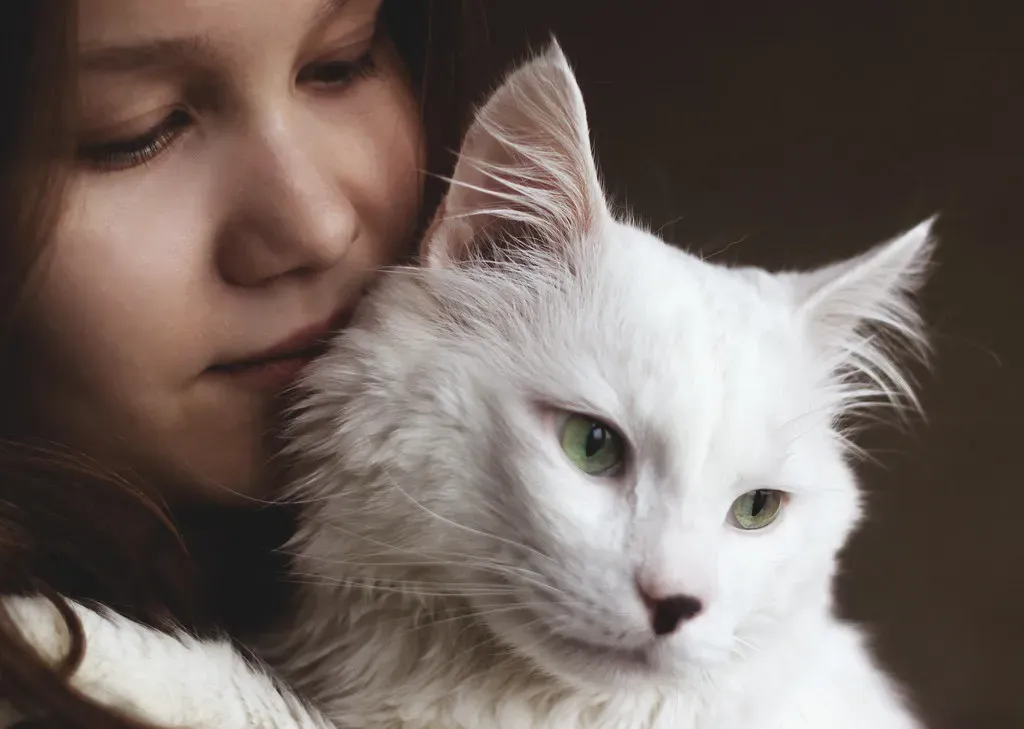
Cats can detect and mirror their owners’ emotional states, becoming more affectionate when their owner is sad, more energetic when their owner is happy, or anxious when their owner is stressed. It’s not just your imagination when your cat seems to sense you’re having a rough day.
They demonstrate remarkable emotional intelligence through their ability to mirror their owners’ moods and emotional states, becoming more subdued when their owner is sad, more playful when their owner is happy, or displaying signs of stress when their human companion is anxious. This emotional mirroring reveals a level of social intelligence that many people don’t associate with cats. Your stress becomes their stress, your calm becomes their calm.
Problem-Solving Techniques Through Observation
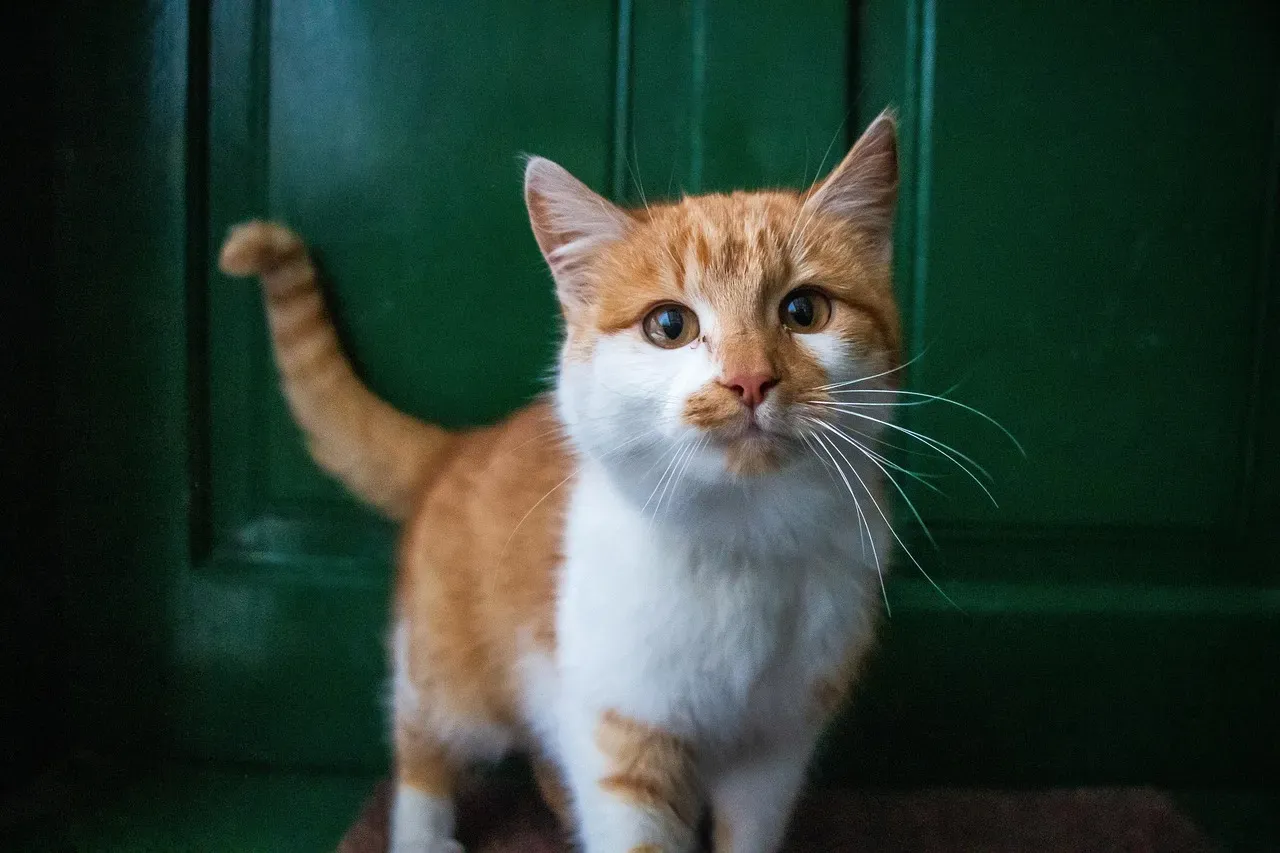
Ever wondered how your cat figured out how to open that cupboard door you thought was secure? Some cats can even learn to do complex things by watching humans, with many cats learning to open cabinets or use simple tools by watching people do it over and over.
Cats are keen observers and often learn by watching us, from opening doors to figuring out how to get into cabinets, surprising us with their ability to imitate our actions. They study how you manipulate objects, turn handles, and navigate obstacles. Then they apply similar strategies using their paws and body weight. It’s hard to say for sure, but your cat might be smarter than you give them credit for when it comes to solving physical puzzles.
Social Cues and Interaction Patterns
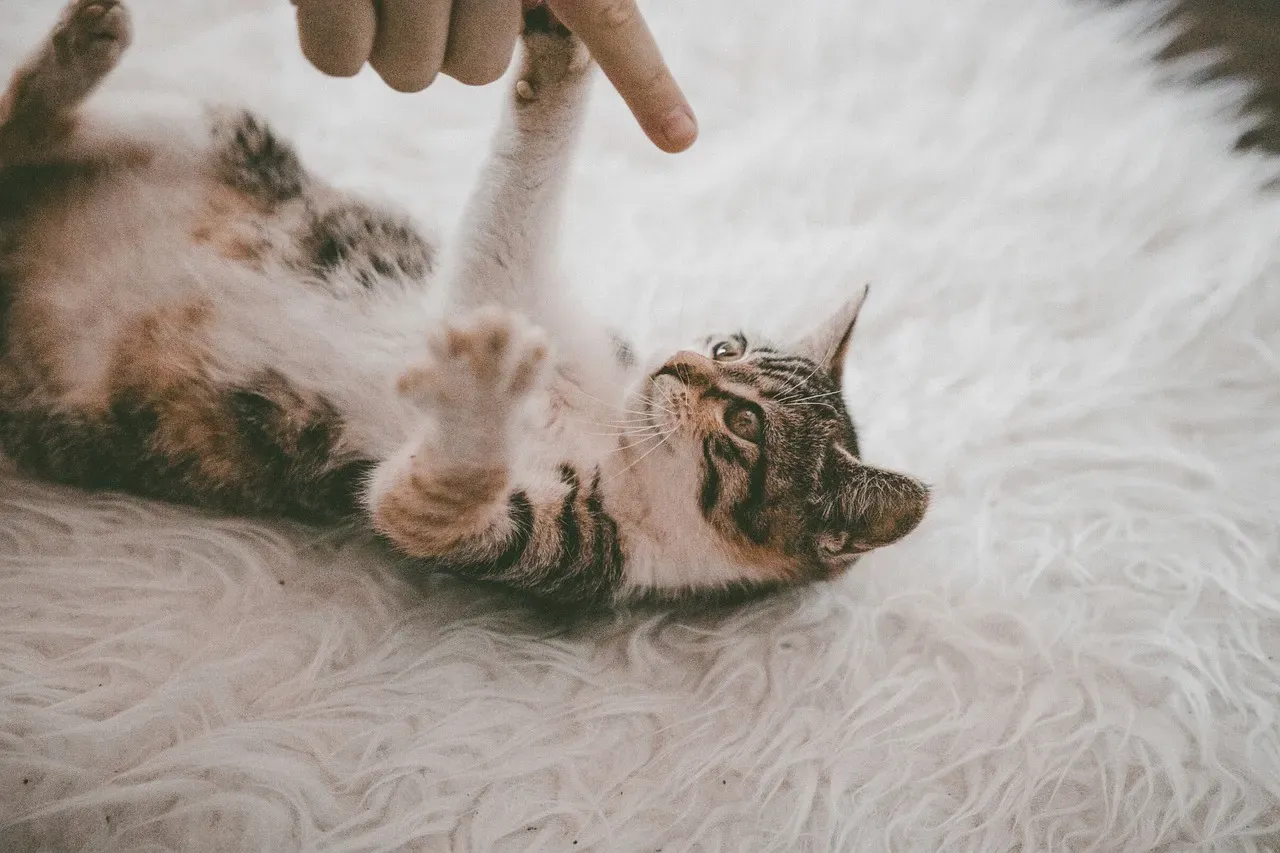
Scientific research has shown that cats possess sophisticated cognitive abilities that enable them to observe, learn from, and imitate the actions of others. This extends to how you interact with guests, handle phone calls, or even greet family members at the door.
Kittens show observational learning when they are socializing with humans, being more likely to initiate socialization with humans when their mothers are exhibiting non-aggressive and non-defensive behaviors. Your cat watches how you respond to different social situations and adjusts their own behavior accordingly. If you’re warm and welcoming to visitors, your cat may be more inclined to approach them too.
Daily Movement Patterns Around the House
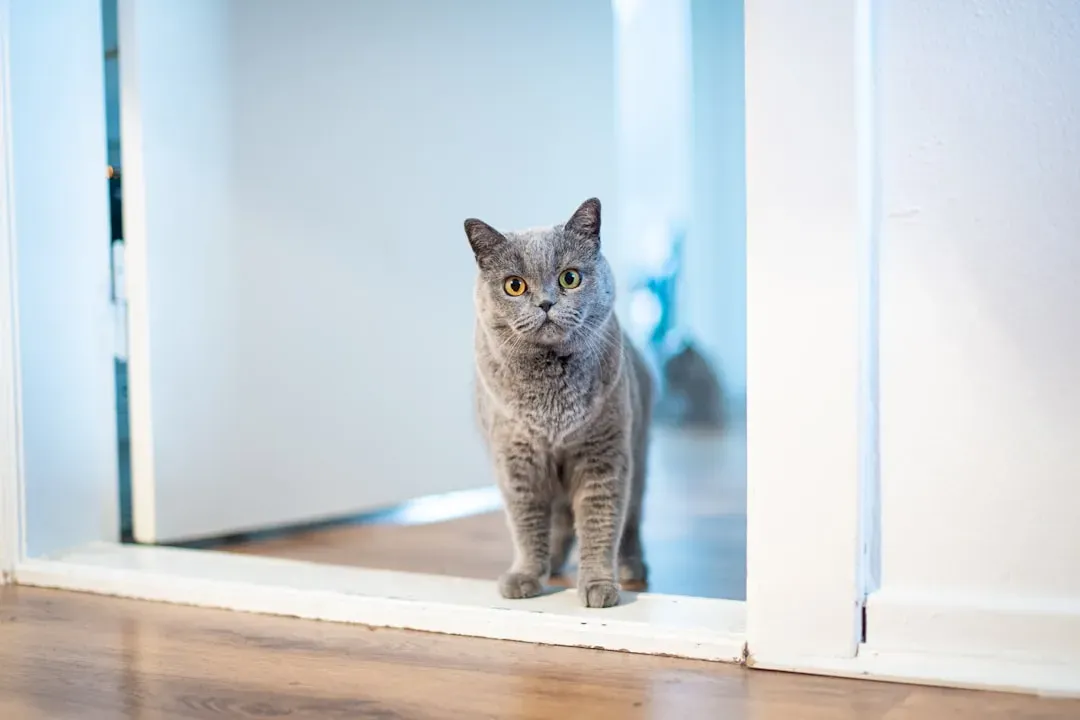
Cats learn how to move around their homes by watching us, learning to fit in by observing our actions. You probably follow the same pathways through your home every day without even thinking about it. Your cat notices.
Their amazing ability to monitor their surroundings is why cats get to know their owner’s routines so well and even learn to recognize their owner’s face and voice. They map out your daily routes, the times you typically walk from the bedroom to the kitchen, when you settle on the couch, and where you like to spend your evenings. This is why your cat always seems to be exactly where you’re about to walk, creating that delightful obstacle course we’ve all experienced.
Communication Methods You Probably Didn’t Know You Taught Them
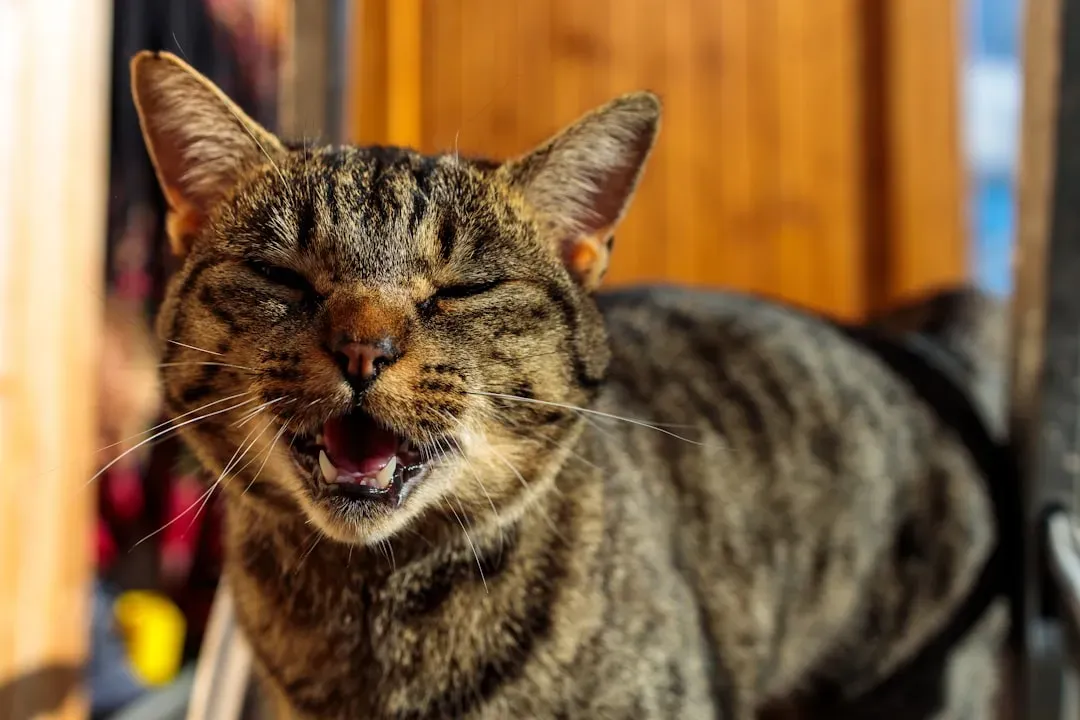
Cats pay attention to their owner’s behaviors, and when they mimic you it becomes a tool for your cat to communicate with you. That distinctive meow your cat uses only with you? They learned it works by watching your reactions.
Cats adjust the tones and melody patterns of their meows to catch their owners’ attention based on what they hear, though their vocal cords are shaped differently from those of humans. Your cat has essentially trained themselves to speak your language, or at least their version of it. They’ve observed which sounds get the fastest response from you and adjusted their vocalizations accordingly.
Your cat is constantly watching, learning, and adapting to fit seamlessly into your daily life. When cats mirror their owners’ behaviors, it demonstrates trust and social attachment, leading to stronger bonds and better communication between pets and their humans. They’re not just passive observers in your home. They’re active participants who have figured out the patterns and rhythms that make your household run. Next time you catch your cat staring at you with that intense focus, remember they’re probably filing away information about your habits to use later. Pretty amazing for an animal that spends most of the day napping, right? What surprising behaviors has your cat picked up from you? Think about it next time they do something that makes you wonder where they learned that trick.