You’ve probably laughed at your cat’s quirky antics more than once. Maybe they’ve pounced on invisible prey, hidden in the tiniest cardboard box, or groomed themselves for what feels like hours. Here’s the thing, though – what looks like random or adorable behavior is actually something much deeper. Your fluffy friend is still living by rules written thousands of years ago, long before plush beds and tuna-flavored treats existed.
Most cats, including many strays and feral populations, are still genetically close to their wild ancestors. While cat food, kitty litter, and vet visits are part of today’s indoor cat experience, the cat’s body and instincts haven’t changed all that much. Think of your house cat as a wild hunter in disguise. The domestication process may have mellowed them out a bit, but underneath that purring exterior lies a creature still hardwired to survive in the wilderness. Let’s dive into the fascinating ancient habits that your modern house cat just can’t let go of.
The Obsessive Hunting Ritual
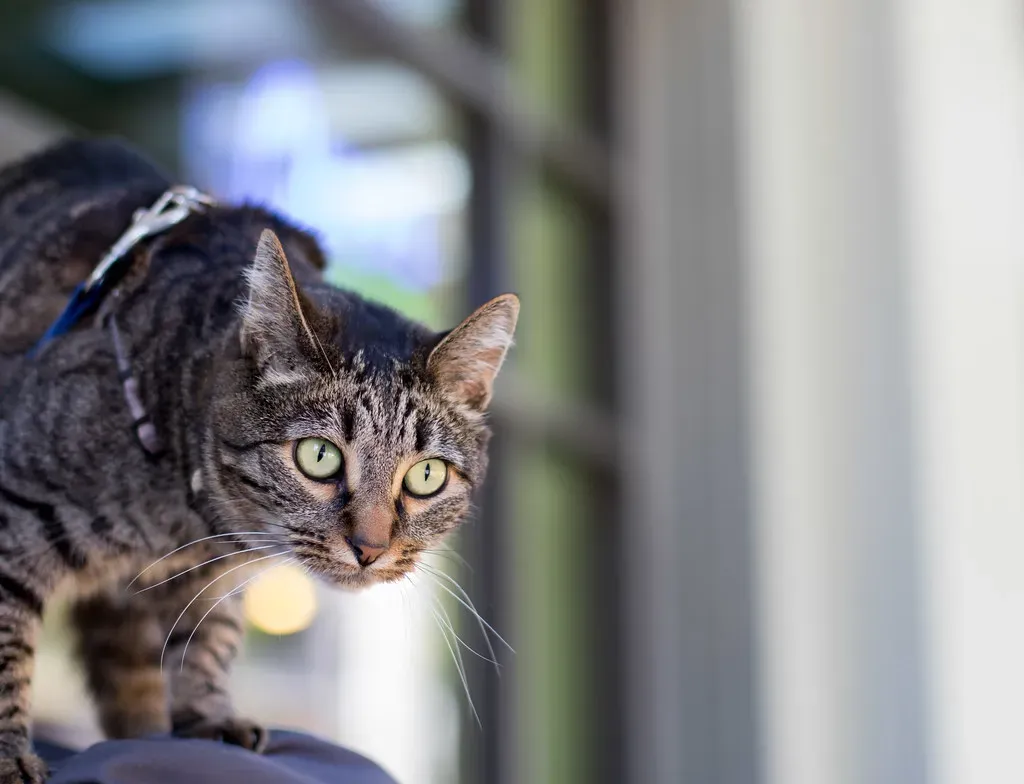
A cat will wait, ambush its toy, then roll around with it, and bite at it. Your pet cat is mimicking a hunt; this behavior is taught to young kittens in the wild. Even though your cat’s dinner comes from a can or bag, they still act like their survival depends on catching prey. Watch them stalk a toy mouse or a feather on a string – they crouch low, wiggle their haunches, and then explode into action with deadly precision.
Cats who rely on hunting to survive have learned that playing with prey and disorienting it before killing it reduces the chance of injury. The prey and hunting behavior is instinctual, so it is seen in even domestic cats, who have the privilege of fresh food in their bowl daily. It’s not cruelty, honestly – it’s survival strategy. This explains why your cat might bat around a bug for several minutes before actually finishing the job. They’re practicing techniques passed down through countless generations.
Scratching Everything in Sight
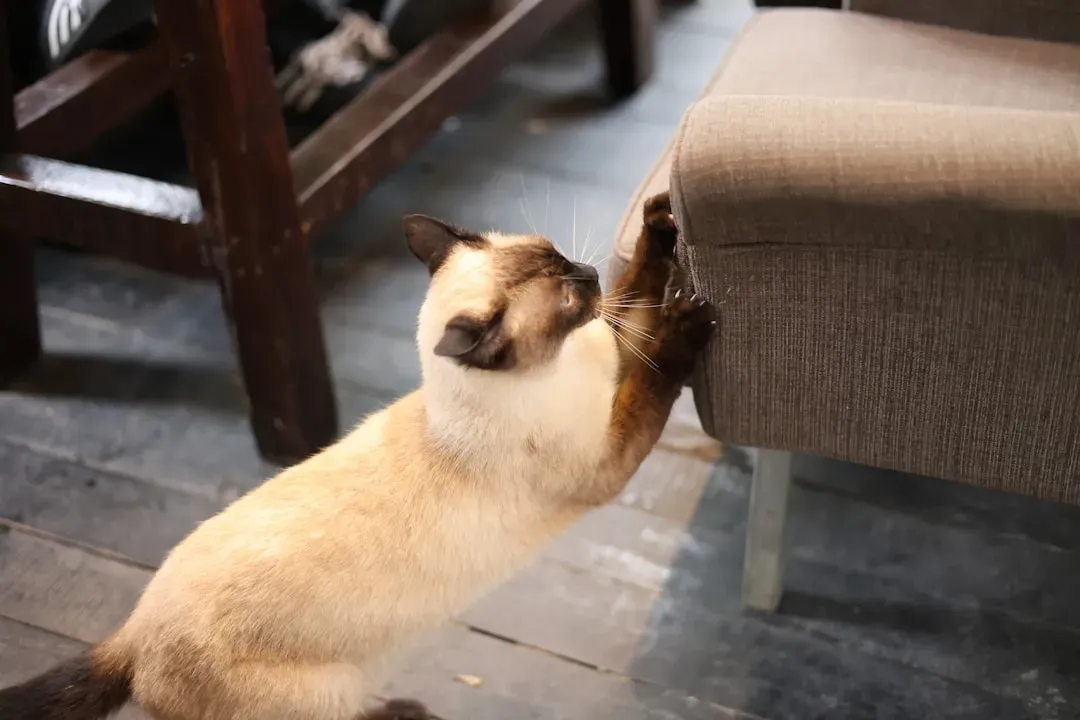
Your furniture might disagree, but scratching isn’t vandalism. This behavior has ancestral roots. In the past and the wild, many cats would scratch at trees to mark their territory. Both male and female cats will put their markings on the trees to tell other cats in the area more about themselves. It’s basically their version of posting on social media – except instead of likes, they’re collecting territorial claims.
Marking with urine, rubbing their face or body on objects, and sniffing new environments all stem from their ancestors’ need to map out and defend their territory in the wild. Cats have scent glands on their cheeks, paws, and tail base. Those scratches aren’t just claw maintenance. They’re leaving behind visual markers and releasing scent from glands in their paws. Your cat is essentially saying “I was here” to any other cat who might wander by – even if the only other cat is your reflection in the window.
Squeezing Into Impossibly Small Spaces
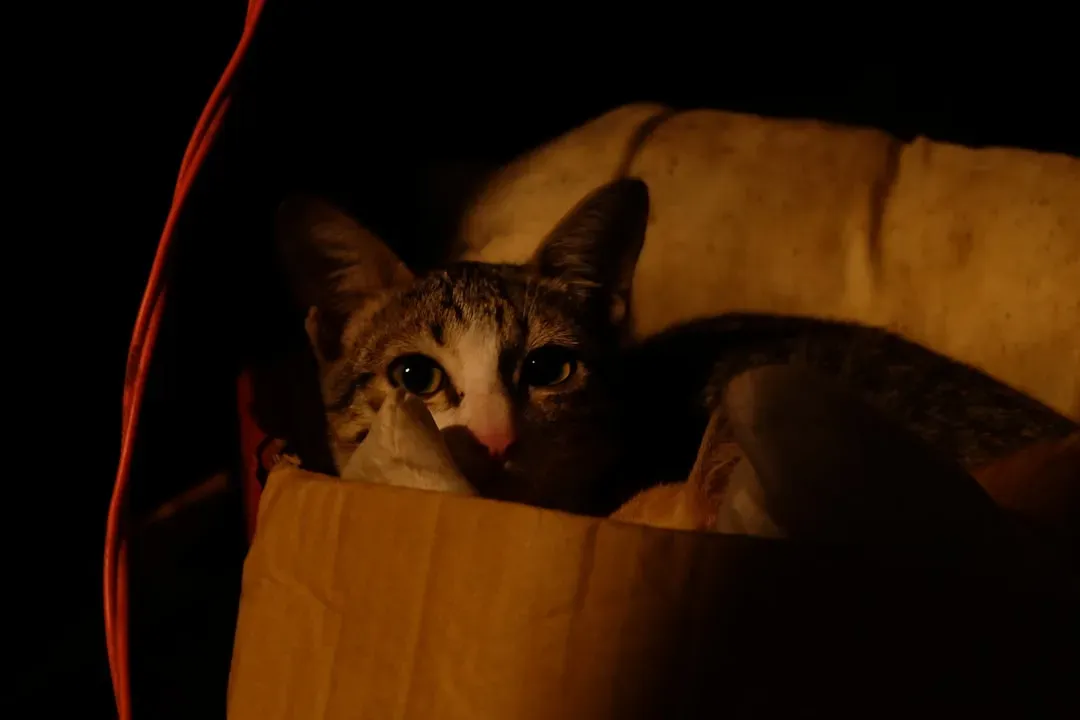
Let’s be real – if there’s a box, your cat will sit in it. If there’s a tiny gap between the couch cushions, they’ll wedge themselves there. There is some ancestral instinct in your cat that makes it attracted to boxes and small spaces – cats in the wild like to seek shelter where they feel safe and protected from predators. When a cat can squeeze into a small space, it knows that all sides are covered, and it can remain hidden.
It might look silly when your ten-pound cat tries to fit into a shoebox, but there’s solid survival logic behind it. The smaller the area, the safer it will feel. In the wild, cramped hideaways offered protection from larger predators and provided ambush points for hunting. Your domestic cat still feels that same pull toward enclosed spaces, which is why they’ll choose a cardboard box over a fancy cat bed nearly every time.
That Midnight Zoomie Session
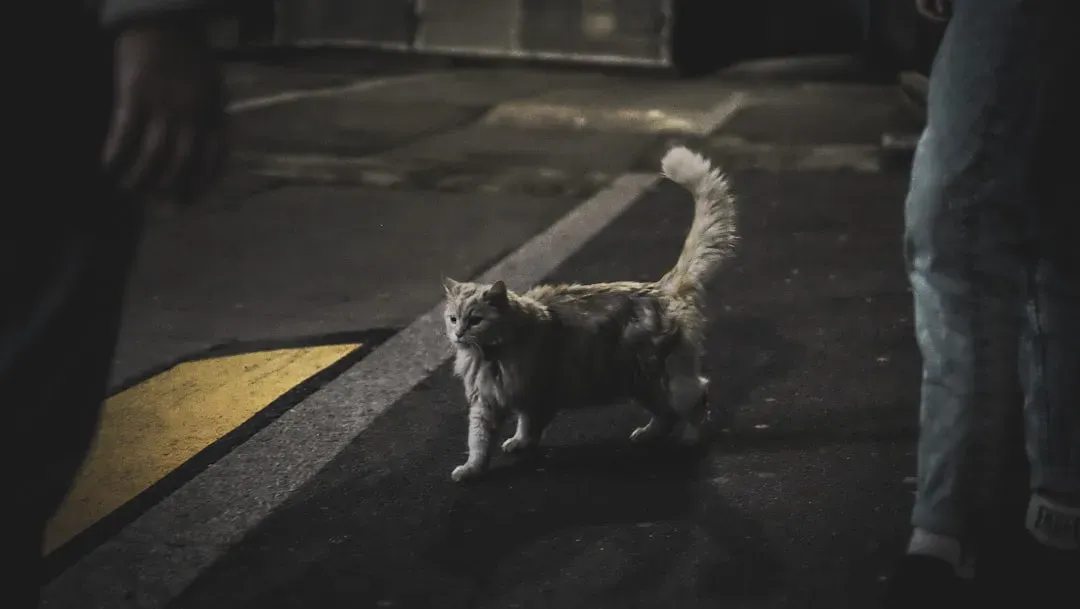
You’re sound asleep when suddenly your cat tears through the house like they’re being chased by invisible demons. What gives? This behavior is entirely instinctual. In the wild, cats will have to conserve energy and hunt at any opportunity, even if they are not hungry. Cats in the wild have the best chance to hunt after a nap when they are well-rested. Your pampered pet is still operating on an ancient biological clock.
Even though your cat at home doesn’t have to hunt for its dinner, it still has this behavior imprinted into its daily routine. Those bursts of energy at dawn and dusk aren’t random – they coincide with the times wild cats would be most active hunting. Your cat may live in a climate-controlled apartment, but their internal programming is still set for the savanna at twilight.
Rubbing Their Face All Over You
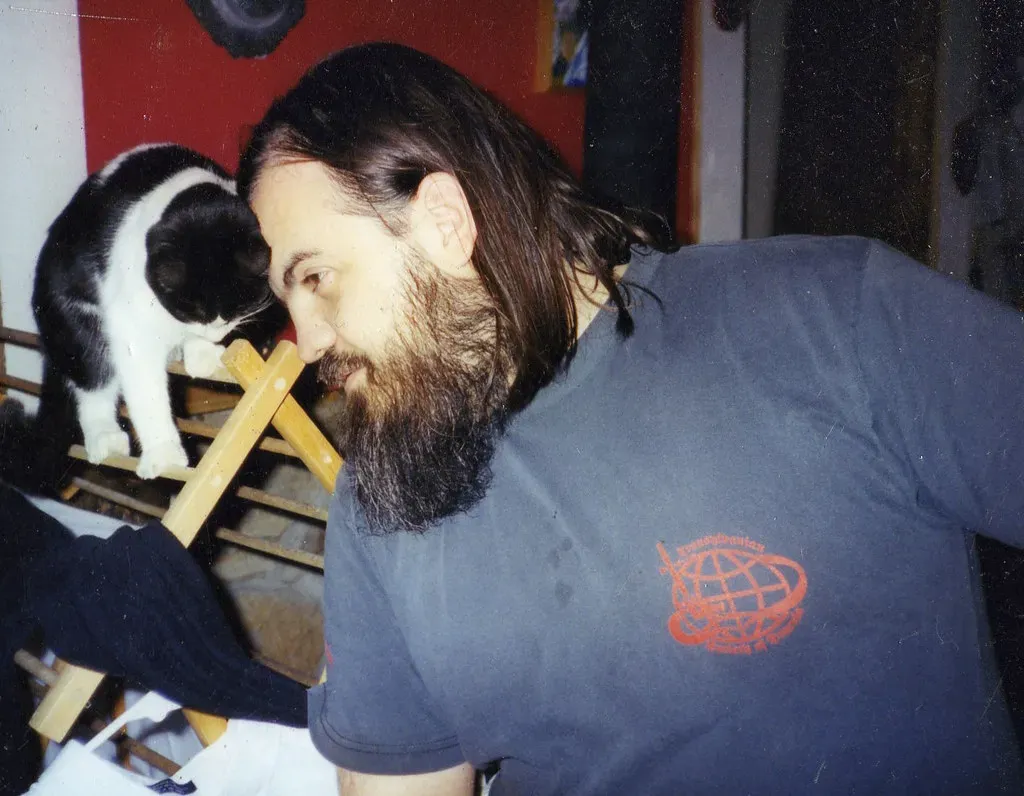
When your cat head-butts you or pushes their cheeks against your hand, it feels like pure affection. It is – but there’s more to it. While this behavior is certainly enough to melt your heart, there is some ancestral drive to this action. Cats can rub their scent onto those they love, and in the wild, will regularly rub against each other to claim their family and partners. Rubbing actions between cats transfer some smell from their glands to one another, allowing them to stake their property correctly.
I know it sounds crazy, but your cat is essentially marking you as theirs. They’re not just showing affection – they’re telling every other cat (real or imagined) that you belong to them. It’s sweet and possessive at the same time, which pretty much sums up cat behavior perfectly. This scent-marking creates a communal smell that identifies who belongs to their social group.
Burying Their Bathroom Business
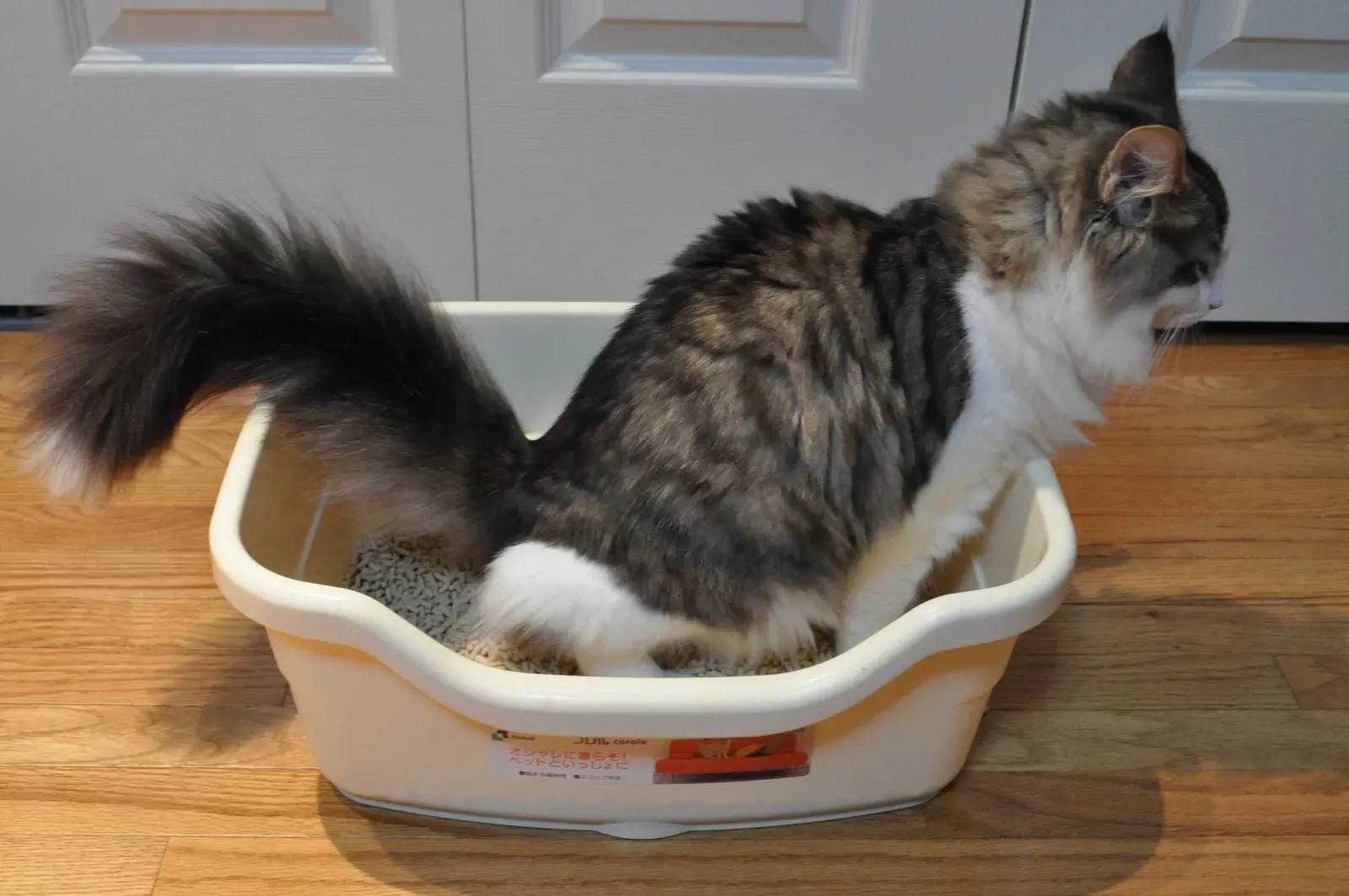
One of the best parts about cats is their natural litter box habits. As both predator and prey, cats are born with the desire to bury their waste. This natural behavior in our domesticated cats carries over from their wild ancestors, who buried their poop and pee to hide their scent. By covering their waste, they covered their smell, protecting themselves against larger predators and other cats.
Smaller, weaker or more submissive wild cats bury their feces as a way of ensuring that dominant cats do not feel challenged. Interestingly, when your cat covers their waste in the litter box, they might also be showing you respect as the “dominant” member of the household. Big cats like lions and tigers actually leave their waste uncovered as a power move, but your house cat? They’re playing it safe, just like their smaller wild ancestors did.
Kneading You Like Dough
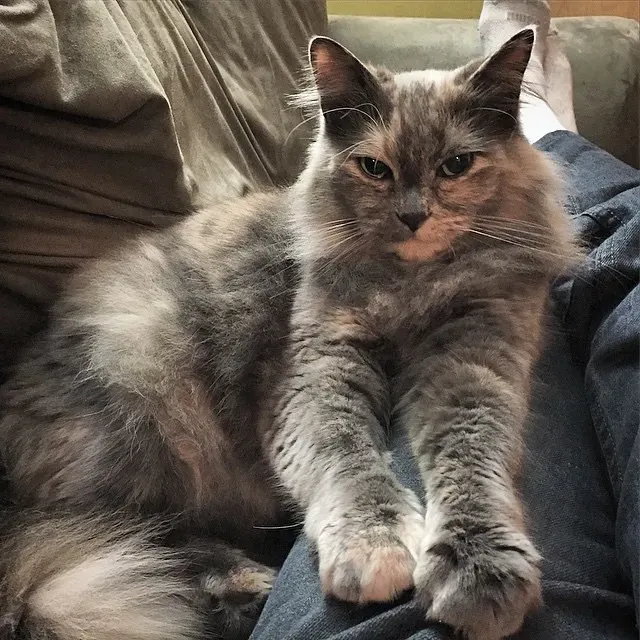
Few things are cuter than when your cat rhythmically pushes their paws into you, alternating left and right. This ‘kneading’ behavior has roots in kittenhood, when young felines kneaded their mother’s belly to stimulate milk flow. That’s why it’s sometimes called “making biscuits” – though your cat’s version probably won’t win any baking competitions.
But the origins go deeper: wild cats knead grasses to create a comfortable, scent-marked resting spot. So when your cat kneads on you, they’re not only expressing comfort and contentment – they’re also preparing their sleeping area the way their ancestors did in tall grass. Kneading is also how cats can effectively mark their territory. Those paw pads are working double duty, spreading scent while also creating a cozy spot.
Excessive Grooming Marathons
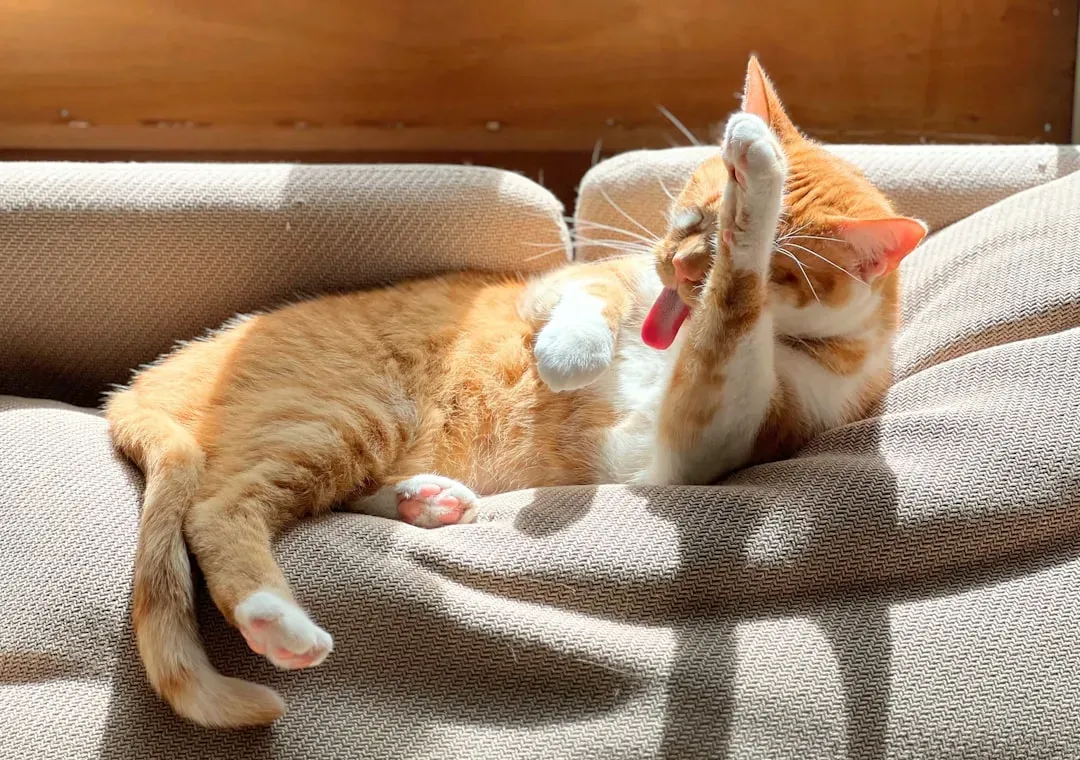
Ever notice how much time your cat spends grooming? It’s not vanity – well, not entirely. Both wild and domesticated cats tend to spend between 30-50% of their time grooming. This is essential for hunting as it helps to keep their scent neutral so they can stay undetected by their chosen prey. That’s roughly one-third to half of their waking hours dedicated to staying clean.
Your indoor cat doesn’t need to sneak up on prey, yet they still maintain this rigorous grooming schedule. The instinct is so deeply ingrained that it persists regardless of lifestyle. Cleanliness also helped wild cats avoid parasites and kept their fur in optimal condition for insulation. Modern house cats continue this behavior even though their biggest daily challenge might be choosing which sunny spot to nap in next.
Conclusion
Your modern house cat is essentially a wild predator dressed in a tuxedo or tabby coat. During domestication, cats have undergone only minor changes in anatomy and behavior, and they are still capable of surviving in the wild. These ancient habits aren’t quirks or glitches – they’re features that kept their ancestors alive for millennia.
Next time your cat does something that seems bizarre or inexplicable, remember you’re watching thousands of years of survival instinct in action. They haven’t forgotten their wild roots, and honestly, that’s part of what makes them so fascinating. Did you expect your cuddly companion to be carrying around so much ancient baggage? What wild habit does your cat display most often?