You love your cat, there’s no question about that. Yet sometimes you find yourself wondering if the feeling is mutual, especially when your feline friend insists on walking directly under your feet, waking you at 3 a.m., or leaving suspicious presents at your doorstep. Here’s the thing though: those behaviors that drive you slightly crazy might actually be your cat’s unique way of saying “I love you.”
Cats communicate affection very differently than dogs or even humans. Where a dog might jump up excitedly and shower you with slobbery kisses, cats express their emotions in subtler, sometimes peculiar ways that can easily be misinterpreted. Once you understand what your cat is really trying to tell you, those annoying habits suddenly become endearing gestures of trust and devotion. Let’s explore the surprising truth behind some of the most irritating cat behaviors.
They Won’t Stop Following You Everywhere
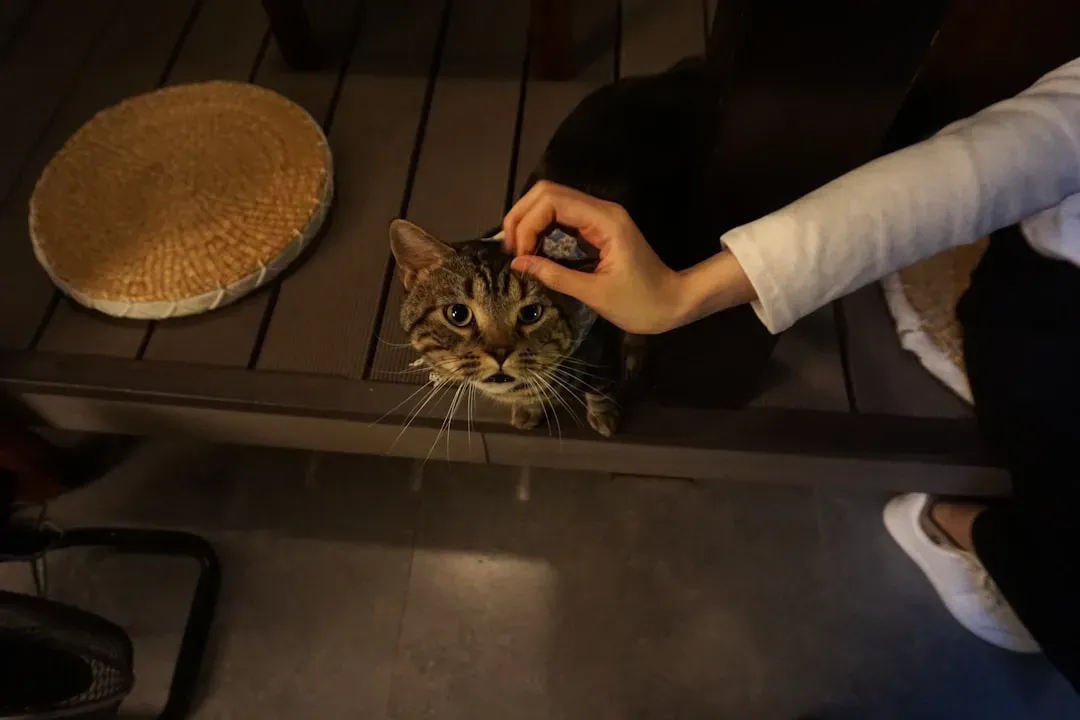
Does your cat constantly trail behind you, weaving between your legs as you walk from room to room? This shadow behavior might feel intrusive, especially when you’re trying to use the bathroom or cook dinner in peace. Yet this persistent presence is actually one of the clearest indicators that your cat views you as part of their family.
Cats display an intense and consistent desire for the company of those they’ve bonded with, following them around the house, sitting near them, or seeking physical contact. Your cat isn’t being clingy for no reason. They genuinely want to be near you because your presence makes them feel safe and content. Think of it as the highest compliment a naturally independent creature can give. When your cat chooses to spend their time with you instead of napping in a sunny spot, that’s genuine affection in action.
Headbutting and Face Rubbing Your Personal Space
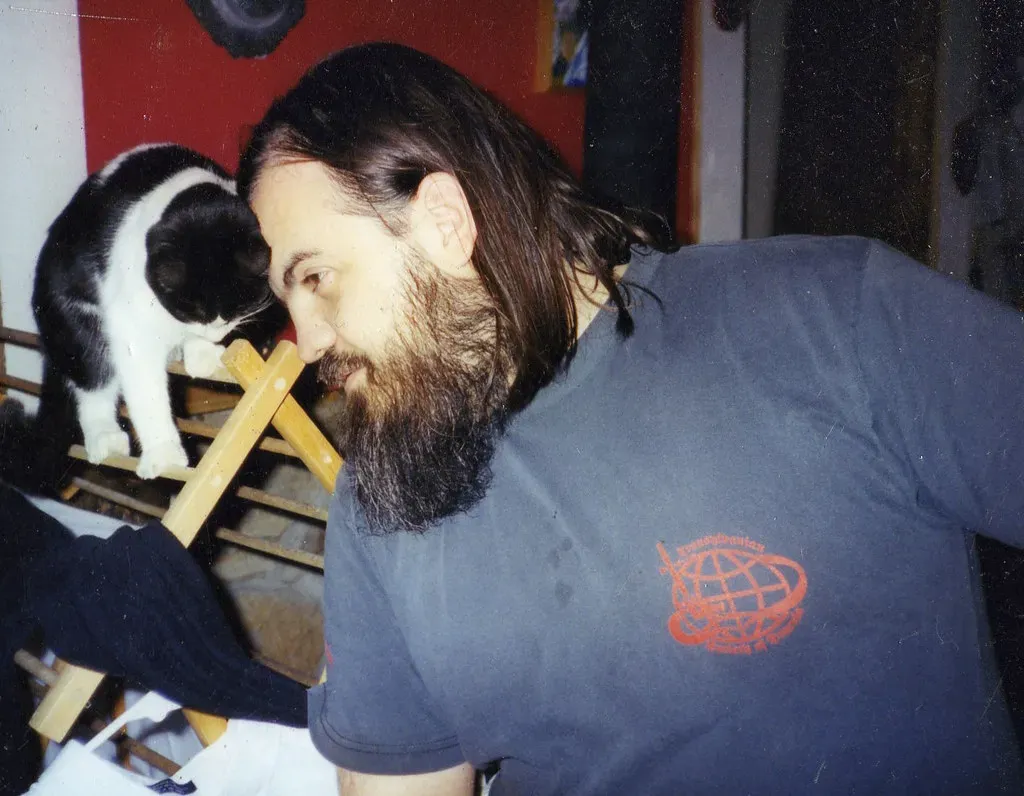
Getting bonked in the face by your cat’s hard little skull might not seem like a loving gesture at first. You’re trying to read, work on your laptop, or watch television, and suddenly there’s a furry forehead pressing insistently against your chin or cheek. However, this behavior, known as bunting, is actually deeply meaningful.
Headbutting is typically a way for cats to mark you with pheromones and bond with you, as cats rub pheromones on familiar people or objects. When your cat headbutts you, they’re giving you one of the biggest shows of trust and affection they’ve got. Those facial glands release scents that mark you as safe, familiar, and part of their inner circle. Essentially, your cat is claiming you as their own while simultaneously creating a shared family scent. It’s their version of a warm hug.
Kneading Your Lap With Their Claws
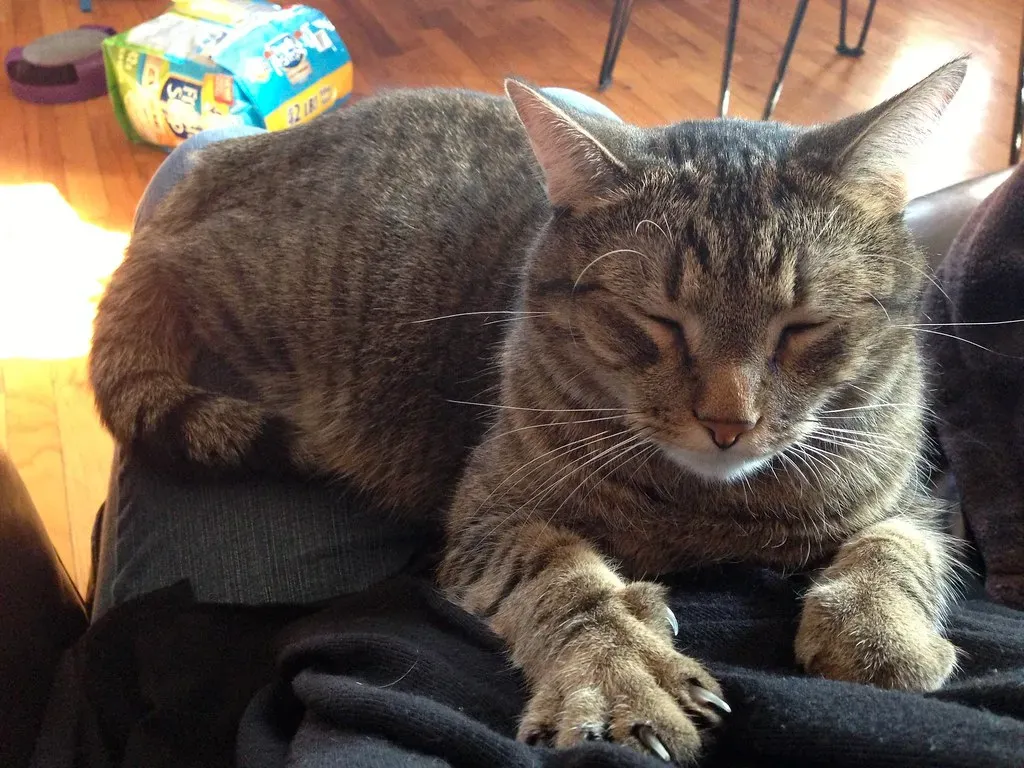
There you are, finally relaxing on the couch after a long day, and your cat jumps onto your lap and starts rhythmically pressing their paws into your legs. This wouldn’t be so bad except for those needle sharp claws that inevitably poke through your clothes. Honestly, it can be downright painful sometimes.
Kneading is an expression of comfort and safety that goes back to your cat’s kitten days. Kneading is a behavior that begins at kittenhood, when kittens knead against their mothers to stimulate milk production, resulting in a feeling of contentment. When your adult cat kneads you, they’re experiencing that same profound sense of happiness and security they felt as babies with their mother. They literally cannot help themselves because you make them feel that good. The claws are unfortunate, sure, but the sentiment is pure love.
Bringing You Dead Animals or Random Objects
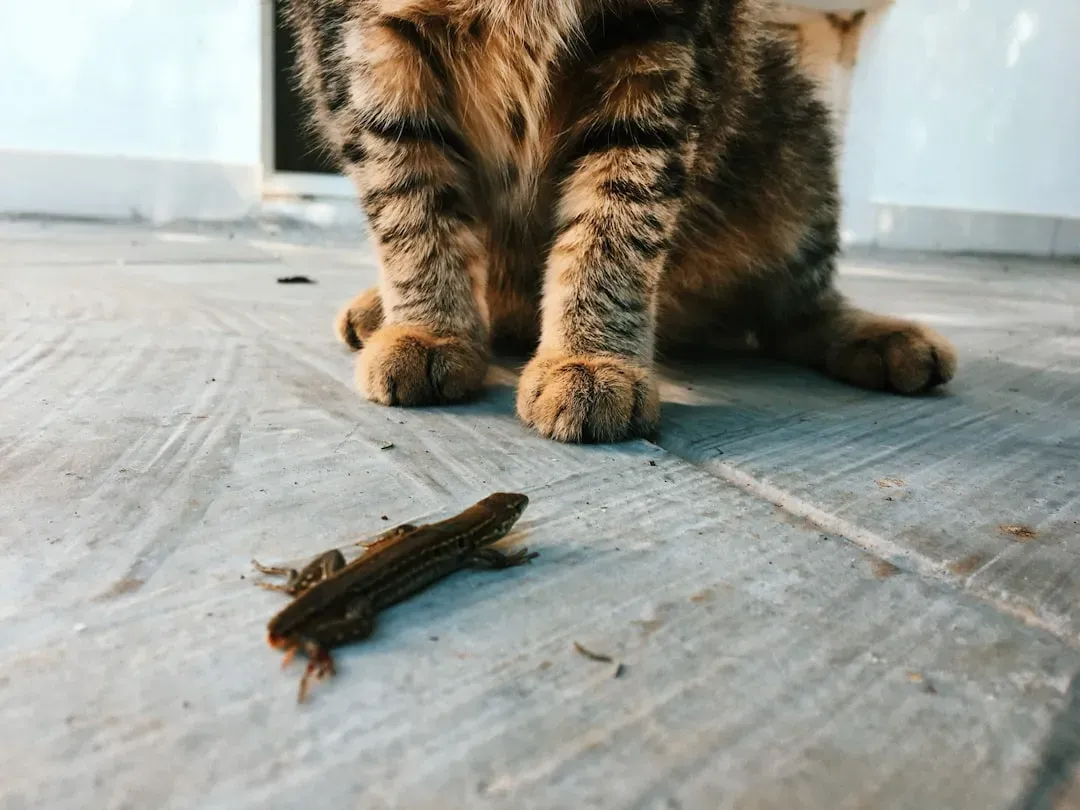
Let’s be real, nothing quite compares to the horror of finding a dead mouse on your doorstep or a mangled bird at the foot of your bed. This is arguably the most disturbing behavior on this list. Your immediate reaction is probably disgust mixed with confusion about why your beloved pet would do something so gross.
Cats bring “gifts” and go on hunting excursions for their owners, and while the gift of a dead mouse may not exactly be welcome, it’s a way your cat expresses affection. The main hypothesis is that this behavior is maternal, as in the wild, mother cats go out and hunt and then bring the food back for their kittens, providing something for them to play, practice how to hunt and recognize prey. Your cat genuinely believes they’re helping you, either by teaching you valuable survival skills or by sharing their prized possessions with someone they care about. It’s misguided from a human perspective, but the intention comes from a place of deep affection and concern for your wellbeing.
Waking You Up at Ungodly Hours
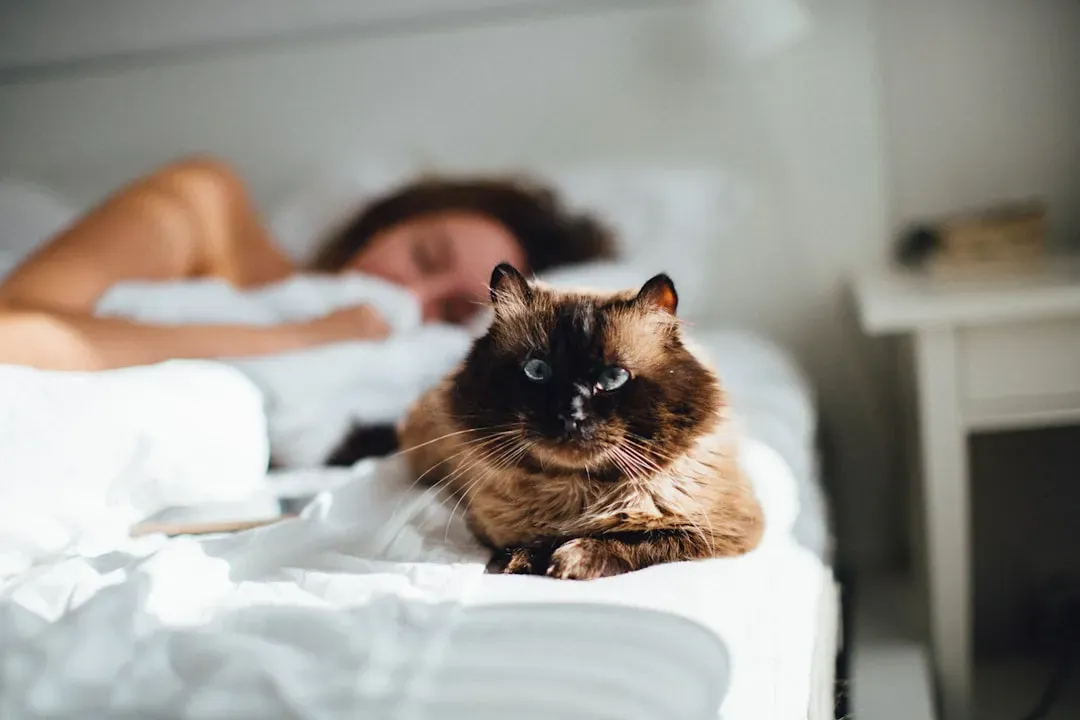
The 5 a.m. wake up call is a classic cat owner complaint. Your furry alarm clock doesn’t care that it’s Saturday or that you were up late last night. They want attention, food, or playtime, and they want it now. The meowing, pawing at your face, or walking across your head can make you question your life choices.
The meowing can be very insistent and annoying, however. Despite the frustration, this demanding behavior often stems from your cat wanting your company and interaction. Felines can be demanding, so it shouldn’t come as a shock that your cat can become extra affectionate and clingy when it feels as if it isn’t receiving enough attention. Your cat has learned that you’re most accessible at certain times, and they’re seeking engagement with the person they’ve bonded with most strongly. They’re not trying to torture you; they genuinely miss you and want quality time together.
Staring at You Without Blinking
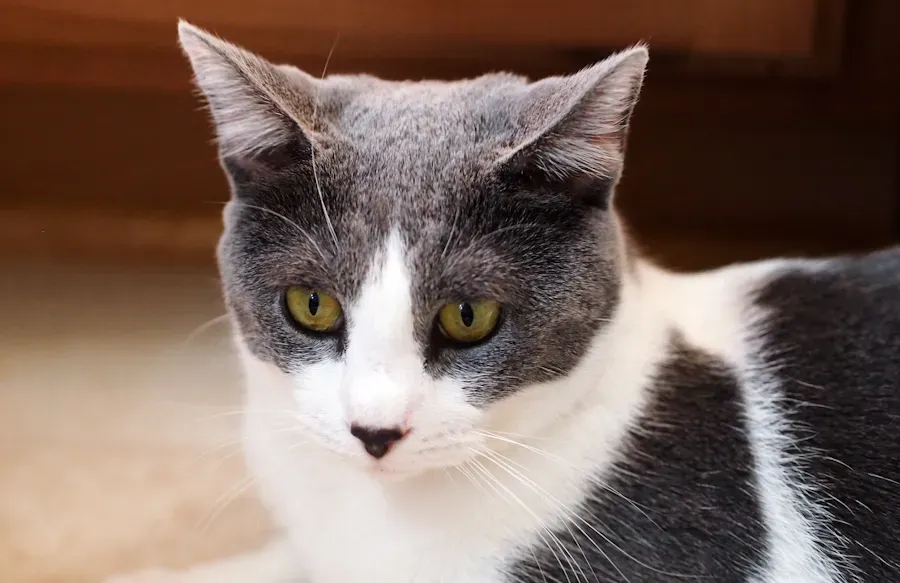
You’re going about your business when you suddenly feel eyes on you. You look up and there’s your cat, sitting perfectly still, gazing at you with an intensity that borders on unsettling. This prolonged staring can feel creepy or like your cat is judging your every move. What are they thinking? Why won’t they look away?
A slow blink from your cat often signifies trust and affection, sometimes called a “cat kiss.” When cats maintain eye contact with you, especially if they eventually offer that slow, deliberate blink, they’re actually showing vulnerability and trust. In the feline world, prolonged eye contact can be confrontational, so when your cat looks directly at you in a relaxed state, they’re demonstrating that they feel completely safe. Try slowly blinking back at them next time. You might just get a response that confirms the connection.
Constantly Getting Underfoot and Tripping You
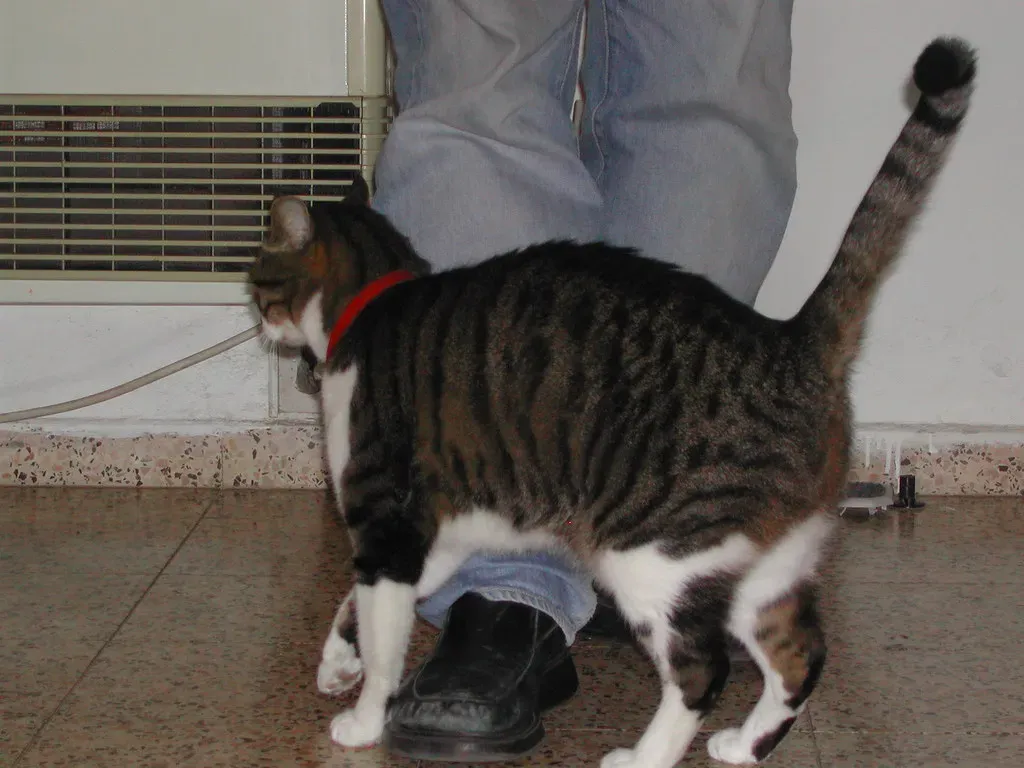
Few things are more annoying than trying to walk to the kitchen and nearly face planting because your cat has positioned themselves directly in your path. They seem magnetically drawn to being exactly where your feet need to go next. It’s dangerous for both of you, yet they persist in this behavior day after day.
Some cats will follow or precede you everywhere you go, and you can try getting them out of the habit by shuffling your feet. This underfoot behavior is actually another manifestation of your cat’s desire to be near you. They want to participate in whatever you’re doing, even if that’s just walking from one room to another. Your cat doesn’t understand personal space the way humans do. To them, being physically close to you is comforting and reinforces your bond. They’re essentially saying “wherever you go, I want to go too” because your presence matters to them.
Meowing and Vocalizing Constantly for Attention
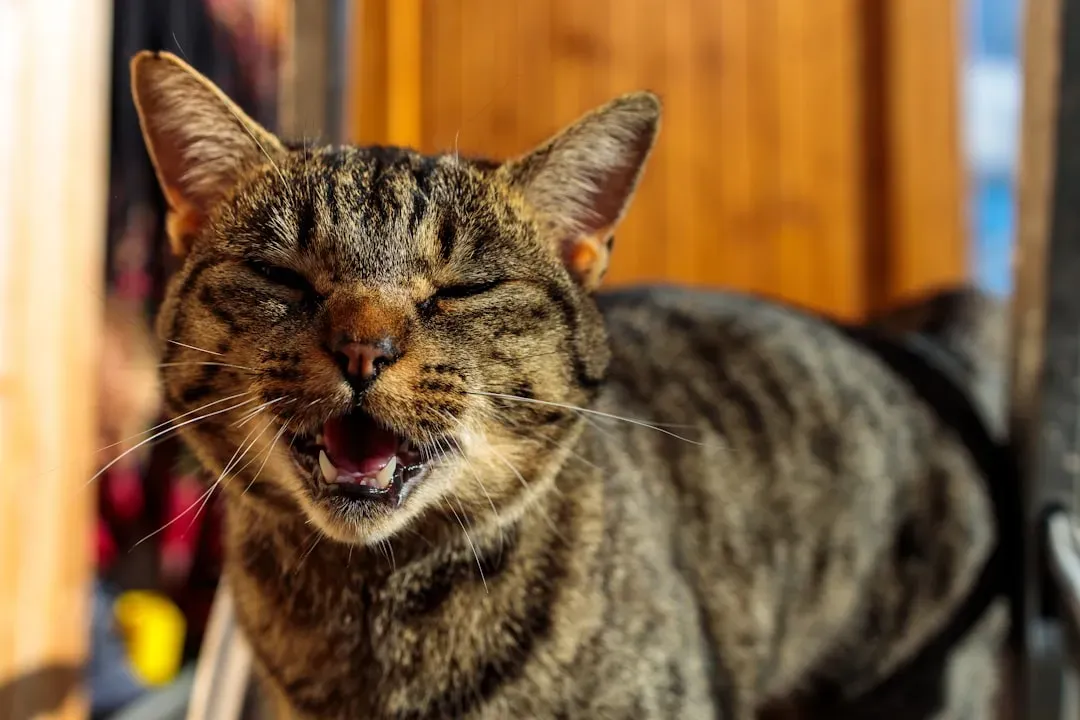
Some cats are naturally more talkative than others, but excessive meowing, especially when it seems like your cat is just demanding attention for no particular reason, can test anyone’s patience. You’ve fed them, their litter box is clean, they have water, yet they continue to vocalize persistently throughout the day.
Meowing or chirruping are signs your cat is alerting you of their presence and for you to take notice of them. Meowing is one of the most common ways cats communicate with humans, and while meowing and vocalizations can represent many things, it’s their way of talking and showing affection. Your cat has developed a language specifically to communicate with you. They don’t meow at other cats the same way they meow at humans. When your cat talks to you, they’re initiating conversation and connection because they value your interaction. Each meow is an attempt to engage with you, to maintain the relationship you share.
Conclusion
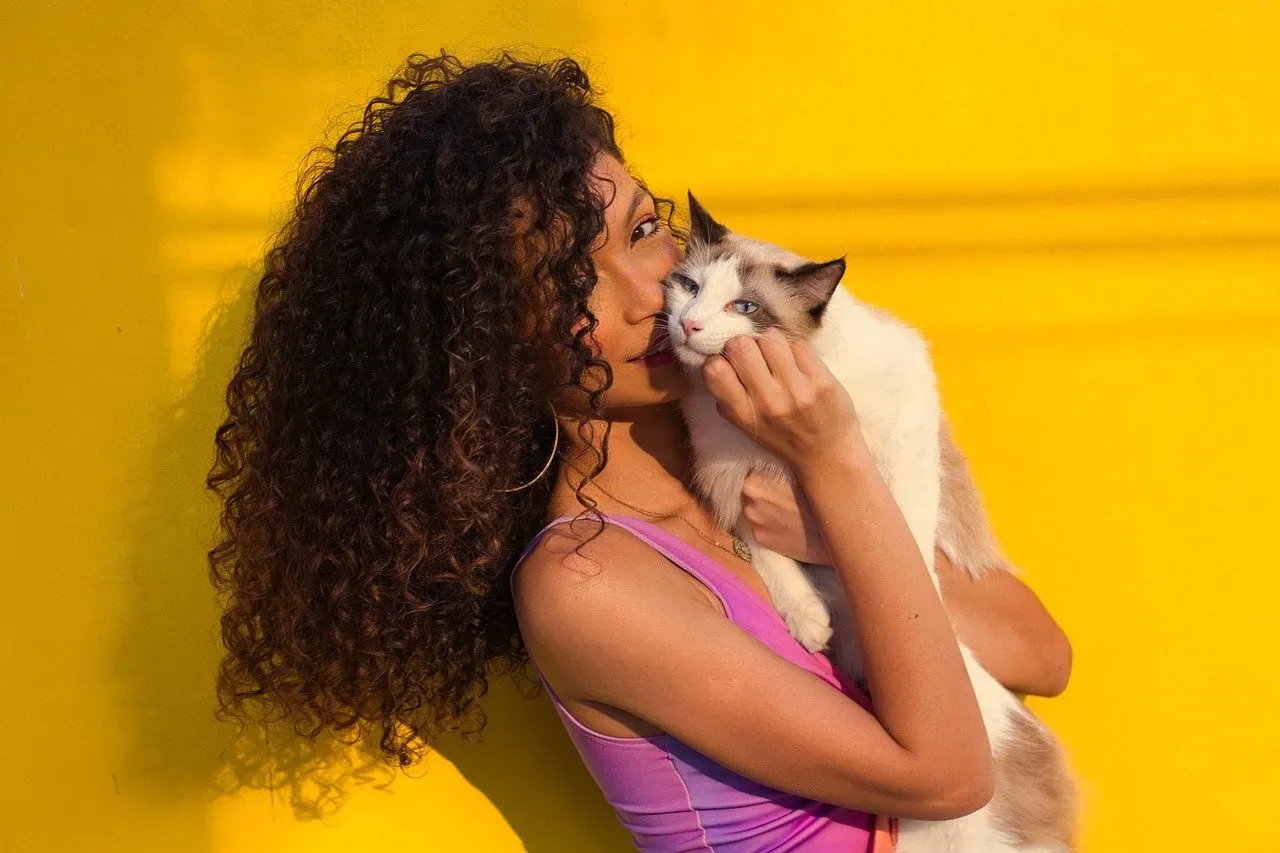
The next time your cat exhibits one of these seemingly annoying behaviors, take a moment to reframe your perspective. That headbutt isn’t a nuisance; it’s a declaration of belonging. Those 4 a.m. wake up calls aren’t just about food; they’re about connection. Even that unfortunate dead mouse on your porch comes from a place of caring, however misguided it might seem.
Understanding your cat’s unique love language transforms frustration into appreciation. These quirky, sometimes inconvenient behaviors are actually precious reminders that your cat has chosen you as their person, their family, their safe place in the world. They trust you completely and express that trust in the ways that make sense to them. What do you think about these feline gestures of affection? Has your cat done something annoying lately that might actually be a sign of love?