You might be surprised by how much a simple purr can change your daily life. If you’re entering or already enjoying your senior years, chances are you’ve considered adding a furry companion to your home. Cats have long been beloved for their independence and grace, but there’s something deeper happening when you share your life with one of these remarkable animals. Beyond their adorable antics and soft fur, cats offer a range of benefits that directly address the unique challenges you may face as you age. From reducing feelings of isolation to keeping your mind sharp, these feline friends bring more to the table than just companionship. Let’s explore the surprising ways that bringing a cat into your life during your senior years can transform your health, mood, and overall well-being.
They Combat Loneliness and Social Isolation
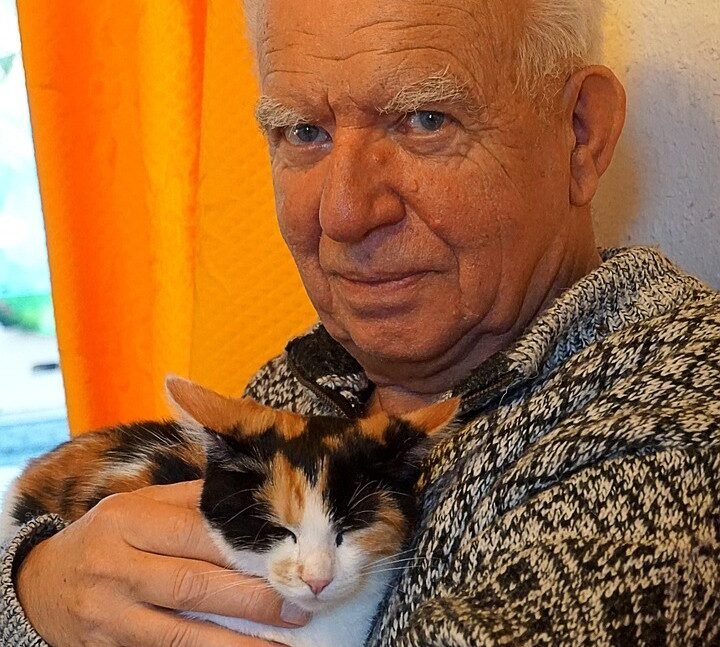
Loneliness is one of the most pressing challenges you might face as you get older. Whether it’s retirement, losing a spouse, or simply having fewer opportunities for social interaction, feeling isolated can take a serious toll on your emotional and physical health. Here’s where cats come in.
Pet owners were 36% less likely than non-pet owners to report loneliness, according to research examining older adults. That’s a significant difference. Having a cat gives you someone to talk to, someone who greets you when you come home, and someone who depends on you. The simple act of stroking your cat’s fur or watching them play can create a sense of connection that fills the void left by limited human interaction. Cats offer seniors comfort, companionship, and improved health, making them the perfect pet choice for older adults.
What’s fascinating is that the bond you form with your cat isn’t just a one-way street. They respond to your moods and routines, creating a relationship that feels genuinely reciprocal. If you know a senior who lives alone, a cat is the ideal solution – seniors have an adorable companion to look after, meaning they’ll be less likely to become bored, depressed or lonely.
Cats Provide a Sense of Purpose and Routine
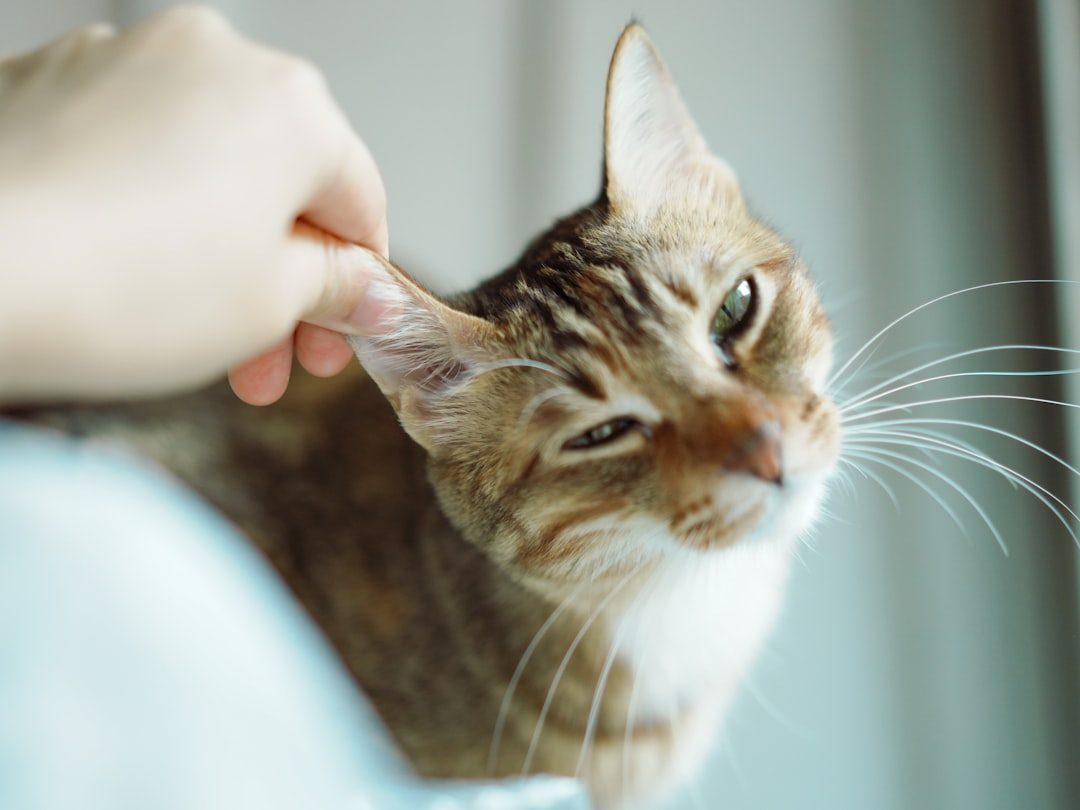
One thing many people don’t talk about when it comes to retirement is how aimless the days can feel without structure. You wake up and suddenly realize there’s no meeting to rush to, no deadline to meet. That freedom is wonderful, yet it can also leave you feeling adrift.
A companion animal offers seniors a positive daily responsibility that keeps them alert and active, providing people with a sense of purpose. Your cat needs feeding at certain times, their litter box requires regular cleaning, and they thrive on playtime and attention. These aren’t burdensome tasks – they’re anchors that give your day meaning and rhythm. Knowing that a living being depends on you creates motivation to get out of bed, stay engaged, and maintain healthy patterns.
This sense of responsibility can genuinely transform your outlook. When you have something or someone relying on you, it shifts your mindset from passive to active. Instead of wondering what to do with your day, you have clear tasks that matter.
Lower Blood Pressure and Reduced Heart Disease Risk
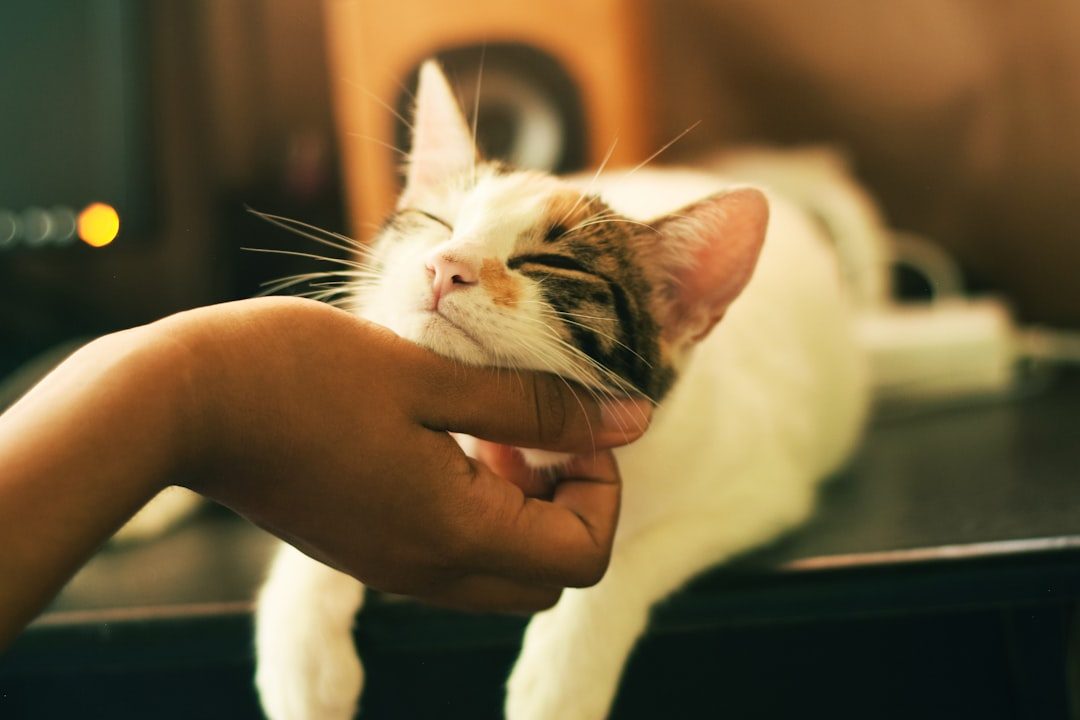
The physical health benefits of cat ownership might surprise you. It’s not just about emotional well-being – your cardiovascular system actually responds positively to having a cat around. Cats can help lower people’s blood pressure, decrease stress and anxiety, and improve mental health. The calming effect of petting a cat or simply being in their presence has measurable impacts on your body’s stress response.
Research indicates that interacting with animals can lower blood pressure, decrease the risk of heart disease, and even boost immunity in older individuals. That purring ball of fluff on your lap isn’t just cute – they’re actively contributing to your heart health. Imagine getting a health intervention that also happens to be adorable and affectionate.
Think about it: every time you sit down and your cat curls up next to you, your body is relaxing in ways that pharmaceutical interventions try to replicate. The gentle rhythm of their breathing, the warmth of their body, even that hypnotic purring sound – all of these work together to create a naturally therapeutic environment.
Minimal Care Requirements Compared to Dogs
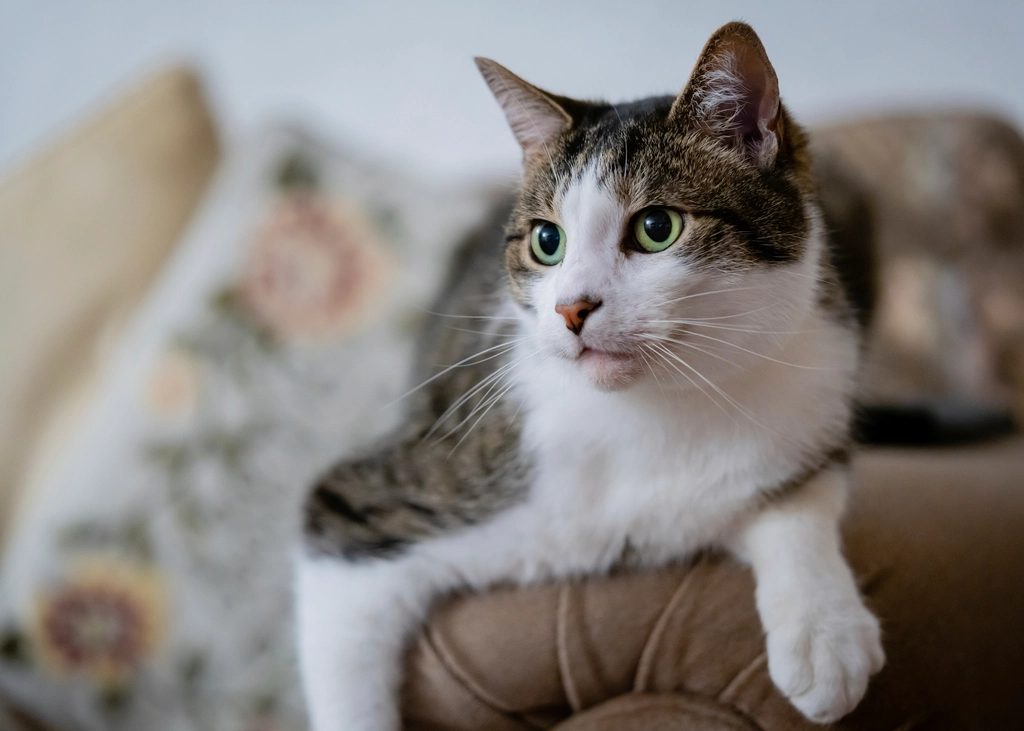
Let’s be honest – as you age, taking a dog out for multiple walks each day, rain or shine, can become physically demanding or even impossible. One of the best reasons for seniors to own a cat is because they require the bare minimum when it comes to caretaking, as cats don’t need to be walked or need to be taken outside to go to the bathroom. This makes cats an ideal choice if you’re concerned about mobility issues or simply want a companion that fits a calmer lifestyle.
Compared to dogs, cats are relatively low maintenance pets, as an indoor cat doesn’t need to go outside for a bathroom break, nor do they need long walks to tire them out. You can enjoy all the benefits of pet companionship without the physical strain. Your cat will be perfectly content indoors, entertaining themselves with toys or simply napping in sunny spots throughout your home.
Mental Stimulation and Cognitive Health
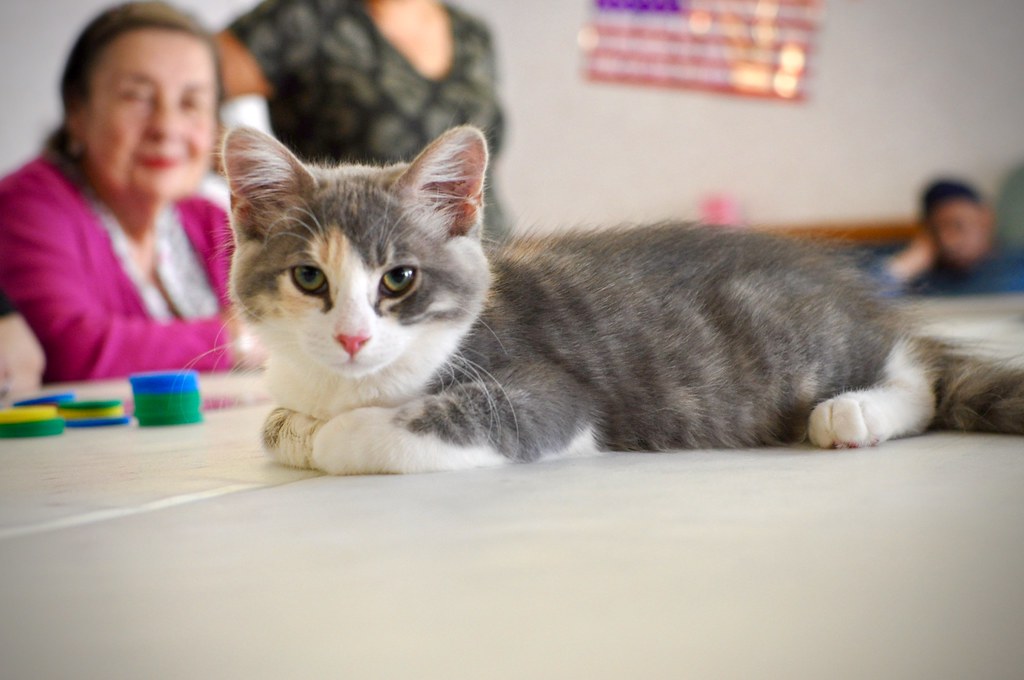
Keeping your mind sharp becomes increasingly important as you age. You might do crossword puzzles or read regularly, but have you considered that your cat could also be helping preserve your cognitive function? Pet ownership, dog ownership, and cat ownership were related to the maintenance of executive function and language function, and memory in generally health community-residing older adults as they aged.
Caring for a cat requires planning, problem-solving, and attention to detail. You notice changes in their behavior, remember when medications are due, figure out what toy they prefer today versus yesterday. These might seem like small mental tasks, but they keep your brain engaged and active. The interaction and observation required to understand your cat’s needs and personality provides ongoing mental exercise.
There’s also something to be said for the entertainment value. Watching your cat’s quirky behaviors, learning their individual personality, and responding to their communication attempts all require cognitive engagement. It’s like having a fascinating puzzle that never quite gets solved – because just when you think you understand your cat, they surprise you with something new.
Enhanced Social Connections Beyond the Cat
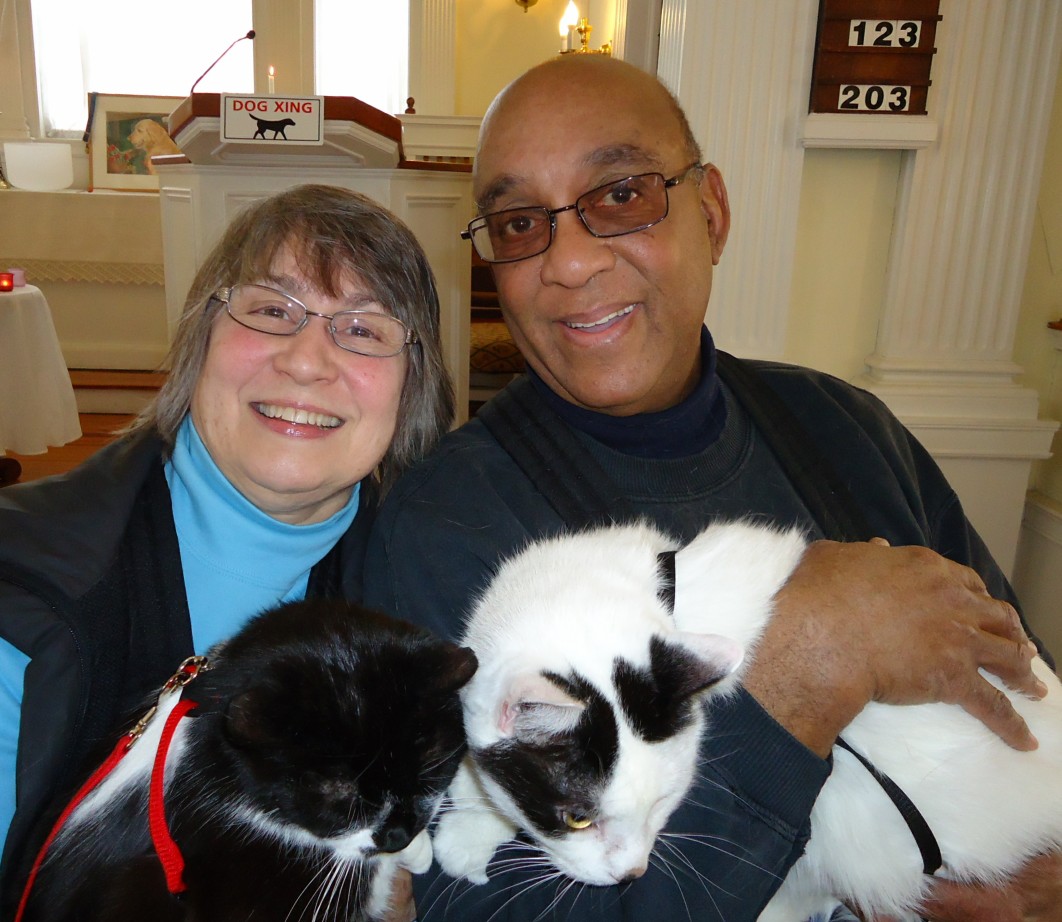
You might think that getting a cat would make you more isolated, keeping you home rather than getting out. Actually, the opposite often happens. Cat ownership can become a conversation starter and a bridge to connecting with other people who share your interest in animals.
Whether it’s chatting with fellow cat lovers online, sharing photos and stories with friends and family, or even connecting with your veterinarian and pet store employees, your cat creates opportunities for social interaction. These connections might seem small, but they add up to create a broader social network. You have something new to talk about, share experiences around, and bond over with others.
Plus, there’s something universally appealing about cats that brings people together. When you mention your cat, you’ll find that people light up, share their own stories, or ask to see pictures. This shared enthusiasm creates genuine connections.
Affordable and Accessible Companionship
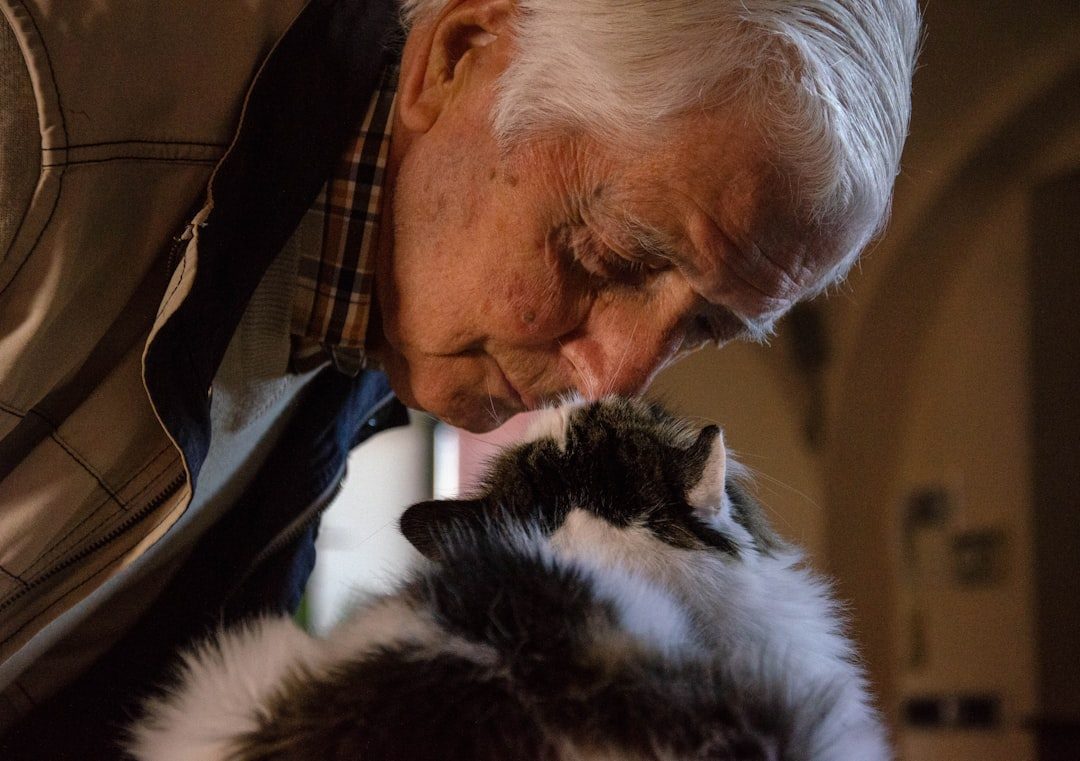
Financial concerns are real when you’re living on a fixed income during retirement. While any pet requires some investment, cats are generally more affordable than many other options. Their food costs are reasonable, they don’t require professional grooming (they handle that themselves remarkably well), and their veterinary care, while important, tends to be less expensive than that of larger animals.
Many animal shelters also offer reduced adoption fees for senior citizens, and some community organizations provide assistance with veterinary care for older adults. If you know of a senior who is having difficulty affording veterinary care or food for a pet, local animal shelters, food banks or veterinary clinics may offer low-cost services and supplies just for seniors. This makes cat ownership accessible even if you’re watching your budget carefully.
What you’re getting in return for that modest investment is companionship, health benefits, and daily joy that would be hard to quantify in monetary terms. When you consider the alternative costs of loneliness – including potential medical expenses related to depression or isolation – a cat becomes not just affordable but genuinely valuable.
The Perfect Match: Older Cats for Older Adults
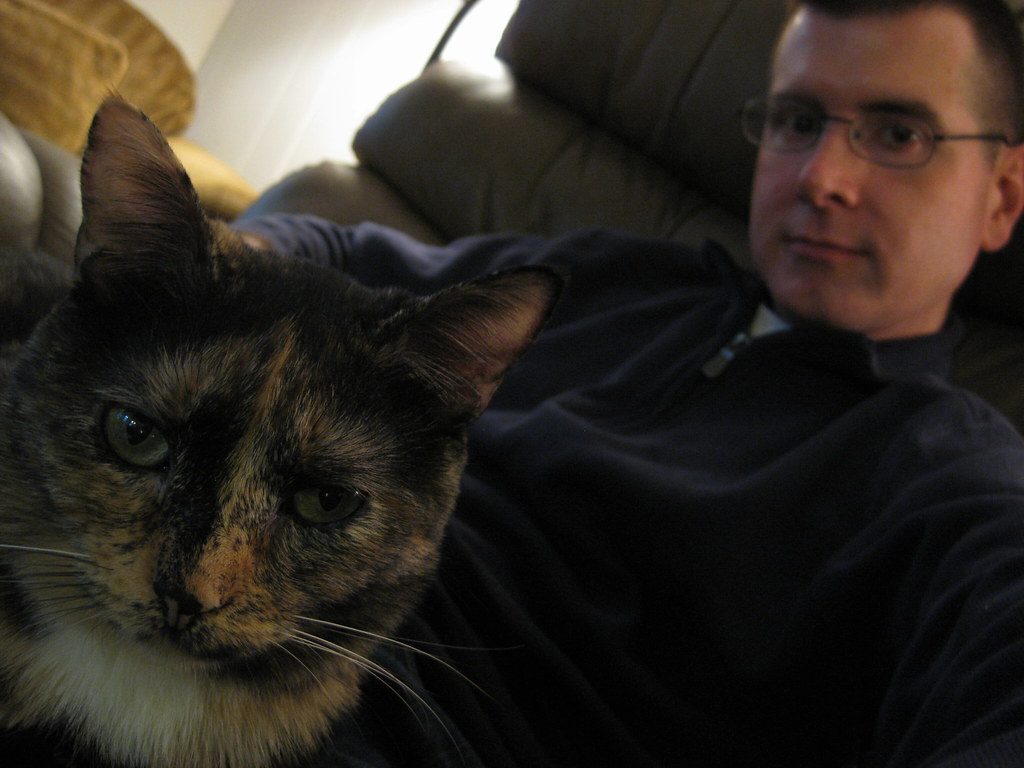
If you’re worried that a bouncy kitten might be too much energy for you to handle, you’re probably right. The good news? Most of the time, an older cat will be the right choice when adopting a new cat for a senior, as kittens are wonderful, but their boundless energy might be too much for some seniors to keep up with.
Adult and senior cats from shelters are often calmer, already trained, and their personalities are fully developed so you know exactly what you’re getting. Cats are also very content to spend most of their time sleeping on their owner’s lap or bed. An older cat matches your lifestyle perfectly – they’re happy with gentler play, longer nap times, and quiet companionship. It’s a beautiful symmetry: you’re both in similar life stages, both appreciate a peaceful home, and both have wisdom that comes with age.
Many senior cats in shelters are overlooked by younger adopters seeking kittens, which means you could be giving a deserving animal a second chance at a loving home. That mutual rescue – you helping them, them helping you – creates a bond that’s especially meaningful.
The relationship between you and your cat during your senior years can truly be transformative. From measurable health benefits like lower blood pressure to the intangible joy of having a warm presence share your home, cats offer a unique form of companionship perfectly suited to this stage of life. They don’t demand constant attention or exhaust you with needs, yet they provide structure, purpose, and affection in abundance. Whether you’re living alone or simply looking to enrich your daily routine, a cat can become one of the most rewarding decisions you make in your later years. Have you thought about welcoming a feline friend into your home? The benefits speak for themselves, and somewhere out there, a cat is waiting for exactly the kind of home you can provide.