Have you ever considered how a furry companion might change your daily routine when living alone? Finding the right feline friend isn’t just about picking the cutest face at the shelter. It’s about matching personalities, understanding care requirements, and knowing which breeds truly thrive in the company of older adults who value peace, routine, and genuine connection.
Pennsylvania offers wonderful pet-friendly senior living options, making it easier than ever to welcome a cat into your home. Whether you’re in Philadelphia, Pittsburgh, or anywhere in between, the right cat can bring joy, comfort, and a renewed sense of purpose to your life. Let’s explore which breeds make the most rewarding companions for seniors living independently.
Ragdoll: The Gentle Giant Who Lives for Your Lap
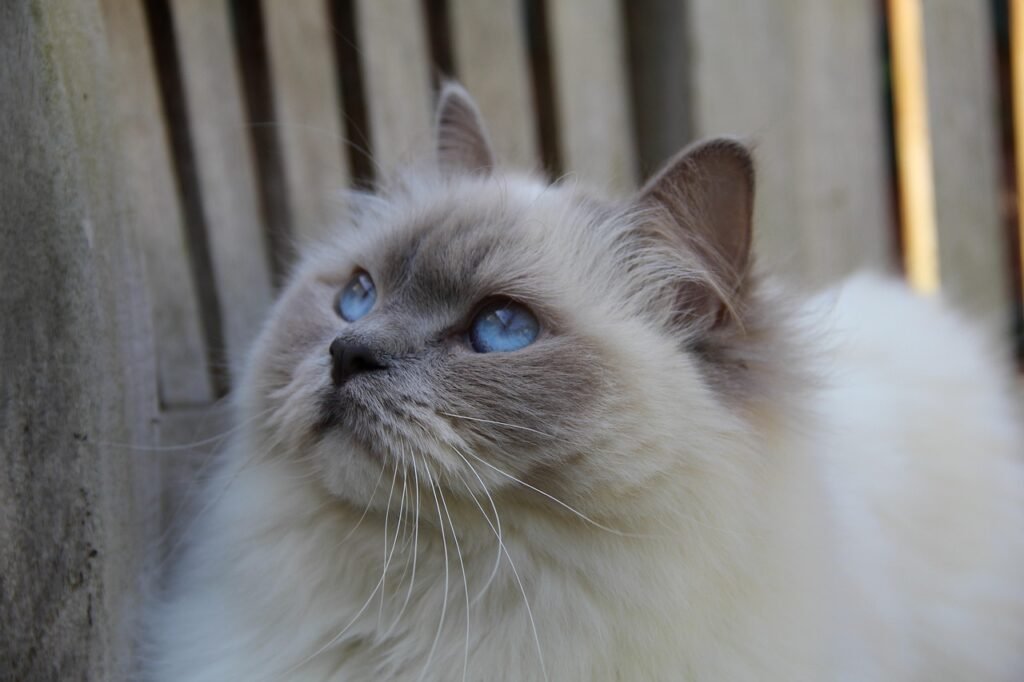
You’ll find the Ragdoll to be an ideal choice for seniors thanks to its gentle and loving nature, as this laid-back, friendly breed adores curling up for a snooze on a nice warm lap. These cats get their name from how they literally go limp when you pick them up, melting into your arms like a soft, purring ragdoll. It’s hard to find a more affectionate companion.
Ragdolls are often compared to dogs in their loyalty and readiness to follow their people from room to room, and they are generally adaptable and do well with different family members and other pets as long as they receive regular attention. Their silky coat requires some brushing, but it’s less prone to matting than you might expect. Think of grooming sessions as bonding time rather than a chore.
British Shorthair: The Independent Teddy Bear
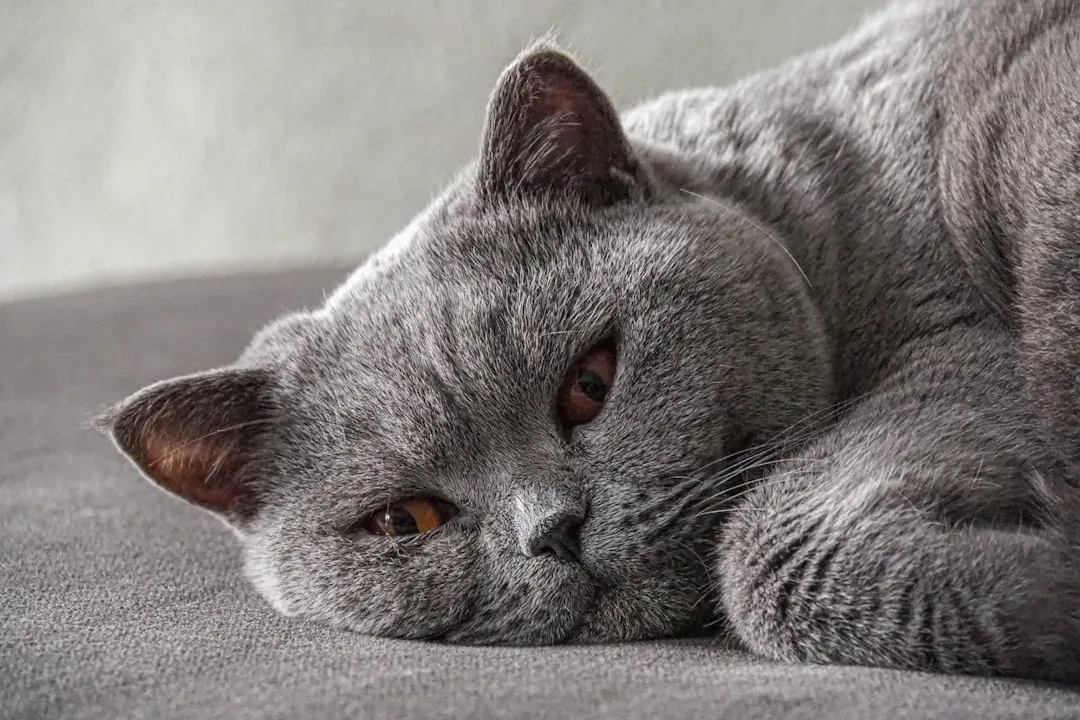
The British Shorthair is an exceptionally friendly breed that is also quite independent – they can be left alone for longer periods without issue, provided they have enough food and water. This makes them perfect if you need to run errands or attend appointments without worrying about your cat becoming anxious or destructive.
British Shorthairs are generally healthy and robust cats with fewer genetic health issues than many other breeds, though they should be monitored for weight gain to avoid obesity-related health problems, and their short, dense coat is easy to maintain with weekly combing sufficient to remove dander and debris and to distribute skin oils for a healthy coat. Their plush appearance and calm demeanor make them delightful companions who won’t demand constant attention but will happily sit nearby while you read or watch television.
Russian Blue: The Quiet Companion with Stunning Looks
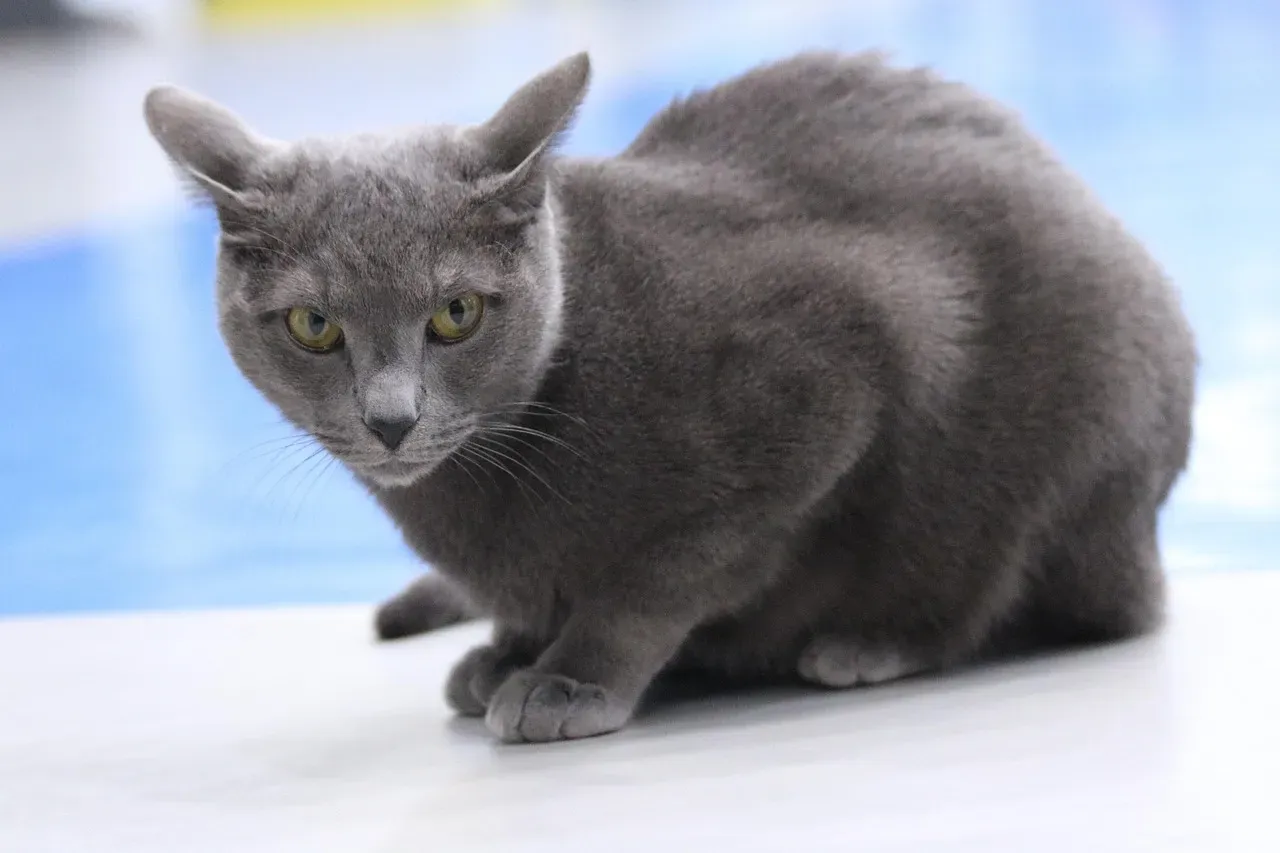
Let’s be real, there’s something mesmerizing about the Russian Blue’s silvery coat and striking green eyes. Russian Blue is described as a quiet but loving breed, and this striking gray cat likes to be close to their owner but is not an energetic, clingy animal that requires a lot of attention. They’ll follow you around the house without being underfoot constantly.
The Russian Blue stands out for its sleek, silvery coat and gentle personality, and these cats are not only beautiful but also “hypoallergenic” since they don’t produce as many allergens as other breeds, with Russian Blues being laid-back and forming strong bonds with their owners, making them ideal feline companions for snuggling or quiet companionship. If you have mild allergies but still want a cat, this breed might be your perfect match.
American Shorthair: The All-Around Perfect Choice
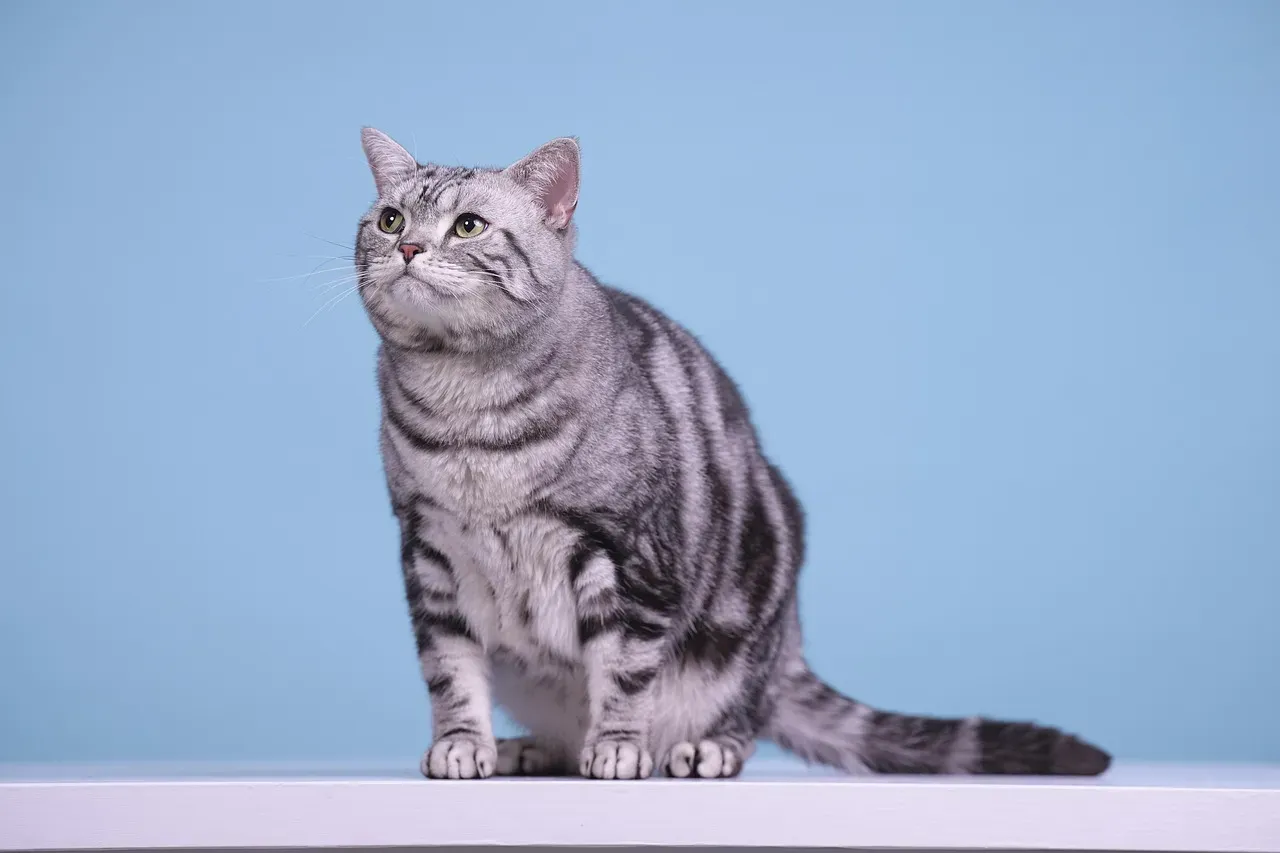
The American Shorthair is both an affectionate and independent cat breed, and this breed is one of the top choices for cat breeds for seniors due to its adaptability – in fact, the American Shorthair is a solid option for any age group because it can be left at home for several hours without causing trouble. These cats strike that rare balance between being social and self-sufficient.
This breed is generally healthy with fewer genetic health issues than many other cat breeds, and with proper care, including regular veterinary check-ups, vaccinations, and a balanced diet, they tend to live long, healthy lives. Their robust nature means fewer unexpected vet bills, which matters when you’re on a fixed income. Weekly brushing keeps their coat looking great without demanding too much of your time or energy.
Scottish Fold: The Sweet-Natured Napper
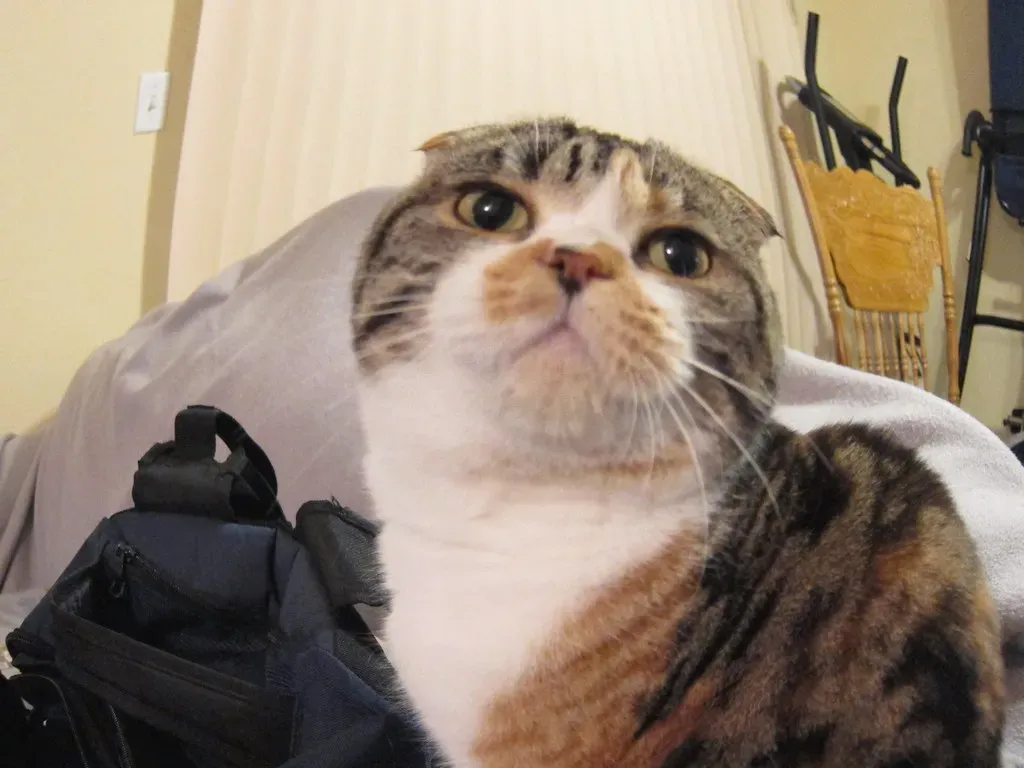
You can’t help but smile at a Scottish Fold’s distinctive folded ears and round face. The Scottish Fold is a calm, well-mannered breed that isn’t very vocal which makes care easy, and while they won’t sprint around your house to find something to play with, you can still attract them with a little daily activity whenever you’re in the mood. They’re perfect for quiet homes where peace and routine matter most.
These cats are often described as sweet and charming, comfortable with all members of the family, and usually polite with other pets, and Hill’s Pet states that they enjoy spending quiet time near their people and are known for their love of naps, yet still like some interactive play to keep them in good condition. Their moderate activity level means you won’t feel overwhelmed by constant demands for playtime, yet they’ll still engage when you want some gentle interaction.
Maine Coon: The Sociable Gentle Giant
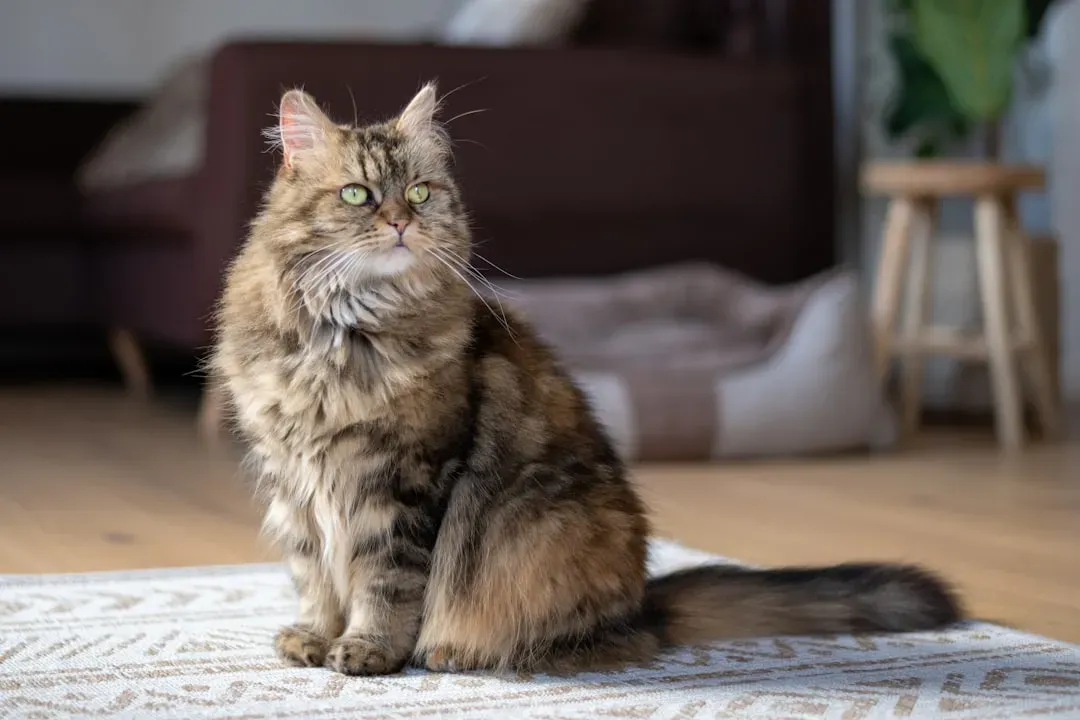
Here’s the thing about Maine Coons: despite being one of the largest cat breeds, they’re incredibly gentle and patient. Maine Coons, one of the largest cat breeds, are renowned for their gentle, playful nature, and despite their size, they are affectionate cats that adapt well to a range of lifestyles and enjoy forming strong bonds with their owners, making them great companions for older people. Their size might seem intimidating at first, but their personality is anything but.
Maine Coons are sociable and enjoy being around people, making them excellent companions for seniors, and with their playful nature and outgoing personality, Maine Coons bring joy and laughter to their owners’ lives. Their longer fur does require regular grooming, but many seniors find this routine soothing and therapeutic. If you’re comfortable with a bit more maintenance in exchange for a deeply loyal friend, this breed won’t disappoint.
Birman: The Low-Maintenance Conversationalist

Birman cats are “ideal” for seniors, according to TICA, as they are low-maintenance and love companionship. These beautiful cats with their striking blue eyes and color-point markings are genuinely interested in everything you do. They’ll follow you from room to room, offering soft chirps and gentle meows as they go.
The Birman cat is delightfully low-maintenance, gentle, and quiet while still being highly social, and with their bewitching blue eyes and irresistibly fluffy coat, they’re a striking breed who enjoy a session or two with the best cat toys but who most of the time are content to follow their human from room to room and take a keen interest in everything their owner does and will use soft chirps and meows to communicate with them. Despite their medium-length fur, they lack an undercoat, which means less shedding and easier grooming than you’d expect from such a luxurious-looking cat.
Exotic Shorthair: The Persian Alternative
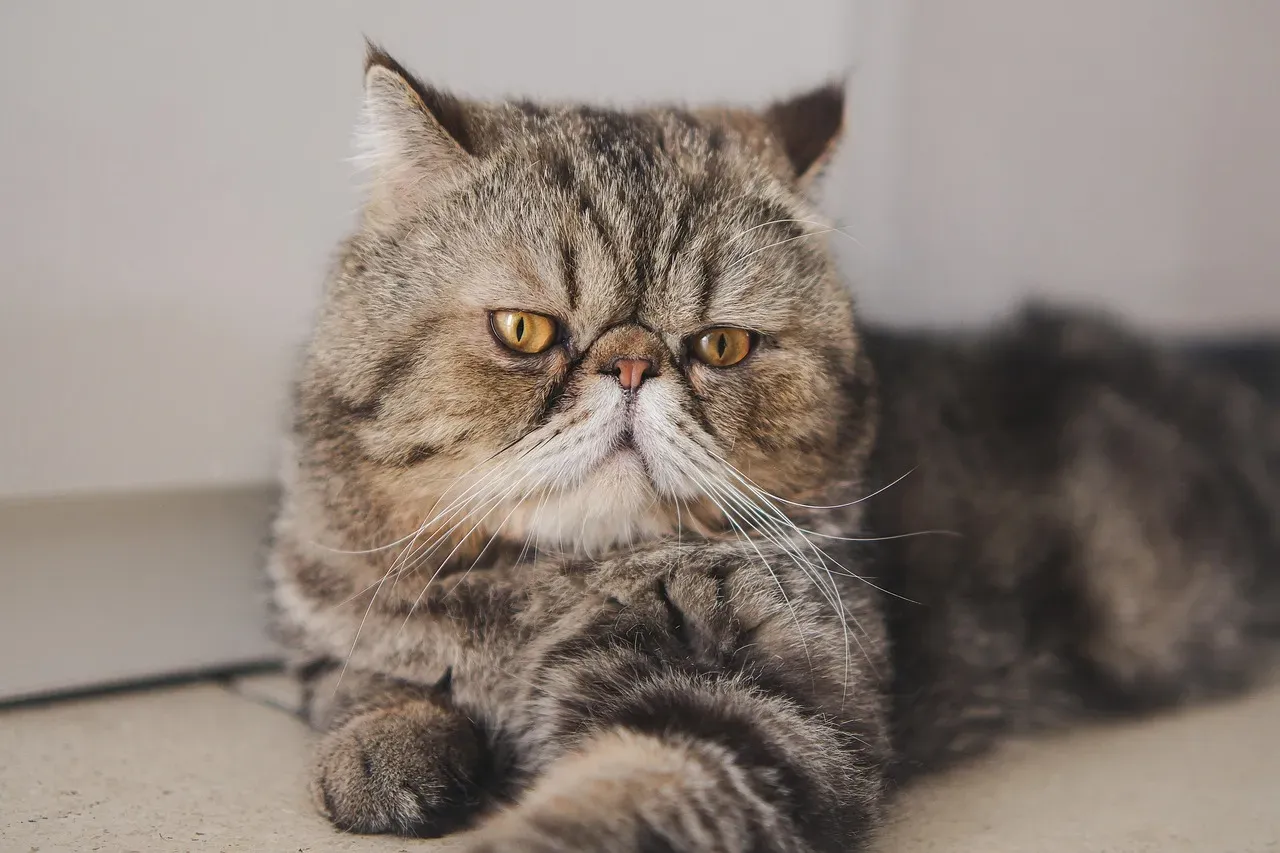
Think of the Exotic Shorthair as the Persian’s easier-to-care-for cousin. The Exotic Shorthair was developed as a short-coated counterpart to the Persian, sharing the same round face and sturdy body but with a dense, plush coat, and this breed is often described as soft-natured and mellow, with a gentle charm that suits many different homes. You get all the personality and charm without the daily grooming marathon.
The Exotic Shorthair is a lively and friendly cat that can socialize with most people and other animals, and it is a cat breed that is suitable for a household with multiple pets depending on the nature of the other animals. Their calm temperament and moderate energy levels make them wonderful companions for seniors who want an engaging but not demanding pet. Weekly brushing is typically enough to keep their plush coat looking its best.
Conclusion: Finding Your Perfect Pennsylvania Companion
For older pet owners who live in the state of Pennsylvania there are many senior living options that are pet-friendly, and in Pennsylvania pet ownership is popular with senior citizens and many senior living centers recognize that pets bring people together. Choosing the right cat breed really comes down to understanding your own lifestyle, energy levels, and what you’re looking for in a companion.
Whether you want a lap cat like the Ragdoll, an independent friend like the British Shorthair, or a sociable conversationalist like the Birman, there’s a perfect feline match waiting for you. Seniors can benefit both mentally and physically from owning a cat, as cats provide loving companionship to their owners, which can help relieve stress, lower blood pressure, and help keep your brain sharp, and cat ownership can also help seniors manage loneliness and isolation by providing a quiet, independent furry friend they can interact with whenever they choose.
What matters most is finding a cat whose personality meshes with yours. Have you thought about which breed sounds right for your home? The journey to finding your perfect companion starts with knowing what you need and being honest about what you can provide. Your future feline friend is out there, ready to bring warmth, laughter, and companionship into your Pennsylvania home.