You’ve probably noticed how your feline friend reacts to different noises around the house. A vacuum cleaner sends them scrambling under the bed, while a soft melody might have them curling up peacefully nearby. Cats have incredibly sensitive hearing, far more acute than ours, which means they pick up on frequencies and vibrations we can’t even detect. This heightened sensitivity makes them particularly vulnerable to stress from the wrong kinds of sounds.
Here’s the thing: just like humans find comfort in certain music or ambient noise, your cat can benefit enormously from carefully chosen auditory experiences. The right sounds can transform an anxious, jumpy cat into a relaxed, contented companion. So let’s explore the specific sounds that science and experience have shown can truly soothe your stressed kitty’s nerves.
Classical Music With Low Frequencies
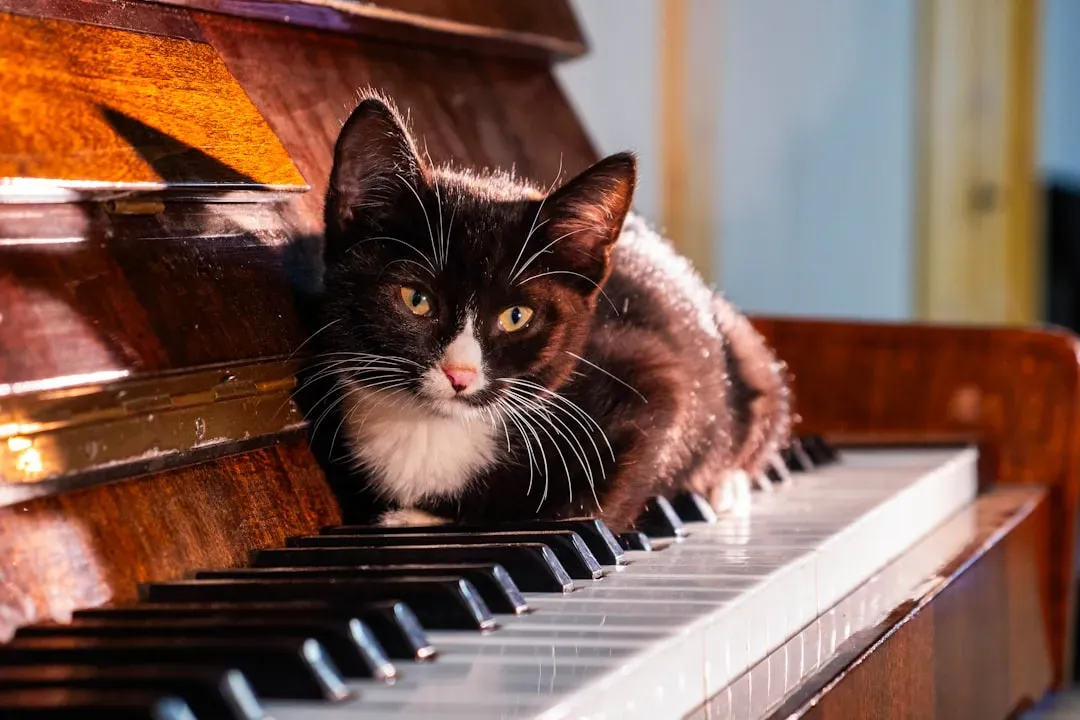
Classical music, particularly pieces by Baroque composers like Bach and Handel, has been shown to appease and relax feline friends. Think about those gentle piano sonatas or soft string arrangements that feel almost meditative. Music influences the vegetative nervous system which controls cardiovascular function, and the soft, harmonious sounds calm cats down, leading to relaxed breathing and a well-balanced heartbeat.
The key is choosing the right classical pieces. Not all compositions work equally well. Cats tend to enjoy most classical music because the soft sounds provide a relaxing atmosphere. You’ll want to avoid anything with sudden crescendos or dramatic drum sections. Instead, opt for smooth, flowing melodies that maintain a consistent, gentle tempo throughout.
Species-Specific Cat Music
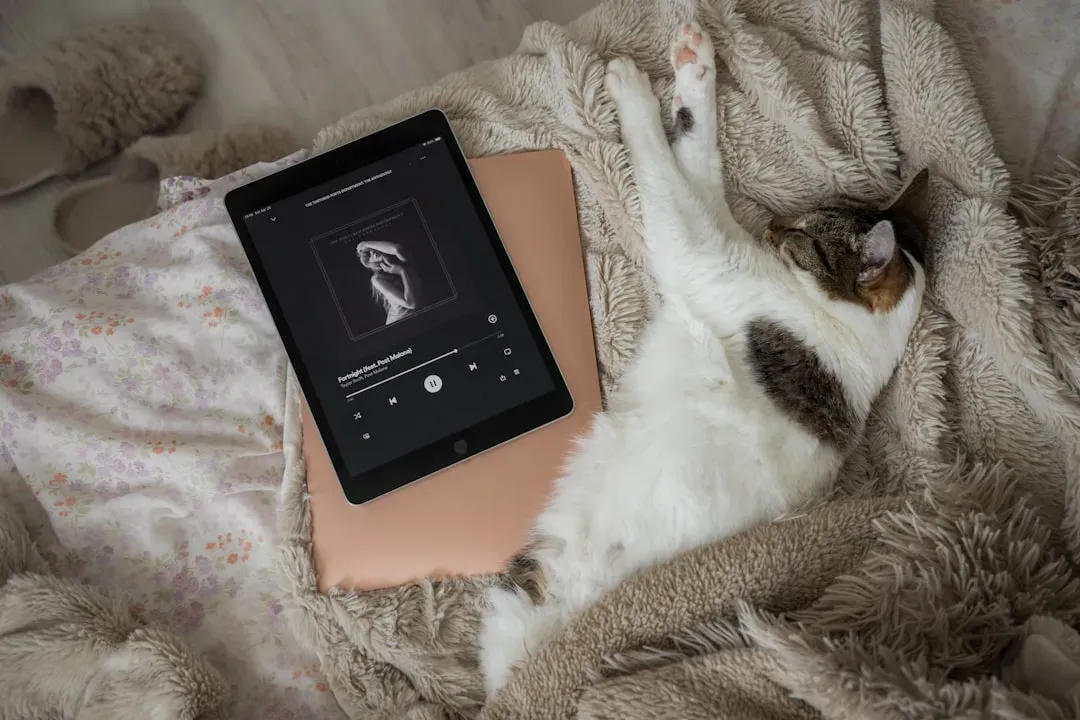
Cat music adopts cat vocalizations into its composition, mimicking the sounds of purring or suckling, as well as using frequencies similar to the vocal range of cats, which is two octaves higher than our own. This isn’t just regular music played at a different pitch. It’s been scientifically designed with your cat’s unique auditory preferences in mind. The average pitch of cat-specific compositions is notably higher (about two octaves) than human control pieces and set at a frequency level beyond what is naturally found in the typical range of feline vocalizations.
Cat stress scores were significantly decreased in all the felines who listened to cat music. Professional composers have worked with animal behavior experts to create these specialized tracks. By combining elements of classical music with scientifically proven frequencies, a unique blend of music has been created that promotes relaxation and reduces anxiety in cats. Your cat might actually respond better to these tailored compositions than to your favorite human tunes.
Purring Sounds From Other Cats
There’s something profoundly comforting about the sound of purring. Cat purrs, with their rhythmic vibrations, have a natural calming effect, and studies suggest these sounds lower cortisol levels, the hormone linked to stress. The frequency range of purring typically falls between twenty-five and one hundred fifty Hertz, which has therapeutic properties. It’s not just humans who benefit from this either.
Many experts believe that purring is a form of self-soothing for cats, and by purring, cats can calm themselves down and reduce their stress levels. When your anxious cat hears purring sounds, whether from a recording or another feline companion, it taps into those deep-seated associations with safety and maternal comfort. The first rhythms that a kitten perceives are the vibrations of their mother’s heartbeat and purring, and these sounds are connected with comfort and security. Playing purring recordings can help recreate that sense of security.
White Noise and Ambient Sounds
White noise can be a valuable tool to help calm cats that suffer from noise aversion during loud, stressful events. It works by creating a consistent auditory blanket that masks sudden, jarring sounds. White noise can help drown out loud background noises or any sound that might be upsetting to your cat, thereby creating a more relaxing environment.
Think about how the steady hum of a fan or air purifier might lull you to sleep. The same principle applies to your cat. Soft white noise can help drown out background noise that often stresses out cats, such as the hum of an air purifier or the gentle sound of a fan, and while not technically music, these sounds are steady and repetitive and help the cat relax. Still, there’s an important caveat here. If your home is already quite peaceful, too much white noise might actually make your cat nervous rather than calm. Every cat is different, so watch their body language closely when you first introduce it.
Gentle Rain and Nature Sounds
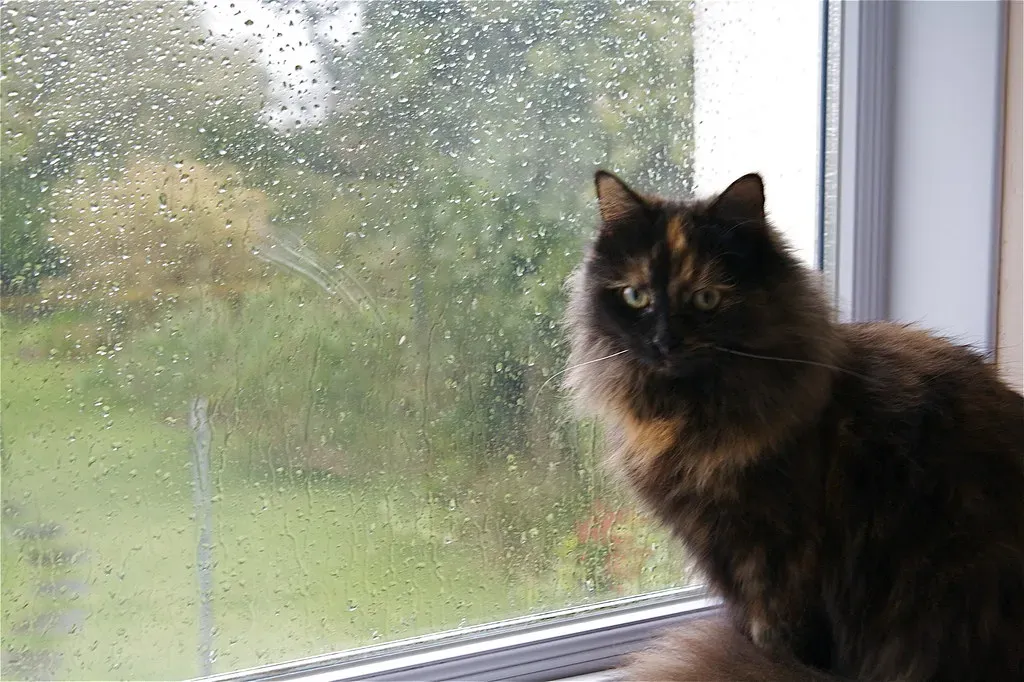
The sound of gentle rain can be soothing to some cats, as the steady rhythm of rainfall creates a sense of calm and security. There’s something inherently peaceful about these natural soundscapes. Calming sounds that feature birds, the sound of wind, or even light rain can be helpful for keeping cats calm, though you should avoid anything with extra loud noises like thunder.
The sound of sea waves, with its frequency of twelve vibrations per minute, is perceived as soothing as it resembles our breathing rhythm during sleep. Nature sounds tap into something primal. Even though your indoor cat might never experience a forest or beach firsthand, these sounds still resonate with their evolutionary wiring. The gentle patter of rain or the soft rustling of leaves signals safety, not threat. Your cat’s ancestors would have found shelter during rain, making it a sound associated with being protected and secure.
Soft Instrumental Piano and Flute Music
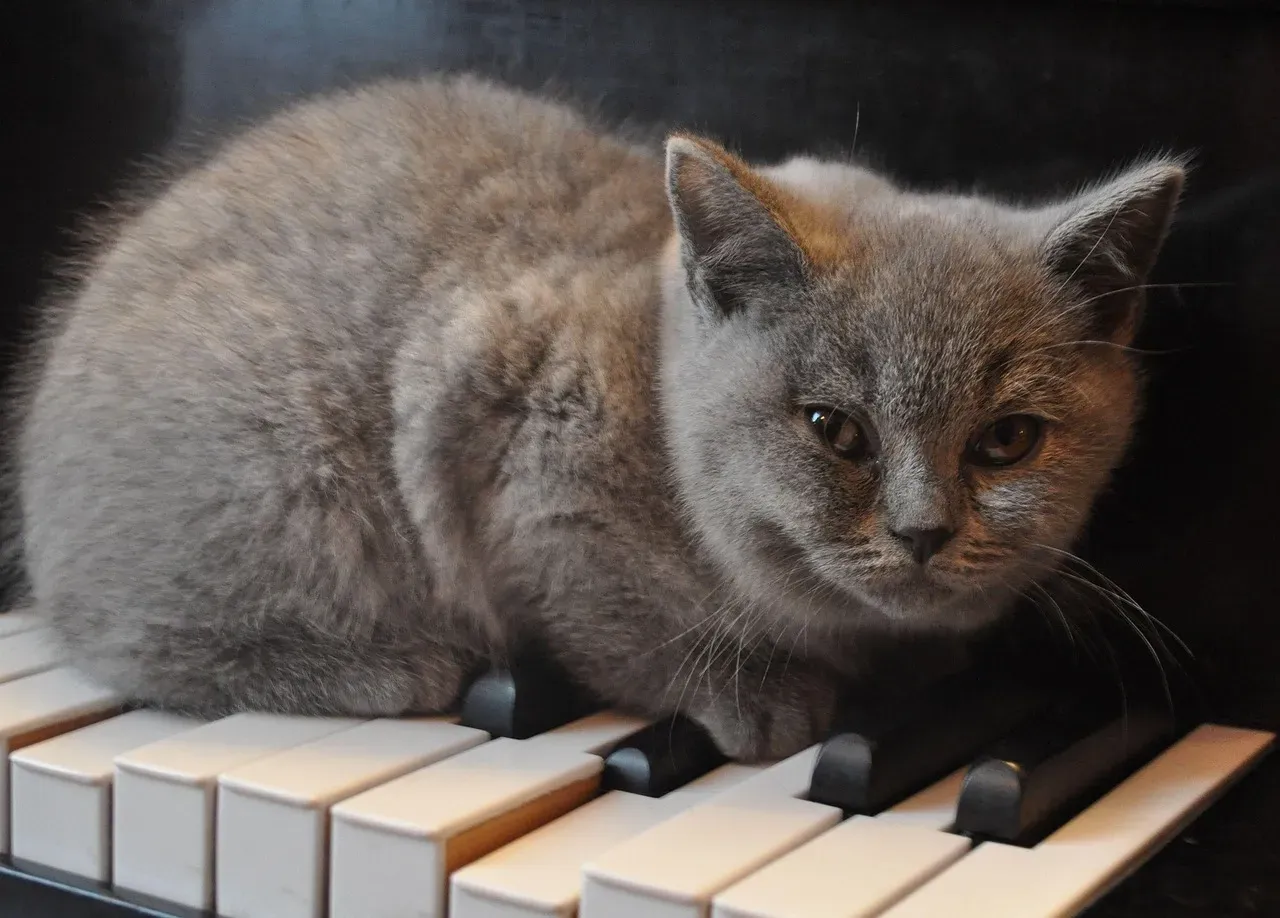
Relaxing instruments such as the piano and flute are usually included in soothing music for cats and dogs. These instruments produce clean, pure tones without harsh overtones that might grate on sensitive feline ears. Each animal, as a result of their hearing range, would be calmed if the ultra-high or sub-low frequencies that keep them on alert were minimized, and noises that could distract the animal like percussion or even the voice of a human are omitted from relaxing music.
A soothing Chopin piano sonata calms your kitty down. The smooth, flowing nature of piano compositions without jarring rhythms creates an atmosphere of tranquility. Simple melodies work better than complex arrangements with multiple instruments competing for attention. Keep it uncomplicated and melodic, letting the gentle notes wash over your anxious cat like a sonic massage.
Heartbeat Simulations
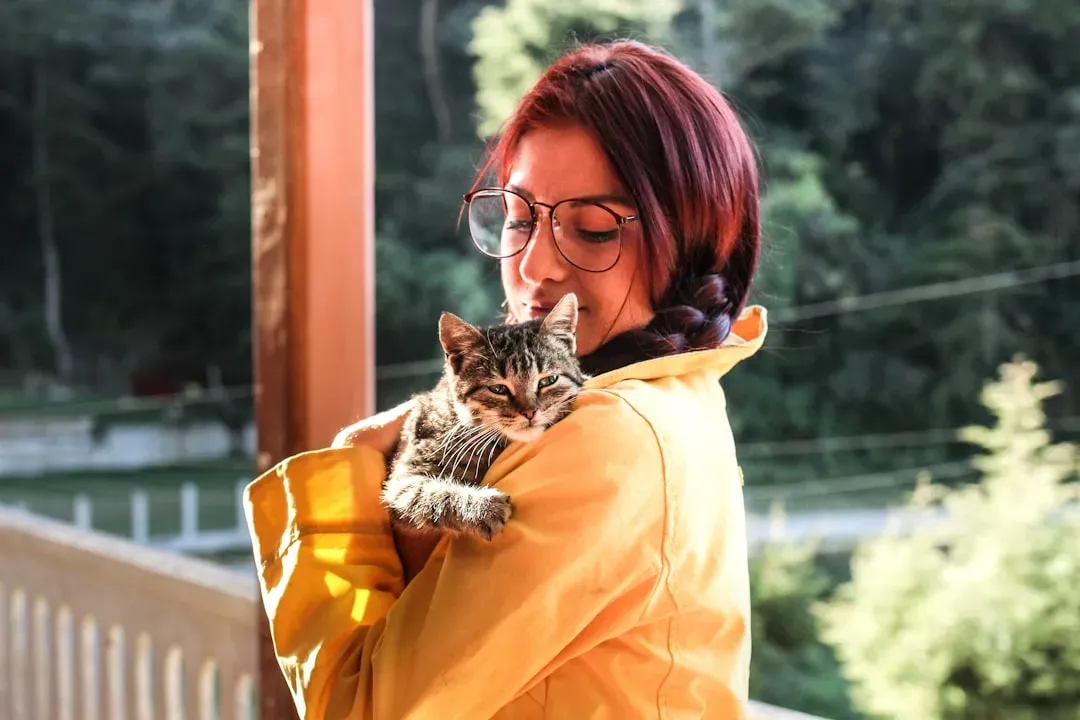
Soft, warm, and with the sound of a heartbeat all means comfort and the easing of anxiety for your cat or kitten. This sound takes your cat right back to their earliest days. The inside heartbeat simulator provides the feeling like kittens are still with their mother or littermates, which helps soothe their separation anxiety, and the included warm pack creates the intimacy and physical warmth for your lonely or nervous kitty.
Based on the structure of purring sounds, frequency and tempo are most pivotal to making music which is pleasant for cats, and this purring speed synchronizes the heartbeat and allows feline housemates to completely relax. Heartbeat sounds are particularly effective for kittens adjusting to new homes or cats dealing with separation anxiety. You can find toys with built-in heartbeat simulators or play recordings that mimic this steady, rhythmic pulse. It’s honestly remarkable how such a simple sound can have such profound calming effects.
Low-Volume Meditation and Ambient Music
Certain music used for meditation practice may have the same soothing effects on both you and your cat. The slow tempos, minimal instrumentation, and absence of sudden changes make meditation music ideal for anxious felines. These compositions often feature sustained tones and gentle harmonic progressions that create a serene atmosphere. Specially curated selections of relaxing music for cats are designed to mimic the natural sounds and frequencies that cats find soothing, crafted through extensive research and testing that is specifically tailored to a cat’s sensitive hearing.
The beauty of ambient music lies in its ability to fade into the background without demanding attention. It creates a subtle sonic environment that reduces overall stress without being intrusive. Set the music at a moderate to low volume because a dog’s ears are much more sensitive than yours, so make sure the music plays at a lower volume that’s suitable for them. This guidance applies to cats as well, whose hearing is even more acute. Let’s be real: volume control is crucial here.
Finding the Perfect Sound for Your Cat
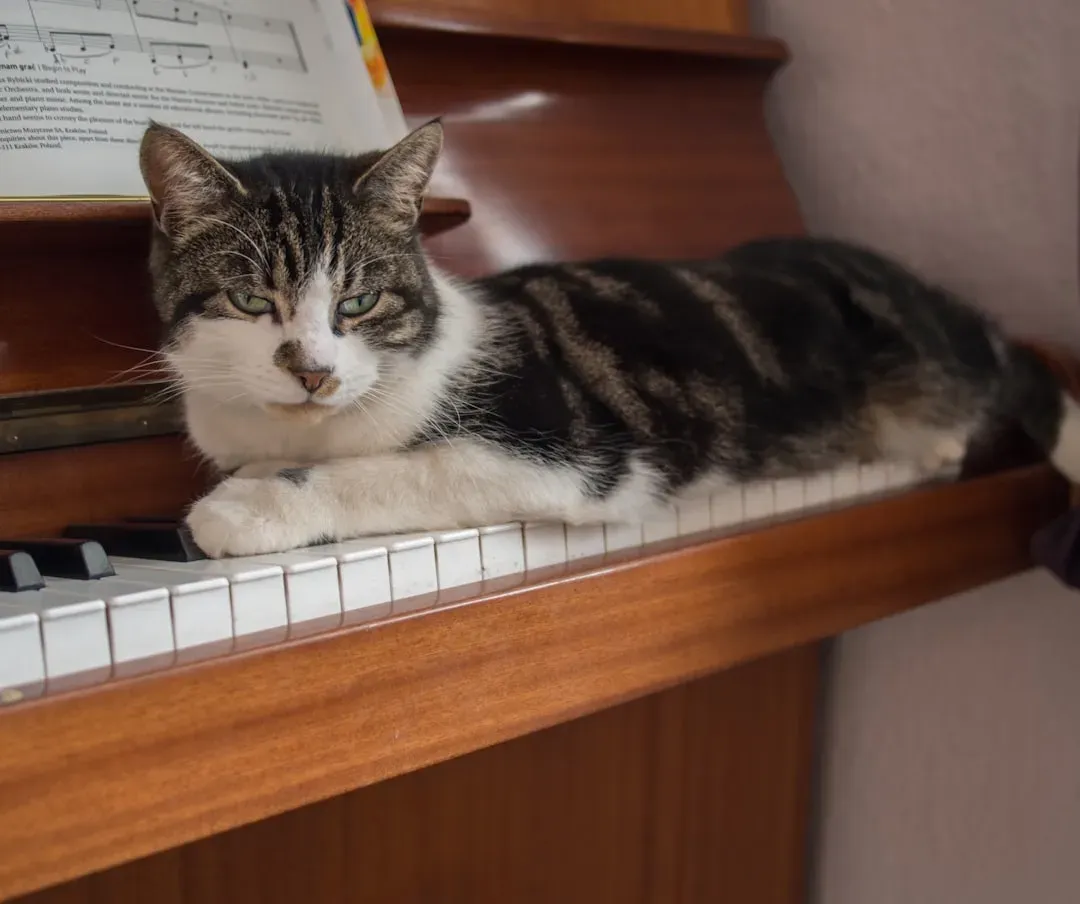
Just like people, dogs and cats have different personalities and different things that soothe them and set them off. What works wonderfully for one cat might not phase another at all. The secret is observation and experimentation. Start with low volumes and watch your cat’s body language carefully. Are their ears relaxed? Are they settling down rather than becoming more alert?
If you’re using music to help with separation anxiety, play the music when you’re home too, not just when you leave the house, because if you only play music when you’re about to leave, the sound of the music turning on can become a stress trigger. Think of calming sounds as part of a comprehensive approach to managing your cat’s anxiety. Combined with a comfortable environment, appropriate hiding spots, and plenty of affection, the right sounds can transform your home into a true sanctuary for your stressed kitty.
So, which sound do you think your cat would respond to best? Have you noticed them gravitating toward certain types of music or ambient noise already? Trust your instincts and your cat’s reactions. They’ll let you know what works through their behavior, relaxation, and overall demeanor. What calming sounds have you tried with your anxious cat?