If you have ever stood in your living room, litter scoop in one hand and despair in the other, wondering why your cat refuses to use the box, you are far from alone. Some cats seem almost born housebroken, while others act like litter box rules are just a vague suggestion. A lot of this comes down to personality, early socialization, and yes, sometimes even breed tendencies.
When you know which breeds are more likely to challenge your patience, you can plan ahead, adjust expectations, and avoid blaming yourself for what is really a mix of instinct, environment, and stubborn feline logic. You are not doomed to failure with any breed, but you do need to go into it with your eyes wide open, a good sense of humor, and more litter boxes than you thought any sane human would ever own.
1. Bengal: Wild Instincts In Your Living Room
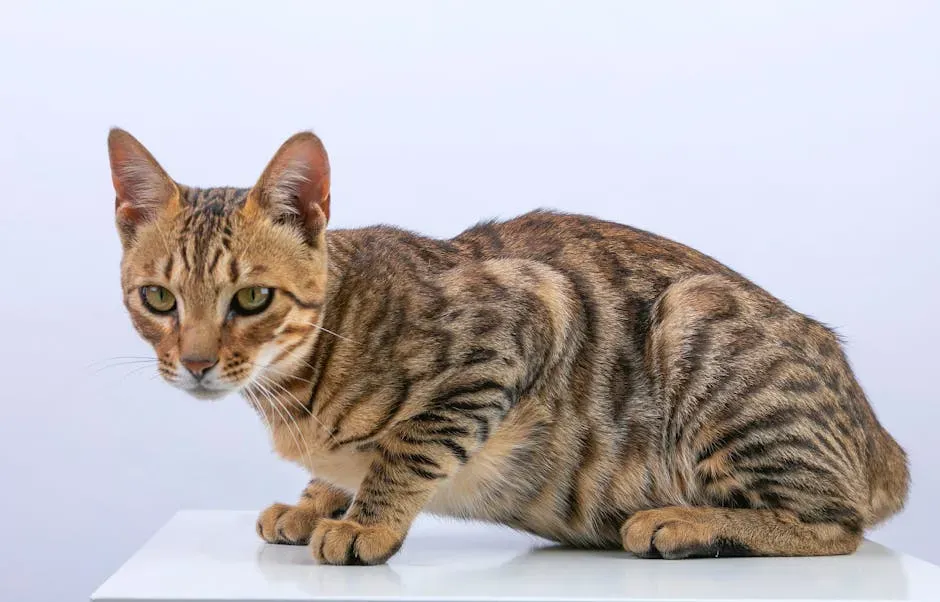
When you bring a Bengal into your home, you are not just getting a cat; you are basically inviting a small jungle gymnast with opinions. Bengals are highly intelligent, energetic, and driven by strong instinctive behaviors, and that wild edge can make housebreaking feel like a constant negotiation. If a Bengal decides a certain corner, sink, or even your laundry basket feels more like a “toilet zone” than the box, you may spend a lot of time redirecting and cleaning.
You will often find that boredom and frustration are your biggest enemies with this breed. If your Bengal is under-stimulated, it may start using the litter box issue as a form of protest or stress relief, which feels personal even though it is not. You need multiple boxes, ultra-clean litter, vertical space, puzzle feeders, and serious daily play sessions to give this cat less reason to seek attention in… unpleasant ways. With Bengals, housebreaking success is absolutely possible, but it is rarely effortless.
2. Savannah: Half Athlete, Half Chaos Agent
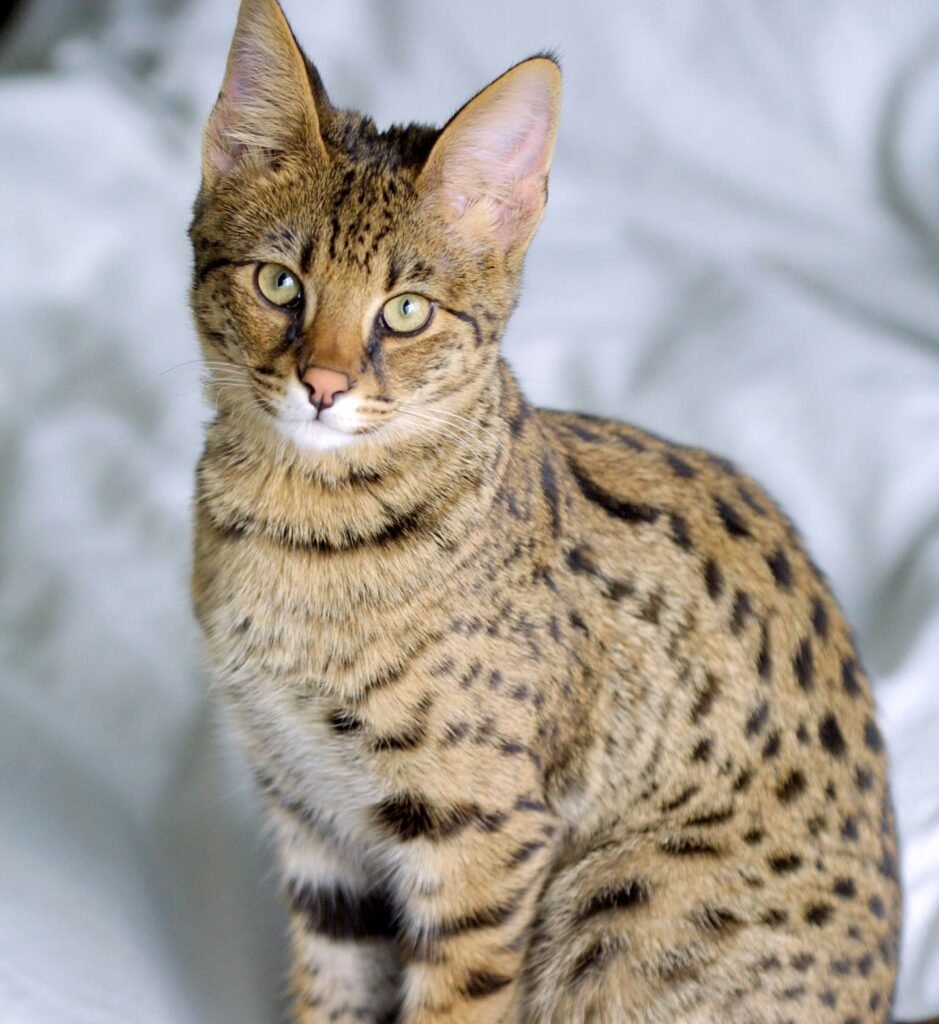
If you choose a Savannah, you are basically signing up for life with a feline parkour champion. These cats are tall, powerful, and incredibly active, often retaining more wild-type behaviors than your average house cat. That can include a tendency to mark territory, especially if they share the home with other animals or if routines change. You may find little “messages” on carpets, sofas, or along walls if your Savannah feels uncertain or overstimulated.
To give yourself a fighting chance, you need structure and predictability from day one. More than one litter box, different box types, and meticulous cleanliness are essential, because a Savannah will often abandon a box the moment it seems even slightly unappealing. You also need to be on top of spaying or neutering, because intact Savannahs can be especially difficult to fully housebreak. If you do not enjoy troubleshooting behavior and rearranging your home to suit a cat, this is probably not the breed for you.
3. Oriental Shorthair: Sensitive, Vocal, And Easily Offended
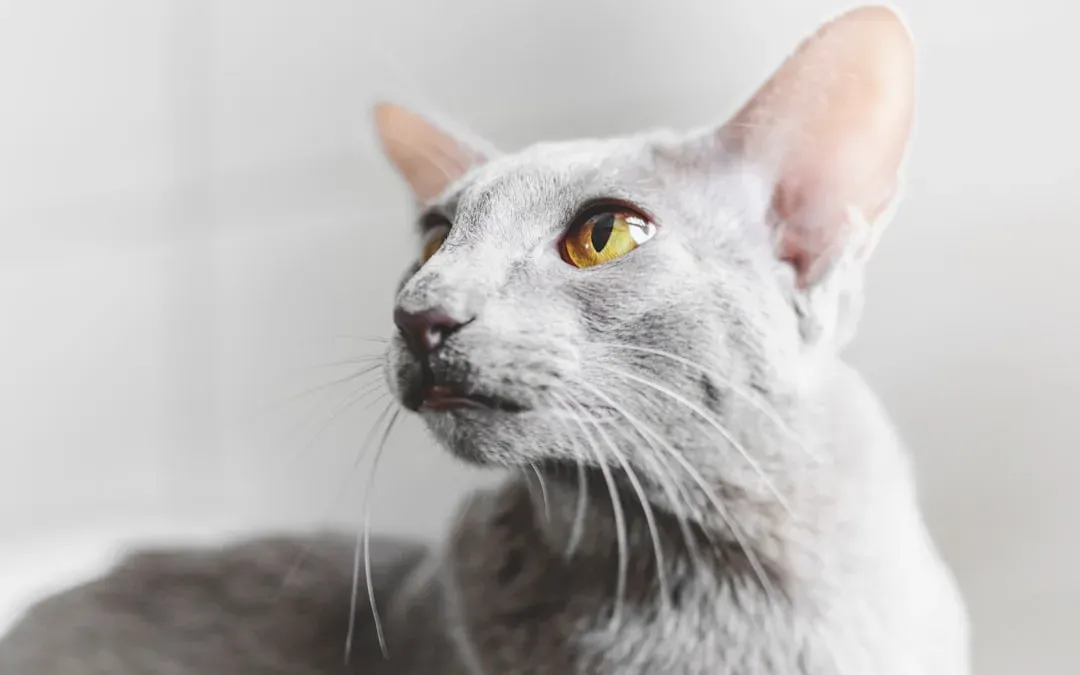
Oriental Shorthairs can be incredibly affectionate and people-oriented, but they are also drama-prone in the best and worst ways. These cats tend to be sensitive to changes in routine, noise, or household tension, and they absolutely show it when they are unhappy. One of the ways they sometimes express stress or displeasure is by ignoring the litter box or choosing symbolic spots, like your bed or favorite chair, which makes the situation sting even more.
You need to think of the litter box as part of your communication with this breed. If you switch litter type, move the box, or let it get even a little dirty, an Oriental Shorthair may decide you have broken the social contract. You will do best if you keep their world steady, enrich their environment, and respond quickly when accidents happen instead of assuming they are just being difficult. They are not , but their emotional sensitivity means things can go downhill fast if you miss the early warning signs.
4. Turkish Van: Water Lover, Litter Box Rebel
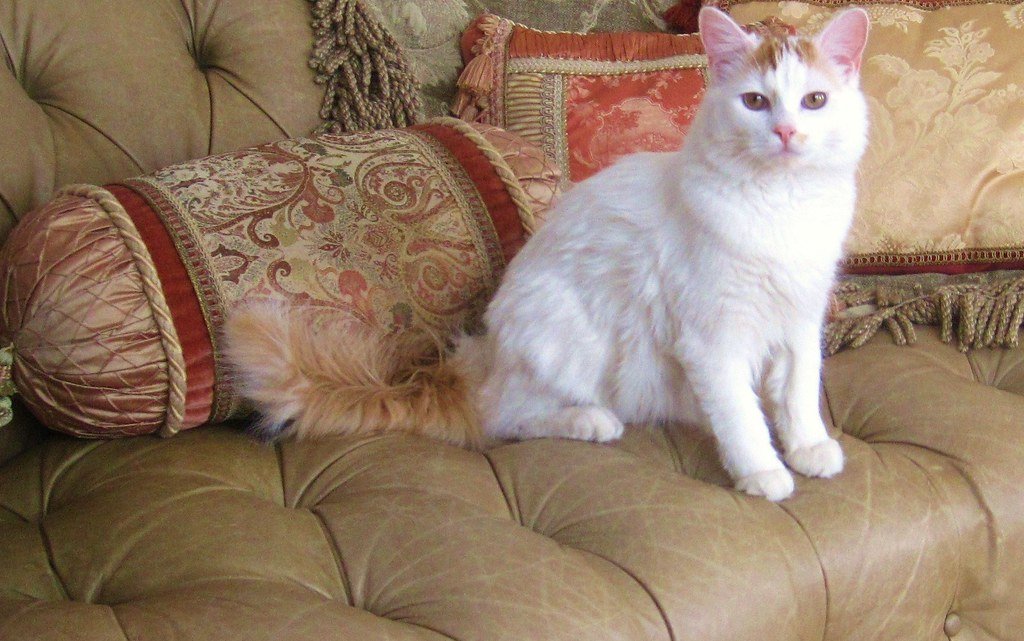
The Turkish Van has a quirky reputation as a water-loving cat that might happily splash in your tub or play in a running sink. That same independent, unusual nature can spill over into litter box habits, making them more challenging to fully housebreak. Vans are active, exploratory, and often strong-willed, and they may not automatically see your preferred bathroom location as their top choice, especially if something about the box feels off to them.
With this breed, you have to respect their need for control and space. They tend to prefer quiet, low-stress areas for toileting and may refuse a box placed in busy or noisy locations like hallways or laundry rooms. You might find you need to experiment with covered versus uncovered boxes, different substrates, and strategic placement to keep them interested. If you try to force the issue or punish accidents, a Turkish Van is more likely to double down than cooperate, so patience is absolutely non-negotiable.
5. Siamese: Emotional Thinkers Who Take Everything Personally
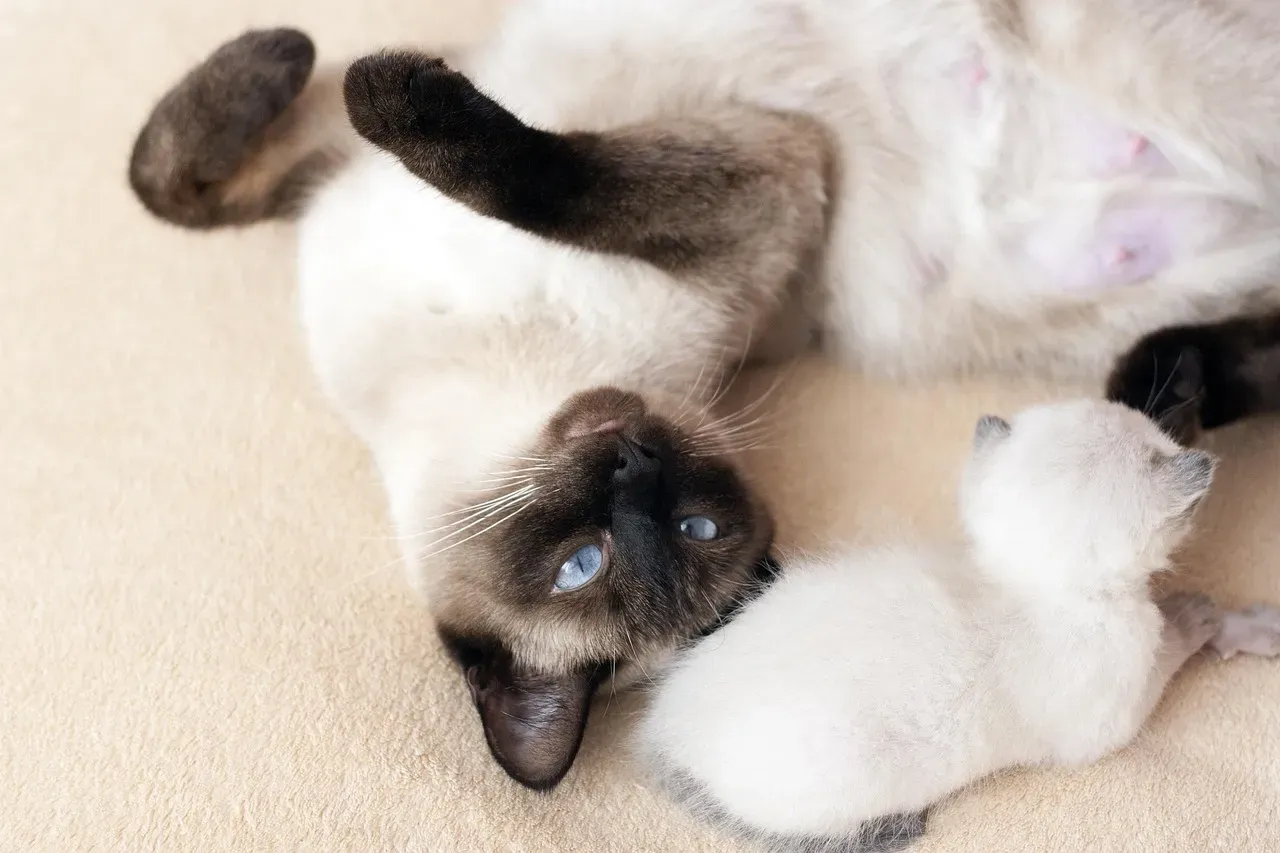
A Siamese cat can feel more like a tiny, opinionated roommate than a pet. These cats are highly social, deeply bonded to their humans, and extremely vocal about their feelings. That intensity can make them surprisingly difficult to keep consistently housebroken, because any stressor – loneliness, schedule changes, arguments, or even rearranged furniture – can spill over into litter box avoidance or marking.
If you live with a Siamese, you almost need to think like a therapist and a behaviorist at the same time. Leaving them alone for long hours, neglecting playtime, or changing things abruptly can set off a chain reaction of anxiety-driven accidents. You will need stable routines, multiple cozy safe spaces, and a box setup that never feels neglected or dirty. When accidents happen, your job is to calmly ask yourself what changed in their world rather than assuming laziness or spite, because with Siamese cats, emotions and bathroom habits are tightly intertwined.
6. Persian: High-Maintenance Coat, High-Maintenance Bathroom Habits
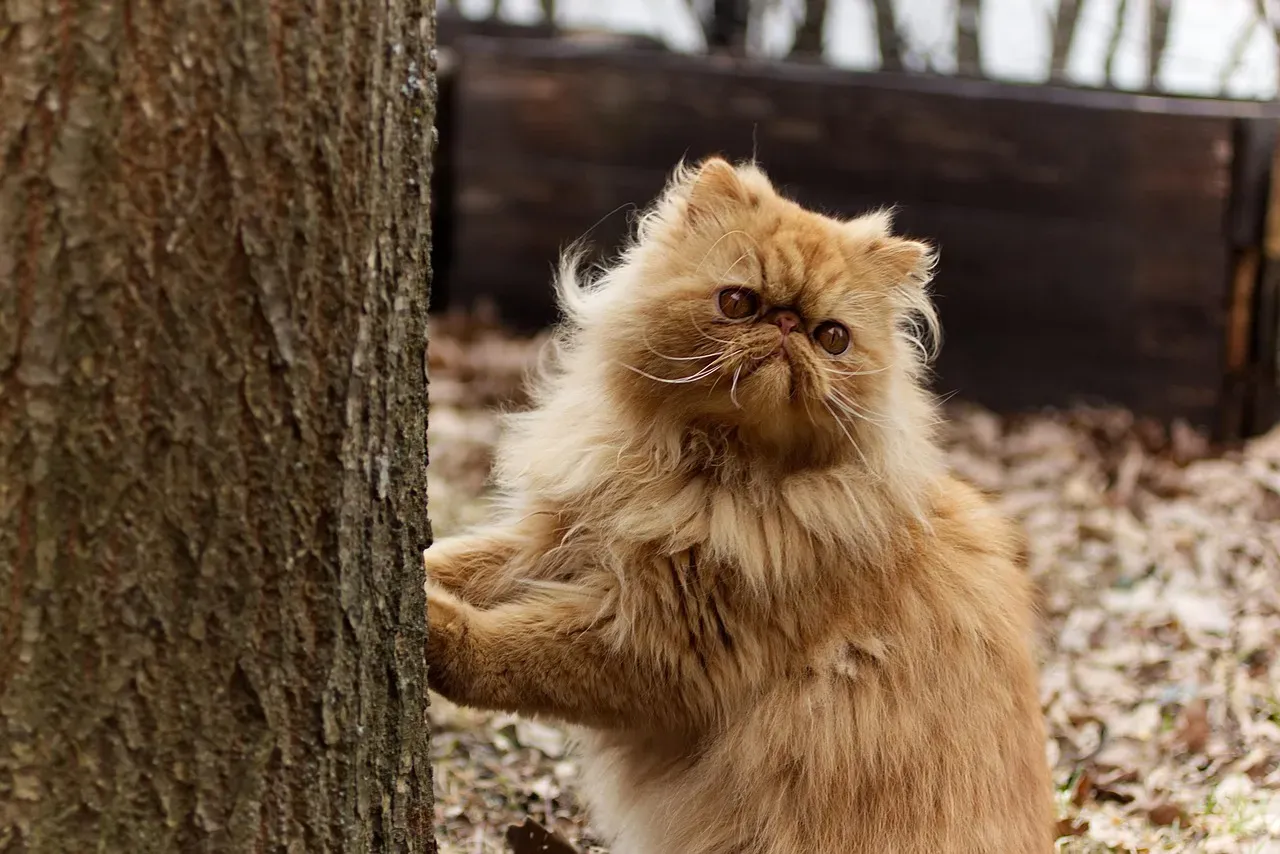
At first glance, Persians seem like they should be easy: calm, sweet-tempered, and more likely to nap than to climb your curtains. But the reality is that their long, dense coats, flat faces, and sometimes finicky personalities can make litter training far more complicated than you expect. Litter can easily stick to their fur, especially around the hind end, which can make the box feel like a trap they want to avoid.
If you live with a Persian, you quickly learn that grooming and housebreaking are deeply connected. Regular sanitary trims, careful litter choice, and very low-sided boxes are often necessary just to keep them comfortable enough to use the box reliably. If you skip grooming or use a dusty, sticky litter, you may find them choosing softer, cleaner-feeling spots such as rugs or bedding instead. They are not naturally defiant, but their physical build means you have to put in more work to keep the bathroom experience pleasant.
7. Sphynx: Clingy, Smart, And Sometimes Overstimulated

The Sphynx is one of the most people-focused cat breeds you can live with, and that clinginess can be both adorable and exhausting. They often follow you everywhere, want constant contact, and react strongly when routines change or attention drops. That high emotional intensity can translate into stress-based litter box issues, especially if they feel lonely, cold, or overwhelmed by other pets.
Because they lack fur, Sphynx cats are also more sensitive to temperature, and a cold, drafty litter area can be enough to turn them off from using it. You may need to place boxes in warmer, cozier corners and avoid harshly scented litters that can irritate their skin or paws. If you travel often, have an unpredictable schedule, or dislike clingy behavior, you may see more accidents, because the Sphynx tends to cope poorly with feeling abandoned. To keep them reliably housebroken, you need warmth, consistency, and a lot of interaction.
8. Domestic Shorthair (Mixed Breeds): Unpredictable Personalities, Unpredictable Habits

It might surprise you to see Domestic Shorthairs – your typical mixed-breed “shelter cats” – on a list like this, but from a housebreaking perspective, they can be some of the trickiest. Because they are so genetically mixed, their personalities and instincts vary wildly. You may end up with a chilled-out couch potato who never misses the box, or you might get a territorial marker, an anxious hider, or a cat with strong outdoor-toileting preferences carried over from a rough start on the streets.
When you adopt a Domestic Shorthair, you rarely know their full background, which can include trauma, inconsistent early litter training, medical issues, or long-term outdoor living. That history can make housebreaking more of a rehabilitation project than a simple training task. You need patience, a willingness to rule out medical problems, and lots of experimentation with box styles, locations, and litters. If you are expecting a guaranteed easy cat, this unpredictability can feel overwhelming, but if you are ready for a project, you can still turn things around over time.
Conclusion: Choosing Your Battles (And Your Litter Boxes)
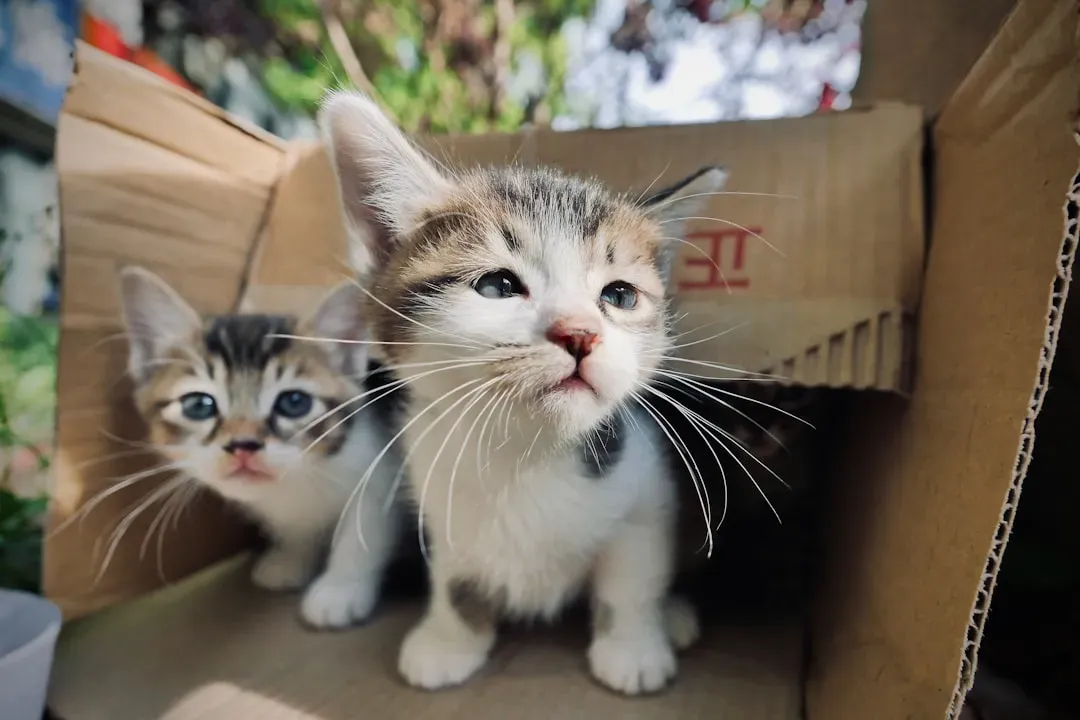
When you look at these breeds side by side, you can see that poor housebreaking is rarely about a cat being “bad” and far more about temperament, physical traits, and how sensitive they are to their surroundings. If you bring home a Bengal, Savannah, Siamese, or any of the others on this list, you are signing up for a cat with extra needs around environment, routine, and enrichment. That does not mean you cannot succeed; it just means you cannot coast on luck and expect perfect litter habits without effort.
If you already share your home with one of these breeds, giving them more stability, cleaner and better-placed boxes, and richer daily stimulation often changes everything. And if you are still deciding which cat to bring home, being honest about your patience level, time, and tolerance for mess will help you avoid heartbreak on both sides. Living with a challenging cat can be frustrating, but when you finally figure each other out, the bond often feels all the more rewarding. Did you expect some of the most beautiful and sought-after breeds to be the hardest to housebreak?