You’ve probably heard the stereotype that cats are independent loners who couldn’t care less if you’re home or not. Let’s be real, that’s not always the case. Some cats form incredibly deep bonds with their owners, so deep that your departure can trigger genuine distress. isn’t just a dog thing. Certain feline breeds are particularly susceptible to this emotional challenge, displaying behaviors that range from excessive vocalization to destructive habits when you’re away.
Understanding which breeds are more vulnerable helps you prepare for their emotional needs. More importantly, knowing how to communicate your affection and build a stronger bond can make all the difference in your cat’s wellbeing. The connection you share with your feline friend isn’t just about cuddles on the couch. It’s about creating an environment where they feel secure, loved, and confident even when you step out the door.
Siamese: The Chatty Companion Who Craves Your Presence
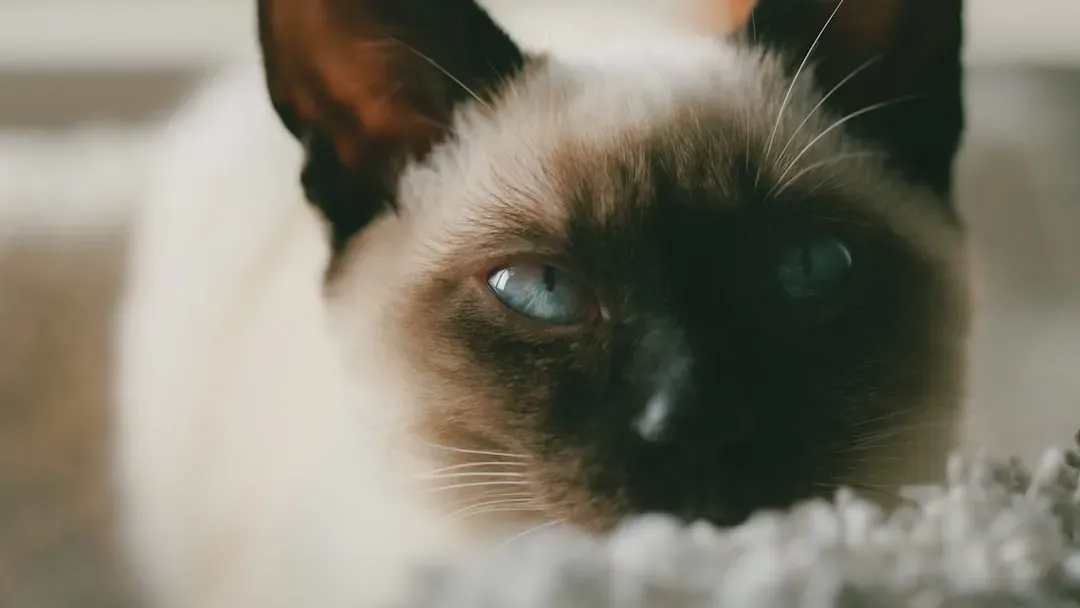
You’ll recognize your Siamese by those striking blue eyes and their extraordinary vocal skills, often seeking constant interaction with a wide range of meows and chirps. Their need for attention can lead to separation anxiety if left alone for long periods. This breed doesn’t just want your company, they demand it in the most vocal way possible.
To strengthen your bond with your Siamese, you need to engage them in daily interactive play sessions. Ensure your cat is getting two to three active play sessions every day to satisfy their instinctive play drive and give them attention from you. The key to bonding is understanding how they communicate, as cats don’t rely on prolonged eye contact to bond. Instead, try slow blinking, which signals safety and trust to your feline friend.
Burmese: The Social Butterfly of the Feline World
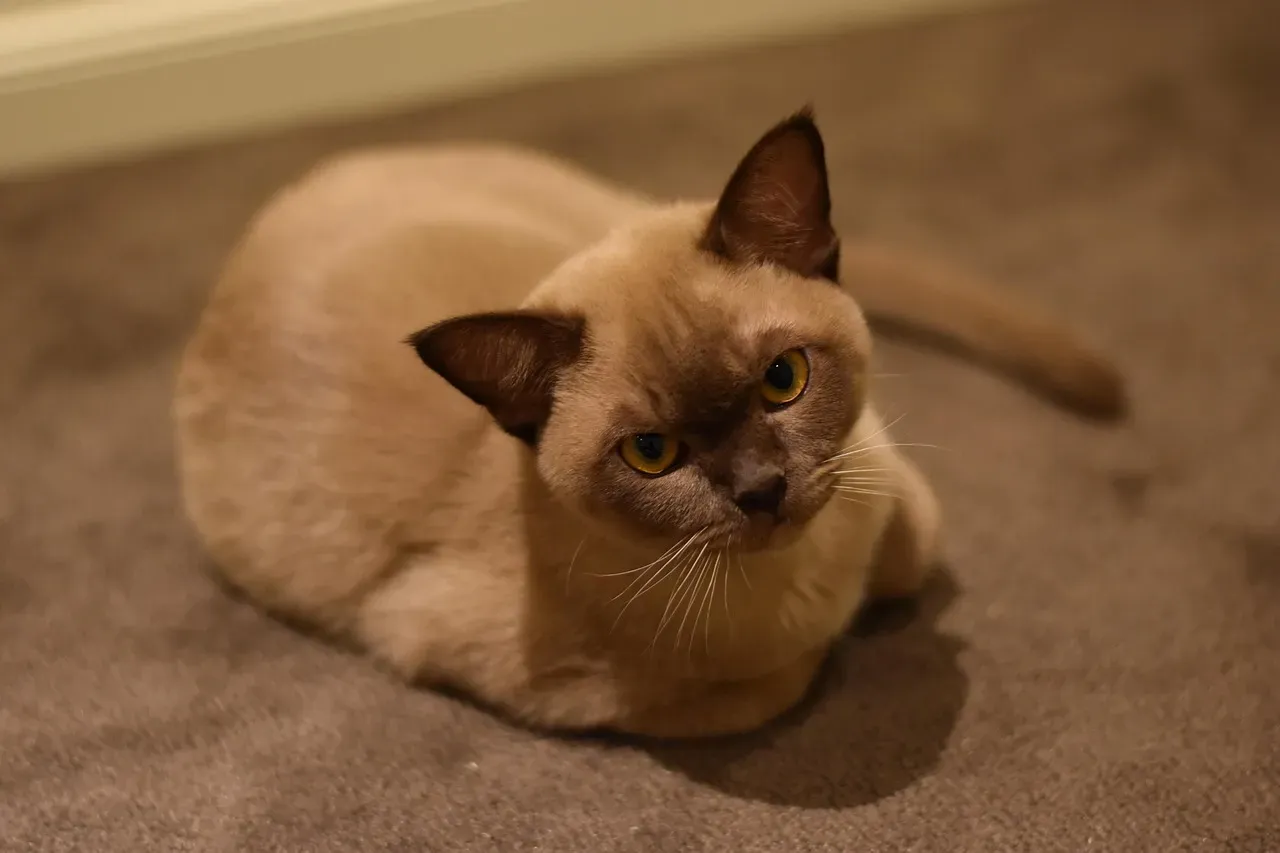
Burmese cats are outgoing and social, forming close relationships with their families, with a playful and curious nature that craves interaction and stimulation. Often described as dog-like, they love to play fetch and their dependency on human interaction makes them . If you’ve got a Burmese, you’ve basically adopted a cat that thinks it’s a puppy.
You should feed your cats meals instead of leaving food always available, as they will learn to come to you for their food and associate you with their meals. This simple shift creates positive associations every single day. Food treats can create positive associations and develop a bond, with small amounts of meat or fish encouraging your cat to spend time close to you. Make yourself the center of their world in the best possible way.
Ragdoll: The Gentle Giant with a Tender Heart
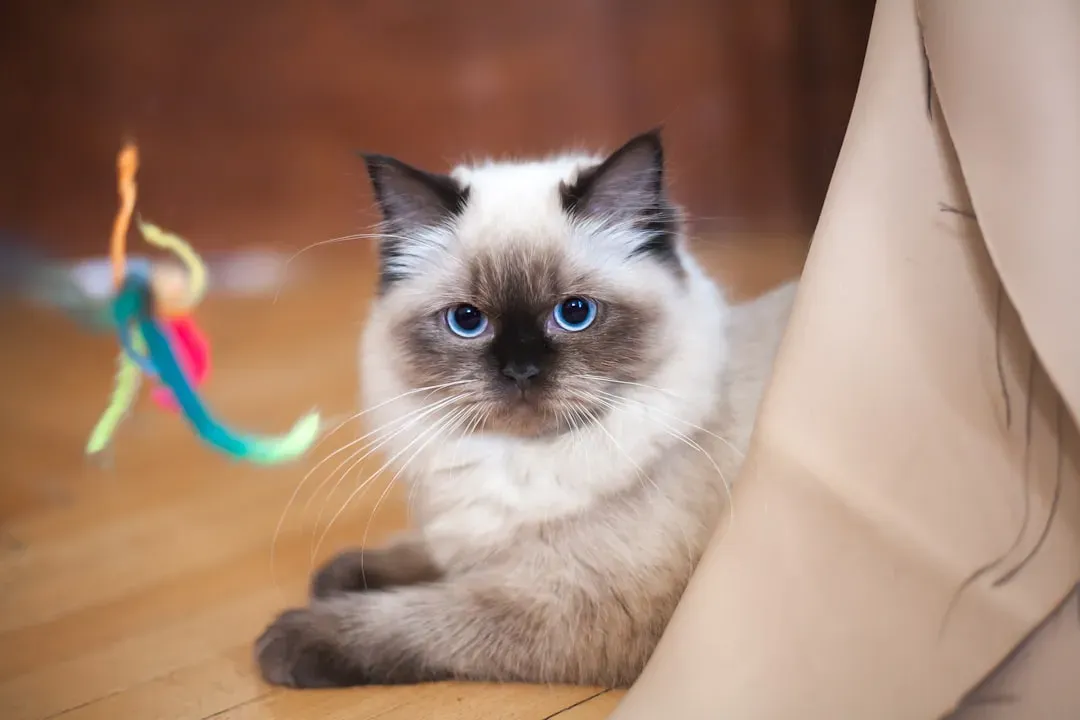
Ragdolls are known for their exceptionally docile, sweet, and gentle temperament, thriving in social homes where people are regularly present. Bred to be highly people-oriented, ragamuffins and ragdolls can be prone to distress when their people aren’t home. These fluffy companions love nothing more than following you from room to room, making them particularly vulnerable when you leave.
To communicate your affection effectively, create a consistent daily routine. Cats thrive on predictability, so maintain a consistent routine including feeding times, play sessions, and cuddles to reduce uncertainty and ease anxiety. Daily routines are important to cats feeling secure and comfortable, helping them know what to expect including when you are away and when they will have your undivided attention. Honestly, the more structured your schedule, the calmer your Ragdoll will be.
Sphynx: The Hairless Affection Seeker
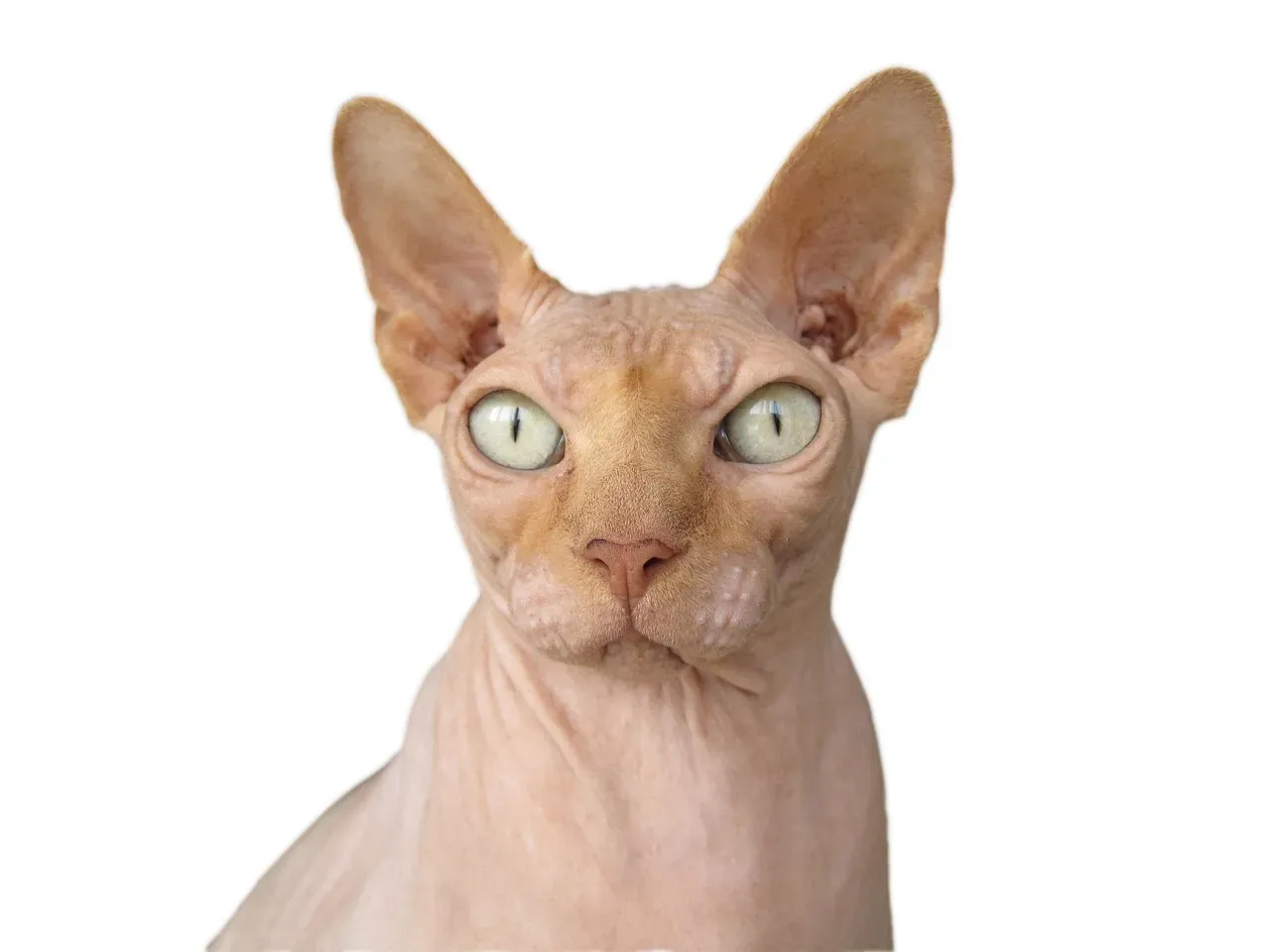
Sphynx cats are extremely social and thrive on human interaction, loving to snuggle and often seeking warmth from their owners. This breed’s need for constant companionship can lead to separation anxiety if left alone. Their lack of fur makes them crave your body heat, but it’s the emotional warmth they’re really after.
Brief petting sessions with cats boosted oxytocin levels in many owners, with friendly contact like stroking the cat and talking in a gentle tone linked to elevated oxytocin. This bonding hormone creates a mutual feedback loop of affection. Using a soft brush in the direction of the coat on areas your cat enjoys releases endorphins that strengthen your role as a trusted companion. Regular grooming sessions become bonding rituals your Sphynx will cherish.
Maine Coon: The Loyal Feline with a Dog’s Heart
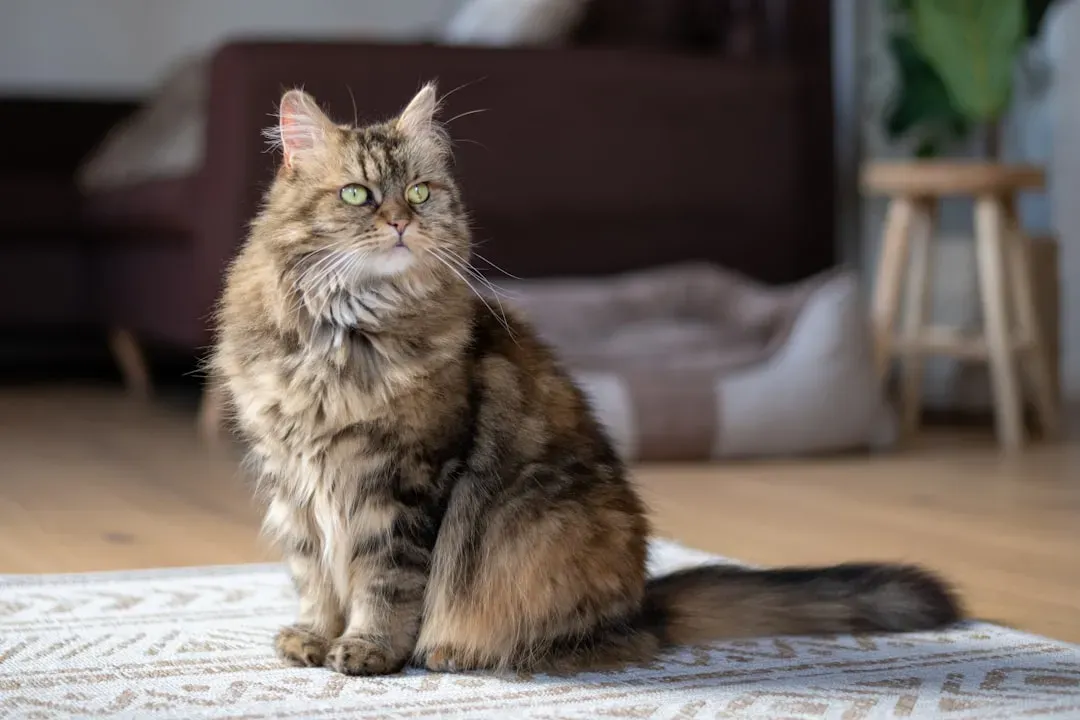
Maine Coons have a soft spot for companionship, and their loving nature can lead to anxiety if left alone for extended periods, essentially like a loyal dog in a cat’s body. Despite their impressive size and tufted ears, these gentle giants are surprisingly sensitive about being separated from their favorite humans.
You can strengthen your connection through interactive play that mimics hunting behaviors. Interactive play satisfies hunting instincts and builds positive associations with you as a trusted partner, channeling energy into joy and cooperation instead of anxiety. Figure out what kinds of toys your cat responds to and play with them as much as you can, with shy cats preferring toys focused on distant objects like feather wands. The effort you put into play pays dividends in trust.
Scottish Fold: The Curious Companion Seeking Family Connection
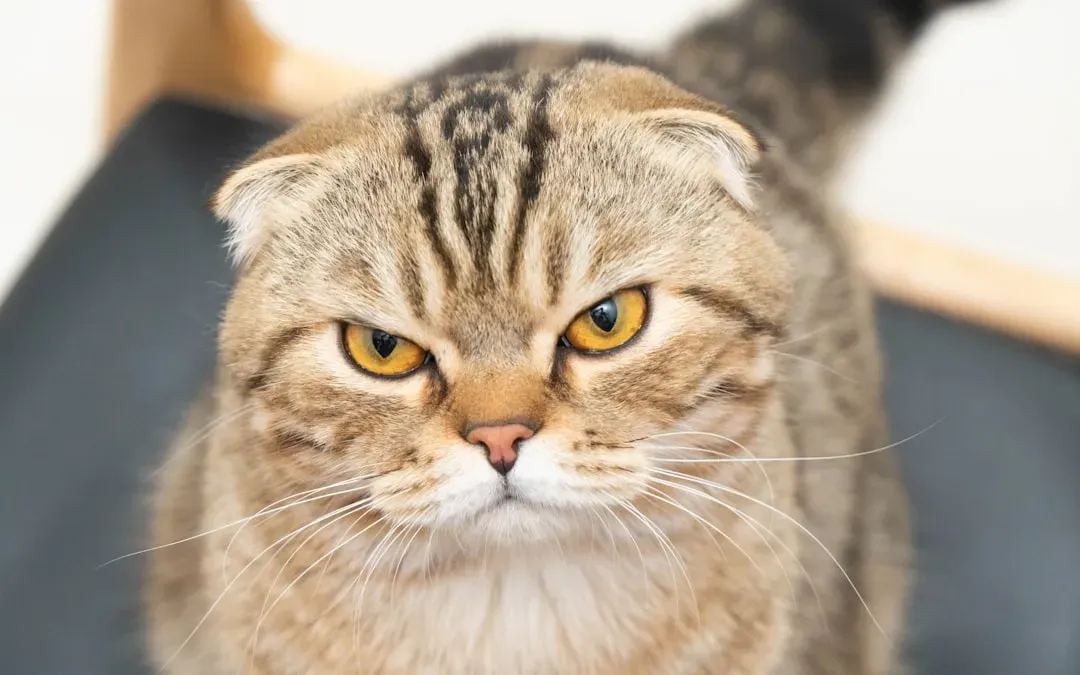
Scottish folds are known for bonding closely with their family and getting along well with other pets, including friendly dogs. These curious cuddlers form strong bonds with their families, enjoying being involved in daily activities, and separation anxiety can develop if they feel neglected or left alone for too long. Their folded ears might make them look perpetually skeptical, but they’re anything but aloof.
Learn to understand when your cat needs space, as when your cat starts wagging its tail they’re getting anxious, and releasing them when needed makes them more likely to come back to you. This respect for boundaries paradoxically strengthens your bond. Bonding can’t be forced, so keep on with your usual attempts to make friends and they’ll let you know when they’re ready for more. Patience truly is a virtue when building trust.
Balinese: The Vocal Velcro Cat
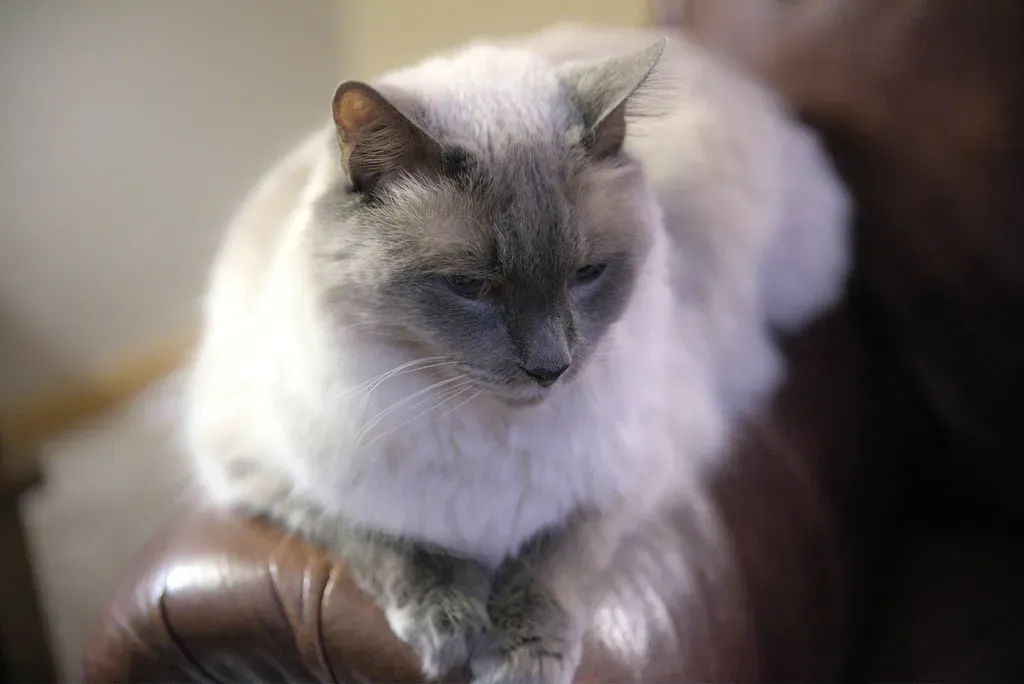
Balinese cats are known for their intelligence, curious nature, and playfulness, and are typically quite vocal, readily letting you know when they want attention. When left alone for too long they can develop anxiety. Think of them as the Siamese cousin who got a luxurious fur coat upgrade but kept all that vocal personality.
To foster a stronger bond and reduce separation distress, you need to practice gradual departures. Help your cat become more comfortable with your absence by practicing with short trips, beginning with brief absences at first of just five or ten minutes. Try desensitization training by gradually increasing the time your cat spends alone, starting with short sessions that don’t upset your cat. This technique teaches them that your leaving isn’t permanent and you’ll always return.
Oriental Shorthair: The Energetic Shadow
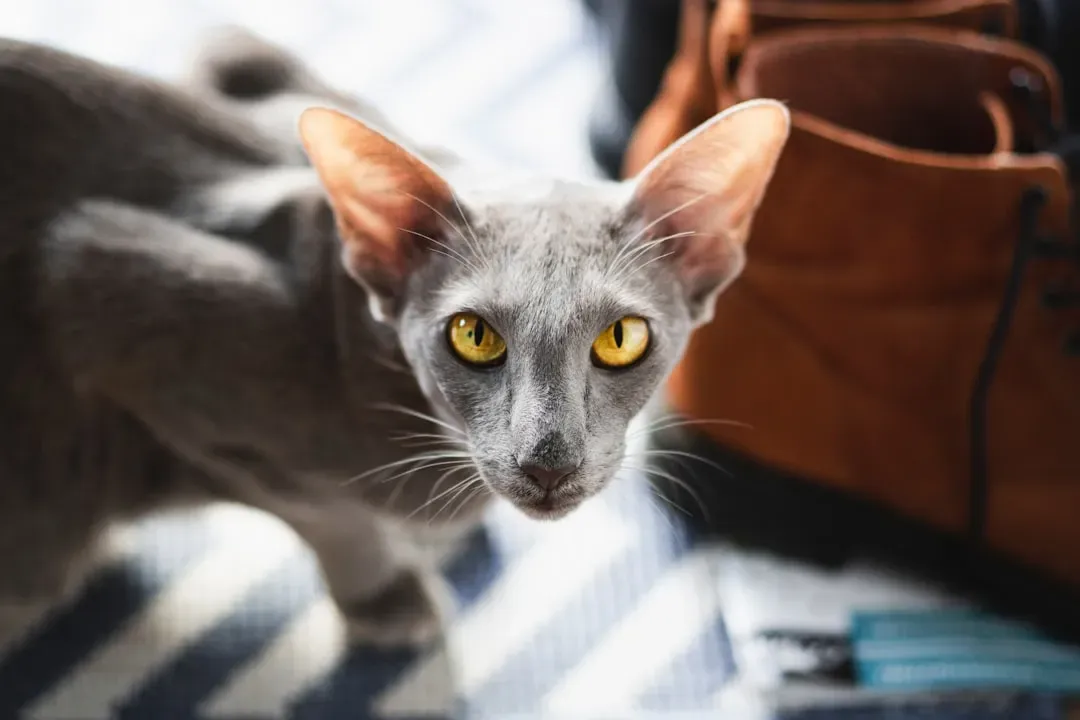
Oriental Shorthairs are known for their sleek appearance combined with a lively and outgoing personality, forming strong attachments and often following their companions around. This breed’s extroverted nature can lead to separation anxiety if they are left alone without stimulation. They’re basically your shadow with whiskers, elegant and persistent in their devotion.
Put your cat’s food inside a puzzle feeder or treat dispenser to stimulate them, and provide hideaways, tunnels, cat trees, perches, and interactive toys. Mental enrichment keeps their active minds occupied when you can’t be there. Leave the TV or radio on while you’re gone to help your cat feel less alone, trying something with human voices or bird videos that cats enjoy watching. Your voice through a pet camera can also provide reassurance during your absence.
Building an Unbreakable Bond: Putting It All Together
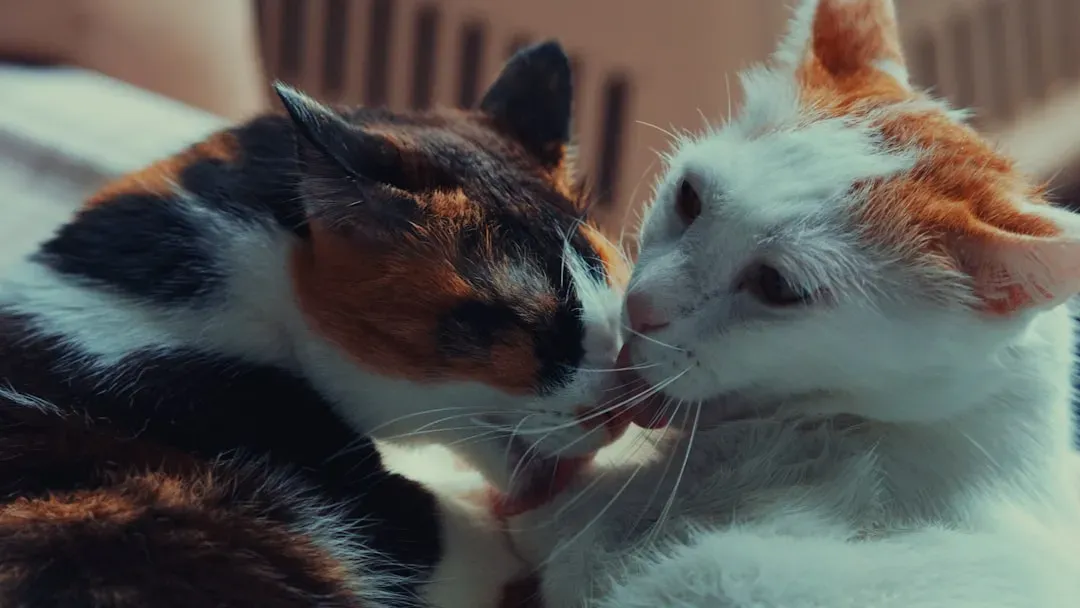
Understanding your cat’s breed tendencies is just the beginning of creating a secure, loving relationship. The cats we’ve discussed aren’t broken or overly needy. They’re simply wired to form deep attachments, which honestly is something to celebrate rather than view as a problem. Your consistent presence, predictable routines, and genuine engagement make all the difference in their emotional wellbeing.
Developing a strong bond with your cat can be anxiety reducing in itself, as when you are strongly bonded, your presence acts as a calming influence leaving them feeling more relaxed and less stressed. The time you invest in play, the respect you show for their boundaries, and the routines you establish create a foundation of trust. Remember that every cat is unique, and what works for one might need tweaking for another. Did you notice any of these breeds in your own home? Share how you’ve built trust with your feline companion.