Ever wondered why some cats seem to learn tricks at lightning speed while others look at you like you’ve lost your mind? The truth is, not all felines are created equal when it comes to trainability. Some cat breeds practically beg for a challenge, making them ideal for teaching commands and tricks. Others prefer to do exactly what they want, when they want, regardless of what you’re trying to teach them.
If you’re thinking about bringing a new cat into your home or just curious about where your feline friend falls on the trainability spectrum, you’ll want to keep reading. Let’s dive in and explore which breeds are most likely to become your perfect student and which ones will forever remain your adorable rebels.
Abyssinian: The Eager Student
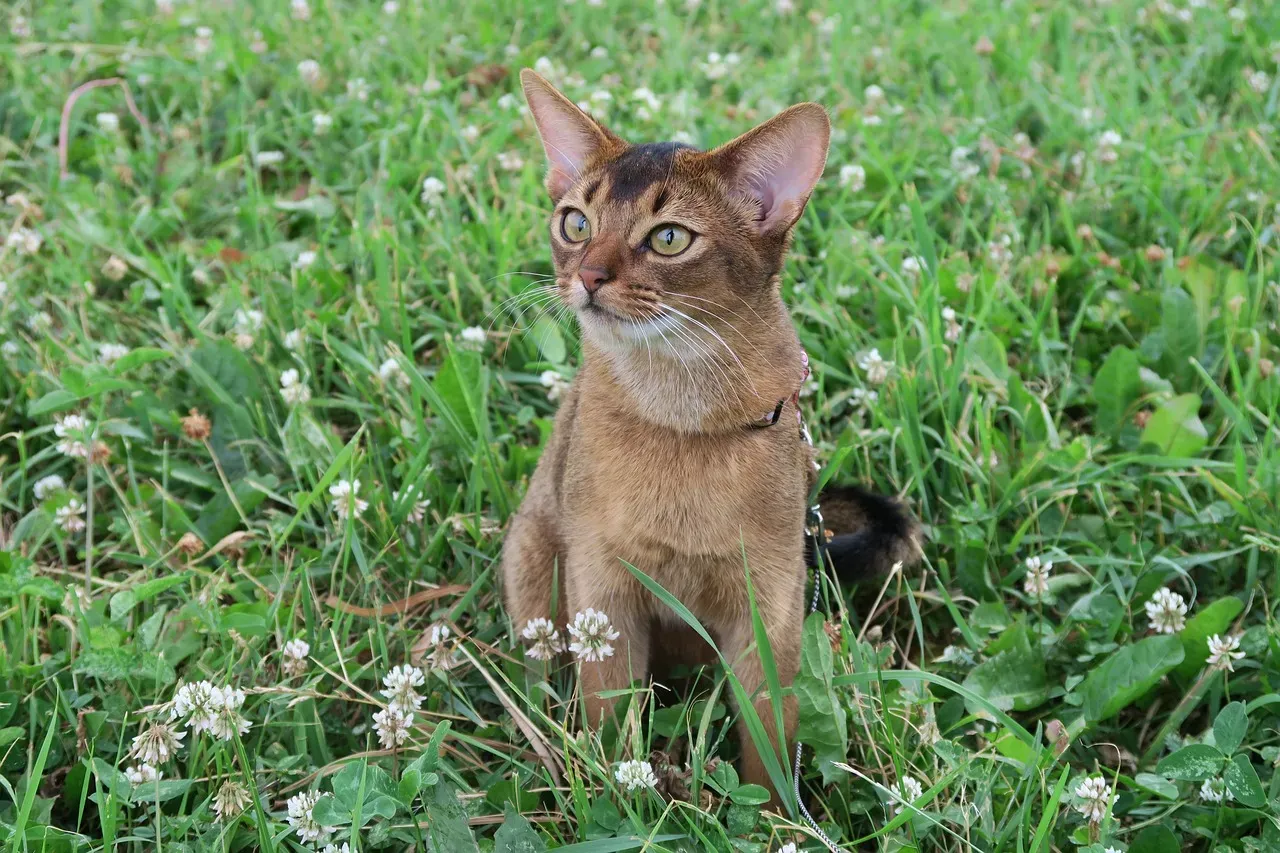
Abyssinians are outgoing, affectionate and friendly cats that are incredibly intelligent, making games of fetch and plenty of exercise perfect for channeling their energy. Their curiosity drives them to investigate every corner of your home, which can be used to your advantage during training sessions. These cats genuinely enjoy learning new things, whether it’s walking on a leash or mastering a trick routine.
They’re not just super athletic but also very intelligent and get bored easily if left unstimulated, which means they’ll certainly enjoy a training session to give their brain a workout. Honestly, keeping an Abyssinian entertained is less about convincing them to train and more about keeping up with their endless appetite for mental challenges. They’re the type of cat that will figure out how to open cabinets before you’ve even finished unpacking your groceries.
Siamese: The Chatty Genius
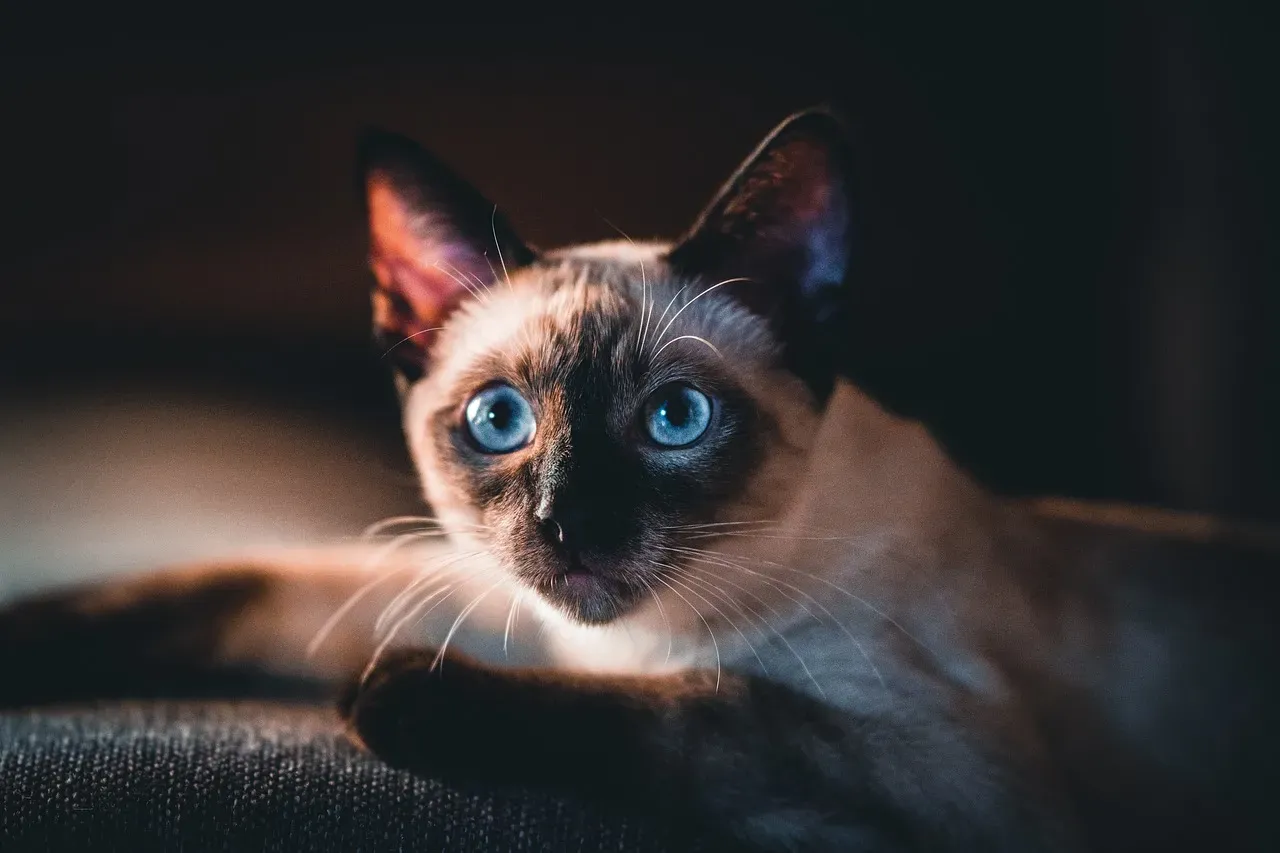
Siamese cats are fiercely loyal feline companions that are highly trainable, and they want to be with their owners all the time, really digging the attention they get when you teach them tricks like playing fetch. Their vocal nature means they’ll probably talk back during training sessions, offering commentary on your techniques. This breed thrives on interaction and will happily learn whatever you’re willing to teach.
These cats are known for their curious nature, which makes them easy to train as they are always ready to learn something new. Let’s be real, a Siamese will probably train you as much as you train them. Their intelligence combined with their desire for constant companionship creates the perfect recipe for successful training sessions that feel more like bonding time.
Maine Coon: The Gentle Giant Scholar
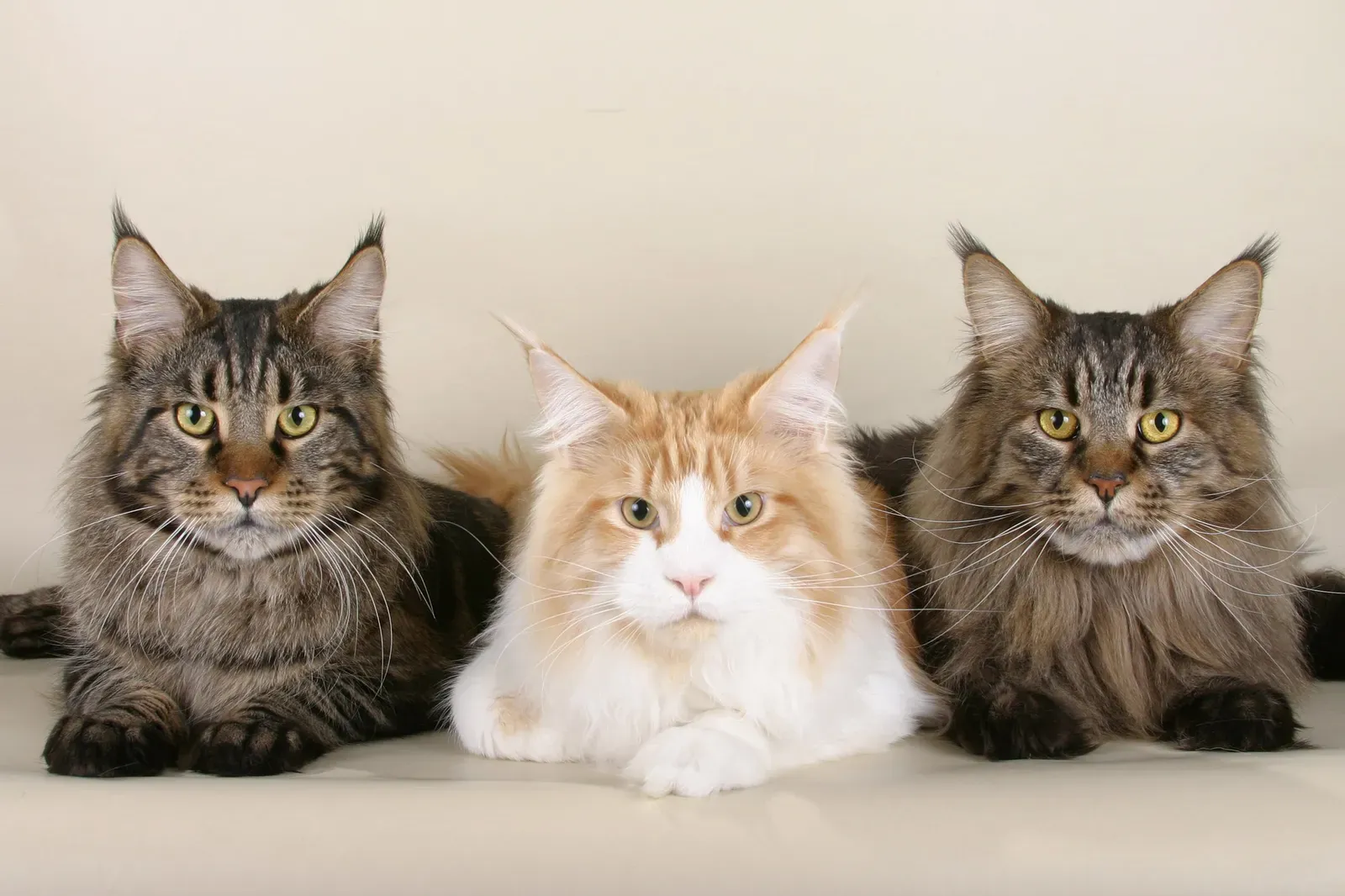
Maine Coons are easygoing, calm, resilient, intelligent, and adaptable felines, and they learn quickly with treats, praise, and consistency. Despite their massive size, these cats are surprisingly agile and eager to please their humans. Their patient temperament makes them ideal for families with children who want to participate in training activities.
Maine Coons are known for being tolerant of and fond of children, so your kids can join in on the fun of training sessions. Think of them as the golden retrievers of the cat world. They genuinely seem to enjoy making you happy, which is a refreshing change from the typical feline attitude of complete indifference.
Bengal: The Playful Prodigy
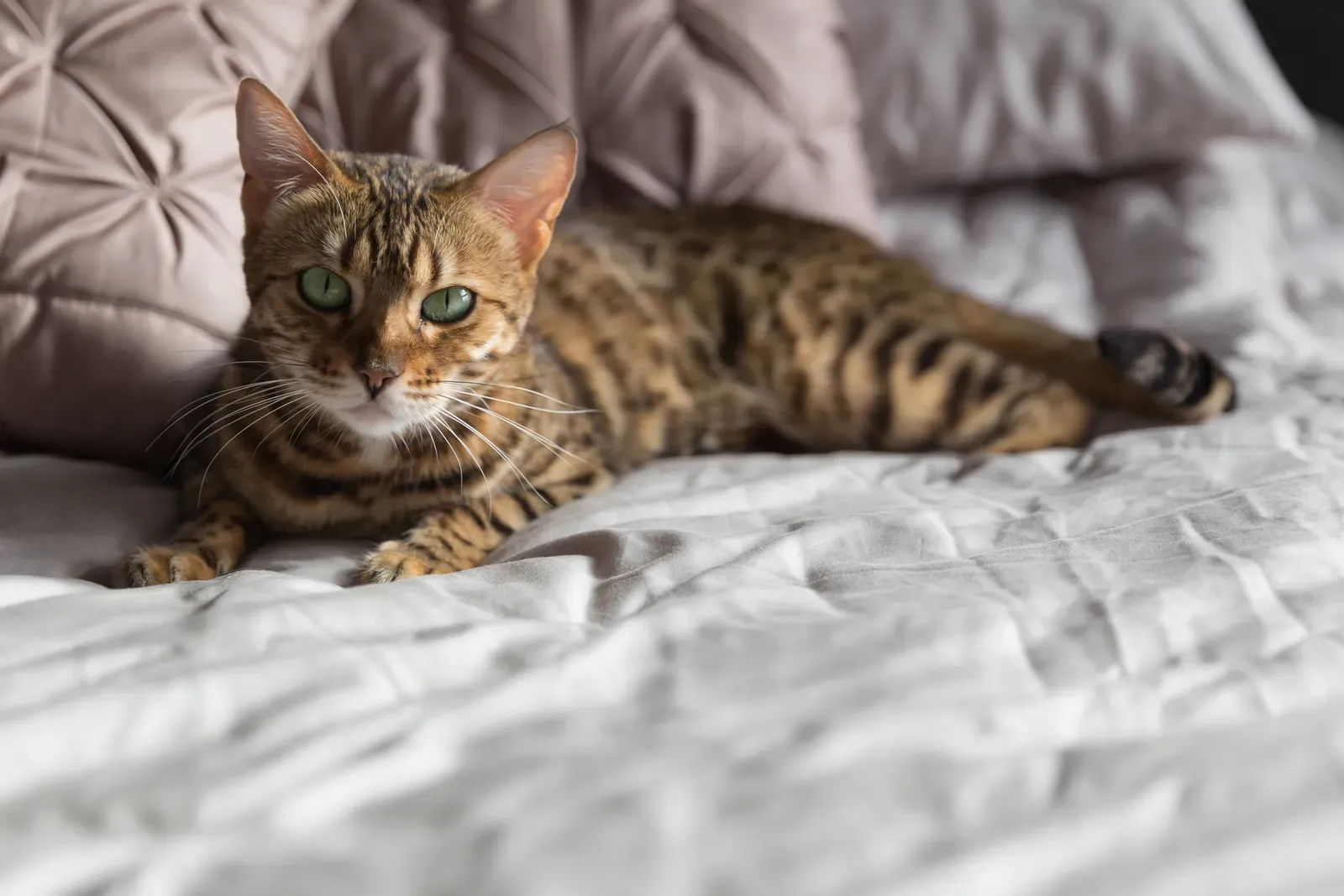
This exotic-looking spotted cat descended from the Asian Leopard Cat retains the wild look and playful, exploratory, energetic traits of their ancestors, and Bengals love interactive play with their humans while being among the most intelligent cat breeds that learn quickly. Their high energy levels mean they need plenty of stimulation, making training sessions an excellent outlet. These cats have a doglike eagerness to please that sets them apart from many other breeds.
Training Bengals to do tricks gives them a good outlet for their mischievous tendencies. I know it sounds crazy, but a bored Bengal can become a household tornado. They’re the type of cat that will teach themselves to turn on faucets just to watch the water flow, so you might as well redirect that intelligence into something productive.
Japanese Bobtail: The Energetic Entertainer
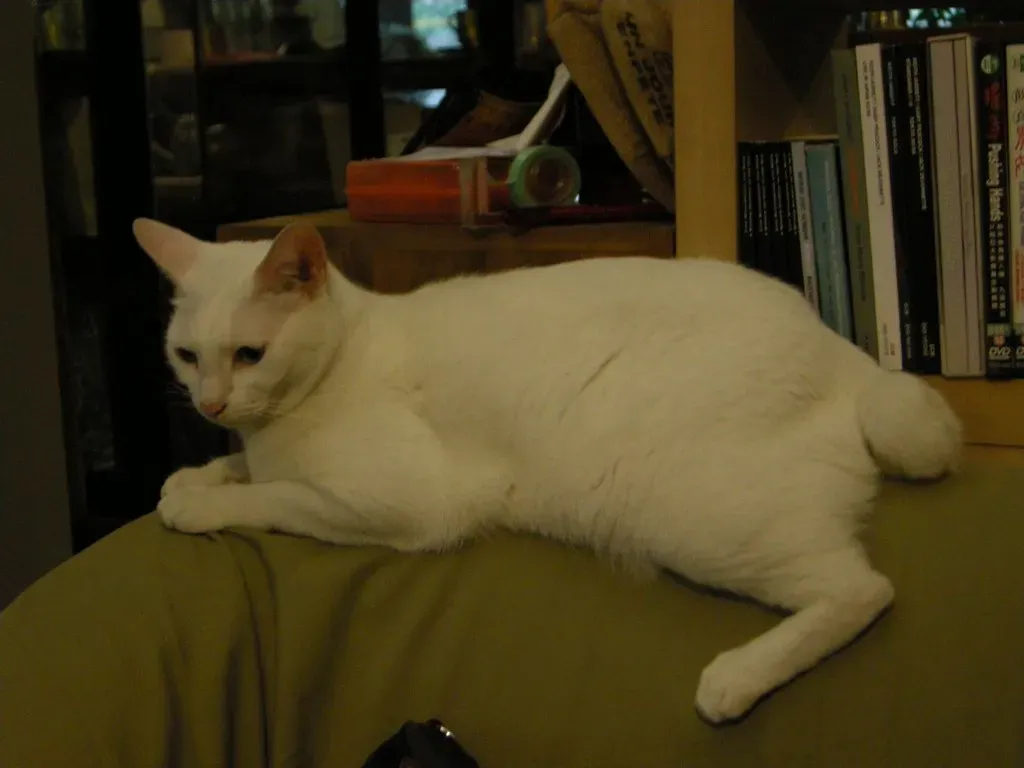
Japanese Bobtails are known to be smart and love attention from their families and strangers alike, and their high energy and love for interaction can be directed easily, making for a very trainable cat. Their distinctive short tail and playful personality make them stand out in any crowd. These cats demand attention rather than simply accepting it, which works perfectly when you’re trying to teach them new behaviors.
With some praise and rewards, these Bobtails are ideal companions for homes that thrive on quality time with their pets. Their enthusiasm is infectious, turning even mundane training sessions into genuine fun. You’ll find yourself looking forward to working with them simply because their excitement is so genuine and heartwarming.
American Shorthair: The Steady Achiever
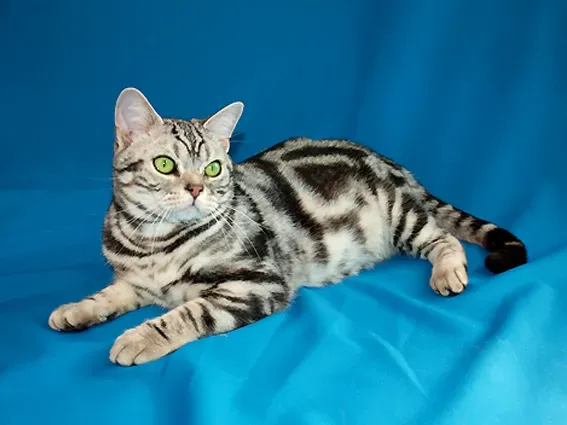
The American Shorthair has a calm, even demeanor that lends itself to learning, and their capacity for learning makes them ideal for acting and modeling roles because they respond so well to positive reinforcement. Their balanced temperament means they won’t get overly stressed during training, making the process smooth and enjoyable. These cats are proof that you don’t need a high-strung personality to be smart.
Their capacity for learning makes them ideal for acting and modeling roles because they respond so well to positive reinforcement. If you’ve ever seen a cat in a commercial looking completely calm and collected, there’s a good chance it was an American Shorthair. They’re the reliable students who show up, do the work, and excel without any drama.
Ocicat: The Clever Explorer
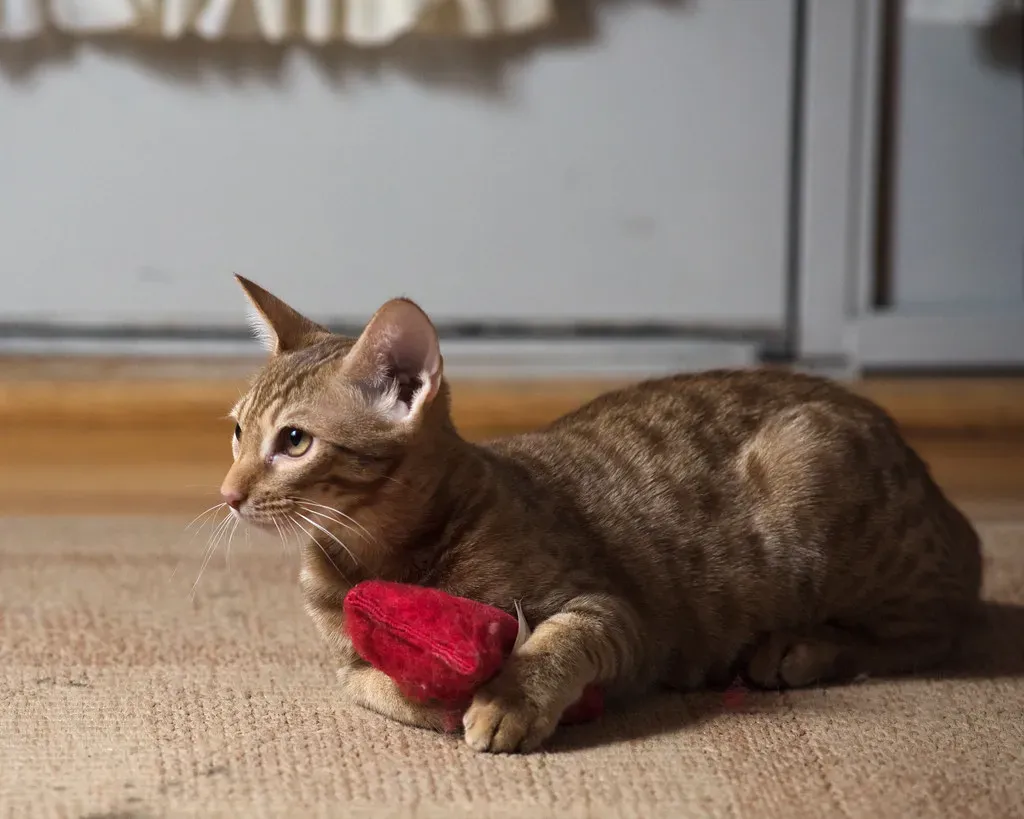
The Ocicat has endless levels of energy and also requires plenty of mental stimulation during the day, and this breed is very smart and will enjoy the challenge of learning a new trick or two. Their spotted coat gives them a wild appearance, but their personality is thoroughly domesticated and people-oriented. These cats love having jobs to do and tasks to complete.
Ocicats are smart and active, and when it comes time to play, this breed enjoys inventing and learning new cat tricks. They’re natural inventors who will create their own games if you don’t provide enough entertainment. Training them is less about forcing behavior and more about channeling their natural creativity into productive outlets.
Pixiebob: The Obedient Wildcat
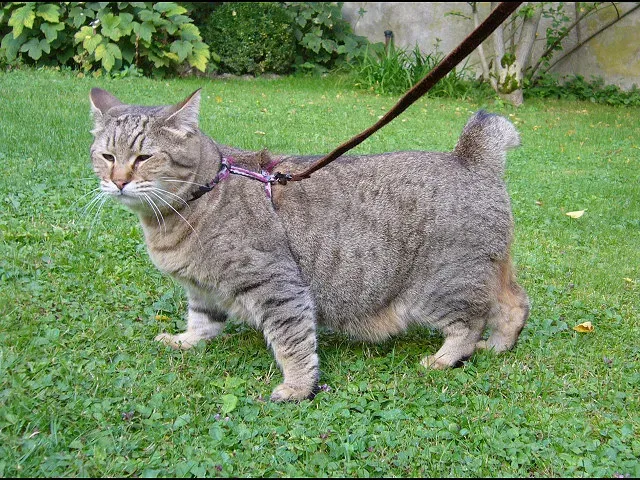
This quiet, confident breed is described as intelligent, interactive and obedient, and the Pixiebob can be trained to walk on a leash as well as learn to love bath time. Their bobcat-like appearance might seem intimidating, but their temperament is gentle and surprisingly compliant. These cats genuinely seem to enjoy structure and routine, making training feel natural rather than forced.
Despite rumors about their wild ancestry, they’re fully domesticated and incredibly responsive to human guidance. Their willingness to accept activities that most cats despise, like baths, shows just how adaptable and trainable they truly are. It’s hard to say for sure, but they might just be one of the most underrated training partners in the cat world.
Persian: The Independent Lounger
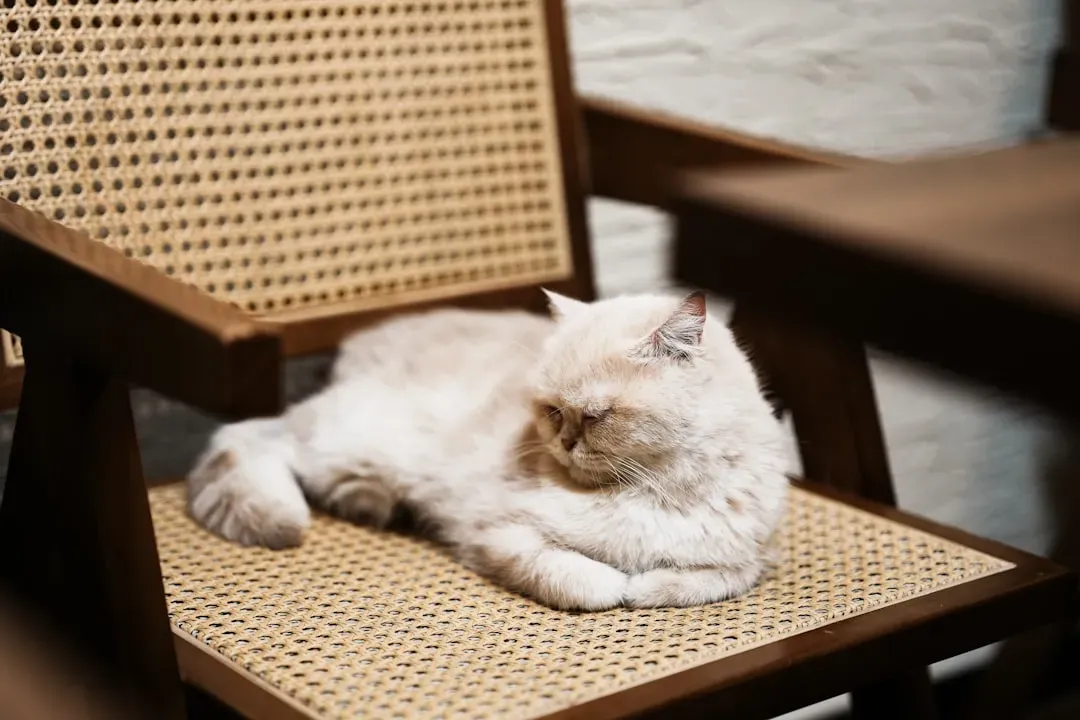
The Persian has a beautiful coat and a lovely disposition, but it’s not a cat that people assume is good on its own, yet the surprising fact is that it is, and this cat is magnificent when left to its own devices. Their calm demeanor might seem trainable at first glance, but Persians have their own agenda. They prefer observing life from comfortable perches rather than actively participating in training exercises.
Persians enjoy the company of their owners but are also perfectly content to spend time alone, grooming their magnificent fur or lounging in a favorite spot, and their relaxed temperament and self-sufficient nature make them ideal companions for owners who work or travel often. These cats have mastered the art of looking interested while being completely unimpressed. You can try teaching them tricks, but they’ll mostly just stare at you with those enormous eyes as if to say, “Why would I do that when I could nap instead?”
Russian Blue: The Routine-Obsessed Observer
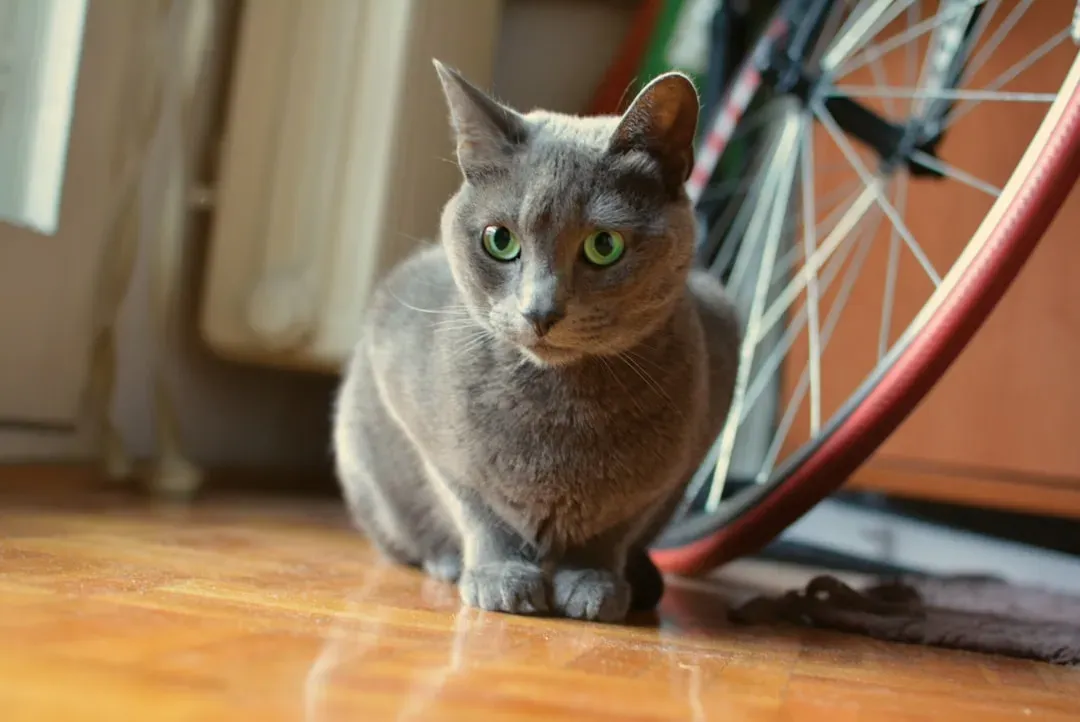
The Russian Blue does not demand being the center of attention and may refuse to come out from under the bed on a whim, and these cats become stubborn when you try to change up routine or invite new people over, as they are observant and persistent. Their intelligence is undeniable, but they use it to maintain control rather than follow commands. These cats prefer predictability over novelty.
Russian Blues are intelligent, curious, and independent cats that are an excellent choice for pet parents who want a low-maintenance companion, and they are typically reserved around new people but affectionate to their pet parents. Training sessions feel like negotiations rather than lessons. They’ll learn what they want to learn, when they want to learn it, and not a moment sooner, making them frustratingly brilliant.
Norwegian Forest Cat: The Aloof Adventurer
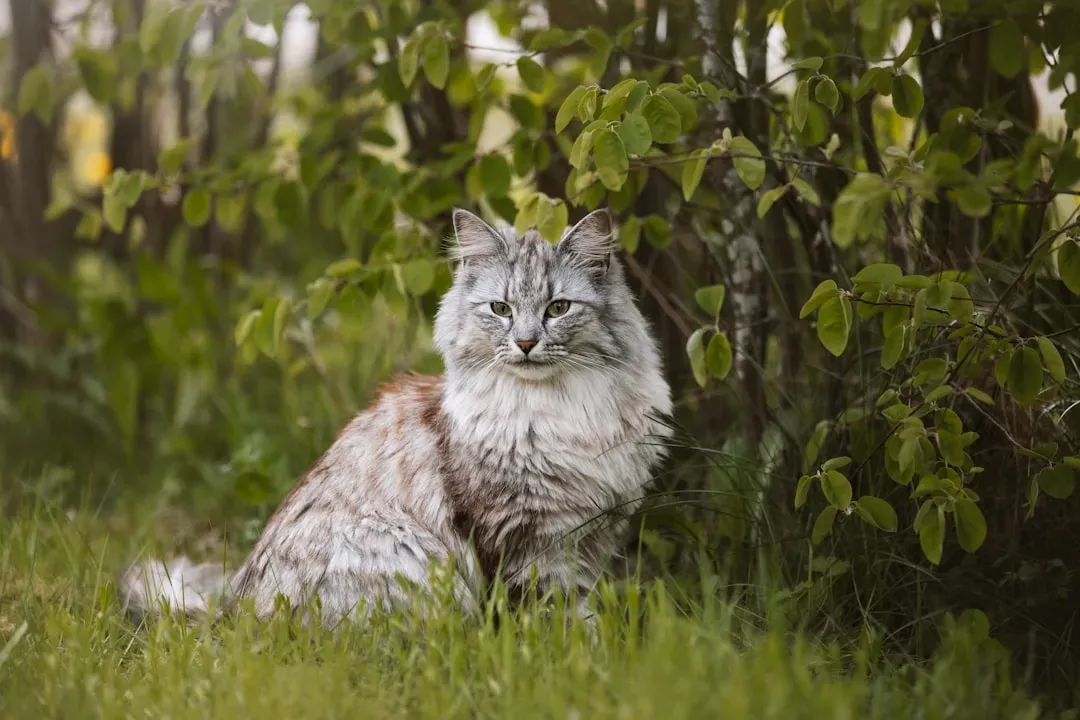
Norwegian Forest cats need space and alone time, and if you force them to snuggle with you, it’s a sure bet they’ll avoid you like the plague, as they’re large cats who value affection when they’re in the mood and only when they’re in the mood. These majestic felines have a semi-domestic nature that makes them self-sufficient to a fault. Their hunting instincts are strong, but their desire to follow human commands is practically nonexistent.
This undemanding cat breed developed naturally in Scandinavia and is well known for its gentle and friendly demeanor, and because of their semi-domestic nature, Norwegian Forest Cats can cope well if their owners are often away. Here’s the thing: they’re not being difficult, they just genuinely don’t see the point of performing on command. They’ll show affection and bond with you deeply, but trying to teach them to sit or stay is like trying to train a small, fluffy bear.
Scottish Fold: The Adorable Rebel
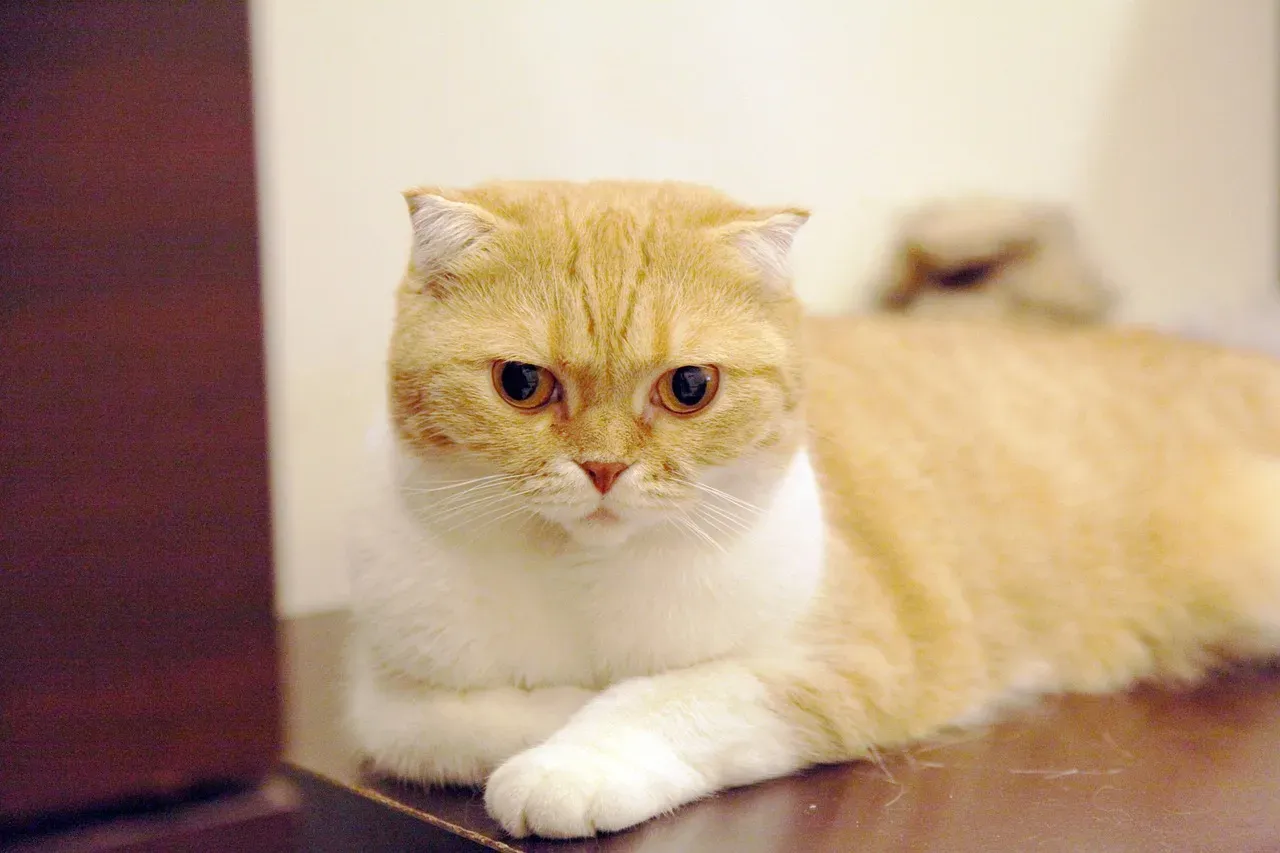
This sweet little cat has the most adorable little ears you will ever see, and it’s a lovely breed that makes a great pet, plus this breed travels well and is just as happy to be home while you are on the road. Their folded ears give them an irresistibly cute appearance that masks their stubborn streak. These cats know they’re adorable and use it to their advantage.
While they’re intelligent and capable of learning, they prefer to do things at their own pace and in their own way. You might successfully teach them a trick or two, but expect them to perform it only when the mood strikes. Their independence is charming until you realize it means they’ll completely ignore you when it’s inconvenient for them to listen.
British Shorthair: The Easygoing Individual
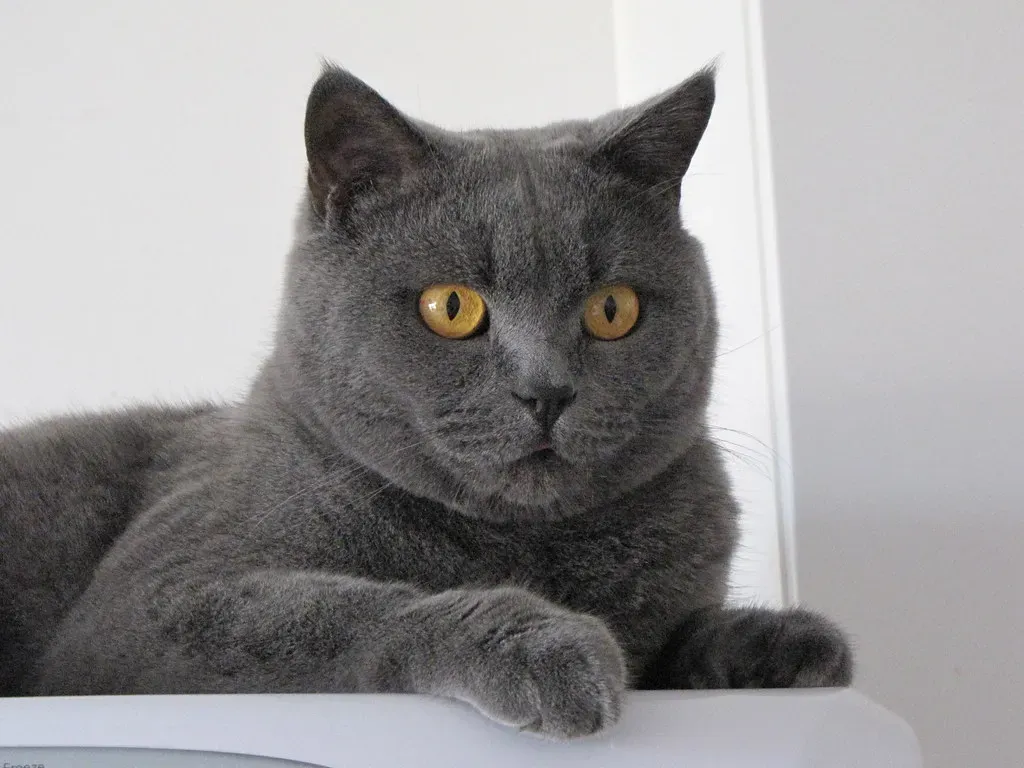
A British Shorthair is an independent cat breed with a laid-back, easygoing personality, and prey-like toys and enrichment are crucial for them, as they have a strong hunting instinct. Their calm nature might suggest they’d be easy to train, but they’re simply too content with their own company to bother with human requests. These cats have a “live and let live” philosophy that extends to ignoring your training attempts.
British Shorthairs are easygoing cats considered to be more than content in their own company, making them excellent pets for active families and people who are frequently out of the house, though despite their independent streak, these cats also enjoy spending time in their owners’ laps when they are at home. They’ll show up for affection on their terms, but structured training? That’s not really their style. They’re perfectly happy being couch potatoes who occasionally grace you with their presence.
Oriental Shorthair: The Demanding Diva
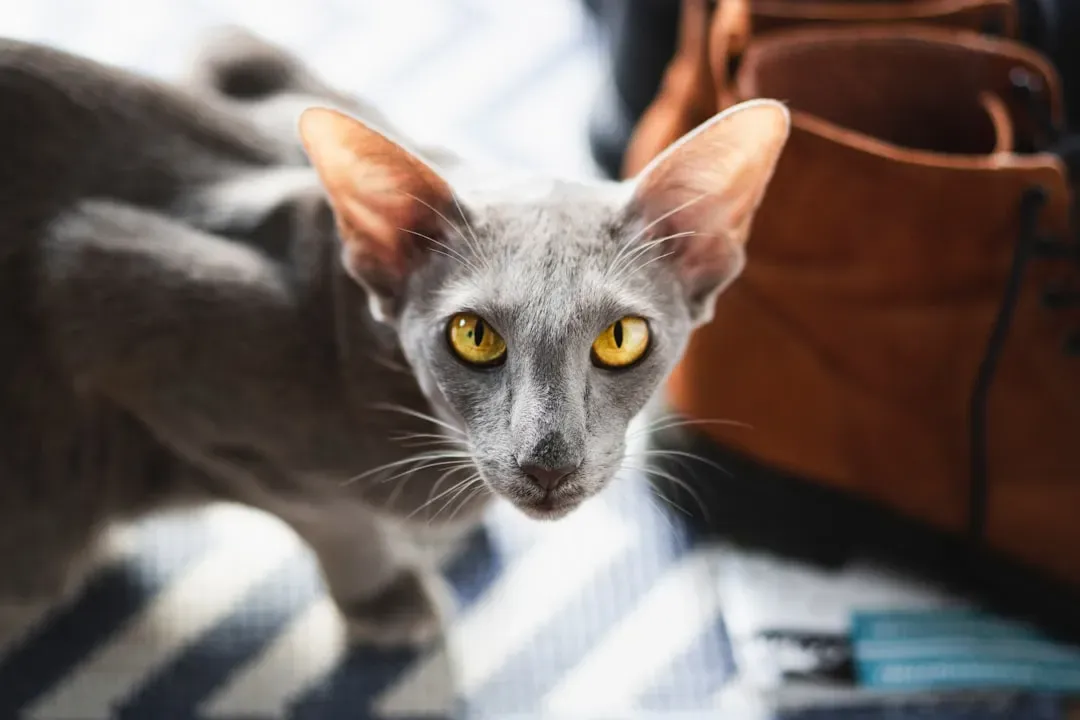
Oriental Shorthairs thrive when surrounded by their family members, and if you’re not around enough, these cats happily become destructive until you get home and play with them, and like their Siamese ancestors, they will meow, chirp and trill often while interrupting your activities and opening drawers to get your attention. Their stubbornness comes from an intense need for attention rather than a lack of intelligence. These cats know exactly what they want and will stop at nothing to get it.
Training them feels impossible because they’re always training you instead. They’re incredibly vocal about their opinions, which usually involve why your training methods are insufficient. You’ll spend more time responding to their demands than teaching them anything new, though they’ll certainly teach you patience.
Khao Manee: The Unstoppable Explorer
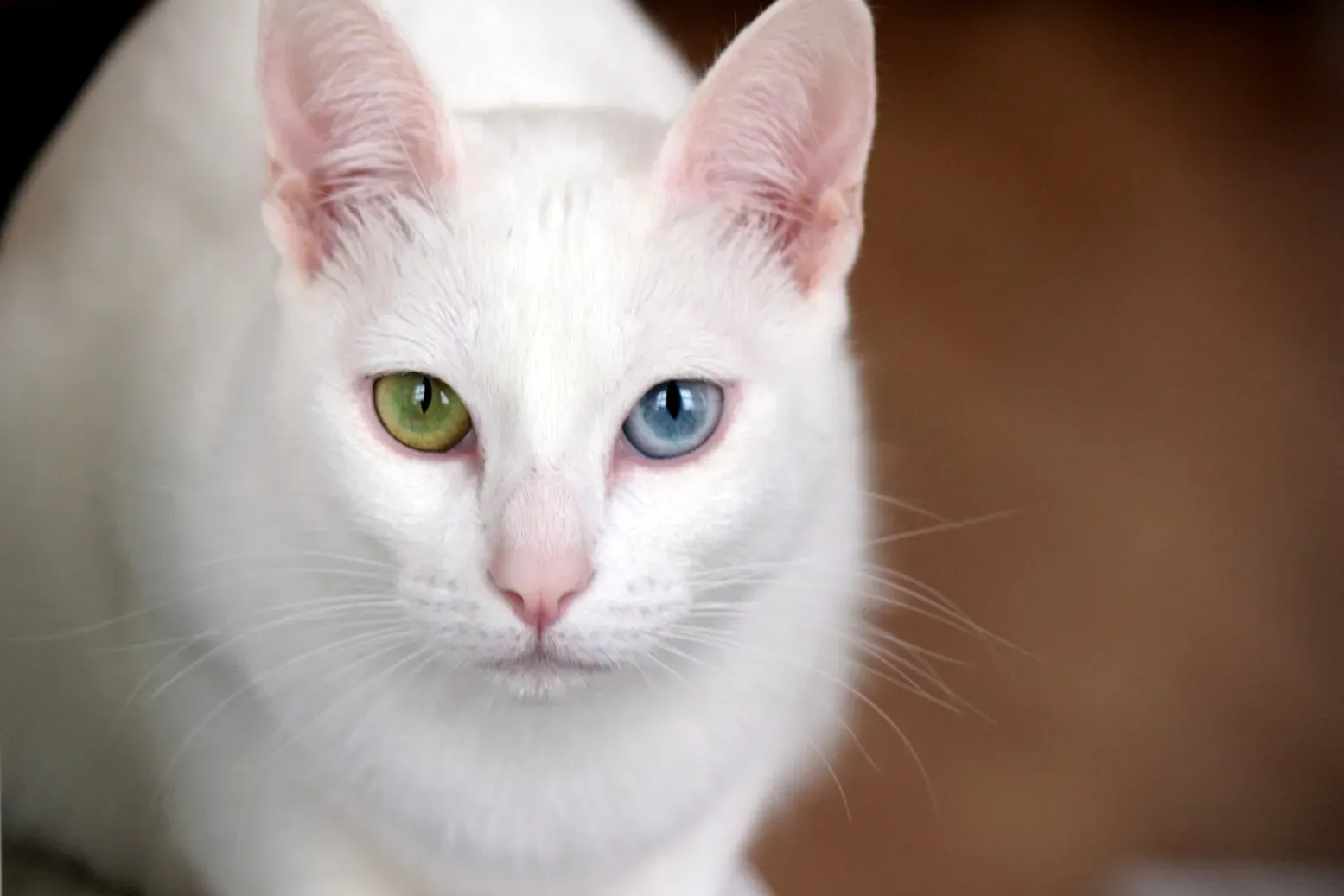
These ancient kitties have been around for centuries with their ultra-curious personalities, and Khao Manees want to explore and play all day long, no matter if it gets them into trouble, because once they set their mind to something, consider it done. Their determination is admirable but makes training nearly impossible. They’re focused on their own agenda, which involves investigating every single thing in their environment.
Their natural curiosity means they’ll learn plenty on their own, just not what you’re trying to teach them. They’re the cats who will figure out how to open closed doors, access forbidden spaces, and generally do whatever they’ve decided is interesting, completely ignoring your attempts to redirect their behavior.
Tonkinese: The Persistent Companion
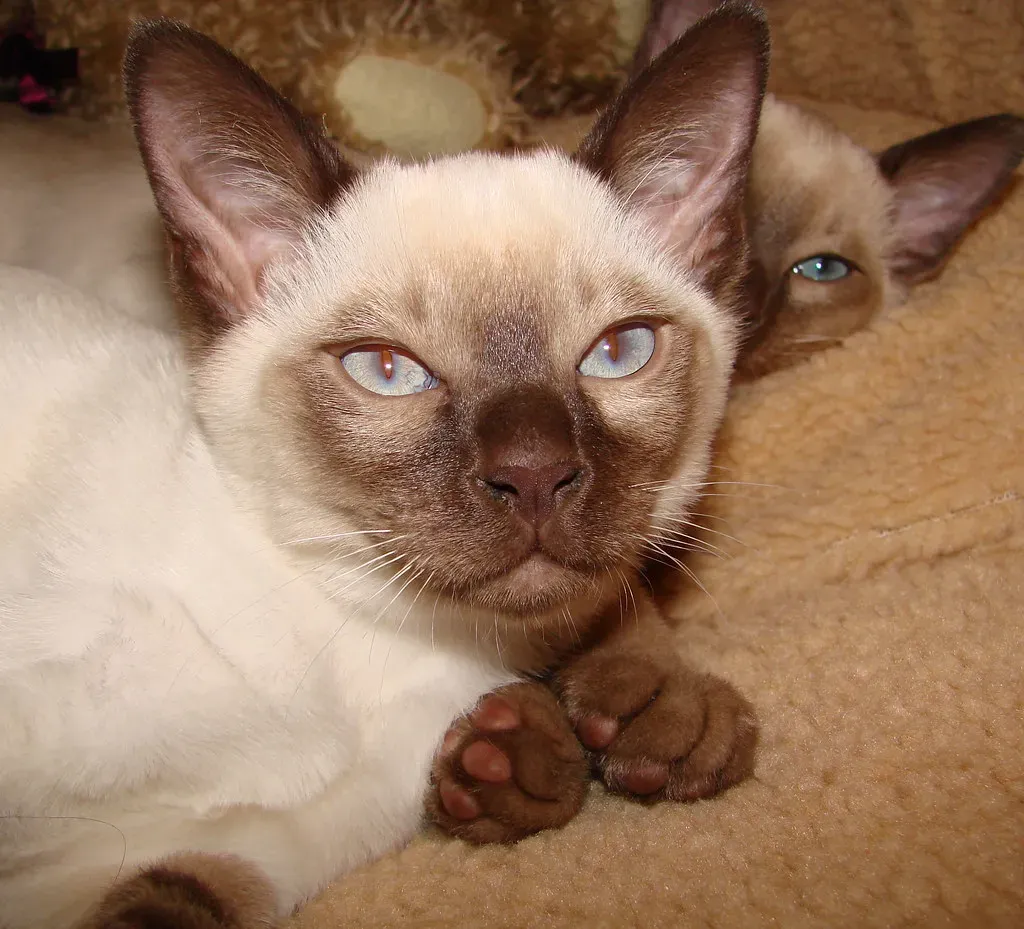
These lovable cats are known to be stubborn when it comes to getting their own way and really just want your attention constantly, and they’re firmly convinced that humans were put on Earth to love them, plus since they’re very smart, entertaining them with interactive toys and fresh challenges is a must. Their intelligence is unquestionable, but they use it to manipulate situations in their favor. Training becomes a battle of wills that you’ll probably lose.
They’ll chirp and demand attention until you provide exactly what they want, which rarely includes following your commands. Their persistent nature means they never give up on getting their way, making them exhausting training partners. You’ll end up doing what they want while they look pleased with themselves for training you so effectively.
Conclusion
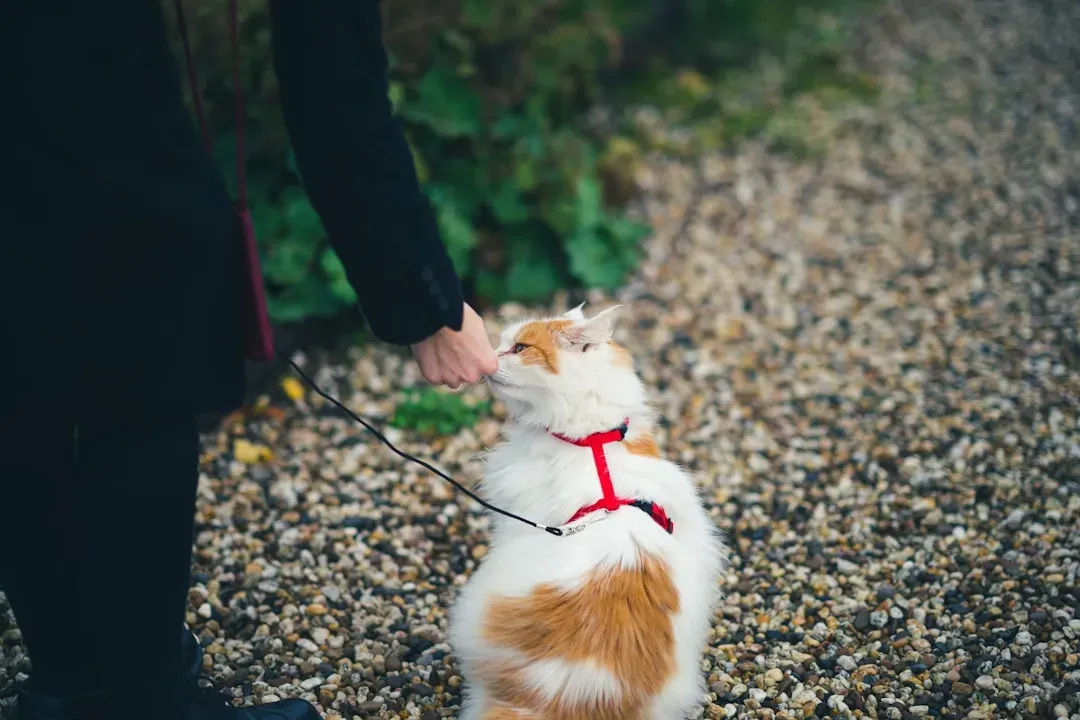
Choosing between an easily trainable cat and one with an independent streak really comes down to what you’re looking for in a feline companion. The trainable breeds offer rewarding partnerships where you can teach tricks, establish routines, and enjoy genuine cooperation. They thrive on mental stimulation and will actively participate in training sessions with enthusiasm.
The independent breeds, though more challenging to train, bring their own special charm to your home. They’re self-sufficient, confident, and wonderfully unpredictable. While they might not fetch or come when called, they’ll fill your life with personality and keep you constantly entertained with their antics.
Whichever type of cat you choose, remember that every feline is an individual with their own quirks and preferences. Some supposedly stubborn breeds might surprise you with their willingness to learn, while some typically trainable cats might decide they’re above such nonsense. Did you expect your own cat to be this unique? What’s your experience been like with training?