Finding the right feline friend during your golden years can transform your daily routine into something truly special. If you’re a senior woman looking for a four-legged companion, you’ve probably discovered that not all cats are created equal. Some breeds demand constant attention and endless playtime, while others offer the perfect balance of affection and independence. The right cat can become your devoted companion, offering comfort and joy without overwhelming your lifestyle.
Research shows that cats can help relieve stress, lower blood pressure, and even keep your brain sharp. Let’s be real, there’s something deeply comforting about having a warm, purring companion by your side, especially during quieter moments. Whether you live alone or simply want a gentle presence in your home, choosing a breed that matches your energy level and daily habits makes all the difference. Let’s explore eight wonderful cat breeds that could become your perfect match.
1. The Gentle British Shorthair
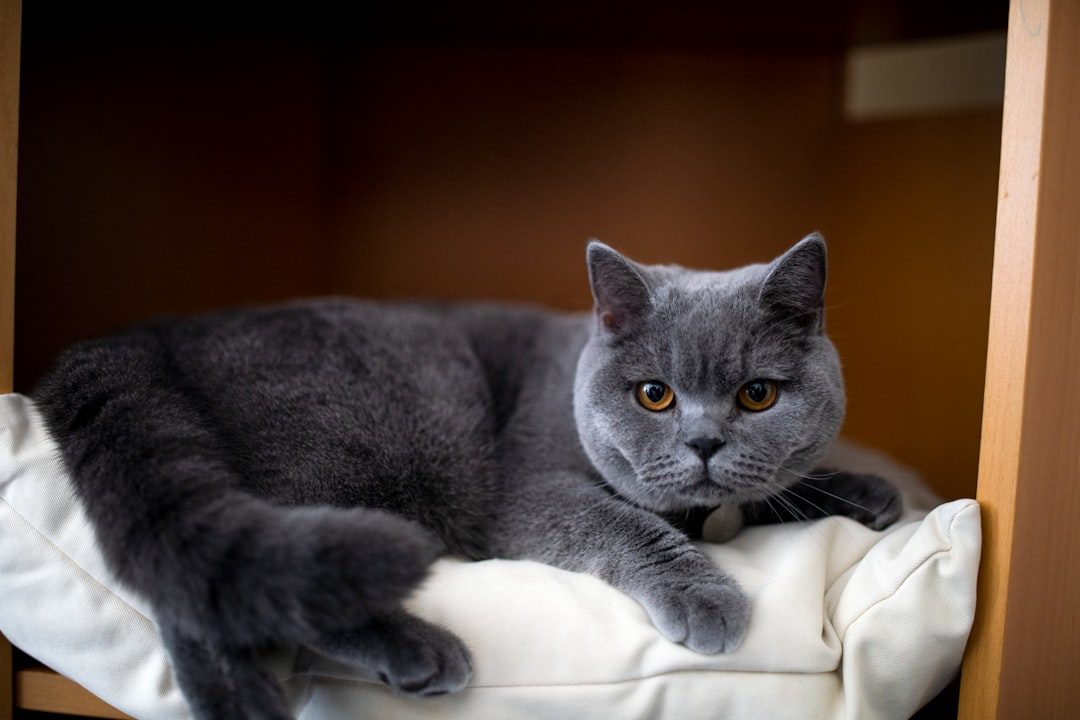
The British Shorthair is an exceptionally friendly breed that is also quite independent, as they can be left alone for longer periods without issue, and the breed is also known for being particularly healthy. Think of them as the teddy bears of the cat world. Their plush coats and round faces give them an adorable appearance, yet their true charm lies in their calm temperament.
These cats won’t demand your attention every minute of the day. They’re perfectly content lounging near you while you read or watch television. The breed’s short, dense coat is easy to maintain, with a weekly combing sufficient to remove dander and distribute skin oils for a healthy coat. For senior women who appreciate companionship without high maintenance grooming sessions, this breed hits the sweet spot.
2. The Affectionate Ragdoll
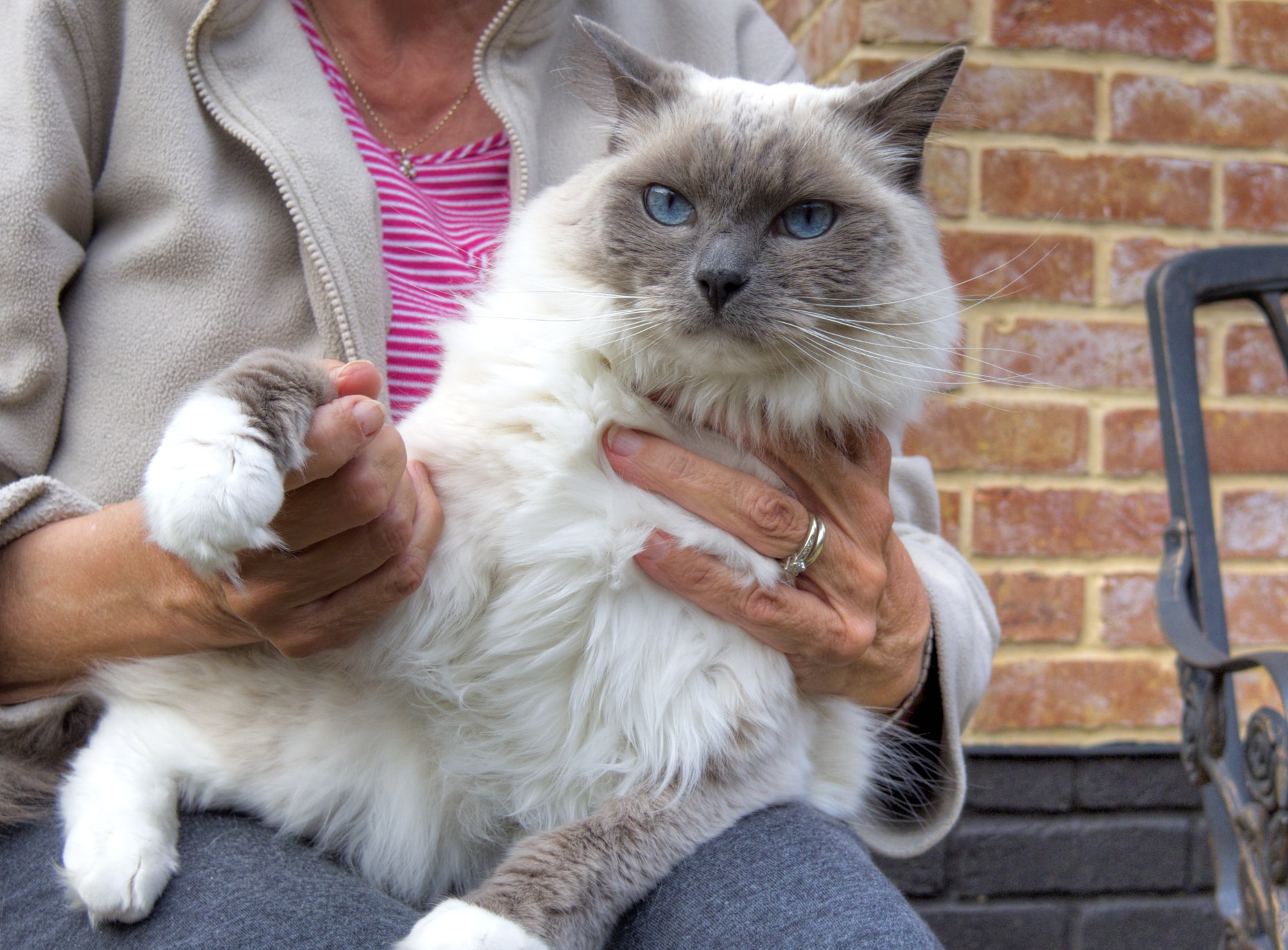
You’ll quickly fall in love with the Ragdoll’s incredibly docile nature. These gentle giants are famous for their floppy bodies and calm demeanor, known for their docile and relaxed nature. Honestly, their name perfectly captures their essence because they literally go limp when you pick them up.
Known as affectionate cats, they’re perfect for seniors who want a lap cat to snuggle with, and these laid-back pets are also relatively low-maintenance, requiring moderate grooming despite their fluffy coats. The Ragdoll will follow you around your home like a devoted shadow, but they’re never pushy about it. They simply want to be near you, offering gentle companionship that feels comforting rather than demanding. These cats adapt beautifully to apartment living and quiet homes.
3. The Elegant Persian
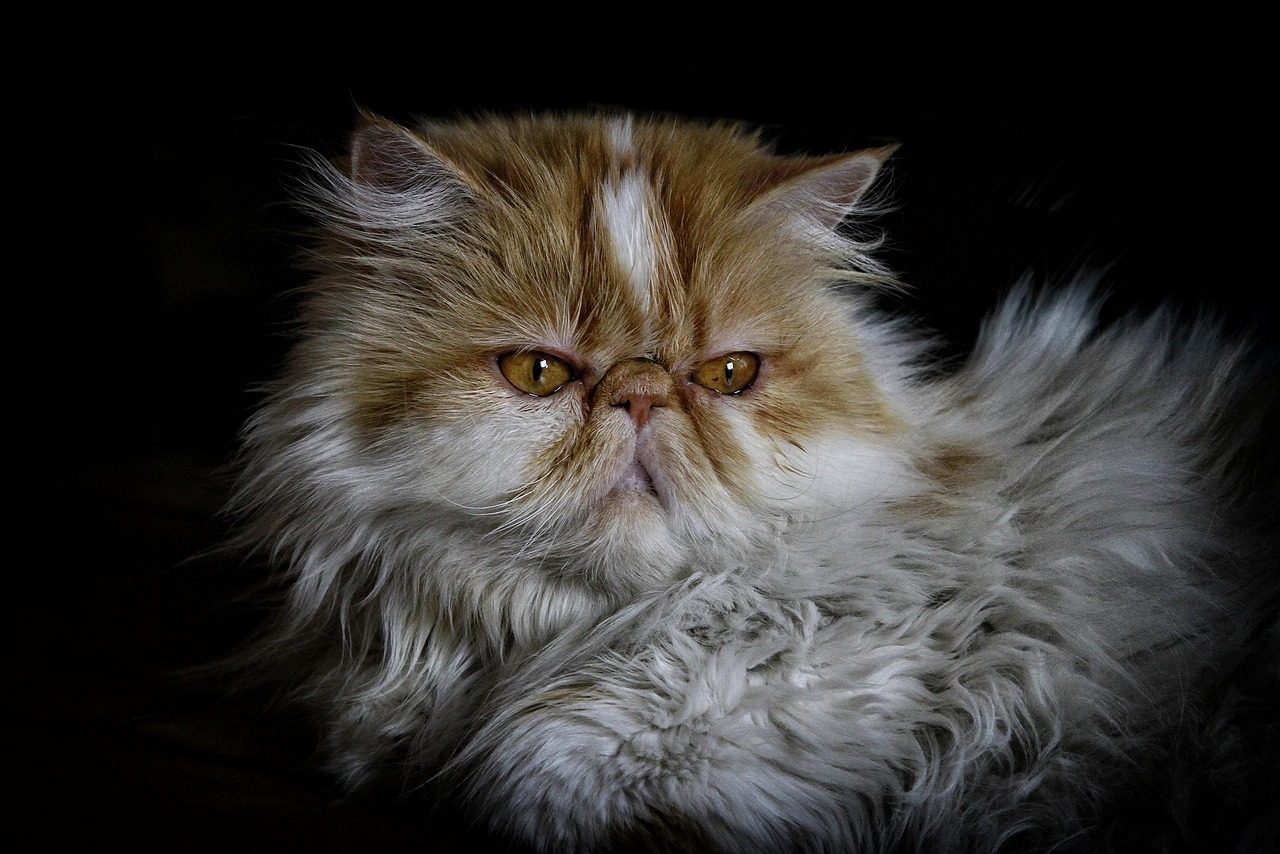
The Persian is an exceptionally quiet and affectionate breed that thrives in a calm, uneventful home. Their luxurious flowing coats and sweet faces make them look like royalty, which suits their peaceful personality perfectly. These cats aren’t interested in climbing curtains or knocking things off shelves.
Here’s the thing, though: Persians do require regular grooming due to their long fur. Persian cats require regular grooming due to their long fur, and this can be a bonding activity for seniors and their feline friends. If you enjoy the ritual of brushing and caring for your pet, this can become a lovely daily routine. Their calm presence offers something truly soothing, making them ideal for women who value tranquility in their living spaces.
4. The Devoted Birman
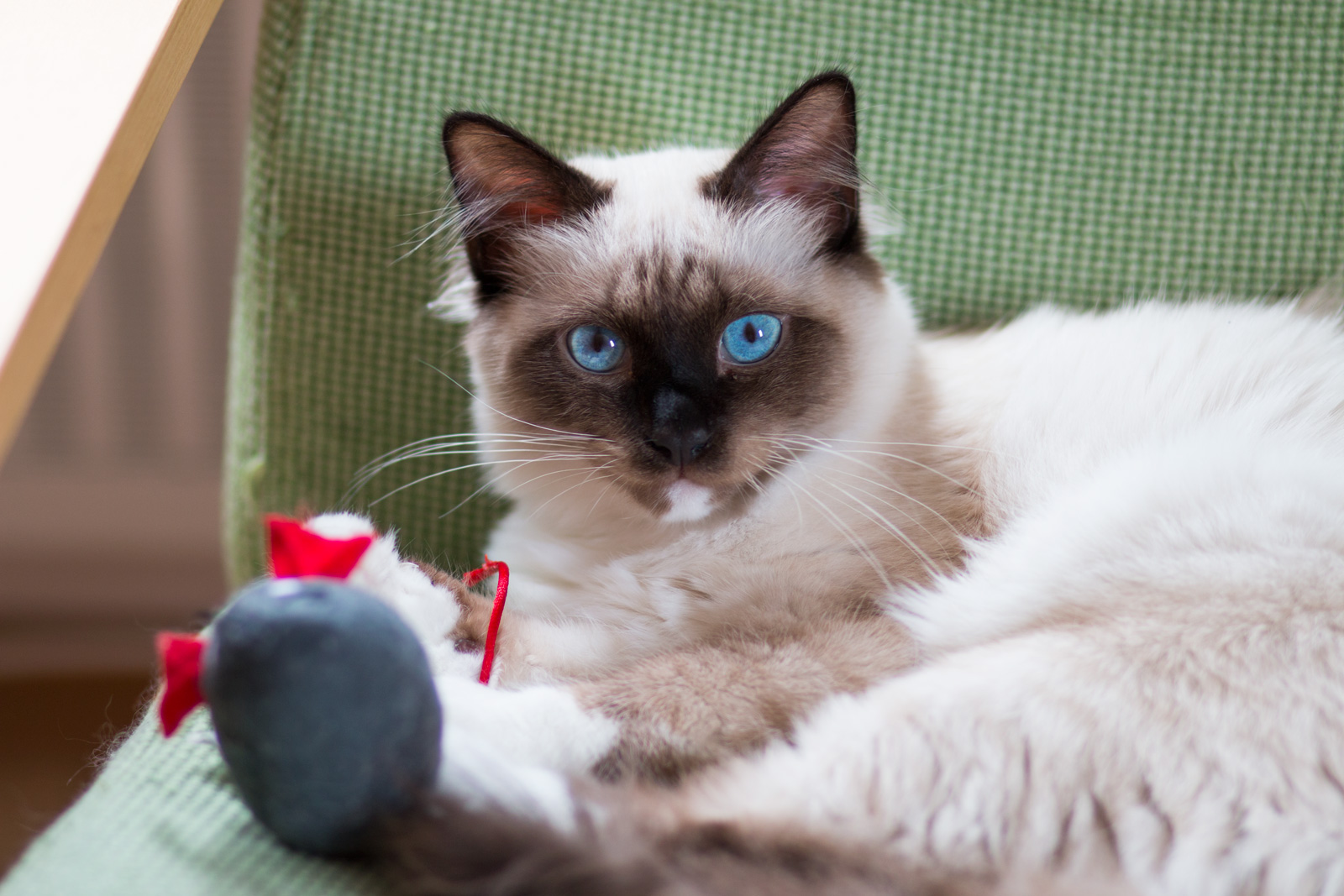
Birman cats are ideal for seniors, as they are low-maintenance and love companionship. Their striking blue eyes and silky coats immediately capture attention, yet their personality is what truly sets them apart.
Birmans are gentle, friendly, and sociable cats that usually prefer to hang out close to their owners, making them perfect for seniors who are looking for a loyal companion. Despite their medium-length fur, they’re surprisingly easy to care for. Birmans have no undercoat, which means less shedding and easier grooming, with a weekly brush being sufficient. They enjoy playtime but are equally content lounging around, offering the perfect balance for women with moderate activity levels.
5. The Quiet Russian Blue
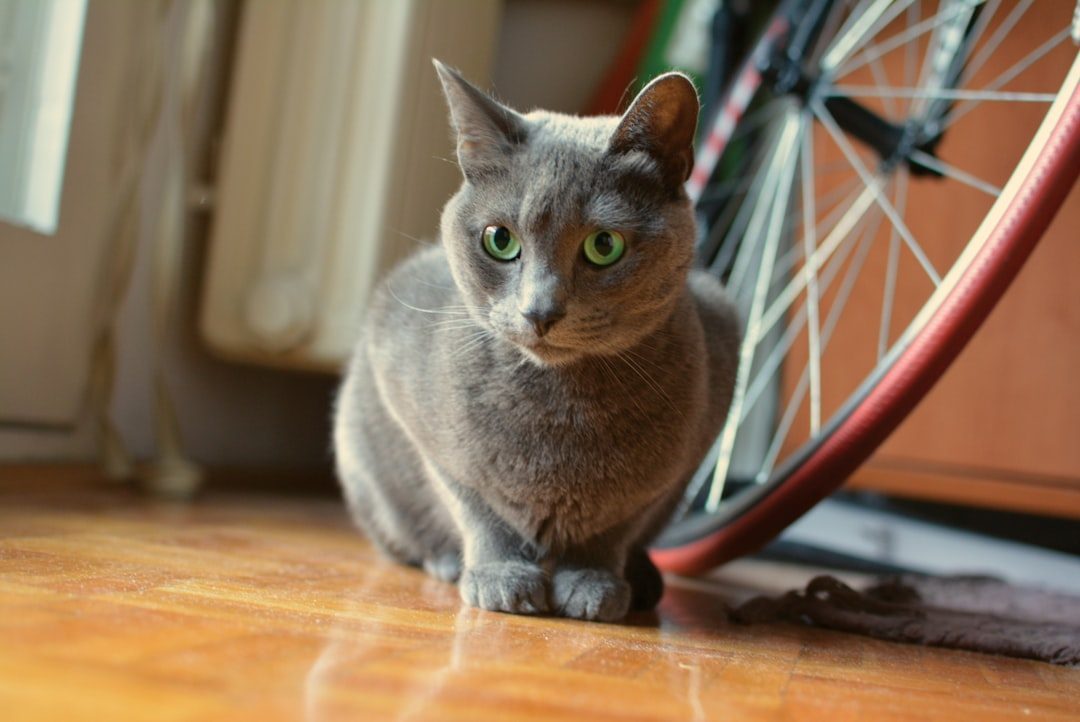
The Russian Blue possesses an almost regal elegance with their shimmering silver coat and bright green eyes. Russian Blue cats are great for senior households with low activity, and though not especially active, the Russian Blue can get along well with other cats, dogs, and children, but prefers to be close to its one human companion. That’s incredibly special for someone living alone.
The Russian Blue is described as a quiet but loving breed that likes to be close to their owner but is not an energetic, clingy animal that requires a lot of attention. They’re also fantastic for women who might have mild allergies, as they produce fewer allergens than many other breeds. Their independent yet affectionate nature means they’ll provide companionship without being overwhelming. Plus, their grooming needs are minimal, requiring only weekly brushing.
6. The Playful Yet Calm Burmese
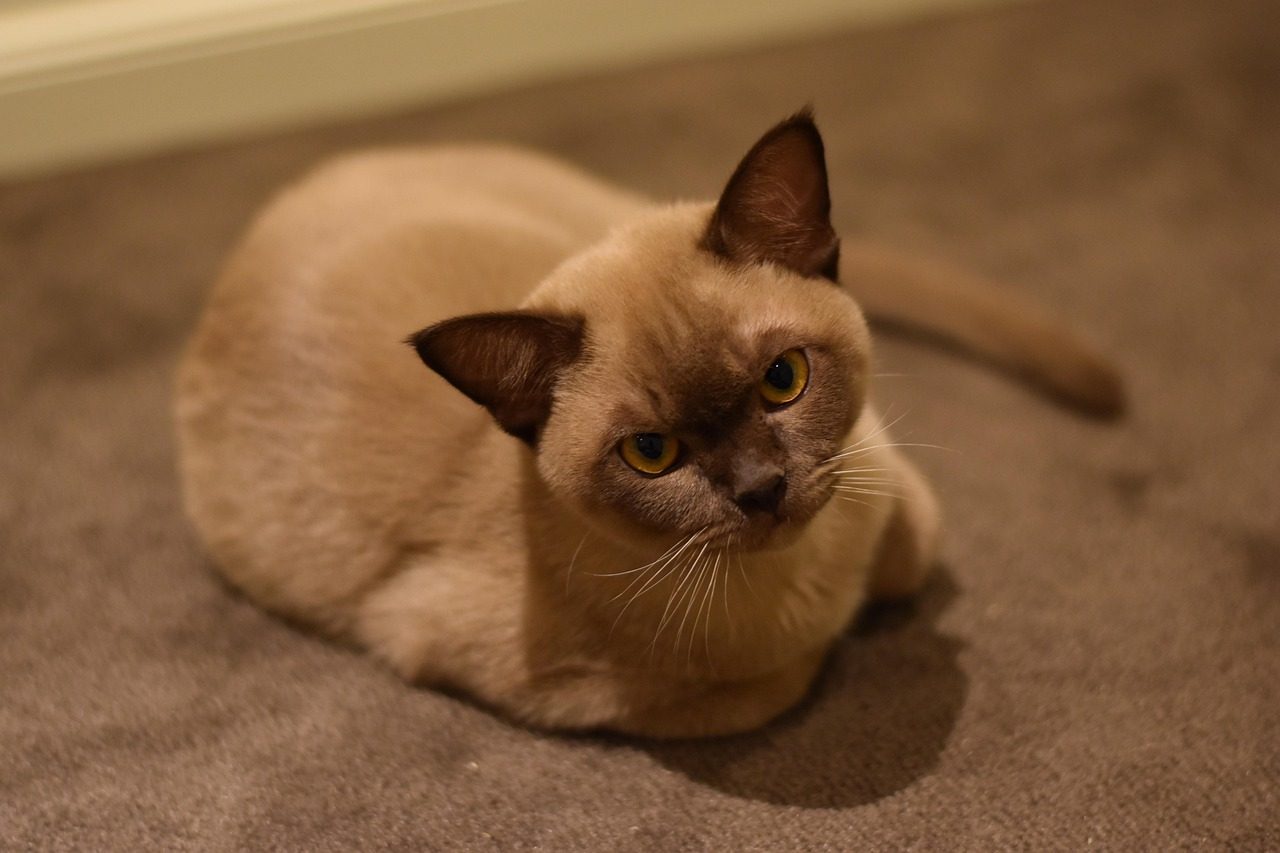
Burmese cats are affectionate and sociable, making them a joy to have around. These cats form remarkably strong bonds with their owners and often become deeply devoted companions. Their sleek coats and expressive eyes give them a distinctive appearance.
What makes Burmese cats particularly suitable is their balanced temperament. Burmese cats are a common cat breed due to their friendliness and love for human companionship, perfect for those looking for a loyal cat that will accompany them anytime. They’re playful without being hyperactive, and they genuinely enjoy human company. Their short coats require minimal grooming, just occasional brushing to keep them looking their best. If you’re someone who enjoys interactive companionship but doesn’t want an overly demanding pet, the Burmese offers wonderful middle ground.
7. The Charming Scottish Fold
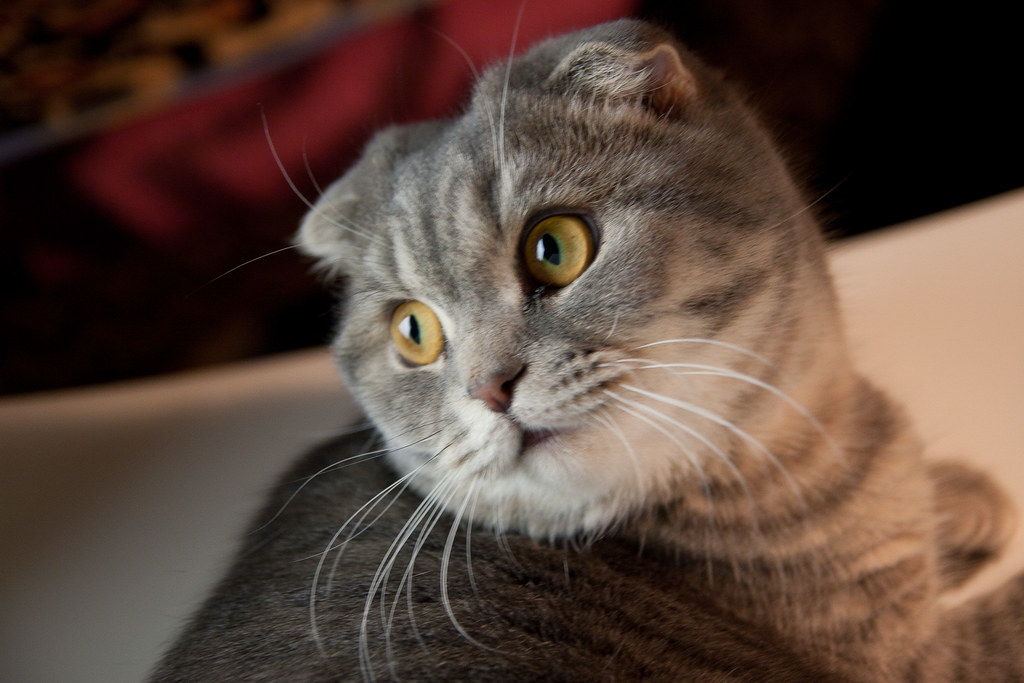
The Scottish Fold is a calm, well-mannered breed that isn’t very vocal which makes care easy. Their distinctive folded ears give them an unforgettably adorable appearance that’s hard to resist. These cats possess gentle, easygoing personalities that make them fantastic companions.
Because of the breed’s gentle nature, it’s a breeze to care for one. Scottish Folds love being near their humans, often curling up on laps or sitting quietly beside you. They won’t sprint around your house looking for trouble. While they won’t sprint around your house to find something to play with, you can still attract them with a little daily activity whenever you’re in the mood. This breed requires only weekly brushing, but their calm demeanor makes grooming sessions pleasant and stress-free.
8. The Sociable American Shorthair
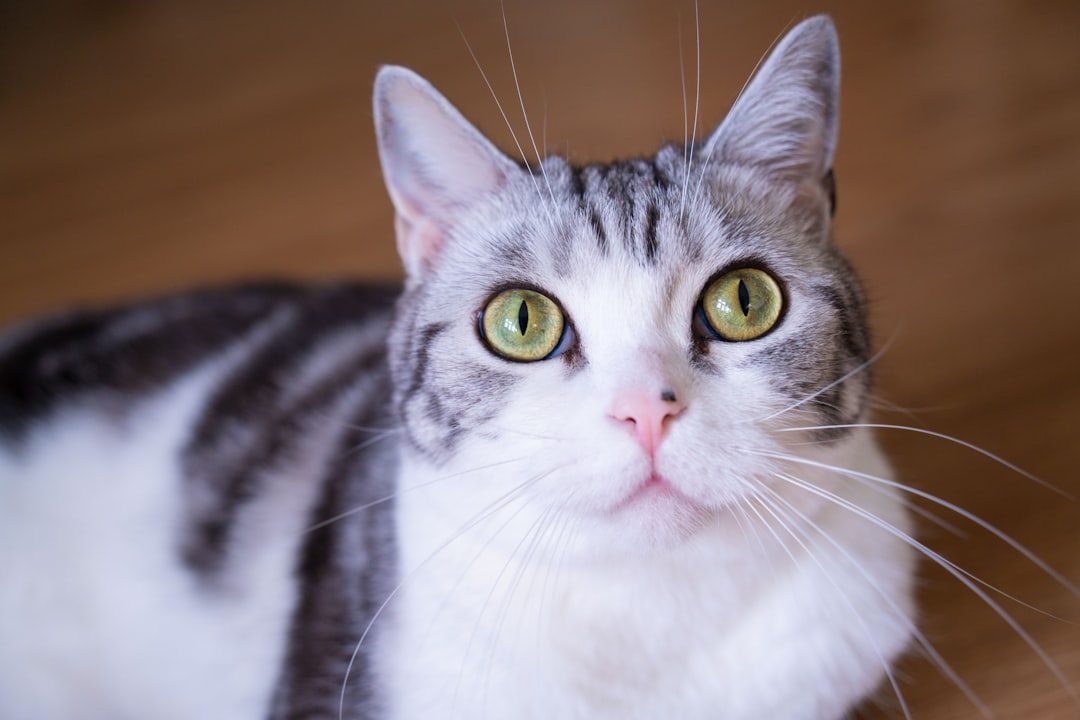
The American Shorthair is a brilliant choice for seniors as their long lifespan means most reach between 15 and 20 years, they’re an affectionate and cuddly breed with a friendly nature, and they’re very adaptable, patient, and tolerant. That longevity means you can enjoy many wonderful years together.
The American Shorthair is both an affectionate and independent cat breed, a solid option for any age group because it can be left at home for several hours without causing trouble. Their short coats require only weekly brushing, making them incredibly low maintenance. These cats strike a perfect balance between playfulness and calmness, offering companionship that adapts to your daily rhythm. If you have grandchildren who visit regularly, this breed’s patient and tolerant nature makes them an especially good choice.
Conclusion
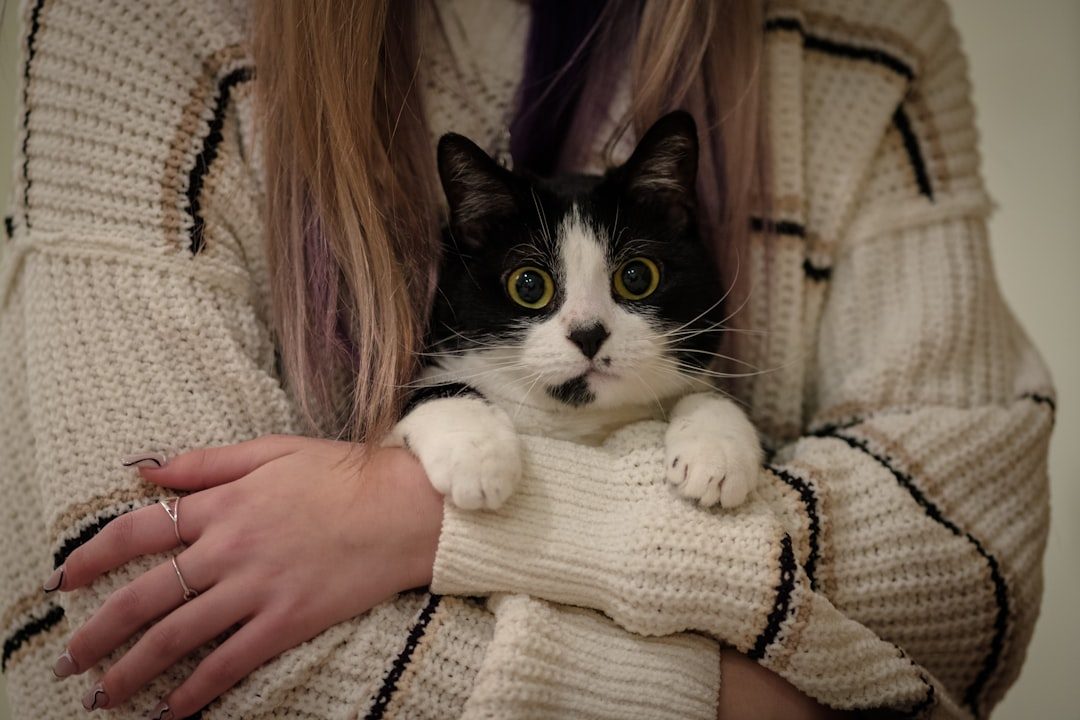
Choosing the right cat breed can genuinely enhance your quality of life during your senior years. Each of these eight breeds offers something special, whether it’s the British Shorthair’s independence, the Ragdoll’s devotion, or the Russian Blue’s quiet companionship. The key is finding a feline friend whose temperament matches your lifestyle and energy level.
Remember that while breed characteristics provide helpful guidance, every cat has their own unique personality. Take time to meet potential companions before making your decision. The right cat will feel like a natural fit, offering you comfort, joy, and unconditional love without overwhelming demands. What qualities matter most to you in a feline companion?