You bring home a gorgeous, silky-furred feline, expecting cozy evenings on the couch. Instead, you return from work to find your curtains shredded, your bookshelf swept clean, and a suspicious wet patch on the carpet. Sound familiar? The truth is, not all cats are created equal when it comes to coping with boredom. Some breeds have such powerful minds, hunting instincts, and social needs that an unstimulating environment genuinely drives them to chaos.
Activity levels in cats are shaped by genetics, environment, and natural instincts, and some breeds were historically hunters or explorers. Active cats typically have sharp intelligence, strong curiosity, and a deep desire to engage with their surroundings. Without enough physical and mental activity, these cats can become bored, restless, or destructive. If you own or are thinking of adopting one of the eight breeds below, this article may save your furniture. Let’s dive in.
1. Bengal: The Miniature Leopard With a Demolition Crew’s Energy
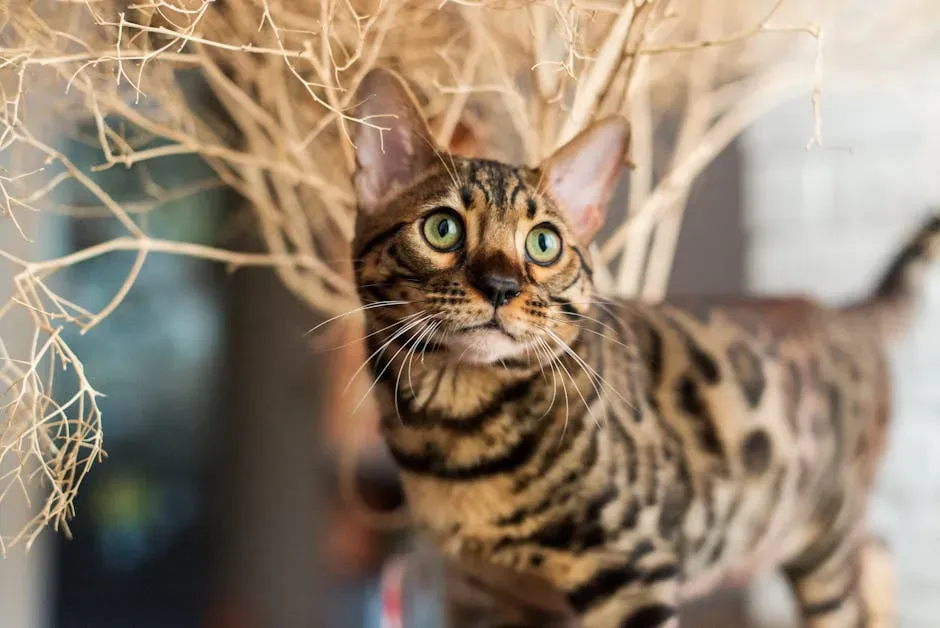
Let’s be real – the Bengal cat is not a cat for the faint-hearted or the frequently absent owner. The Bengal cat resembles a miniature leopard with its stunning spotted coat and muscular build, and these cats are natural athletes who need plenty of space to run, climb, and play. Their wild ancestry makes them incredibly active and adventurous. When you look at one of these cats prowling around your kitchen counter, it honestly doesn’t take much imagination to picture a leopard on the savanna.
Their playful feline nature means they need a lot of mental and physical stimulation, and without enough enrichment games, Bengals can develop destructive behaviors. They thrive in homes with lots of interactive toys, scratching posts, and puzzle toys. Their destructive behaviors often come from a lack of exercise or inadequate stimulation, and these cats crave excitement – they will become destructive or reactive if confined to a boring environment. In other words, a bored Bengal is essentially a wrecking ball in a leopard-print coat.
2. Siamese: The Vocal Drama Queen Who Makes You Pay for Neglect
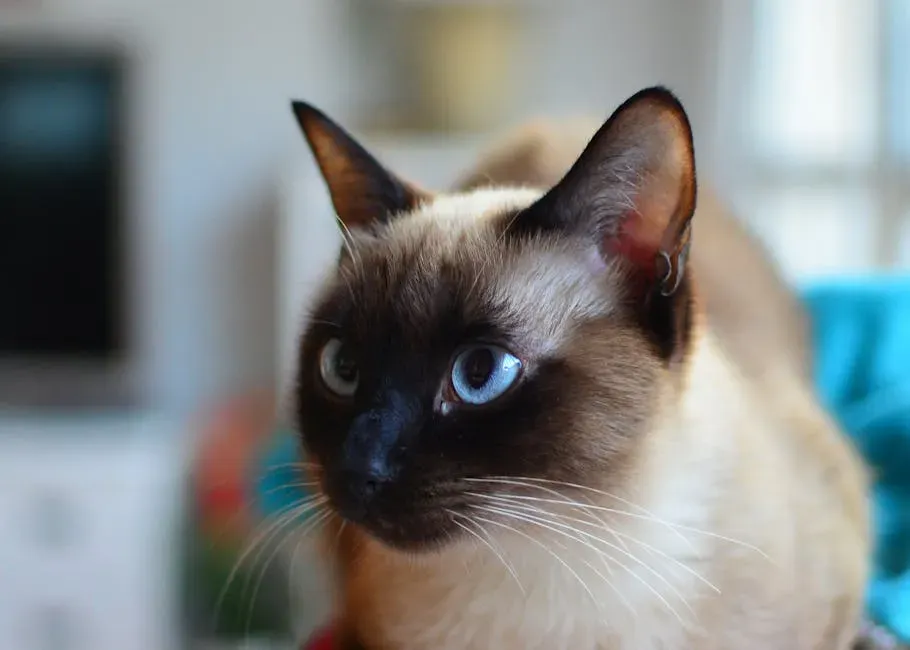
If you have ever lived with a Siamese cat, you already know what’s coming. Siamese cats are energetic, playful, and extremely social. They enjoy interactive games and are known for following their owners around the house. Siamese cats often combine high activity with strong emotional attachment, and their intelligence keeps them engaged and constantly looking for stimulation. Think of them as that one friend who texts you every thirty minutes just to feel connected.
Unlike some other breeds, Siamese cats don’t enjoy being left alone for long periods, and if ignored, they may act out by swatting, biting, or howling incessantly. Honestly, the Siamese is famous for making its displeasure loudly and dramatically known. Fail to provide them with the attention they seek, and your Siamese will turn to destructive behaviour, such as knocking things down, scratching furniture, or urinating all over your home. You have been warned.
3. Abyssinian: The Relentless Explorer Who Never Stops
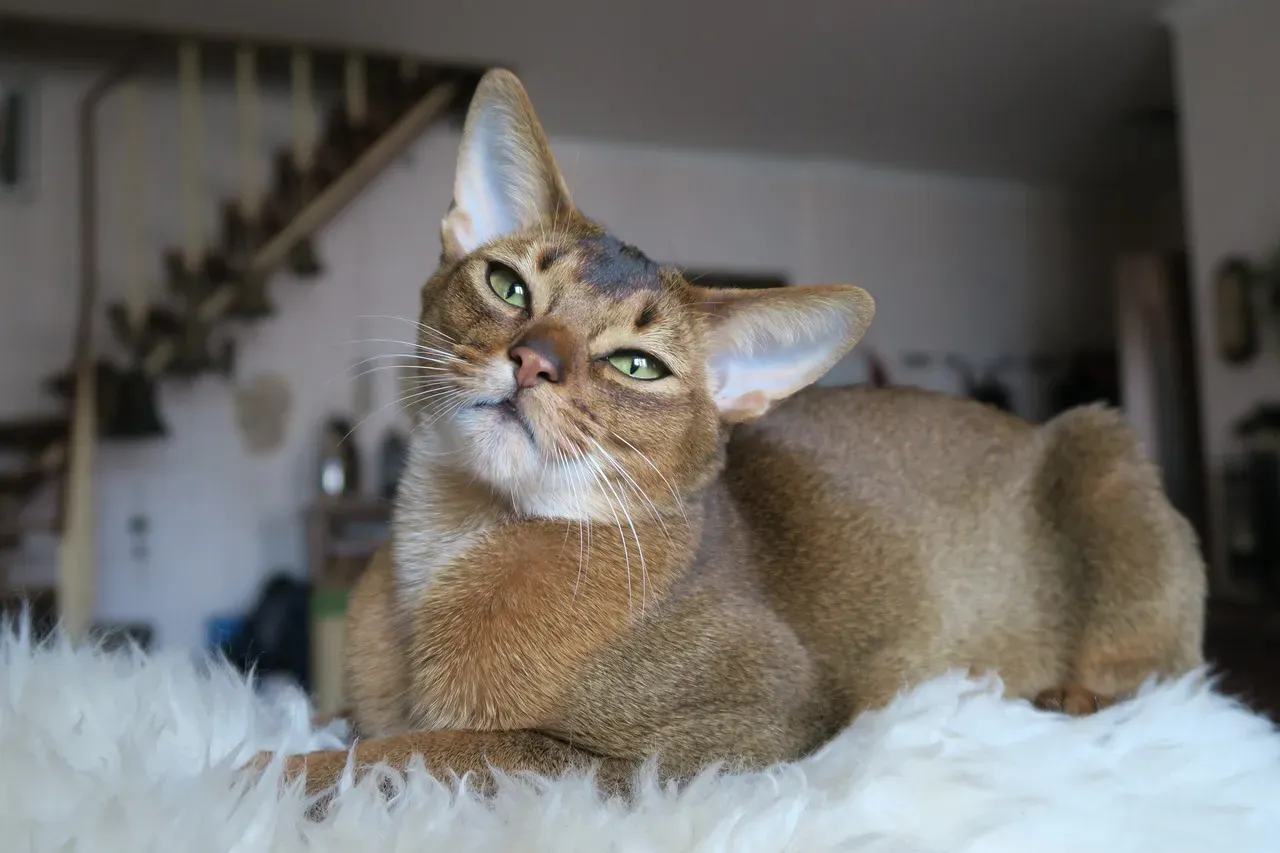
The Abyssinian is one of the most playful and energetic cat breeds, always ready for an adventure. With their elegant, muscular build and ticked coat, they resemble small wild cats found in the great outdoors. Watching an Abyssinian move through a room is a little like watching a pinball machine in action. Everything gets touched, explored, and inevitably knocked off its shelf.
Abyssinians are known for their energetic and playful personalities, and they require plenty of exercise and mental stimulation to prevent boredom and destructive behavior. They thrive on activity and will often initiate playtime or demand attention from their owners. As one of the oldest known cat breeds, Abyssinians have an independent streak and a curious mind that sometimes clashes with household harmony, and their aggression often stems from frustration, boredom, or a lack of attention from their human companions. The takeaway? Keep this one busy, or your home decor will suffer.
4. Sphynx: The Naked Attention-Seeker With Unlimited Energy
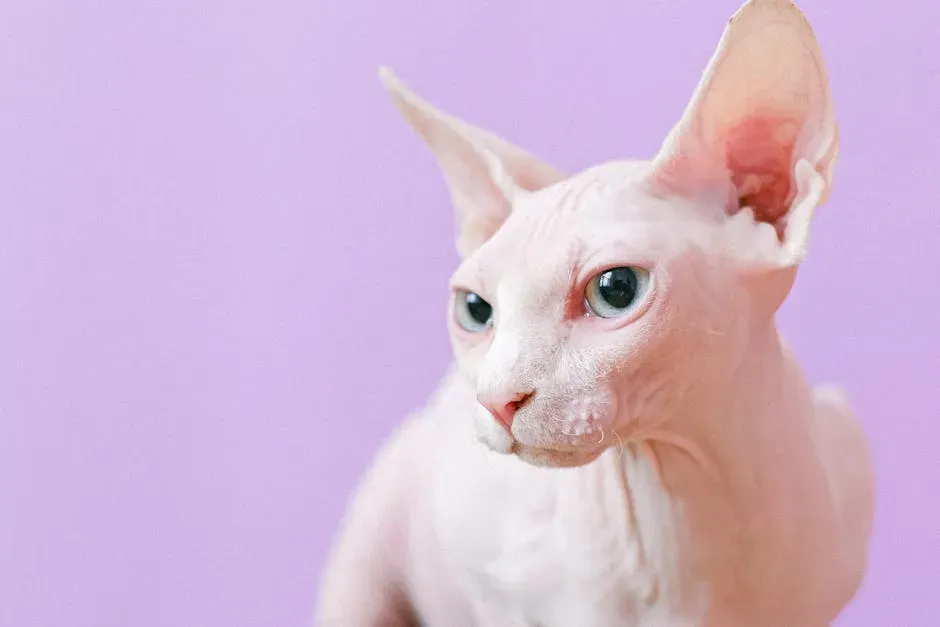
You might think a hairless cat would be a calm, delicate little thing. You would be spectacularly wrong. Sphynx cats are extremely energetic and will want to play with you all day and night long. Having plenty of activities for your Sphynx will ensure that they get all the exercise they need in a day. They will want to climb on a cat tree, chase mice on a string, and play directly with their humans – and they have a mischievous side that means they might run around causing trouble if you don’t give them enough stimulation throughout the day.
Despite their strange looks, Sphynx cats are extremely energetic and will want to play with you constantly. Their hairless appearance might suggest they’re delicate or aloof, but that couldn’t be further from the truth. These are some of the most playful, attention-seeking cats you’ll ever meet, and they will want to climb, chase, and play directly with their humans. I think of the Sphynx as a highly intelligent toddler who never naps. Cute, affectionate, and utterly capable of dismantling your life if left unsupervised too long.
5. Cornish Rex: The Acrobat That Turns Boredom Into a Home Renovation Project
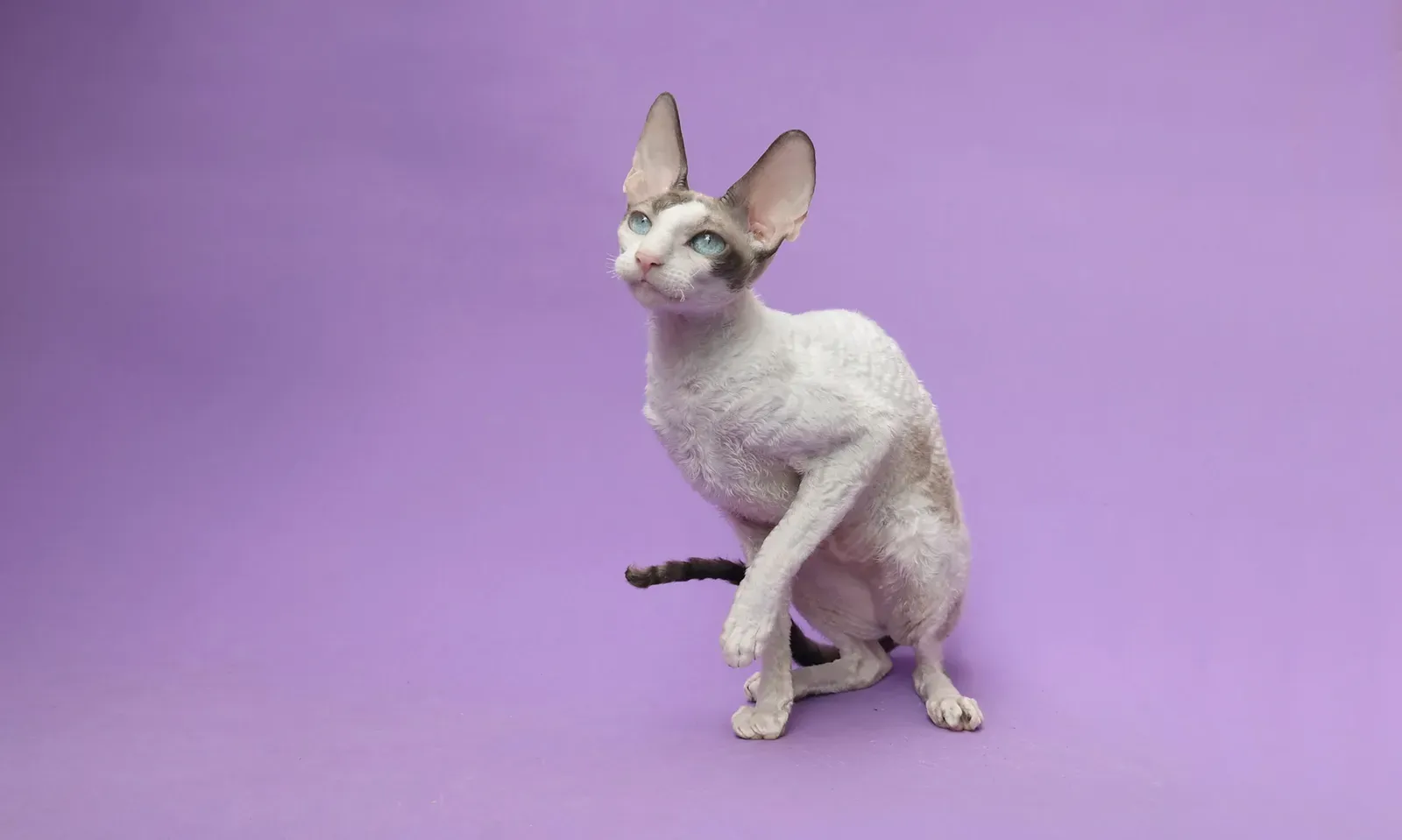
The Cornish Rex is a bundle of energy wrapped in a sleek body. This breed loves running, jumping, and performing acrobatic moves. Cornish Rex cats remain playful well into adulthood and enjoy learning tricks, and their high metabolism and curiosity keep them constantly on the move, making them one of the most active domestic cat breeds. Picture a tiny, velvet-coated gymnast who has decided your living room is an obstacle course. That’s daily life with a Cornish Rex.
This breed is extremely high-energy, curious, and playful. They thrive on attention and fun brain games for cats. If left alone for extended periods, this rambunctious kitty is at risk of suffering from separation anxiety or distress caused by boredom. These cats like to get up as high as possible, so having cat trees and shelves available can save your precious knick-knacks from being pushed off mantles. If you value your ornaments and your sanity equally, the Cornish Rex demands your proactive attention.
6. Maine Coon: The Gentle Giant With a Surprisingly Destructive Side
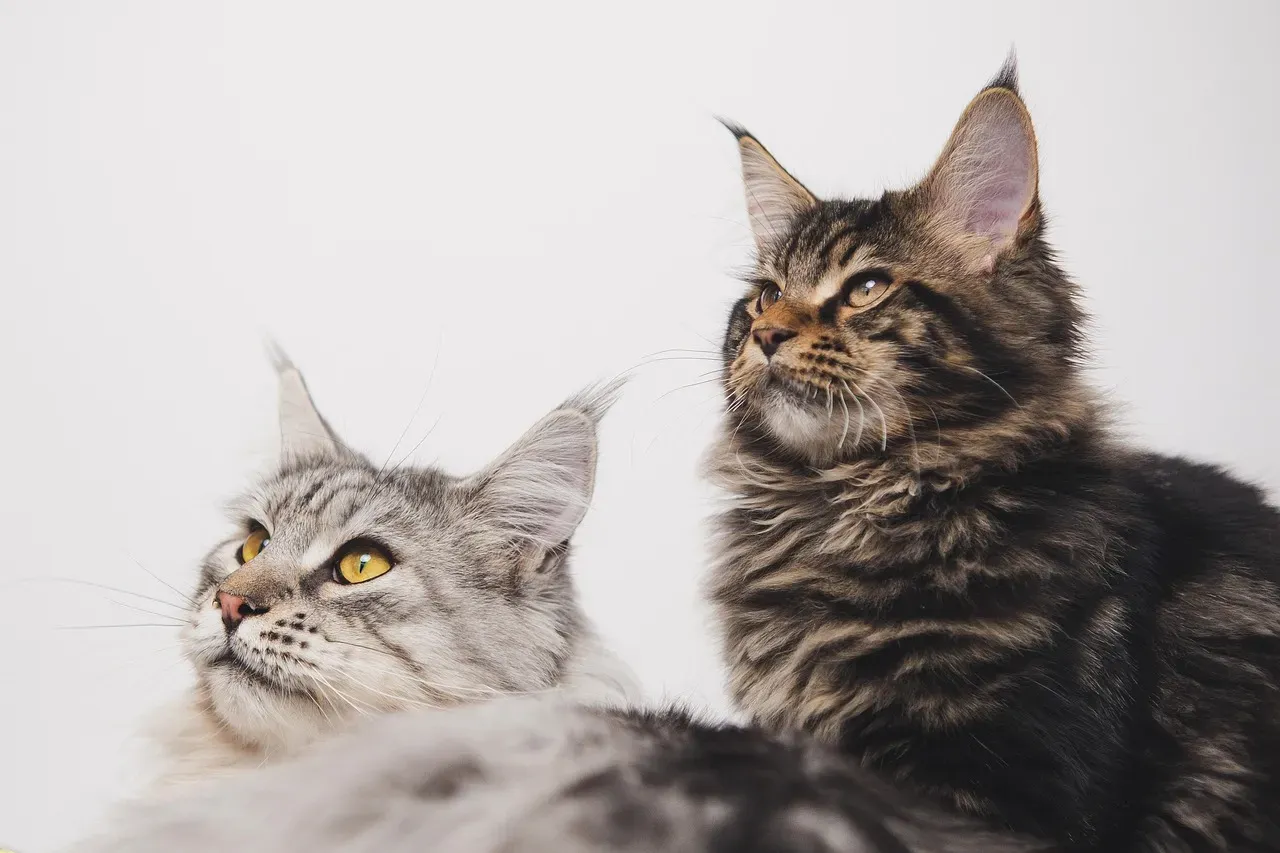
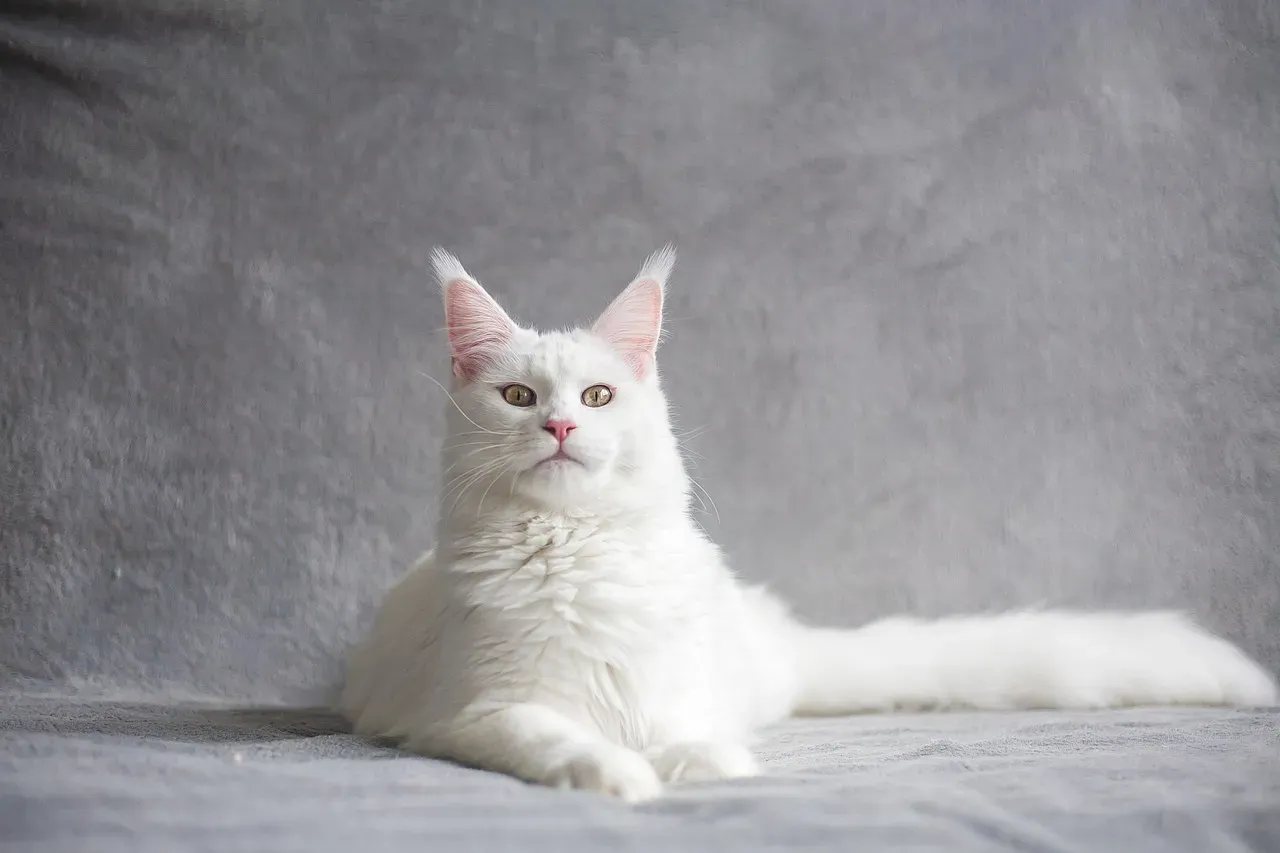
People often describe the Maine Coon as the “dog of the cat world” due to its friendly, sociable personality. What they sometimes forget to mention is that this enormous, tufted feline also needs constant engagement to stay out of trouble. Because Maine Coons are large, intelligent, slow to mature, and highly social, boredom escalates faster than with many smaller or more laid-back breeds.
If they lack enough mental and physical stimulation, Maine Coons could resort to destructive behavior, such as wire chewing or knocking things over. Rotating toys, providing climbing structures, and entering into daily play sessions stop boredom-inspired destruction. Maine Coon behavior problems often include excessive or inappropriate scratching due to their powerful claws and natural instincts, and their large size makes their scratching particularly destructive. When a Maine Coon decides your couch is a scratching post, you will feel it in both your heart and your wallet.
7. Burmese: The People-Obsessed Cat That Unravels Without Company
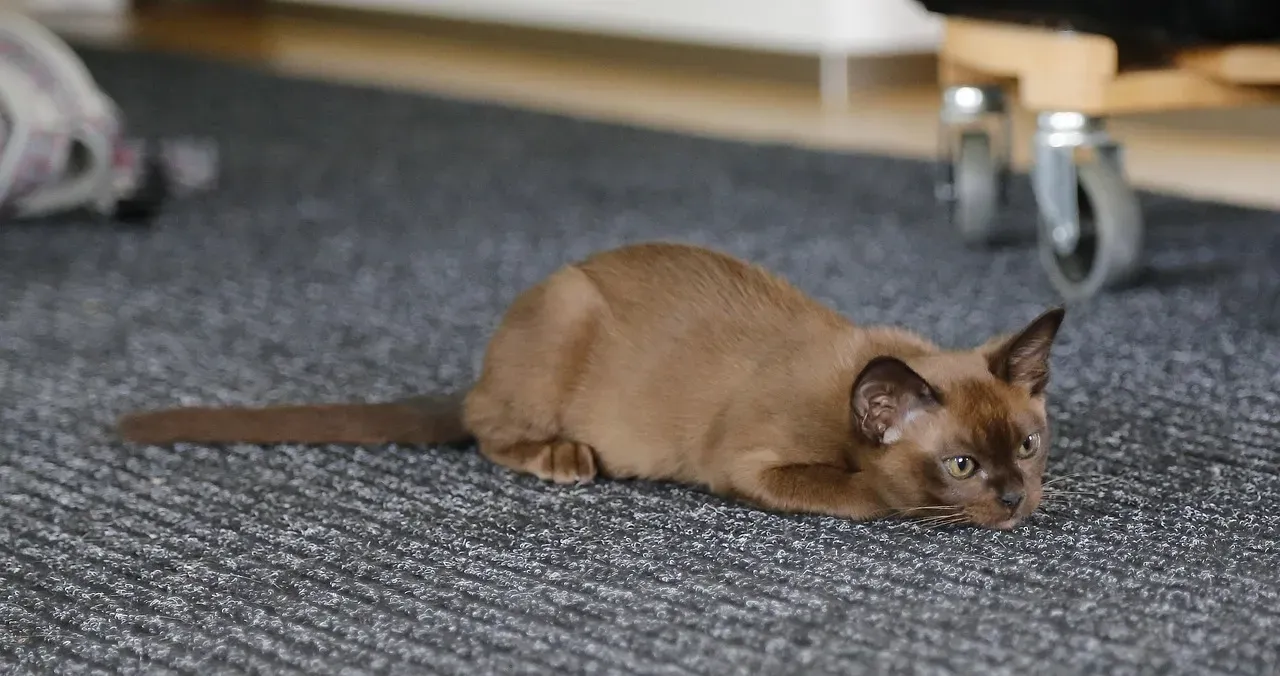
Here’s the thing about Burmese cats – they are so deeply attached to human company that solitude genuinely distresses them. Because the Burmese cat is so energetic and playful, you’ll need to commit to more time spent engaging in mentally stimulating puzzles and physical activity. You won’t just be lounging around with a Burmese – you’ll need to help entertain them and give them play options. With cat trees, scratching posts, and plenty of toys, your Burmese will easily fill their downtime that they would otherwise devote to mischief-making.
The Burmese cat fully expects to be in charge of the house and will become involved in whatever you happen to be doing. That domineering personality, combined with a high need for stimulation, is a recipe for a very turbulent household when left unchecked. Some breeds like Siamese and Burmese cats may be more prone to certain compulsions like wool-sucking, so it’s important to work with your vet to properly diagnose this behavior. Chewing on fabric and textiles is a real boredom-driven issue with this breed. Keep your cashmere sweaters well out of reach.
8. Savannah: The Part-Wild Cat That Cannot Be Contained by Boredom

The Savannah is arguably the most extreme entry on this list, and it isn’t hard to see why. A hybrid of the domestic cat and the wild African serval, this breed carries a level of energy and curiosity that borders on feral when unstimulated. Given their unique genetics, plus their curious and brainy nature, Savannah cats need plenty of space and stimulation to avoid unwanted destructive behaviors, such as furniture scratching and knocking things over. Living with an under-stimulated Savannah is a little like co-renting an apartment with a mini cheetah who has serious opinions about your belongings.
Savannah cats are known for their high energy and need lots of stimulation. These cats might follow you around the house and are very curious and smart. Breeds developed for hunting or with recent wild ancestry often carry stronger prey drive, sharper reflexes, and higher territorial instincts, and when owners fail to match these traits with proper care, conflict follows. The Savannah is not a breed you choose casually. It is a breed you commit to, fully and enthusiastically, or it will redecorate your home without your permission.
Final Thoughts: Know Your Cat, Save Your Home
Every single breed on this list is remarkable in its own right. Intelligent, affectionate, dynamic, entertaining – these cats are genuinely extraordinary companions. The problem is never the breed itself. It’s the mismatch between what the cat needs and what the owner is prepared to provide.
Active cat breeds need more than just food and affection. They require daily playtime, interactive toys, climbing structures, and mental challenges. Puzzle feeders, rotating toys, and scheduled play sessions help prevent boredom. A stimulating environment keeps these cats happy, healthy, and well-behaved. Think of it like this: a high-performance sports car left in a garage for months doesn’t just rust quietly. It deteriorates in very visible and expensive ways.
The good news? Every destructive behavior on this list is preventable. With the right environment, consistent play, and genuine companionship, these “difficult” breeds become your most loyal, fascinating, and downright entertaining housemates. So, if your cat is currently eyeing your curtains with that particular gleam in their eye, maybe it’s time to ask yourself – when did you last give them something worthwhile to do?