You might think choosing a cat breed is just about picking the prettiest face or the fluffiest tail. It’s really not that simple, though. Here’s the thing: certain feline breeds carry wild ancestry, explosive energy levels, and behavioral traits that can transform your cozy studio into absolute chaos if you’re not prepared. Honestly, the conversation around cat breeds goes way beyond simple identification or aesthetic preferences.
Understanding breed characteristics matters deeply, especially when you’re living in limited square footage. Some cats are practically wired to climb, hunt, sprint, and vocalize at volumes that’ll have your neighbors complaining within days. This isn’t about being anti-cat. It’s about respecting what these animals actually need to thrive. Let’s be real: ignoring breed temperament is setting yourself up for scratched furniture, sleepless nights, and one very frustrated feline. So let’s dive into the breeds that might struggle most when apartment walls close in around them.
Bengal: The Wild Child Who Never Stops
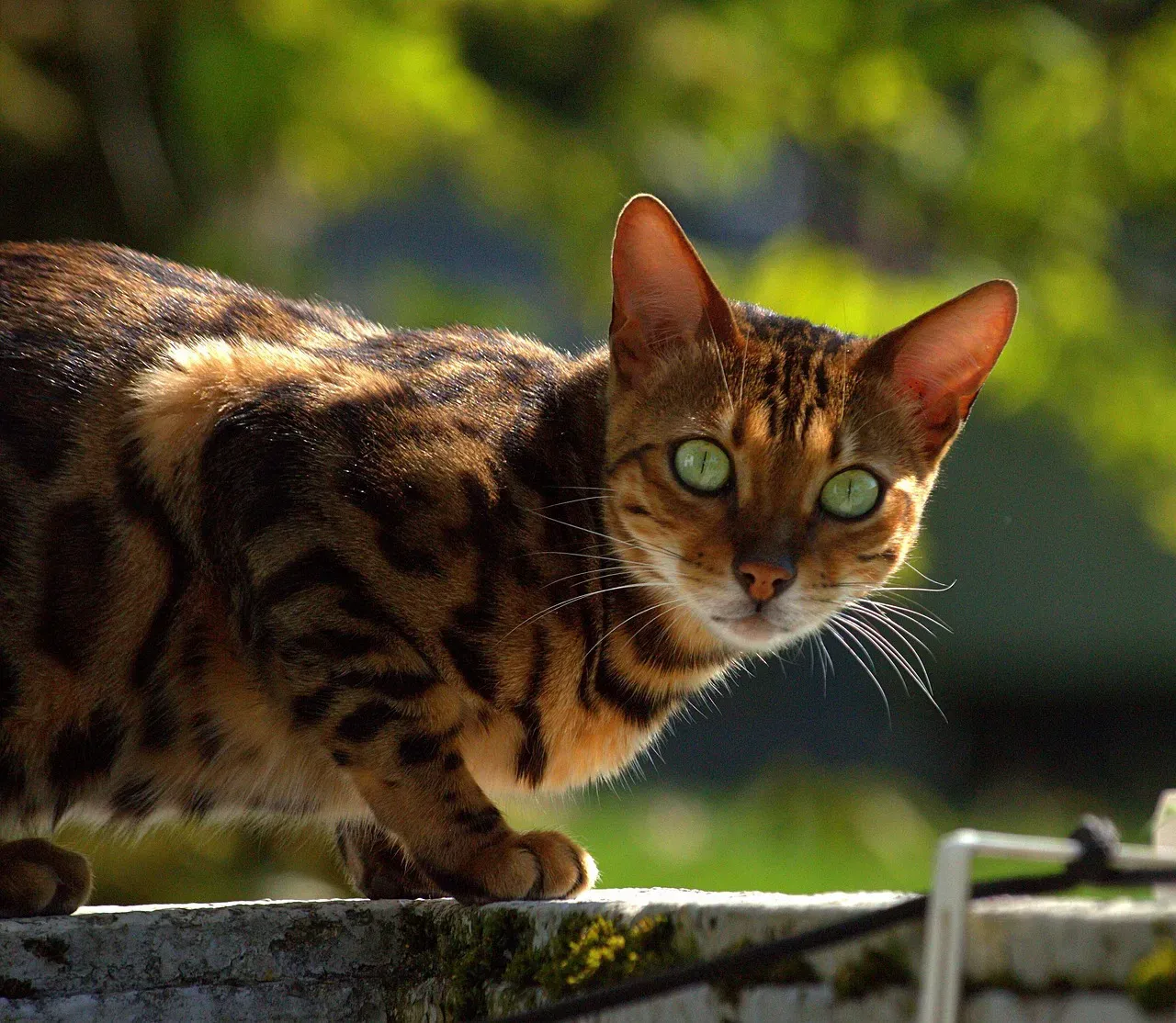
Bengals are known for being too energetic for smaller spaces and can be quite vocal, which might cause problems in an apartment block if the walls or floors are thin. These stunning spotted cats descended from wild Asian Leopard Cats, and that heritage shows in every bounce, leap, and midnight sprint across your living room. They love water and might even join you in the shower, and they need plenty of space to run and play with their high energy levels.
Think you can tire them out with a ten-minute play session? Think again. Cats with high energy need a way to expel this energy, and anyone who brings a Bengal into their home needs to be committed to exercising it daily. Without proper outlets, they may become destructive if they grow bored. When upset because of a lack of attention, they could show unwanted behaviour such as peeing outside the litter box, and they have a very high energy level and want to play and cuddle with you a lot. In an apartment, this becomes a recipe for disaster unless you’re willing to invest in cat wheels, vertical climbing spaces, and multiple daily exercise sessions.
Savannah: The Exotic Diva Demanding Space
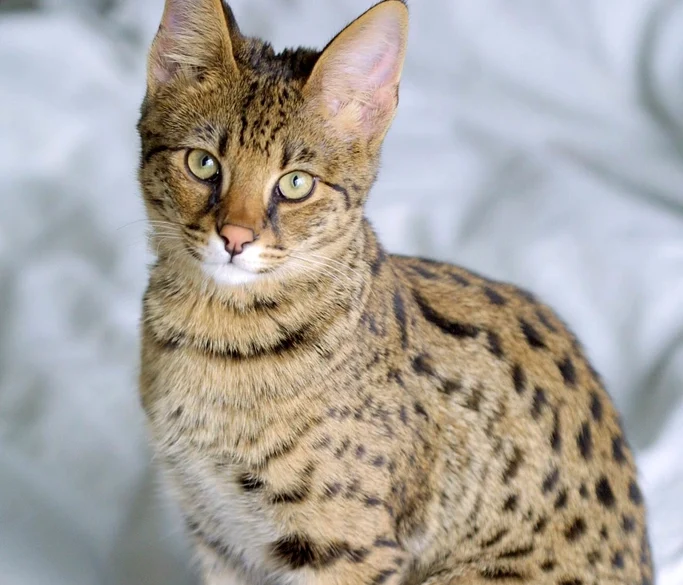
Savannah cats, with their exotic look and energetic temperament, require more space than most domestic breeds, and they love to climb and explore, so apartments can be challenging for them if they lack opportunities to move around freely. These cats carry Serval genetics, making them one of the most athletically gifted domestic breeds you’ll encounter. Their long legs weren’t designed for sitting pretty on your windowsill.
They’ve got long legs and spotted coats, and they’re crazy smart – a lot of them will play fetch or even walk on a leash, and they definitely need space and stimulation. The intelligence is both blessing and curse. A bored Savannah will open cabinets, unscrew water bottles, and generally turn your apartment into their personal puzzle to solve. Savannahs can be territorial, which adds another layer of complexity if you’re in tight quarters. Unless you’re prepared to essentially catify your entire apartment with climbing structures and dedicate hours to interactive play, this breed will likely struggle.
Siamese: The Chatty Attention Seeker
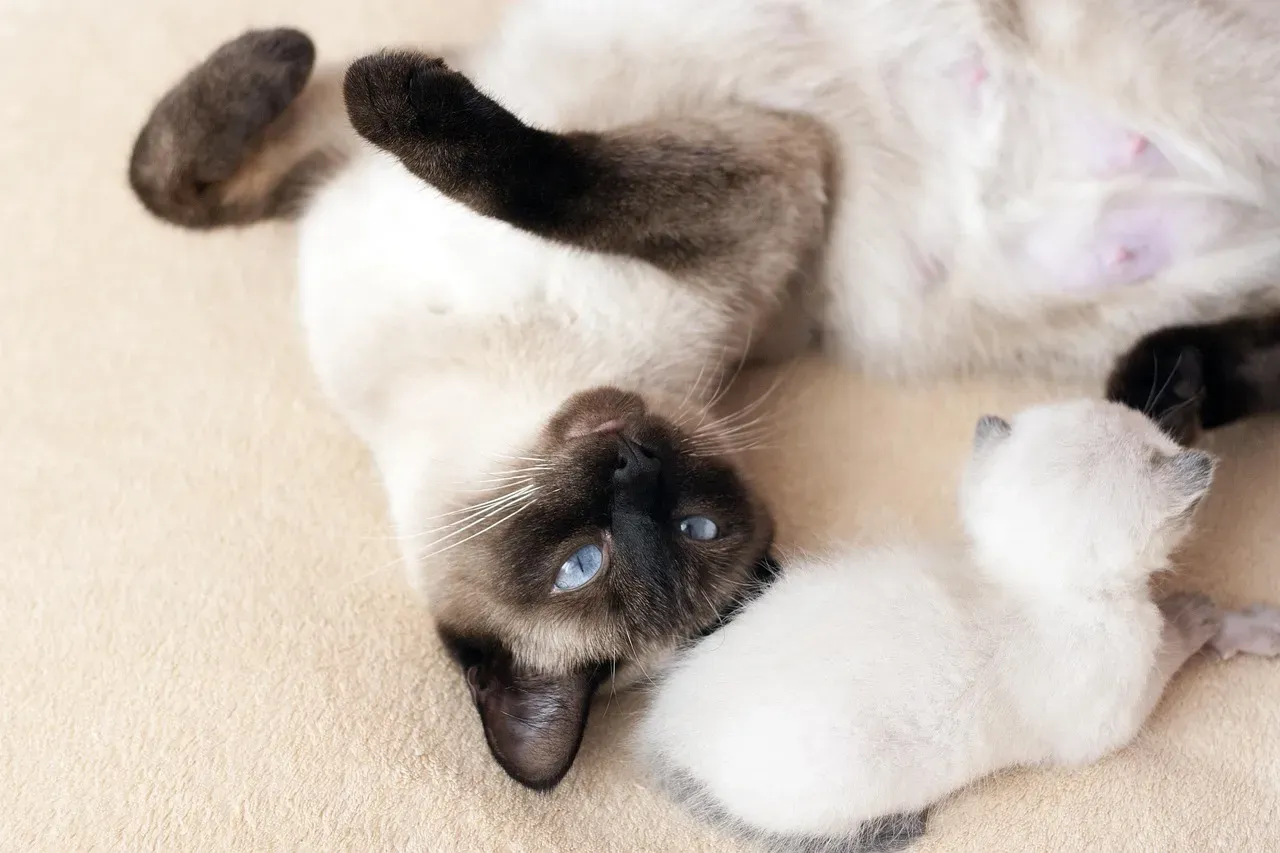
Let me tell you, if you value peace and quiet, the Siamese might not be your ideal roommate. They possess loud, distinctive voices used frequently throughout the day to express opinions, demands, and desires, and their vocalizations can be startling, resembling human baby cries in volume and urgency. Imagine trying to take an important work call while your cat literally screams in the background.
Siamese are all a bit too energetic for smaller spaces, and can be quite vocal, which might cause problems in an apartment block if the walls or floors are thin. They need stimulation to prevent destructive behaviors born from boredom. The vocalization alone makes them challenging for apartment living, but combine that with their need for constant interaction and mental engagement, and you’ve got a cat that demands your full attention. Siamese cats struggle with extended alone time, potentially developing separation anxiety or destructive behaviors. If you work long hours away from home, this breed might turn your apartment into an anxiety-fueled mess.
Abyssinian: The Perpetual Motion Machine
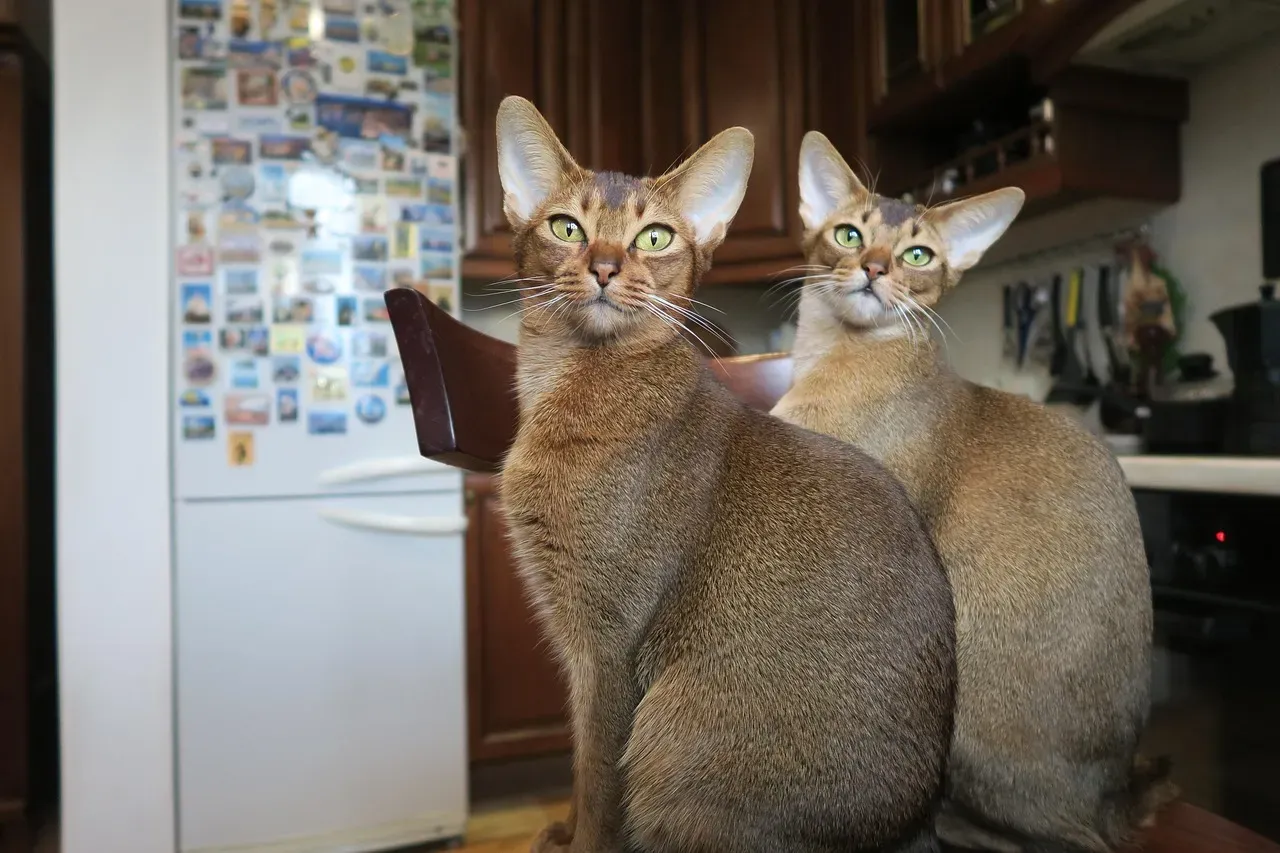
Abyssinians are often called the athletes of the cat world. These cats simply don’t understand the concept of “chill.” They are a friendly and inquisitive breed that doesn’t tend to sit in one place for too long, and they need regular enrichment, such as hunting games or interactive toys, and space to climb and jump in order to thrive.
Abyssinians are active, curious, and very intelligent, and they can live in apartments if they have enough stimulation and vertical spaces, but they need lots of physical and mental activity. Without adequate space and enrichment, these cats will invent their own entertainment, which usually involves knocking things off shelves at three in the morning. They are full of energy and joy, and their personalities are rarely on off-mode. In a small apartment, that boundless energy has nowhere to go except straight into your carefully arranged decor. The constant need for stimulation makes them exhausting companions for apartment dwellers who can’t provide extensive vertical territory and daily interactive sessions.
Turkish Van: The Athletic Water Lover
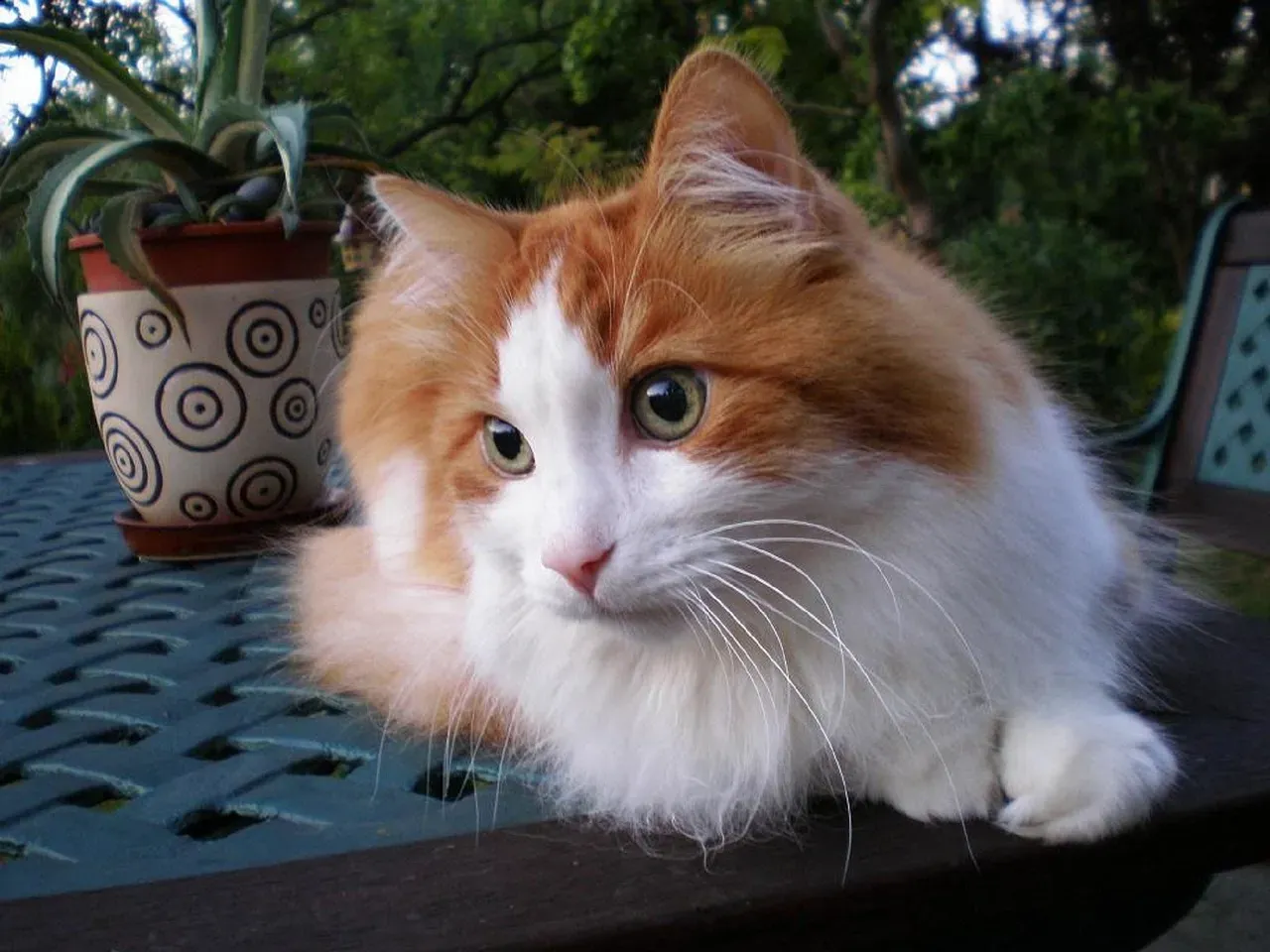
Turkish Vans need plenty of space to thrive, and these active and adventurous cats enjoy climbing, running, and playing, so a larger living space is ideal for them. These muscular cats weren’t bred for lounging. While they can live in apartments, they need access to vertical climbing areas and areas to explore, and they are particularly playful and curious, requiring an environment that offers space to engage in their energetic play and love for water activities.
Their fascination with water sets them apart from most cats, which sounds charming until you realize they might turn on your faucets or splash around in their water bowl, creating puddles across your floor. The breed’s high activity level means they need significant room to run and jump. Both are very energetic and require constant care and commitment, and their similar characters need constant activity and love. In an apartment setting, that translates to needing extensive catification, multiple cat trees, and owners willing to provide structured playtime multiple times daily. Without proper outlets, frustration builds quickly.
Maine Coon: The Gentle Giant Needing Room
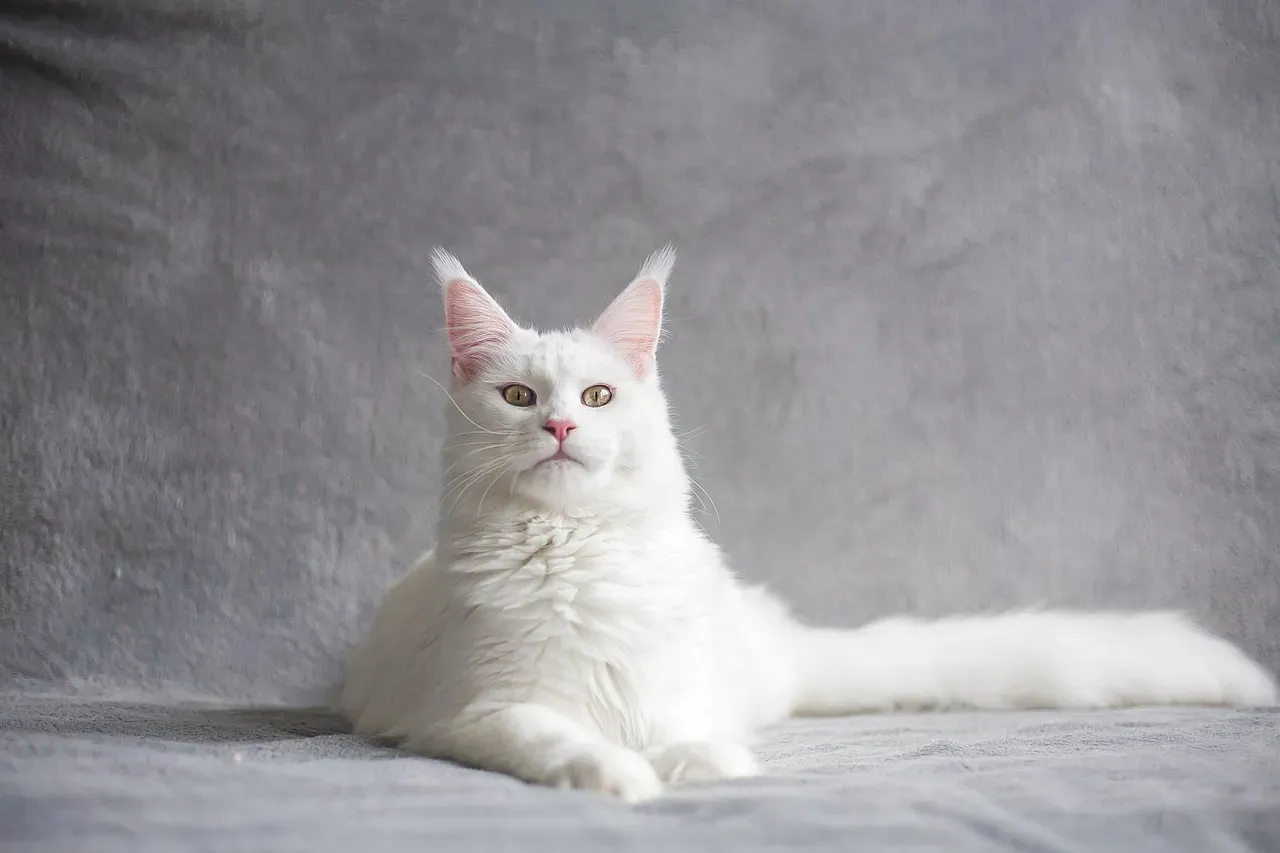
Wait, you might be thinking. Aren’t Maine Coons supposed to be good apartment cats? Well, it’s complicated. Maine Coons might take up more visual space than the average cat due to their fluffy tails and robust bodies, and these active cats appreciate ample room to move and bounce around. The sheer size matters more than people realize.
Maine Coons are large cats and need room to move around, so make sure your apartment has enough space for your cat to play, climb, and run. They can weigh up to 25 pounds, and when they’re zooming through your apartment, that’s considerable mass and momentum. They need a bit of room to run and stretch their long bodies, so small apartment living can be rough, but with some tall cat trees, it can be managed. While their temperament is generally calm and they adapt better than some breeds, the physical space requirements can’t be ignored. A studio apartment with a Maine Coon means sacrificing significant floor space to cat furniture, and their playful nature demands regular engagement despite their laid-back reputation.
Ocicat: The Active Explorer
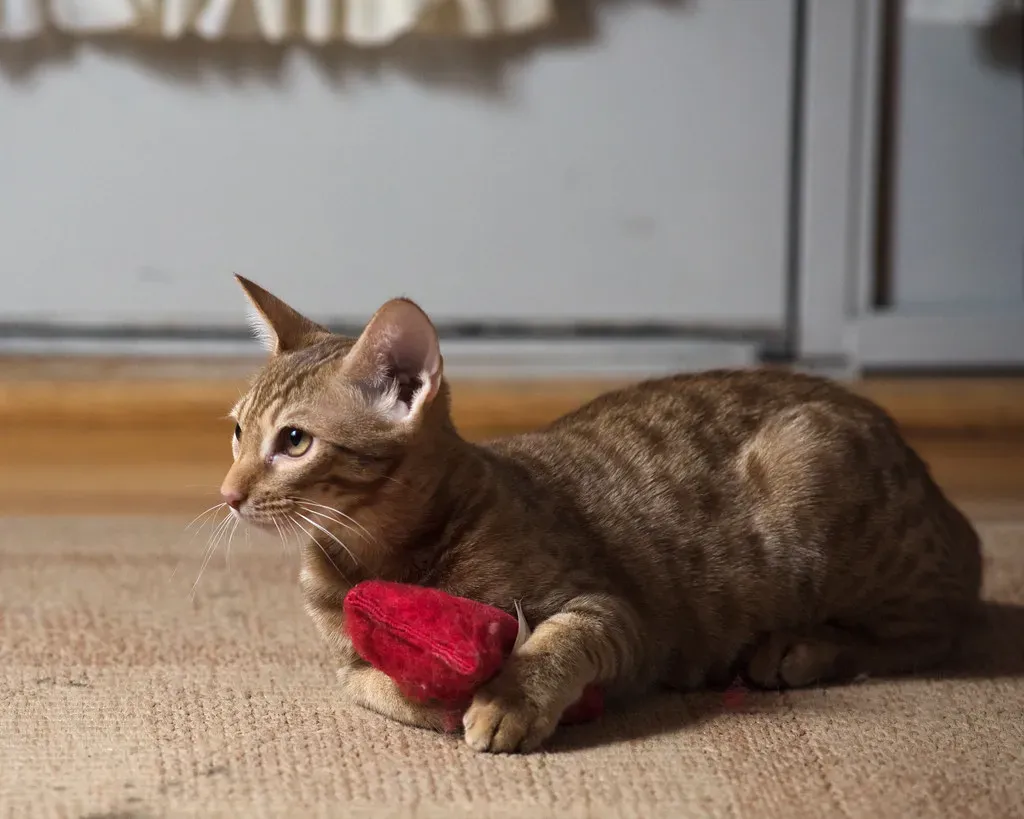
Despite their wild appearance, Ocicats are domesticated cats that require more room to roam than most apartment-friendly breeds, and they are active and love to climb, jump, and explore their environment, and they thrive in homes with plenty of space or vertical climbing structures. These spotted beauties carry a deceptive level of energy beneath their muscular frames.
Ocicats look like tiny wildcats, but they’re actually super friendly, and they’re confident, love to play, and are easy to train, and some even fetch. That trainability and intelligence mean they need constant mental challenges. Without adequate space and stimulation, they can become bored or anxious. Their social nature and extroverted personality make them wonderful companions, but in cramped quarters, their need to explore and engage can quickly overwhelm limited square footage. They’re not content to watch the world from a window; they want to be active participants, climbing, investigating, and playing constantly throughout the day.
Siberian: The Robust Roamer
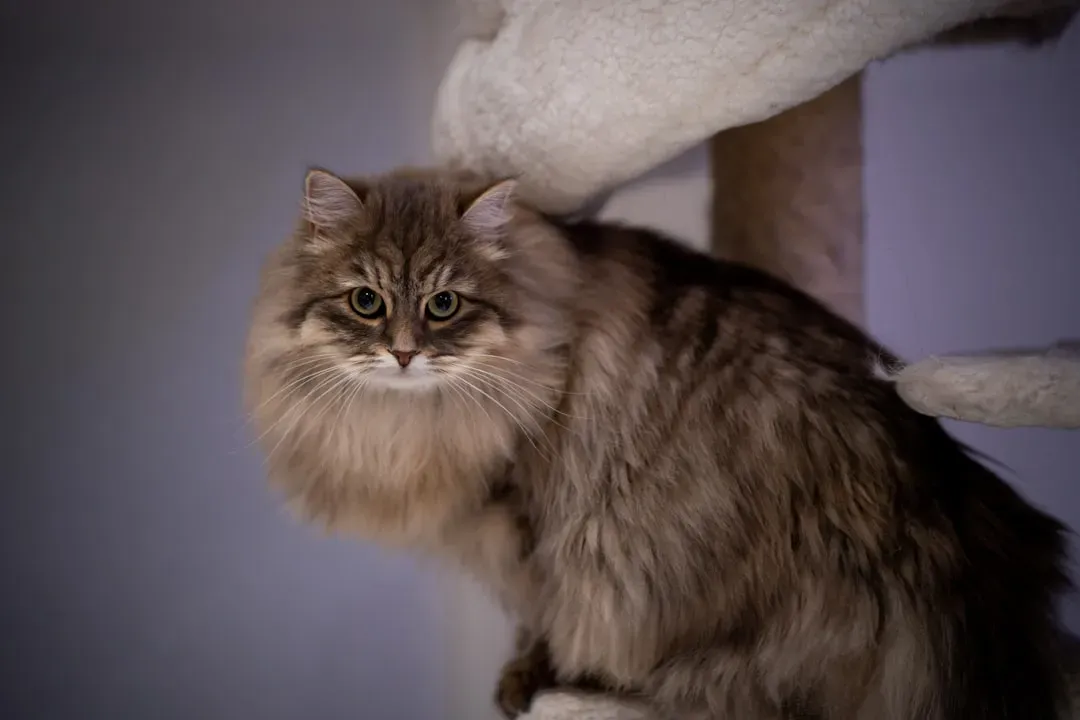
Siberians are all a bit too energetic for smaller spaces. These large, powerful cats hail from the forests of Russia, where they developed robust builds and high energy levels suited for outdoor exploration. That heritage doesn’t just disappear because you’ve placed them in a 600-square-foot apartment.
Siberians possess strong hunting instincts and athletic abilities that demand outlets. They’re climbers, jumpers, and remarkably agile despite their size. In apartments, they need extensive vertical territory and environmental enrichment to prevent boredom and frustration. Their thick, water-resistant coats were designed for harsh climates and active outdoor lifestyles, not sedentary indoor living. While individual cats vary, the breed’s general tendency toward high activity and space requirements makes apartment living challenging without significant modifications and owner commitment. They’re social and affectionate, which helps, but that doesn’t change their fundamental need for room to move and explore.
Understanding the Bigger Picture
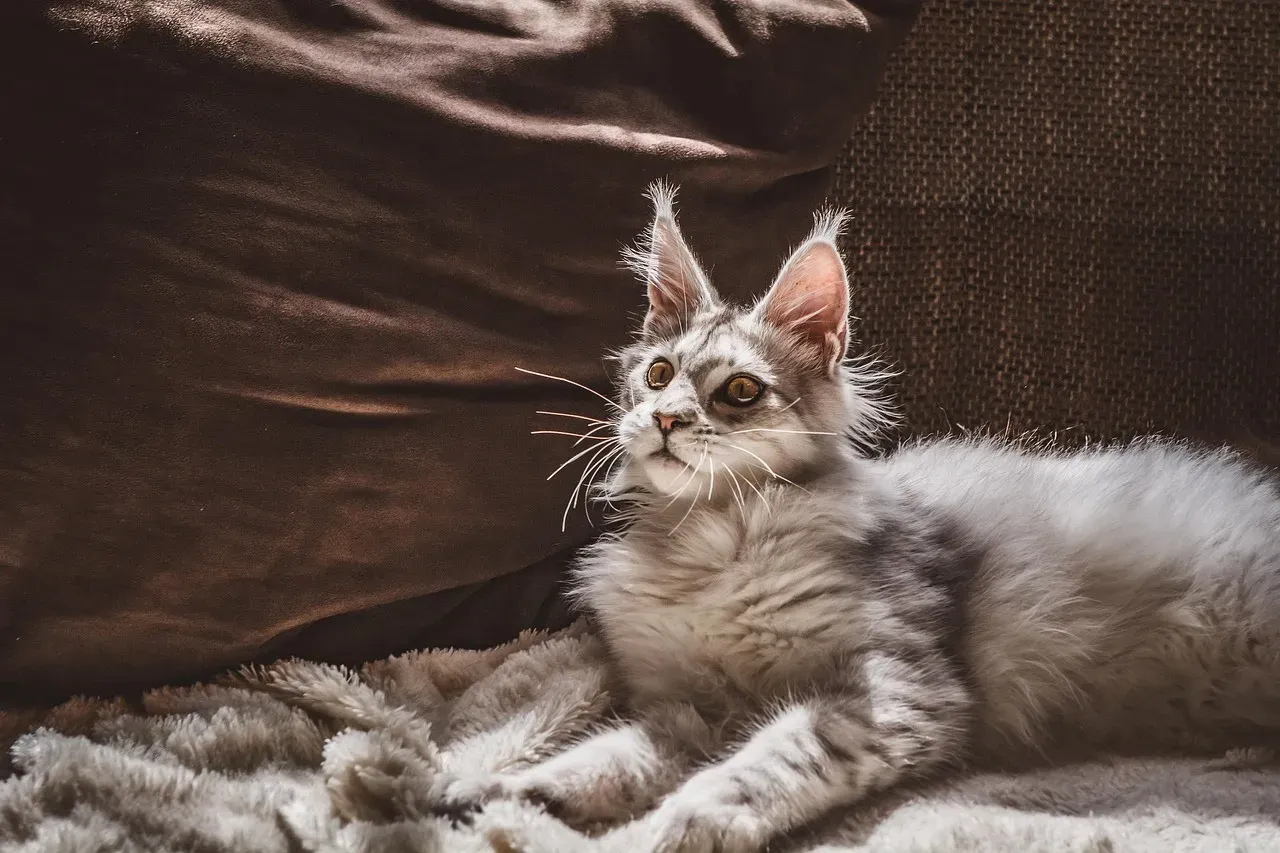
The breeds we’ve explored share common threads: high energy levels, space requirements, vocalization tendencies, or combinations thereof that make apartment living genuinely difficult. This isn’t about declaring these breeds “bad” apartment cats to shame anyone. It’s about honest assessment of what these animals need versus what confined spaces can realistically provide.
Your cat’s breed will play a role in the amount of exercise it needs, as some breeds are much more active than others, and some of the most active cat breeds include Abyssinians, Bengals, and Savannahs, which may require significantly more exercise than the average cat. That’s not trivial. High-energy breeds like Abyssinians and Bengals may need a great deal of physical activity, while lower-energy breeds like Persians and Ragdolls may do better with puzzles or other toys that stimulate them mentally.
Choosing the wrong breed for your living situation creates stress for everyone involved. The cat becomes frustrated, potentially developing behavioral problems. You become overwhelmed by the constant demands and destruction. Neighbors complain about noise. Nobody wins. Breed education matters precisely because it helps prevent these mismatches. Individual cat personalities vary, of course, but breed tendencies exist for real reasons rooted in genetics and heritage. Ignoring those tendencies when selecting an apartment companion is setting yourself up for challenges that could have been avoided with better information upfront.
What do you think about breed considerations for apartment living? Have you experienced the challenges of keeping a high-energy breed in limited space?