Living along North Carolina’s coast offers an incredible lifestyle filled with ocean breezes, salty air, and plenty of sunshine. However, not every cat breed is built to thrive in this unique environment where humidity levels climb high and temperatures fluctuate between mild winters and steamy summers. If you’re considering adding a feline friend to your coastal home, you’ll want to choose wisely. The combination of saltwater mist, higher moisture content, and warm weather requires certain physical adaptations that not all cats possess naturally.
You might be wondering which breeds can truly flourish in this coastal climate without constant discomfort or health issues. The good news is that several cat breeds have exactly the traits needed to handle the coastal conditions found from the Outer Banks down to Wilmington and beyond. Let’s explore the feline companions that won’t just survive but actually enjoy the coastal Carolina lifestyle.
Siamese Cats Embrace the Heat
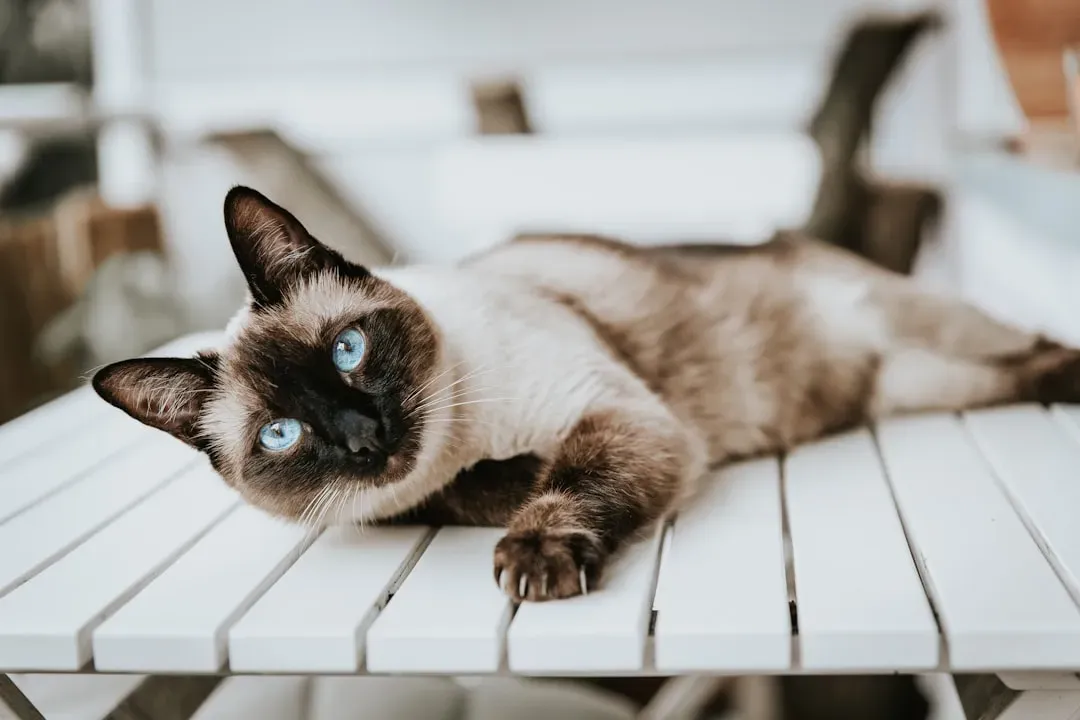
Originating from Thailand, formerly known as Siam, where the climate is tropical with periods of heavy monsoons bringing moist and hot air, Siamese cats are perfectly equipped for warm, humid environments. Their sleek, short coat lies close to the body, allowing for excellent heat dissipation even during those sweltering July afternoons when the humidity makes everything feel ten degrees hotter. The breed’s slender body allows for effective heat dissipation, ensuring they stay cool even in high temperatures.
What makes them particularly suited for coastal North Carolina living is their adaptability to indoor environments with high moisture levels. These cats are famously vocal and social, forming strong bonds with their families. They’ll happily lounge by your windows watching seagulls while staying comfortable in the coastal climate that might make other long-haired breeds miserable.
Abyssinian Cats Thrive in Coastal Warmth
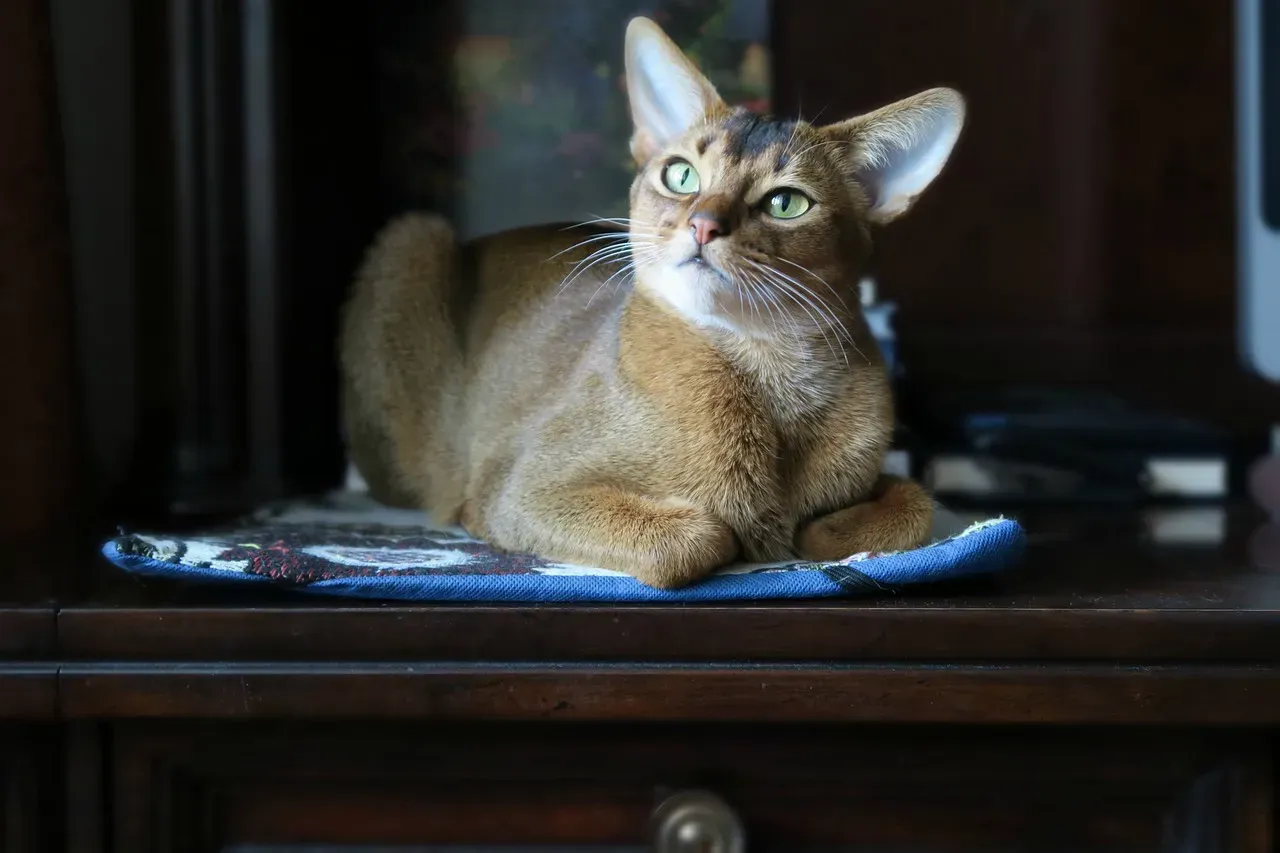
The Abyssinian, believed to originate in ancient Egypt, thrives in warm climates thanks to its short, fine coat and active lifestyle. This breed brings high energy and curiosity to your home, making them perfect for families who enjoy an interactive pet. Their ticked coat isn’t just striking to look at – it’s functional too.
Their lean, muscular build facilitates efficient body heat regulation, allowing them to remain comfortable and active even when temperatures rise. If you live near the beach and love having your windows open to catch the ocean breeze, an Abyssinian will appreciate the ventilation. They’re natural explorers who won’t wilt in the warmth but instead remain playful even during peak summer months.
Bengal Cats Love Water and Heat
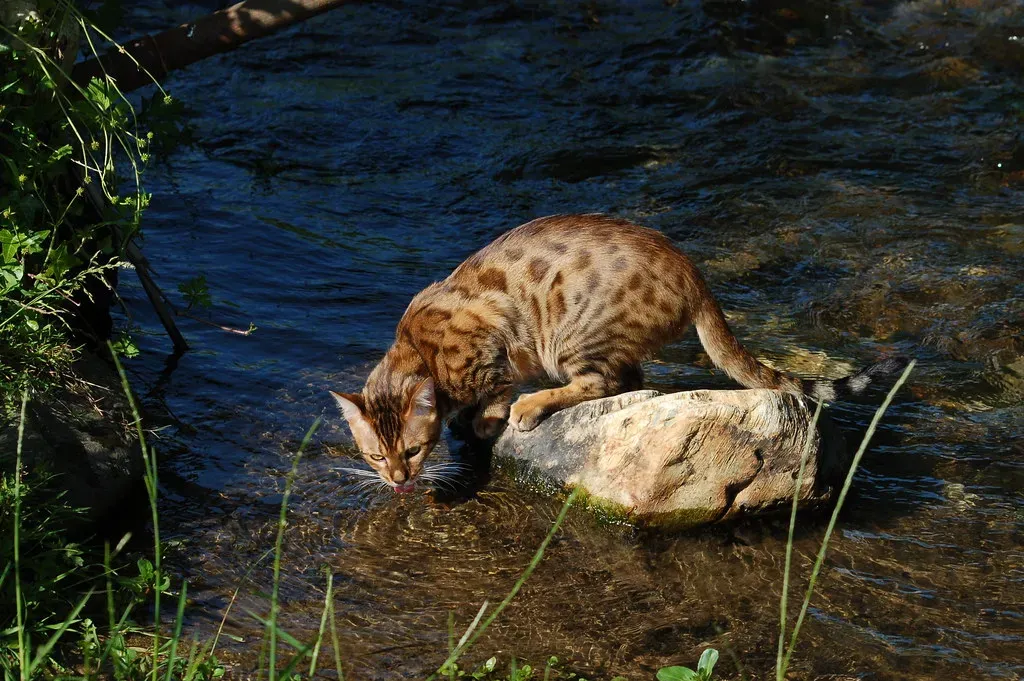
Here’s something that sets Bengals apart from most felines: they are one of the cat breeds that like water. This trait makes them exceptional companions for coastal living where occasional rain showers and higher humidity are part of daily life. With wild ancestry tracing back to the Asian leopard cat, a species accustomed to warm environments, Bengals thrive in hot climates with their short, dense coat that protects from the sun while allowing efficient heat dissipation.
Their adventurous spirit means they’ll be curious about the coastal environment around them. These cats maintain high energy levels and genuinely enjoy active play, which suits the outdoor-oriented lifestyle many coastal residents embrace. Their physical adaptability combined with their love for water makes them uniquely suited for North Carolina’s shoreline communities.
Burmese Cats Handle Humidity Well
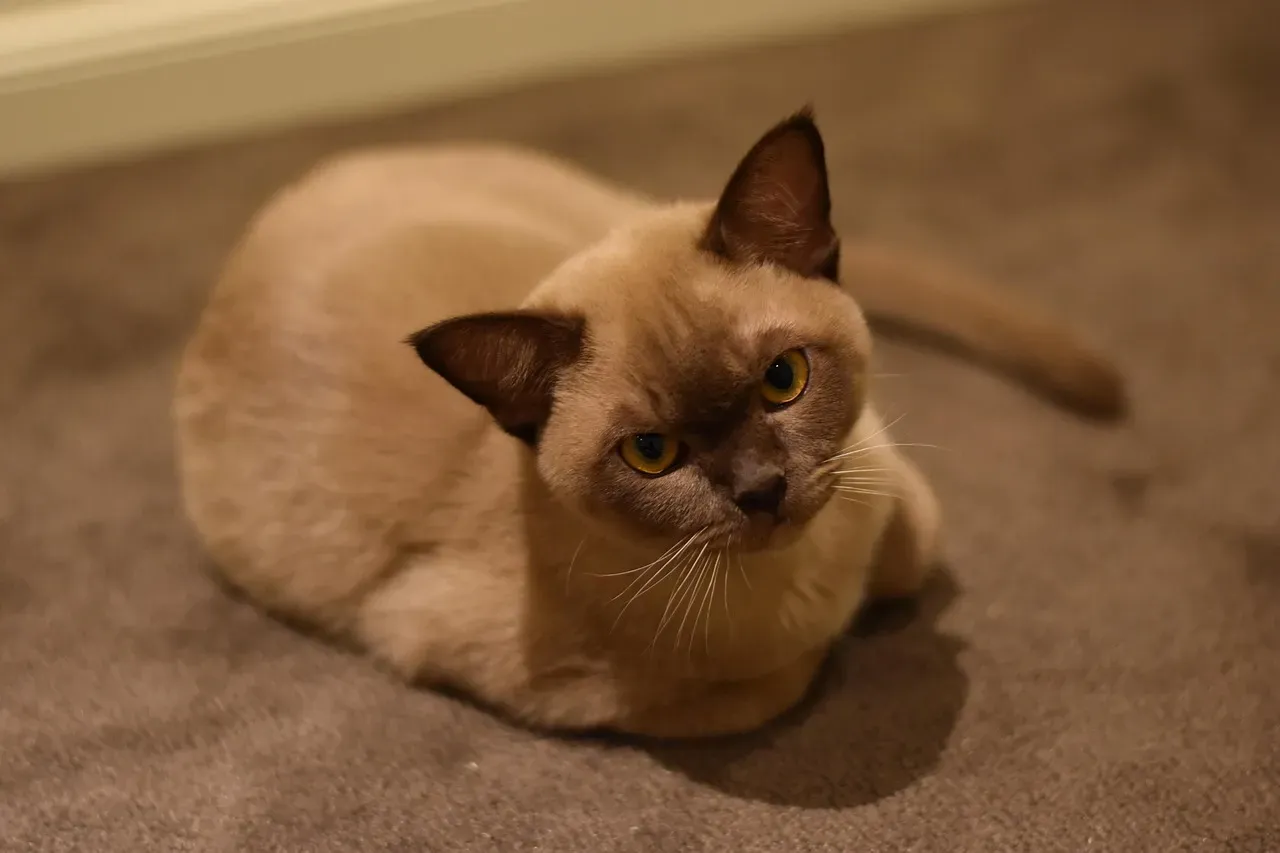
Burmese cats originated in the territory of former Burma, modern Myanmar, which has a tropical to sub-tropical hot monsoon climate that can be really challenging to people and animals that aren’t used to it. This heritage makes them naturally equipped for the muggy conditions you’ll encounter during North Carolina’s coastal summers. Their short, glossy coat requires minimal grooming while keeping them comfortable.
What truly makes them wonderful coastal companions is their affectionate, playful nature combined with their heat tolerance. Burmese cats are known for their playful, affectionate nature and strong attachment to people, often retaining kitten-like energy well into later years. They’ll happily spend time indoors during the hottest parts of the day but remain active and engaged with their families.
Cornish Rex Cats Stay Cool Naturally
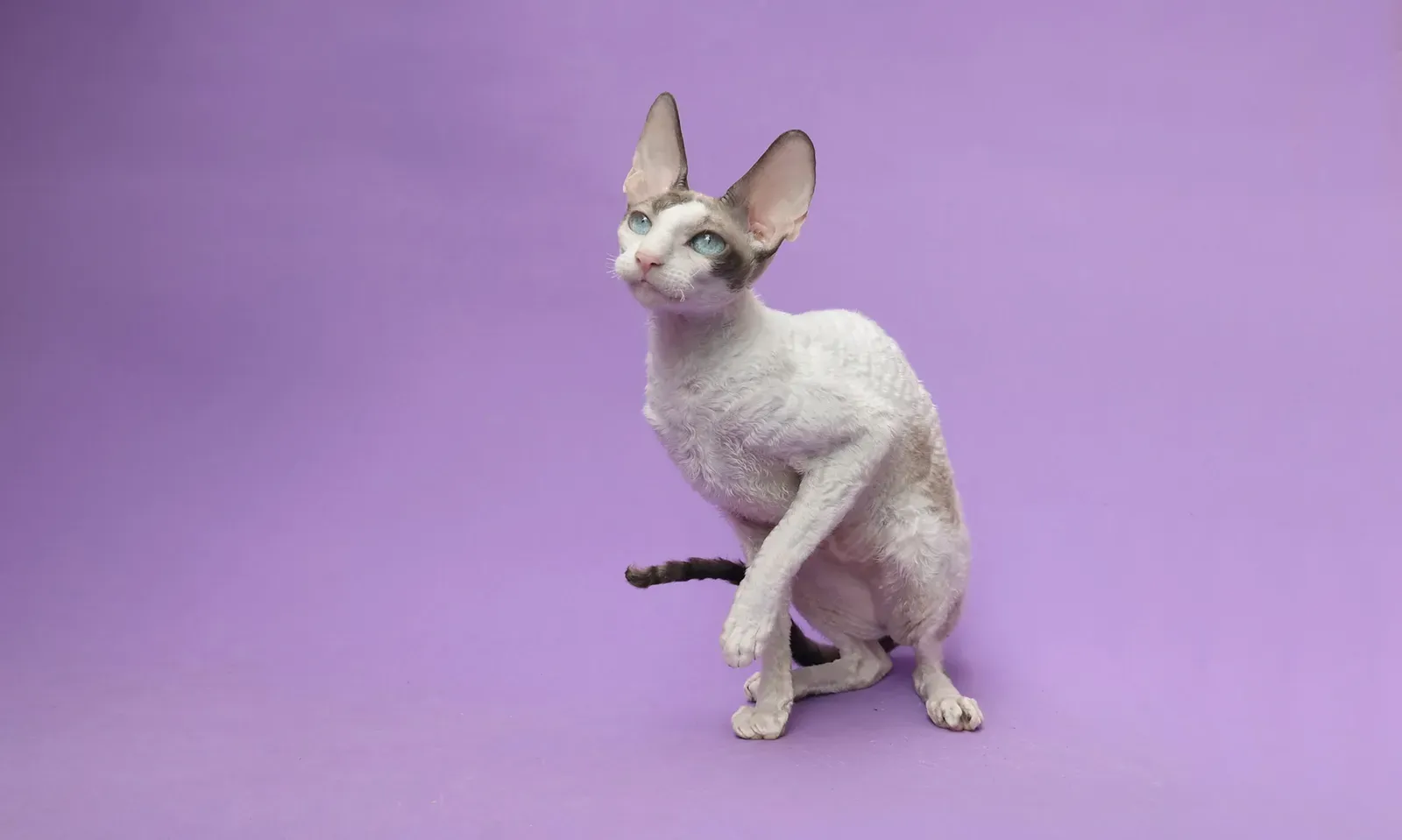
Cornish Rex cats have sparse furs, large ears, and slender bodies – exactly the features that are desirable in hot weather. Though they didn’t originate in a tropical location, their unique physical characteristics make them surprisingly well-suited for coastal warmth. Their short, curly coat is distinctive and functional, allowing air to circulate close to their skin.
These cats have short curly coats and are considered a hypoallergenic cat breed, known as a high-energy breed that loves playing with their pet families. If you’re someone who enjoys an active household with plenty of interaction, a Cornish Rex will thrive in your coastal home. Their large ears help dissipate heat efficiently, making them comfortable even when the humidity climbs.
Sphynx Cats Regulate Temperature Efficiently
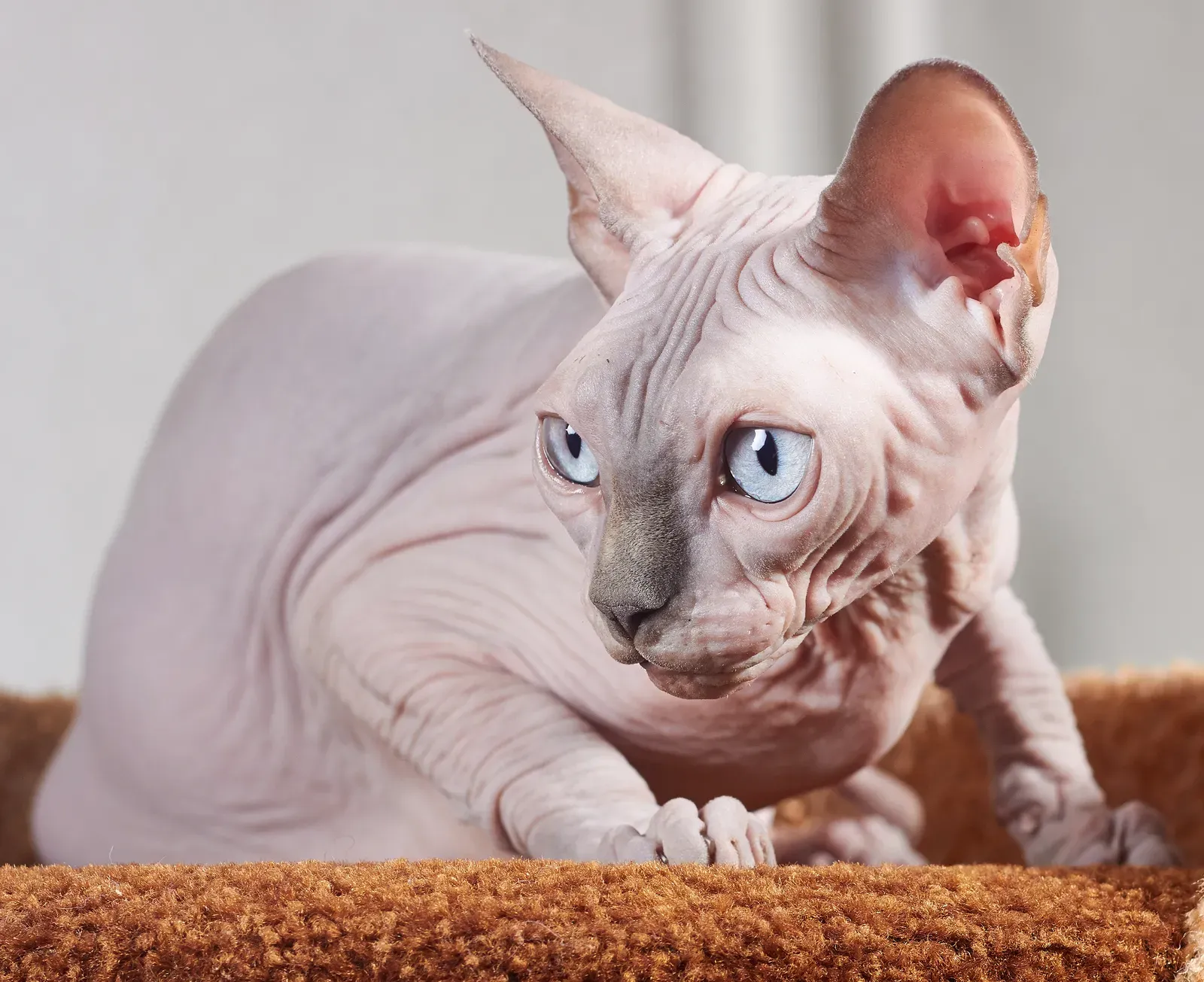
The Sphynx, renowned for its lack of fur, is surprisingly well-adapted to warmer climates because without fur to trap heat, they can regulate body temperature more effectively in hot weather. Living along the coast means dealing with salt air and moisture, which can mat the coats of long-haired breeds. The Sphynx completely sidesteps this issue with its hairless appearance.
These cats crave warmth and human companionship, making them incredibly affectionate pets. They’re surprisingly low-maintenance when it comes to dealing with humidity since there’s no coat to worry about. However, you’ll need to provide sun protection if they venture near windows during peak sunlight hours, as their exposed skin can sunburn.
Egyptian Mau Cats Enjoy Warm Climates
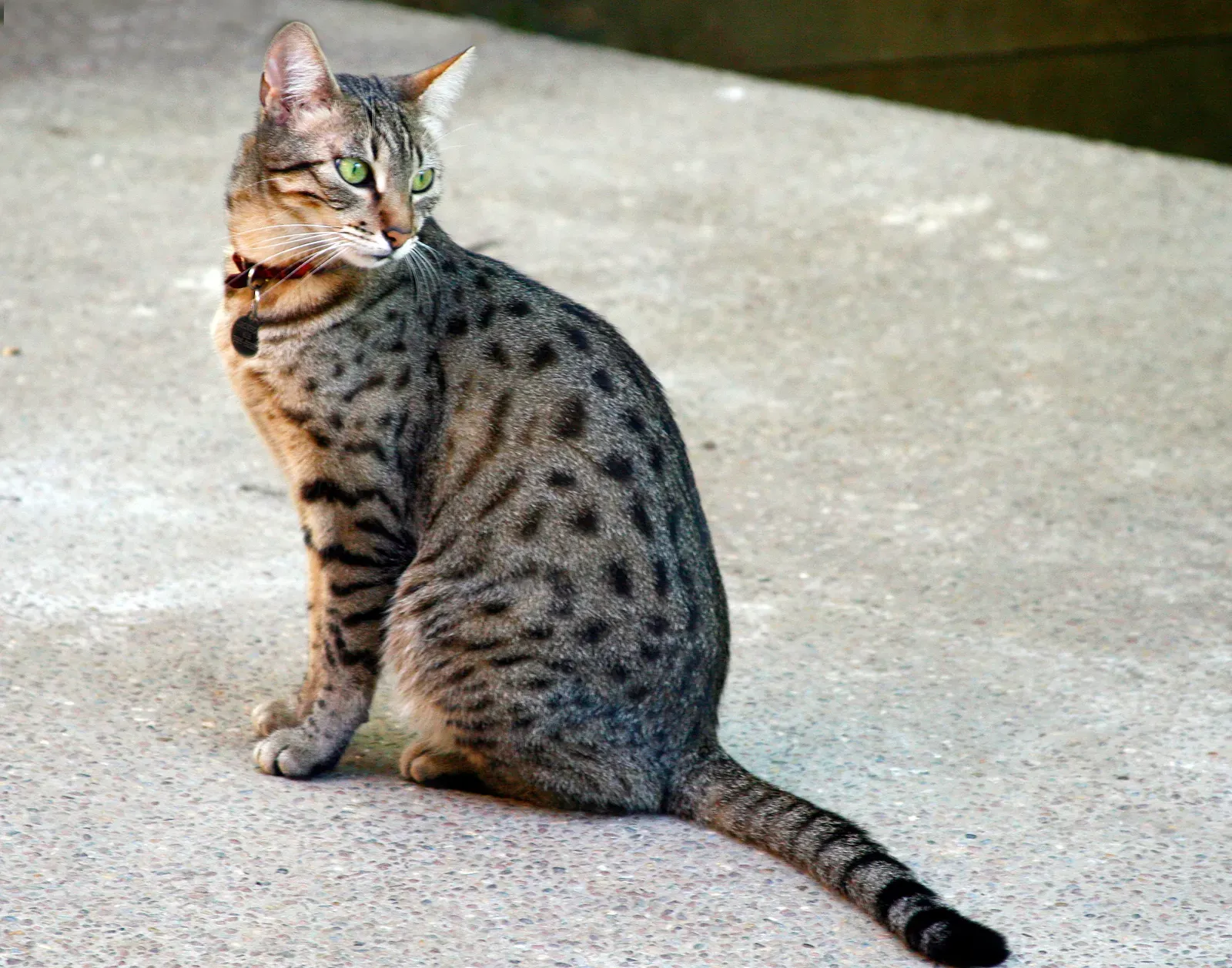
Famous for their spotted coats, the Egyptian Mau has an athletic build that makes them great jumpers and runners, and they enjoy warm climates with short furs to help them thrive. This ancient breed brings both beauty and functionality to coastal living. Their natural heat tolerance stems from origins in warmer regions, making North Carolina’s coastal temperatures perfectly manageable.
These cats are highly intelligent and require mental stimulation to stay happy. They’re also known for their loyalty to their families, often forming particularly strong bonds with one or two people. If you appreciate a cat that’s both stunning to look at and capable of handling the coastal environment without complaint, the Egyptian Mau deserves serious consideration.
Singapura Cats Adapt to Humidity
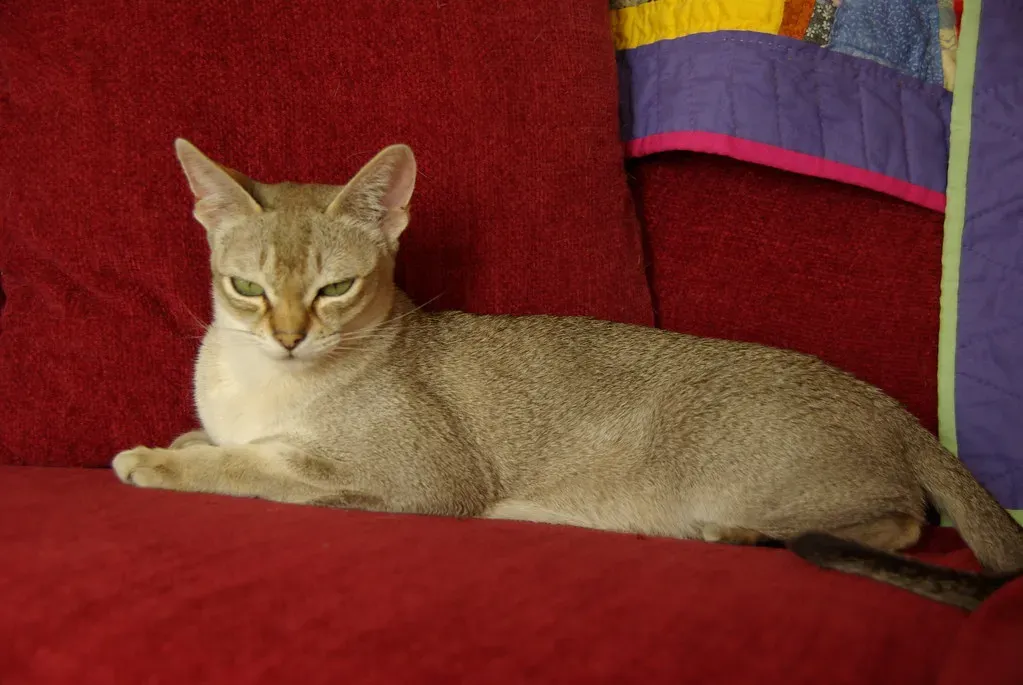
Singapura cats are small felines with short furs and large ears – physical characteristics that make them perfect for hot climates, and you should consider getting one if hot temperatures and high humidity are common where you live. These petite cats pack enormous personality into their small frames, making them delightful companions for coastal dwellers.
Their tropical origin means they’re naturally equipped to handle the moisture-laden air that rolls off the Atlantic. Despite their small size, they’re active and social, preferring to be involved in household activities rather than hiding away. Their large ears aren’t just adorable – they serve an important function in helping these cats dissipate excess body heat efficiently.
Finding Your Perfect Coastal Companion
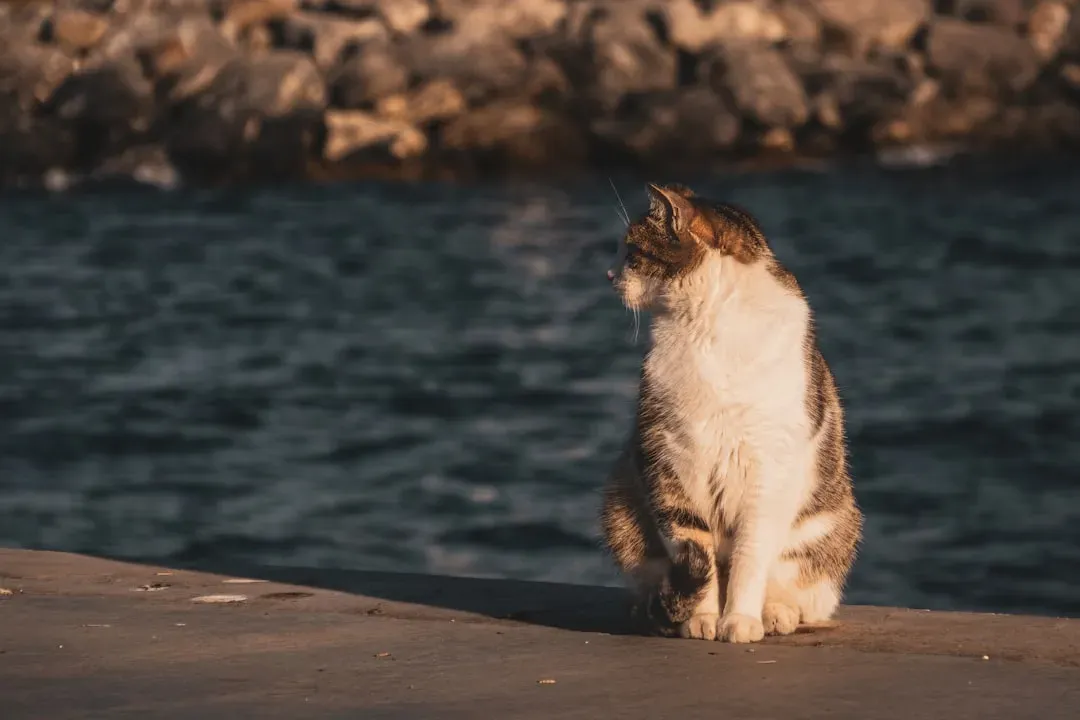
Choosing a cat breed that naturally handles North Carolina’s coastal environment means less stress for both you and your feline friend. The breeds we’ve explored share common traits like short coats, lean bodies, and origins in warmer climates that make them perfectly suited for life near the ocean. Remember that individual cats within any breed can have their own preferences and personalities.
Before bringing any cat home, make sure you can provide adequate fresh water, shaded indoor spaces, and proper ventilation during the warmest months. Even heat-adapted breeds appreciate cool tile floors and air-conditioned rooms when temperatures soar. Your coastal lifestyle doesn’t mean sacrificing the joy of cat companionship – it just means choosing wisely.
Which of these breeds sounds like the perfect fit for your beachside home?