Every cat has a different personality, much like people do. Some felines absolutely thrive when left to their own devices, while others become anxious wrecks the moment you pick up your keys. If you’re wondering whether your lifestyle matches your cat’s emotional needs, you’ve come to the right place.
Understanding your cat’s natural temperament can make a huge difference in both your lives. The truth is, not every breed fits every household, and that’s perfectly fine. Let’s explore which cats are perfectly content spending hours alone and which ones need a bit more emotional reassurance from their humans.
Russian Blue: The Elegant Loner
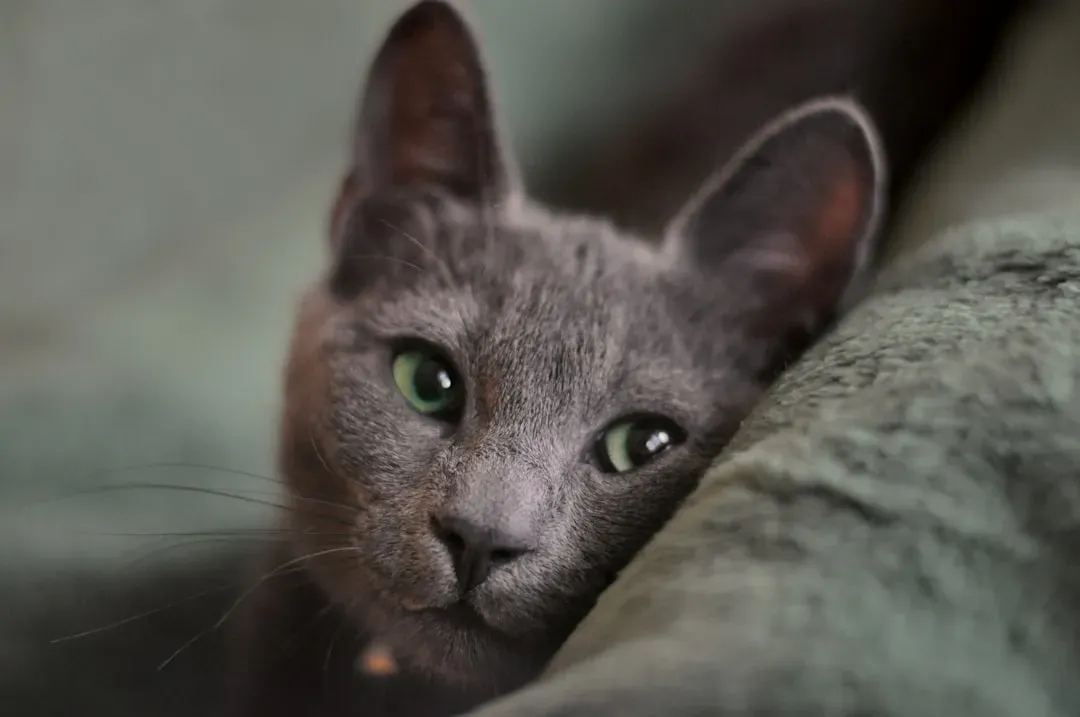
Russian Blues are social creatures but also enjoy alone time and will actively seek a quiet, private nook in which to sleep, and they don’t mind too much if you’re away at work all day. These intelligent, curious, and independent cats are an excellent choice for pet parents who want a low-maintenance companion.
Their stunning blue-gray coat and emerald eyes might make them look high-maintenance, but honestly, they’re quite the opposite. While Russian blues are fine to spend some time alone, they’ll happily greet you at the door when you make it back and need plenty of attention to be happy. Think of them as the perfect balance between affectionate and self-sufficient.
British Shorthair: The Calm Observer
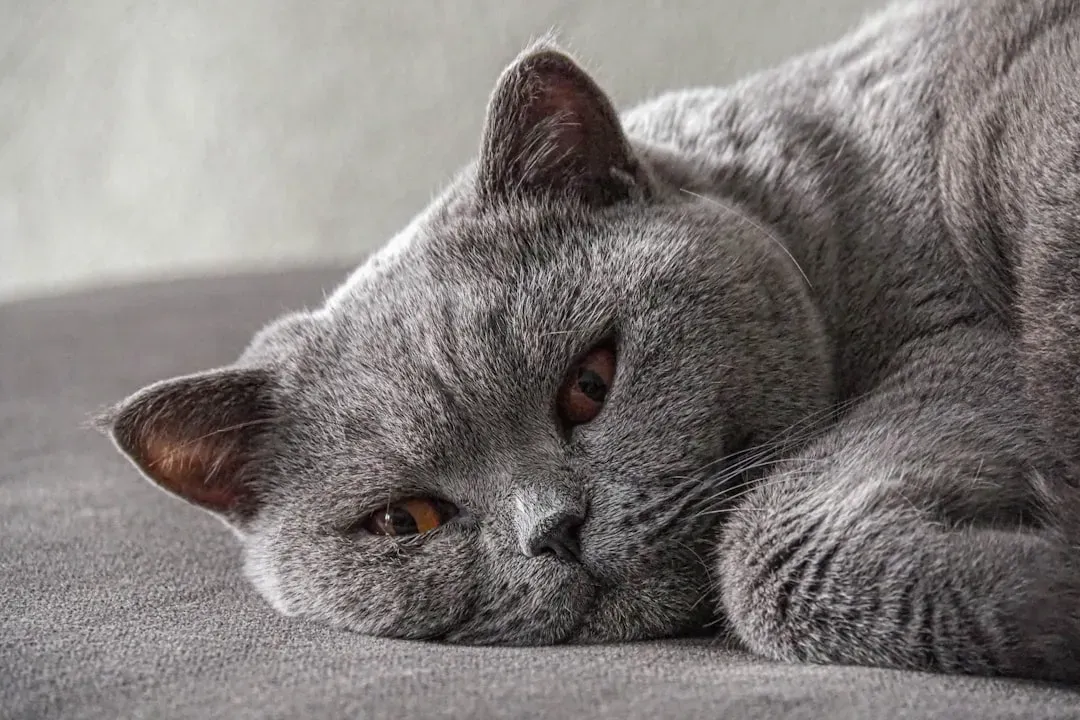
A British Shorthair is an independent cat breed with a laid-back, easygoing personality. These cats are known for their calm, easy-going temperament and their independent nature, and while they enjoy the company of their owners and are affectionate when they choose to be, they are also content to spend time alone.
Here’s the thing about British Shorthairs: they’re perfectly happy watching the world go by from their favorite windowsill. Prey-like toys and enrichment are crucial for them, as they have a strong hunting instinct. They might not follow you from room to room, but that doesn’t mean they don’t care. They just show love on their own terms.
Persian: The Relaxed Royalty
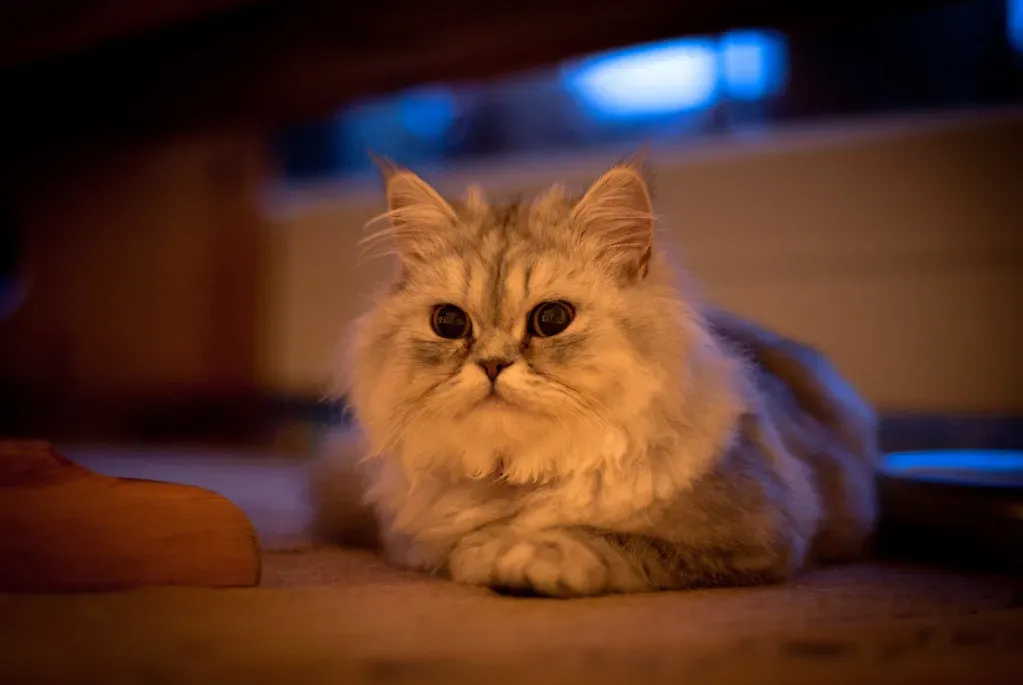
For years Persians have been among the most sought-after breeds thanks to their stunning appearance and mellow temperament, and most owners would describe the Persian as low-energy, quiet, and calm. Persians enjoy the company of their owners but are also perfectly content to spend time alone, grooming their magnificent fur or lounging in a favorite spot, and their relaxed temperament makes them ideal companions for owners who work or travel often.
I think what makes Persians so special is their ability to be completely present without being demanding. They have sweet and loving personalities marked by the need for affection, and will most likely run up to the door to greet you after a long day, loving to sleep up to 20 hours a day. They’re the ultimate couch potato with a gorgeous face.
Maine Coon: The Gentle Giant
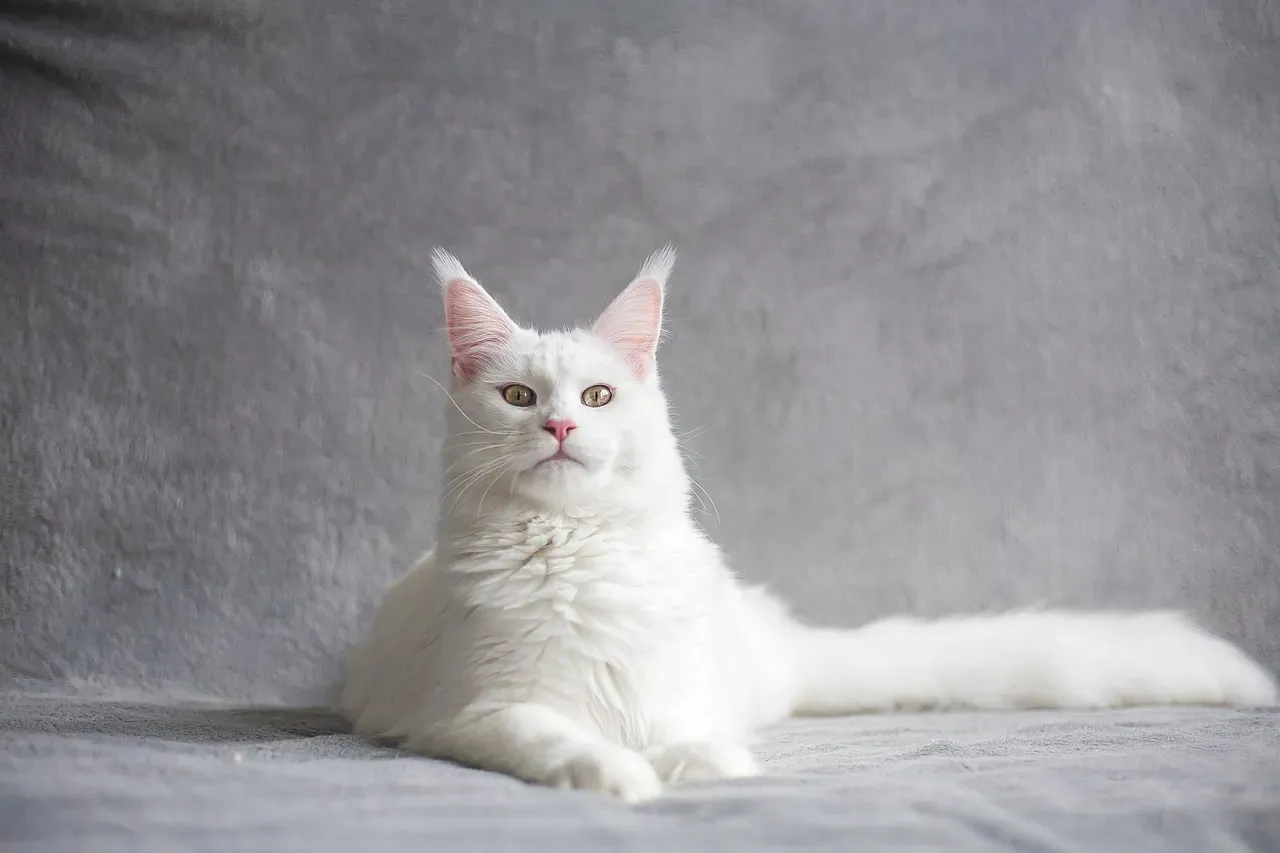
The Maine Coon is a large breed native to the United States that has an independent and friendly nature, and despite their size, they are surprisingly agile and enjoy climbing and exploring, but are also content to spend time alone. Maine Coons were farmer cats in the past, and their hunting instincts haven’t lost their sharpness at all, so they won’t mind stalking prey or toys while you’re at work.
These massive cats might look intimidating, but they’re total sweethearts. Maine Coons are also quite independent and don’t mind spending time alone, which is perfect for people who have busy schedules or just need some alone time. Their size actually works in their favor because they can entertain themselves with activities most cats couldn’t manage.
American Shorthair: The Adaptable Companion
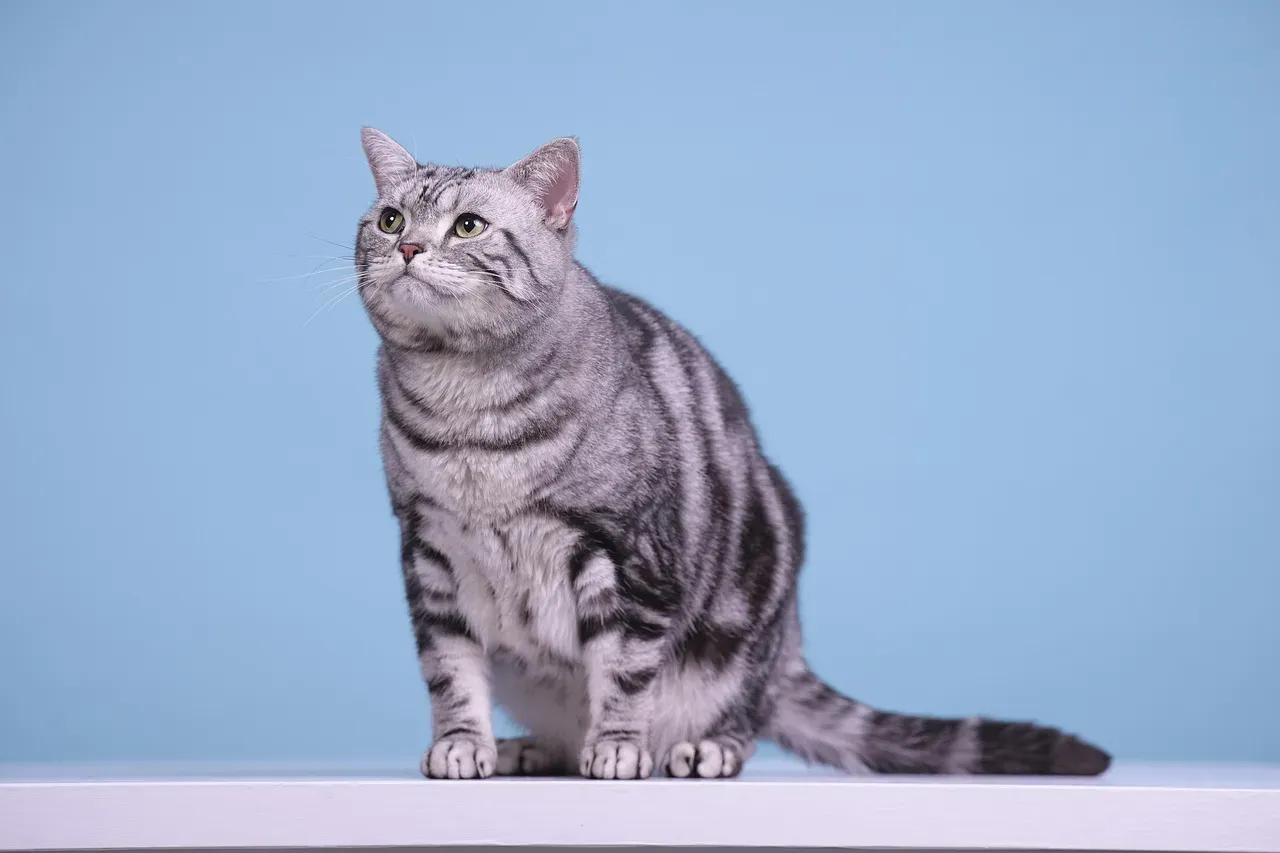
The American Shorthair is an adaptable breed that isn’t usually shaken by changes in routine, and this self-resilience means the American Shorthair is content to do whatever the situation calls for – whether hanging out alone or spending time with their favorite people. Since the American Shorthair is a working cat with an excellent mouser reputation, it’s not surprising that they’re highly independent, and they value me-time and will often seek solitude when you overwhelm them with your presence.
What I love about this breed is their no-drama approach to life. Though they bond with their human companions, they are happy entertaining themselves when left alone, and their affectionate demeanor, coupled with their self-reliance, makes them ideal pets for busy households. They’re basically the roommate who never complains about your schedule.
Norwegian Forest Cat: The Adventurous Spirit
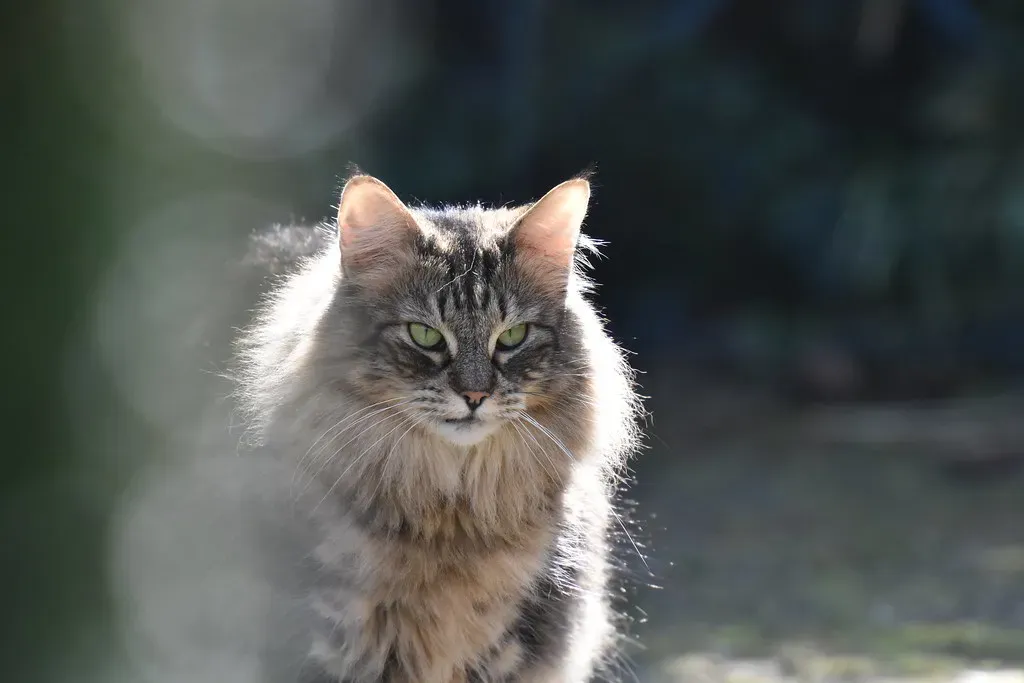
Norwegian Forest cats are gentle, affectionate, and independent, don’t demand constant attention and are happy to have some me-time when you’re busy, don’t mind being alone in the house, and usually find ways to entertain themselves. Adaptable and self-reliant, the Norwegian Forest Cat is built for both indoor and outdoor living, and they enjoy exploring their environment but are equally happy to retreat to a cozy spot alone.
These majestic felines with their thick, luxurious coats were literally bred to survive Scandinavian winters. Let’s be real, if they can handle that, they can definitely handle a few hours without you. Separation anxiety typically arises in these kitties when there’s a lack of stimulating activities in their environment, so just give them things to climb and explore.
Scottish Fold: The Gentle Independent

The Scottish Fold is a unique breed with their ears that fold forward, giving them a charming, owl-like appearance, and these cats are known for their sweet, gentle temperament and their independent nature, enjoying spending time with their owners but also content to curl up in a cozy spot and relax by themselves. Scottish Folds have a gentle and calm disposition and are independent thinkers who enjoy lounging and exploring at their own pace.
Their adorable folded ears might make them look like they need constant cuddles, but that’s not necessarily the case. These cats are known for bonding closely with their family and getting along well with other pets, and they’re less prone to developing separation anxiety when they have other animal companions in the home. Still, they can handle solo time just fine.
Abyssinian: The Busy Explorer
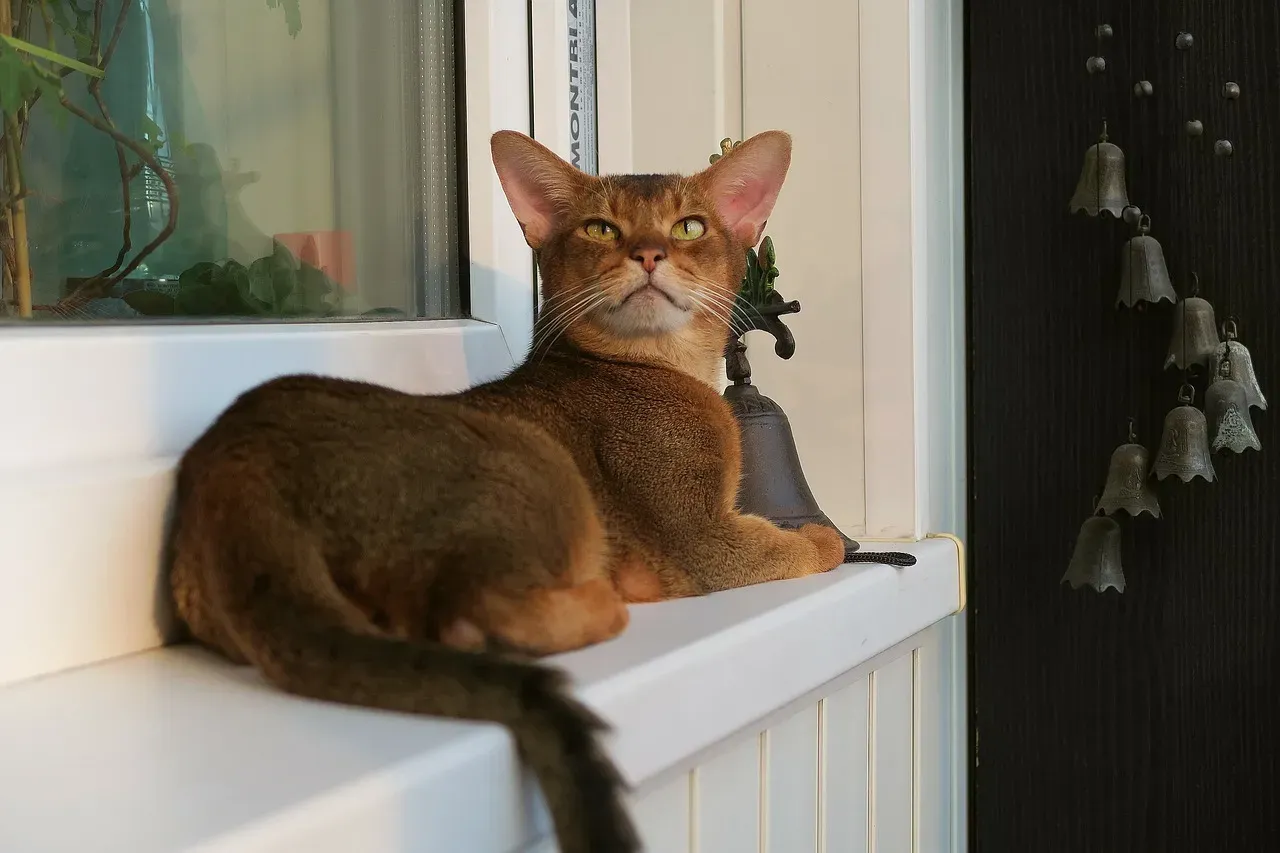
An ancient breed that retains its instincts as a solitary hunter, the Abyssinian is affectionate and enjoys spending time with their humans, but their independent streak keeps them from being clingy. These cats are known for their intelligence, athleticism, and independent spirit, and while they enjoy human interaction, they can also entertain themselves for hours with their curiosity and natural hunting instincts.
Abyssinians are basically the marathon runners of the cat world. They’re always on the move, always investigating something, always plotting their next adventure. It’s hard to say for sure, but I think they genuinely enjoy having the house to themselves so they can investigate every nook and cranny without interruption.
Siamese: The Velcro Cat
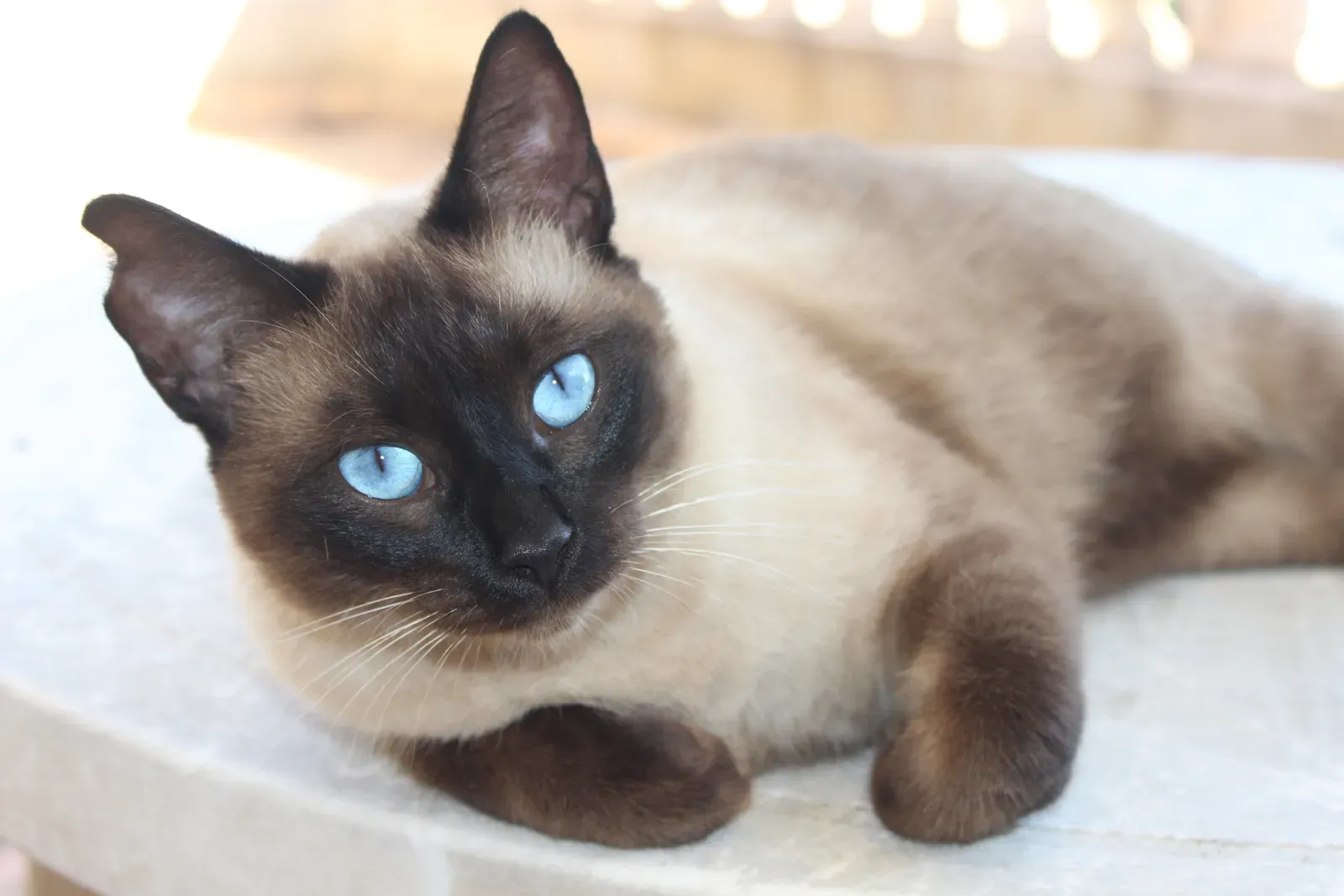
Now we’re shifting gears to the breeds that struggle when you’re not around. Breeds known for their attachment to humans include the Ragdoll, Siamese, and Burmese Cats, and certain cat breeds like Siamese and Ragdolls are more likely to experience feline anxiety. Because of the strong bond they form with their cat parents, Siamese cats won’t be too happy about staying home alone and will become sad and bored quickly or develop separation anxiety.
These stunning blue-eyed beauties are incredibly vocal and social. Clinginess in Siamese cats is linked to their social nature and strong bonds with owners, with symptoms including following you constantly, distress when alone, and reluctance to explore. If you work long hours or travel frequently, a Siamese might not be your best match.
Burmese: The Devoted Shadow
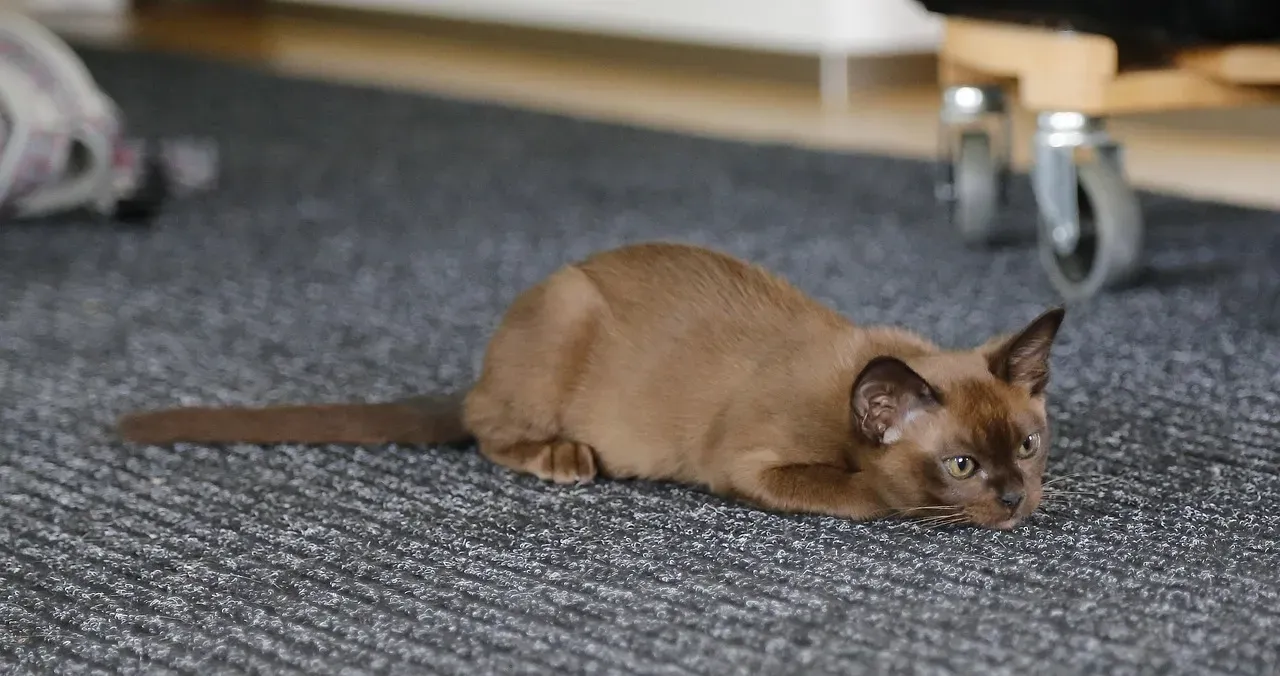
Burmese cats often suffer from separation anxiety if left alone for extended periods without proper attention. Pedigree Oriental breeds, such as Siamese and Burmese, could be more vulnerable to separation difficulties, and Siamese and Burmese cats seem to be more prone to the condition.
What makes Burmese cats so prone to stress when alone? Their high energy levels, playful nature, and strong attachment to their owners are largely due to their genetic makeup, with ancestors including the Siamese being known for their outgoing and affectionate personalities, resulting in a highly social breed requiring attention and interaction from their owners. They literally need you like some people need their morning coffee.
Ragdoll: The Affection Seeker
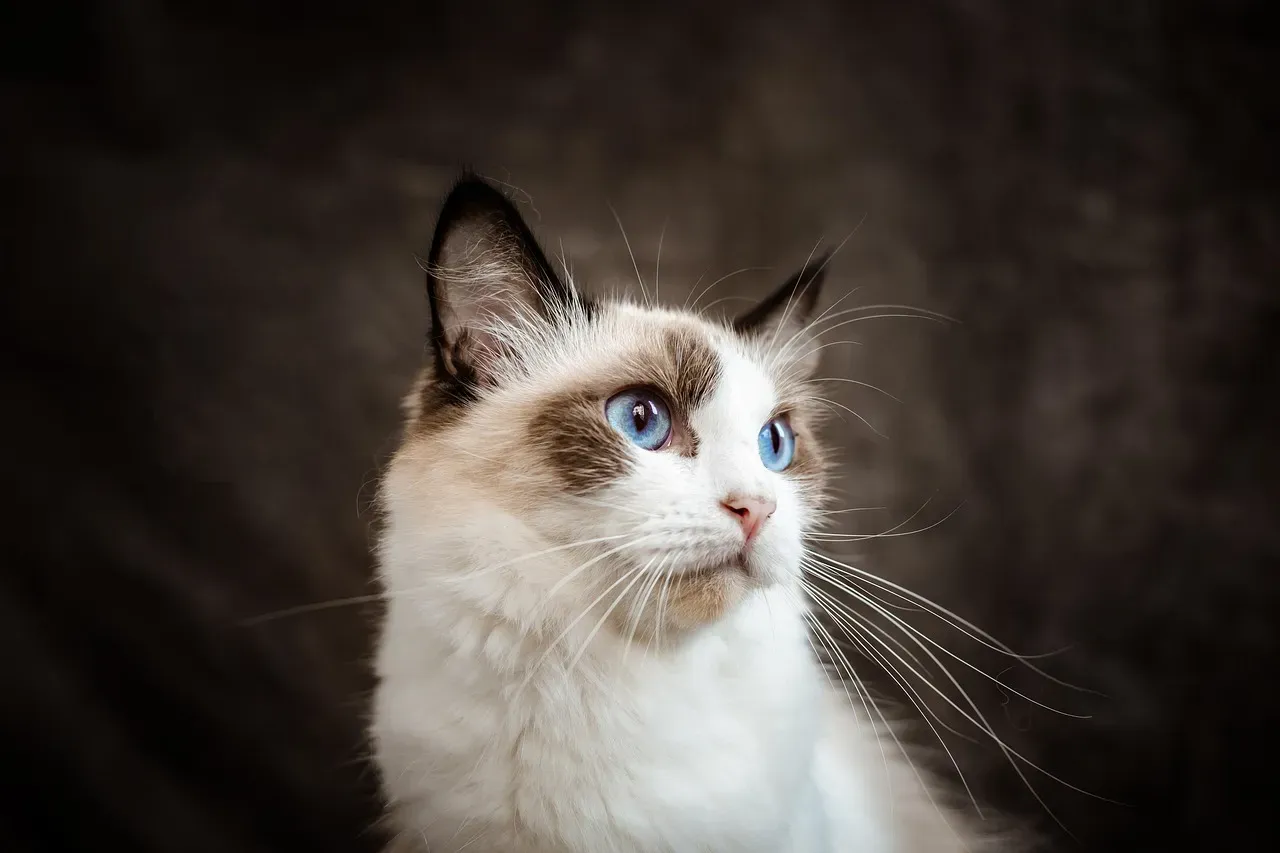
Breeds like Ragdolls, Burmese, and Tonkinese are known for their intense need for human companionship, are specifically bred for human interaction forming incredibly strong bonds, and this deep connection can sometimes lead to them showing cat anxiety symptoms when they’re left alone. These breeds include the Ragdoll, Siamese, and Burmese Cats and are known for their attachment to humans.
Ragdolls earned their name because they literally go limp when you pick them up, like a ragdoll. They’re gentle, sweet, and want nothing more than to be with their favorite person. Honestly, their level of devotion is both endearing and a bit overwhelming if you have a packed schedule.
Tonkinese: The Social Butterfly

Breeds like Ragdolls, Burmese, and Tonkinese are cats known for their intense need for human companionship. These cats are a mix of Siamese and Burmese, so you’re basically getting double the attachment issues. They’re incredibly playful and outgoing, but that energy needs an outlet.
The Tonkinese doesn’t just want your attention; they demand it. They’ll follow you everywhere, talk to you constantly, and make it very clear when they’re unhappy about being left alone. If you’re looking for a cat that acts more like a dog in terms of neediness, this might be your breed.
Turkish Van: The Attention Craver
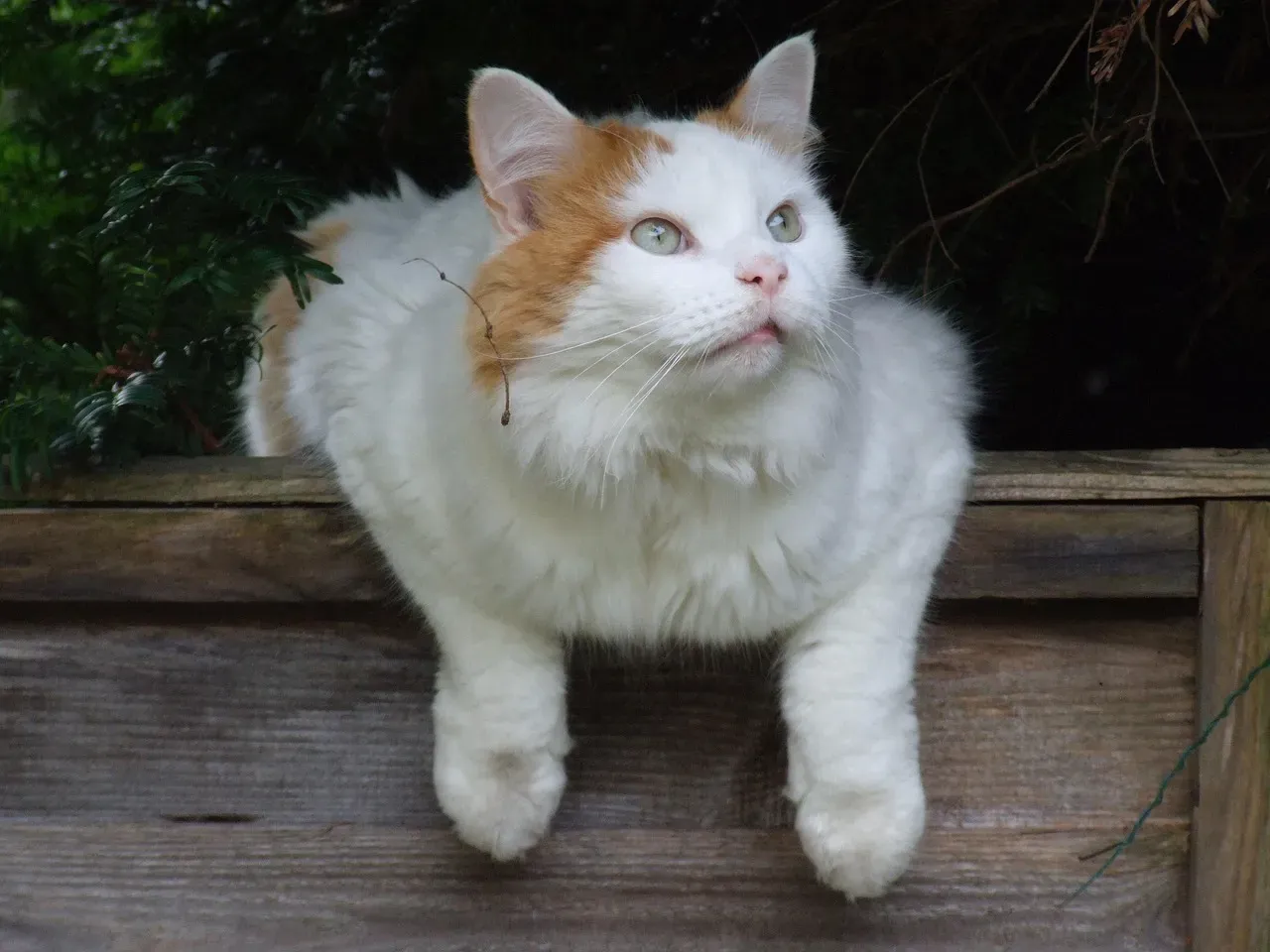
The Turkish van requires a lot of attention from her cat parents and loves going on adventures, and to prevent separation anxiety in this breed, it’s best to spend lots of time together and include the kitty in as many activities as possible. These striking white cats with colored markings on their heads and tails are known for being one of the few cat breeds that actually enjoy water.
Their adventurous spirit means they get bored easily when left alone. These cats love spending time with their people and are great mousers. Without proper stimulation and companionship, they can become destructive or develop anxiety-related behaviors that nobody wants to deal with.
Understanding Your Cat’s Needs
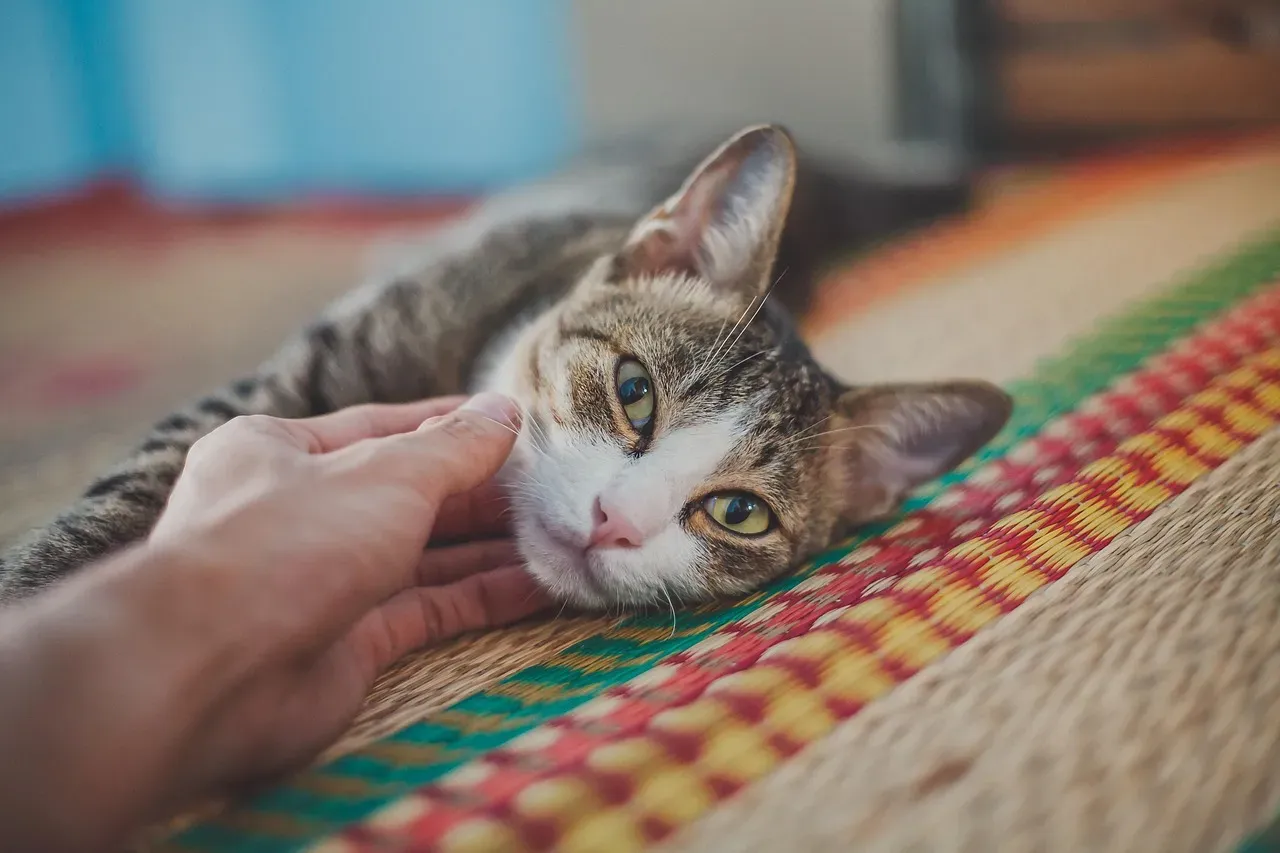
Choosing the right cat breed for your lifestyle isn’t about finding the perfect cat. It’s about finding the perfect match for your daily routine and emotional availability. Independent cats are low-maintenance and won’t become anxious or destructive when left alone for longer periods of time, which is ideal for people with demanding careers or active social lives.
On the flip side, Feline separation anxiety is a condition in which a cat becomes distressed when separated from their caregiver. If you’re home most of the time or can dedicate significant attention to a needy cat, breeds prone to separation stress can make wonderfully devoted companions. The key is being honest about what you can realistically provide.
Did you ever think cats could be so different from each other? Whether you choose an independent explorer or a clingy companion, understanding these breed tendencies will help you create the best possible life for your feline friend. What matters most is matching your cat’s temperament with your lifestyle so everyone can thrive together.