The bond between humans and cats runs much deeper than most people realize. While some might think of cats as aloof or independent creatures, scientific research reveals a fascinating truth about their emotional intelligence. Cats can actually recognize, interpret, and respond to human emotions in ways that mirror some of our closest relationships.
Recent studies have shown that these remarkable felines possess an incredible ability to cross-modally match visual and auditory signals to understand what we’re feeling. They don’t just notice when you’re happy or sad – they actively adjust their behavior based on your emotional state. Some cats even seem to have a sixth sense, appearing at your side moments before you realize you need comfort. Let’s explore the most emotionally intuitive cat breeds that have mastered the art of sensing human feelings.
Ragdoll Cats: The Ultimate Emotional Companions
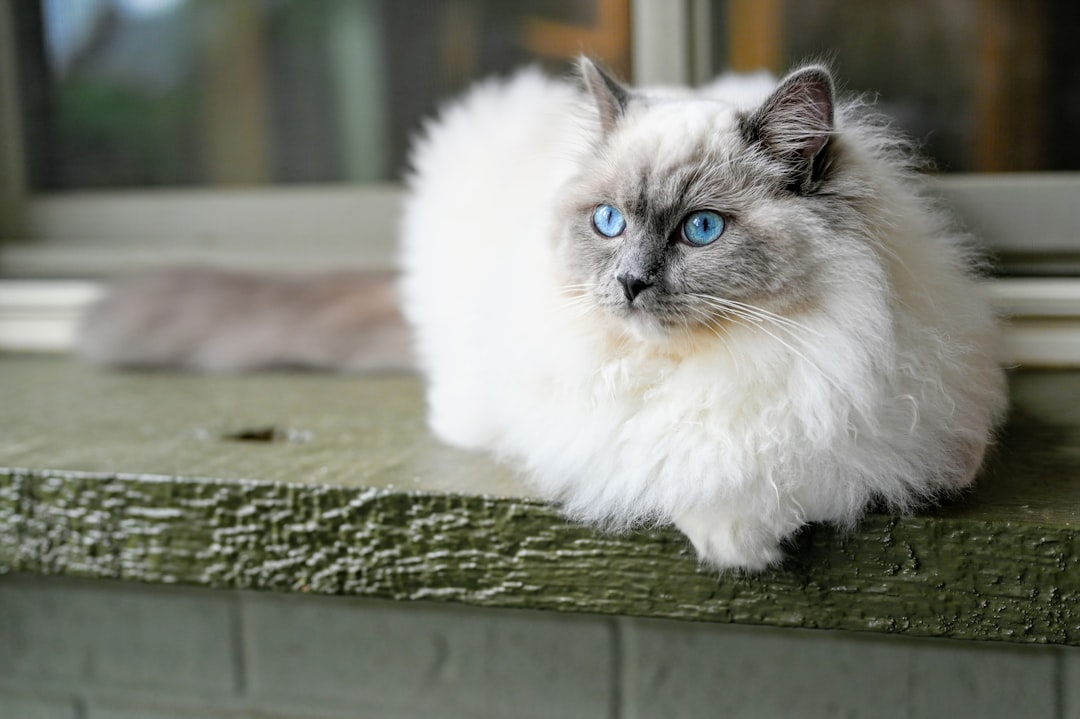
Ragdoll cats are renowned for their calm and gentle nature, making them excellent choices for emotional support, with their soft fur and sweet temperament making them perfect companions for those seeking emotional support. When held, these gentle giants literally go limp, earning them the name “Ragdoll,” and their puppy-like personality means they crave human interaction and will follow you from room to room, always eager for attention and affection.
What makes Ragdolls particularly special is their innate ability to sense when something’s wrong. Nicknamed ‘puppy cats’ for their dog-like devotion, Ragdolls follow their humans from room to room like fluffy shadows and seem to intuitively know when you’re having a rough day. Their striking blue eyes often create an almost telepathic connection, as if they’re reading your soul and understanding exactly what kind of comfort you need in that moment.
Maine Coon Cats: Gentle Giants with Emotional Radar
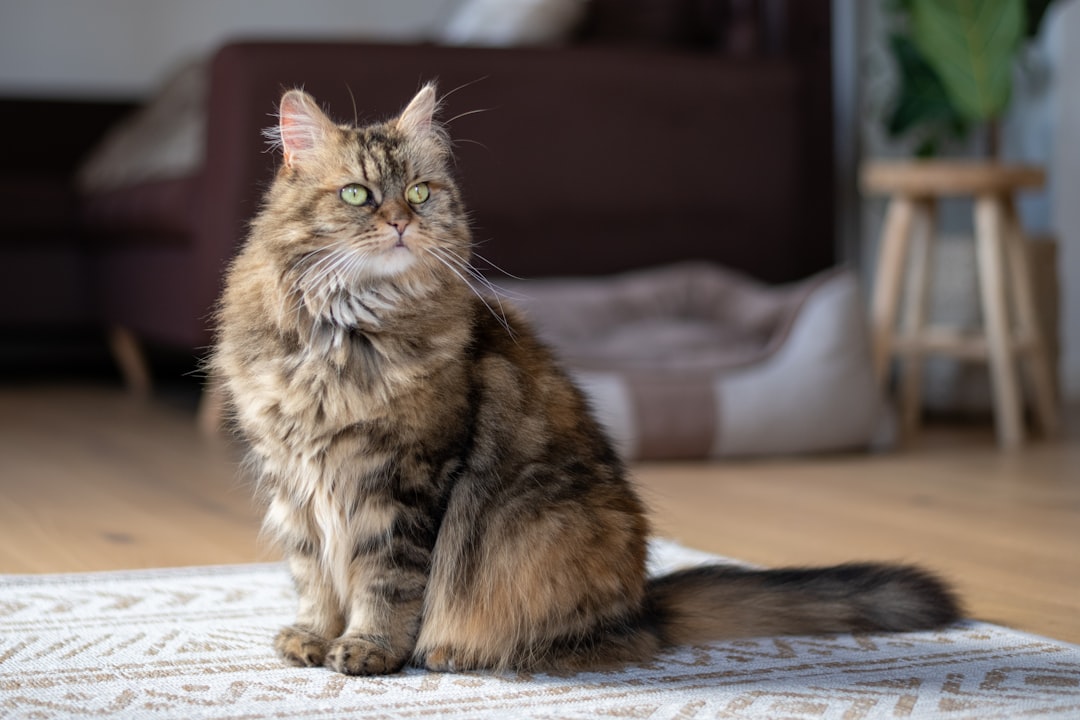
Maine Coons are known for their intelligence and ability to adapt to various family dynamics, making them excellent therapy cats, as they seem to have a sixth sense when it comes to human emotions, often being the perfect companion during times of stress or sadness. Despite their imposing size, Maine Coons possess remarkable emotional sensitivity, and these woodland-looking felines can detect subtle shifts in your mood, offering their sturdy presence as comfort during difficult times.
Maine Coons, with their large size and gentle demeanor, are often referred to as the “gentle giants” of the cat world, their comforting presence and loving nature can provide a sense of security and emotional well-being, and curling up with a Maine Coon by your side is like being wrapped in a warm blanket of love and support. These magnificent cats don’t just observe your emotions – they actively participate in your healing process.
Siamese Cats: Vocal Therapists with Deep Bonds
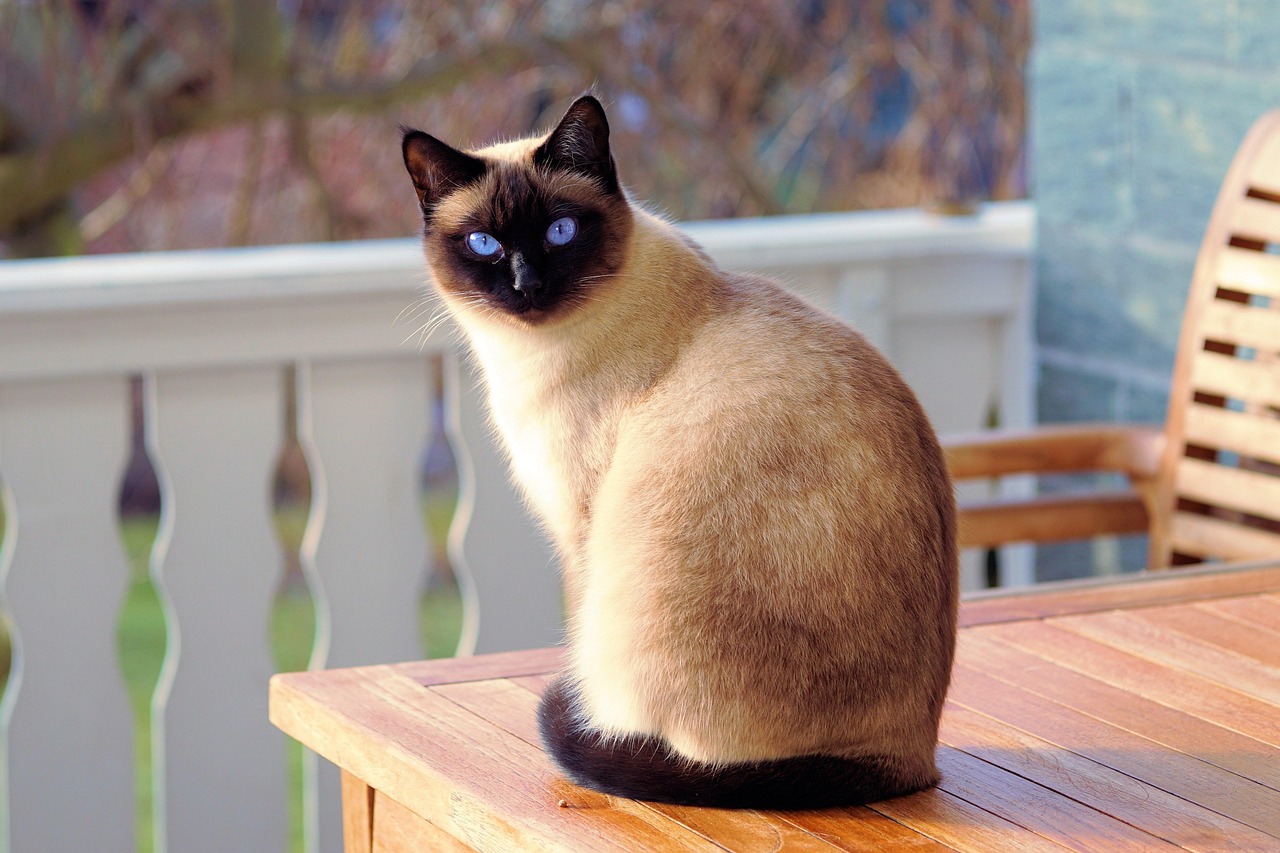
Siamese cats are known for their affectionate nature and make excellent emotional companions, as they are highly social cats that enjoy being around their human companions and are known to form strong bonds with their owners, often described as being loyal, loving, and very vocal. Their distinctive vocalizations aren’t just noise – they’re actually attempts at emotional communication with their beloved humans.
Certain breeds like Ragdolls or Siamese are known for being more attuned to human emotions, and their sensitivity shows in how they respond to your voice tones and facial expressions. Siamese cats are famous for their vocal nature and intense devotion to their owners, and these sleek, beautiful cats don’t just meow – they communicate with a wide range of sounds that essentially translate to “I love you”. They’ve mastered the art of emotional conversation without using words.
Russian Blue Cats: The Quiet Emotional Support Specialists
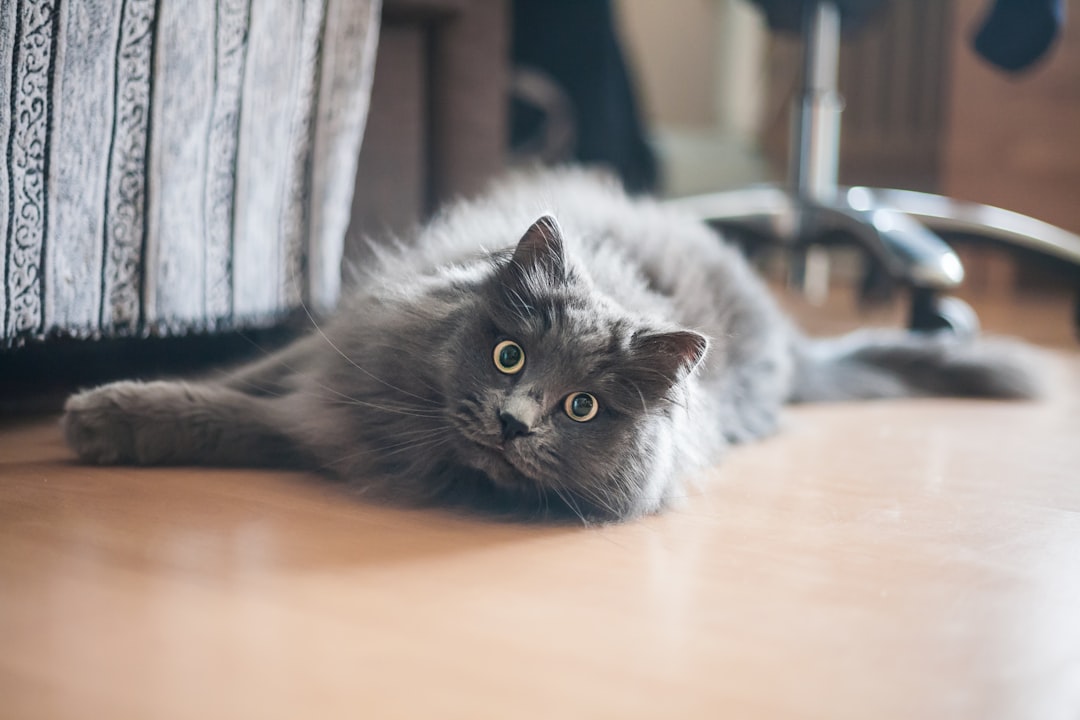
Perfectly suited for introverts, the Russian Blue cat is not like the overly affectionate breeds, as they like to keep to themselves much of the time, but their sensitivity to emotions will have them be there when needed. Behind those shimmering silver-blue coats lie hearts finely tuned to human emotions, as Russian Blues excel at reading the room, offering quiet support without overwhelming you with attention, perfect for introspective individuals.
These cats understand the power of subtle emotional support. A Russian Blue quickly identifies your comfort spots in the home and creates a protective presence there, appearing almost magically when your emotional state shifts toward sadness or anxiety. Their approach to emotional support is like having a wise, silent friend who knows exactly when to offer comfort without being intrusive.
Burmese Cats: The Empathetic Shadows
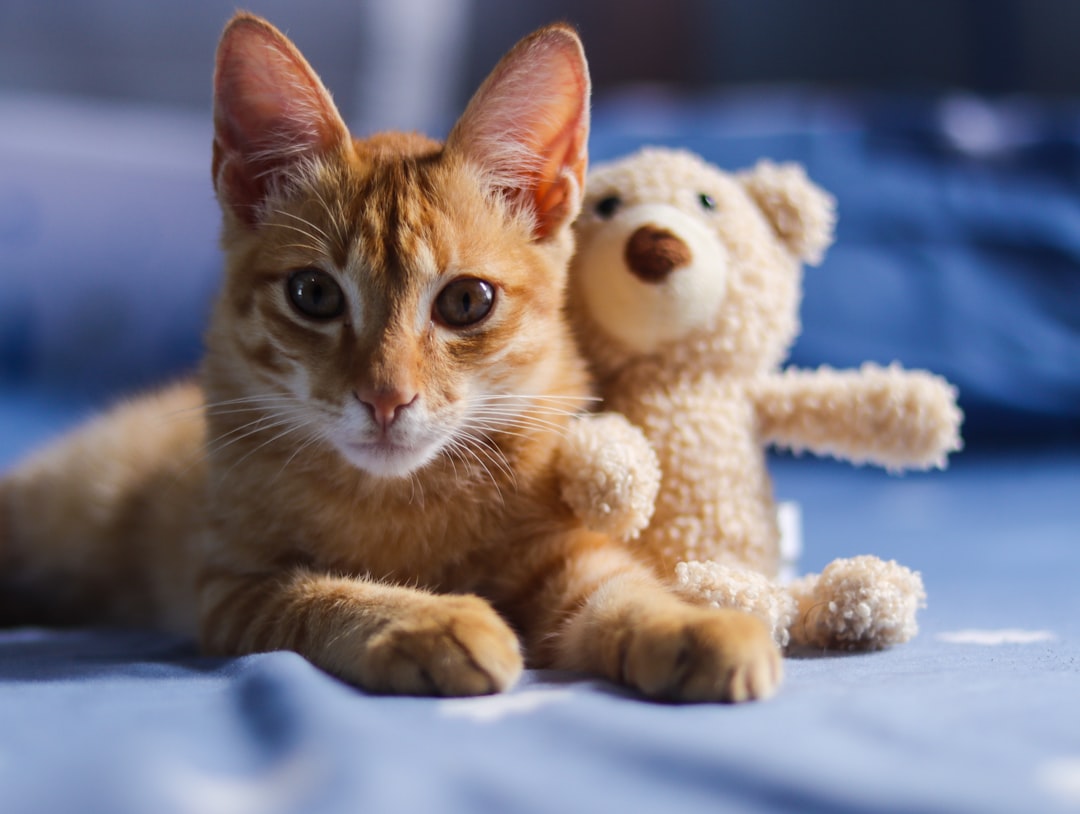
Burmese cats are famously known for their dog-like personalities and their profound love for human interaction, as they are the epitome of affection and loyalty, often following their owners around like little shadows, and imagine having a furry companion that not only cuddles with you but also listens to your every word with those wise, understanding eyes – it’s like having a therapist who purrs!
Known for their people-oriented personalities, they’ll curl up on your chest during anxiety attacks or illness, and many Burmese owners report their cats appearing beside them moments before they themselves realize they’re feeling down – almost like furry emotional barometers. Historically bred as temple companions, Burmese carry an ancient wisdom in their gold-colored eyes, seeming to understand human suffering on a deep level and adjusting their normally playful demeanor to match your emotional state, standing out among cat breeds for their unusual desire to make direct eye contact with their humans, creating powerful bonding moments during difficult times.
Persian Cats: Tranquil Healers with Therapeutic Presence
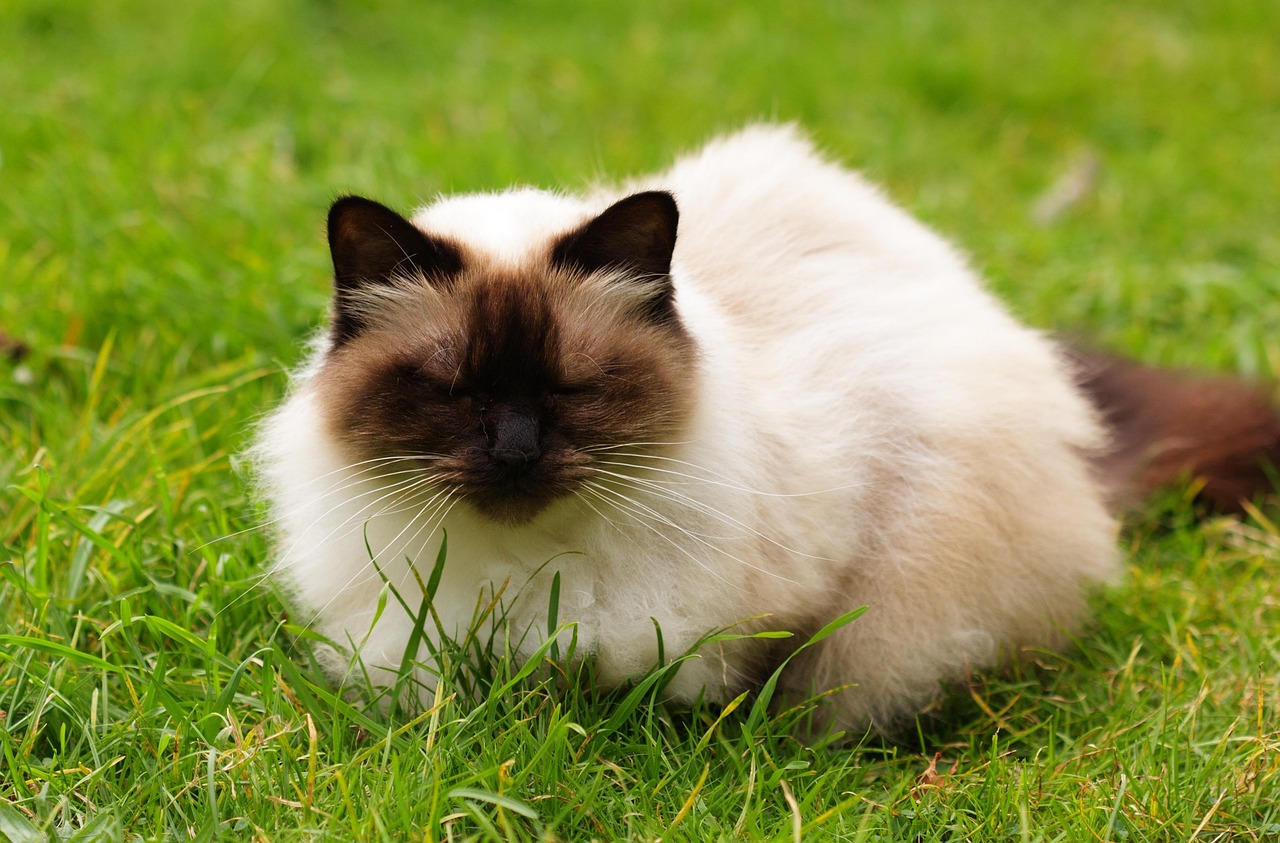
Persian cats bring an aura of tranquility to any environment with their slow, deliberate movements and quiet demeanor, their long, luxurious coats provide therapeutic sensory stimulation during petting sessions, while their soft purrs create sound therapy that can lower blood pressure during anxious moments, and unlike more active breeds, Persians excel at stillness – a quality that becomes invaluable during times of emotional processing.
Ideal for a quiet person in a small home, the Persian cat has a calm, easy-going temperament and an affectionate nature, initially shy, but once a Persian bonds with a person they are generous in their love and will happily cuddle as long as you want, content to sit in your lap or curl up next to you, always ready for another pat. Their presence alone can transform a stressful environment into a sanctuary of peace.
Abyssinian Cats: The Graceful Emotional Detectives
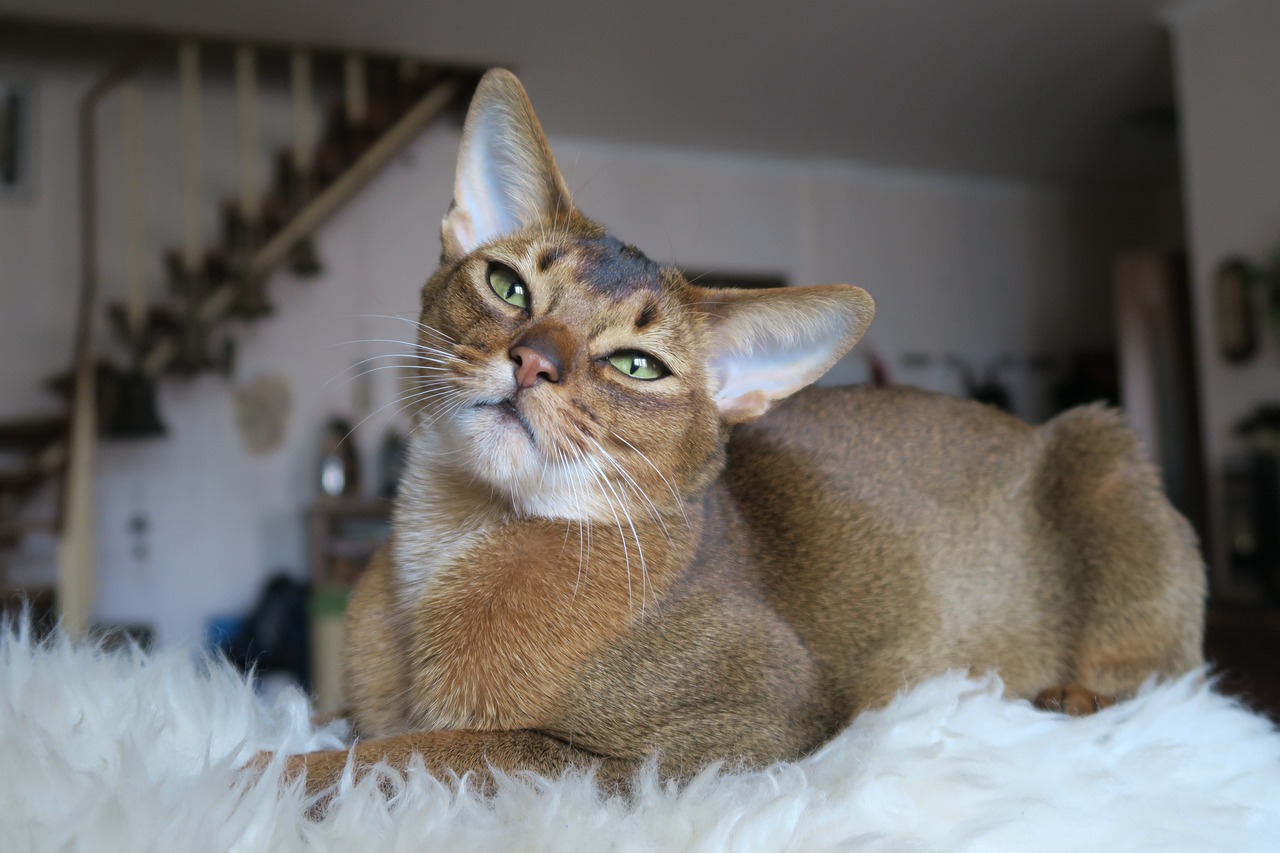
While Abyssinians might not be the first to jump into your lap for a cuddle session, they excel in offering a different kind of emotional support, their presence is like a warm, subtle whisper telling you everything will be alright, and they are particularly adept at sensing emotions, making them perfect as an emotional support animal, as if you’re feeling blue, an Abyssinian will likely stick by your side, proving that sometimes, silence and a gentle purr can be more comforting than words.
Their ticked coats shimmer with each graceful movement as they navigate your emotional landscape, and unlike needier breeds, Abyssinians offer companionship without demands, making them perfect for empathetic humans who value emotional space. Known for being attentive companions who thrive on affection, nicknamed the “Clowns of the Cat Kingdom,” they will try to play with you just for the interaction, their need for attention and activity means that you can’t leave them alone very much, however, the trade-off is a pet that will make you feel like the most important person in the world.
Tonkinese Cats: The Emotional Intelligence Masters
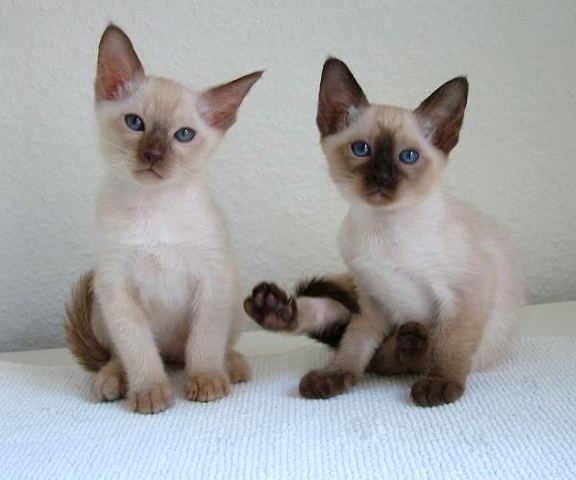
Combining Siamese sensitivity with Burmese warmth, Tonkinese cats navigate human emotions with remarkable precision, seeming to possess an emotional radar that guides their interactions with perfect timing – playful when you need distraction, quiet when you need peace, and affectionate when you need comfort, their aqua eyes study your face for clues about your emotional state, adjusting their behavior accordingly as a living example of feline emotional intelligence.
Tonkinese possess remarkable emotional intelligence, often described as “people cats” for their ability to read and respond to human feelings, offering playful distraction when appropriate or quiet companionship when sensing your need for stillness, and unlike some breeds that demand center stage, Tonkinese balance independence with attentiveness. They’re like having an emotionally intelligent roommate who always knows exactly what you need without you having to ask.
Conclusion
The remarkable emotional intelligence of these eight cat breeds proves that the bond between humans and felines goes far beyond simple companionship. Cats have a general mental representation of the emotions of their social partners, both conspecifics and humans, and these particular breeds have refined this ability to an art form. Whether it’s a Ragdoll’s intuitive cuddles, a Maine Coon’s protective presence, or a Tonkinese cat’s perfectly timed emotional support, these felines offer something truly special.
Each breed brings its own unique approach to emotional support, from the Persian’s tranquil healing presence to the Burmese’s empathetic shadowing. What’s most amazing is how these cats seem to know exactly what kind of comfort we need before we even realize it ourselves. Have you experienced this kind of emotional connection with your own feline companion? What do you think about these remarkable emotional abilities cats possess?