You love your feline companion, but as the snow starts falling and temperatures plummet in Maine, you might wonder if your cat is really equipped to handle the harsh winter conditions. Maine winters can be brutal, with temperatures dropping well below freezing and snowdrifts piling up for months on end. Not all cats are created equal when it comes to weathering these icy months.
Some breeds have evolved over centuries to not just survive but actually flourish in cold climates. These remarkable felines possess unique physical traits that make them perfectly suited for winter living. If you’re considering adding a cat to your Maine household or you’re simply curious about which breeds can handle the chill, understanding these cold weather champions will help you make the right choice for your family.
Maine Coon: The State’s Natural Winter Warrior
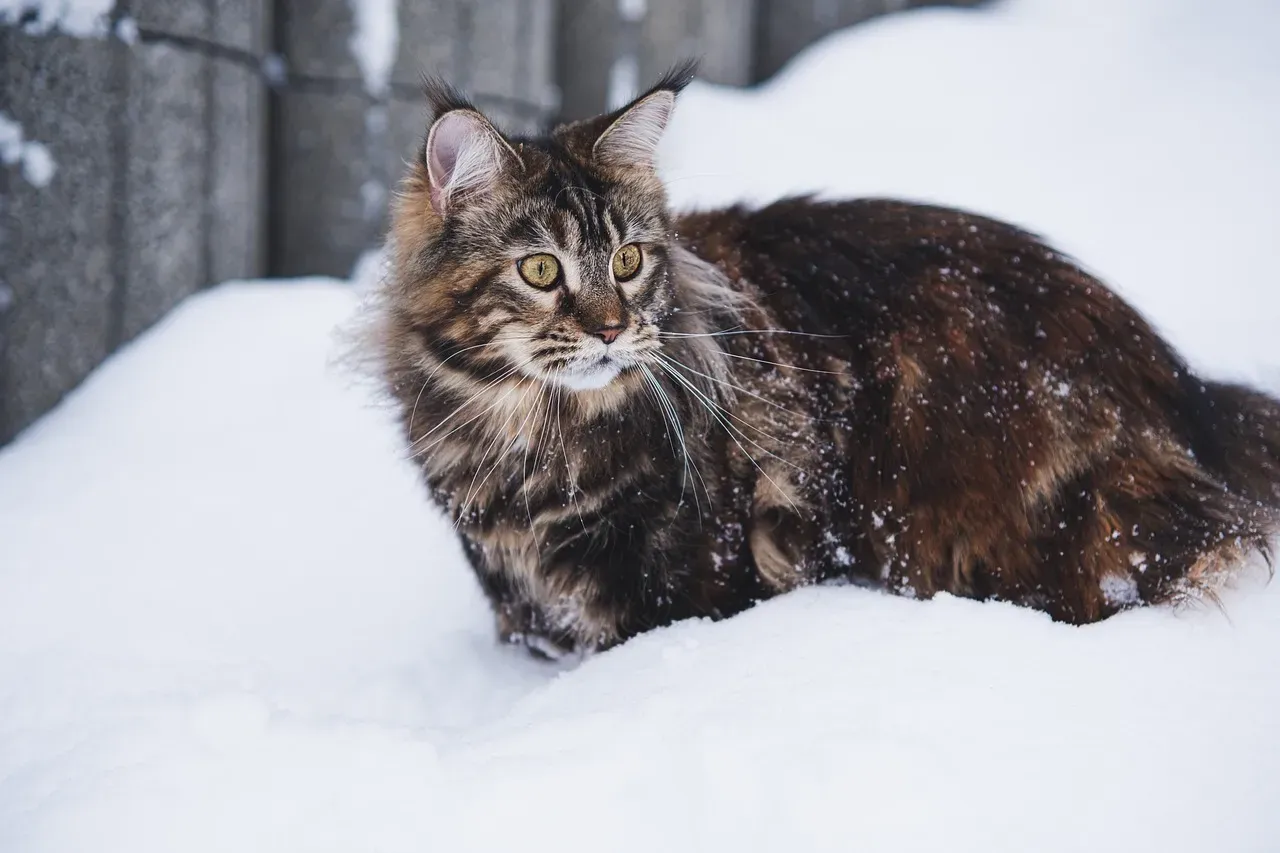
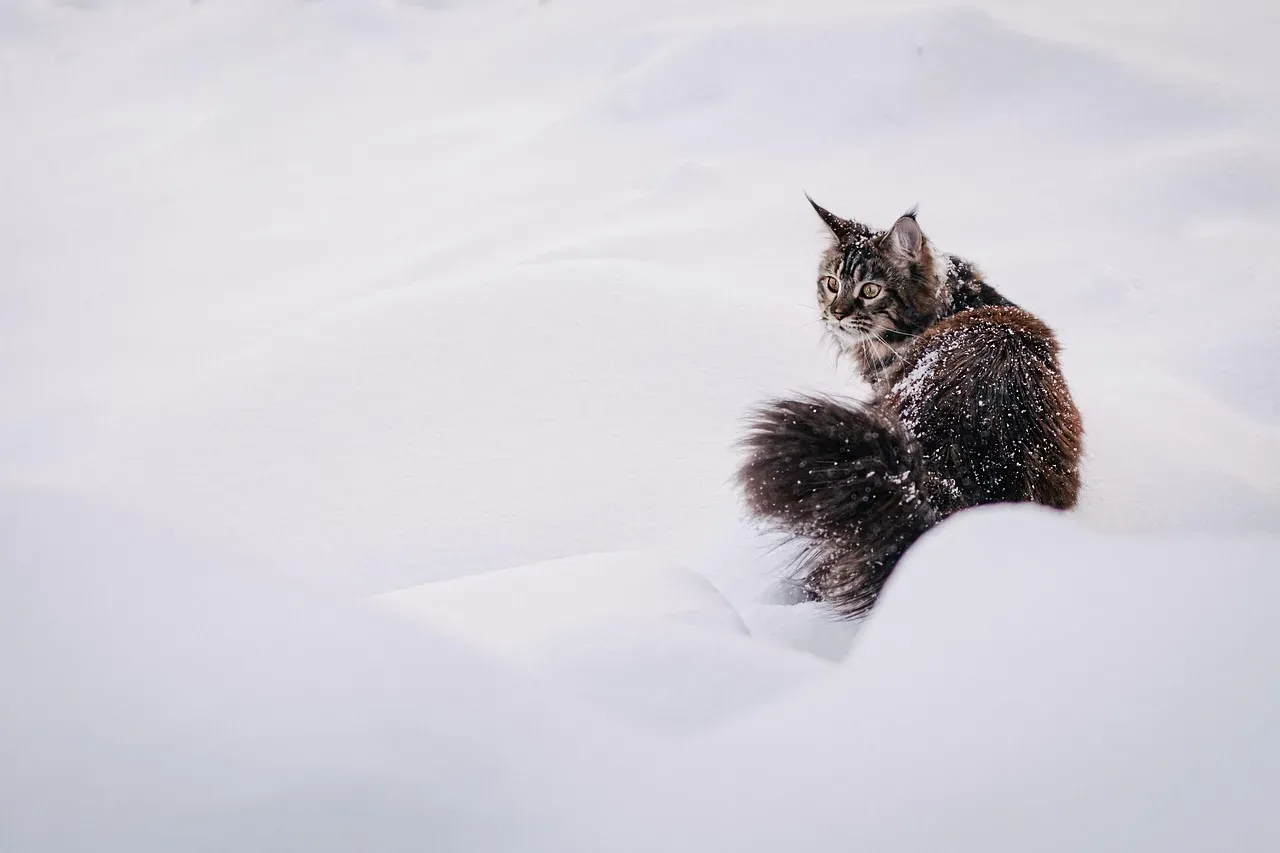
This breed naturally developed in Maine, where average winter temperatures hover between 15 to 25 degrees Fahrenheit. Their large body, sometimes reaching up to 25 pounds, is covered in thick, semi-water-resistant fur, and they have large wide paws to help them walk on the many inches of snow that fall in Maine each year. These snowshoe paws act like natural winter boots, preventing them from sinking into deep snow as they explore outdoors. The Maine Coon’s wedge-shaped head and high cheekbones give them a distinctive appearance that sets them apart from other cold-weather breeds.
What really makes them exceptional for Maine living is their genuine affinity for winter conditions. Many members of this breed love spending time outside in the winter. Their long, bushy tail isn’t just for show. It wraps around their body for extra warmth when they curl up during particularly frigid nights. Beyond their physical adaptations, Maine Coons are known for their dog-like personalities, often following their owners around and playing fetch. They’re gentle giants who get along wonderfully with children and other pets, making them ideal family companions for those long Maine winters spent mostly indoors.
Siberian: The Ultimate Cold Climate Champion
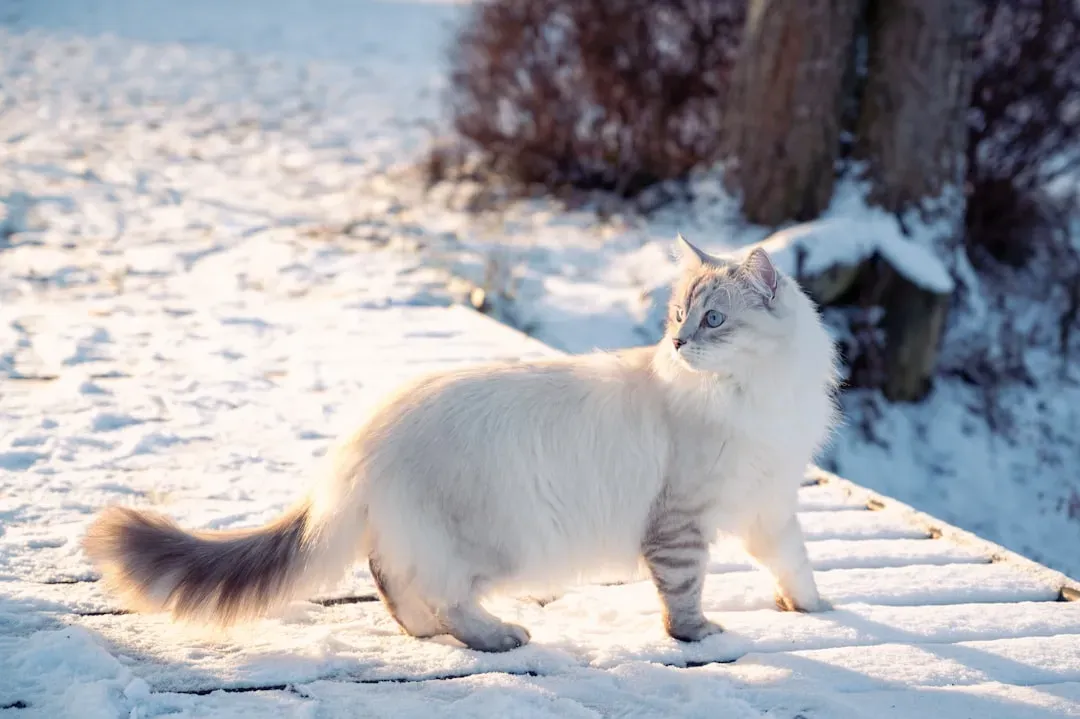
Siberian cats hold the title for most cold-resistant feline, having grown dense heavy coats to survive some of the coldest temperatures in the world. They have a coat made of not one, not two, but three different layers, which renders their body almost water and cold-resistant. This triple-layer protection is unmatched among domestic cats. This additional fluff has helped them survive temperatures as cold as 5 to 14 degrees Fahrenheit until they could find shelter to hunker down.
Officially recognized as a breed in the early 1990s, they are a centuries-old landrace from Siberia. Their fur became resistant to moisture and their ears are also well-insulated. These cats are surprisingly affectionate and devoted to their humans, maintaining a youthful, playful attitude well into old age. Their sweet-natured temperament makes them wonderful indoor companions during those stretches when even cold-hardy cats should stay inside. Just be prepared for significant shedding, which requires regular grooming sessions to keep their magnificent coat in top condition.
Norwegian Forest Cat: The Viking’s Faithful Companion
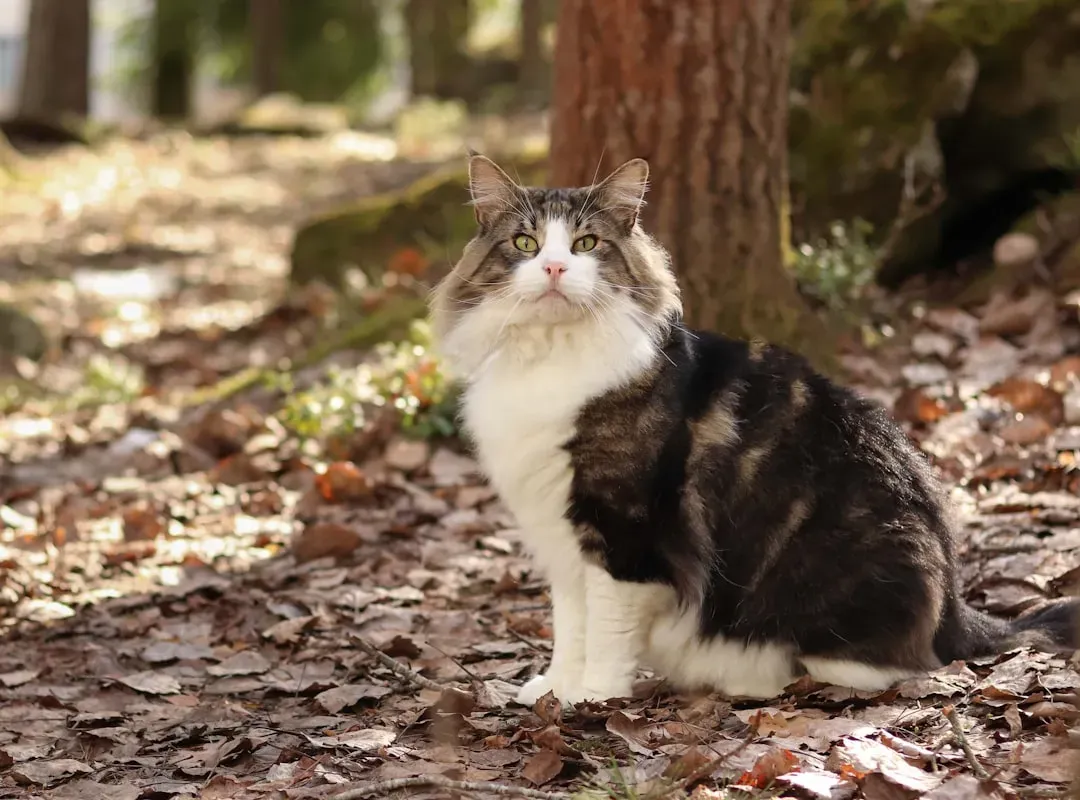
To endure the harsh winters of Scandinavia, the Norwegian Forest cat evolved a double layer of thick, waterproof fur. As they adapted to surviving snowy climates in Scandinavia, this breed developed tufted ears and toes to serve as natural ear warmers and booties. The tufts between their toes are particularly practical for Maine winters, helping them maintain footing on icy surfaces and preventing snow from packing between their paw pads.
The ancestors of the Norwegian Forest Cat most likely served as ships’ cats on Viking ships, which speaks to their hardiness and adaptability. These cats have impressive climbing abilities thanks to their strong claws, and they can run down trees headfirst. Their triangular-shaped head distinguishes them from Maine Coons, with a straight profile that gives them an alert, intelligent expression. Norwegian Forest Cats tend to be more independent than Maine Coons, content to entertain themselves when you’re busy. They’re friendly and playful but not clingy, making them perfect for people who want an affectionate companion without constant demands for attention.
Turkish Van: The Adaptable Mountain Cat
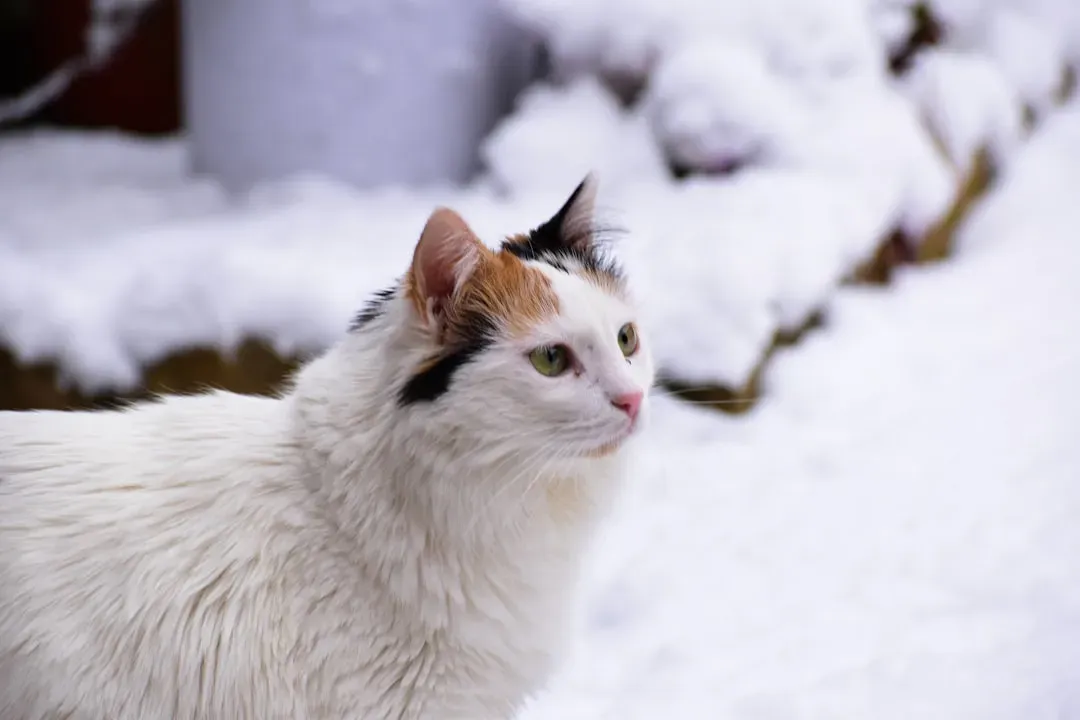
The vast geographical origins have caused the breed to develop a unique ability that lets their coats adapt to a wide range of climates, becoming longer and thicker when temperatures begin to drop, with tufts of hair emerging between their toes. They have a water-resistant, single-layer coat for enduring winter elements or staying dry after going for a swim in warmer months. Yes, you read that correctly. Turkish Vans are among the rare cat breeds that actually enjoy water, earning them the nickname “swimming cats.”
When adapting to the environment in Europe and Asia, this breed developed strong hind legs and a fondness of jumping and climbing to see their surroundings, likely needed for survival. You’ll often find them perched on the highest points in your home, surveying their domain from above. Their love of heights combined with their playful nature means you’ll need to cat-proof your upper shelves and ensure anything breakable is secured. These active, intelligent cats require plenty of mental and physical stimulation. During Maine winters, they’ll appreciate interactive toys and climbing structures to keep them entertained when outdoor adventures aren’t advisable.
British Shorthair: The Compact Cold Weather Specialist
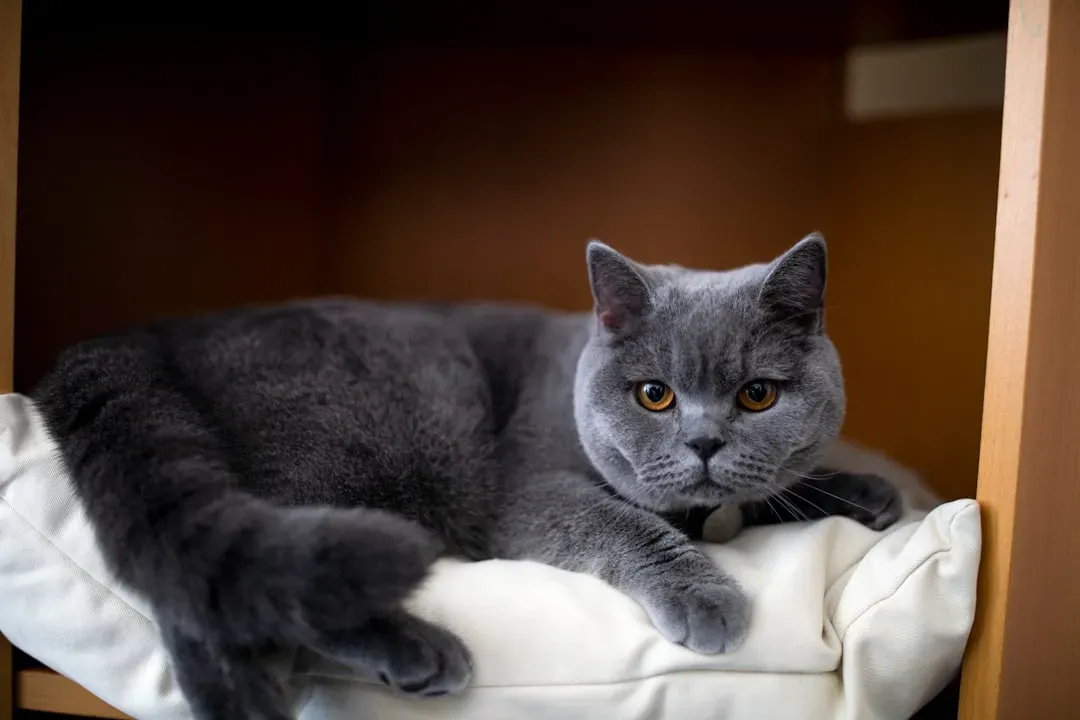
Their coat is short but dense, giving them the robustness needed to thrive in cold weather, and because they’re so easygoing and calm, they make fantastic additions to any household. Don’t let their shorter coat fool you. The British Shorthair’s fur is incredibly thick and plush, almost like a teddy bear, providing excellent insulation against cold temperatures. Their rounded face and stocky build aren’t just adorable features; they help minimize heat loss in frigid conditions.
These cats are the epitome of laid-back companions. They’re affectionate without being needy, happy to sit beside you rather than demanding to be in your lap constantly. This independent streak makes them ideal for busy families or working professionals who can’t provide constant attention. British Shorthairs can be initially reserved with strangers, but they’re wonderfully loving with their family members. Their calm demeanor means they handle the forced indoor time of Maine winters without developing cabin fever or destructive behaviors. They’re perfectly content to lounge by a sunny window, watching the snow fall outside while staying cozy and warm.
Himalayan: The Fluffy Indoor Winter Companion
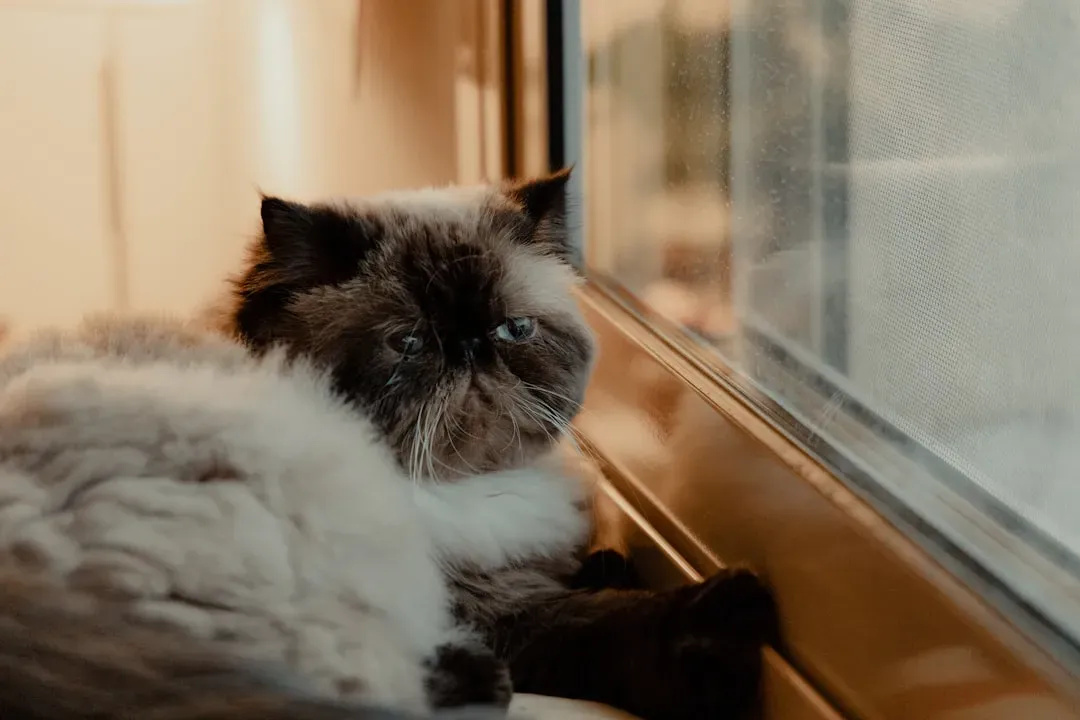
Their long, thick fur helps keep them well insulated in the cold, making them a great winter adventure companion. The Himalayan is essentially a fusion of Persian elegance with Siamese coloring, resulting in a stunningly beautiful cat with remarkable cold tolerance. Their luxurious double coat provides exceptional warmth, though it does require significant grooming commitment to prevent matting and tangles.
Himalayans are typically indoor cats due to their high-maintenance coats and somewhat less rugged nature compared to breeds like Maine Coons. Still, their thick fur makes them perfectly comfortable in homes where you might keep the heat a bit lower during expensive Maine winters. These cats are gentle, sweet-tempered, and love nothing more than a quiet, peaceful environment. They’re not particularly athletic or adventurous, preferring comfortable spots near heat sources or sunshine. If you’re looking for a beautiful, calm companion who’ll keep you company during long winter evenings without requiring outdoor access, the Himalayan could be your perfect match. Just be prepared to invest in regular grooming sessions or budget for professional grooming services.
Scottish Fold: The Surprisingly Hardy Companion

Their fur is dense, providing a warm layer to protect your cat in cold weather. They are also a muscular breed which helps them to maintain body temperature when the mercury drops. Those distinctive folded ears that give this breed its name and irresistible appearance don’t compromise their ability to handle cold weather. In fact, their compact, rounded head shape actually helps retain body heat more efficiently than breeds with larger, more exposed ear structures.
Scottish Folds are extremely playful and curious, with an adventurous spirit that belies their cute, innocent appearance. They love exploring and can adapt well to supervised outdoor time during milder winter days, though they’re equally content as indoor cats. Their muscular build isn’t immediately obvious under their plush coat, but it provides them with the physical resilience needed to maintain warmth in cold conditions. These cats form strong bonds with their families and are known for getting along beautifully with children and other pets. Their playful nature means they need regular exercise and stimulation, which is particularly important during winter months when outdoor activity is limited. Interactive play sessions will keep them physically fit and mentally satisfied throughout the long Maine winter.
Pixie-Bob: The Rugged Wild-Looking Survivor
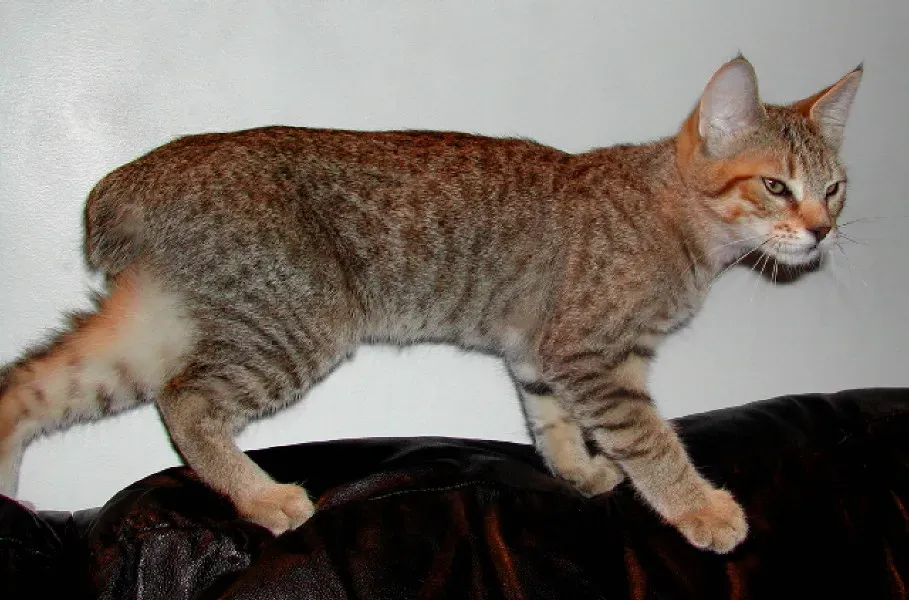
Thanks to their very thick fur, the pixie-bob is fairly resistant to cold temperatures, making them an ideal choice if you live in a less than balmy spot. Stocky and muscular, they’re a hardy breed and they’re often polydactyl, meaning they can have up to seven toes on each paw. Those extra toes provide even more surface area for navigating snowy terrain, giving them exceptional stability on ice and packed snow.
This breed looks remarkably wild, resembling a small bobcat with their spotted coats and tufted ears. They do best with experienced owners due to their high need for physical and mental stimulation, but if you can meet that, you’ll be rewarded with a social, curious and devoted companion. Pixie-Bobs are often described as dog-like in their behavior, forming intense bonds with their families and enjoying interactive play. They’re not the best choice for first-time cat owners or those wanting a low-maintenance pet. However, if you’re an active person who enjoys outdoor winter activities and wants a robust companion who can handle Maine’s climate while providing endless entertainment, the Pixie-Bob deserves serious consideration. Their intelligence means they can learn tricks, walk on leashes, and even play fetch, making winter exercise routines much more engaging.
Keeping Your Cold-Hardy Cat Safe
Even breeds built for cold weather need certain precautions during Maine’s harshest winter conditions. No cat should be out in temperatures below 45 degrees Fahrenheit for extended periods. Because generating body heat in cold weather burns energy, these cats may need more calories during the colder months. You’ll want to increase their food portions slightly to help them maintain healthy body weight and energy levels throughout winter.
Even though these breeds are winter-hardy, they still need a warm, dry shelter to retreat to when the weather turns harsh. Make sure any outdoor shelters are well-insulated, elevated off the ground, and protected from wind and moisture. Fresh, unfrozen water is crucial, as dehydration can occur even in cold weather. Regular vet visits are crucial to spot any potential cold-related health issues, like frostbite or respiratory problems. Watch for warning signs like shivering, lethargy, or cold ears and paws, which indicate your cat needs to come inside immediately. Remember that while these eight breeds are exceptionally well-suited for Maine winters, they’re still domesticated animals who depend on you for their safety and comfort during extreme weather.
So, which of these magnificent winter warriors might join your Maine household? Whether you choose the gentle giant Maine Coon who’ll brave the snow with you or the fluffy Himalayan who’ll keep your lap warm by the fire, you’re getting a companion perfectly equipped for New England winters. What traits matter most to you in a cold-weather cat companion?