You’ve probably noticed your cat knocking things off your counter or suddenly deciding your couch is a scratching post. Sometimes this isn’t just typical feline mischief. When certain cat breeds get bored, they don’t just zone out like some of us do while scrolling through our phones. They can transform into tiny tornadoes of destruction.
Understanding why your cat acts out when unstimulated is crucial for maintaining your bond and your furniture. Let’s be real, some breeds are simply hardwired with more energy and intelligence than others. Without proper outlets, their natural behaviors can quickly become problematic. Here’s the thing: recognizing these patterns early helps you create an environment where your cat thrives instead of tears things apart.
1. Bengal: The Miniature Leopard With Maximum Energy
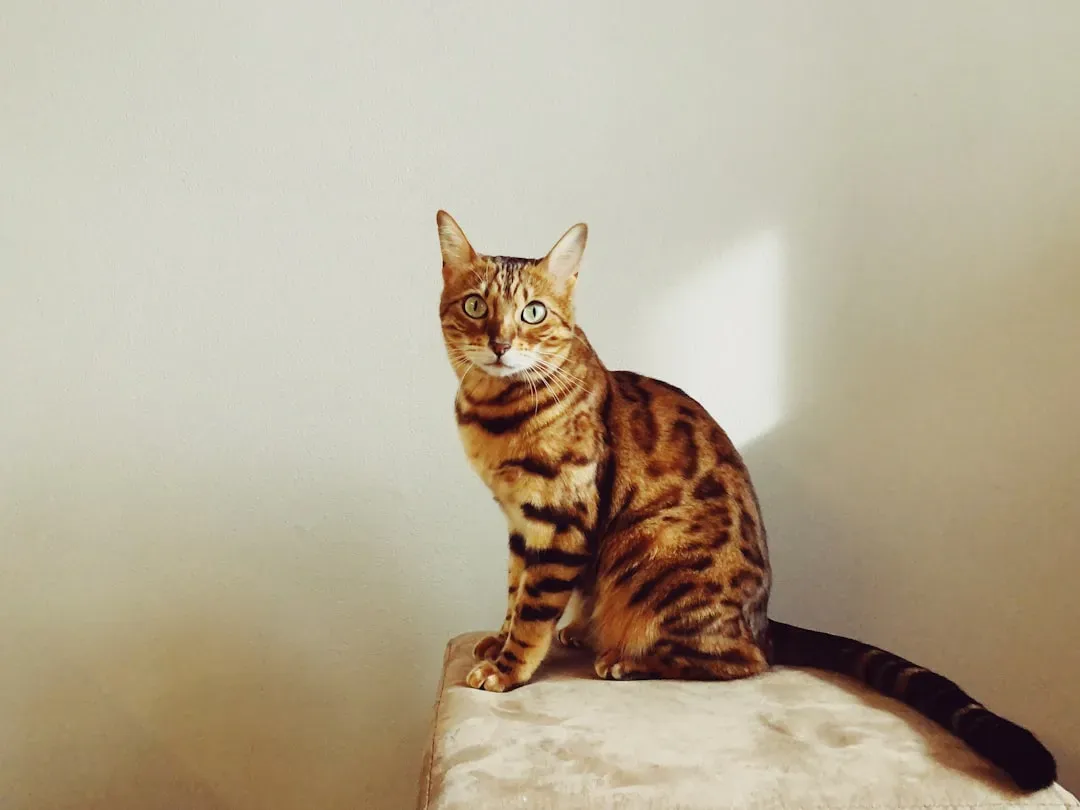
Your Bengal is one of the most adventurous and energetic cat breeds, and when they get bored, they’ll let you know by getting into cabinets and toilets, destroying tissues, and hiding things that belong to you. I think that says it all about their mischievous potential. These cats need stimulation for most of the day to prevent destructive behaviors.
Bengals are super energetic cats and can become destructive if they’re bored, from scratching to yowling, they may wreak havoc on nearby furniture. Their wild ancestry means they’re natural athletes who love climbing and exploring. Like many other cats, Bengals will resort to aggression when they feel angry, frustrated, or bored, and they tend to be hyperactive from the moment they are born. You need to channel that energy constructively, or your home will become their personal playground in ways you probably won’t appreciate.
2. Abyssinian: The Acrobatic Attention Seeker
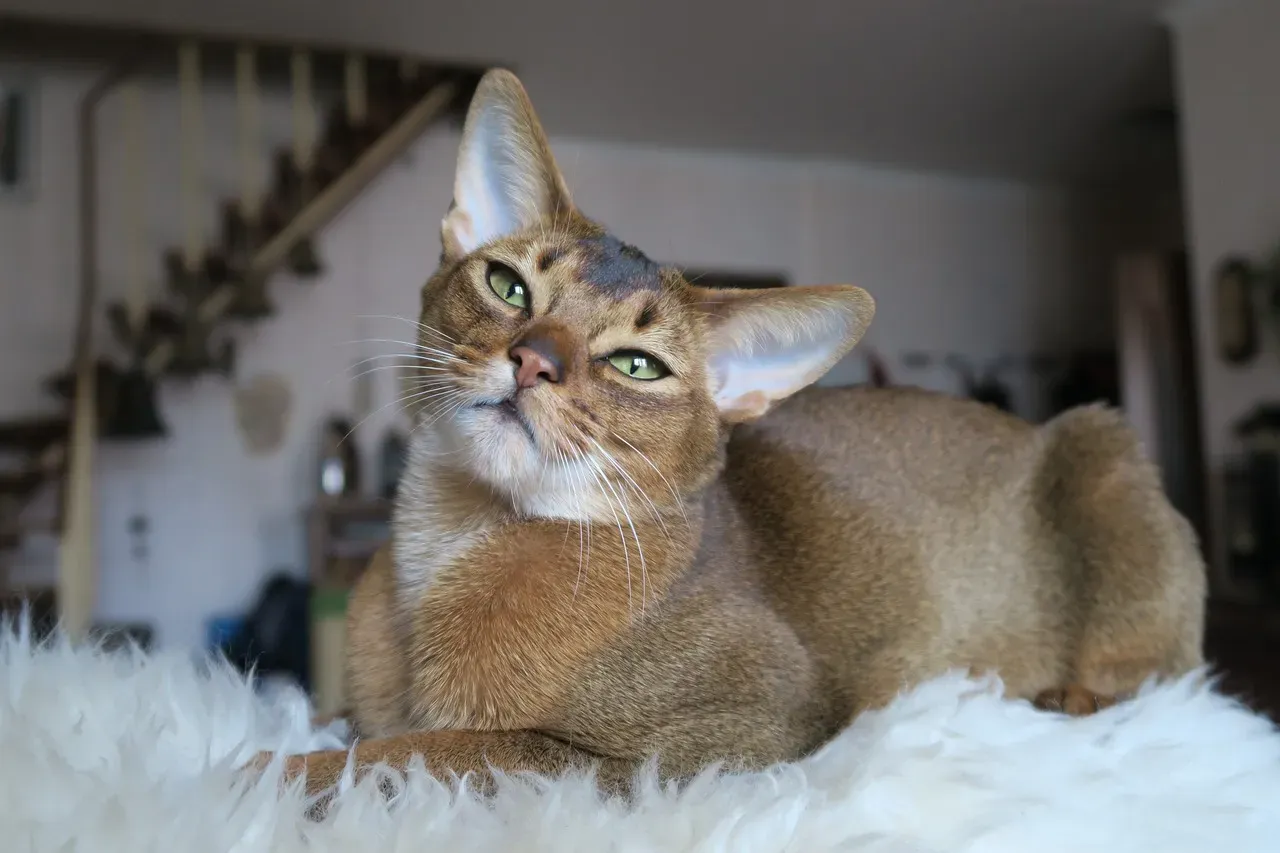
If Abyssinians are not given plenty of opportunities to leap, run, and exercise, they may become bored and frustrated, which can manifest as destructive or even aggressive behavior. Honestly, these cats are like perpetual motion machines. They are very athletic and love to climb, jump, run, leap, and explore, and they can be challenging cats for pet parents who are seeking a mellow, snuggly, and laid-back cat or who are out of the home for long periods of time.
If you have the time to spend with your cat and are able to teach them tricks and play, you’ll be able to keep your cat happy and avoid the destructive behavior that comes with a bored cat. These curious felines will investigate every corner of your home. Their intelligence means they need constant mental challenges, not just physical exercise. Without proper enrichment, your Aby will find their own entertainment, which usually involves knocking your valuables off shelves.
3. Siamese: The Vocal Drama Queen
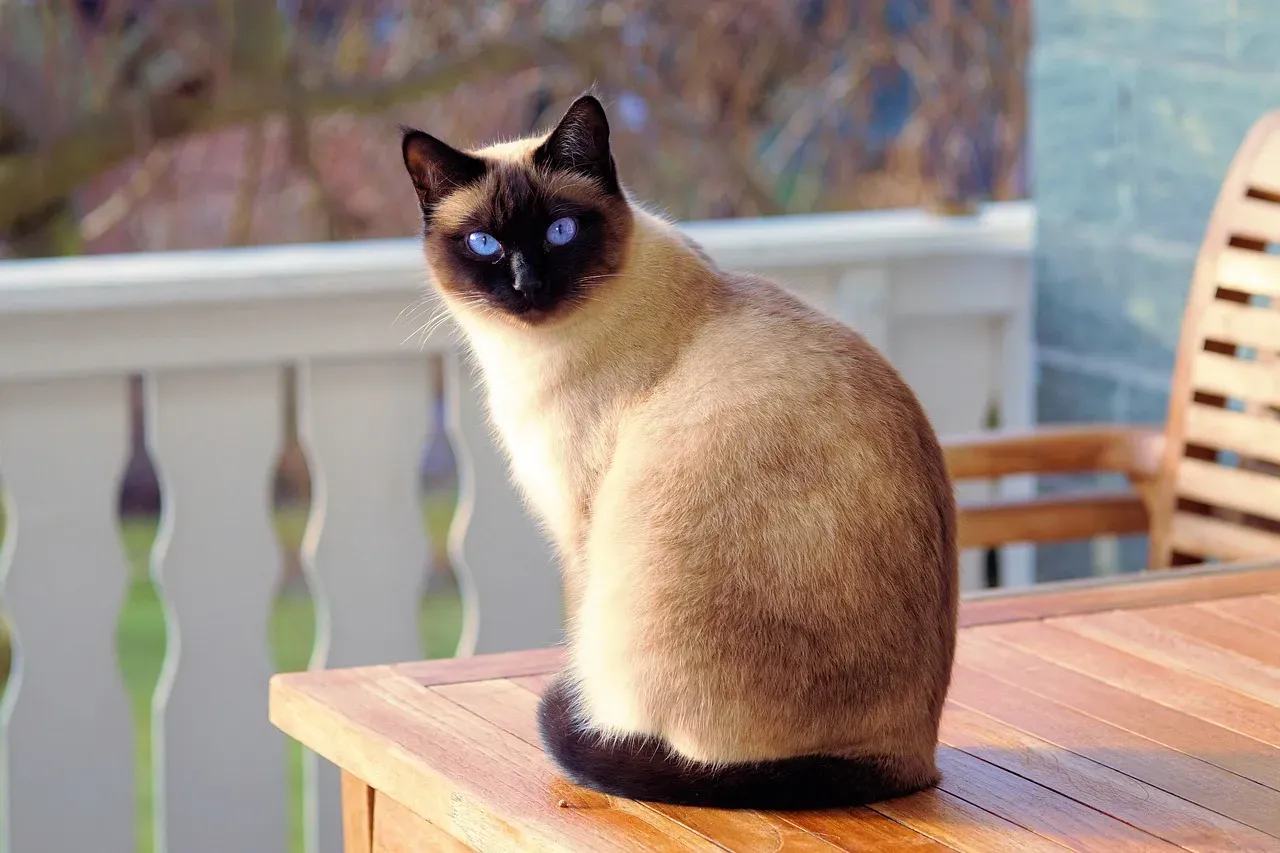
Your Siamese is famous for being chatty, but that’s just the beginning of their personality. Breeds such as Siamese, Bengal, and Abyssinian cats are known for their high energy levels and active personalities, which may manifest in sneaky behavior. They’re incredibly social creatures who form intense bonds with their humans. When left alone too long without stimulation, they don’t suffer in silence.
If your cat isn’t stimulated enough, they may become destructive to entertain themselves or get your attention, which could include ripping at furniture or attacking at feet as you walk by. Their intelligence combined with their need for constant interaction makes boredom particularly problematic. You might come home to find your Siamese has redecorated in protest of being understimulated. They’re basically the toddlers of the cat world, demanding attention and activities throughout the day.
4. Sphynx: The Hairless Troublemaker
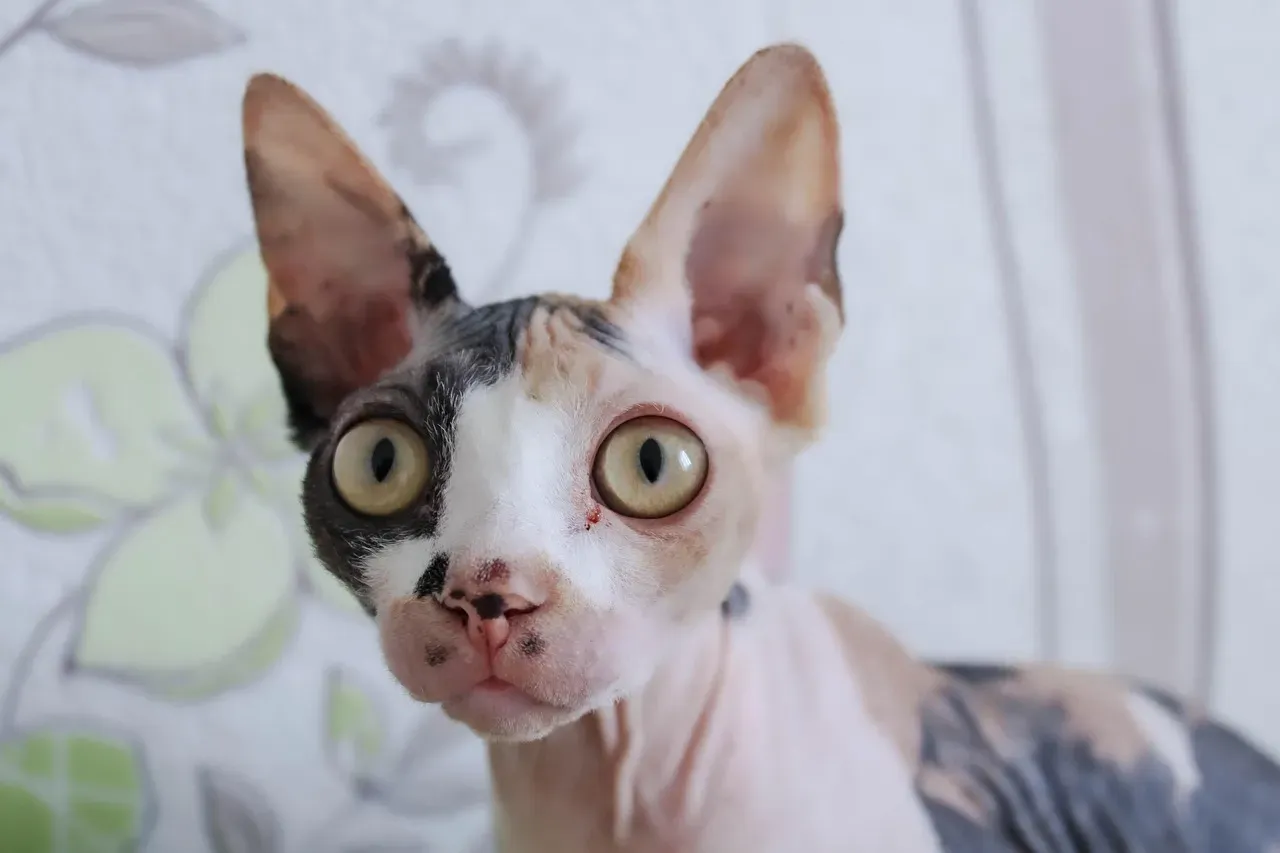
Despite their strange looks, Sphynx cats are extremely energetic and will want to play with you all day and night long. Their lack of fur doesn’t mean they lack personality or energy. They have a mischievous side to them, which means they might run around causing trouble if you don’t give them enough stimulation throughout the day.
Their intelligence and low stimulation might lead to boredom-induced mischief, so keep your Sphynx entertained to steer clear of any boredom-induced antics and ensure a happy, playful kitty companion. These cats crave attention constantly and will go to creative lengths to get it. Think of them as performers who always need an audience. Without sufficient interactive play and mental challenges, your Sphynx will invent their own games, which often involve things you’d rather they left alone.
5. Egyptian Mau: The Speed Demon
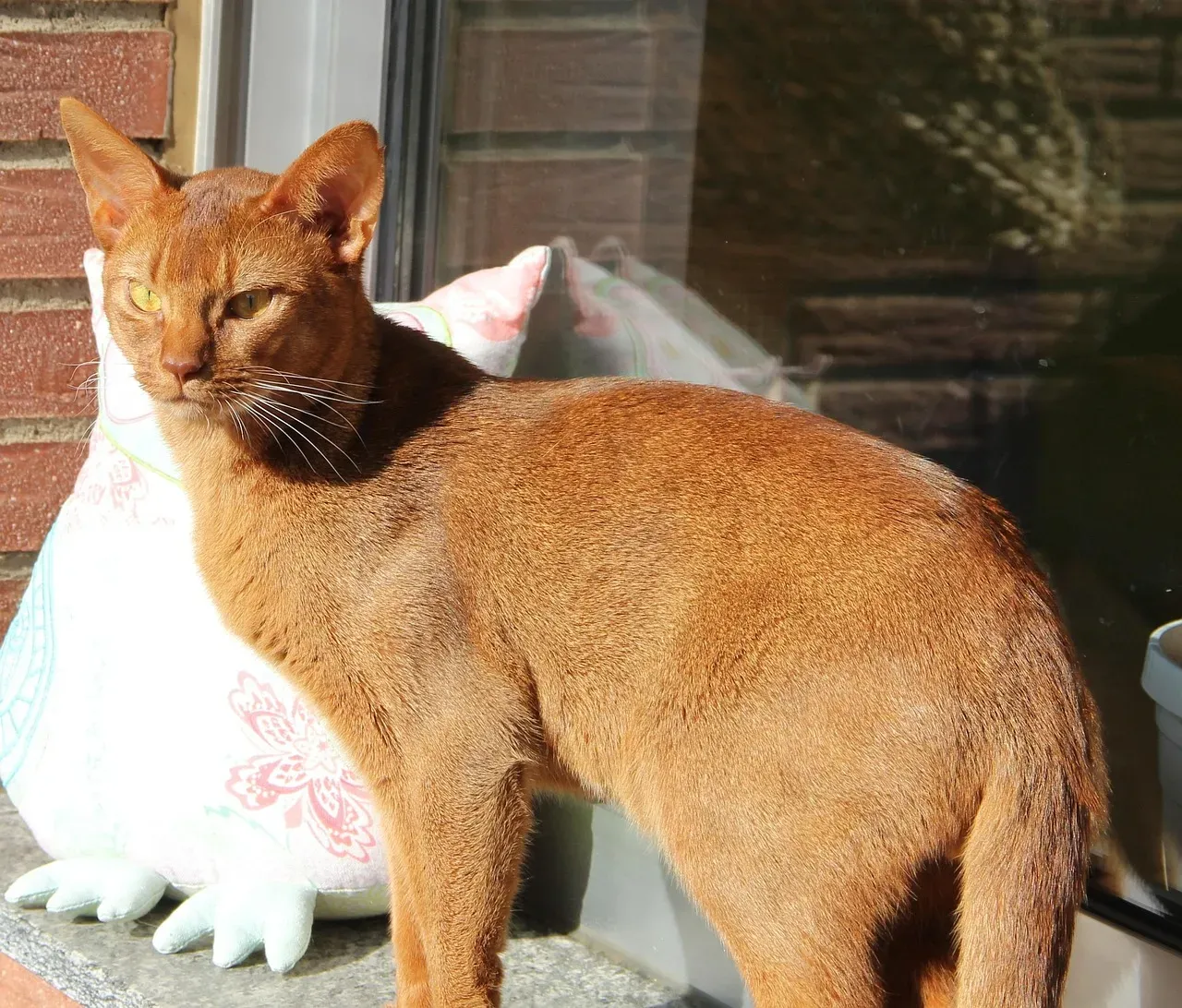
The ancient Egyptian Mau cat is known for their high energy levels and these cats are incredibly fast, the quickest of any domestic housecat – they can run up to 30 mph. Just imagine that speed combined with boredom. They have a wild side, and they can become bored and potentially mischievous if they don’t get enough energy out.
These athletic cats love games that involve hunting and chasing. Their natural predatory instincts are strong, and without appropriate outlets, they’ll hunt your ankles or anything else that moves. You really need to provide them with plenty of opportunities for fast-paced play and exploration. Their combination of speed, intelligence, and energy makes them particularly prone to destructive behavior when understimulated. It’s hard to say for sure, but I suspect their ancient heritage contributes to their intense need for activity.
6. Ocicat: The Spotted Social Butterfly
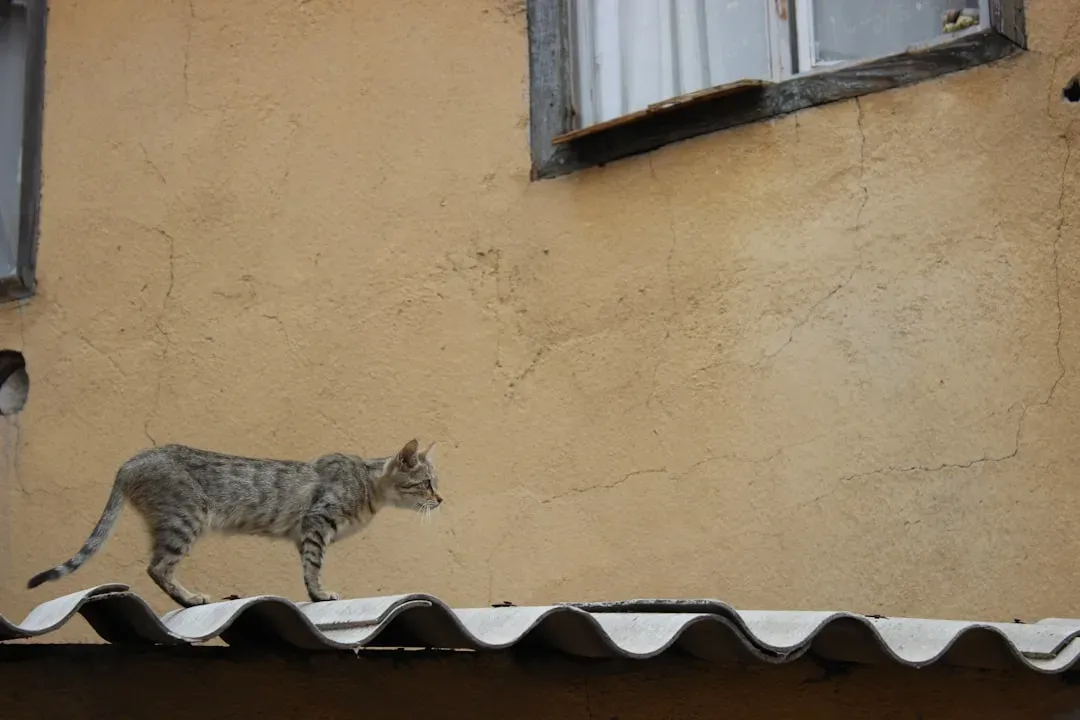
Ocicats have a lot of energy and need tons of play time. Despite their wild appearance with those distinctive spots, they’re all domestic cat at heart. Ocicats form strong bonds with humans, making them one of the more socially adept cat breeds, and their energy and intelligence mean they do best in households with plenty of stimulation.
Active breeds like Bengals, Savannahs, and Ocicats typically need more outlets than more laid-back cats. Your Ocicat’s dog-like personality means they want to be involved in everything you do. They’re not content to observe from afar. When bored, they’ll seek out stimulation themselves, which might mean shredding your curtains or reorganizing your desk by knocking everything onto the floor. Their confidence and curiosity can quickly turn into destructiveness without proper engagement.
7. Cornish Rex: The Curly-Coated Climber
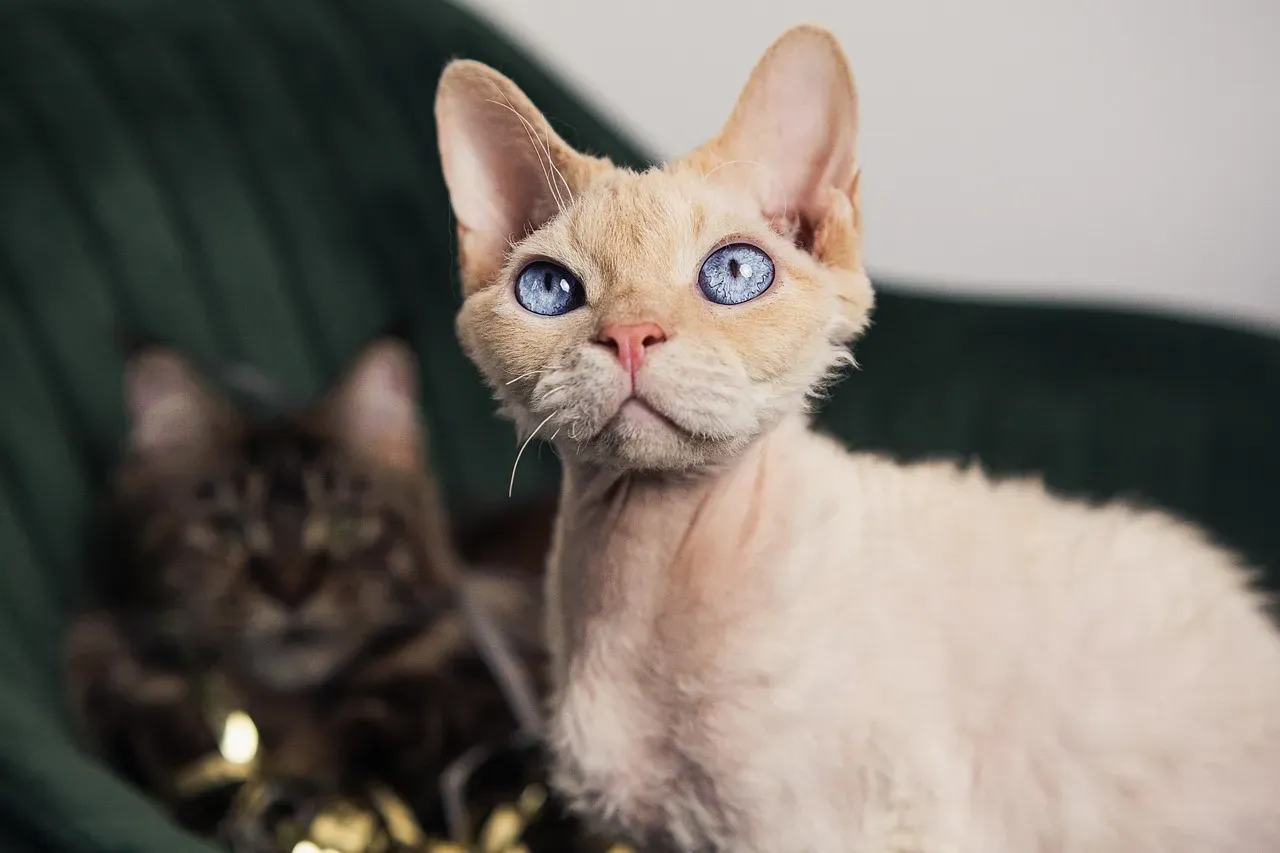
The Cornish Rex has a thin layer of fur that feels like suede, but don’t let their delicate look fool you – these cats are exceptionally energetic and love to run, jump, and climb. They’re always looking for the next adventure. They thrive on attention and will often demand playtime, making them one of the most playful cat breeds, and unlike some low-key domestic cats, the Cornish Rex never seems to slow down.
Their intelligence requires constant mental stimulation through food puzzles and enrichment games. You’ll find them racing up cat trees, leaping onto high shelves, and exploring every inch of your home. Cornish Rex cats require plenty of mental and physical stimulation to stay happy and engaged. Without it, their boundless energy gets channeled into behaviors you won’t appreciate. They’re basically feline gymnasts who need a constant performance schedule.
8. Turkish Van: The Water-Loving Wanderer
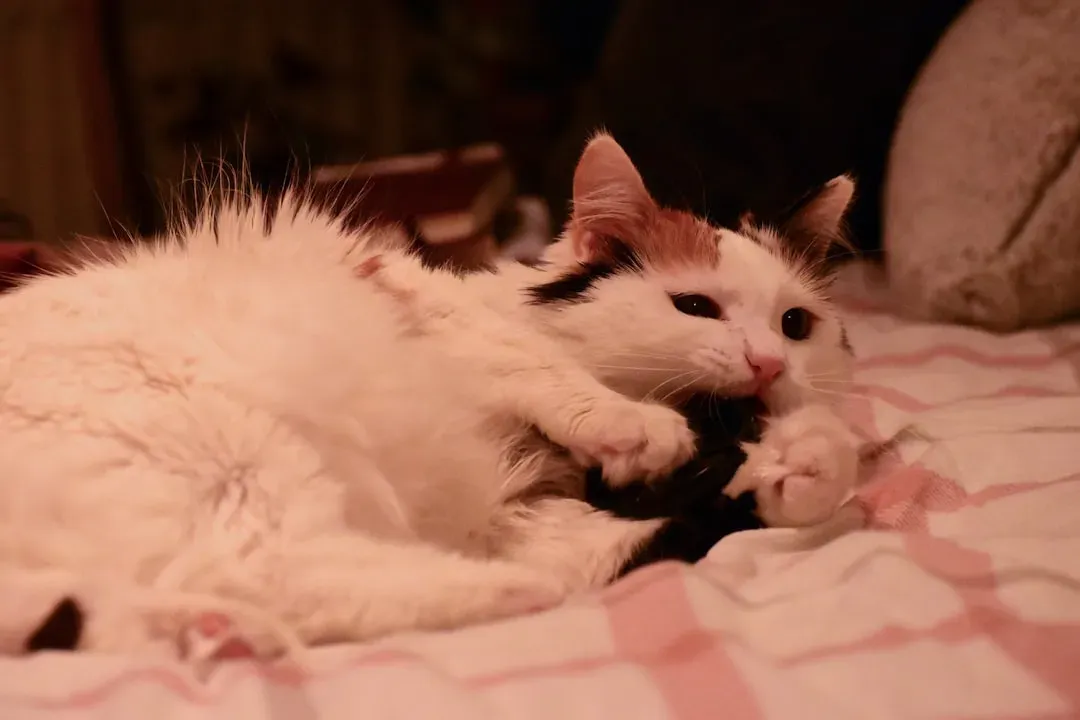
The Turkish Van is a large and highly energetic cat, and they’re one of the few breeds that love water, so don’t be surprised if you find them in the kitchen sink or catch them attempting to join you in the bath. Their playful nature is endearing, but it requires serious commitment. If their social needs aren’t met, they might show some aggressive behavior.
These athletic cats form strong bonds with their family members and want constant interaction. They love following their people around throughout the day. When left unstimulated, their territorial nature combined with their high energy can manifest as destructive behavior. You need to provide them with plenty of interactive games and activities to keep them occupied. Their unique love of water means they might even create their own entertainment in your bathroom if you’re not careful.
Conclusion: Understanding Your Cat’s Communication
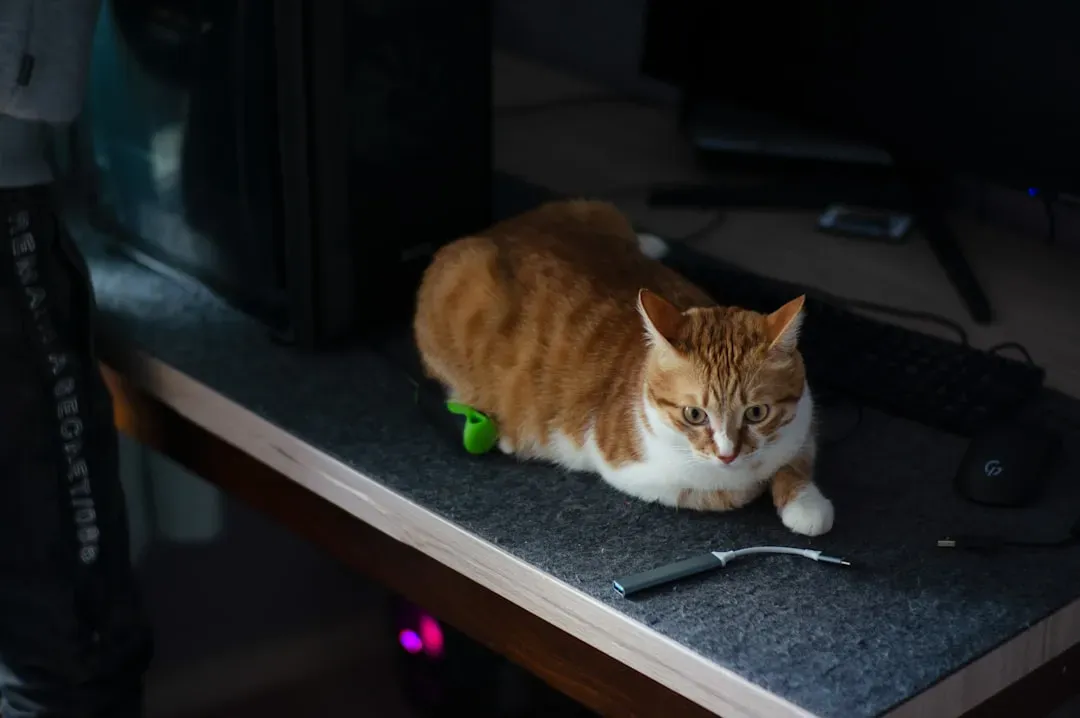
Your cat’s destructive behavior when bored isn’t spite or revenge. It’s their way of communicating unmet needs. These eight breeds particularly require substantial mental and physical stimulation to stay happy and healthy. Recognizing which breed you have helps you understand their specific requirements.
Providing appropriate outlets through interactive toys, puzzle feeders, climbing structures, and dedicated playtime prevents boredom-induced destruction. Your bond with your cat strengthens when you understand what they’re trying to tell you through their behavior. Create an enriching environment tailored to your breed’s energy level, and you’ll have a content companion instead of a frustrated destroyer. What signs of boredom have you noticed in your cat? Share your experiences in the comments below.