You love cats. Everyone does. Those adorable little faces and their quirky personalities can melt even the coldest hearts. However, here’s the thing: not all cat breeds are created equal when it comes to health and wellbeing. In fact, some breeds come with serious genetic baggage that veterinary professionals across Michigan routinely warn prospective owners about.
Let’s be real, the internet is flooded with pictures of exotic-looking cats that seem irresistible. Yet beneath those stunning appearances often lies a lifetime of medical bills, chronic pain, and shortened lifespans. Whether you’re in Detroit, Grand Rapids, or anywhere else in the Great Lakes State, the veterinary community has seen firsthand the suffering that certain breeding practices inflict on these animals. This isn’t about being negative or ruining your dream of owning a beautiful feline companion. It’s about making informed choices that prioritize animal welfare over aesthetic trends. So let’s dive into the breeds that Michigan vets consistently advise against, and why these warnings matter more than you might think.
Scottish Fold: The Painful Reality Behind Those Adorable Ears
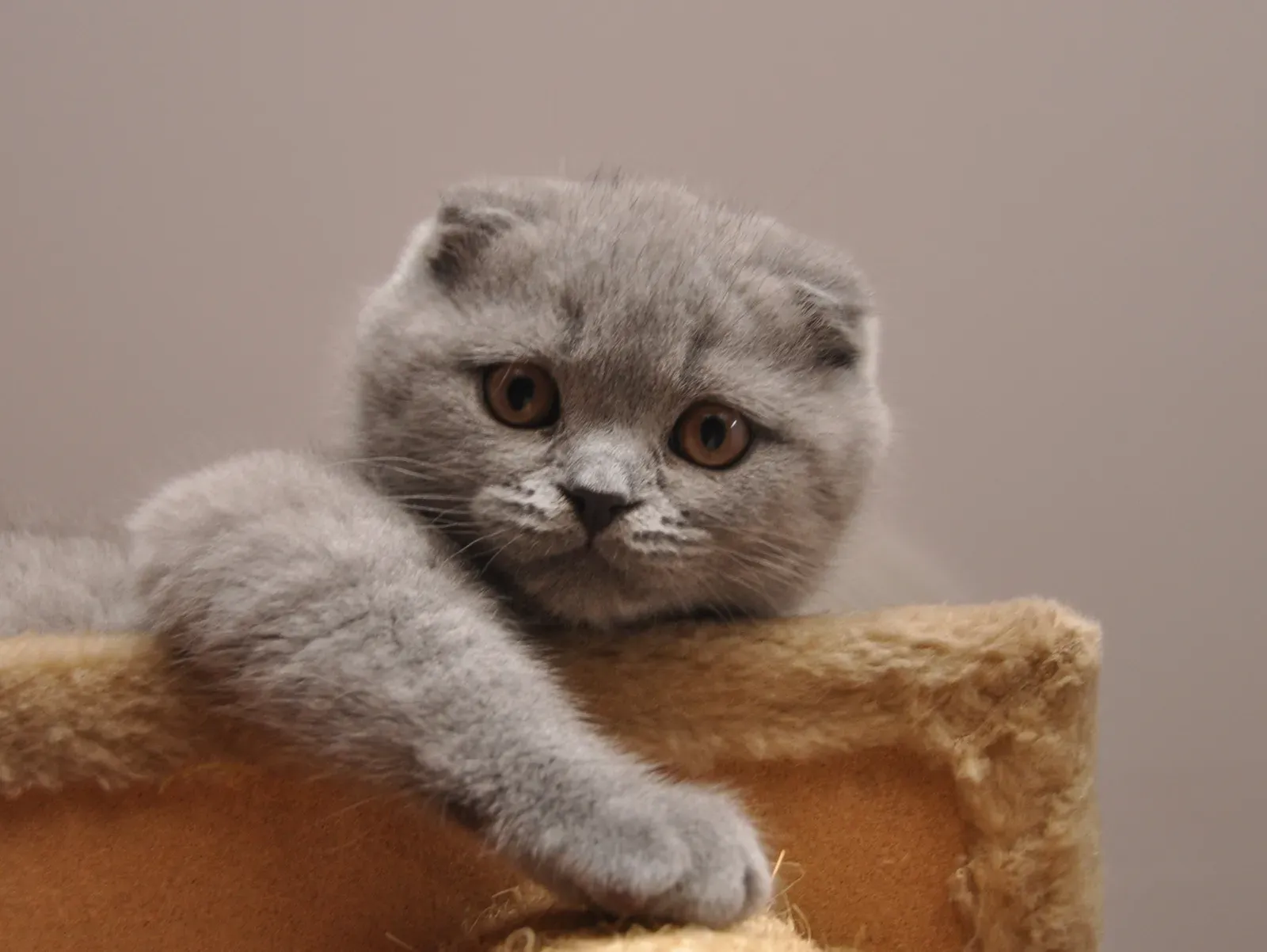
The Scottish Fold doesn’t appear to have more issues with ear infections compared to other cats, but its beloved ears hide a tragic health defect – their signature “fold” happens due to a lack of cartilage. What looks cute in photographs translates to a lifetime of suffering for these animals. The cartilage disorder that causes the desired folding of their ears also affects cartilage in other parts of the body such as their joints, leading to the development of painful joints and arthritis at an early age.
This manipulation of their gene pool has led to a painful degenerative disease called Osteochondrodysplasia, also known as Scottish Fold Disease. This is a dominant trait, meaning all Scottish Folds have it. The worst of its effects include the fusing of the joints within the tail, ankles, and knees, resulting in abnormally short, misshapen, inflexible limbs. Michigan veterinarians see these cats struggle with basic movements that healthy cats take for granted. Jumping, climbing, even grooming themselves becomes increasingly difficult and painful as they age. The genetic mutation responsible for those folded ears doesn’t just affect one body part; it compromises their entire skeletal system from day one.
Persian: Beauty at a Devastating Cost
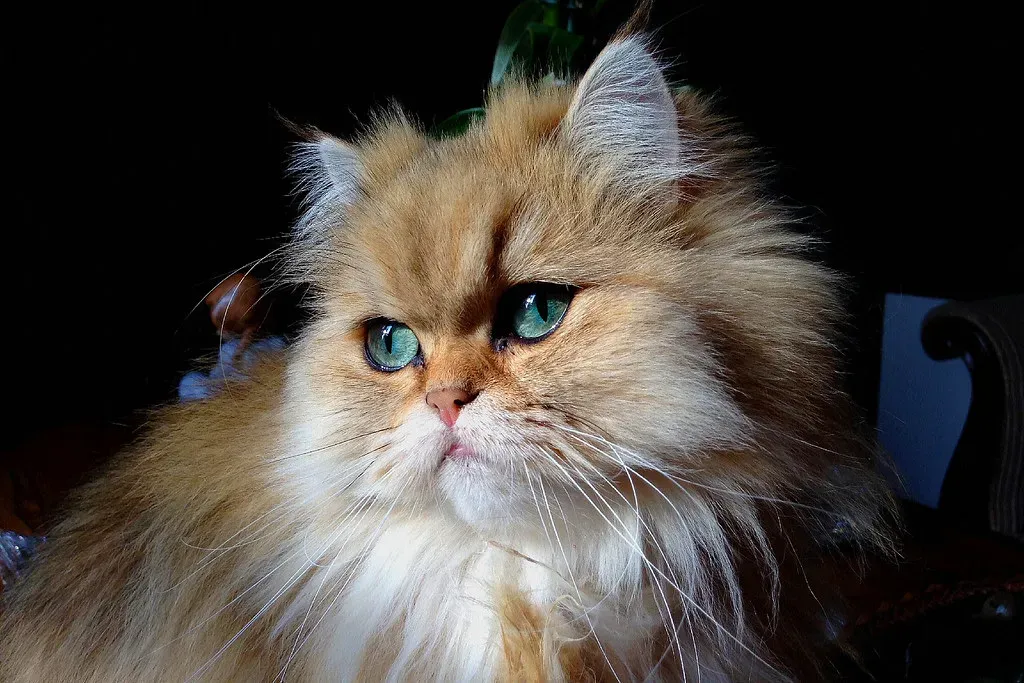
Persians rank among America’s most popular breeds, with their luxurious coats and distinctive flat faces. Yet this popularity comes with a dark side that Michigan vets deal with daily. Two-thirds of these fluffy cats suffer from at least one health condition as a consequence of their limited gene pool according to research conducted by the University of London’s Royal Veterinary College in collaboration with the University of Edinburgh.
Research shows that these long-haired felines often endure haircoat disorder, dental disease, overgrown nails, and eye discharge. These breeds are also commonly born with polycystic kidney disease (PKD), a genetic condition where cysts grow on the kidney and destroy the organ over time. Their brachycephalic (flat-faced) structure creates breathing difficulties that worsen with stress, heat, or physical activity. Many Persian cats in Michigan struggle to eat properly due to jaw misalignment. Their beautiful faces literally prevent them from living normal, comfortable lives. The grooming demands alone can be overwhelming for owners, and neglecting daily brushing leads to painful matting that pulls at their skin.
Munchkin: Dwarfism Isn’t Cute When It Causes Pain
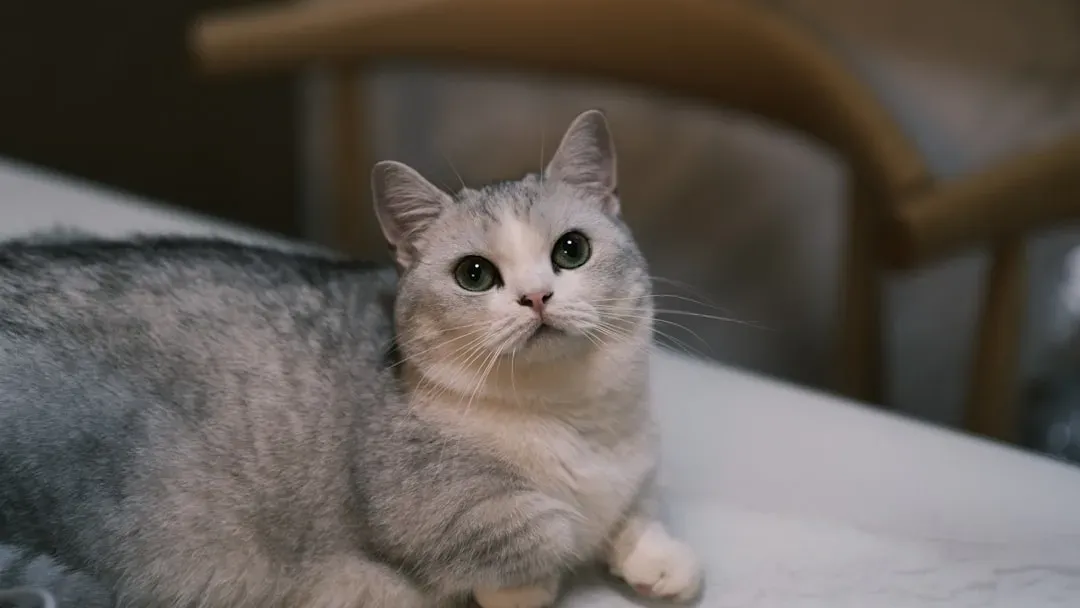
Possibly the most severe deliberate genetic abnormality is seen in the Munchkin breed. This breed has abnormally short limbs which prevent it from jumping and make it prone to painful arthritis. The breeding of Munchkin cats represents a controversial practice that many animal welfare advocates condemn outright. These cats didn’t evolve naturally; they exist because breeders deliberately perpetuated a genetic mutation that causes achondroplasia, a form of dwarfism.
The gene that causes the problem is a dominant gene. This means that only one faulty gene is enough to cause the deformity of their legs and in fact kittens who inherit two copies of the faulty gene will generally die before birth. Think about that for a moment. The very trait that makes Munchkins distinctive is so severe that double copies are lethal. As well as causing cats to have short legs, they are also prone to joint problems, joint pain and arthritis. Michigan veterinarians see Munchkin cats unable to perform natural behaviors like jumping onto furniture or climbing cat trees, activities essential to feline wellbeing and mental health.
Exotic Shorthair: Persian Problems Without the Coat

Breeders created Exotic Shorthairs out of a design to invent a short-haired version of Persians. These round-headed, snub-nosed, chubby-cheeked felines look a lot like their long-haired cousins, and they face many of the same issues as brachycephalics. This includes a predisposition for PKD, PRA, heart issues, and breathing problems as a result of the shape of their skulls.
Honestly, if you thought getting a shorter-haired version would solve the Persian’s problems, you’d be wrong. The flat face remains, and with it comes all the associated suffering. These cats experience chronic respiratory distress, eye problems from shallow eye sockets, and dental crowding that leads to painful mouth infections. Michigan vets frequently treat Exotic Shorthairs for conditions directly related to their deliberately bred deformities. The shorter coat might reduce grooming time, but it does nothing to address the fundamental health issues built into their genetics. Some owners are shocked to discover their seemingly healthy kitten develops progressive kidney disease by middle age, a direct result of the breed’s genetic predisposition.
Manx: When Breeding for No Tail Goes Wrong

Genetic mutations have resulted in Manx cats (and some other breeds) being born with extremely short or absent tails. Unfortunately, these mutations not only affect the bones of the tail but also nearby nervous tissue often resulting in stance and movement abnormalities in the hind legs and urinary and fecal incontinence. The same genetic defect that eliminates or shortens the tail frequently causes spina bifida and other spinal cord abnormalities.
Manx syndrome primarily affects the spinal cord, which, in turn, can lead to significant nervous system issues, such as spina bifida, a general term for the improper growth and formation of the vertebral arches. Manx cats with this condition may have an abnormal gait or face more serious issues, such as incontinence or a lack of feeling in the hind legs. It can even be fatal in some. Veterinarians across Michigan have treated Manx cats with devastating disabilities. Imagine being unable to control your bladder or bowels, or having no sensation in your back legs. These aren’t rare complications; they’re predictable outcomes of the genetic mutation breeders intentionally preserve. Some kittens with severe deformities require euthanasia shortly after birth, a heartbreaking but merciful reality of this breed.
Sphynx: Hairless and Vulnerable
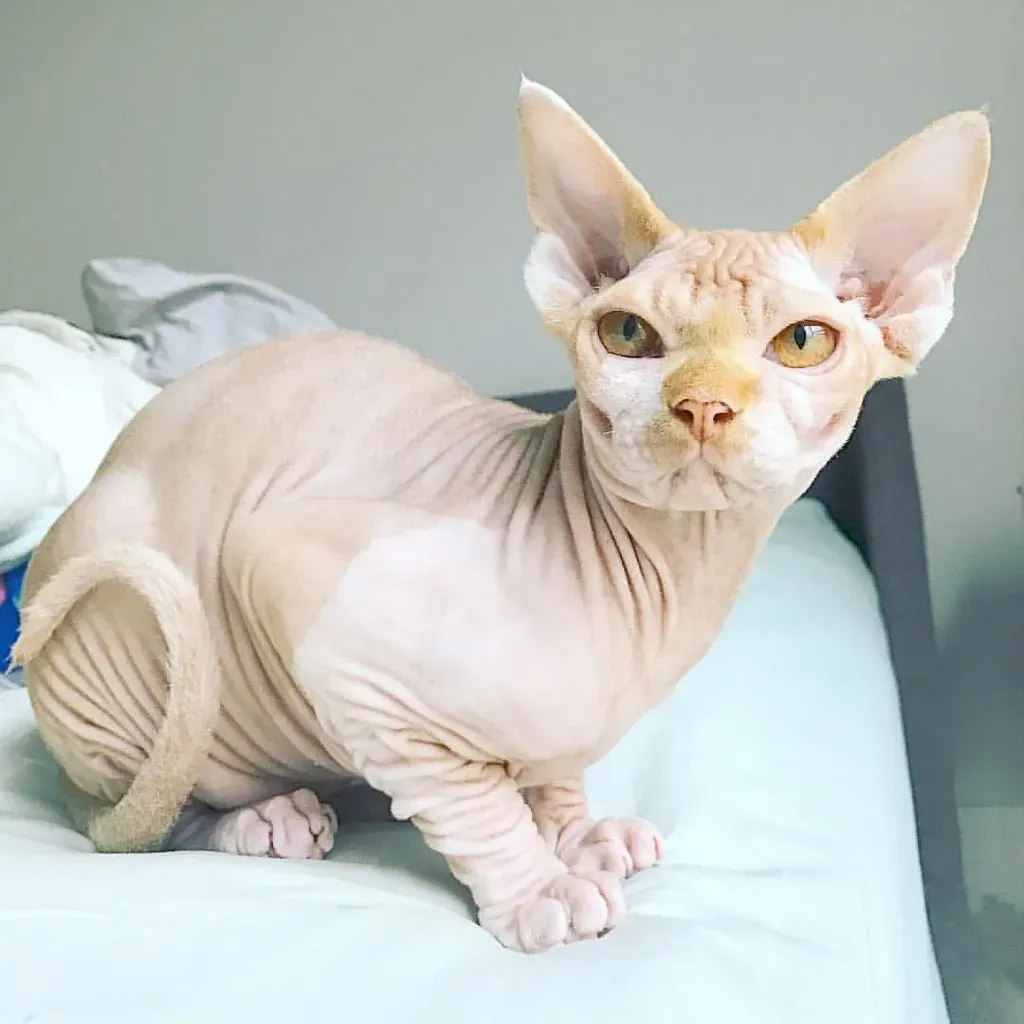
The Sphynx cat turns heads wherever it goes, with its wrinkled, hairless appearance unlike any other feline. But their unique look comes with unique vulnerabilities that make them high-maintenance and medically fragile pets. Cats have no coat to groom and develop skin problems due to excessive skin oils or damage from grooming hairless skin. They have reduced insulation and may suffer from sunburn. Breeds affected include the Sphynx and the Peterbald.
Sphynx cats also suffer from hypertrophic cardiomyopathy, a serious heart condition that can lead to sudden death or require expensive ongoing treatment. The breed’s unique skin requires special care including regular bathing to remove oil buildup, moisturizing to prevent dryness, and constant vigilance for skin problems that can quickly become serious infections. Michigan winters are particularly challenging for Sphynx cats, who lack the natural insulation that fur provides. They require heated environments, sweaters, and constant monitoring for temperature regulation. Their skin produces excessive oils that must be bathed away regularly, unlike normal cats who self-groom effectively. Skin infections, acne, and fungal problems plague the breed.
Maine Coon: Gentle Giants with Serious Heart Problems

Maine Coons are beloved for their size, sociability, and dog-like personalities. They’re one of the few large breeds that many people consider relatively healthy compared to some others on this list. Yet they carry a significant genetic time bomb. Hypertrophic cardiomyopathy (a type of heart disease) is caused by identified genetic mutations in Maine Coon and Ragdoll cats. Cats affected with this disease die suddenly or develop heart failure in early or midlife.
Hypertrophic cardiomyopathy is one such condition that has been identified in Ragdoll and Maine Coon breeds because of an inherited genetic mutation. Michigan veterinary cardiologists regularly diagnose Maine Coons with this progressive disease. The heart muscle thickens abnormally, reducing the heart’s ability to pump blood effectively. Owners often have no warning until their seemingly healthy cat collapses or dies suddenly. While genetic testing is available, not all breeders utilize it responsibly. Maine Coons also face hip dysplasia and spinal muscular atrophy, conditions more commonly associated with dogs but increasingly documented in this breed. The sheer size of these cats can exacerbate joint problems as they age.
Siamese: Neurological and Behavioral Challenges

Siamese cats are iconic, with their striking blue eyes, pointed coloration, and vocal personalities. However, beneath that beauty lies a breed with multiple genetic concerns that Michigan vets encounter regularly. Siamese cats can inherit several health problems. One of the most well-known is progressive retinal atrophy, which can lead to blindness as the cat ages.
Respiratory issues are also common in Siamese cats. Their narrow heads and elongated faces sometimes create breathing difficulties or sinus problems. Owners might notice that their Siamese cat sneezes often or has a runny nose. Behavioral and neurological issues sometimes affect Siamese cats, too. They are more likely than other breeds to develop compulsive behaviors, such as overgrooming or wool sucking. Vets link these actions to stress, boredom, or genetic factors. The temperature-sensitive albinism gene responsible for their beautiful coloration also causes vision abnormalities. Many Siamese cats struggle with depth perception and night vision throughout their lives, directly traced to the same mutation that gives them their distinctive appearance.
Making Better Choices for Michigan Cats
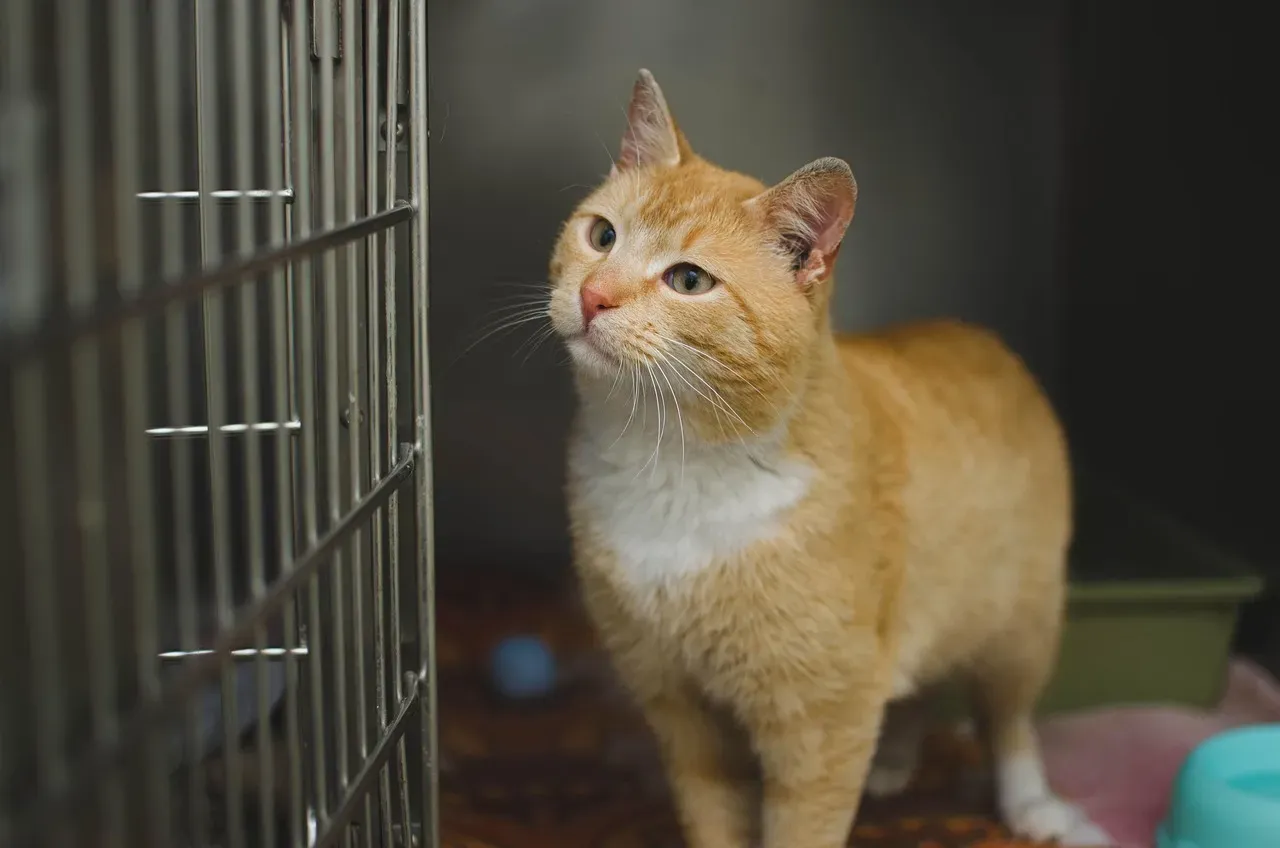
The reality is that purebred cats face significantly higher rates of genetic disease compared to mixed-breed cats from shelters. Purebred cats, unfortunately, face countless health issues as a result of being bred for specific traits from a limited gene pool. The main problem is obvious – purebred cats are suffering from debilitating genetic conditions as a result of being treated like commodities to be produced. Michigan shelters overflow with healthy, loving cats desperately needing homes while breeders continue producing animals with predictable suffering built into their DNA.
If you’re determined to get a specific breed, research thoroughly and demand health testing from breeders. Ask about genetic screening, meet the parents, and understand what you’re getting into financially and emotionally. Better yet, consider adopting a mixed-breed cat from one of Michigan’s many shelters. These cats typically have fewer health problems, longer lifespans, and equally wonderful personalities. They deserve homes just as much as any expensive purebred, perhaps even more so given the overpopulation crisis facing animal welfare organizations statewide. The choice you make affects not just one animal, but the entire breeding industry and the future welfare of cats everywhere.