Ever wondered if your cat secretly hates when you leave? Turns out, not all felines handle alone time with the same grace. Some cats glide through your absence without batting an eye. Others? They unravel completely.
You might think cats are universally aloof and independent, happy to ignore you for hours on end. That stereotype couldn’t be further from the truth for certain breeds. While your neighbor’s tabby might barely notice when they head to work, your furball could be pacing the floor, meowing pitifully, or worse – leaving little accidents around the house.
The truth is, some cat breeds have been hardwired through generations to crave constant human companionship. Their attachment isn’t a flaw. It’s their nature. So let’s dive in and explore which breeds struggle the most when you’re not around.
Siamese: The Chatty Shadow Who Can’t Stand Being Alone
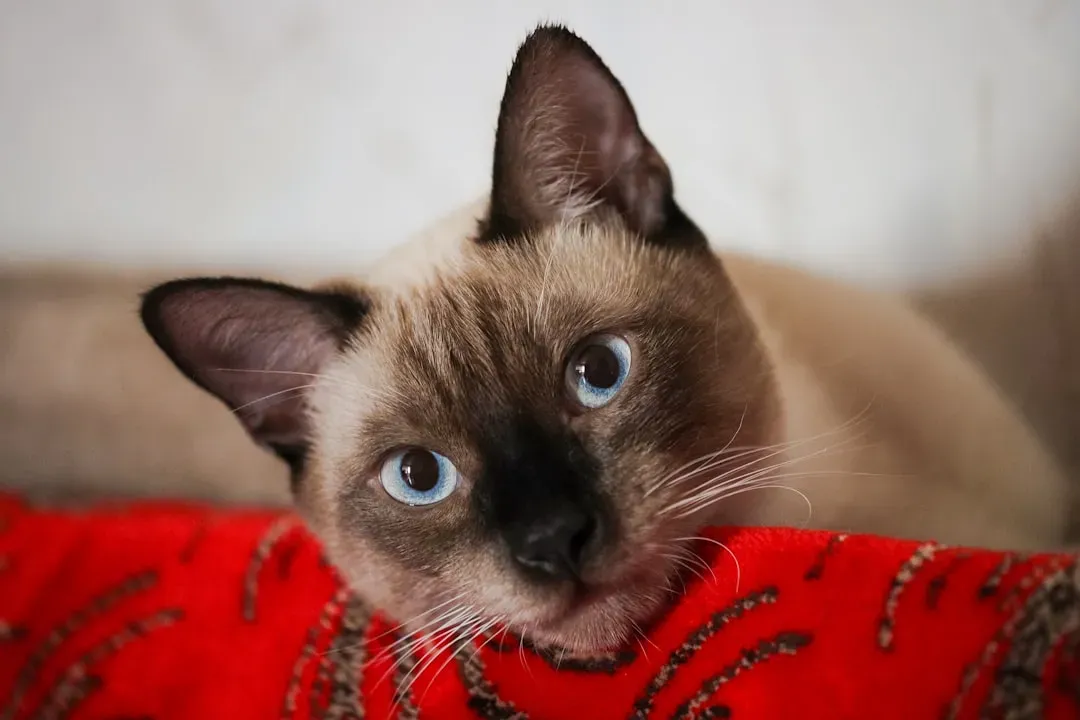
Siamese cats are among the breeds most known for their attachment to humans, with research indicating they’re especially vulnerable to separation difficulties. These striking blue-eyed beauties aren’t just vocal – they’re demanding. When you’re home, expect constant conversations and running commentary on everything you do.
Because of the strong bond they form with their cat parents, Siamese cats won’t be too happy about staying home alone, and they will become sad and bored quickly or develop separation anxiety. Think of them as the friend who texts you every five minutes when you’re apart. These cats are not very generous when it comes to sharing the object of their affection, which can make them aggressive toward other pets seeking your attention.
Their intelligence only makes things worse, honestly. They’re smart enough to know exactly when you’re preparing to leave and will follow you around, protesting loudly. If you work long hours and live alone, a Siamese might not be your best match unless you’re prepared for some serious behavioral challenges.
Burmese: The Velcro Cat That Refuses Independence
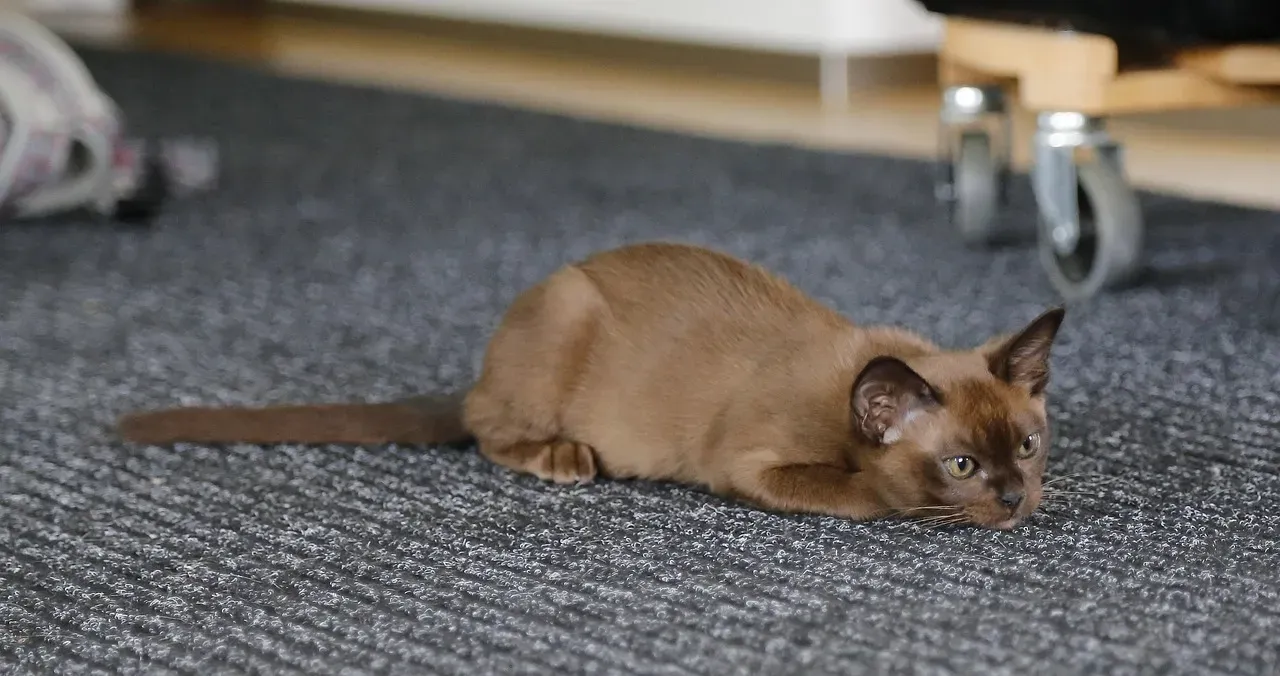
Veterinarians have noted that the dog-like attachment to the owners of the Burmese causes greater dependence on human contacts. This breed doesn’t just enjoy your company – they need it like oxygen. Burmese are not as independent as other breeds and are not suited to being left alone for extended periods of time.
Burmese cats respond to loneliness with behavior shifts – some subtle, others disruptive, and when ignored, their mental health takes a hit. They won’t just sit quietly and wait for you to return. Instead, you might come home to knocked-over plants, scratched furniture, or a cat who’s literally making themselves sick from stress.
These cats follow you from room to room like they’re on a mission. They become attached to humans and tend to follow you from room to room, even sleeping in your bedroom if you allow it. It’s endearing at first, but when you realize they can’t function without you nearby, the reality sets in. If you’re looking for a low-touch pet, this breed will keep pushing back. Hard.
Ragdoll: The Gentle Giant With Clingy Tendencies
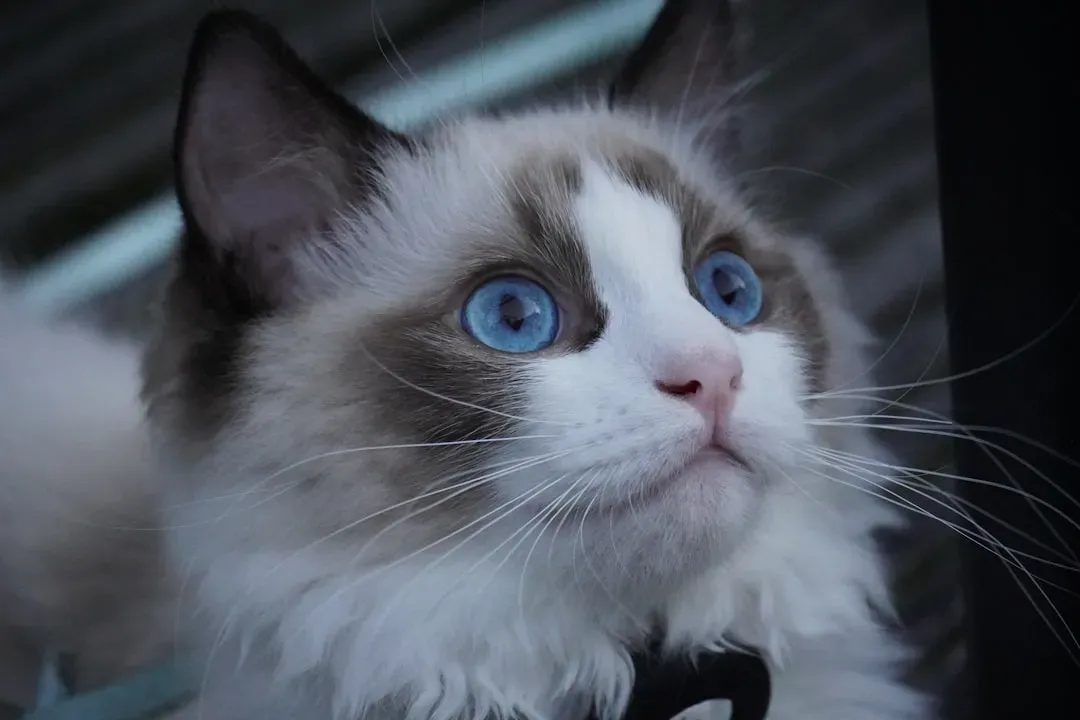
Let’s be real – Ragdolls are gorgeous, sweet-natured cats that many people adore. They’re called puppy cats for a reason. While some cat breeds like to explore the house and get into mischief, Ragdolls like to stay close to their family at all times. Their docile nature makes them wonderful companions, but it also means they struggle when left alone.
Ragdolls are a breed that need almost constant human companionship, and 14 hours a day is way too much time for any kitten to be left alone. These aren’t the cats who entertain themselves with toys for hours. Ragdolls have been bred for generations to be companion cats, and many other breeds tend to be selective about when and whom they socialize with.
When stressed from separation, they can stop eating, overgroom themselves, or become withdrawn. Not eating can also be a sign of stress and needs to be addressed quickly. One owner described coming home to find their Ragdoll so stressed that static electricity built up in its fur. That’s not normal cat behavior – that’s anxiety manifesting physically.
Maine Coon: The Surprising Social Butterfly
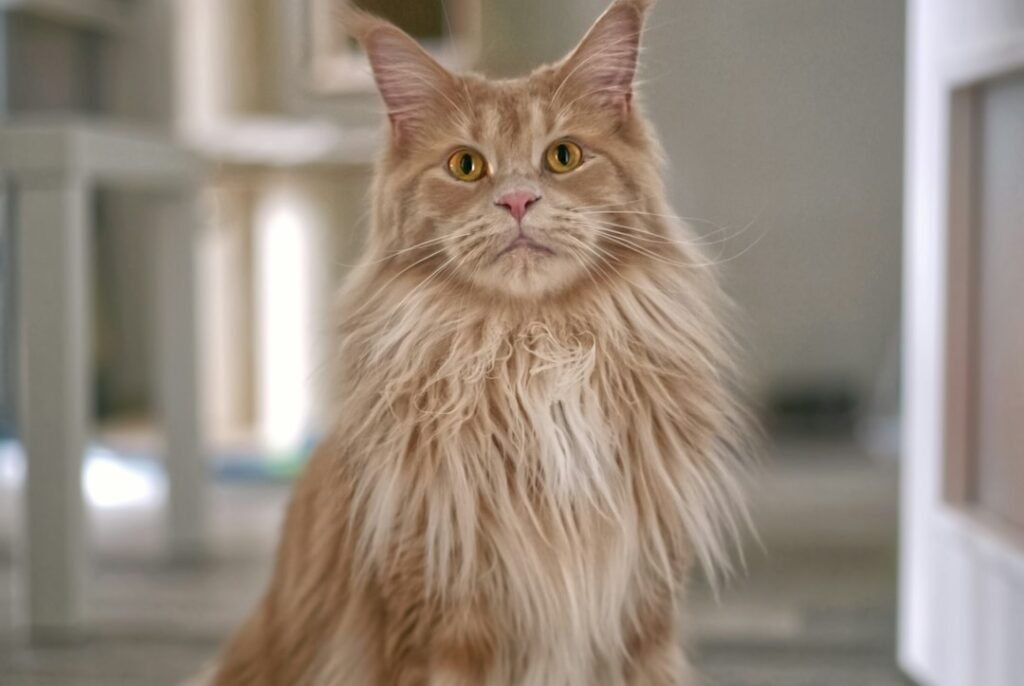
You wouldn’t expect a cat this large and majestic to be needy, right? Surprise. Maine Coons are prone to separation anxiety due to their needy and active behavior, and they require attention much like a puppy and don’t like to be left alone for long periods. These gentle giants may look independent, but they’re anything but.
Maine Coons are known for their affectionate and loyal nature, which makes them more prone to forming deep emotional bonds with their owners, and when separated, some Maine Coons struggle to cope. They want to know what you’re doing at all times. Cooking dinner? Your Maine Coon will supervise. Working from home? Expect a furry coworker draped across your keyboard.
If you leave your Maine Coon for too long, they may develop signs of irritability, stress, and depression. Unlike some other breeds on this list, Maine Coons don’t necessarily become destructive – they just become sad. Watching a depressed cat is heartbreaking. They lose interest in playing, stop greeting you at the door, and might even hide away for hours.
Sphynx: The Hairless Heat-Seeker
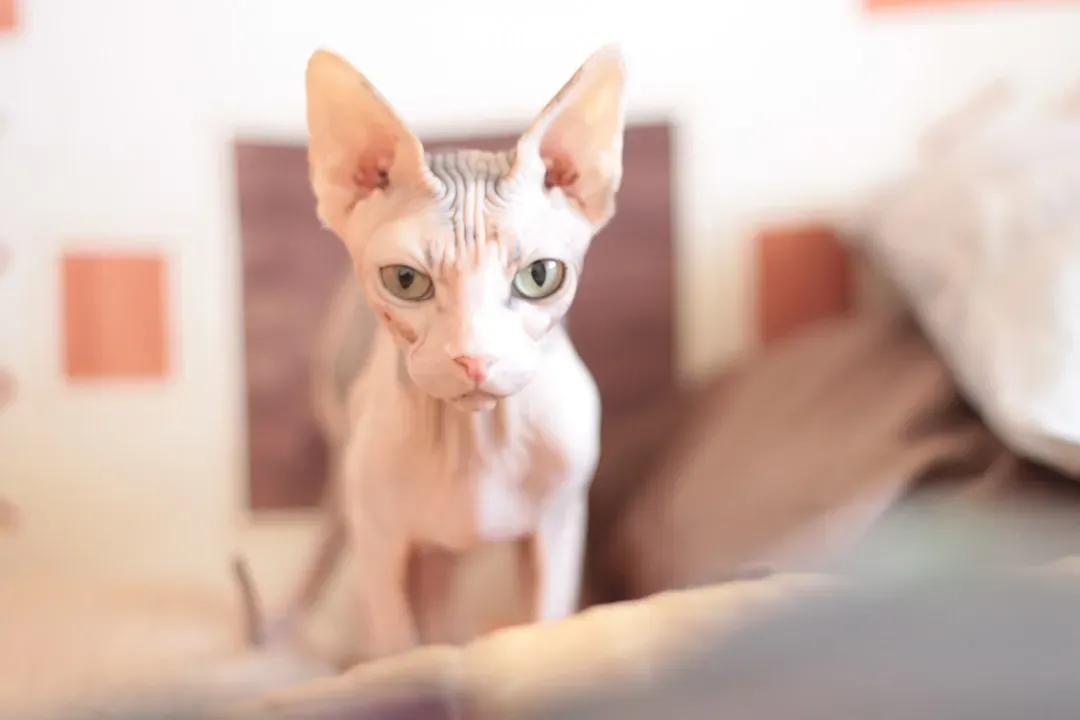
Sphynx cats, lacking fur, seek body heat and develop clingy tendencies. It’s not just about wanting attention – it’s about survival instinct. A 2021 University of Edinburgh study found Sphynx cats maintain a body temperature 1-2°C higher than furry breeds, explaining their constant search for warmth.
Many people describe the Sphynx breed as behaving more dog-like than most cats in how affectionate and needy they are, and if the Sphynx wants your attention, you’ll certainly hear about it with their meows and chirping. These cats will burrow under your blankets, curl up on your lap, and follow you everywhere. They’re not subtle about their needs.
Without fur to keep them warm, these cats often seek body heat from snuggling up close, and they love to sleep under blankets beside their humans and follow their owners from room to room. Honestly, if you’re someone who values personal space, a Sphynx will test your limits. They have zero concept of boundaries and will insert themselves into every aspect of your life.
Tonkinese: The Social Butterfly Who Hates Solitude
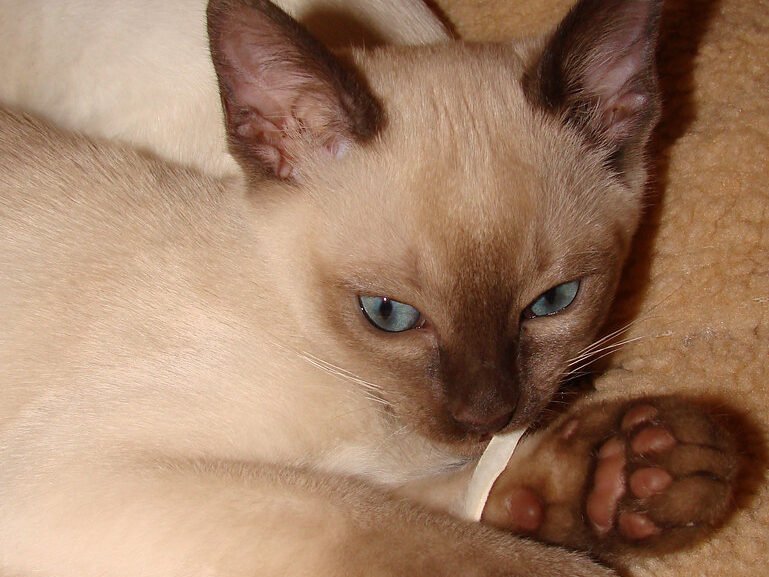
The Tonkinese forms strong bonds with its humans and doesn’t enjoy being left alone for long periods. Born from crossing Siamese and Burmese cats, the Tonkinese inherited the neediest traits from both parents. They inherit the social streak of both their Burmese and Siamese ancestors, and these cats don’t handle loneliness well.
The Tonkinese has a lot of personality, and this is still a forthright, demanding and intelligent cat who will not stand for being ignored. They’ll follow you around, initiate conversations, and demand to be part of every activity. Making coffee? Your Tonkinese will watch. Getting dressed? They’ll have opinions.
Tonkinese cats have fantastic personalities, but there’s a tradeoff for their love of human companionship – you can’t leave these kitties to their own devices for too long or they run the risk of developing separation anxiety. Getting two cats instead of one can help, but even then, they still crave human interaction above all else.
Abyssinian: The Active Explorer Who Needs Company
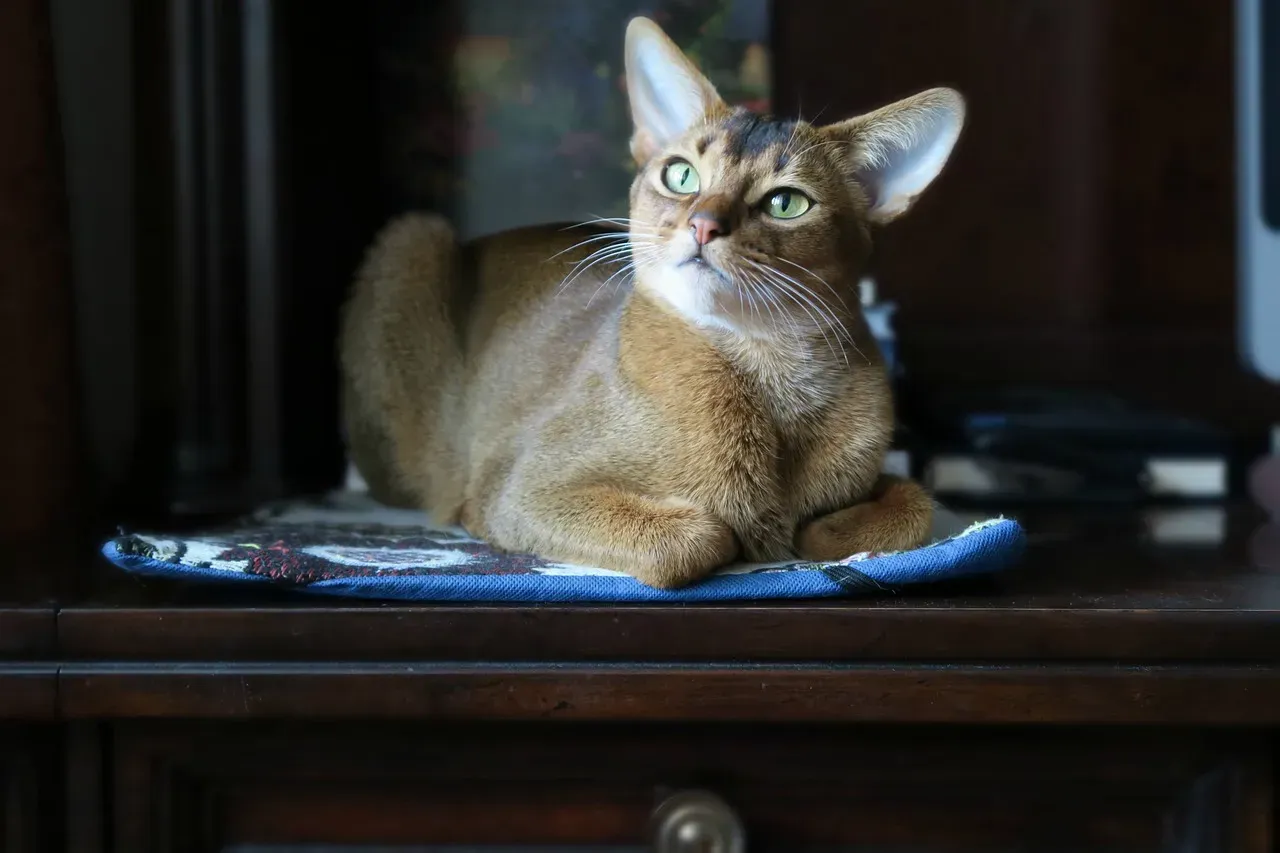
The dog-like attachment to the owners of Abyssinian cats causes greater dependence on human contacts, standing in contrast to the mere tolerant acceptance of human company that multiple other breeds display. These sleek, athletic cats aren’t lap warmers, but they’re constantly in motion – around you.
They are a highly social breed and can be demanding of attention. Abyssinians don’t necessarily want to cuddle, but they want to be wherever you are. Their curious and intelligent personality means that they need a lot of attention and affection from their owner.
Abyssinian cats tend to enjoy good physical health, but they are prone to stress and anxiety, particularly in unfamiliar situations. Changes in routine hit them hard. If you suddenly start working longer hours or go on vacation, expect behavioral changes when you return. They might become skittish, refuse food, or act aloof as a way of punishing you for leaving.
Oriental Shorthair: The Expressive Attention Seeker
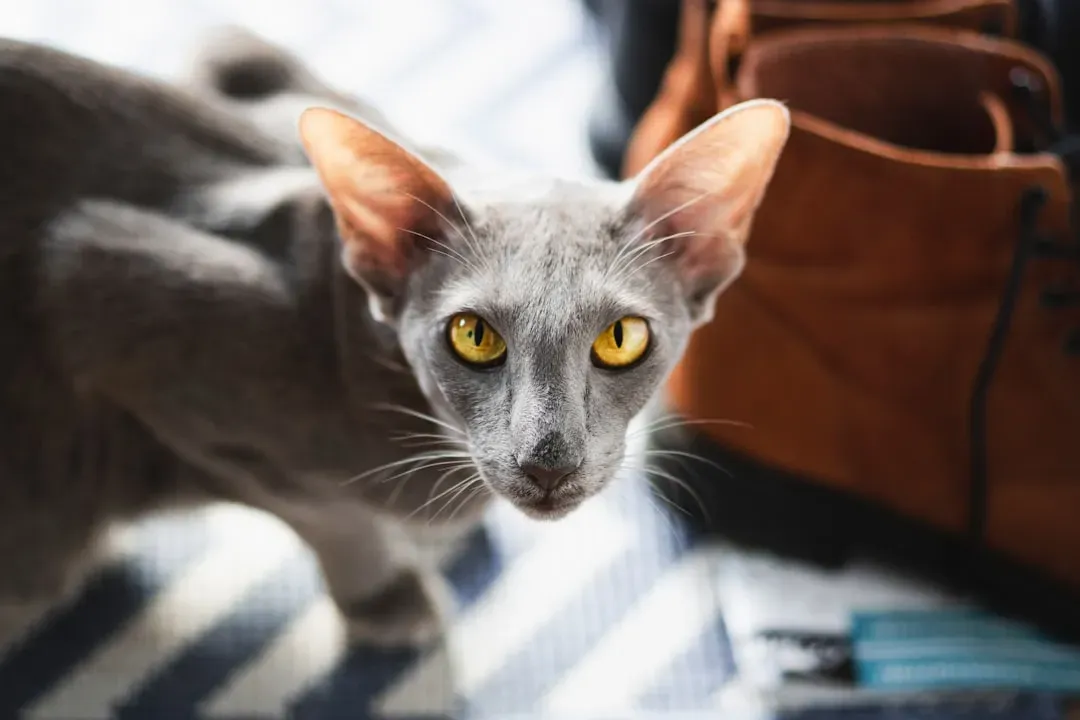
Think of Oriental Shorthairs as Siamese cousins with equally demanding personalities. These elegant cats share that same intense need for human interaction. They’re sleek, expressive, and incredibly social.
Sleek, expressive, and incredibly social, the Oriental Shorthair thrives on human interaction, and while they can be mischievous, their charm lies in their loyal and loving nature, meaning living with an Oriental means always having a partner-in-crime. They follow you everywhere, comment on everything you do, and will not be ignored.
Their intelligence makes them prone to boredom, which can quickly spiral into anxiety when left alone. They need interactive toys, climbing structures, and most importantly, your presence. If you can’t provide that consistently, they’ll find ways to get your attention – usually through behaviors you won’t appreciate, like knocking things off counters or yowling at three in the morning.
What do you think about it? Did your breed make the list? Understanding your cat’s emotional needs isn’t just about preventing bad behavior – it’s about giving them the quality of life they deserve.