You’ve probably heard someone say cats can’t be trained. That’s one of those myths that just won’t quit, right up there with cats being cold and aloof. The truth is far more interesting. Some cats practically beg to learn new tricks, while others will stare at you like you’ve lost your mind for even trying. Let’s be real, cats have their own personalities, and breed tendencies play a surprising role in whether your feline will fetch or just… nap.
Think about it this way. Would you try teaching advanced calculus to someone who’d rather be painting? Same concept with cats. Knowing which breeds are wired for training and which ones prefer ruling the household on their own terms can save you frustration. So let’s dive in and explore sixteen breeds that fall on opposite ends of the trainability spectrum.
1. The Abyssinian: Your Personal Shadow Who Actually Listens
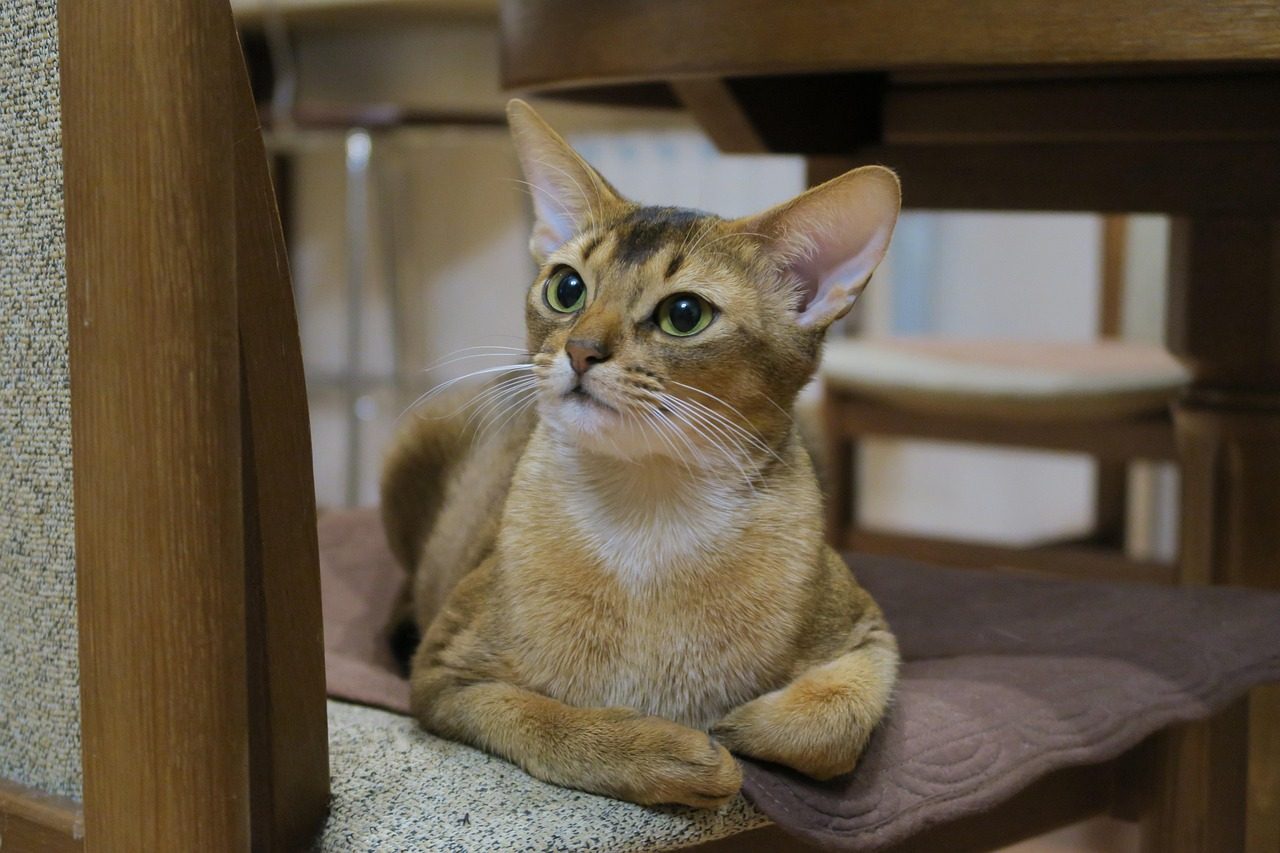
The Abyssinian is known for being playful, extroverted, energetic and highly intelligent, making them natural learners. Think of them as the overachievers of the cat world. They are so intelligent that games of fetch and plenty of exercise can help channel their energy, and many of them can learn to walk on a leash and harness, and some can even do cat tricks.
Honestly, if you want a cat that acts somewhat like a dog, this is your breed. They thrive on interaction and mental challenges, so teaching them commands won’t feel like pulling teeth. Their curiosity drives them to explore every corner of your home, and that same curiosity makes them eager students during training sessions.
2. The Maine Coon: Gentle Giants With Dog-Like Charm
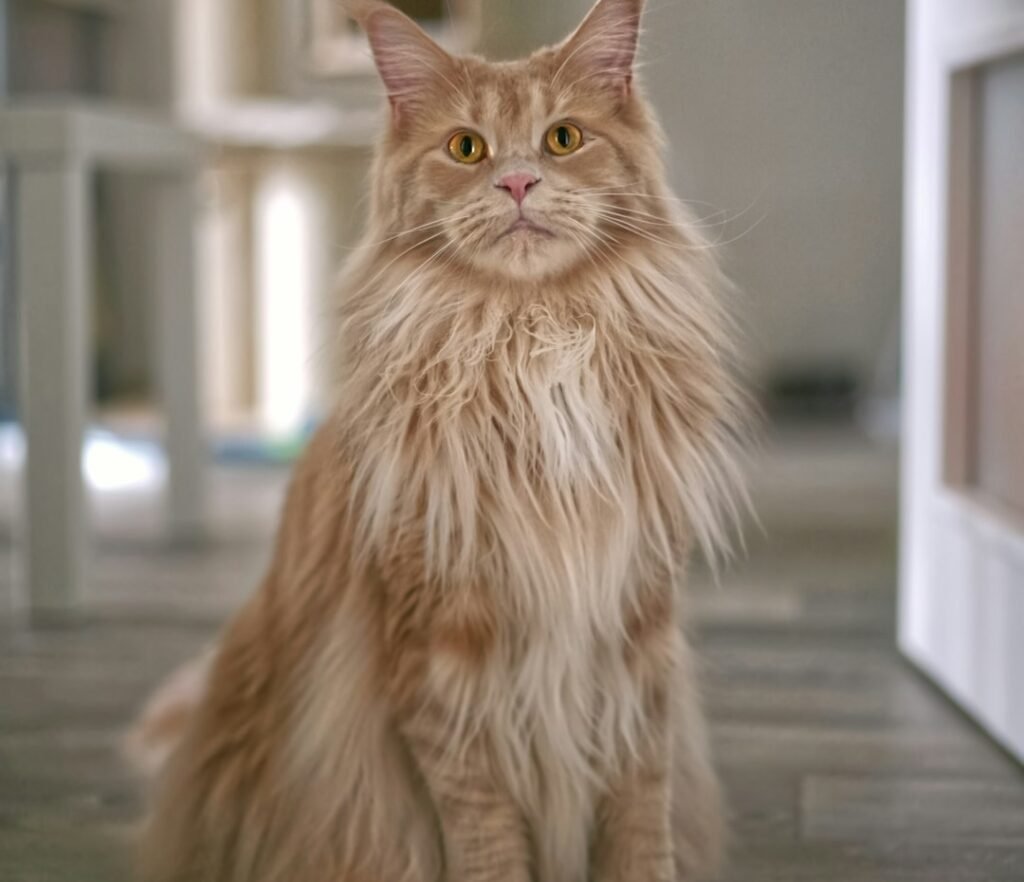
Maine Coons are gentle giants and have a very thoughtful temperament, and they’re also highly intelligent and are sometimes called the dogs of the cat world. These massive furballs aren’t just pretty faces. Maine Coons are excellent problem-solvers, often figuring out how to open latches or turn on faucets.
Their patient and even-tempered nature makes them fantastic family pets. Training a Maine Coon feels natural because they genuinely want to cooperate with their humans. They’re one of those rare breeds where intelligence meets willingness, creating the perfect recipe for successful training sessions.
3. The Siamese: Vocal and Brilliant
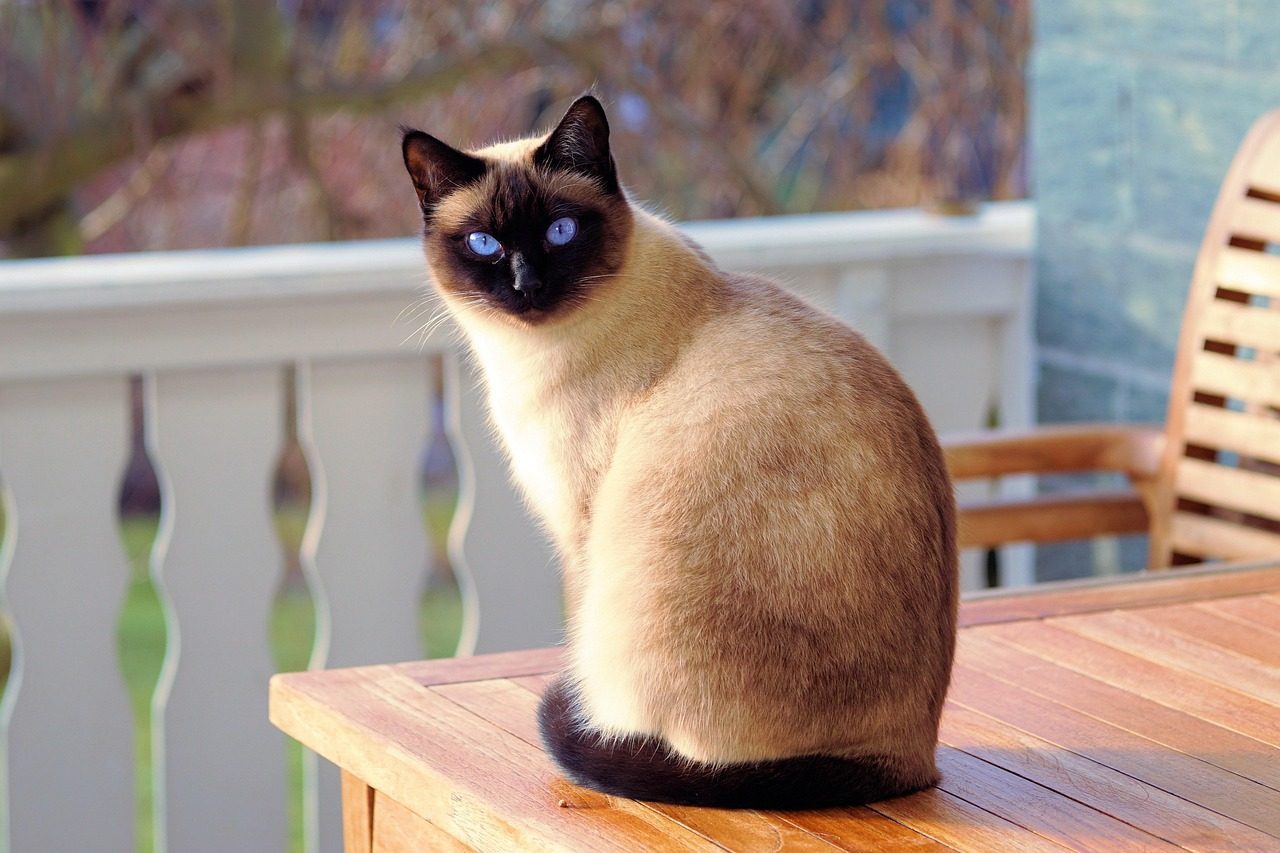
Here’s the thing about Siamese cats: they never shut up. Siamese cats want to be with their owners all the time, and they will really dig the attention they get when you teach them tricks like playing fetch. Their chatty nature isn’t just noise, though. It’s communication, and that makes them highly responsive during training.
With a reputation of being the most talkative breed, the Siamese will carry on meowing conversations with you during training. They’re social butterflies who bond intensely with their humans. This attachment translates to a genuine desire to please you, which is gold when you’re trying to teach commands.
4. The Bengal: Wild Energy, Domestic Smarts
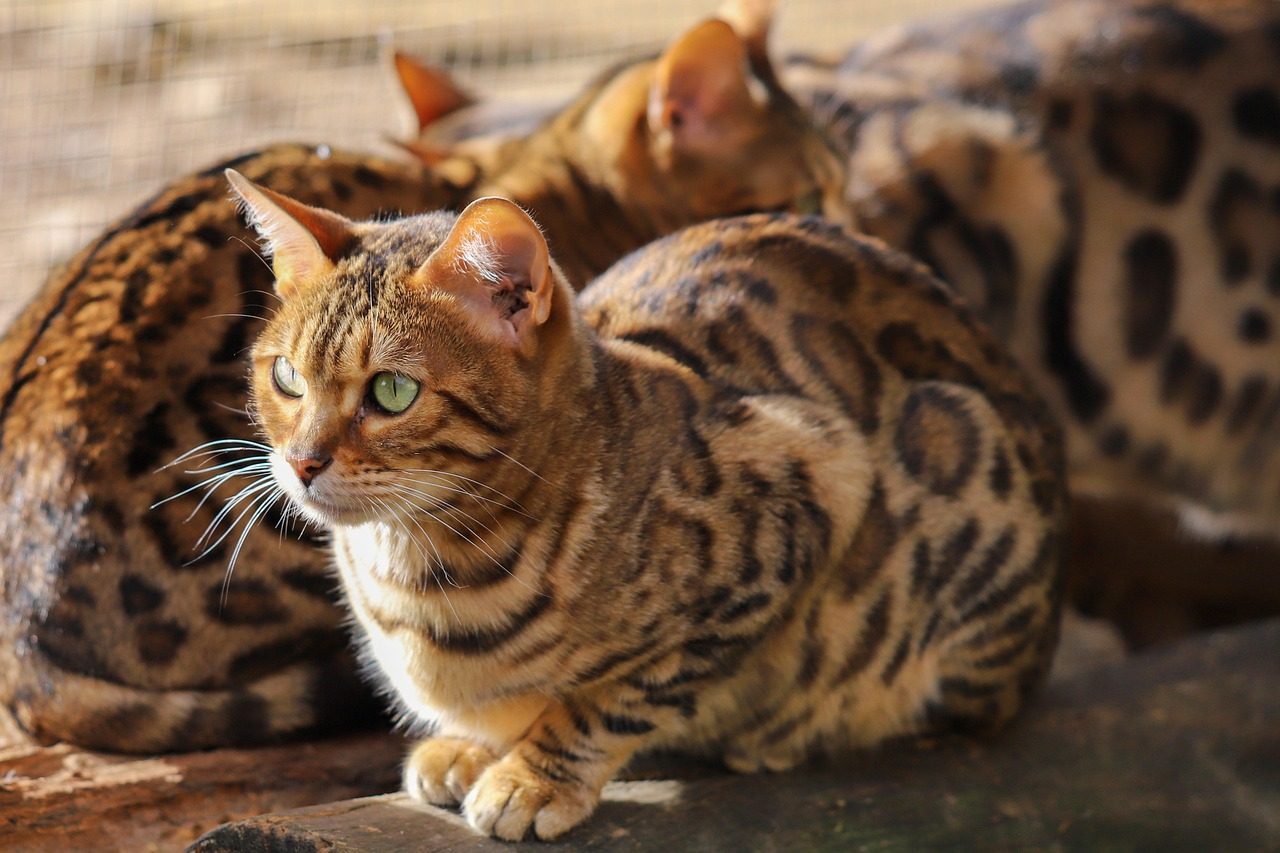
Bengals enjoy interactive play with their parents, and they thrive by spending one-on-one time with you during training, especially enjoying learning anything that resembles play. These cats have energy for days. If you’re not prepared to keep them stimulated, they’ll find their own entertainment, and trust me, you won’t like it.
The upside? That boundless energy makes them excellent training candidates. They’re always ready for the next challenge, the next game, the next puzzle. Their wild ancestry shows through in their athleticism and intelligence, making them quick learners.
5. The Japanese Bobtail: The Energizer Bunny of Cats
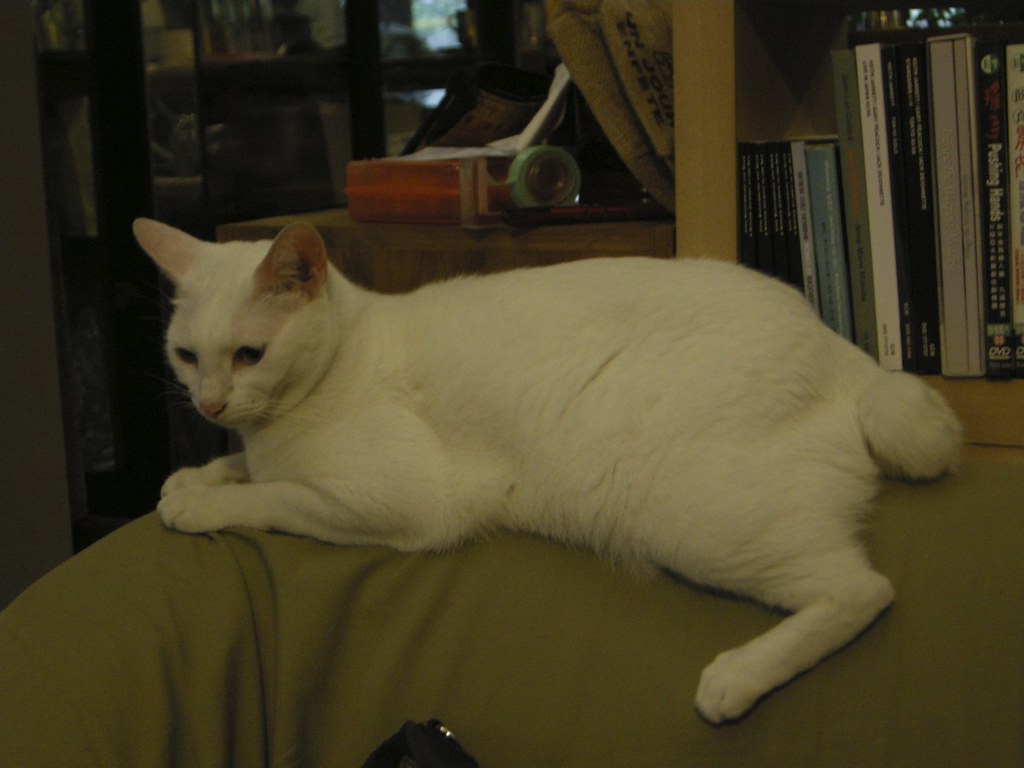
The Japanese Bobtail has energy levels about an eleven on a scale of one to ten, and they are known to be smart and love attention from their families and strangers alike, and their high energy and love for interaction can be directed easily. These cats don’t understand the concept of downtime.
Their enthusiasm for life extends to training. They want to be involved in everything you do, which makes teaching them commands almost effortless. Just be prepared for a cat that never seems to run out of steam.
6. The Turkish Van: Water-Loving Adventurers
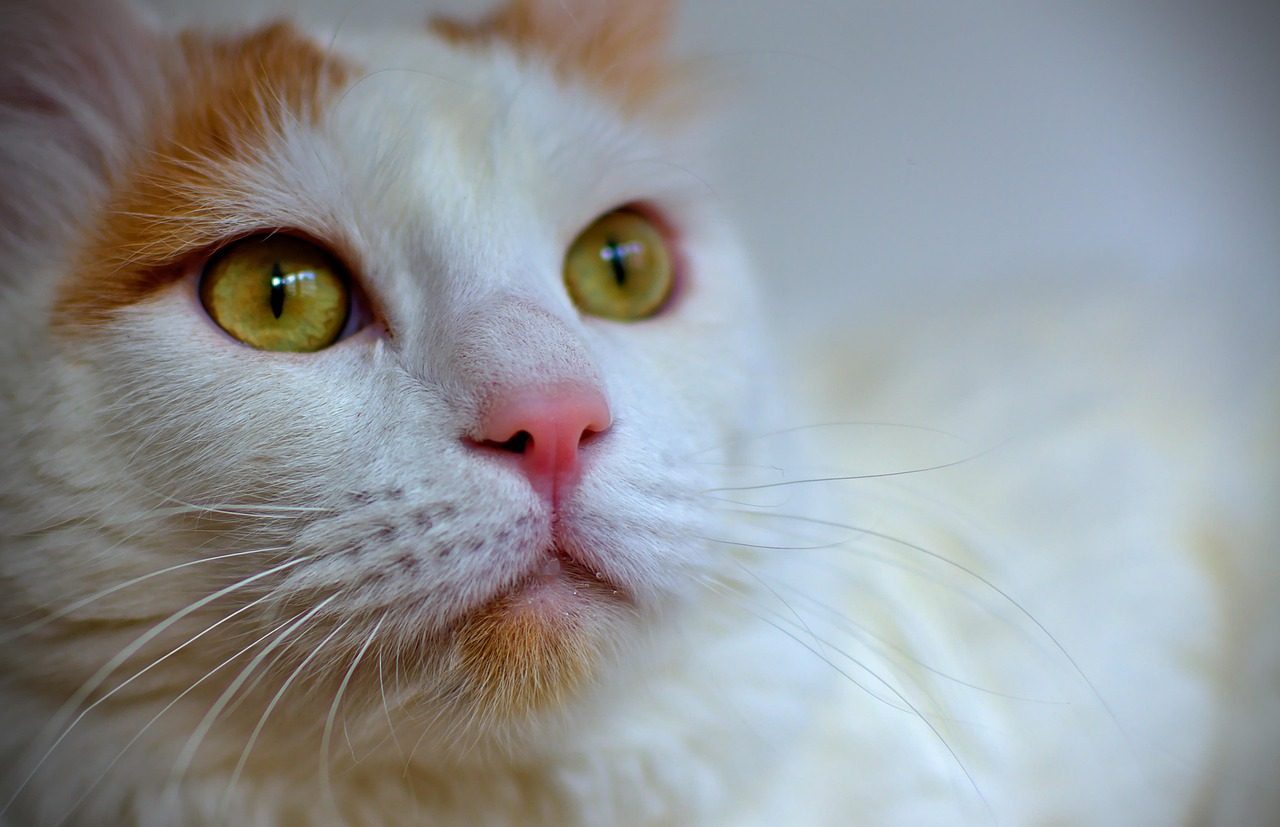
The Turkish Van is a social, playful cat who thrives on attention, and these cats form strong relationships with their people, so playing and training with a Turkish Van can provide an ideal outlet for fun and bonding. What makes them unique is their love of water, which is pretty rare among cats.
Their social nature means they’re always looking for interaction. Training sessions become quality bonding time rather than a chore. Turkish Vans are agile and highly trainable and also love to swim and play with water, and they can learn to fetch, respond readily to their names, and even enjoy car rides. Did you catch that? Car rides. That’s commitment.
7. The American Shorthair: Calm, Cool, and Collected
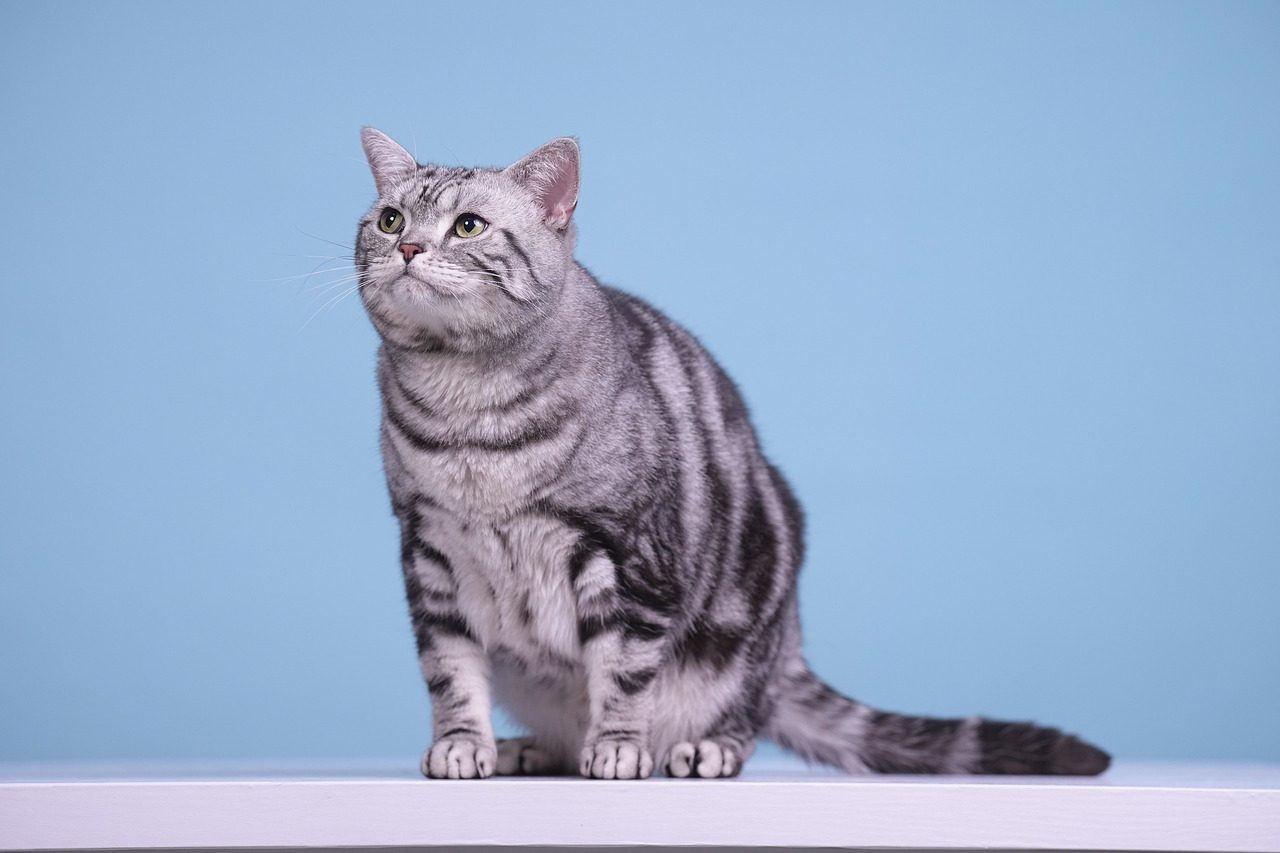
The American Shorthair has a calm, even demeanor that lends itself to learning, and their capacity for learning makes them ideal for acting and modeling roles because they respond so well to positive reinforcement. These cats won’t overwhelm you with demands, but they’re quietly brilliant.
Their easygoing personality makes them perfect for families or first-time cat owners who want a trainable pet. They’re patient enough to work through commands without getting frustrated or bored. It’s hard to say for sure, but they might just be the most underrated trainable breed out there.
8. The Sphynx: Naked and Shameless Attention Seekers
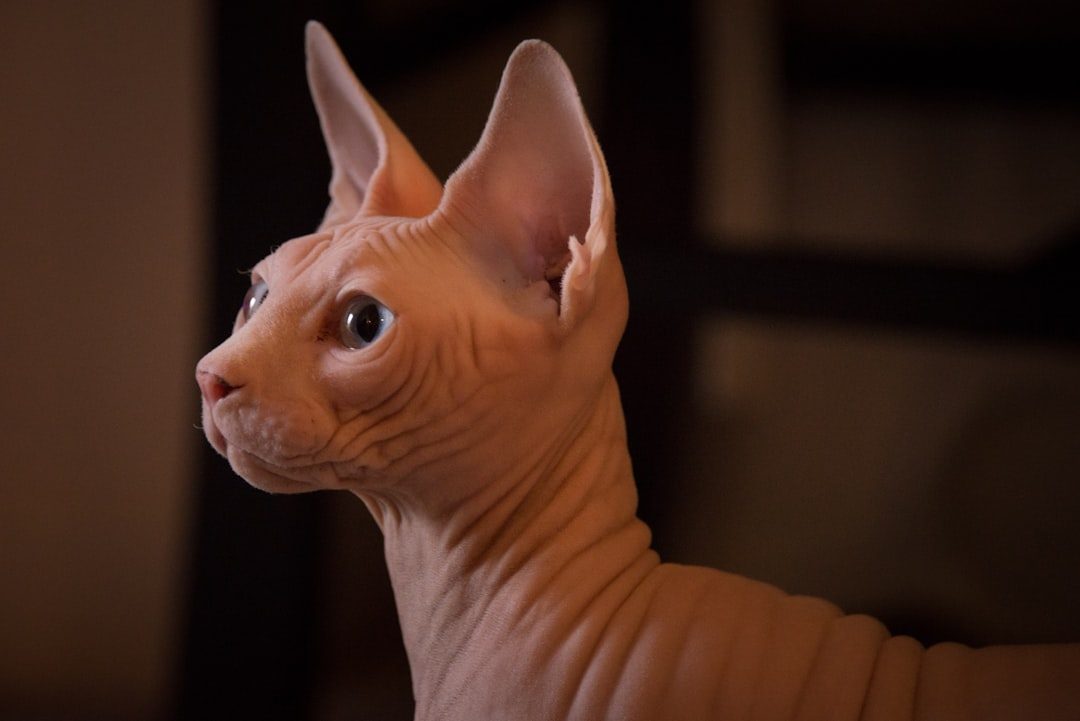
The hairless Sphynx packs a lot of playfulness and intelligence into one package, and the affectionate breed loves to perform tricks, explore everywhere they can, and do anything that gets them attention. These cats are absolute drama queens in the best possible way.
They like to snuggle, thriving on interaction, and they also adapt quickly to household routines, and a Sphynx knows who will get them a treat, which visitors will give extra loving, and what time you wake up each day. Their intelligence is paired with an insatiable need for human contact, making training sessions something they actively seek out.
9. The Persian: Beautiful But Unmotivated
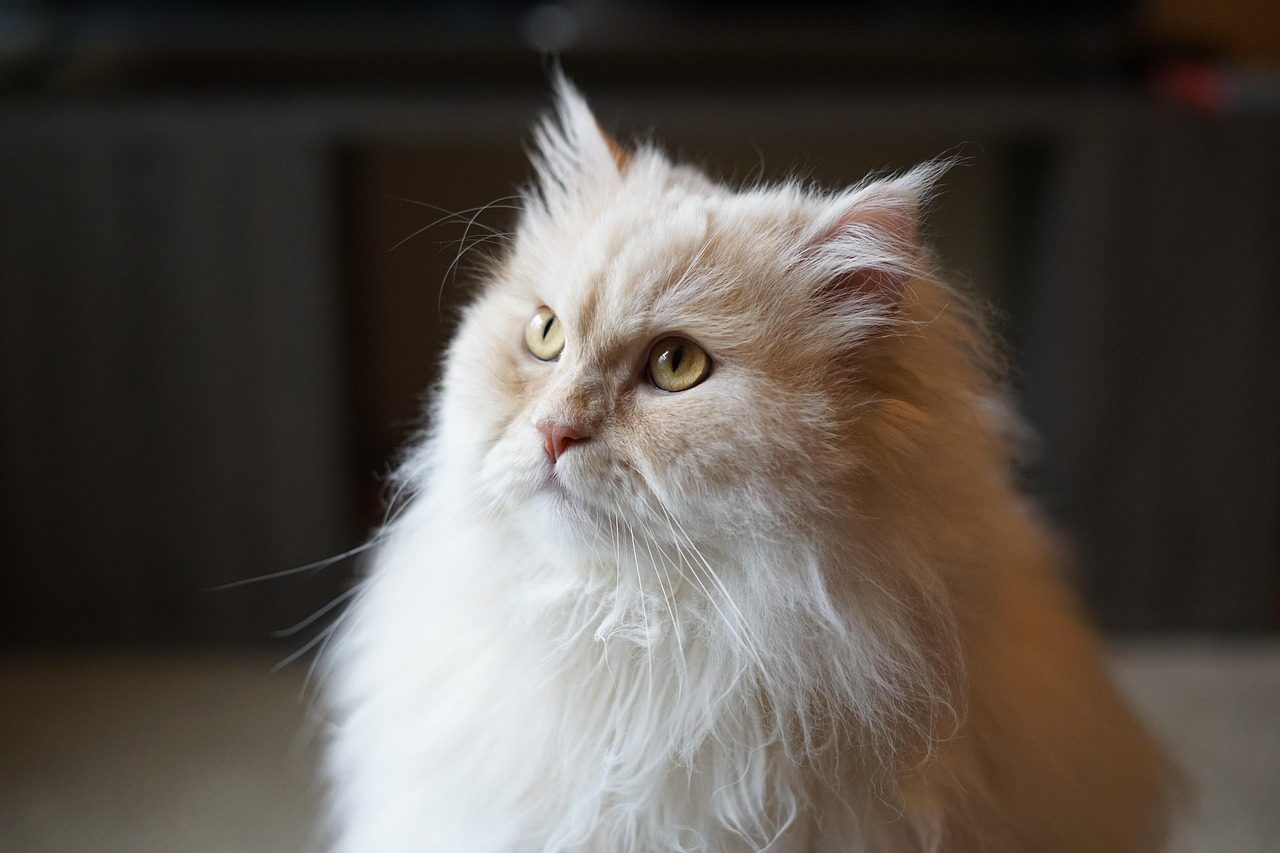
Persian cats are incredibly difficult to motivate, constantly ignore their owners and spend their time grooming their thick coats, and getting a Persian cat to listen to their owner will be incredibly difficult unless training starts when they are kittens. Let’s face it, Persians have better things to do than follow your commands.
These fluffy royals perfected the art of selective hearing centuries ago. Persians are more resistant to training than the Scottish Fold and aren’t deemed quite as intelligent, but they can be trained if you’re patient. Notice that key word: patient. We’re talking saint-level patience here.
10. The Scottish Fold: Adorable But On Their Own Schedule
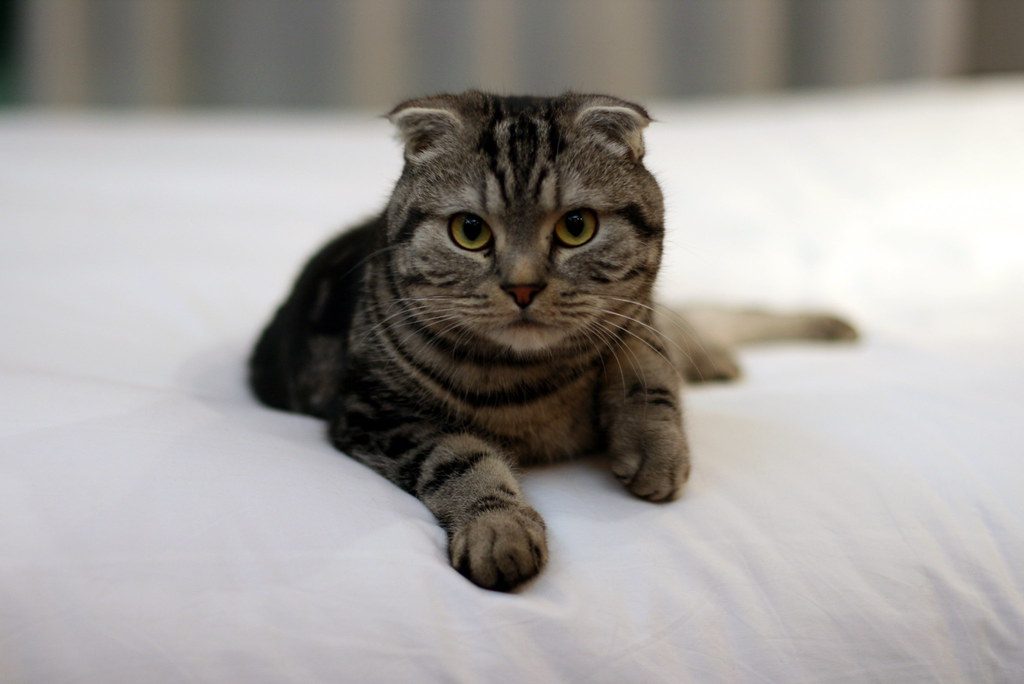
Scottish fold owners debate whether the breed has trouble hearing or prefers to just ignore their owners, and veterinarians indicate Scottish folds have good hearing to assess their surroundings, making it likely the breed is stubborn. Those folded ears aren’t just for show. They come with a matching stubborn streak.
The Scottish Fold is known to be intelligent and can be taught to fetch and walk on a leash, but the Persian is moderately intelligent, and training can be a little trickier. They’re smart enough to learn but selective about when they’ll actually comply. Training success depends entirely on whether they feel like cooperating that day.
11. The Russian Blue: Reserved and Independent
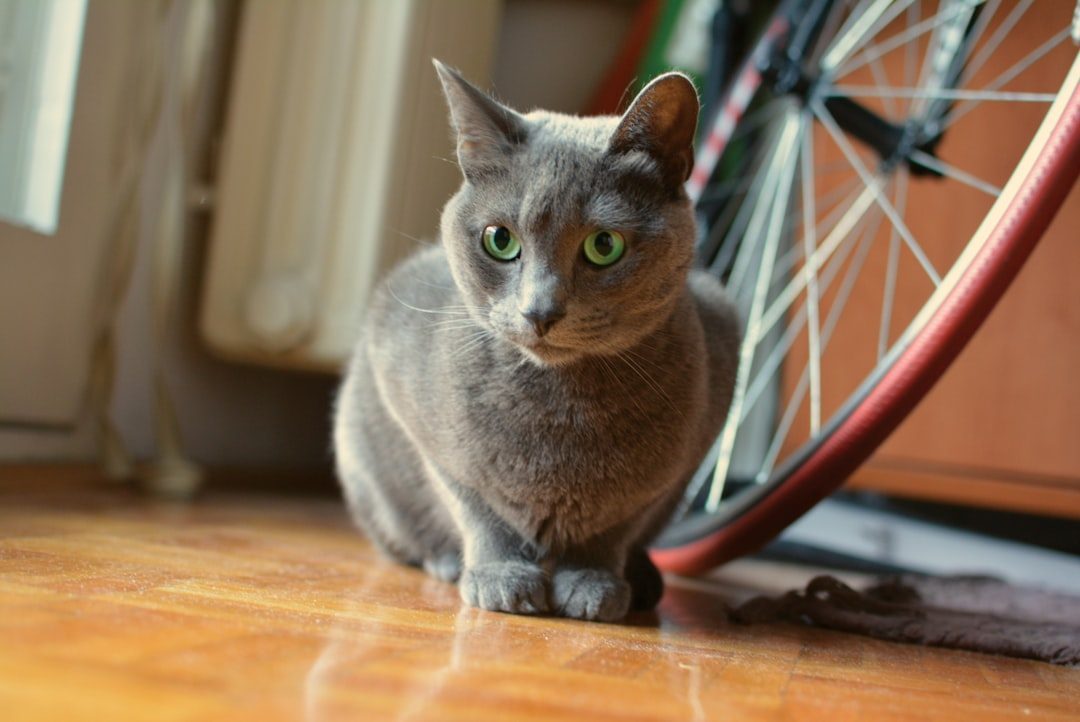
The Russian Blue does not demand being the center of attention, they may refuse to come out from under the bed on a whim, and these cats become stubborn when you try to change up routine or invite new people over. These elegant cats are creatures of habit who don’t appreciate disruptions.
They need plenty of alone time and much prefer watching from the outside before deciding to join in the party. Training requires working around their comfort zones, and honestly, they’ll probably just tolerate it rather than embrace it. They’re the introverts of the cat world who prefer observing to participating.
12. The Himalayan: Stubborn With a Side of Fluff
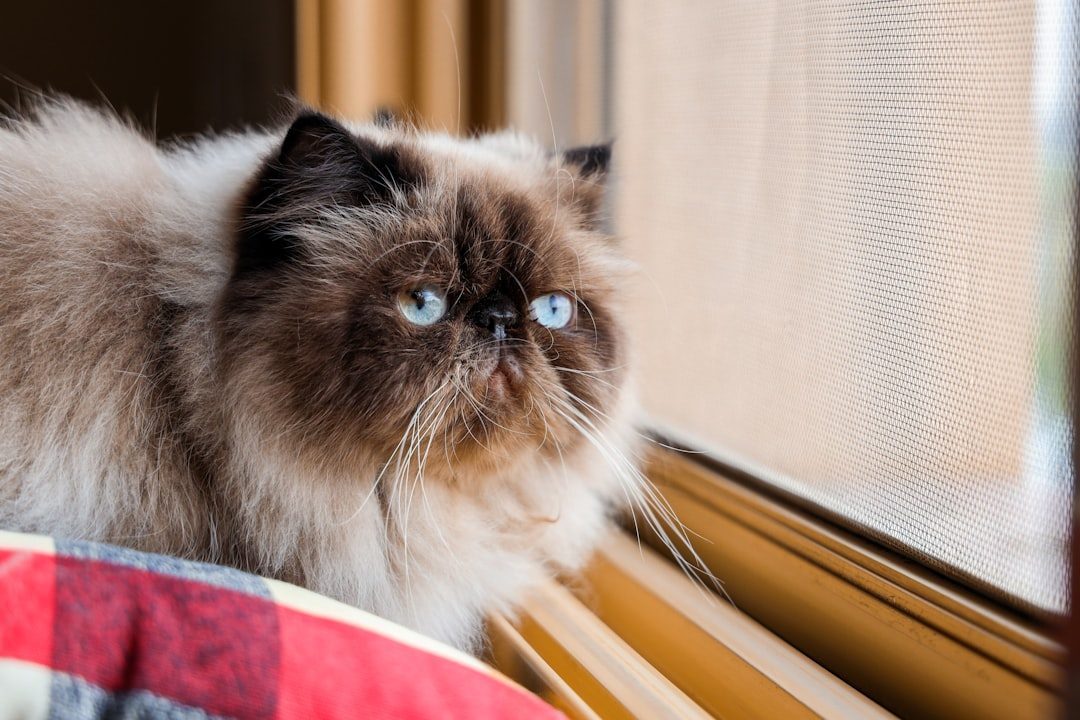
Himalayan cats are incredibly stubborn animals with loving hearts and are incredible problem solvers and hunters, but the breed is highly intelligent in most categories and frequently dismisses their owners’ commands. They have the brainpower but not the motivation.
Many Himalayans are capable of understanding and performing small tasks like locating treats, but despite proving capable of problem solving, they prefer to wait for their owners to solve their problems for them. Why work when you can manipulate your human into doing it for you? That’s their philosophy, and they’re sticking to it.
13. The British Shorthair: Laid-Back and Disinterested
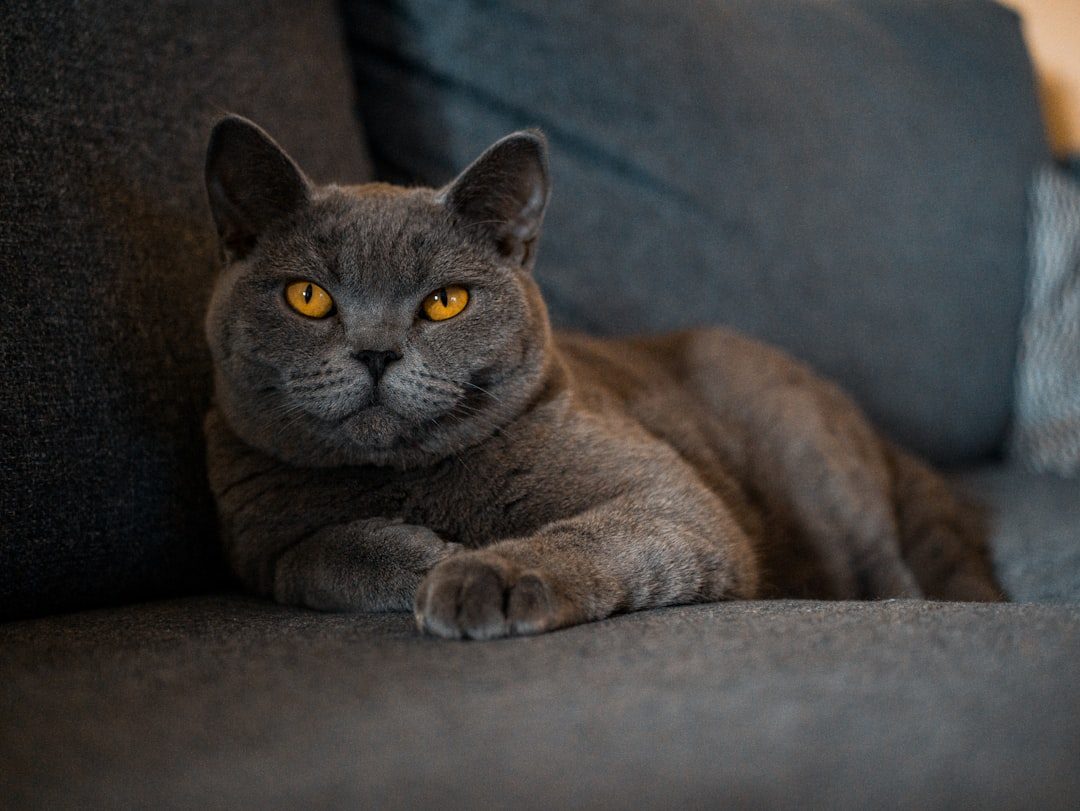
A British Shorthair is an independent cat breed with a laid-back, easygoing personality. These chunky beauties would rather observe life from a comfortable perch than engage in rigorous training sessions. Their independence is both charming and frustrating.
They’re not difficult cats, but they’re not particularly interested in impressing you either. Training is possible but requires accepting that they’ll participate on their terms, not yours. They’ve got that classic British reserve down pat.
14. The Devon Rex: Persistent Manipulators
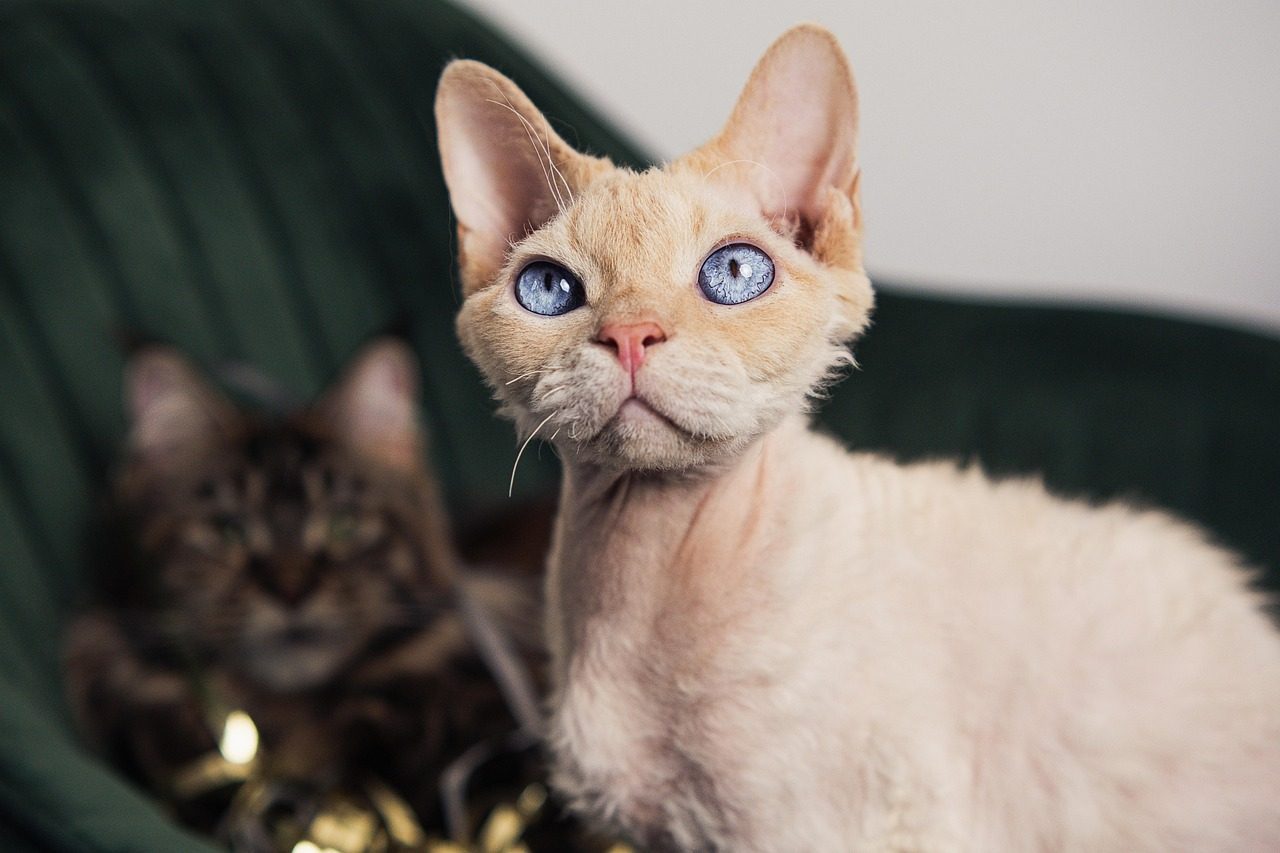
The Devon Rex is one of the strongest willed cats, and these kitties are known for begging for food off your dinner plate and meowing at you as though you’ve neglected their appetites completely, and Devons will try to wear you down with their big, pleading eyes and intensely devoted dispositions. These cats don’t take no for an answer.
They’re not untrainable, but good luck getting them to follow commands that don’t immediately benefit them. Their stubbornness comes from determination rather than laziness. You know nothing about strong-willed cats unless you meet a Devon Rex breed, as they do not stop bothering you until they get what they want.
15. The Chausie: Adventurous Rebels
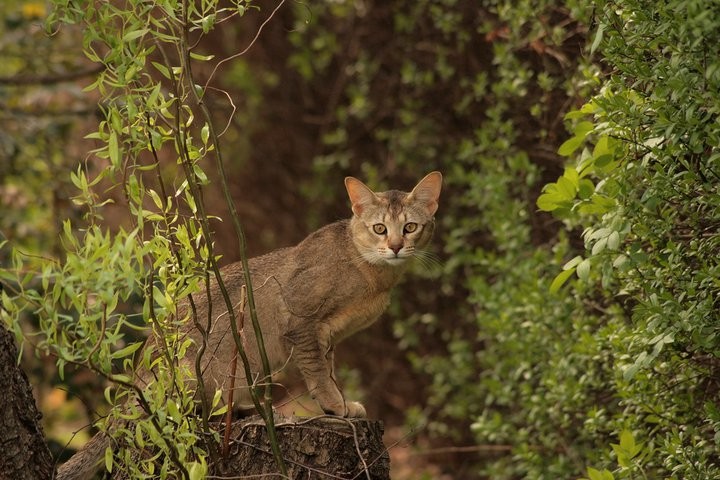
As one of the largest domestic cat breeds, Chausies will take over the table, the tops of shelves, the small spaces you never think they’ll fit into, and these are curious adventure seekers through and through who won’t give up until they’ve seen it all, and they’re incredibly vocal and not afraid to let you know where they are. Training these cats is like herding cats. Wait, that’s exactly what it is.
Their wild ancestry shows in their independent nature and exploratory drive. They’re too busy investigating every corner of your home to sit still for training. Commands? That sounds like your problem, not theirs.
16. The Balinese: Demanding and Destructive
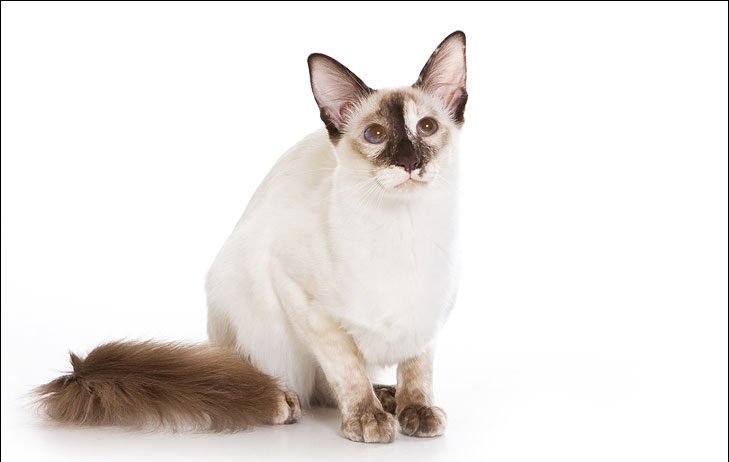
The Balinese is extremely fine-tuned to their owner’s emotional state, and not only will they follow you everywhere, they’ll make sure you know where they are at all times, and leaving a Balinese alone too long isn’t wise. Their stubbornness comes from neediness rather than independence.
They’re smart enough to train, but their emotional intensity can make sessions challenging. They want constant attention and interaction, and if they don’t get it, watch out. Their determination to be involved in everything makes traditional training difficult because they’re more interested in being attached to you than following instructions.
Conclusion
Trainability in cats isn’t about intelligence alone. It’s about temperament, energy levels, and that mysterious thing we call willingness to please. Some breeds are hardwired to cooperate with humans, while others were designed to be independent thinkers. Neither is better or worse, just different.
Choosing the right cat means understanding what you’re signing up for. Want a furry student who’ll master tricks and commands? Go for an Abyssinian, Maine Coon, or Siamese. Prefer a cat who’ll grace you with their presence on their own terms? A Persian or Russian Blue might be your match. What do you think? Does your cat’s personality match their breed reputation? Share your training success stories or hilarious failures in the comments.